
 English
  Chinese
  Dutch
Dutch  Arabic
  Spanish
  Portuguese
  Russian
  French
  Italian
  German
  Japanese
What does butter symbolize in the Bible?
In the Bible, butter often symbolizes abundance, prosperity, and divine favor. It represents the fruitfulness of the Promised Land, a place flowing with milk and honey. When we encounter butter in Scripture, we are reminded of God’s generous provision for His people and the fulfillment of His covenant promises.
I see butter as a symbol of comfort and nourishment, both physical and spiritual. Just as butter adds richness to our food, God’s love and grace enrich our lives, providing sustenance for our souls. The process of making butter – churning cream until it transforms – can be seen as a metaphor for spiritual growth and transformation. Through life’s challenges and trials, God shapes us, refining our faith until we become vessels of His love.
Historically, butter was a valuable commodity in ancient Near Eastern cultures. Its presence in biblical narratives often signifies hospitality, generosity, and the sharing of God’s blessings with others. When Abraham offered butter to his divine visitors (Genesis 18:8), he demonstrated the sacred duty of welcoming strangers and sharing one’s abundance.
Butter symbolizes the richness of God’s Word. As the Psalmist declares, “The words of his mouth were smoother than butter” (Psalm 55:21). This imagery conveys the sweetness and palatability of divine truth, inviting us to savor and internalize God’s teachings.
In our modern context, we can view butter as a reminder of life’s simple pleasures and the importance of gratitude for God’s daily provisions. It calls us to recognize the extraordinary within the ordinary, finding glimpses of divine grace in the most humble aspects of our existence.

What is the spiritual meaning of butter in the Bible?
Butter represents the sweetness of God’s Word and the spiritual nourishment it provides. Just as butter enhances the flavor of food, the wisdom and guidance found in Scripture enrich our spiritual lives. The prophet Isaiah speaks of a time when the Messiah will come, saying, “Butter and honey shall he eat, that he may know to refuse the evil, and choose the good” (Isaiah 7:15). This passage suggests that spiritual discernment and moral clarity are nourished by the pure and wholesome teachings of God.
I see the spiritual meaning of butter as a metaphor for the integration of our faith into every aspect of our lives. Like butter that melts and permeates the food it touches, our faith should infuse all our thoughts, actions, and relationships. This integration leads to a life of authenticity and spiritual wholeness.
Historically, the production of butter required patience and effort, much like the cultivation of spiritual virtues. The churning process reminds us that spiritual growth often involves periods of agitation and discomfort the result is a faith that is richer and more refined.
Butter’s ability to soften and make palatable even the hardest bread can be seen as a symbol of God’s mercy and forgiveness. It reminds us that no heart is too hardened for God’s love to penetrate and transform. As we extend this same mercy to others, we participate in God’s work of softening hearts and fostering reconciliation.
In the context of biblical hospitality, the offering of butter to guests symbolizes the spiritual practice of generosity and the sharing of God’s blessings. It calls us to open our hearts and homes, recognizing Christ in the stranger and serving others as we would serve Him.
The purity and simplicity of butter can represent the importance of sincerity and authenticity in our spiritual lives. It encourages us to approach God and others with genuine hearts, free from pretense or hypocrisy.

What are curds in the Bible, and what do they represent?
In biblical times, curds referred to a dairy product similar to what we might call yogurt or soft cheese today. It was made by allowing milk to ferment and thicken naturally. This process of transformation carries spiritual significance, reminding us of how God works in our lives, often through time and unseen processes, to bring about growth and change.
Psychologically curds represent the basic sustenance that satisfies not only physical hunger but also deeper emotional and spiritual needs. When Isaiah prophesies that “curds and honey He shall eat” (Isaiah 7:15), it speaks to the Messiah’s identification with humanity’s most fundamental needs and experiences.
Historically, curds were a staple food in the ancient Near East, particularly among nomadic and pastoral communities. Their presence in biblical narratives often signifies God’s faithfulness in providing for His people, even in challenging circumstances. When Abraham offered curds to his heavenly visitors (Genesis 18:8), it demonstrated both hospitality and an acknowledgment of God’s blessings.
Curds, along with honey, represent the abundance and fertility of the Promised Land. The phrase “a land flowing with milk and honey” (Exodus 3:8) evokes images of a place where curds would be plentiful. This imagery speaks to God’s covenant promises and the fulfillment of His word.
In prophetic literature, curds often symbolize a return to simplicity and dependence on God. Isaiah’s prophecy that “curds and honey everyone will eat who is left in the land” (Isaiah 7:22) suggests a time of purification and renewed reliance on God’s provision.
The process of making curds – separating the solid from the liquid – can be seen as a metaphor for spiritual discernment, the ability to distinguish between what is essential and what is not in our faith journey. It reminds us of the importance of “separating the wheat from the chaff” in our spiritual lives.
How is butter used in the Bible, and what is its significance?
In the Bible, butter is used in a variety of contexts, each of which holds a deeper spiritual significance. I would say that the use of butter in the Bible reflects the Lord’s abundant provision and care for his people.
One of the most prominent uses of butter in the Bible is in the context of hospitality and welcome. When the Lord visits Abraham in the form of three men, Abraham hastens to prepare a feast, which includes “curds and milk and the calf that he had prepared” (Genesis 18:8). This gesture of hospitality and generosity reflects the Lord’s own welcome and provision for his people.
Butter is also used in the context of sacrifice and offering. In the book of Leviticus, we read about the various offerings that the Israelites were commanded to bring to the Lord, including “fine flour with oil and frankincense” (Leviticus 2:1). The use of oil, which was often associated with butter, in these offerings suggests that the Lord delights in the gifts and sacrifices of his people.
Theologically the use of butter in the Bible can be seen as a representation of the believer’s own offering of themselves to the Lord. Just as butter was used in the sacrificial system, so too can the Christian life be seen as a living sacrifice, offered up to God in gratitude and worship.
The use of butter in the Bible is often associated with the idea of abundance and prosperity. In the book of Deuteronomy, we read about the Lord’s promise to bring his people into “a good land, a land of brooks of water, of fountains and springs, flowing out in the valleys and hills, a land of wheat and barley, of vines and fig trees and pomegranates, a land of olive trees and honey” (Deuteronomy 8:7-8). The mention of butter in this context suggests that the Lord’s blessings extend beyond the spiritual realm and into the physical and material aspects of life.

What does the phrase “butter and honey shall he eat” mean in the Bible?
The phrase “butter and honey shall he eat” is found in the book of Isaiah, where the prophet is speaking about the coming Messiah. I would say that this phrase holds deep spiritual significance and speaks to the abundance and nourishment that the Messiah will bring.
In the context of the passage, the phrase is used to describe the Messiah’s childhood, when “he shall eat curds and honey when he knows how to refuse the evil and choose the good” (Isaiah 7:15). This imagery suggests that the Messiah will be sustained and nourished by the abundance of God’s creation, just as the Israelites were promised to be in the Promised Land.
Theologically the phrase “butter and honey shall he eat” can be seen as a representation of the Messiah’s ability to discern between good and evil, and to choose the path of righteousness. Just as butter and honey provide physical nourishment, so too does the Messiah’s wisdom and understanding feed and sustain the souls of his people.
The phrase can be understood in the context of the Messiah’s role as the fulfillment of God’s promises to his people. The mention of butter and honey, which are associated with the Promised Land, suggests that the Messiah will bring about the restoration and redemption that the Israelites had long awaited.
I would also say that the phrase “butter and honey shall he eat” reflects the idea that the Messiah will be fully human, yet without sin. The fact that he will eat the same nourishing foods as the Israelites suggests that he will share in their experience, while his ability to “refuse the evil and choose the good” sets him apart as the perfect and sinless Savior.
The phrase “butter and honey shall he eat” is a rich and layered symbol that speaks to the abundance, nourishment, and wisdom that the Messiah will bring to his people. It is a testament to the Lord’s faithful provision and the ultimate fulfillment of his promises.
What does milk symbolize in the Bible, and how is it connected to butter and curds?
In the Bible, milk often represents spiritual nourishment, purity, and the loving care of God for His people. Just as a mother tenderly feeds her infant with milk, our Heavenly Father provides for our most basic needs with infinite love and compassion. The apostle Peter urges us to “like newborn babies, crave pure spiritual milk, so that by it you may grow up in your salvation” (1 Peter 2:2). This imagery reminds us of our dependence on God and the importance of continually seeking spiritual sustenance.
Milk is closely connected to butter and curds in both biblical and historical contexts. In the ancient Near East, these dairy products were staples of the pastoral lifestyle. The process of transforming milk into butter and curds through churning and fermentation can be seen as a metaphor for spiritual transformation. Just as milk becomes something new and nourishing through this process, we too are called to be transformed by God’s grace.
The prophet Isaiah speaks of a time when “curds and honey” will be eaten (Isaiah 7:15), symbolizing a return to simplicity and abundance. This connection between dairy products and divine blessing is echoed throughout Scripture. When Abraham entertains heavenly visitors, he offers them curds and milk as a gesture of hospitality (Genesis 18:8).
Psychologically the comforting associations we have with milk from infancy may contribute to its power as a spiritual symbol. The nourishment we receive from milk in our earliest days forms a deep-seated memory of care and sustenance, which can be powerfully evoked when we encounter these symbols in Scripture.
What is the significance of the phrase “a land flowing with milk and honey” in the Bible?
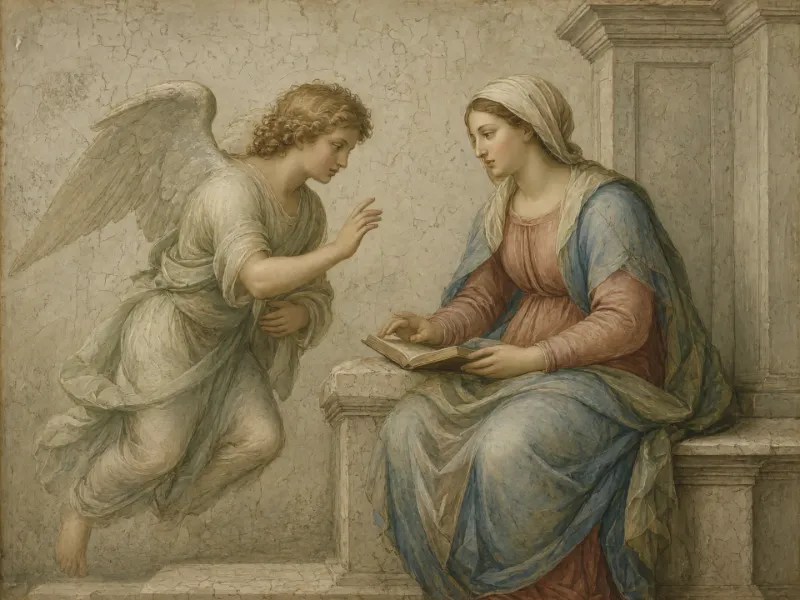
The beautiful phrase “a land flowing with milk and honey” appears numerous times in Scripture, particularly in the books of Exodus and Deuteronomy. This evocative image carries deep significance for us as Christians, inviting us to reflect on God’s abundant blessings and His faithfulness to His promises.
When God first calls Moses to lead the Israelites out of slavery in Egypt, He describes the Promised Land as “flowing with milk and honey” (Exodus 3:8). This phrase becomes a refrain throughout the Exodus narrative, serving as a powerful symbol of hope and divine provision for a people journeying through the wilderness.
Historically we must understand that in the arid climate of the ancient Near East, a land abundant in milk and honey would have been seen as extraordinarily fertile and prosperous. Milk, produced by herds of sheep and goats, represented the bounty of animal husbandry. Honey, likely referring not only to bee honey but also to sweet syrups made from dates and figs, symbolized the richness of agricultural produce.
Psychologically, this imagery taps into our deepest longings for security, nourishment, and sweetness in life. It speaks to both our physical and spiritual needs, reminding us that God desires to satisfy us completely.
I encourage you to see in this phrase a foreshadowing of the ultimate fulfillment of God’s promises in Christ Jesus. Just as the Promised Land represented freedom from slavery and a new life for the Israelites, our Lord offers us liberation from sin and the promise of eternal life in Him.
This image of abundance challenges us to trust in God’s providence, even when our current circumstances may seem barren or difficult. It calls us to have faith that our Lord will lead us to places of spiritual nourishment and joy.
Let us also remember that with God’s blessings comes responsibility. The land flowing with milk and honey was not just for the Israelites’ enjoyment also a place where they were called to live out God’s commandments and be a light to the nations. Similarly, we are called to share the abundance of God’s love and grace with others, becoming channels of His blessings to the world.
Whenever you encounter this beautiful phrase in Scripture, may it remind you of God’s faithfulness, His desire to bless us abundantly, and our calling to be stewards of His gifts.

What do the Church Fathers teach about the symbolism of butter, curds, and honey in the Bible?
Many of the Fathers saw in these elements a representation of spiritual sweetness and the richness of God’s Word. St. Ambrose of Milan, in his work “On the Mysteries,” speaks of the newly baptized tasting milk and honey, symbolizing their entrance into the Promised Land of the Church and their reception of Christ’s sweet teachings. This practice, though no longer part of our baptismal rite, reminds us of the spiritual nourishment we receive in the sacraments.
St. Augustine, in his reflections on Psalm 19, compares the sweetness of God’s precepts to honey, writing, “Thy precepts are sweet, when by them freedom is loved.” For Augustine, the sweetness of honey symbolizes the delight we should find in following God’s commandments, which lead us to true freedom in Christ.
Regarding butter and curds, several Church Fathers saw in these foods a symbol of the incarnation of Christ. Just as milk is transformed into butter and curds, they saw in this process an analogy for the Word becoming flesh. St. Irenaeus of Lyons, in his work “Against Heresies,” uses this imagery to explain how Christ, though divine, took on human nature for our salvation.
Historically we can appreciate how these early Christian thinkers used familiar, everyday items to explain powerful spiritual truths. By connecting the tangible experiences of taste and nourishment to abstract theological concepts, they made the mysteries of faith more accessible to the faithful.
The Fathers often interpreted these symbols in light of Christ and the Church. For them, the milk and honey of the Promised Land prefigured the spiritual nourishment found in the Eucharist and in the teachings of the Church.
How do the concepts of butter, curds, and honey relate to the themes of abundance, nourishment, and spiritual sustenance in the Bible?
The biblical imagery of butter, curds, and honey is deeply connected to the themes of abundance, nourishment, and spiritual sustenance. these elements serve as powerful symbols of God’s generous provision and the spiritual blessings He desires to bestow upon His people.
Butter and curds, as dairy products derived from the abundance of milk, represent the material prosperity and physical nourishment that God promises to those who trust in Him. They evoke a vision of a land “flowing with milk and honey,” where the basic necessities of life are provided in abundance. This imagery speaks to the idea that God desires to care for His children, meeting their physical needs and ensuring their well-being.
But these material blessings are not merely ends in themselves. Rather, they point to the deeper spiritual nourishment that God offers. Honey, with its sweet and delightful flavor, symbolizes the joy, delight, and spiritual sustenance that flow from a relationship with the divine. Just as honey satisfies the palate, so too does the wisdom and grace of God satisfy the longings of the human soul.
The combination of butter, curds, and honey represents the layered nature of God’s provision. The butter and curds nourish the body, while the honey nourishes the spirit. Together, they paint a holistic picture of the abundant life that God desires to bestow upon His people – a life that is rich in both material and spiritual blessings.
This biblical imagery reminds us that God is a generous, loving, and attentive Father who desires to care for His children in every aspect of their lives. The abundance of butter, curds, and honey is a testament to His boundless love and His desire to see His people thrive, both physically and spiritually.(Brennan et al., 1992, p. 459)

What is the cultural and historical context behind the use of butter, curds, and honey in the Bible, and how do these elements contribute to their symbolic meaning?
The cultural and historical context behind the use of butter, curds, and honey in the Bible is deeply rooted in the agricultural and pastoral traditions of the ancient Near East. these elements were not merely abstract symbols rather tangible realities that were deeply woven into the fabric of daily life for the people of Israel.
In the ancient world, dairy products like butter and curds were highly prized for their nutritional value and their role in sustaining pastoral communities. Butter, in particular, was a valuable commodity that was often used in religious rituals and as a symbol of wealth and prosperity. The production of butter and curds was a labor-intensive process, requiring the careful tending of livestock and the mastery of specialized techniques.
Honey, on the other hand, was a naturally occurring sweetener that was highly sought after for its culinary and medicinal properties. Beekeeping was a common practice in the ancient Near East, and honey was often used in religious ceremonies and as a symbol of the divine’s favor and blessing.
The cultural significance of these elements is reflected in their prominent use in the biblical narratives. The “land flowing with milk and honey” was not merely a poetic metaphor, but a vivid description of the bountiful and fertile land that God had promised to the Israelites. The abundance of dairy products and honey was a tangible sign of God’s provision and the fulfillment of His covenant with His people.
The cultural and historical context of these elements contributes to their rich symbolic meaning. Butter, curds, and honey were not merely material goods rather symbols of the divine’s care, provision, and spiritual nourishment. The labor and skill required to produce these items, as well as their cultural significance, imbued them with a deeper spiritual resonance that has endured throughout the centuries.
In the hands of the biblical authors and the Church Fathers, these elements became powerful metaphors for the layered nature of God’s love and the abundance of His blessings. They serve as a reminder that the God of the Bible is a God who desires to nourish and sustain His people, both physically and spiritually, and who invites them to partake of the rich spiritual feast that He has prepared.(Brennan et al., 1992, p. 459)


Leave a Reply