
 English
 Chinese
 Dutch
 Arabic
 Spanish
 Portuguese
 Russian
 French
 Italian
 German
 Japanese
The Bible treats the sun as a light God made, and it forbids worshiping the sun. Genesis 1:16 calls it the greater light, Deuteronomy 4:19 forbids Israel to bow down to it, and Psalm 19:4-6 describes its daily course.
In the histories the sun stands still for Joshua (Joshua 10:12-13) and goes dark at the crucifixion (Luke 23:44-45), and Jesus says the Father makes it rise on the evil and the good (Matthew 5:45). The prophets use it for what is coming: Malachi 4:2 promises “the sun of righteousness” with healing in its rays, Joel 2:31 says it will be turned to darkness, and Isaiah 60:19-20 and Revelation 21:23 promise a light from God that makes it unnecessary.
The sun as a light God made and governs
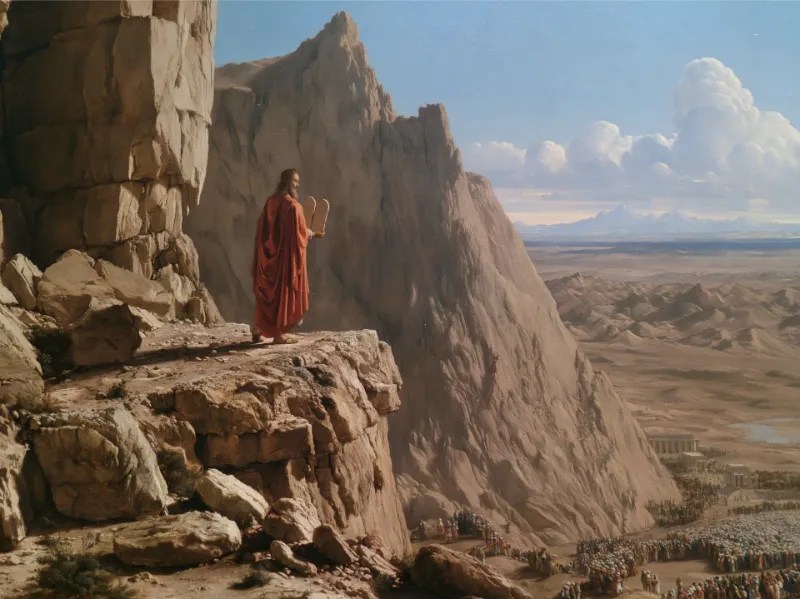
Genesis 1:16
“God made two great lights—the greater light to govern the day and the lesser light to govern the night. He also made the stars.”
Reflection: The chapter does not use the words sun or moon; it calls them the greater light and the lesser light. Light itself was made on the first day (Genesis 1:3), and these lights on the fourth (verse 19). Verse 14 gives them work beyond lighting the earth: they are to “serve as signs to mark sacred times, and days and years.”
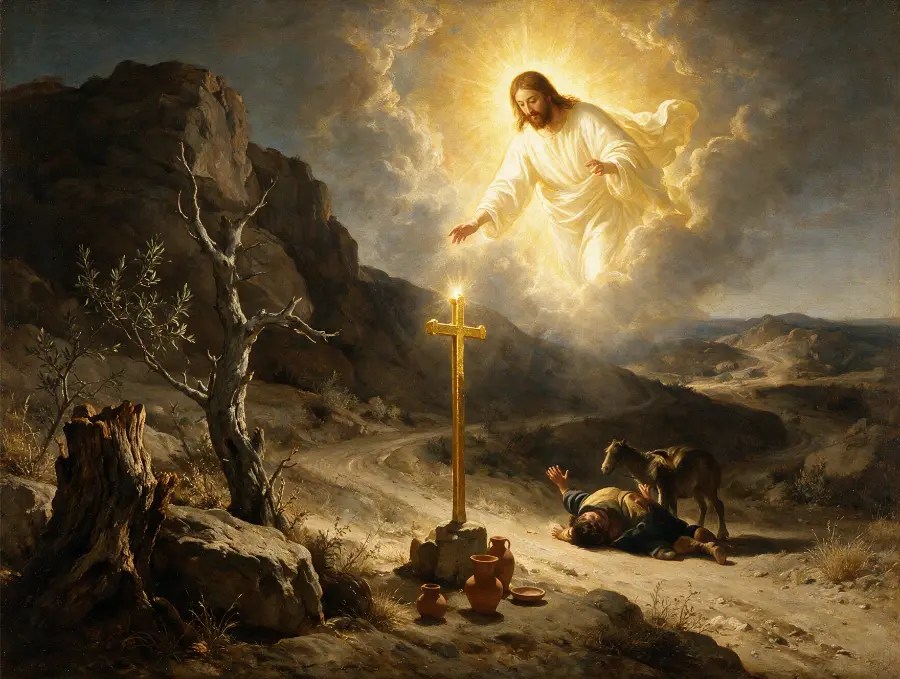
Deuteronomy 4:19
“And when you look up to the sky and see the sun, the moon and the stars—all the heavenly array—do not be enticed into bowing down to them and worshiping things the Lord your God has apportioned to all the nations under heaven.”
Reflection: Moses warns Israel that looking up at the sun, the moon and the stars must not lead to “bowing down to them and worshiping” them. The verse calls the heavenly bodies things the Lord “has apportioned to all the nations under heaven,” and verse 20 turns to Israel: “But as for you, the Lord took you and brought you out of the iron-smelting furnace, out of Egypt.”
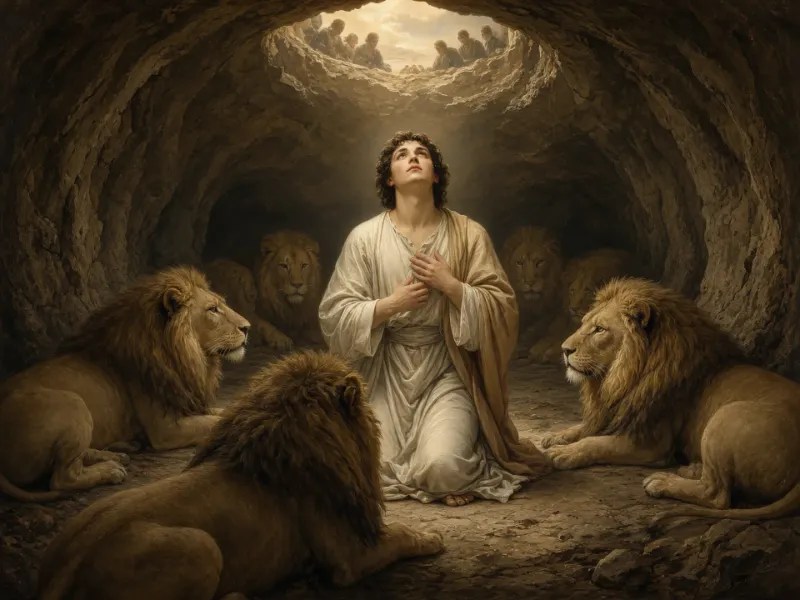
Psalm 74:16
“The day is yours, and yours also the night; you established the sun and moon.”
Reflection: Psalm 74, headed “A maskil of Asaph,” laments a sanctuary the enemy “burned … to the ground” (verse 7), at a time when “no prophets are left, and none of us knows how long this will be” (verse 9). From verse 12 the psalm turns to God as “my King from long ago,” and verse 16 counts the day, the night, the sun and the moon as his. Verse 17 adds the boundaries of the earth and the seasons, summer and winter.
Jeremiah 31:35-36
“This is what the Lord says, he who appoints the sun to shine by day, who decrees the moon and stars to shine by night, who stirs up the sea so that its waves roar— the Lord Almighty is his name: ‘Only if these decrees vanish from my sight,’ declares the Lord, ‘will Israel ever cease being a nation before me.’”
Reflection: The oracle comes right after the promise of a new covenant, in which God says he will write his law on their hearts (Jeremiah 31:31-34). God names himself as the one who appoints the sun to shine by day and the moon and stars by night, and verse 36 makes that fixed order the measure of his promise to Israel. Verse 37 repeats the pledge with the heavens and the foundations of the earth: only if they could be measured and searched out would he reject Israel’s descendants.
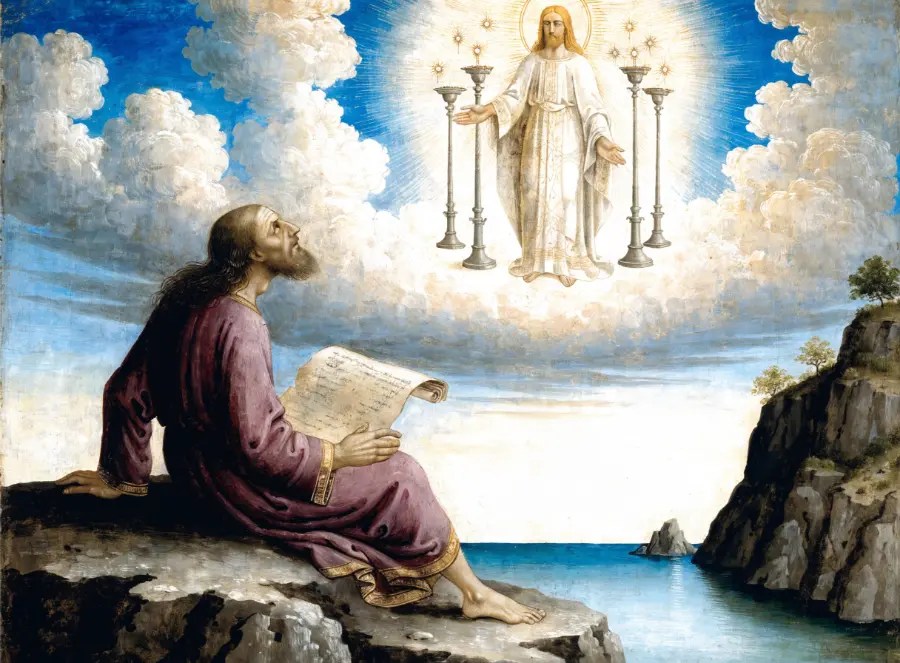
Job 9:7
“He speaks to the sun and it does not shine; he seals off the light of the stars.”
Reflection: Job is replying to Bildad, and his question in verse 2 is “how can mere mortals prove their innocence before God?” The sun that does not shine at God’s word sits in a list of God’s acts beside moving mountains and shaking the earth. For Job the list belongs to a complaint: no one could “answer him one time out of a thousand” (verse 3).
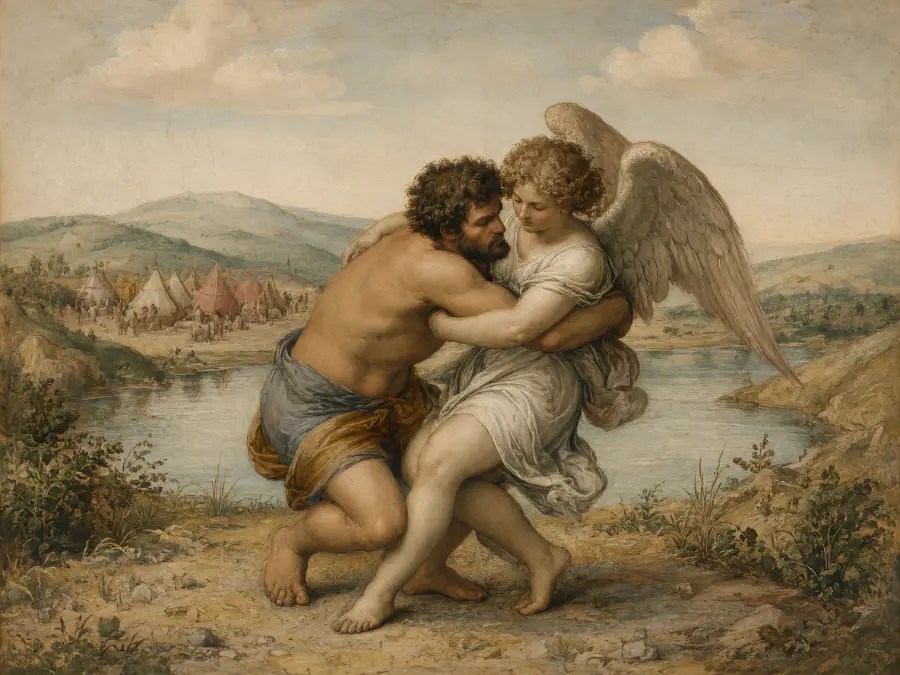
Psalm 19:1, 4-6
“The heavens declare the glory of God; the skies proclaim the work of his hands… Yet their voice goes out into all the earth, their words to the ends of the world. In the heavens God has pitched a tent for the sun. It is like a bridegroom coming out of his chamber, like a champion rejoicing to run his course. It rises at one end of the heavens and makes its circuit to the other; nothing is deprived of its warmth.”
Reflection: David’s psalm begins with the heavens declaring God’s glory even though “they use no words” (verse 3). The sun gets the longest description: a tent pitched for it, a bridegroom leaving his chamber, a champion glad to run his course, and a heat from which “nothing is deprived.” Verse 7 then turns from the sky to “the law of the Lord,” which is “perfect, refreshing the soul.”
Psalm 148:3
“Praise him, sun and moon, praise him, all you shining stars.”
Reflection: Psalm 148 calls on everything above to praise the Lord: angels, heavenly hosts, sun, moon, stars and “the waters above the skies.” Verse 5 gives the reason: “for at his command they were created.” The sun is addressed here as one of the created things, alongside the angels.
Days when the sun did not keep its course
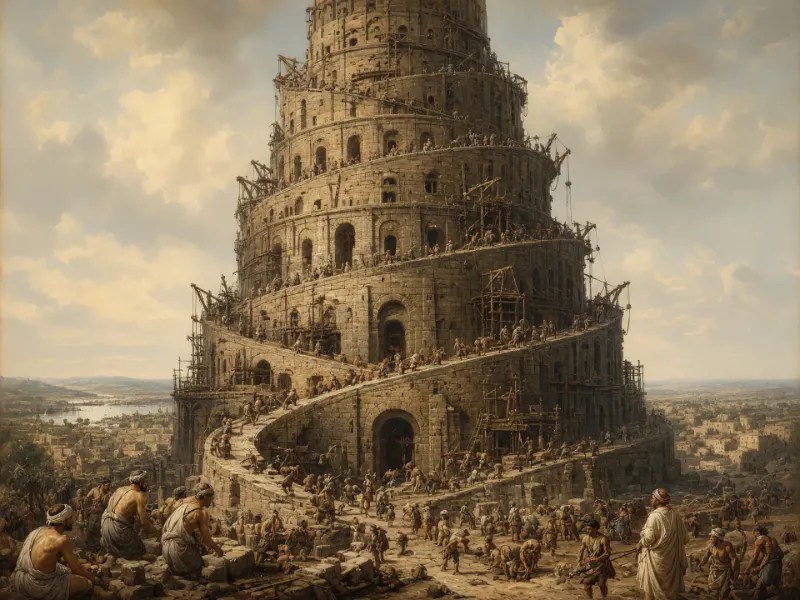
Joshua 10:12-13
“On the day the LORD gave the Amorites over to Israel, Joshua said to the LORD in the presence of Israel: ‘Sun, stand still over Gibeon, and you, moon, over the Valley of Aijalon.’ So the sun stood still, and the moon stopped, till the nation avenged itself on its enemies.”
Reflection: Joshua speaks to the Lord in front of Israel on the day of the battle against the Amorites, and the narrator says his words to the sun and moon are written in the Book of Jashar. The sun “delayed going down about a full day.” Verse 14 adds the narrator’s comment: “There has never been a day like it before or since, a day when the Lord listened to a human being.”
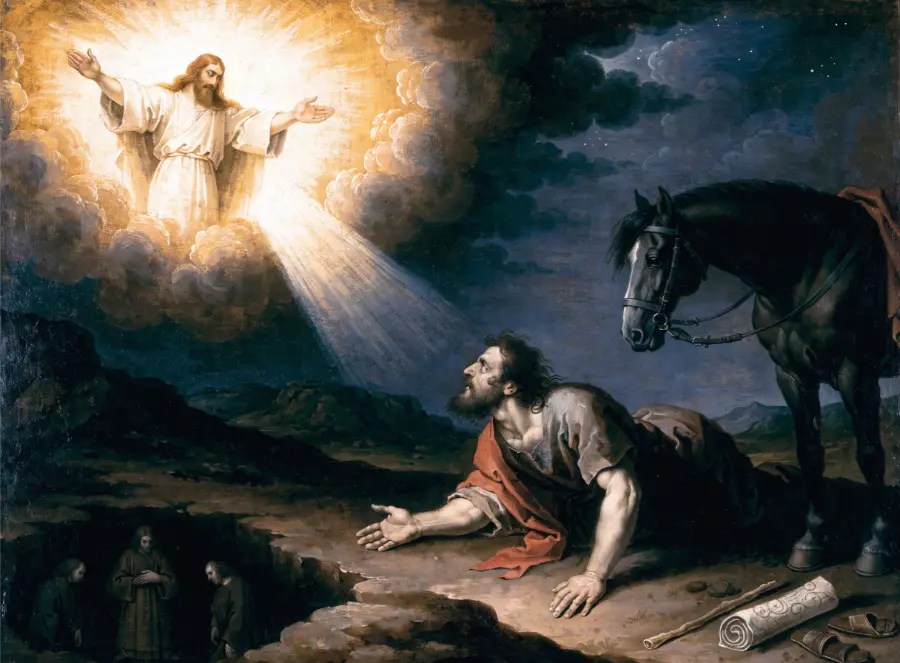
Luke 23:44-45
“It was now about noon, and darkness came over the whole land until three in the afternoon, for the sun stopped shining. And the curtain of the temple was torn in two.”
Reflection: While Jesus hangs on the cross, Luke records darkness over the whole land from about noon until three in the afternoon, “for the sun stopped shining.” Luke sets the tearing of the temple curtain beside it, and in the next verse Jesus says, “Father, into your hands I commit my spirit,” and dies.
The sun in ordinary life
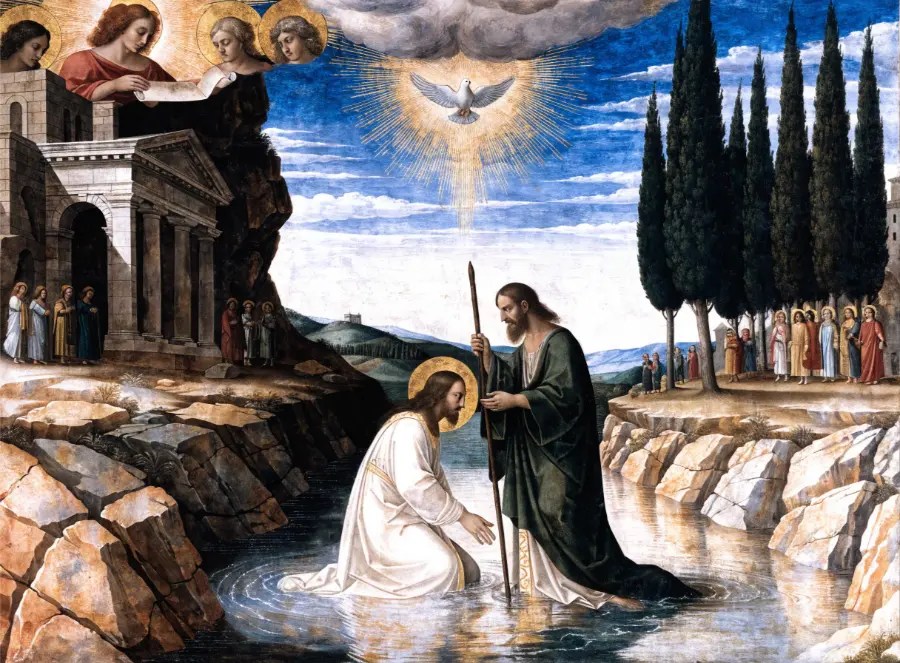
Ecclesiastes 1:5
“The sun rises and the sun sets, and hurries back to where it rises.”
Reflection: The Teacher opens Ecclesiastes by asking what people gain “from all their labors at which they toil under the sun” (verse 3). The sun rising, setting and hurrying back is his first example of motion that repeats, followed by the wind that turns round and the streams that never fill the sea. Verse 9 draws the conclusion: “there is nothing new under the sun.”
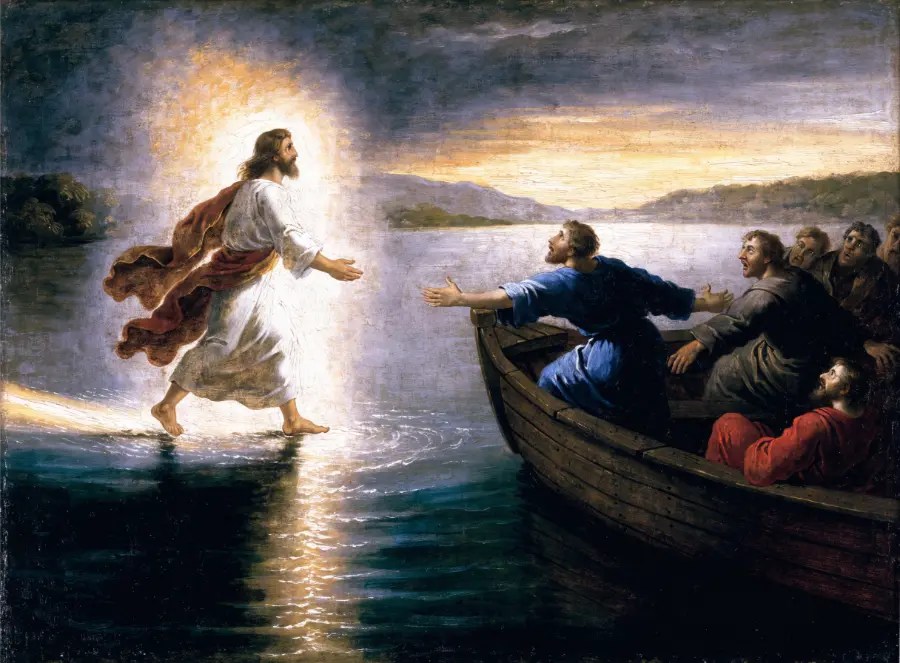
Ecclesiastes 11:7
“Light is sweet, and it pleases the eyes to see the sun.”
Reflection: Here the same Teacher calls light sweet and the sight of the sun pleasant. Verse 8 tells anyone who lives many years to enjoy them all, but to “remember the days of darkness, for there will be many.” The sun returns in 12:1-2, which tells the young to remember their Creator “before the sun and the light and the moon and the stars grow dark.”
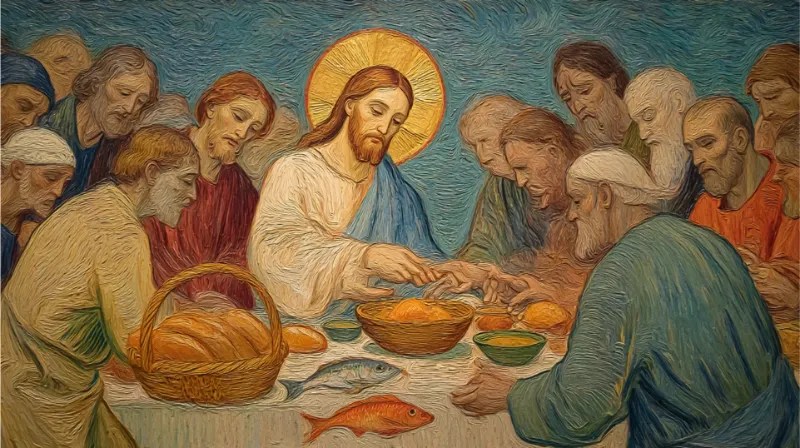
Matthew 5:45
“…that you may be children of your Father in heaven. He causes his sun to rise on the evil and the good, and sends rain on the righteous and the unrighteous.”
Reflection: In the Sermon on the Mount, Jesus tells his hearers to love their enemies and pray for those who persecute them, “that you may be children of your Father in heaven.” The sun rising on the evil and the good, and rain falling on both, is his example of how the Father already treats people. Verse 48 closes the teaching: “Be perfect, therefore, as your heavenly Father is perfect.”
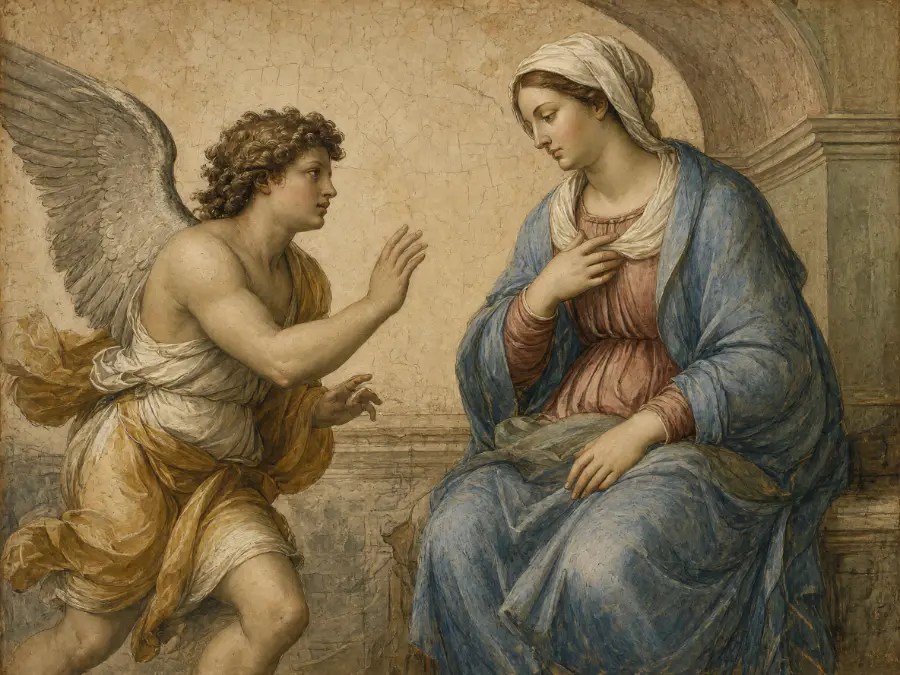
Ephesians 4:26
“‘In your anger do not sin’: Do not let the sun go down while you are still angry.”
Reflection: The line in quotation marks, “In your anger do not sin,” speaks to people who are already angry. Paul makes sunset the limit, and verse 27 adds, “and do not give the devil a foothold.” Five verses later he tells the Ephesians to “get rid of all bitterness, rage and anger” (verse 31).
God and people compared to the sun
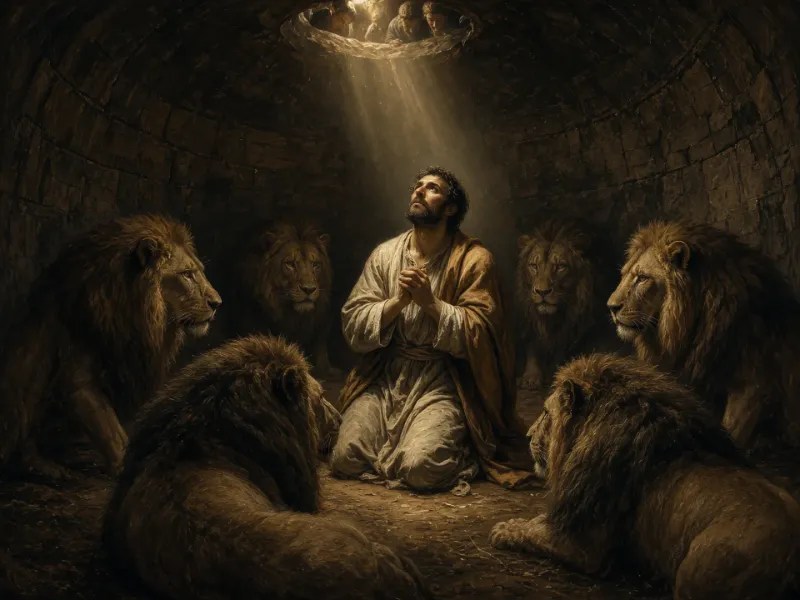
Psalm 84:11
“For the LORD God is a sun and shield; the LORD bestows favor and honor; no good thing does he withhold from those whose walk is blameless.”
Reflection: Psalm 84, headed as a psalm of the Sons of Korah, is a song of longing for the courts of God’s house; verse 10 prefers one day there to a thousand elsewhere. Verse 11 calls the Lord God “a sun and shield,” the one who gives favor and honor and withholds no good thing from those whose walk is blameless.
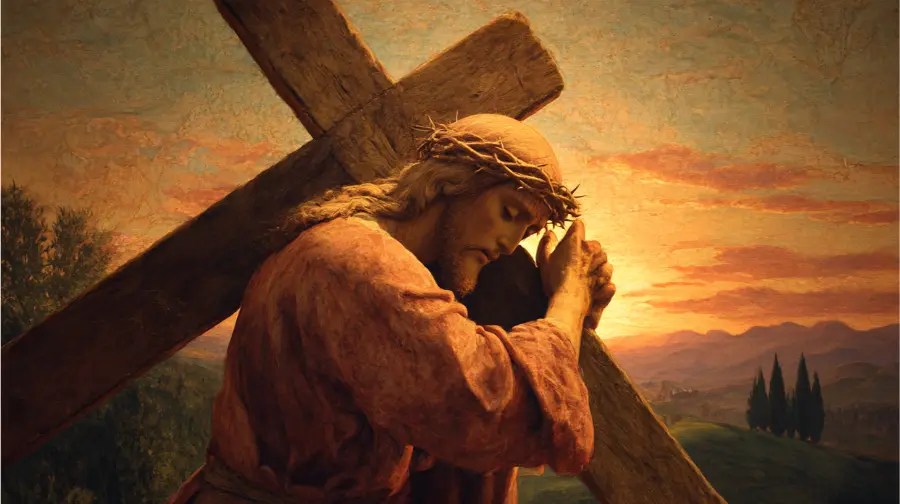
Malachi 4:2
“But for you who revere my name, the sun of righteousness will rise with healing in its rays. And you will go out and frolic like well-fed calves.”
Reflection: Malachi describes a coming day that “will burn like a furnace” for the arrogant and every evildoer (verse 1). For those who revere God’s name, the same day brings “the sun of righteousness” rising “with healing in its rays.” Zechariah’s song in Luke 1:78 uses a similar picture, “the rising sun will come to us from heaven to shine on those living in darkness.”
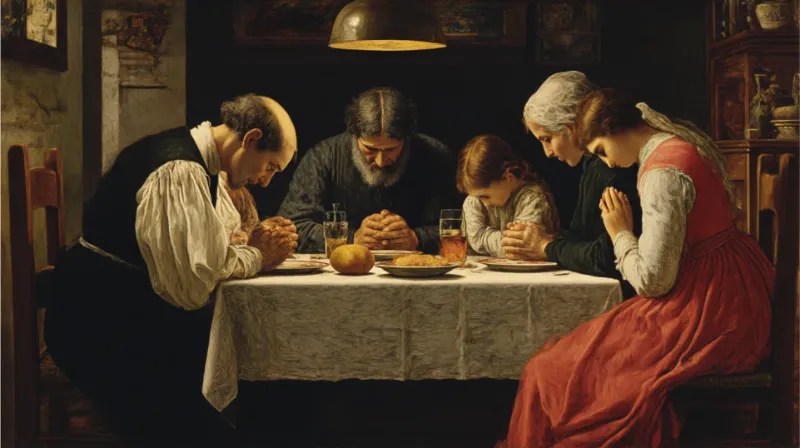
Habakkuk 3:4
“His splendor was like the sunrise; rays flashed from his hand, where his power was hidden.”
Reflection: Habakkuk 3 is headed “A prayer of Habakkuk the prophet,” and it asks God to repeat his deeds “in our day” (verse 2). Verse 3 has God coming from Teman and Mount Paran, and verse 4 compares his splendor to the sunrise, with rays flashing from his hand “where his power was hidden.”
Song of Solomon 6:10
“Who is this that appears like the dawn, fair as the moon, bright as the sun, majestic as the stars in procession?”
Reflection: The NIV headings give this line to the friends. Just before it the man says that the young women called her blessed and “the queens and concubines praised her” (verse 9). The question compares her to the dawn, the moon, the sun and the stars, and “majestic” repeats his word from verse 4, “majestic as troops with banners.”
Matthew 13:43
“Then the righteous will shine like the sun in the kingdom of their Father. Whoever has ears, let them hear.”
Reflection: Jesus is explaining the parable of the weeds to his disciples in a house (verse 36). At the end of the age the angels remove “everything that causes sin and all who do evil” and throw them into the blazing furnace; then “the righteous will shine like the sun in the kingdom of their Father.”
Revelation 1:16
“In his right hand he held seven stars, and coming out of his mouth was a sharp, double-edged sword. His face was like the sun shining in all its brilliance.”
Reflection: John describes “someone like a son of man” among seven golden lampstands, with hair white as snow, eyes like blazing fire and feet like bronze glowing in a furnace. The face like the sun comes last in the description. John falls at his feet “as though dead,” and the figure tells him, “Do not be afraid. I am the First and the Last.”
The sun on the day of the Lord and after it
Isaiah 30:26
“The moon will shine like the sun, and the sunlight will be seven times brighter, like the light of seven full days, when the LORD binds up the bruises of his people and heals the wounds he inflicted.”
Reflection: The verses before it promise rain for the seed, rich food from the land and streams on every high hill (verses 23-25). Verse 26 adds light: moonlight as bright as the sun and sunlight “seven times brighter.” It sets this on the day “when the Lord binds up the bruises of his people and heals the wounds he inflicted,” naming God as the one who inflicted them.
Joel 2:31
“The sun will be turned to darkness and the moon to blood before the coming of the great and dreadful day of the LORD.”
Reflection: Joel lists “wonders in the heavens and on the earth, blood and fire and billows of smoke” (verse 30) before “the great and dreadful day of the Lord.” Verse 32 follows at once: “everyone who calls on the name of the Lord will be saved.” At Pentecost Peter quotes the passage, sun and moon included, and says of the Spirit poured out that day, “this is what was spoken by the prophet Joel” (Acts 2:16-21).
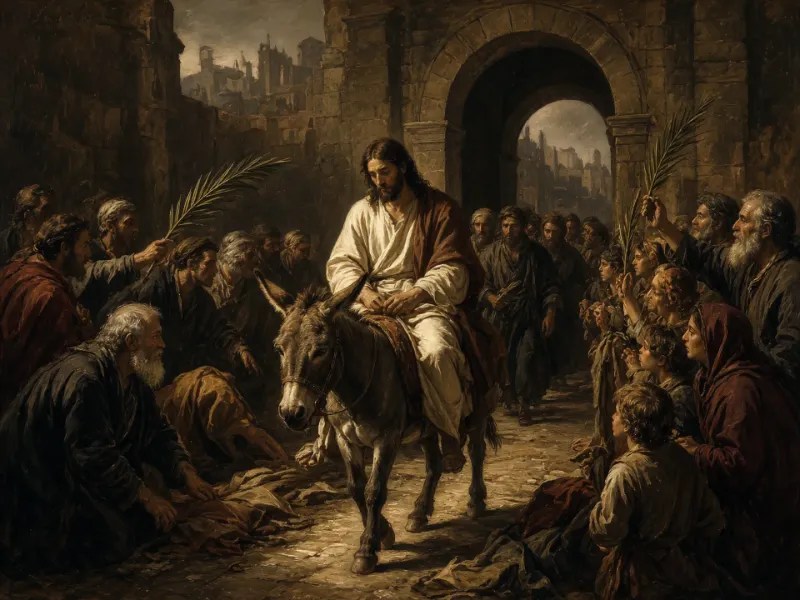
Matthew 24:29
“Immediately after the distress of those days, ‘the sun will be darkened, and the moon will not give its light; the stars will fall from the sky, and the heavenly bodies will be shaken.’”
Reflection: Jesus is answering his disciples’ question about his coming and the end of the age (Matthew 24:3). The words in quotation marks follow Isaiah 13:10, which says of the day of the Lord that “the rising sun will be darkened and the moon will not give its light.” The next verse places the darkening before “the sign of the Son of Man” appears in heaven.
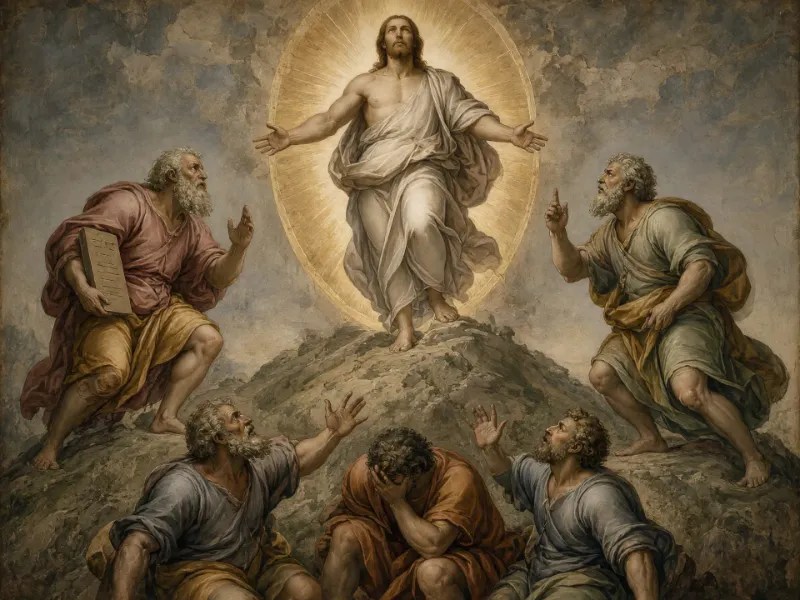
Revelation 16:8-9
“The fourth angel poured out his bowl on the sun, and the sun was allowed to scorch people with fire. They were seared by the intense heat and they cursed the name of God, who had control over these plagues, but they refused to repent and glorify him.”
Reflection: The fourth of the seven bowls is poured on the sun, and the sun is allowed to scorch people with fire. Those burned curse God “but they refused to repent and glorify him,” and verse 11 records the same refusal after the fifth bowl brings darkness.
Isaiah 60:19-20
“The sun will no more be your light by day, nor will the brightness of the moon shine on you, for the LORD will be your everlasting light, and your God will be your glory. Your sun will never set again, and your moon will wane no more; the LORD will be your everlasting light, and your days of sorrow will end.”
Reflection: Isaiah 60 opens with “Arise, shine, for your light has come.” Verses 19-20 promise that the Lord himself will be the everlasting light and that “your sun will never set again.” The last line ties the light to comfort: “your days of sorrow will end.” John’s new Jerusalem has the same feature: “The city does not need the sun or the moon to shine on it, for the glory of God gives it light, and the Lamb is its lamp” (Revelation 21:23).


Leave a Reply