
 English
 Chinese
 Dutch
 Arabic
 Spanish
 Portuguese
 Russian
 French
 Italian
 German
 Japanese

What does the Bible say about pacing in romantic relationships?
While the Bible does not speak directly about “pacing” relationships in the modern sense, it offers timeless wisdom that can guide us in this area. The Scriptures emphasize patience, wisdom, and purity in matters of the heart.
Consider the beautiful poetry of the Song of Solomon, which celebrates romantic love but also cautions: “Do not arouse or awaken love until it so desires” (Song of Solomon 2:7). This verse reminds us that there is a proper time for love to blossom, and we should not rush this natural process.
The apostle Paul, in his letter to the Corinthians, speaks of love as patient and kind (1 Corinthians 13:4). This patience applies not only to married couples but also to those discerning a potential spouse. We are called to exercise self-control and to treat one another with respect and dignity.
The book of Proverbs repeatedly extols the virtues of wisdom and discernment in all areas of life, including relationships. “The wise heart will know the proper time and procedure” (Ecclesiastes 8:5). This wisdom from God can guide us in pacing our relationships appropriately.
Remember, that our ultimate goal is to glorify God in all things, including our romantic pursuits. By allowing relationships to develop at a pace that honors Him and respects the dignity of both individuals, we create space for genuine love and understanding to grow.

How can we honor God while getting to know a potential spouse?
Honoring God in the process of getting to know a potential spouse is a beautiful way to lay a strong foundation for a future marriage. This journey of discovery should be approached with reverence, joy, and a commitment to living out our faith.
We must center our relationship on Christ. As you spend time together, make prayer and spiritual growth a priority. Attend Mass or church services together, discuss Scripture, and share your faith journeys. By doing so, you not only deepen your connection with each other but also strengthen your individual relationships with God.
Practice honesty and integrity in all your interactions. Be truthful about your past, your hopes for the future, and your current struggles. Remember the words of Ephesians 4:25, “Therefore each of you must put off falsehood and speak truthfully to your neighbor.” This honesty creates an atmosphere of trust and allows for genuine understanding to develop.
Maintain purity in your physical relationship. While physical attraction is a natural and God-given aspect of romantic love, we are called to exercise self-control and to honor our bodies as temples of the Holy Spirit (1 Corinthians 6:19-20). Set clear boundaries early in the relationship and hold each other accountable with love and respect.
Seek wisdom from mature Christians in your life. Proverbs 15:22 tells us, “Plans fail for lack of counsel, but with many advisers they succeed.” Invite trusted mentors, family members, or spiritual leaders to offer guidance and perspective on your relationship.
Lastly, use this time of getting to know each other as an opportunity to serve God together. Engage in acts of service, volunteer in your community, or support a ministry. This allows you to see how you work together in furthering God’s kingdom and can reveal important aspects of each other’s character.
Remember, that by honoring God in your relationship, you invite His blessing and guidance. Trust in His perfect timing and plan for your lives.

What are some practical ways to slow down physical and emotional intimacy?
In our fast-paced world, it can be challenging to slow down the progression of physical and emotional intimacy in a relationship. But this intentional pacing is crucial for building a strong, lasting bond that honors God and respects the dignity of both individuals. Let me offer some practical suggestions to help you navigate this journey with wisdom and grace.
Establish clear boundaries early in the relationship. Have an open and honest conversation about your values, expectations, and comfort levels regarding physical intimacy. Remember the words of 1 Thessalonians 4:3-5, “It is God’s will that you should be sanctified: that you should avoid sexual immorality; that each of you should learn to control your own body in a way that is holy and honorable.” By setting these boundaries together, you create a safe space for your relationship to grow.
Focus on building emotional intimacy through meaningful conversations and shared experiences. Take time to truly know each other’s hearts, dreams, and fears. Engage in activities that foster deep communication, such as taking walks in nature, volunteering together, or discussing books or films that explore important life themes. This emotional connection will strengthen your bond in a way that physical intimacy alone cannot.
Practice the art of delayed gratification. In our culture of instant satisfaction, waiting can be a powerful tool for growth. Consider setting milestones in your relationship before progressing to new levels of physical intimacy. This approach allows you to savor each stage of your journey together and ensures that your physical relationship develops in tandem with your emotional and spiritual connection.
Surround yourselves with supportive community. Spend time with other couples who share your values and can offer accountability and encouragement. The book of Ecclesiastes reminds us, “Two are better than one… A cord of three strands is not quickly broken” (Ecclesiastes 4:9,12). This community can provide perspective and help you stay true to your commitments.
Lastly, invest in your individual relationships with God. As you grow closer to Christ individually, you will find it easier to honor Him in your relationship. Dedicate time to personal prayer, Scripture study, and spiritual reflection. This individual growth will contribute to the health of your relationship and help you maintain a proper perspective on your journey together.
Remember, that slowing down physical and emotional intimacy is not about denying the beauty of romantic love, but rather about cultivating a deep, lasting connection that reflects God’s love for us.

How do we balance patience with not wasting time in a relationship?
Finding the balance between patience and purposefulness in a relationship is a delicate task. It requires wisdom, discernment, and a deep trust in God’s timing. Let us reflect on how we can navigate this journey with both patience and intentionality.
We must understand that patience in a relationship is not passive waiting, but active growth. As Saint Paul reminds us in Romans 5:3-4, “We also glory in our sufferings, because we know that suffering produces perseverance; perseverance, character; and character, hope.” In the context of relationships, this patience allows us to develop character, deepen our understanding of one another, and strengthen our foundation in Christ.
At the same time, we are called to be good stewards of our time and hearts. The Psalmist prays, “Teach us to number our days, that we may gain a heart of wisdom” (Psalm 90:12). This wisdom should guide us in evaluating the direction and progress of our relationships.
To strike this balance, I encourage you to set clear intentions for your relationship early on. Discuss your hopes, dreams, and expectations openly. Are you both seeking a relationship that could lead to marriage? What are your core values and life goals? These conversations, while sometimes challenging, can help you discern if you are moving in the same direction.
Regularly assess the health and growth of your relationship. Are you both actively working on your personal and spiritual development? Is your connection deepening over time? Are you able to have honest, sometimes difficult conversations? These are signs of a relationship that is progressing, even if the pace seems slow.
Remember that God’s timing may differ from our own desires. As it says in Ecclesiastes 3:1, “There is a time for everything, and a season for every activity under the heavens.” Trust that if this relationship is part of God’s plan for your life, it will unfold in His perfect timing.
But if you find that your relationship is stagnant, that core values are misaligned, or that you are compromising your faith or personal growth, it may be time to prayerfully consider if this is the right path for you.
The key is to remain close to God throughout this process. Seek His guidance through prayer, Scripture, and the counsel of wise mentors. As you do so, trust that He will direct your steps and give you the discernment to know when to be patient and when to move forward.

What role should prayer and spiritual discernment play in pacing a relationship?
Prayer and spiritual discernment are not merely additions to the process of pacing a relationship – they are the very foundation upon which a God-honoring relationship should be built. As we navigate the complex journey of romantic love, we must continually seek the guidance and wisdom of our Heavenly Father.
Prayer should be the constant backdrop of your relationship. As Saint Paul exhorts us in 1 Thessalonians 5:17, we should “pray without ceasing.” This doesn’t mean you must be on your knees at all times, but rather that your hearts should be in a constant state of communion with God. Bring your joys, your concerns, your questions about the relationship before the Lord. Invite Him into every aspect of your journey together.
Prayer also provides a beautiful opportunity for unity in your relationship. Praying together can deepen your spiritual intimacy and help you discern God’s will as a couple. As Jesus promises us in Matthew 18:20, “For where two or three gather in my name, there am I with them.” When you pray together, you invite Christ into the very center of your relationship.
Spiritual discernment, guided by the Holy Spirit, is crucial in understanding God’s will for your relationship. This discernment involves listening attentively to God’s voice through Scripture, through wise counsel, and through the gentle promptings of the Spirit in your heart. As you seek to pace your relationship, ask for the gift of discernment to understand the right timing for each step forward.
Remember, that discernment is not a one-time event, but an ongoing process. Regularly take time, both individually and as a couple, to reflect on where God is leading you. Are you growing closer to Him through this relationship? Are you becoming more the person God created you to be? These are important questions to ponder as you discern the pace and direction of your relationship.
Spiritual discernment can help you navigate the challenges that inevitably arise in any relationship. When faced with decisions or conflicts, turn to God for guidance. As James 1:5 reminds us, “If any of you lacks wisdom, you should ask God, who gives generously to all without finding fault, and it will be given to you.”
Lastly, let prayer and discernment be your guide in maintaining purity and integrity in your relationship. Ask for the strength to honor God with your bodies and minds, and for the wisdom to set appropriate boundaries.
By making prayer and spiritual discernment central to the pacing of your relationship, you open yourselves to God’s perfect plan. Trust in His timing, seek His will earnestly, and allow His love to be the guiding force in your journey together.

How can couples support each other in maintaining healthy boundaries?
Healthy boundaries are essential for nurturing a relationship rooted in mutual respect and love. As Pope Francis has wisely noted, “Love is not merely a feeling; it is an act of will that consists of preferring, in a constant manner, the good of others to the good of oneself.” This selfless approach provides a strong foundation for establishing and honoring boundaries.
Couples can support each other in maintaining healthy boundaries by first engaging in open, honest communication about their needs, values, and comfort levels. This requires creating a safe space for vulnerability, where both partners feel heard and validated. They should discuss their expectations around physical intimacy, emotional sharing, time spent together and apart, and involvement with family and friends. (Wang et al., 2023)
It’s important for couples to respect each other’s individuality and autonomy. As Pope Francis reminds us, “To love someone means to see him as God intended him.” This means accepting and cherishing your partner’s unique qualities, rather than trying to change or control them. Couples can encourage each other’s personal growth and interests outside the relationship.
Partners can also hold each other accountable with gentleness and love. If one person notices the other overstepping a boundary, they can kindly bring it to their attention. This requires a spirit of humility and a willingness to receive feedback graciously. (Stern & Nyiratunga, 2017, p. 63)
Regularly revisiting and adjusting boundaries as the relationship evolves is crucial. What feels appropriate in the early stages may shift as intimacy deepens. Couples should remain flexible while still honoring their core values and commitments.
Finally, couples can support healthy boundaries by modeling them consistently. This includes respecting each other’s privacy, asking for consent before sharing personal information, and avoiding codependent behaviors. By treating each other with dignity and reverence, partners create a culture of mutual care and respect within their relationship.

What are signs that a relationship is moving too quickly from a Christian perspective?
From a Christian perspective, a relationship that is moving too quickly may exhibit several concerning signs. As Pope Francis cautions, “Love needs time and space; everything else is secondary.” When couples rush, they risk building on an unstable foundation.
One key indicator is neglecting one’s relationship with God. If time spent together consistently takes precedence over prayer, worship, and spiritual growth, it may signal an unhealthy pace. A Christ-centered relationship should deepen, not diminish, each person’s faith journey.
Another sign is prematurely discussing or planning for marriage before truly knowing each other’s character, values, and life goals. While marriage is a beautiful vocation, hastily committing without adequate discernment can lead to future difficulties. As Pope Francis advises, “Don’t be afraid of a definitive commitment, don’t be afraid to give your all. But also ask yourself: is this the path of my life?”
Physical intimacy progressing too rapidly is also a red flag. Christian teaching emphasizes the sanctity of sexual union within marriage. If a couple finds themselves consistently tempted or crossing physical boundaries they’ve set, it may indicate they’re moving faster than their spiritual and emotional intimacy can support.
Neglecting other important relationships and responsibilities is another warning sign. While it’s natural for a new couple to want to spend major time together, completely withdrawing from family, friends, and community involvement may indicate an imbalanced attachment. Healthy relationships enhance, rather than replace, existing support systems.
Feeling pressured to compromise one’s values or beliefs to please a partner can also suggest an unhealthy pace. A relationship grounded in Christian principles should encourage mutual spiritual growth and accountability, not compromise deeply held convictions.
Lastly, experiencing persistent anxiety, doubt, or discomfort about the relationship’s progression may be the Holy Spirit’s prompting to slow down. It’s important to prayerfully discern these feelings rather than ignoring them in the excitement of new love.

How can singles resist cultural pressure to rush into commitment?
In today’s fast-paced society, singles often face immense pressure to quickly find a partner and commit. But as Pope Francis reminds us, “The most important thing in life is not to make a profit. The most important thing in life is to follow the Lord and to serve Him.” This wisdom can guide singles in resisting cultural pressures and focusing on God’s timing.
Singles can deepen their relationship with God through prayer, Scripture study, and active participation in their faith community. A strong spiritual foundation provides clarity and peace amidst external pressures. As they grow in intimacy with Christ, they become more attuned to His guidance in their relationships.
Developing a rich, fulfilling life as a single person is crucial. This includes nurturing friendships, pursuing passions and talents, serving others, and growing professionally. When singles find joy and purpose in their current season, they’re less likely to rush into relationships out of loneliness or societal expectations.
Singles can also seek wisdom from trusted mentors, spiritual directors, or married couples who model healthy relationships. These connections provide valuable perspective and support in navigating cultural pressures. (Reimnitz et al., 2023, pp. 263–284)
It’s important for singles to critically examine the messages they receive about relationships from media, friends, and family. Not all advice aligns with Christian values. They should prayerfully discern which influences to embrace or reject.
Practicing contentment and gratitude for one’s current circumstances can counteract the restlessness that often drives hasty commitments. As Pope Francis says, “Joy adapts and changes, but it always endures, even as a flicker of light born of our personal certainty that, when everything is said and done, we are infinitely loved.”
Singles can also reframe their perspective on waiting. Rather than viewing it as a passive state, they can see it as active preparation for future relationships. This time can be used to heal from past hurts, develop emotional maturity, and clarify one’s values and goals.
Finally, singles can resist pressure by remembering that their worth is not determined by their relationship status. They are complete and valuable as they are. Embracing this truth frees them from the need to prove themselves through romantic partnerships.

What spiritual benefits are there to taking things slowly in a relationship?
Taking things slowly in a relationship offers numerous spiritual benefits that align beautifully with Christian teachings. As Pope Francis wisely observes, “Love is a journey, a pilgrimage. It takes time, patience, and mutual understanding.” This patient approach to love yields rich spiritual fruits.
A slower pace allows for deeper spiritual intimacy to develop alongside emotional and physical closeness. Couples have more opportunity to pray together, discuss their faith, and support each other’s spiritual growth. This shared journey of faith creates a strong foundation for lasting love.
Taking things slowly also cultivates the virtue of patience, which is highly valued in Christian tradition. As couples learn to wait on God’s timing and resist immediate gratification, they grow in self-control and trust in divine providence. This patience often translates to other areas of spiritual life as well.
A measured approach to relationship progression allows more time for discernment. Couples can prayerfully reflect on whether their partnership aligns with God’s will for their lives. This careful consideration helps ensure that relationships are entered into with wisdom and clarity rather than fleeting emotion.
Moving slowly also provides space for individual spiritual growth. Partners can continue nurturing their personal relationships with God without becoming overly enmeshed. This individual spiritual strength ultimately contributes to a healthier, more balanced relationship.
A slower pace allows couples to practice the art of selfless love. Rather than rushing to fulfill their own desires, partners learn to prioritize each other’s well-being and spiritual needs. This sacrificial love mirrors Christ’s love for the Church.
Taking things slowly also fosters a spirit of gratitude and mindfulness. Couples learn to appreciate each stage of their relationship as a gift, rather than always looking ahead to the next milestone. This attitude of thankfulness deepens their connection to each other and to God.
Finally, a measured approach helps couples build a relationship rooted in friendship and mutual respect. This solid foundation of companionship and shared values creates fertile ground for romantic love to flourish in God’s timing.
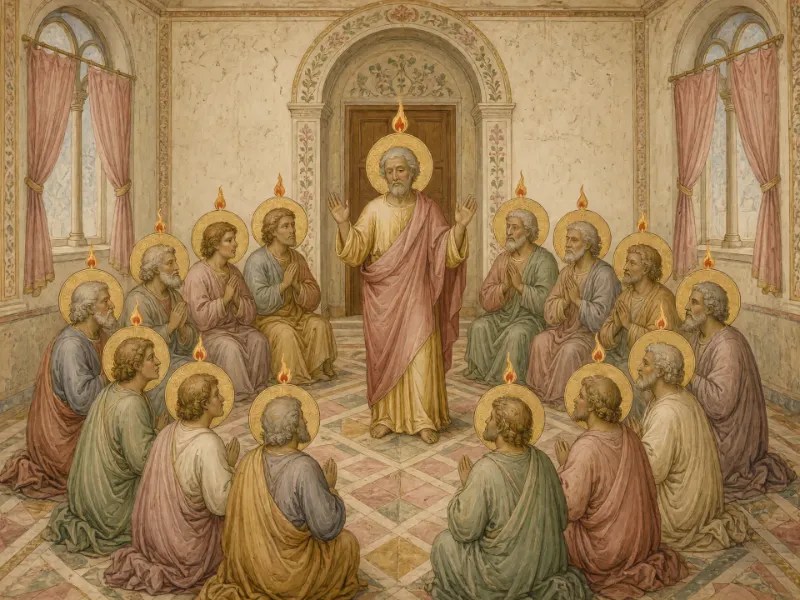
How can church community help couples navigate the pacing of their relationship?
The church community plays a vital role in supporting couples as they navigate the pacing of their relationships. As Pope Francis emphasizes, “The Church is called to be the house of the Father, with doors always wide open.” This welcoming spirit creates an environment where couples can find guidance, support, and accountability.
The church can provide solid biblical teaching on relationships, marriage, and God’s design for love. This foundational knowledge helps couples align their expectations and choices with Christian principles. Regular sermons, Bible studies, and workshops on these topics equip couples to make wise decisions about pacing.
Mentorship programs within the church are invaluable for couples seeking guidance. Pairing younger couples with mature, spiritually grounded married couples creates opportunities for personalized advice and support. These mentors can share their own experiences, offer perspective on relationship milestones, and provide accountability.
The church can also offer premarital counseling or relationship education classes. These structured programs help couples thoroughly examine their compatibility, discuss important topics, and develop practical skills for navigating challenges. Such preparation encourages thoughtful progression rather than rushed commitment.
Creating opportunities for couples to serve together within the church community can be beneficial. Shared ministry experiences allow partners to observe each other’s character, faith, and values in action. This can inform their discernment process about the relationship’s future.
The church can foster a culture that celebrates all seasons of life, including singleness. This reduces pressure on couples to rush towards marriage and affirms the value of taking time to build a strong foundation. (Palanci, 2020)
Prayer support from the church community is crucial. Organizing prayer partners or small groups where couples can share their journey and receive intercession creates a spiritual covering for their relationship. This reminds couples that their union is part of a larger faith family.
Finally, the church can provide a safe space for couples to seek counsel if they’re struggling with pacing issues. Whether through pastoral care or trained lay counselors, having resources available for couples facing challenges or doubts is essential.
By offering this multifaceted support, the church community becomes a nurturing environment where couples can grow in love and faith at a healthy, God-honoring pace.
Bibliography:
Al-Salami, N., & Al-Faidi, A. (2024). Principals’ Empowering Leadership and its Relationshi


Leave a Reply