
 English
 Chinese
 Dutch
 Arabic
 Spanish
 Portuguese
 Russian
 French
 Italian
 German
 Japanese
Most Pentecostals believe in the Trinity. They worship one God in three persons, the Father, the Son and the Holy Spirit. Oneness Pentecostals also worship one God and believe that Jesus is fully God, but they understand Father, Son and Holy Spirit as ways the one God has made himself known. You can hear the difference when someone asks to be baptized.
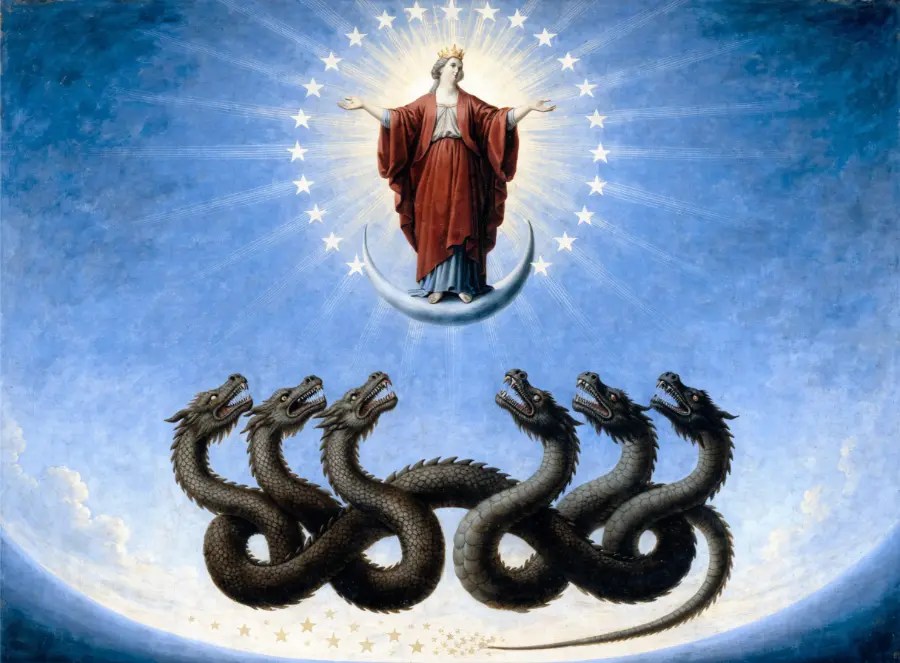
In whose name do Pentecostal churches baptize?
If you were baptized in an Assemblies of God church, the words spoken over you come from Jesus in Matthew 28:19. In the United Pentecostal Church International, one of the largest Oneness churches, you hear the words Peter used on the day of Pentecost.
| Church | What it says about God | Baptizes in the name of |
|---|---|---|
| Assemblies of God | “one Being of three persons” | Father, Son and Holy Spirit, the words of Matthew 28:19 |
| Church of God (Cleveland, Tennessee) | “one God eternally existing in three persons” | Father, Son and Holy Ghost |
| The Apostolic Church UK | “one God in three persons” | Father, Son and Holy Spirit |
| United Pentecostal Church International | “one God”; “Jesus Christ is God manifested in flesh” | Jesus Christ |
The first three churches name the Holy Spirit at baptism alongside the Father and the Son. When Pentecostals speak of being baptized in the Holy Spirit, they look for the gifts he gave at Pentecost, including speaking in tongues. If you come from a Catholic, Orthodox or older Protestant church, that expectation may be unfamiliar even where you share the same faith in the Trinity. The Pentecostal World Fellowship, which has brought Pentecostal churches together since 1947, says it plainly. “We believe that there is one God, eternally existent in three persons: Father, Son and Holy Spirit.”

What did Peter say at Pentecost?
The disciples in Jerusalem heard a sound like a rushing wind and saw what looked like tongues of fire (Acts 2:2–3). When Peter stood up to explain what had happened, he spoke about Jesus. “Therefore being by the right hand of God exalted, and having received of the Father the promise of the Holy Ghost, he hath shed forth this, which ye now see and hear” (Acts 2:33). If we wonder which of the three was at work that morning, listen to the verbs Peter uses. The Father made the promise, the risen Son received what his Father promised, and the gift the Son poured out was the Holy Spirit himself.
When the people listening asked what they should do, Peter spoke to each of them. “Repent, and be baptized every one of you in the name of Jesus Christ for the remission of sins, and ye shall receive the gift of the Holy Ghost” (Acts 2:38). For a Oneness Pentecostal, those words belong at the heart of the gospel. Peter has just told them what the risen Jesus has done, and now he tells them they can receive that gift themselves. Both Pentecostal families take their name from that morning of Pentecost, and for more than a hundred years they have read those words differently at the water.
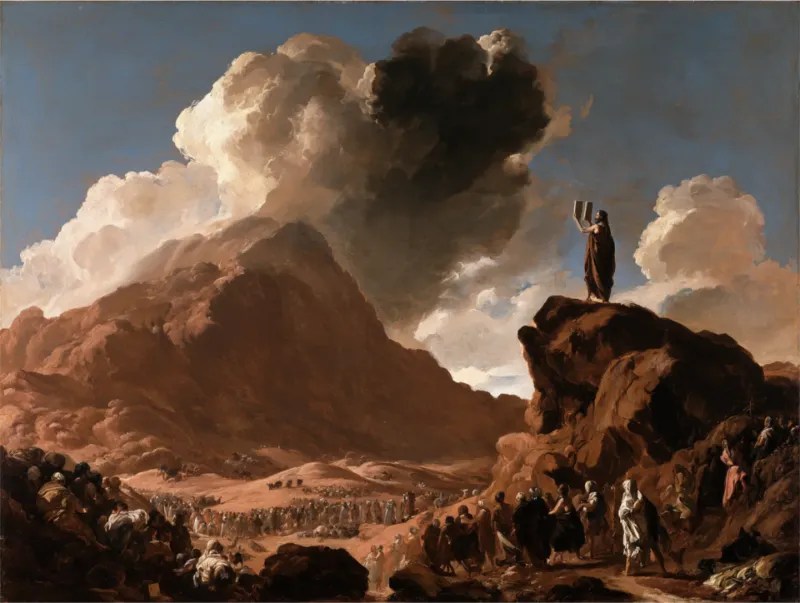
What do Trinitarian Pentecostals mean by three persons?
Think of Jesus standing in the Jordan at his own baptism. Luke says “the Holy Ghost descended in a bodily shape like a dove upon him, and a voice came from heaven, which said, Thou art my beloved Son; in thee I am well pleased” (Luke 3:22). Whose voice does Jesus hear? His Father’s. And when we listen to Jesus himself in the upper room, we hear a son who can ask something of his father. He promises his disciples, “I will pray the Father, and he shall give you another Comforter, that he may abide with you for ever” (John 14:16). The night before he dies he prays for them, “Holy Father, keep through thine own name those whom thou hast given me, that they may be one, as we are” (John 17:11).
The Assemblies of God points us to those passages when it speaks of “three persons”. Its Statement of Fundamental Truths, adopted in 1916, begins by acknowledging something you may have noticed in your own Bible reading. “The terms trinity and persons, as related to the godhead, while not found in the Scriptures, are words in harmony with Scripture.” Father, Son and Holy Spirit are “never identical as to person; nor confused as to relation; nor divided in respect to the godhead; nor opposed as to cooperation.” In Luke, we can tell the Father who speaks from the Son who hears him. We can do that without dividing God into three.
The Church of God in Cleveland, Tennessee, confesses “one God eternally existing in three persons; namely, the Father, Son, and Holy Ghost,” and that is why it baptizes “in the name of the Father, and of the Son, and of the Holy Ghost.” For someone baptized in that church, those words can be a way to remember what the Trinity means. Each of the three is named over you, and you belong to one God.
Do Oneness Pentecostals believe Jesus is God?
When the United Pentecostal Church explains why it worships Jesus as God, it begins with how much God loves us. “God loved us so much that He came in flesh to save us. He gave of Himself; He did not send someone else.” The Assemblies of God says that the Lord Jesus Christ is “acknowledged to be both God and man.” The United Pentecostal Church says, “He is both God and man.” We can say of the man who died for us that he is God, and a believer from either church can say it with us.
Listen again to the Son praying for his friends in John 17. Who does he ask to keep them safe? Both churches say he asks his Father. The United Pentecostal Church explains that “Christ prayed as an authentic human” and that “the Son loved the Father as all humans are to love God.” On that reading we hear Jesus, as a man, entrusting his friends to the very God who came to us in him. For the Assemblies of God, the Father whom Jesus addressed in prayer has always been his Father. The church calls it “a transgression of the doctrine of Christ” to deny “that the Father is a real and eternal Father, and that the Son is a real and eternal Son.”
The United Pentecostal Church International speaks of one God “manifested in flesh” in Jesus. Its statement reads, “There is one God, who has revealed Himself as Father; through His Son, in redemption; and as the Holy Spirit, by emanation. Jesus Christ is God manifested in flesh. He is both God and man.” Put Moses’ call, “Hear, O Israel: The Lord our God is one Lord” (Deuteronomy 6:4), beside what Paul says about Jesus, “For in him dwelleth all the fulness of the Godhead bodily” (Colossians 2:9). Who came to us in Christ? For Oneness believers the answer is there in Paul’s words to Timothy, “God was manifest in the flesh” (1 Timothy 3:16).
A Oneness believer reading Jesus’ command to baptize in Matthew 28:19 draws our attention to “the name”. It is singular. For this believer Jesus is the one name of the Father, the Son and the Holy Spirit. That is how Oneness Pentecostals understand the passages in Acts where people were baptized “in the name of Jesus Christ” (Acts 2:38) and “in the name of the Lord Jesus” (Acts 19:5).
If someone calls a Oneness church “Jesus Only”, does that mean the people there worship Jesus and leave out the Father and the Holy Spirit? They worship God as Father, Son and Holy Spirit. As Christian History explains, they reject “the terms Trinity and persons” as unbiblical. The Oneness historian Talmadge French calls “Jesus Only” a “derogatory term”. The Oneness theologian Daniel Segraves takes up another misunderstanding when he writes, “Oneness Pentecostals do not embrace the sequential modalism of Sabellianism.” In plain words, a Oneness believer would disagree if we said that God was first the Father, then became the Son and finally the Spirit, as though he changed masks.

Does a church called Apostolic believe in the Trinity?
If you’re thinking of visiting an Apostolic church, ask in whose name it baptizes, or read its statement of faith. French found that “Apostolic” was the name Oneness Pentecostals most often chose for themselves. Yet the very first thing the Apostolic Church UK says about its faith is that “there are not three Gods, but one God in three persons.” Asking whether the congregation believes in “one God in three persons” will tell you which teaching you will hear there.
If your hosts tell you they believe in Oneness, you’ve met the smaller of the two Pentecostal families. Think how many people would recognize the words you hear at a baptism there. In 2026 the United Pentecostal Church International alone estimated that its congregations included about six million people across 203 nations.
How did a question about baptism divide Pentecostals?
In April 1913, at a camp meeting at Arroyo Seco in California, a Canadian preacher named Robert McAlister asked his fellow Pentecostals to consider the words they used at baptism. Jesus had told his disciples to baptize “in the name of the Father, and of the Son, and of the Holy Ghost” (Matthew 28:19). Yet when the New Testament tells us in whose name the apostles baptized, McAlister observed, it always gives the name of Jesus. Remember Peter’s words in Acts 2:38, “be baptized every one of you in the name of Jesus Christ.” The preacher Frank Ewart later recalled, “The gun was fired from that platform which was destined to resound throughout all Christendom.” By January 1915 the message had crossed the continent. As the teaching spread, many Pentecostals went back into the water to be baptized in Jesus’ name.
The Assemblies of God tried to keep the two groups together when they met in St. Louis in October 1915. A year later, in October 1916, they met there again and adopted the Statement of Fundamental Truths and its teaching on the Trinity. Even then they could affirm what Peter had said. The minutes say that Matthew 28:19 and Acts 2:38 “were both inspired of God,” that no one should insist on one “to the exclusion of or as against the other,” and that every preacher should include Jesus’ words from Matthew. After the council, the Assemblies of God took 156 names off its list of ministers. Where it had listed 585 ministers, it now listed 429.
People who had prayed for the Spirit at the same camp meetings now worshiped in separate churches. Among the most important fellowships they joined or helped form were the Pentecostal Assemblies of the World and, after several mergers, the United Pentecostal Church. That last name dates to 1945, when the Pentecostal Church, Incorporated, and the Pentecostal Assemblies of Jesus Christ came together. Writing in Christian History in 1998, Kenneth Gill reported that scholars estimated between 1.5 and 5 million Oneness Pentecostals across all churches worldwide. Yet for most of the century after St. Louis, Trinitarian and Oneness Pentecostals had little to say to each other.
What could the two sides say to each other?
From 2002 to 2007 scholars from both families met under the Society for Pentecostal Studies. The society published their report in its journal, Pneuma, in 2008, and the leaders of the Assemblies of God and the United Pentecostal Church both wrote responses. Neither church changed its teaching. What each could change was how it spoke about the other. The Trinitarians wrote, “We as Trinitarian Pentecostals wish to stress that we believe in One God and not in three gods.” Segraves answered from the Oneness side, “It is doubtful if any Trinitarian Pentecostals have ever professed to believe in three gods, and Oneness Pentecostals should not claim that they do.”
Segraves called that a matter of keeping the Golden Rule. If we want a friend to hear what we believe about God, we owe that friend the chance to tell us what we have misunderstood. Looking back at the split in St. Louis, Segraves wrote, “In 1916, we focused on those things that separated us. In 2008, we still acknowledge our distinctives, but we are seeking to understand each other even in our disagreements.”
The United Pentecostal Church points us to Ephesians 4:4–6 when it speaks of the oneness of God. There we hear Paul say, “One Lord, one faith, one baptism, One God and Father of all” (Ephesians 4:5–6). Its Fundamental Doctrine also makes a promise, “We shall endeavor to keep the unity of the Spirit.” The Spirit both families ask to receive is the Spirit Peter spoke of in Jerusalem. However we were baptized, we can take to heart the appeal Paul makes earlier in the passage. “Endeavouring to keep the unity of the Spirit in the bond of peace” (Ephesians 4:3).
Related reading
- What does the Bible say about the Holy Trinity?
- Who is the Holy Spirit?
- Are Pentecostals Protestants?
- Pentecostal, charismatic and evangelical: how they differ
- Why United Pentecostal women wear dresses and skirts
- Do Pentecostals celebrate Christmas?
- What Do Apostolic (Oneness) Pentecostals Believe?
- Which Churches Don’t Believe in the Trinity?


Leave a Reply