
 English
  Chinese
  Dutch
Dutch  Arabic
  Spanish
  Portuguese
  Russian
  French
  Italian
  German
  Japanese
 What Does Smoke Symbolize In The Bible? (Biblical Symbolism And Meaning)
What are the main symbolic meanings of smoke in Scripture?
Smoke often symbolizes the presence of God. We see this vividly in the Old Testament, where smoke is frequently associated with divine manifestations. In Exodus 19:18, as God descends upon Mount Sinai, we read, “Mount Sinai was covered with smoke, because the Lord descended on it in fire.” This smoke serves as a visible sign of God’s awesome power and unapproachable holiness.
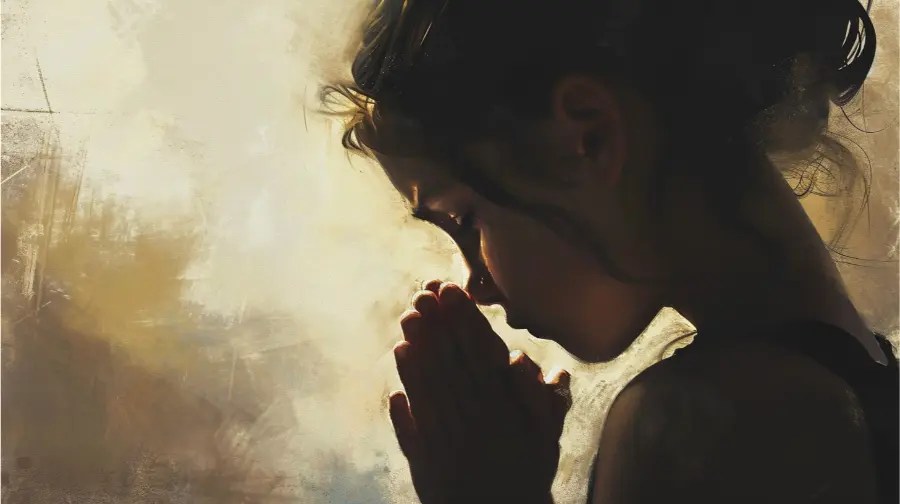
Smoke in Scripture often represents prayer and worship ascending to God. This beautiful imagery is captured in Psalm 141:2, where the psalmist prays, “May my prayer be set before you like incense; may the lifting up of my hands be like the evening sacrifice.” The rising smoke of incense becomes a tangible symbol of our prayers and praises reaching the heavens.
Smoke can symbolize the transient nature of human life and the vanity of worldly pursuits. The book of Ecclesiastes, in its powerful reflections on the meaning of life, uses smoke as a metaphor for futility. “Meaningless! Meaningless!” says the Teacher. “Utterly meaningless! Everything is meaningless” (Ecclesiastes 1:2). The Hebrew word translated as “meaningless” here is “hevel,” which can also mean “vapor” or “smoke,” emphasizing the fleeting nature of earthly existence.
Smoke in Scripture often signifies judgment and destruction. The prophets frequently use smoke imagery to describe God’s wrath against sin and injustice. Isaiah 34:10, speaking of God’s judgment, states, “It will not be quenched night or day; its smoke will rise forever.” This use of smoke symbolism serves as a powerful warning against rebellion against God’s will.
Lastly, smoke can represent purification and transformation. In Isaiah 6:4, when the prophet receives his divine commission, we read, “At the sound of their voices the doorposts and thresholds shook and the temple was filled with smoke.” This smoke signifies not only God’s presence but also the purifying effect of encountering the divine.
I am struck by how these varied meanings of smoke in Scripture speak to different aspects of the human experience – our longing for divine presence, our need for communication with the transcendent, our struggles with mortality and meaning, our fear of judgment, and our hope for transformation.
Historically these smoke symbolisms in Scripture would have resonated deeply with the ancient Israelites, for whom smoke was a daily reality in their sacrificial worship system. The smoke rising from the altar was a constant reminder of their covenant relationship with God.
The symbolism of smoke in Scripture is rich and layered. It speaks to us of God’s presence, our worship, life’s transience, divine judgment, and spiritual transformation. As we reflect on these meanings, let us be mindful of how they can deepen our understanding of God’s word and enrich our spiritual lives.
How is smoke used to represent God’s presence in the Old Testament?
In the Old Testament, smoke often serves as a tangible manifestation of God’s presence, a visible sign of the invisible divine reality. This representation is not merely poetic, but deeply rooted in the experiences of the Israelites and their encounters with the living God.
One of the most striking examples of smoke representing God’s presence is found in the book of Exodus. As the Israelites journeyed through the wilderness, God guided them with a pillar of cloud by day and a pillar of fire by night (Exodus 13:21-22). This smoke-like manifestation was a constant reminder of God’s presence and guidance, a comforting sign to a people navigating through uncertain terrain.
Perhaps the most dramatic instance of smoke symbolizing God’s presence occurs at Mount Sinai. As God descends upon the mountain to give the Law to Moses, we read, “Mount Sinai was covered with smoke, because the Lord descended on it in fire. The smoke billowed up from it like smoke from a furnace, and the whole mountain trembled violently” (Exodus 19:18). Here, the smoke serves not only to signify God’s presence but also to veil His overwhelming glory, protecting the people from the full force of His holiness.
In the Tabernacle and later in the Temple, smoke from burning incense became a regular part of worship, symbolizing both prayer and God’s presence. When Solomon dedicated the Temple, we are told that “the priests could not perform their service because of the cloud, for the glory of the Lord filled his temple” (1 Kings 8:11). This cloud, or smoke, was a visible manifestation of God’s glory, so powerful that it interrupted the normal functioning of the Temple.
The prophet Isaiah’s vision of God in the Temple also involves smoke: “I saw the Lord, high and exalted, seated on a throne; and the train of his robe filled the temple. Above him were seraphim… At the sound of their voices the doorposts and thresholds shook and the temple was filled with smoke” (Isaiah 6:1-4). Here, the smoke represents not only God’s presence but also His transcendence and mystery.
Psychologically these smoke manifestations served an important function for the Israelites. They provided a tangible, sensory experience of the divine, helping to bridge the gap between the physical and spiritual realms. The smoke offered reassurance of God’s presence and protection, while also inspiring awe and reverence.
Historically, it’s crucial to understand that in the ancient Near East, smoke was often associated with divine presence in various religious traditions. The uniqueness of the Israelite experience lay in the personal, covenantal nature of their relationship with Yahweh, which these smoke manifestations signified.
I am struck by how these Old Testament smoke theophanies speak to our deep human need for signs of God’s presence in our lives. Although we may not experience such dramatic manifestations today, we can still seek and recognize the subtle “smoke signals” of God’s presence in our daily lives – in prayer, in nature, in acts of love and service.
The use of smoke to represent God’s presence in the Old Testament is a powerful reminder of God’s desire to make Himself known to His people. It speaks of a God who is both transcendent and immanent, awesome in His holiness yet intimately involved in the lives of His children. As we reflect on these ancient smoke theophanies, let us be encouraged to seek God’s presence in our own lives, trusting that He is always with us, even when His presence may seem as elusive as smoke.
What does the smoke of incense symbolize in biblical worship?
The smoke of incense in biblical worship symbolizes prayer ascending to God. This beautiful imagery is captured eloquently in Psalm 141:2, where the psalmist prays, “May my prayer be set before you like incense; may the lifting up of my hands be like the evening sacrifice.” The rising smoke becomes a visible representation of our prayers and praises reaching the heavens, a tangible sign of our spiritual communion with the Divine (Churches, 2007).
In the Old Testament, we see incense playing a crucial role in the worship practices of the Tabernacle and later the Temple. God Himself prescribes the use of incense in Exodus 30:1-10, instructing Aaron to burn fragrant incense on the altar every morning and evening. This regular offering of incense smoke symbolized the continuous nature of Israel’s worship and devotion to God.
The smoke of incense serves as a symbol of purification and sanctification. In Leviticus 16, we read about the Day of Atonement rituals, where the high priest would enter the Holy of Holies with a censer full of burning incense. The smoke would fill the space, creating a veil that both protected the high priest from the full glory of God’s presence and symbolized the purification of the people’s sins.
Psychologically the use of incense in worship engages multiple senses – sight, smell, and even touch as the smoke wafts around the worshippers. This multisensory experience helps to create a sacred atmosphere, facilitating a deeper state of reverence and spiritual receptivity. The act of offering incense can also serve as a form of active participation in worship, allowing the faithful to physically engage in the act of offering something to God.
Historically, the use of incense in worship was not unique to ancient Israel. Many cultures in the ancient Near East incorporated incense into their religious practices. But for the Israelites, and later for Christians, the use of incense was imbued with specific theological significance, always pointing towards the one true God (Churches, 2007).
In the New Testament, we see the symbolism of incense smoke carried forward. In the book of Revelation, John’s vision of heavenly worship includes the image of incense representing the prayers of God’s people: “Another angel, who had a golden censer, came and stood at the altar. He was given much incense to offer, with the prayers of all God’s people, on the golden altar in front of the throne. The smoke of the incense, together with the prayers of God’s people, went up before God from the angel’s hand” (Revelation 8:3-4).
I am moved by how this ancient practice of offering incense continues to enrich our worship today. The smoke of incense reminds us of the mystery and transcendence of God, while also symbolizing our own role in offering ourselves – our prayers, praises, and very lives – to Him. It speaks to our deep human need for tangible expressions of spiritual realities.
The smoke of incense in biblical worship is a powerful symbol of prayer, purification, and the continuous nature of our relationship with God. As we encounter this sacred smoke in our liturgies, let it remind us of our call to be a “pleasing aroma” to God (2 Corinthians 2:15), offering our lives as a living sacrifice in worship and service. May the rising smoke of incense inspire us to lift our hearts and minds to God, joining our prayers with those of all the faithful throughout the ages.
How is smoke associated with judgment and destruction in the Bible?
Throughout Scripture, we encounter numerous instances where smoke serves as a vivid symbol of God’s judgment and the destruction that follows. This imagery is particularly prominent in the prophetic books and apocalyptic literature, where it often accompanies descriptions of divine wrath and the end times.
One of the most striking examples comes from the story of Sodom and Gomorrah in Genesis 19. After God rains down burning sulfur on these cities as judgment for their wickedness, Abraham looks out over the plain and sees “dense smoke rising from the land, like smoke from a furnace” (Genesis 19:28). This smoke serves as a powerful visual testament to the reality and finality of God’s judgment.
In the prophetic books, smoke often appears in oracles of judgment against nations and cities. Isaiah, for instance, uses smoke imagery to describe God’s judgment on Edom: “Its streams will be turned into pitch, its dust into burning sulfur; its land will become blazing pitch! It will not be quenched night or day; its smoke will rise forever” (Isaiah 34:9-10). This eternal smoke becomes a symbol of the enduring nature of God’s judgment.
The book of Revelation, with its apocalyptic visions, frequently employs smoke as a symbol of judgment and destruction. In Revelation 14:11, we read about the fate of those who worship the beast: “And the smoke of their torment will rise for ever and ever.” Similarly, when Babylon falls, John sees that “her smoke rose up forever and ever” (Revelation 19:3).
Psychologically the use of smoke as a symbol of judgment taps into primal human fears and experiences. Smoke, often associated with fire and destruction, evokes a visceral response of danger and urgency. It serves as a powerful metaphor for the all-consuming nature of divine judgment and the inability to escape its consequences.
Historically, it’s important to understand that in the ancient world, the destruction of cities often resulted in great plumes of smoke visible from afar. Thus, the biblical authors drew on real-world experiences to convey spiritual truths about judgment and its aftermath.
I must emphasize that these passages about smoke and judgment are not meant to instill fear for fear’s sake, but to awaken us to the seriousness of sin and the importance of living in accordance with God’s will. They remind us that our actions have consequences, both in this life and in eternity.
But we must also remember that the God who judges is also the God of mercy and love. Even in passages of judgment, we often find hope. The prophet Joel, after describing a day of judgment marked by “columns of smoke” (Joel 2:30), goes on to promise that “everyone who calls on the name of the Lord will be saved” (Joel 2:32).
In our modern context, where the reality of judgment is often downplayed or ignored, these smoke symbols serve as a sobering reminder of the ultimate accountability we all face before God. They call us to examine our lives, repent of our sins, and turn to God’s mercy.
At the same time, as followers of Christ, we are called to be messengers not of condemnation, but of hope and reconciliation. Although we acknowledge the reality of judgment, we focus on proclaiming the good news of God’s love and the possibility of redemption through Christ.
The association of smoke with judgment and destruction in the Bible serves as a powerful reminder of the seriousness of sin and the reality of divine justice. Yet, it also points us towards the mercy of God, who desires not the death of sinners, but that they turn from their ways and live (Ezekiel 33:11). Let these smoke symbols inspire us to live lives worthy of our calling, always ready to extend to others the same mercy and grace that God has shown to us.

What did the Church Fathers teach about the symbolism of smoke in Scripture?
Many of the Church Fathers saw in the symbolism of smoke a representation of prayer ascending to God. St. John Chrysostom, in his homilies on the Psalms, reflects on Psalm 141:2 (“Let my prayer be set forth before thee as incense”) and teaches that just as smoke rises upward, so too should our prayers ascend to heaven. He encourages believers to offer prayers that are pure and fragrant, like the smoke of incense, free from worldly distractions and focused solely on God (Brzozowska, 2013).
Origen of Alexandria, in his commentary on the Song of Songs, interprets the “column of smoke” mentioned in Song 3:6 as symbolizing the ascent of the soul to God. He sees in this image a representation of the spiritual journey, where the soul, purified by divine fire, rises like smoke towards union with the Divine. This interpretation beautifully combines the ideas of purification, ascent, and spiritual transformation.
Several Church Fathers also understood the smoke of incense as a symbol of Christ’s divinity veiled in His humanity. St. Ambrose of Milan, in his work “On the Mysteries,” draws a parallel between the cloud that filled Solomon’s temple and the presence of Christ in the Eucharist. He teaches that just as the smoke veiled God’s presence in the Old Testament, so Christ’s divinity is veiled under the appearance of bread and wine in the Eucharist.
The symbolism of smoke as divine presence is further elaborated by St. Gregory of Nyssa in his “Life of Moses.” Reflecting on the theophany at Mount Sinai, Gregory sees in the smoke a symbol of the incomprehensibility of God. He teaches that just as smoke obscures our vision, so the full essence of God remains beyond human comprehension, encouraging a sense of reverent awe and mystery in our approach to the Divine.
How does smoke relate to prayer in biblical imagery?
The connection between smoke and prayer in Scripture is a powerful and beautiful one. It speaks to the very essence of our communication with the Divine and the way our petitions and praises rise up to heaven.
In the Old Testament, we see smoke as a tangible representation of prayers ascending to God. This imagery is most vividly portrayed in the use of incense in Temple worship. As the priests burned incense on the altar, the smoke would rise, carrying with it the prayers and supplications of the people. The Psalmist captures this beautifully, saying, “May my prayer be set before you like incense; may the lifting up of my hands be like the evening sacrifice” (Psalm 141:2).
This connection between smoke and prayer is not merely poetic, but deeply symbolic. Just as smoke rises and dissipates into the air, becoming invisible to our eyes, so too do our prayers ascend to the heavenly realm, beyond our physical perception. This imagery reminds us that our prayers, though seemingly intangible, have a real and powerful effect in the spiritual realm.
In the New Testament, we find this symbolism carried forward and deepened. In the book of Revelation, John describes a heavenly scene where an angel offers incense with the prayers of all God’s people on a golden altar before the throne (Revelation 8:3-4). Here, the smoke of the incense, together with the prayers, rises before God. This powerful image suggests that our prayers are not only heard but are also a sweet aroma to the Lord.
I see in this imagery a powerful truth about the nature of prayer. Like smoke, our prayers are not always structured or perfectly formed. They can be wispy, fragmented, or even chaotic at times. Yet, just as smoke naturally rises, our prayers, no matter how imperfect, ascend to God by their very nature.
The image of smoke reminds us that prayer is not just about words, but about the heart’s intention rising up to God. Even when we struggle to articulate our deepest needs or highest praises, the “smoke” of our hearts’ desires still reaches the Divine presence.
In our modern context, where the use of incense may be less common in many Christian traditions, we can still draw great meaning from this biblical imagery. When we pray, we might visualize our words and thoughts rising like smoke to heaven. This can help us to focus our intentions and remind us of the transcendent nature of prayer.
What is the significance of smoke in apocalyptic visions in the Bible?
In apocalyptic literature, particularly in the books of Daniel and Revelation, smoke frequently appears in visions of the end times. Its presence is often associated with divine judgment, the destruction of evil, and the purification of the world. For instance, in Revelation 14:11, we read of the smoke of torment rising forever from those who worship the beast. This imagery conveys the finality and completeness of God’s judgment against unrepentant evil.
But we must approach these passages with care and discernment. I urge us to look beyond the surface of these vivid descriptions. The smoke in these visions is not merely about destruction, but about transformation and the ultimate triumph of God’s justice and love.
Smoke in apocalyptic visions also often signifies the overwhelming presence of God. We are reminded of the smoke that filled the Temple when Isaiah had his vision of the Lord (Isaiah 6:4). In Revelation 15:8, we see the Temple filled with smoke from the glory of God and from His power. This smoke represents the transcendent and awesome nature of God’s presence, which is both terrifying and awe-inspiring.
The smoke in these visions can be seen as a veil, obscuring the full revelation of God’s glory and plans. Just as Moses could not see God’s face directly but only through the cloud on Mount Sinai (Exodus 33:20-23), so too the smoke in apocalyptic visions suggests that even in moments of great revelation, there remains an element of mystery in God’s ways.
In our modern context, where we may struggle to relate to such dramatic imagery, it’s important to understand the deeper truths these visions convey. The smoke in apocalyptic literature speaks to the reality that in the face of evil and injustice, God is not passive. It reminds us that there will be a final reckoning, a time when all that is hidden will be revealed.
For us as Christians today, these visions of smoke can inspire both awe and hope. They remind us that God is actively working in history, even when His presence may seem obscured by the “smoke” of life’s challenges and uncertainties. They call us to trust in God’s ultimate justice and to persevere in faith, even when we cannot fully comprehend His ways.
These apocalyptic images of smoke challenge us to examine our own lives. They prompt us to ask: Are we living in a way that aligns with God’s will? Are we contributing to the “smoke” of destruction in our world, or are we agents of God’s purifying and transforming love?
How is smoke used as a metaphor for the transient nature of life in Scripture?
Throughout the Bible, we encounter smoke used as a vivid symbol of life’s brevity and insubstantiality. Perhaps one of the most striking examples is found in the book of James, where we read, “What is your life? You are a mist that appears for a little while and then vanishes” (James 4:14). Here, the comparison to mist or smoke emphasizes the fleeting nature of our mortal lives.
Similarly, in the Psalms, we find this imagery used to express the psalmist’s sense of life’s transience: “My days vanish like smoke” (Psalm 102:3). This poetic expression captures the feeling we often have that time is slipping away, that our lives pass as quickly and insubstantially as smoke dissipating in the air.
I see in this metaphor not just a lament about the brevity of life, but also a call to wisdom and spiritual reflection. When we truly grasp how fleeting our earthly existence is, we are challenged to consider what truly matters, to focus on the eternal rather than the temporary.
The prophet Isaiah also employs this imagery, declaring that even the earth and its inhabitants will “wear out like a garment and its inhabitants die like flies. But my salvation will last forever, my righteousness will never fail” (Isaiah 51:6). Here, the contrast between the transient nature of all earthly things and the permanence of God’s salvation is stark and compelling.
In our modern context, where we often strive for permanence and stability, this biblical metaphor of smoke reminds us of an essential truth: our security and lasting significance are not found in the things of this world, but in our relationship with God. Like smoke, our accomplishments, possessions, and even our physical bodies will eventually fade away. But our spiritual essence, our connection to the Divine, has the potential for eternal significance.
This understanding should not lead us to despair or nihilism, but rather to a powerful appreciation for each moment we are given. Just as smoke can be beautiful in its ephemeral nature, so too can our lives be filled with beauty and meaning precisely because they are fleeting. We are called to make the most of our time, to love deeply, to serve generously, and to seek God wholeheartedly.
The metaphor of smoke can remind us of our dependence on God. Just as smoke cannot sustain itself but dissipates in the air, so too are we utterly dependent on God’s sustaining breath for our very existence. This realization should lead us to humility and gratitude, recognizing that every moment of life is a gift from our Creator.
What role does smoke play in biblical purification rituals?
In the Old Testament, we find numerous instances where smoke is integral to purification rituals. One of the most prominent examples is the use of incense in the Tabernacle and later in the Temple. The burning of incense, which produced fragrant smoke, was not merely for aesthetic purposes but held deep spiritual significance. In Exodus 30:7-8, we read of Aaron’s duty to burn incense on the altar every morning and evening, a practice that symbolized the prayers of the people rising to God and the purifying presence of the Divine descending upon them.
The Day of Atonement, Yom Kippur, provides another powerful example of smoke’s role in purification. On this most holy day, the high priest would enter the Holy of Holies with a censer full of burning coals and incense. The resulting cloud of smoke would fill the sacred space, creating a veil that both protected the high priest from the full glory of God’s presence and symbolized the purification of the people’s sins (Leviticus 16:12-13).
I see in these rituals a powerful understanding of our human need for tangible expressions of spiritual realities. The smoke in these purification rites served as a visible sign of an invisible grace, helping the people of God to grasp and participate in the mystery of divine cleansing.
The use of smoke in these rituals points to the all-encompassing nature of God’s purifying work. Just as smoke permeates every corner of a space, so too does God’s purifying presence penetrate every aspect of our being. This reminds us that true purification is not a superficial process but a deep and thorough transformation of heart and mind.
In the New Testament, while we see less emphasis on ritualistic use of smoke, the imagery persists in a transformed way. For instance, in Revelation 8:4, we read of the smoke of incense rising with the prayers of the saints before God. This image connects the Old Testament purification rituals with the ongoing spiritual purification of God’s people through prayer and devotion.
For us as Christians today, while we may not engage in the same rituals involving smoke, the spiritual principles behind these practices remain profoundly relevant. We are called to a life of ongoing purification, not through external rituals, but through the internal work of the Holy Spirit. As Paul writes, “Therefore, since we have these promises, let us purify ourselves from everything that contaminates body and spirit, perfecting holiness out of reverence for God” (2 Corinthians 7:1).
The imagery of smoke in purification rituals can inspire us to seek God’s cleansing presence in our lives continually. Just as the smoke of incense rose before God, we too can lift our hearts in prayer, seeking purification and renewal. And just as the smoke filled the sacred spaces of old, we can invite God’s purifying presence to permeate every aspect of our lives.
This biblical imagery reminds us that purification is not just an individual matter but also a communal one. The rituals involving smoke often served to purify the entire community. Similarly, we are called to support one another in our journey of spiritual purification, creating communities that foster holiness and growth in Christ-likeness.
How can Christians apply the biblical symbolism of smoke to their spiritual lives today?
Let us consider smoke as a symbol of prayer. In our busy, often noisy world, we can draw inspiration from the image of smoke rising to heaven. Just as smoke naturally ascends, we too can cultivate a habit of lifting our thoughts and hearts to God throughout the day. This practice of “arrow prayers” – short, spontaneous communications with God – can help us maintain a constant connection with our Creator, allowing our lives to become a continuous offering of praise and supplication.
The dissipating nature of smoke can remind us of the importance of humility in our spiritual lives. As smoke vanishes into the air, so too should we be willing to let go of our ego, our need for control, and our attachment to worldly things. This symbolism challenges us to embrace a spirituality of surrender, trusting in God’s providence rather than our own strength.
I see great value in using the imagery of smoke to help us visualize the presence of the Holy Spirit in our lives. Just as smoke can fill a room, we can invite the Holy Spirit to permeate every aspect of our being – our thoughts, our emotions, our decisions. This visualization can be particularly helpful in times of prayer or meditation, allowing us to tangibly experience the all-encompassing presence of God.
The purifying aspect of smoke in biblical rituals can inspire us to regularly seek spiritual cleansing and renewal. Although we may not burn incense for purification, we can engage in practices that serve a similar purpose – confession, both to God and trusted fellow believers; times of self-examination and repentance; and actively seeking the purifying work of the Holy Spirit in our lives.
The use of smoke in apocalyptic visions can remind us of the temporary nature of our current struggles and the ultimate triumph of God’s kingdom. When we face difficulties or persecution, we can draw strength from the knowledge that, like smoke, these trials will pass away, but God’s promises endure forever.
In our modern context, where environmental concerns are paramount, the biblical imagery of smoke can also inspire us to be good stewards of creation. Just as smoke can be a sign of destruction when uncontrolled, we are called to ensure that our actions do not contribute to the harmful “smoke” of pollution and environmental degradation.
The communal aspect of smoke in biblical rituals can encourage us to view our spiritual journey not just as an individual pursuit, but as part of the broader community of faith. We can seek ways to “rise together” in prayer and worship, supporting and encouraging one another in our spiritual growth.
Lastly, the visible nature of smoke in the Bible can challenge us to make our faith visible in the world. Although we should not practice our righteousness to be seen by others (Matthew 6:1), our lives should nevertheless be a visible testimony to God’s transforming power, rising like smoke for all to see.
As we apply these insights to our lives, let us remember that symbols and metaphors are meant to deepen our understanding and experience of God, not to become ends in themselves. The goal is not to become preoccupied with the symbol of smoke, but to use it as a means to draw closer to the living God.
—


Leave a Reply