24 Best Bible Verses About Enemy Attacks


Category 1: Recognizing the Nature of the Struggle

These verses help orient our minds to the true source and nature of the conflicts we face, preventing misdirected anger and fostering spiritual clarity.

以弗所书 6:12

“因我们并不是与属血气的争战,乃是与那些执政的、掌权的、管辖这幽暗世界的,以及天空属灵气的恶魔争战。”

反思: It is a profound relief to the soul to know where to direct our fight. So often, our hearts ache with bitterness and frustration toward people—our family, colleagues, or neighbors. This verse gives us permission to look beyond the person and recognize the unseen spiritual agitation that may be influencing the conflict. This doesn’t excuse harmful human behavior, but it frees our hearts from the entanglement of pure human-to-human hatred, allowing us to fight the real battle with clarity and even compassion for the person caught in the crossfire.

彼得前书 5:8

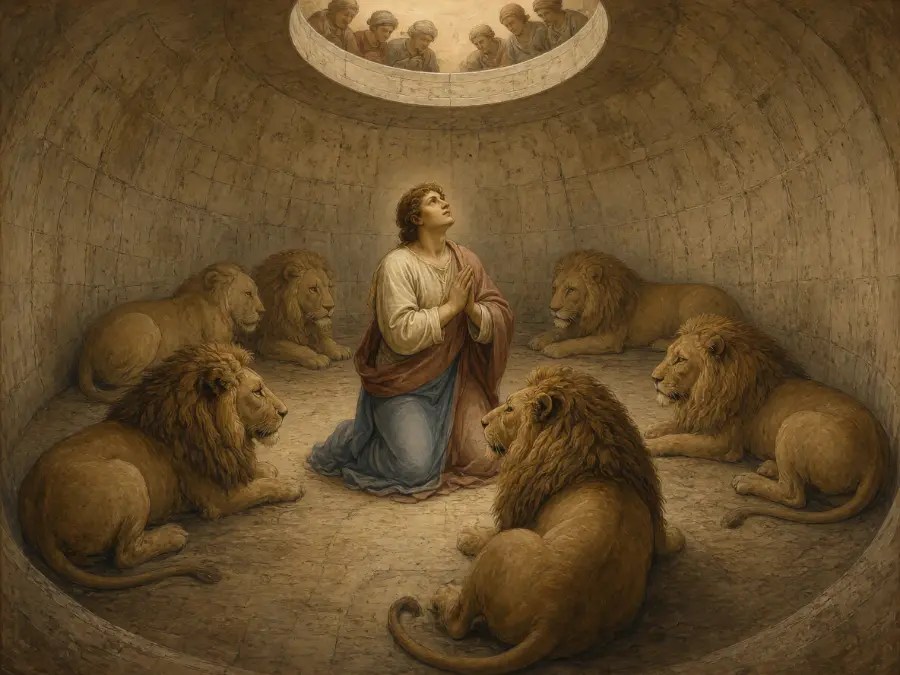
“务要谨守,警醒。因为你们的仇敌魔鬼,如同吼叫的狮子,遍地游行,寻找可吞吃的人。”

反思: This verse validates the feeling of being hunted that so often accompanies anxiety and spiritual oppression. That sense of impending doom is not just an imagined state; it taps into a spiritual reality. The call to be “alert and of sober mind” is not a command to live in fear, but to cultivate a calm, grounded awareness. It is the posture of a seasoned watchman, not a panicked child. We acknowledge the danger without letting the roar of the lion become the only sound we can hear.

约翰福音 10:10

“盗贼来,无非要偷窃,杀害,毁坏;我来了,是要叫羊得生命,并且得的更丰盛。”

反思: Here we are given a fundamental diagnostic tool for our inner life. When we feel our joy being stolen, our peace being killed, and our hope being destroyed, we can identify the source. That experience of diminishment and desolation is the enemy’s signature. Conversely, Jesus’s signature is abundant life—a sense of vitality, expansion, and flourishing. This verse helps us discern which voice we are listening to and which path we are on by the quality of life it produces within our spirit.

哥林多后书 11:14

“这也不足为怪,因为连撒但也装作光明的天使。”

反思: This verse speaks to the unsettling reality of sophisticated deception. Attacks rarely come openly proclaiming their evil intent. They more often arrive disguised as wisdom, reason, or even righteousness. This warns our hearts against naivete. It calls us to a deeper discernment, to test the spirits, and to look at the fruit of an idea or influence, not just its appealing appearance. It explains how we can be led astray by things that feel good or seem right, protecting us from the profound confusion of well-intentioned self-destruction.


Category 2: God as Our Unfailing Protector and Refuge

These verses provide deep comfort and security, addressing the feelings of vulnerability and fear that arise during an attack.

诗篇 91:1-2

“住在至高者隐密处的,必住在全能者的荫下。我要论到耶和华说:‘祂是我的避难所,是我的山寨,是我的神,是我所倚靠的。’”

反思: Our souls instinctively long for a safe place, a psychological “secure base” from which we can face the world. This verse is an invitation into that emotional and spiritual reality. To “dwell” is not a fleeting visit; it’s about making our home in the consciousness of God’s protective presence. The act of “saying” this truth aloud is a powerful way to calm a panicked nervous system. It is a declaration of trust that builds an inner fortress against the onslaught of fear.

帖撒罗尼迦后书 3:3

“但主是信实的,他必坚固你们,保护你们脱离那恶者。”

反思: When we are under attack, our own feelings of faithfulness can waver. We feel weak, inconsistent, and full of doubt. This verse beautifully shifts the focus. Our security does not depend on the intensity of our grip on God, but on the faithfulness of His grip on us. His faithfulness is the anchor. This knowledge relieves the immense pressure to be perfect in our response and allows our weary hearts to rest in His unwavering character.

那鸿书 1:7

“耶和华本为善,在患难的日子为人的保障,并且认得那些投靠他的人。”

反思: In the midst of turmoil, it is easy to feel anonymous and lost in the chaos. The profound comfort in this verse lies in the last phrase: “He cares for those who trust in him.” The Hebrew word for “cares” is yada, meaning He knows them with deep intimacy. Our refuge is not an impersonal, cosmic bunker; it is the personal, attentive care of a God who sees us, knows our name, and is invested in our well-being. This sense of being intimately known is a powerful antidote to the isolation that fear breeds.

诗篇 18:2

“耶和华是我的岩石,我的山寨,我的救主,我的神,我的磐石,我所投靠的。他是我的盾牌,是拯救我的角,是我的高台。”

反思: This is a cascade of metaphors for a heart in need of security. Each word addresses a different nuance of fear. “Rock” provides stability when we feel emotionally unstable. “Fortress” offers protection when we feel besieged by negative thoughts. “Shield” deflects the sharp, piercing lies of the enemy. “Deliverer” promises rescue when we feel trapped. Meditating on these images provides a rich vocabulary for our soul, allowing us to name our need and claim the specific aspect of God’s character that meets it.


Category 3: Finding Strength and Courage in God’s Presence

These verses are about drawing internal fortitude and moral courage not from ourselves, but from the reality of God’s companionship.

以赛亚书 41:10

“你不要害怕,因为我与你同在;不要惊惶,因为我是你的神。我必坚固你,我必帮助你;我必用我公义的右手扶持你。”

反思: This is a direct prescription for the fearful heart. The command “do not fear” is not an admonishment, but an invitation that is immediately followed by the reason: “for I am with you.” Courage, in this context, is not the absence of fear but the result of a felt sense of God’s presence. It is a relational strength. The promise to “uphold” us speaks to those moments when we feel we are emotionally and spiritually collapsing under the weight of the attack. We are held.

申命记 31:6

“你当刚强壮胆!不要害怕,也不要畏惧他们,因为耶和华你的神和你同去。他必不撇下你,也不丢弃你。”

反思: This verse strikes at the core fear of abandonment that often surfaces when we feel attacked and alone. The assurance that God “goes with you” and will 从未 leave is a balm to the deepest parts of our attachment system. Our ability to be “strong and courageous” is directly tied to this promise of unwavering divine companionship. We can face the terrifying “them” because we are not, and never will be, facing them by ourselves.

诗篇 27:1

“耶和华是我的亮光,是我的拯救,我还怕谁呢?耶和华是我性命的保障,我还惧谁呢?”

反思: This is a powerful tool for cognitive and emotional reframing. The psalmist asks a rhetorical question designed to recalibrate his perspective. By placing the reality of God—as light, salvation, and stronghold—on one side of the scale, any enemy or fear placed on the other side is immediately revealed as insubstantial. It’s an exercise in awe. When we are rightly in awe of God, our fears are put in their proper, diminished place.

约书亚记 1:9

“我岂没有吩咐你吗?你当刚强壮胆!不要惧怕,也不要惊惶,因为你无论往哪里去,耶和华你的神必与你同在。”

反思: The structure here is beautiful. It begins with a reminder of God’s authority (“Have I not commanded you?”) and ends with a promise of His presence. Our courage is sandwiched between the two. This reminds us that our strength is not a feeling we must summon from within our own limited resources. It is an obedient response to a command from a God who simultaneously promises to provide the resources for that obedience through His constant presence.


Category 4: Wielding Our Spiritual Weapons and Authority

These verses move us from a defensive posture to an active one, equipping us to stand firm and push back against darkness.

雅各书 4:7

“故此,你们要顺服神。务要抵挡魔鬼,魔鬼就必离开你们逃跑了。”

反思: This verse reveals a crucial sequence for spiritual authority. Our resistance to the enemy is only effective after we have first submitted to God. Submission isn’t about groveling; it’s about alignment—joyfully placing our will, emotions, and identity under the safety of God’s authority. From that place of secure connection, our “no” to the enemy has power. It is not our own isolated willpower, but the authority of the kingdom of God flowing through us.

哥林多后书 10:4-5

“我们争战的兵器本不是属血气的,乃是在神面前有能力,可以攻破坚固的营垒,将各样的计谋,各样拦阻人认识神的那些自高之事,一概攻破了,又将人所有的心意夺回,使他都顺服基督。”

反思: The primary battlefield is identified here: the mind. The “strongholds” are fortified patterns of negative and deceptive thinking. Our God-given weapons tear down “arguments” and “pretensions.” The act of “taking every thought captive” is a deeply psychological and spiritual discipline. It is the practice of noticing a destructive, fearful, or prideful thought, arresting it, and consciously realigning it with the truth of who Christ is and who we are in Him.

以弗所书 6:11

“要穿戴神所赐的全副军装,就能抵挡魔鬼的诡计。”

反思: The “armor of God” is a powerful metaphor for a set of intentional spiritual and psychological practices. It is not a passive covering, but something we must actively “put on.” This speaks of a daily, conscious decision to clothe ourselves in truth, righteousness, peace, faith, and salvation. Doing so creates a protective buffer around our hearts and minds, making us less emotionally and spiritually susceptible to the subtle and insidious “schemes” designed to destabilize us.

路加福音 10:19

“我已经给你们权柄可以践踏蛇和蝎子,又胜过仇敌一切的能力,断没有什么能害你们。”

反思: This verse addresses the feeling of powerlessness that can be so paralyzing during an attack. The source of our strength is not our own, but a delegated “authority” from Christ himself. This fosters a humble confidence. We are not arrogant in our own might, nor are we helpless victims. We operate under the commission of the one who has all authority, allowing us to face down threats not with our power, but with His, knowing our ultimate security is guaranteed.


Category 5: Overcoming Through Faith and God’s Promises

These verses instill hope and endurance by focusing on the guaranteed final outcome and the power of faith to access that victory now.

罗马书 8:37

“然而,靠着爱我们的主,在这一切的事上已经得胜有余了。”

反思: This is a statement of profound triumph. We are not just “survivors” who barely make it through. We are not even just “conquerors” who win the fight. We are “more than conquerors.” This suggests that the struggle itself becomes a vehicle for our transformation. Through the process of wrestling with opposition in His strength, something is forged in us that is more valuable than if we had never fought at all. The trial becomes a source of deepened character and intimacy with God.

约翰一书 5:4

“因为凡从上帝生的,就胜过世界;使我们胜了世界的,就是我们的信心。”

反思: This verse connects our victory directly to our new identity as “born of God” and identifies the mechanism of that victory: our faith. Faith is not merely wishful thinking; it is a deep, relational trust that what God has said is more real than what we can see or feel. It is this unwavering orientation of the heart toward God’s reality that allows us to access the victory that Christ has already won, making it our present experience.

罗马书 8:28

“我们晓得万事都互相效力,叫爱神的人得益处,就是按他旨意被召的人。”

反思: This verse offers a master frame for interpreting suffering and attack. It does not claim that all things 都是 good. It makes the much more powerful claim that God is such a sovereign and redemptive artist that He can take the chaotic, painful, and even malicious events of our lives and weave them into a tapestry that is ultimately for our good. This belief provides enduring meaning in the face of what feels meaningless, assuring us that no pain is ever wasted in His economy.

哥林多前书 15:57

“感谢上帝,使我们藉着我们的主耶稣基督得胜。”

反思: The tone here is one of exuberant gratitude. Victory is not something we grimly wrestle for; it is a gift that we receive. The verb tense “gives” implies a continuous, present reality. This shifts our emotional posture from one of anxious striving to one of joyful receiving. This very act of giving thanks in the midst of a battle is an act of profound faith and a powerful weapon against the despair the enemy seeks to sow.


Category 6: Responding to Human Adversaries with Divine Wisdom

These verses provide guidance for the uniquely challenging attacks that come from other people, calling us to a higher, redemptive response.

罗马书 12:21

“你不可为恶所胜,反要以善胜恶。”

反思: This is a strategy of moral and psychological genius. The natural human response to being hurt is to retaliate, to return evil for evil. But in doing so, we allow the evil to set the terms of engagement; we are “overcome” by it because we become like it. To respond with “good” is to introduce a foreign element that breaks the cycle. It is an act of profound inner strength that preserves our own soul from the corrosion of hate and demonstrates a power that evil cannot comprehend.

罗马书 12:19

“亲爱的弟兄,不要自己伸冤,宁可让步,听凭主怒;因为经上记着:‘主说,伸冤在我,我必报应。’”

反思: The desire for revenge is an emotionally consuming burden. It keeps the wound fresh and binds us to the person who hurt us. This verse is an invitation to liberation. By consciously handing over the need for justice to God, we release our own hearts from the toxic obligation to carry that anger. It is an act of trust that God is just and that we can be free, allowing us to move forward rather than remaining emotionally tethered to the past offense.

箴言 25:21-22

“你的仇敌若饿了,就给他吃;若渴了,就给他喝。因为你这样行,就是把炭火堆在他的头上,耶和华也必赏赐你。”

反思: The “burning coals” are not a tool for subtle vengeance. The most profound understanding is that an unexpected, undeserved act of kindness has the power to ignite a fire of shame and conviction in the heart of an enemy. It is a shock to their system that can break through hardened defenses and lead to repentance. This is a strategy aimed at restoration, not just victory. It is a creative, disarming love that seeks to melt an enemy’s heart.

马太福音 5:44

“但我告诉你们,要爱你们的仇敌,为那逼迫你们的祷告。”

反思: This is perhaps the most spiritually and emotionally demanding command in scripture. To love and pray for an enemy requires a radical shift within our own hearts. It is impossible to genuinely pray for someone’s well-being while simultaneously dehumanizing them with hatred. This practice forces us to see our adversary as God sees them—a person in need of grace. In doing so, it performs a miracle not only for them, but for us, saving our own hearts from being consumed and destroyed by bitterness.


了解更多关于 Christian Pure 的信息

举行过四次听证会。

继续阅读

分享至...