
 Arabic
  English
  Chinese
  Dutch
Dutch  Spanish
  Portuguese
  Russian
  French
  Italian
  German
  Japanese
 يخبر الكتاب المقدس المؤمنين ألا يدينوا بعضهم البعض، ويخبرهم أيضاً أن يدينوا بالعدل. يقول يسوع كلاهما: "لا تدينوا" في متى 7: 1 و"احكموا حكماً عادلاً" في يوحنا 7: 24.
في إنجيل متى، يأتي الأمر مع توجيه بإخراج الخشبة من عينك أولاً (متى 7: 3-5). يذكر بولس ويعقوب مكانة الله كديان كسبب لتحذيراتهم (رومية 14: 4؛ يعقوب 4: 12)، ومع ذلك يخبر بولس الكنيسة أن تدين من هم في الداخل (كورنثوس الأولى 5: 12-13). تجيب العديد من التحذيرات على مواقف معينة. تتعلق رومية 14 بالمؤمنين الذين يختلفون حول الطعام والأيام المقدسة، ويعقوب 2 بجماعة قد تعطي زائراً غنياً مقعداً جيداً وتطلب من فقير أن يقف، وكورنثوس الأولى 4 بالأحكام التي كان الكورنثيون يصدرونها على بولس نفسه.
القاضي الذي يكيل بمكياله الخاص
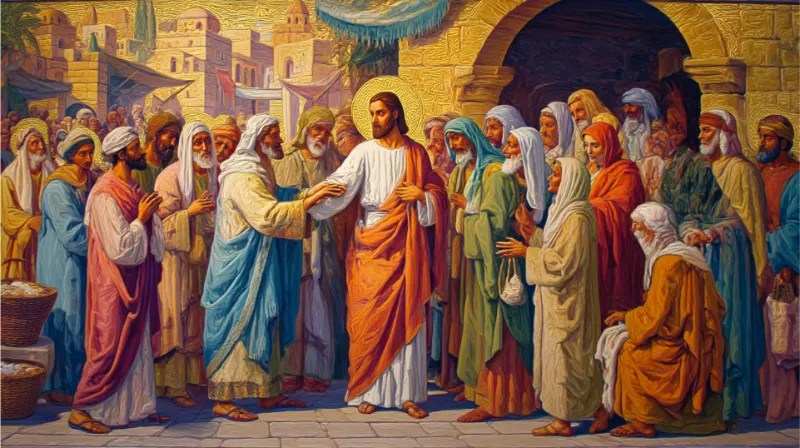
متى 7: 1-2
"لا تدينوا لكي لا تدانوا. لأنكم بالدينونة التي بها تدينون تدانون، وبالكيل الذي به تكيلون يكال لكم."
تأمل: في الموعظة على الجبل، يربط يسوع سبباً بالأمر: المقياس الذي يستخدمه الشخص مع الآخرين هو الذي سيُستخدم معه. الموعظة موجهة للتلاميذ الذين جاؤوا إليه على الجبل (متى 5: 1-2).
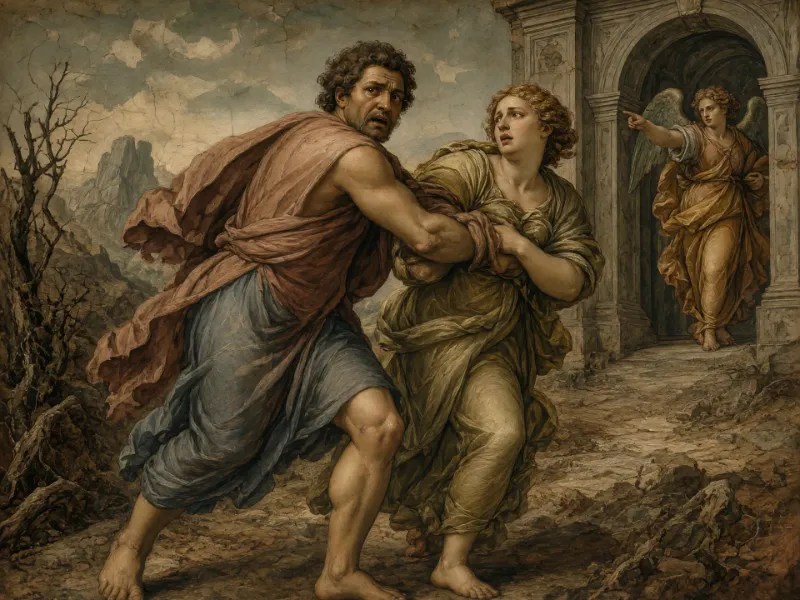
متى 7: 3-5
"ولماذا تنظر القذى الذي في عين أخيك، وأما الخشبة التي في عينك فلا تفطن لها؟ أم كيف تقدر أن تقول لأخيك: يا أخ، دعني أخرج القذى الذي في عينك، وأنت لا تبصر الخشبة التي في عينك؟ يا مرائي، أخرج أولاً الخشبة من عينك، وحينئذ تبصر جيداً أن تخرج القذى الذي في عين أخيك."
تأمل: تضع الصورة قذى في عين الأخ بجانب خشبة في عين الناقد. يدعو يسوع الناقد مرائياً ثم يعطي ترتيباً للأحداث: أخرج الخشبة أولاً، "وحينئذ تبصر جيداً لتخرج القذى الذي في عين أخيك". لا يزال القذى بحاجة إلى الإخراج؛ ففحص الذات يأتي قبل ذلك.
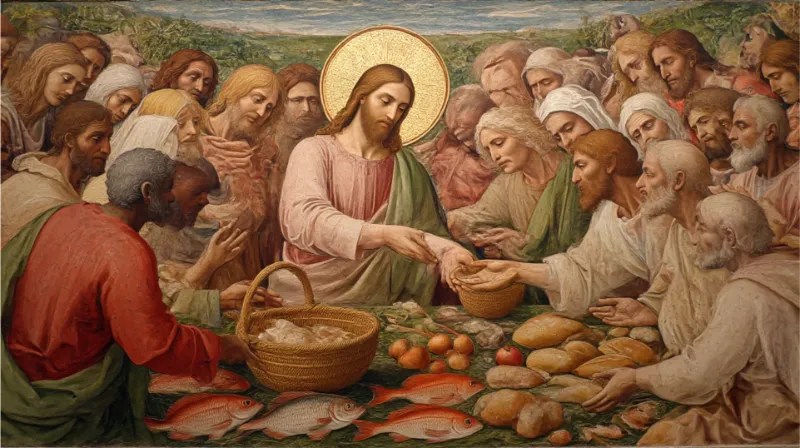
Luke 6:36-37
"فكونوا رحماء كما أن أباكم أيضاً رحيم. لا تدينوا فلا تدانوا. لا تقضوا على أحد فلا يقضى عليكم. اغفروا يغفر لكم."
تأمل: يضع لوقا هذا التعليم في "موضع سهل" مع جمع كبير (لوقا 6: 17)، ويضع الأمر بعدم الإدانة مباشرة بعد "كونوا رحماء كما أن أباكم هو رحيم". يتبع "لا تدينوا، لا تقضوا على أحد، واغفروا" في الآية التالية "أعطوا تعطوا"، وبنفس القول الذي سجله متى: "بالكيل الذي به تكيلون يكال لكم".
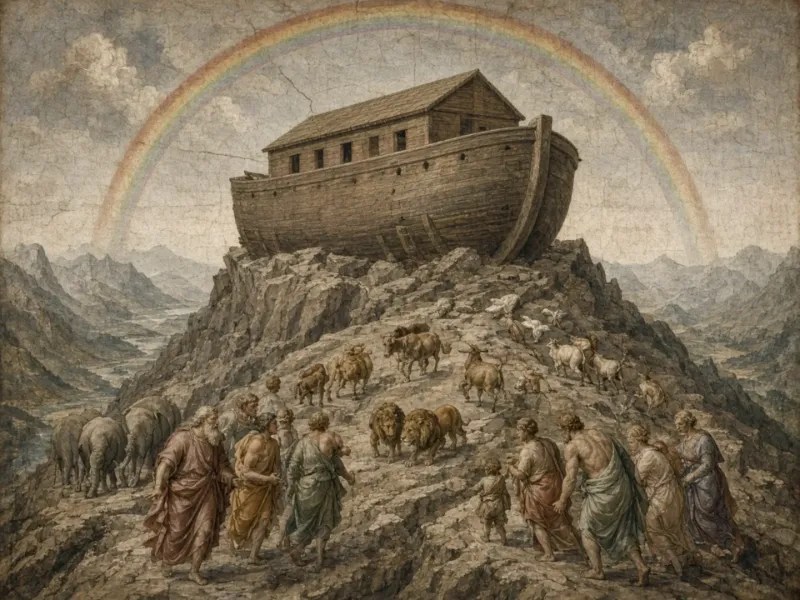
رومية 2: 1
"لذلك أنت بلا عذر أيها الإنسان، كل من يدين. لأنك في ما تدين غيرك تحكم على نفسك. لأنك أنت الذي تدين تفعل تلك الأمور بعينها!"
تأمل: تشير كلمة "إذاً" إلى نهاية رومية 1، وهي قائمة تمتد من الحسد والقتل إلى النميمة والافتراء وعقوق الوالدين (رومية 1: 29-30). يلتفت بولس إلى القارئ الذي يوافق على تلك القائمة ويخبره أنه يفعل نفس الأشياء. تضغط الآية 3 على ذلك أكثر: "أفتظن هذا أيها الإنسان الذي تدين الذين يفعلون مثل هذه وتفعلها، أنك تنجو من دينونة الله؟"
لماذا يعود الحكم لله وحده
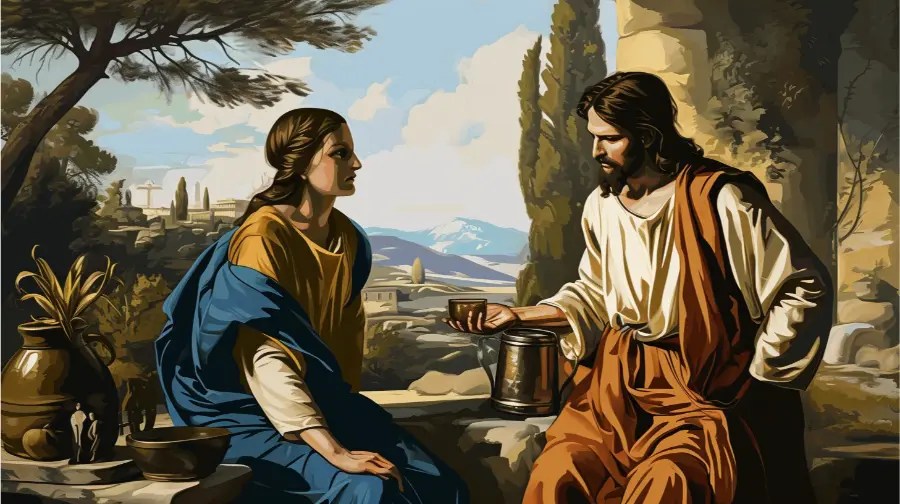
رومية 14: 4
"من أنت الذي تدين عبد غيرك؟ هو لمولاه يثبت أو يسقط. ولكنه سيثبت، لأن الله قادر أن يثبته."
تأمل: تتعامل رومية 14 مع المؤمنين الذين يختلفون حول ما يأكلونه: أحدهم يأكل كل شيء، وآخر يأكل البقول فقط (رومية 14: 2). يخبر بولس الذي يمتنع ألا يدين الذي يأكل، "لأن الله قبله" (14: 3). هنا يُصور المؤمن كخادم في بيت، يجيب أمام سيده وليس أمام خادم زميل.
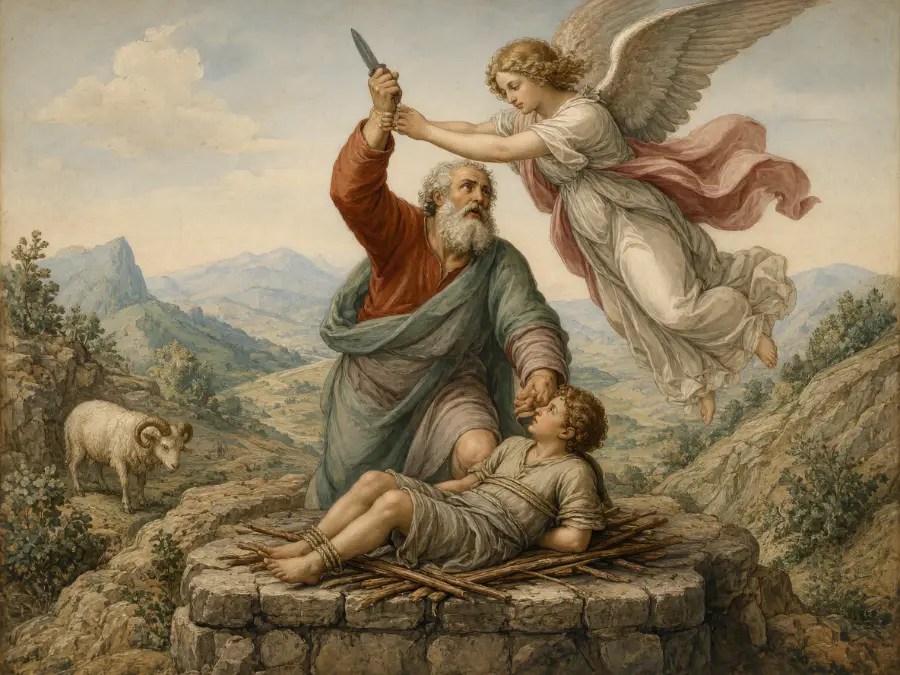
رومية 14: 10
"أما أنت، فلماذا تدين أخاك؟ أو أنت أيضاً، لماذا تزدري بأخيك؟ لأننا جميعاً سنقف أمام كرسي ديانة المسيح."
تأمل: يطرح بولس السؤال على طرفي نزاع الطعام، الذي يدين والذي يحتقر. سببه هو أنهم جميعاً سيقفون أمام كرسي دينونة واحد، وتستنتج الآية 12: "فإذاً كل واحد منا سيعطي عن نفسه حساباً لله". تعطي الآية 13 البديل عن الإدانة: "بل بالحري احكموا بهذا: أن لا يوضع لأخ مصدمة أو معثرة".
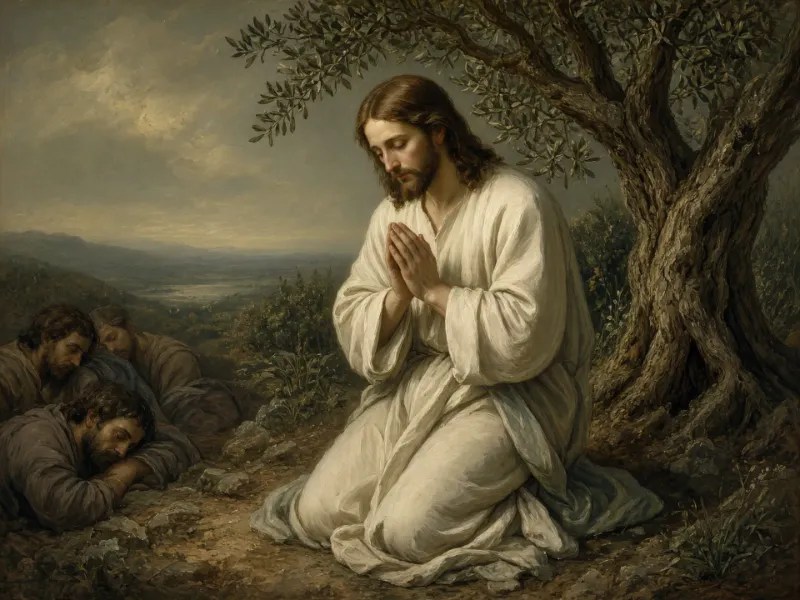
James 4:12
"واضع الناموس واحد، وهو قادر أن يخلص ويهلك. فمن أنت يا من تدين غيرك؟"
تأمل: يطرح يعقوب هذا بعد أمر بعدم التحدث بالسوء ضد أخ (يعقوب 4: 11). يقول إن كل من يدين أخاه "يتكلم سوءاً على الناموس ويدين الناموس"، متصرفاً كقاضٍ للناموس بدلاً من فاعله. تسمي الآية من يشغل ذلك المنصب: واضع الناموس والديان الوحيد، "القادر أن يخلص ويهلك".
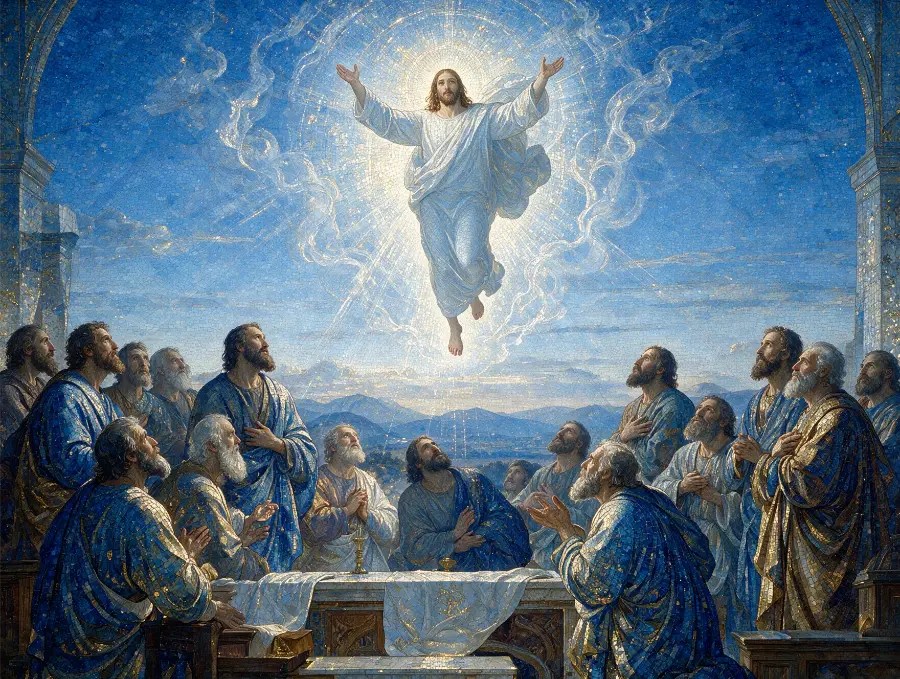
1 كورنثوس 4: 5
"إذا، لا تحكموا في شيء قبل الوقت، حتى يأتي الرب الذي سينير خفايا الظلام ويظهر آراء القلوب. وحينئذ يكون المدح لكل واحد من الله."
تأمل: يكتب بولس هذا عن الأحكام التي كان الكورنثيون يصدرونها عليه، وهو رجل يسميه أحد "وكلاء سرائر الله" (كورنثوس الأولى 4: 1). هو لا يدين نفسه حتى، لأن ضميراً نقياً لا يبرئه: "الذي يحكم فيّ هو الرب" (4: 4). ما ينهى عنه هو الإدانة "قبل الوقت"، وسببه هو ما لا يستطيع أحد آخر رؤيته: الرب "سيظهر آراء القلوب".
الإدانة حسب المظهر والمحاباة
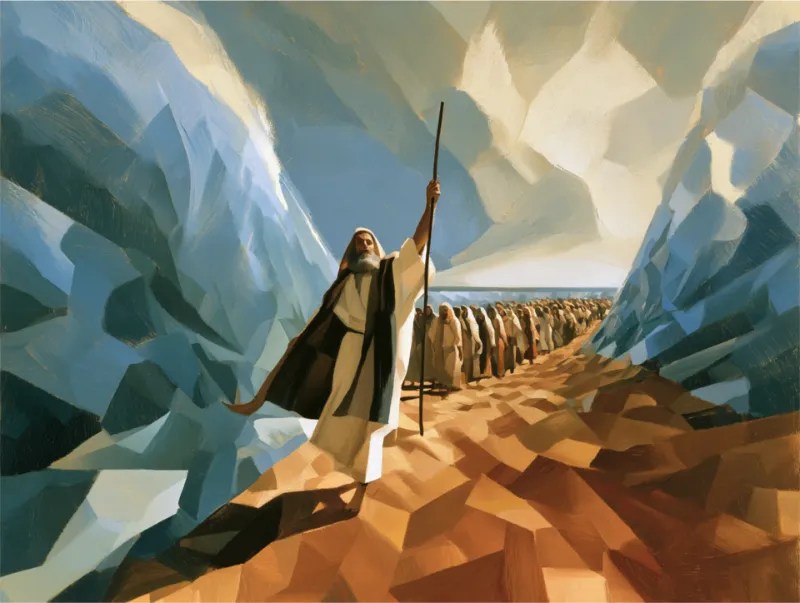
يوحنا 7: 24
"لا تحكموا حسب الظاهر، بل احكموا حكماً عادلاً."
تأمل: يقول يسوع هذا في الهيكل أثناء عيد المظال، لجمع غاضب لأنه شفى رجلاً في يوم السبت (يوحنا 5: 8-10؛ 7: 23). يجادل بأنهم يختنون في السبت ليحفظوا ناموس موسى، لذا فإن جعل جسد الإنسان صحيحاً في ذلك اليوم ليس سبباً لإدانته. للأمر شقان: توقفوا عن الإدانة حسب المظهر، واحكموا حكماً عادلاً.
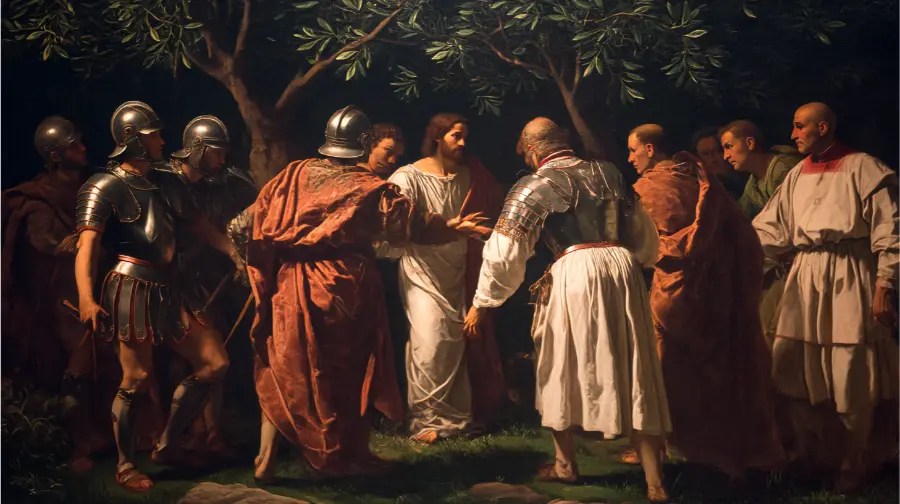
James 2:12-13
"هكذا تكلموا وهكذا افعلوا كعتيدين أن تحاكموا بناموس الحرية. لأن الحكم هو بلا رحمة لمن لم يعمل رحمة. والرحمة تفتخر على الحكم."
تأمل: يفتتح الفصل بحالة يطرحها يعقوب على قرائه: إذا أُعطي رجل بملابس فاخرة مقعداً جيداً وطُلب من رجل فقير أن يقف، فقد "صرتم قضاة أفكار شريرة" (يعقوب 2: 2-4). يعتبر المحاباة خرقاً لـ "تحب قريبك كنفسك" (2: 8-9). تختتم هذه الآيات تلك الحجة: من لم يرحم سيُدان بلا رحمة.
متى تكون الإدانة مطلوبة
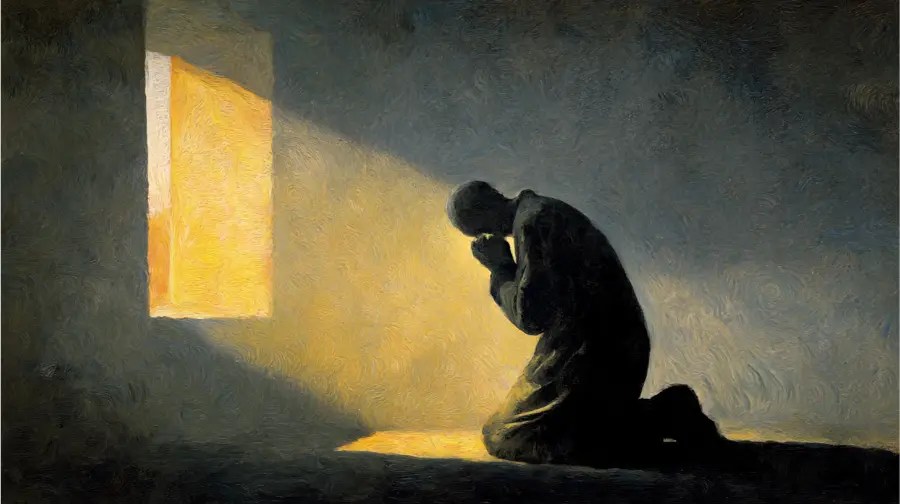
1 كورنثوس 5: 12-13
"لأنه ماذا لي أن أدين الذين من خارج؟ ألستم أنتم تدينون الذين من داخل؟ أما الذين من خارج فالله يدينهم. فاعزلوا الخبيث من بينكم."
تأمل: كانت الكنيسة في كورنثوس تتسامح مع رجل يعيش مع امرأة أبيه، وكان بولس قد أخبرهم بعزله (كورنثوس الأولى 5: 1-2). هنا يقصر إدانة الكنيسة على أعضائها ويترك من هم في الخارج لله. تشرح الآيات السابقة رسالة سابقة: لم يقصد أبداً قطع المؤمنين عن خطاة "هذا العالم"، بل فقط عن أي شخص "يُدعى أخاً" ويعيش بتلك الطريقة (5: 10-11).
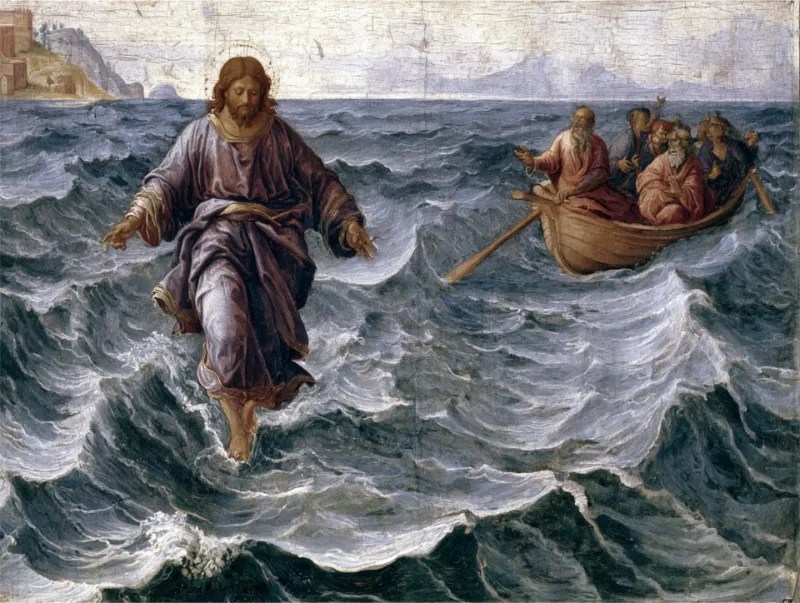
غلاطية 6: 1
"أيها الإخوة، إن انسبق إنسان فأخذ في زلة ما، فأصلحوا أنتم الروحانيين مثل هذا بروح الوداعة، ناظراً إلى نفسك لئلا تجرب أنت أيضاً."
تأمل: الشخص المقصود هو مؤمن زميل "أُخذ في زلة ما". يعطي بولس العمل لـ "الروحيين"، ويذكر هدفه وهو إصلاح الرجل، وطريقته وهي الوداعة. يُطلب ممن يصلح أن يراقب نفسه، وتضيف الآية 4: "وليمتحن كل واحد عمله".
Proverbs 31:9
"افتح فمك، اقض بالعدل، وحام عن الفقير والمسكين."
تأمل: هذه هي الكلمات التي علمتها أم الملك لموئيل له (أمثال 31: 1). بالنسبة للملك، الإدانة واجب: يُقال له أن يفتح فمه "لأجل الأخرس، لأجل دعوى كل اليتامى" (31: 8)، وهنا أن يقضي بالعدل للفقراء والمساكين.
1 يوحنا 4: 1
"أيها الأحباء، لا تصدقوا كل روح، بل امتحنوا الأرواح: هل هي من الله؟ لأن أنبياء كذبة كثيرين قد خرجوا إلى العالم."
تأمل: يخبر يوحنا قراءه أن يختبروا ما يسمعونه، لأن "أنبياء كذبة كثيرين قد خرجوا إلى العالم". توفر الآية التالية الاختبار: "كل روح يعترف بيسوع المسيح أنه قد جاء في الجسد هو من الله". هنا الشيء الذي يُدان هو التعليم ومصدره.


اترك تعليقاً