
 French
 English
 Chinese
 Dutch
 Arabic
 Spanish
 Portuguese
 Russian
 Italian
 German
 Japanese
Dans la Bible, l'enseignement est un don fait à l'Église, et ceux qui enseignent « seront jugés plus sévèrement » (Jacques 3:1). Jésus accepte le titre de Maître après avoir lavé les pieds de ses disciples (Jean 13:13) et, dans Matthieu 23:8, il dit à la foule et à ses disciples : « vous n'avez qu'un seul Maître ».
Plusieurs des passages ci-dessous proviennent des lettres à Timothée et à Tite, que Paul a laissés à Éphèse et en Crète (1 Timothée 1:3 ; Tite 1:5), et ils exposent ce que devraient être la vie et la doctrine d'un enseignant (1 Timothée 4:16 ; Tite 2:7-8). D'autres concernent les personnes enseignées (Luc 6:40 ; 2 Timothée 4:3), les enfants instruits à la maison et en chemin (Deutéronome 6:7), et Dieu en tant qu'enseignant (Ésaïe 54:13 ; Jean 14:26).
Jésus en tant qu'enseignant
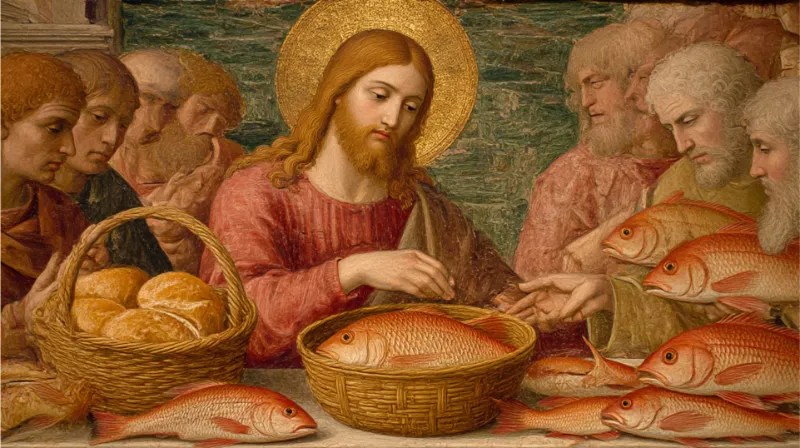
Matthieu 7:28-29
« Lorsque Jésus eut achevé ces discours, la foule fut frappée de sa doctrine, car il enseignait comme ayant autorité, et non pas comme leurs scribes. »
Réflexion : Ces lignes concluent le Sermon sur la montagne, que Matthieu ouvre par « il se mit à les enseigner » (Matthieu 5:2). Au chapitre 5, Jésus place ce qui « a été dit » à côté de son propre « Mais moi, je vous dis » (Matthieu 5:21-22, 43-44). Les foules le comparaient à « leurs enseignants de la loi », les enseignants qu'ils avaient déjà, et trouvaient la différence dans son autorité.
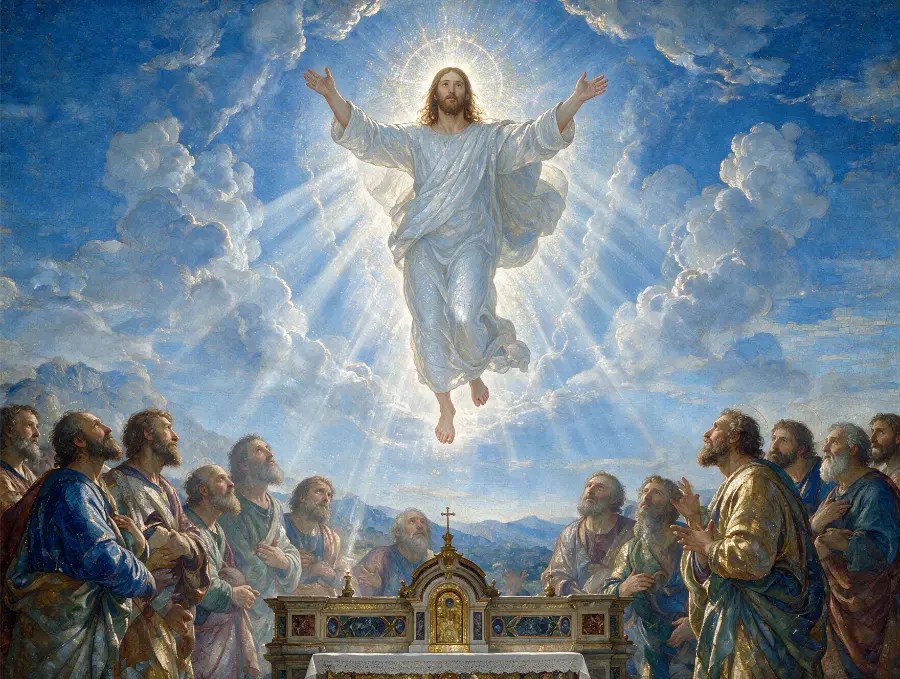
Jean 13:13-15
« Vous m'appelez “Maître” et “Seigneur”, et vous avez raison, car je le suis. Si donc je vous ai lavé les pieds, moi, le Seigneur et le Maître, vous devez aussi vous laver les pieds les uns aux autres. Je vous ai donné un exemple afin que vous fassiez comme je vous ai fait. »
Réflexion : Jésus dit ceci lors du repas du soir juste avant la fête de la Pâque, après s'être ceint d'une serviette et avoir lavé les pieds de ses disciples (Jean 13:1-5). Il accepte les deux titres, Maître et Seigneur, puis fait du lavage lui-même la leçon : « Je vous ai donné l'exemple. » Le verset suivant ajoute : « un serviteur n'est pas plus grand que son maître. »
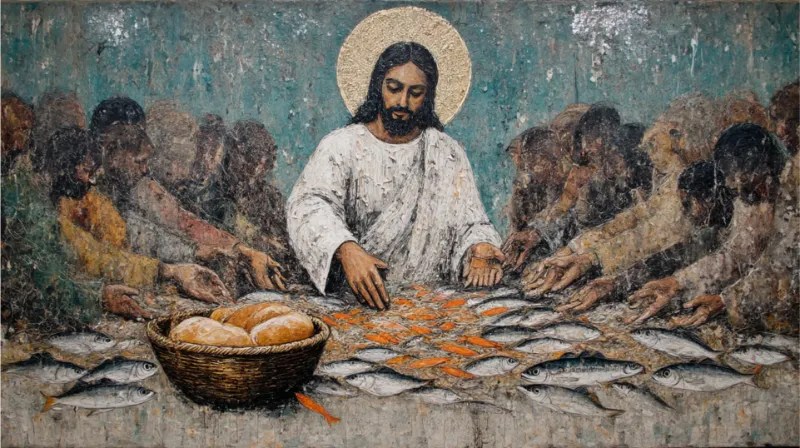
Matthew 23:8
« Mais vous, ne vous faites pas appeler Rabbi ; car un seul est votre Maître, et vous êtes tous frères. »
Réflexion : Jésus s'adresse aux foules et à ses disciples au sujet des maîtres de la loi et des pharisiens, qui aiment « à être appelés par les gens “Rabbi” » (Matthieu 23:7). Jean 1:38 traduit Rabbi par « Maître ». Plus tôt dans le chapitre, Jésus dit aux foules de faire ce que ces enseignants disent, mais pas ce qu'ils font, « car ils ne pratiquent pas ce qu'ils prêchent » (23:3). Le verset 10 répète ce point avec un autre titre : « vous n'avez qu'un seul Instructeur, le Messie », et le verset 11 ajoute : « Le plus grand parmi vous sera votre serviteur. »
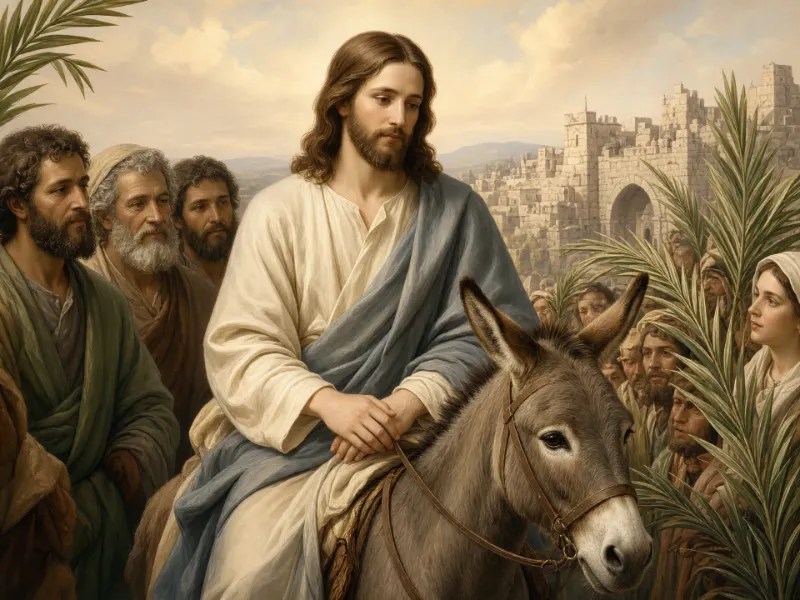
Matthieu 28:19-20
« Allez, faites de toutes les nations des disciples, les baptisant au nom du Père, du Fils et du Saint-Esprit, et enseignez-leur à observer tout ce que je vous ai prescrit. »
Réflexion : Le Jésus ressuscité donne cet ordre aux onze disciples sur la montagne en Galilée où il leur avait dit d'aller (Matthieu 28:16), après avoir déclaré : « Tout pouvoir m'a été donné dans le ciel et sur la terre. » L'enseignement accompagne le baptême en tant que partie intégrante de la formation des disciples, et son contenu est fixé : « tout ce que je vous ai commandé ». Le même verset se termine par une promesse faite à ceux qui sont envoyés : « Et voici, je suis avec vous tous les jours. »
Enseigner dans l'église

Romans 12:6-7
« Nous avons des dons différents, selon la grâce qui nous a été accordée. Si votre don est la prophétie, prophétisez en accord avec votre foi ; si c'est le service, servez ; si c'est l'enseignement, enseignez ; »
Réflexion : Paul classe l'enseignement parmi les dons accordés « selon la grâce qui nous a été donnée », après avoir dit à ses lecteurs de ne pas avoir une trop haute opinion d'eux-mêmes « au-delà de ce qu'il faut » (Romains 12:3). Les dons appartiennent à un seul corps composé de plusieurs membres (12:4-5), et l'instruction pour chacun est d'utiliser le don reçu : « si c'est l'enseignement, enseignez ». Dans 1 Corinthiens 12:28, les enseignants arrivent en troisième position dans la liste de ce que Dieu a établi dans l'Église, après les apôtres et les prophètes.
Éphésiens 4:11-12
“So Christ himself gave the apostles, the prophets, the evangelists, the pastors and teachers, to equip his people for works of service, so that the body of Christ may be built up”
Réflexion : Teachers here are among the people Christ himself “gave,” alongside apostles, prophets, evangelists and pastors. The purpose follows in the same sentence: “to equip his people for works of service.” Verse 14 names what the church is to be kept from, being “blown here and there by every wind of teaching and by the cunning and craftiness of people in their deceitful scheming.”
2 Timothée 2:2
« Et ce que tu as entendu de moi en présence de beaucoup de témoins, confie-le à des hommes fidèles, qui soient capables de l'enseigner aussi à d'autres. »
Réflexion : Paul writes to Timothy, whom he calls “my son” (2 Timothy 2:1), and sets out a chain of teaching: from Paul to Timothy, from Timothy to “reliable people,” and from them to others. What is handed on was said “in the presence of many witnesses.” Later in the same letter Paul writes, “the time for my departure is near” (2 Timothy 4:6).
Colossiens 3:16
« Que la parole de Christ habite parmi vous avec sa richesse ; instruisez-vous et avertissez-vous les uns les autres en toute sagesse par des psaumes, par des hymnes, par des cantiques spirituels, chantant pour Dieu dans votre cœur sous l'inspiration de la grâce. »
Réflexion : Here the whole church does the teaching: believers are to “teach and admonish one another.” Paul names the means in the same clause: “through psalms, hymns, and songs from the Spirit.” The verse before calls the readers “members of one body” (3:15).
Ce qui est demandé à ceux qui enseignent

Jacques 3:1
« Mes frères, qu'il n'y ait pas parmi vous un grand nombre de personnes qui se mettent à enseigner, car vous savez que nous serons jugés plus sévèrement. »
Réflexion : James counts himself among the teachers, “we who teach,” and in the next verse among those who fail: “We all stumble in many ways.” He ties the stumbling to speech: “Anyone who is never at fault in what they say is perfect” (James 3:2). The warning opens the chapter’s passage on the tongue, which “is a small part of the body, but it makes great boasts” (3:5).
1 Timothée 4:16
“Watch your life and doctrine closely. Persevere in them, because if you do, you will save both yourself and your hearers.”
Réflexion : Timothy had been left in Ephesus to stop “certain people” from teaching false doctrines (1 Timothy 1:3). Just before this verse he is told not to let anyone look down on him for being young, and to devote himself “to the public reading of Scripture, to preaching and to teaching” (4:12-13). Verse 16 names two things to watch, his life and his doctrine, and ties both to the salvation of “your hearers” as well as his own.
Tite 2:7-8
« Donne-toi toi-même en exemple en tout, par une conduite irréprochable, par une doctrine pure, par une parole saine, qu'on ne puisse condamner, afin que l'adversaire soit confus, n'ayant aucun mal à dire de nous. »
Réflexion : Titus, left in Crete to appoint elders (Titus 1:5), is told whom to teach: older men, older women, younger women through the older women, and young men (Titus 2:2-6). The charge then turns from what he teaches to how he lives: “set them an example by doing what is good.” The aim given is that opponents will “have nothing bad to say about us.”
2 Timothée 2:15
« Efforce-toi de te présenter devant Dieu comme un homme éprouvé, un ouvrier qui n'a point à rougir, qui dispense droitement la parole de la vérité. »
Réflexion : The verse sits between a warning against “quarreling about words” (2 Timothy 2:14) and the case of Hymenaeus and Philetus, who say “the resurrection has already taken place” (2:18). Of teachers like them Paul writes, “Their teaching will spread like gangrene” (2:17). The approval Timothy is to seek is God’s: “present yourself to God as one approved.”
2 Timothée 2:24-25
« Or, il ne faut pas qu'un serviteur du Seigneur ait des querelles ; il doit, au contraire, avoir de la condescendance pour tous, être propre à enseigner, doué de patience ; il doit redresser avec douceur les adversaires, dans l'espérance que Dieu leur donnera la repentance pour arriver à la connaissance de la vérité. »
Réflexion : “Able to teach” also appears in the list of what an overseer must be (1 Timothy 3:2). Here it stands among qualities of temper: not quarrelsome, kind to everyone, not resentful. Opponents are to be instructed gently, and the change hoped for is God’s to give: “in the hope that God will grant them repentance.” Verse 26 describes them as caught in “the trap of the devil.”
Les enseignants et ceux qu'ils enseignent

Luc 6:40
“The student is not above the teacher, but everyone who is fully trained will be like their teacher.”
Réflexion : In Luke the saying follows the question “Can the blind lead the blind? Will they not both fall into a pit?” and comes just before the speck and the plank (Luke 6:41-42). Matthew 10:24-25 has the same saying in another setting, where students share their teacher’s treatment: “If the head of the house has been called Beelzebul, how much more the members of his household!”

Proverbes 9:9
« Donne au sage, et il deviendra plus sage ; enseigne au juste, et il augmentera son savoir. »
Réflexion : The verse follows a warning about who can be taught at all: “Whoever corrects a mocker invites insults… rebuke the wise and they will love you” (Proverbs 9:7-8). Instruction adds to people who already have some wisdom. The next verse names where that wisdom starts: “The fear of the LORD is the beginning of wisdom.”
Psaume 32:8
« Je t'instruirai et te montrerai la voie que tu dois suivre ; je te conseillerai, j'aurai le regard sur toi. »
Réflexion : Psalm 32 is headed “Of David. A maskil.” and begins with sin confessed and forgiven: “I acknowledged my sin to you… And you forgave the guilt of my sin” (Psalm 32:5). Verse 7 speaks to God (“You are my hiding place”) and verse 9 to the hearer; the psalm does not name the speaker of verse 8. Verse 9 sets beside the promise of instruction the horse and the mule, “which have no understanding but must be controlled by bit and bridle.”

Hebrews 5:12
“In fact, though by this time you ought to be teachers, you need someone to teach you the elementary truths of God’s word all over again.”
Réflexion : The writer has just named Melchizedek (Hebrews 5:10) and stops because the readers “no longer try to understand” (5:11). The verse expects that people taught for long enough become teachers themselves. Verse 14 gives the measure: “solid food is for the mature, who by constant use have trained themselves to distinguish good from evil.”

Galates 6:6
“Nevertheless, the one who receives instruction in the word should share all good things with their instructor.”
Réflexion : The verse begins “Nevertheless,” straight after “each one should carry their own load” (Galatians 6:5), and asks the one taught to share “all good things” with the one teaching. 1 Timothy 5:17-18 says that elders “whose work is preaching and teaching” are “worthy of double honor,” and quotes “The worker deserves his wages.”

2 Timothée 4:3-4
« Car un temps viendra où les hommes ne supporteront pas la saine doctrine ; mais, ayant la démangeaison d'entendre des choses agréables, ils se donneront une foule de docteurs selon leurs propres désirs, détourneront l'oreille de la vérité, et se tourneront vers les fables. »
Réflexion : Paul gives this as the reason for the charge just before it: “Preach the word… correct, rebuke and encourage—with great patience and careful instruction” (2 Timothy 4:2). Here the hearers choose the teachers, and they choose them “to suit their own desires.” The result is that the hearers “turn aside to myths.”
constamment la foi aux enfants,

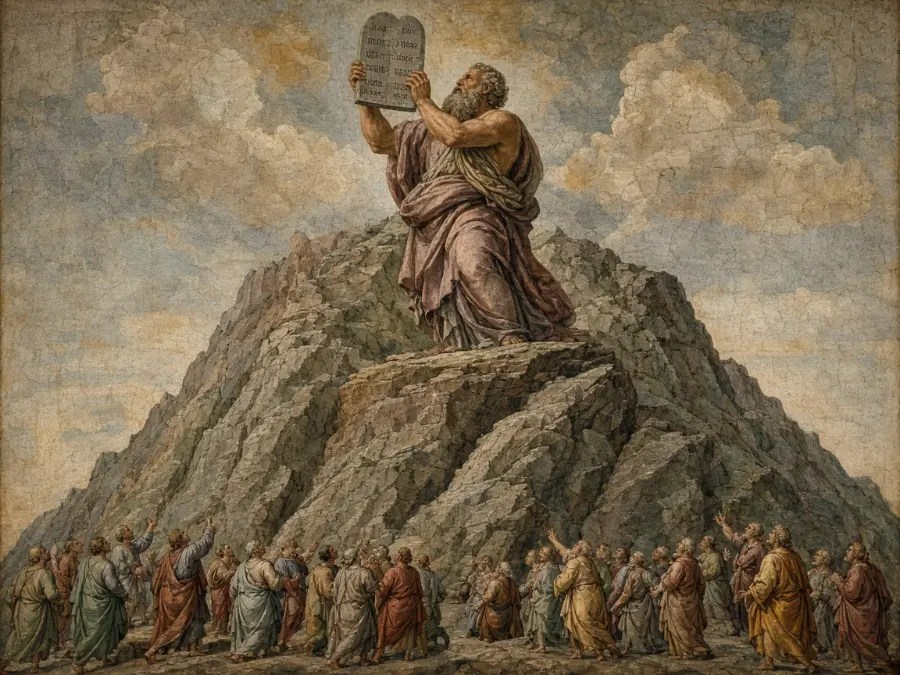
Deutéronome 6:6-7
« Et ces commandements, que je te donne aujourd'hui, seront dans ton cœur. Tu les inculqueras à tes enfants, et tu en parleras quand tu seras dans ta maison, quand tu iras en voyage, quand tu te coucheras et quand tu te lèveras. »
Réflexion : The command follows “Hear, O Israel: The LORD our God, the LORD is one” (Deuteronomy 6:4). The commandments are to be “on your hearts” before they are impressed on children, and the teaching happens in ordinary life: at home, on the road, lying down and getting up. Verses 20-21 prepare parents for a son’s question about the laws, and the answer they are given is a story: “We were slaves of Pharaoh in Egypt, but the LORD brought us out of Egypt with a mighty hand.”
Proverbes 22:6
« Instruis l'enfant selon la voie qu'il doit suivre ; et quand il sera vieux, il ne s'en détournera pas. »
Réflexion : The saying belongs to the collection headed “The proverbs of Solomon” (Proverbs 10:1), which runs until the “sayings of the wise” begin at 22:17. It speaks of a whole life, from the start to “when they are old.” Nine verses later the same collection says, “Folly is bound up in the heart of a child, but the rod of discipline will drive it far away” (22:15).
Dieu en tant qu'enseignant

Ésaïe 54:13
« Tous tes fils seront disciples de l'Éternel, et grande sera la paix de tes fils ».
Réflexion : The promise is addressed to an “afflicted city, lashed by storms and not comforted” (Isaiah 54:11), which God says he will rebuild with precious stones. Its children are to have the LORD as their teacher. Jesus quotes the line in John 6:45, “They will all be taught by God,” and adds, “Everyone who has heard the Father and learned from him comes to me.”

Jean 14:26
« Mais le consolateur, l'Esprit-Saint, que le Père enverra en mon nom, vous enseignera toutes choses, et vous rappellera tout ce que je vous ai dit. »
Réflexion : Jesus is speaking to his disciples before he leaves them: “All this I have spoken while still with you” (John 14:25). The Spirit’s teaching is tied to what Jesus has already said, since he “will remind you of everything I have said to you.” Earlier in the chapter Jesus calls him “the Spirit of truth” (14:17).


Laisser un commentaire