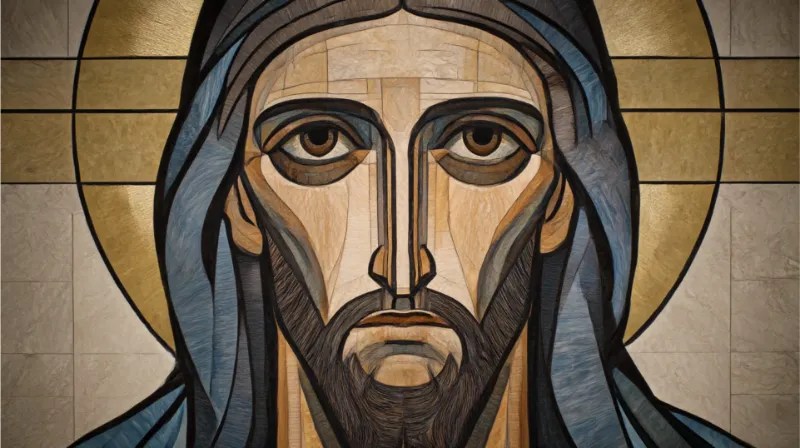
Comment les pentecôtistes célèbrent-ils Noël différemment ?


  • Pentecostal churches generally recognize and celebrate Christmas, often incorporating various styles and emphasis on Christ’s birth, shaped by their historical Protestant roots and evolving attitudes.
  • The celebration of Christmas in Pentecostalism is influenced by beliefs about the Holy Spirit, which infuses services with enthusiasm and anticipation for spiritual gifts and experiences.
  • Unique Pentecostal Christmas traditions include spontaneous worship, dramatic presentations, and evangelistic outreach efforts, reflecting their emphasis on experiential faith.
  • While some Pentecostal groups are wary of Christmas commercialization or do not celebrate due to theological concerns, others use the season for outreach and personal witnessing, emphasizing Christmas as a time for spiritual renewal.
This entry is part 12 of 42 in the series Noël en tant que chrétien

Do Pentecostal churches officially recognize and celebrate Christmas?

Reflecting on this question with the insights of psychology and history, I have noticed that Pentecostal churches generally do recognize and celebrate Christmas, though their approach may differ from more traditional denominations. The celebration of Christ’s birth is a fundamental aspect of Christian faith, transcending denominational boundaries.

Historically, early Pentecostalism emerged from Protestant roots, carrying forward many traditional Christian observances. While some early Pentecostals were skeptical of formal religious holidays, viewing them as potentially distracting from spiritual authenticity, this attitude has largely evolved over time (Taylor, 2024).

Today, most Pentecostal churches embrace Christmas as a major time to commemorate the Incarnation – God becoming man in Jesus Christ. But the emphasis and style of celebration can vary widely among Pentecostal congregations. Some may incorporate more traditional elements, while others focus on spontaneous, Spirit-led worship experiences.

Psychologically the celebration of Christmas serves important functions in religious communities. It reinforces shared beliefs, strengthens social bonds, and provides a sense of continuity with the broader Christian tradition. For Pentecostals, Christmas offers an opportunity to experience the joy and wonder of Christ’s birth in a deeply personal, emotionally engaging manner consistent with their experiential approach to faith.

But Pentecostalism is diverse, encompassing various subgroups and cultural expressions worldwide. While Christmas celebration is common, individual churches may approach it differently based on their specific theological emphases, cultural context, and leadership (Murphy et al., 2015, pp. 283–299).

How do Pentecostal beliefs about the Holy Spirit influence their Christmas celebrations?

Considering this question through the lenses of psychology and history, I have noticed that Pentecostal beliefs about the Holy Spirit profoundly shape their approach to Christmas celebrations. The centrality of the Holy Spirit in Pentecostal theology infuses their Christmas observances with a distinct character, emphasizing the ongoing, dynamic presence of God.

Historically, Pentecostalism emerged with a renewed focus on the work of the Holy Spirit, particularly the gifts of the Spirit as described in the New Testament. This emphasis on the Spirit’s active role in the life of believers naturally extends to their celebration of Christ’s birth (Burrow-Branine, 2012, pp. 107–124).

In Pentecostal Christmas celebrations, there is often a strong emphasis on the Holy Spirit’s role in the Incarnation. The biblical account of Mary’s conception by the Holy Spirit is seen as a powerful demonstration of God’s supernatural intervention. This perspective encourages believers to expect and be open to the Spirit’s miraculous work in their own lives, even during holiday celebrations.

Psychologically, this belief in the immediate presence and power of the Holy Spirit creates an atmosphere of anticipation and openness during Christmas services. Worshippers may expect spontaneous manifestations of the Spirit’s gifts, such as prophecy, healing, or speaking in tongues, as part of their celebration of Christ’s birth (Butler, 2002, p. 85).

The Pentecostal understanding of the Holy Spirit as the source of spiritual empowerment also influences how they view the purpose of Christmas celebrations. Beyond mere commemoration, these gatherings are seen as opportunities for spiritual renewal, personal transformation, and evangelistic outreach – all through the power of the Holy Spirit.

The Pentecostal emphasis on experiential faith often leads to highly emotive and participatory Christmas services. The joy of Christ’s birth is not just intellectually acknowledged but viscerally felt and expressed through exuberant worship, often attributed to the moving of the Holy Spirit (Skelton, 2011, pp. 151–172).

What are some unique Pentecostal Christmas traditions or practices?

Reflecting on this question with insights from psychology and history, I have noticed that Pentecostal Christmas traditions often blend elements of traditional Christian observances with their distinctive emphasis on the Holy Spirit and experiential worship. While practices can vary widely among different Pentecostal communities, several unique elements often emerge.

One notable tradition in many Pentecostal churches is the incorporation of spontaneous, Spirit-led elements into Christmas services. This might include extended periods of ecstatic worship, with congregants freely expressing their joy through dancing, shouting, or speaking in tongues. Such practices reflect the Pentecostal belief in the immediate presence of the Holy Spirit and the value placed on emotional expression in worship (Butler, 2002, p. 85).

Another common feature is the use of dramatic presentations or “living nativity” scenes to retell the Christmas story. These often involve congregation members and may incorporate contemporary elements or local cultural references, making the biblical narrative more immediate and relatable. This practice aligns with the Pentecostal emphasis on making faith tangible and experiential.

Many Pentecostal churches also place a strong emphasis on evangelistic outreach during the Christmas season. This might involve community service projects, door-to-door caroling with a gospel message, or inviting non-believers to special Christmas events. This reflects the movement’s historical focus on spreading the gospel and the belief that the Holy Spirit empowers believers for witness (Hey, 2014).

Psychologically these practices serve to reinforce community bonds, provide opportunities for individual participation and expression, and create memorable, emotionally charged experiences that strengthen faith commitments. The emphasis on active participation and personal encounter with the divine aligns with the Pentecostal understanding of faith as a lived, dynamic reality.

Historically, as Pentecostalism has spread globally, it has often incorporated local cultural elements into Christmas celebrations. This adaptability has contributed to the movement’s growth and relevance in diverse contexts. For instance, in some African Pentecostal churches, traditional music and dance forms might be incorporated into Christmas worship, creating a unique fusion of cultural and religious expression (Nyanni, 2020, pp. 32–45).

How do Pentecostals view the commercialization of Christmas?

considering this question through the lenses of psychology and history, I have noticed that Pentecostal views on the commercialization of Christmas often reflect a tension between their desire to celebrate Christ’s birth meaningfully and their engagement with broader cultural practices.

Historically, Pentecostalism emerged as a movement emphasizing spiritual authenticity and often critiquing what it perceived as empty religious formalism. This heritage can lead many Pentecostals to be wary of the commercialization of Christmas, viewing it as a distraction from the true spiritual significance of the holiday (Hey, 2014).

Many Pentecostal leaders and communities express concern about the way commercial interests have come to dominate the Christmas season in many societies. They often emphasize the need to “keep Christ in Christmas” and encourage their members to focus on the spiritual aspects of the celebration rather than material consumption.

Psychologically, this stance can create a sense of distinctiveness and moral purpose for Pentecostal believers, reinforcing their identity as a community set apart from worldly values. It can also serve as a way of managing the cognitive dissonance that may arise from participating in a widely commercialized cultural event while maintaining a strong religious identity.

But Pentecostal responses to Christmas commercialization are not monolithic. Some Pentecostal churches, particularly those influenced by prosperity theology, may be more accepting of material expressions of celebration, viewing them as blessings from God (Aleksandrova, 2021).

Like many religious groups, Pentecostals often find themselves navigating a balance between rejecting excessive materialism and participating in cultural gift-giving traditions. Many may choose to reframe these practices in spiritual terms, emphasizing generosity and the reflection of God’s gift of Christ in human gift-giving.

Historically this tension reflects the ongoing challenge faced by Pentecostalism (and , many religious movements) in engaging with broader cultural trends while maintaining distinctive spiritual values. It also highlights the movement’s adaptability, as different Pentecostal communities develop varied responses to this challenge based on their specific contexts and theological emphases (Nyanni, 2020, pp. 32–45).

What role does speaking in tongues or other charismatic gifts play in Pentecostal Christmas services?

Reflecting on this question with insights from psychology and history, I have noticed that speaking in tongues and other charismatic gifts often play a major role in Pentecostal Christmas services, reflecting the movement’s distinctive theology and worship practices.

Historically, the practice of speaking in tongues (glossolalia) has been a defining feature of Pentecostalism since its emergence in the early 20th century. Pentecostals view this and other charismatic gifts as evidence of the Holy Spirit’s active presence among believers, a continuation of the experiences described in the New Testament (Burrow-Branine, 2012, pp. 107–124).

In the context of Christmas services, these charismatic manifestations are often seen as ways to celebrate and encounter the living Christ whose birth is being commemorated. Speaking in tongues, along with interpretations, prophecies, and words of knowledge, may be incorporated into worship times, prayers, or even sermons during Christmas gatherings (Butler, 2002, p. 85).

Psychologically, these practices serve several functions. They create a sense of immediacy and divine presence, reinforcing the belief that the God whose birth is celebrated is actively engaged with the worshippers. The often spontaneous and ecstatic nature of these experiences can produce powerful emotional responses, deepening the personal significance of the Christmas celebration for participants.

The communal aspect of these charismatic expressions – with multiple members potentially contributing spiritual gifts during a service – aligns with the Pentecostal emphasis on the priesthood of all believers. This can foster a sense of participation and spiritual empowerment among congregants (Skelton, 2011, pp. 151–172).

It’s important to note, But that the extent and manner in which charismatic gifts are expressed during Christmas services can vary widely among Pentecostal churches. Some may incorporate these elements more prominently, while others may maintain a more structured service format with charismatic expressions playing a secondary role.

Historically the inclusion of charismatic gifts in Christmas celebrations represents a distinctive Pentecostal contribution to Christian worship traditions. It reflects the movement’s emphasis on experiential faith and the belief in the ongoing, miraculous work of the Holy Spirit (Hey, 2014).

But this practice has also been a point of tension with other Christian traditions and has evolved over time within Pentecostalism itself. Some Pentecostal churches, particularly in contexts where they seek broader cultural engagement, may moderate the expression of charismatic gifts during Christmas services that are likely to attract visitors unfamiliar with these practices (Nyanni, 2020, pp. 32–45).

How do Pentecostals balance celebrating Jesus’ birth with their focus on His second coming?

The Pentecostal tradition beautifully weaves together the celebration of Christ’s first coming with the anticipation of His glorious return. This intertwining of past and future reflects the vast web of our faith, where memory and hope are bound together in the present moment of worship.

Pentecostals, like many of our Christian brethren, joyfully commemorate the nativity of our Lord during the Christmas season. They recognize this pivotal moment in salvation history when God became incarnate, entering our world as a vulnerable child. Yet, their observance is uniquely colored by an acute awareness of Christ’s promised return.

In Pentecostal worship services during Advent and Christmas, one often finds a harmonious blending of traditional carols celebrating Jesus’ birth with songs that speak of His second coming. Sermons may draw parallels between the anticipation of the Messiah’s first arrival and the eager expectation of His return. This dual focus serves to remind the faithful that the babe in the manger is also the triumphant King who will come again.

The emphasis on the Holy Spirit, so central to Pentecostal theology, plays a crucial role in this balance. The Spirit, sent by the risen Christ, is seen as the guarantee of His return and the power that enables believers to live in readiness. Thus, even as they rejoice in the historical reality of the Incarnation, Pentecostals are acutely aware of the Spirit’s present work in preparing the Church for Christ’s second advent.

This eschatological perspective does not diminish the celebration of Christmas but rather infuses it with added significance. The birth of Jesus is seen as the first act in a divine drama that will culminate in His return. In this way, Pentecostals find in Christmas not only a time of remembrance but also a season of renewed hope and expectation.

What did the early Church Fathers teach about celebrating Christ’s nativity?

My beloved friends, as we consider the celebration of our Lord’s nativity, it is illuminating to look back to the wisdom of the early Church Fathers. Their teachings on this matter reveal a gradual development of Christmas observances, shaped by theological reflection and pastoral concerns.

The earliest Christians did not celebrate Christmas as we know it today. The focus of the primitive Church was primarily on Easter, the resurrection of Christ, which was seen as the pivotal event of salvation history. But as the Church reflected more deeply on the mystery of the Incarnation, attention began to turn to the nativity of our Lord.

By the 4th century, we see clear evidence of Christmas celebrations emerging. St. John Chrysostom, in a sermon delivered in Antioch around 386 AD, speaks of Christmas as a feast of recent institution, yet already deeply beloved by the faithful (Freitas, 2022, pp. 519–534). He emphasizes the theological significance of the Incarnation, seeing in Christ’s birth the dawn of our salvation.

St. Augustine, writing in the early 5th century, reflects on the mystery of the Word made flesh. For Augustine, the celebration of Christ’s birth was an opportunity to marvel at God’s humility and love, shown in His willingness to take on human nature (Canty, 2021). This theme of divine condescension became a central motif in patristic reflections on the nativity.

The Church Fathers were also concerned with combating various heresies through the celebration of Christmas. The feast served to affirm the full humanity of Christ against Docetic tendencies and to proclaim His divinity in the face of Arian denials. Thus, the nativity celebration became a means of catechesis and a bulwark of orthodox faith.

It is noteworthy that the Fathers did not view the celebration of Christ’s birth in isolation, but as part of the larger mystery of redemption. St. Leo the Great, in his Christmas homilies, consistently links the nativity with Christ’s passion and resurrection, seeing in the manger a foreshadowing of the cross.

We can appreciate how these patristic teachings on Christmas helped to shape the Christian imagination and foster a deeper understanding of the Incarnation. The Fathers’ emphasis on both the historical reality and the cosmic significance of Christ’s birth continues to inform our celebrations today.

Do Pentecostals use Advent calendars or other common Christmas customs?

The question of how Pentecostals engage with traditional Christmas customs such as Advent calendars is a fascinating one, touching on issues of cultural adaptation and spiritual expression. While Pentecostalism is known for its emphasis on direct spiritual experience and biblical authority, many Pentecostal believers have come to embrace certain common Christmas traditions, albeit often with their own distinctive flavor.

It is important to recognize that Pentecostalism is a diverse movement, encompassing a wide range of practices and attitudes. Some Pentecostal churches and individuals have readily adopted Advent calendars and similar customs, seeing them as meaningful ways to prepare for the celebration of Christ’s birth. Others may be more hesitant, concerned about practices they perceive as overly formal or potentially distracting from the spiritual essence of the season.

For those Pentecostals who do use Advent calendars, the practice is often infused with their characteristic emphasis on Scripture and personal devotion. Some create their own calendars featuring Bible verses or prayer prompts for each day, turning the tradition into a tool for spiritual growth and family discipleship (Marshall, 2016; Prideaux & Glover, 2015, pp. 955–970). This adaptation reflects the Pentecostal tendency to personalize and spiritualize religious practices.

Other common Christmas customs, such as the display of nativity scenes or the use of Christmas trees, are widely accepted in many Pentecostal circles. These are often seen as opportunities for witness and for focusing the family’s attention on the true meaning of Christmas. But the level of engagement with such customs can vary significantly between different Pentecostal denominations and individual congregations.

It is worth noting that Pentecostal approaches to Christmas traditions have evolved over time. Early Pentecostalism, with its strong eschatological focus and separation from “worldly” practices, was often skeptical of elaborate holiday celebrations. But as the movement has matured and engaged more broadly with wider Christian traditions, many Pentecostals have found ways to incorporate meaningful Christmas customs into their spiritual lives.

We can appreciate the complex interplay between religious conviction, cultural context, and personal meaning-making that shapes these practices. The Pentecostal engagement with Christmas customs illustrates how faith traditions can adapt and reinterpret cultural forms to serve their spiritual purposes.

How do Pentecostal churches approach Christmas outreach and evangelism?

The Christmas season presents a unique opportunity for sharing the Good News, and our Pentecostal friends have embraced this with characteristic fervor and creativity. Their approach to Christmas outreach and evangelism reflects their deep commitment to spreading the Gospel and their belief in the transformative power of a personal encounter with Christ.

Pentecostal churches often view Christmas as a prime time for evangelistic efforts, recognizing that many people are more open to spiritual matters during this season. They seek to capitalize on this receptivity by organizing a variety of outreach activities that combine the joy of the season with a clear presentation of the Gospel message.

One common approach is the staging of Christmas pageants or dramatic presentations. These events, which often involve many church members, retell the nativity story in vivid and engaging ways. But they don’t stop at the manger – Pentecostal productions frequently extend the narrative to include Christ’s life, death, resurrection, and the promise of His return, thus presenting the full scope of the Gospel (Newman, 2012; Pinezi, 2009, pp. 199–209).

Music plays a crucial role in Pentecostal Christmas outreach. Carol singing events, whether in the church or out in the community, are seen as opportunities not just for celebration but for proclamation. The lyrics of traditional carols are often used as springboards for sharing the deeper meanings of Christ’s coming.

Many Pentecostal churches organize special Christmas services designed to be accessible to those unfamiliar with church. These might include candlelight services, children’s programs, or contemporary worship events. The goal is to create a welcoming atmosphere where visitors can experience the presence of God and hear the Christmas message in fresh ways.

Charitable activities are another key aspect of Pentecostal Christmas outreach. Food drives, toy collections for underprivileged children, and other acts of service are seen as practical demonstrations of Christ’s love. These efforts often serve as bridges for sharing the Gospel with those being served.

Pentecostal Christmas evangelism is not limited to organized church activities. Individual believers are often encouraged to use the season as an opportunity for personal witnessing, inviting friends and neighbors to church events or sharing their faith in the context of holiday gatherings.

The Pentecostal approach to Christmas outreach reflects their theology of the Holy Spirit’s role in evangelism. They pray expectantly for the Spirit to work powerfully through their efforts, believing that the same Spirit who was present at Christ’s birth can bring new birth to those who hear the Gospel.

Are there any Pentecostal denominations that don’t celebrate Christmas, and if so, why?

The question of Pentecostal denominations that do not celebrate Christmas touches on important issues of biblical interpretation tradition, and cultural engagement. Although the majority of Pentecostal churches do observe Christmas, there are some groups within the broader Pentecostal movement that choose not to celebrate this holiday. Their reasons for this stance are rooted in sincere, if minority, theological convictions.

One of the most prominent examples is the United Pentecostal Church International (UPCI), a large Oneness Pentecostal denomination. The UPCI, along with some other Oneness Pentecostal groups, generally does not observe Christmas as a religious holiday. Their position stems from several theological and historical considerations.

These groups emphasize the lack of biblical mandate for celebrating Christ’s birth. They point out that the early as recorded in the New Testament, did not commemorate Jesus’ nativity. For them, religious practices should be based solely on clear scriptural instruction (“Why Did Hannah Want a Son?: The Desire for a New World,” 2024; Williams, 2020, pp. 426–473).

There is a concern about the historical origins of Christmas. These Pentecostal groups are aware that December 25th was not the actual date of Christ’s birth, and that many Christmas customs have roots in pre-Christian traditions. They worry that celebrating Christmas might inadvertently incorporate pagan elements into Christian worship.

Some of these denominations view the emphasis on Christ’s birth as potentially detracting from what they see as more important aspects of faith, such as His death, resurrection, and anticipated return. They prefer to focus their worship and teaching on these themes rather than on the nativity.

Even within these non-observing denominations, individual attitudes can vary. Some members may choose to have private family celebrations while refraining from church-based observances. Others may use the season as an opportunity for increased evangelism, even if they don’t formally celebrate Christmas.

Psychologically we can understand this stance as reflecting a strong desire for religious authenticity and a wariness of cultural accommodation. Historically, it aligns with certain Reformation and Puritan attitudes that were skeptical of religious celebrations not explicitly commanded in Scripture.

But we must also recognize that the majority of Pentecostal believers worldwide do joyfully celebrate Christmas, finding in it a meaningful expression of their faith in the Incarnation. They would argue that while Christmas observance may not be biblically mandated, it is not prohibited either, and can serve as a valuable opportunity for worship, witness, and reflection on God’s love.

As we consider these different approaches within the Pentecostal family, let us be reminded of the importance of respecting diverse convictions within the body of Christ. May we all, whether we celebrate Christmas or not, keep our hearts focused on the glorious truth of Emmanuel – God with us – not just at one season, but throughout our lives.


En savoir plus sur Christian Pure

Abonnez-vous pour poursuivre la lecture et avoir accès à l’ensemble des archives.

Poursuivre la lecture

Partager sur...