
 Italian
 English
 Chinese
 Dutch
 Arabic
 Spanish
 Portuguese
 Russian
 French
 German
 Japanese
The Bible records God choosing and using people while they were young, and it treats youth as a time to serve him. When Jeremiah protested “I am too young,” God told him not to say it (Jeremiah 1:6-7).
Other passages turn to how the young learn faith, from parents and from Scripture, and to what the young and the old each bring.
Young people God chose and used
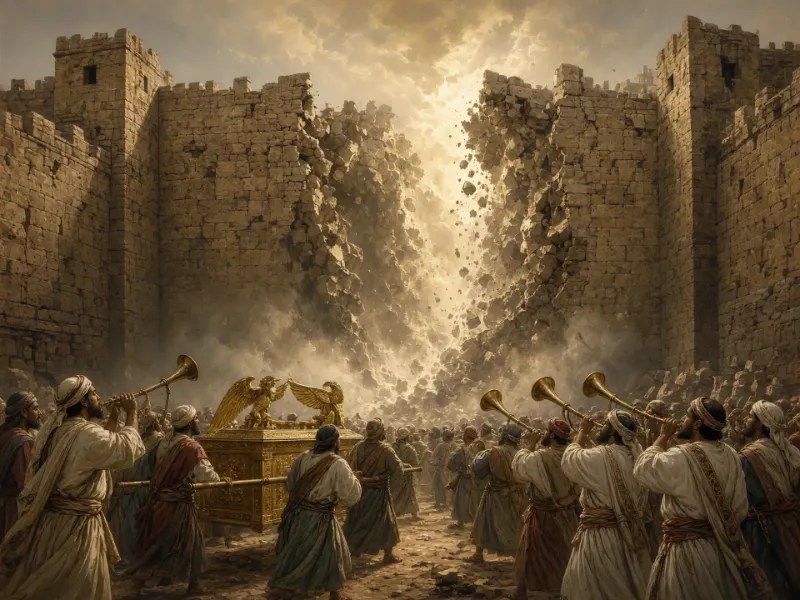
1 Samuele 3:10
“Il SIGNORE venne, si fermò e chiamò come le altre volte: «Samuele, Samuele!» E Samuele rispose: «Parla, perché il tuo servo ascolta».”
Riflessione: The chapter opens with “The boy Samuel ministered before the LORD under Eli,” at a time when “the word of the LORD was rare” (3:1). Verse 7 adds that Samuel “did not yet know the LORD,” so three times he ran to Eli, thinking the old priest had called him. Eli told him to answer, “Speak, LORD, for your servant is listening”; when the call came a fourth time, Samuel said the words, though without the name.

Geremia 1:7
“Ma il SIGNORE mi disse: ‘Non dire: “Sono troppo giovane”. Tu devi andare da tutti coloro ai quali ti manderò e dire tutto ciò che ti comanderò.’”
Riflessione: Jeremiah’s objection comes in verse 6: “I do not know how to speak; I am too young.” God answers by forbidding the excuse, then promising, “Do not be afraid of them, for I am with you and will rescue you” (1:8). The LORD then touched his mouth and said, “I have put my words in your mouth” (1:9). Verse 5 says the appointment came before Jeremiah was born.
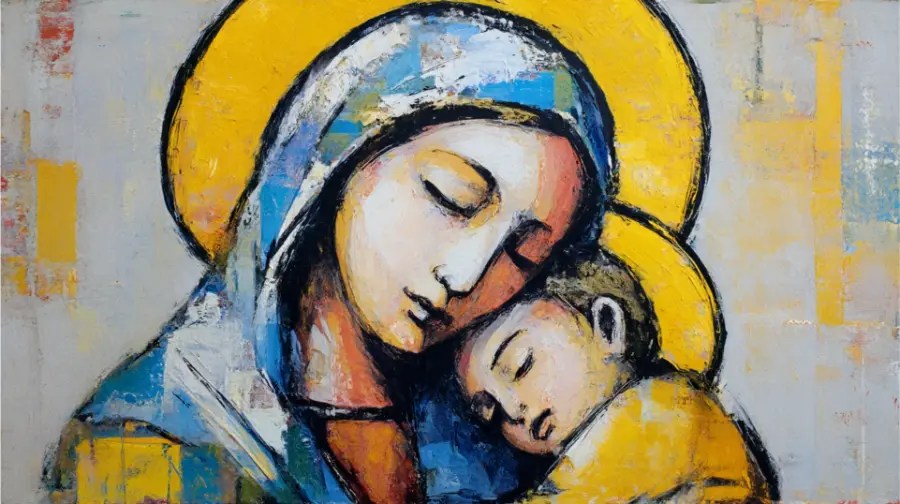
1 Samuele 16:7
“Ma il Signore disse a Samuele: ‘Non badare al suo aspetto né alla sua statura, perché io l'ho scartato. Il Signore non guarda ciò che guarda l'uomo: l'uomo guarda l'apparenza, ma il Signore guarda il cuore.’”
Riflessione: Samuel had come to Jesse’s house to anoint a king, and on seeing the eldest son, Eliab, he thought, “Surely the LORD’s anointed stands here before the LORD.” God turned down Eliab and six more of Jesse’s sons. The one chosen was the youngest, who had not been called in because “he is tending the sheep” (16:11), and from the day Samuel anointed David “the Spirit of the LORD came powerfully upon” him (16:13).

2 Chronicles 34:3
“In the eighth year of his reign, while he was still young, he began to seek the God of his father David. In his twelfth year he began to purge Judah and Jerusalem of high places, Asherah poles and idols.”
Riflessione: Verse 1 says Josiah became king at eight years old, and verse 2 that he “did what was right in the eyes of the LORD.” The chronicler dates two steps: in the eighth year of his reign he began to seek God, and in the twelfth he began clearing the idols out of Judah and Jerusalem.
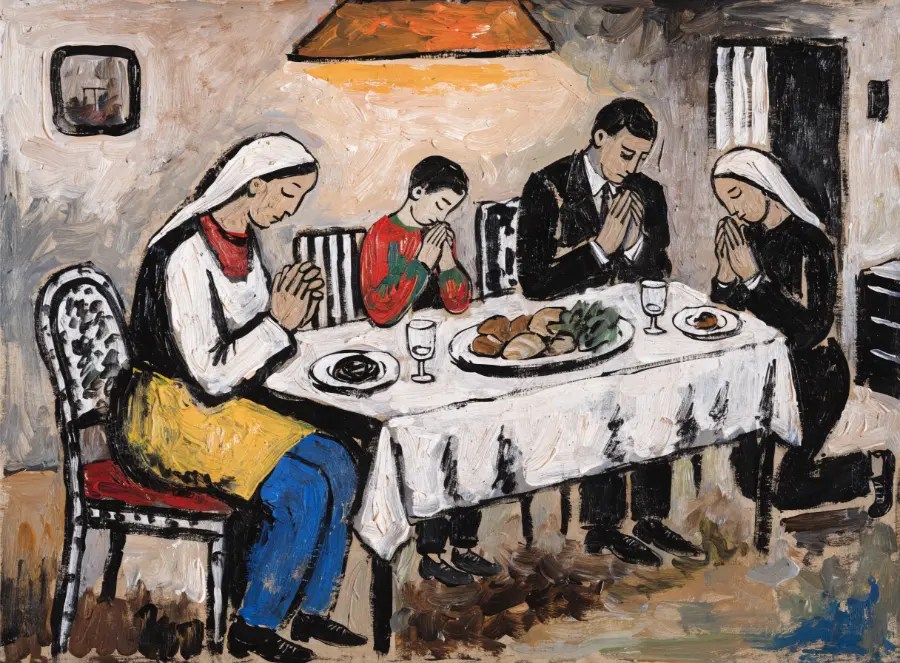
Daniele 1:8
“Daniele prese la decisione di non contaminarsi con le vivande del re e con il vino che il re beveva, e chiese al capo degli eunuchi di non obbligarlo a contaminarsi.”
Riflessione: Daniel was among the young men of Judah’s royal family and nobility taken into the Babylonian king’s service (1:3-6). He was given a new name, Belteshazzar, and a place at the king’s table, and he “resolved not to defile himself” with the king’s food and wine. He did not refuse outright: he “asked the chief official for permission.” Verse 17 says that “to these four young men God gave knowledge and understanding.”
What the young are told to do
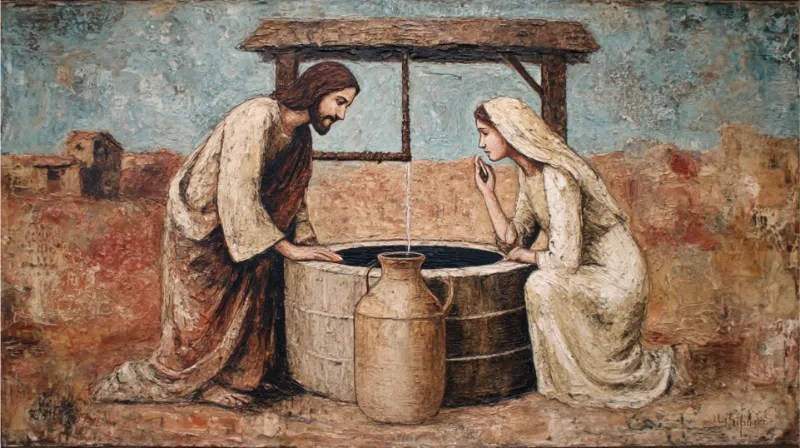
1 Timoteo 4:12
“Nessuno disprezzi la tua giovane età, ma sii esempio ai fedeli nel parlare, nel comportamento, nell'amore, nella fede, nella purezza.”
Riflessione: Paul writes to Timothy, whom he had urged to stay in Ephesus to stop false teaching there (1 Timothy 1:3). The answer to people who look down on his youth is conduct: an example “in speech, in conduct, in love, in faith and in purity.” The next verses give him work to do meanwhile, “the public reading of Scripture, to preaching and to teaching,” and remind him of the gift given “when the body of elders laid their hands on you” (4:13-14).
Tito 2:6-7
“Similarly, encourage the young men to be self-controlled. In everything set them an example by doing what is good. In your teaching show integrity, seriousness”
Riflessione: Paul gives Titus one instruction for the young men of the Cretan churches, self-control, and then turns to Titus himself: “In everything set them an example by doing what is good.” The sentence about Titus’s teaching runs on into verse 8, “and soundness of speech that cannot be condemned,” and gives the reason: “so that those who oppose you may be ashamed because they have nothing bad to say about us.”
Salmo 119:9
“Come può un giovane rimanere sulla via della purezza? Vivendo secondo la tua parola.”
Riflessione: Verse 9 opens the second stanza of Psalm 119, the eight verses whose lines each begin with the Hebrew letter beth. The question is answered in the same line, and the next verses turn the answer into the psalmist’s own prayer: “I seek you with all my heart; do not let me stray from your commands. I have hidden your word in my heart that I might not sin against you” (119:10-11).
Ecclesiaste 12:1
“Remember your Creator in the days of your youth, before the days of trouble come and the years approach when you will say, ‘I find no pleasure in them’—”
Riflessione: The Teacher has just told the young to “be happy while you are young,” and added, “but know that for all these things God will bring you into judgment” (11:9). In the next verse he calls youth and vigor “meaningless” (11:10). Remembering the Creator is to begin in youth, before the years in which a person says, “I find no pleasure in them.”
Faith taught by parents and teachers
Proverbi 1:8
“Ascolta, figlio mio, l'istruzione di tuo padre e non abbandonare l'insegnamento di tua madre.”
Riflessione: The book’s opening says it was written to give “knowledge and discretion to the young” (1:4), and its first address to “my son” names both parents as teachers. The next verse calls their teaching “a garland to grace your head and a chain to adorn your neck,” and verse 10 gives the first thing it is meant to guard against: “My son, if sinful men entice you, do not give in to them.”
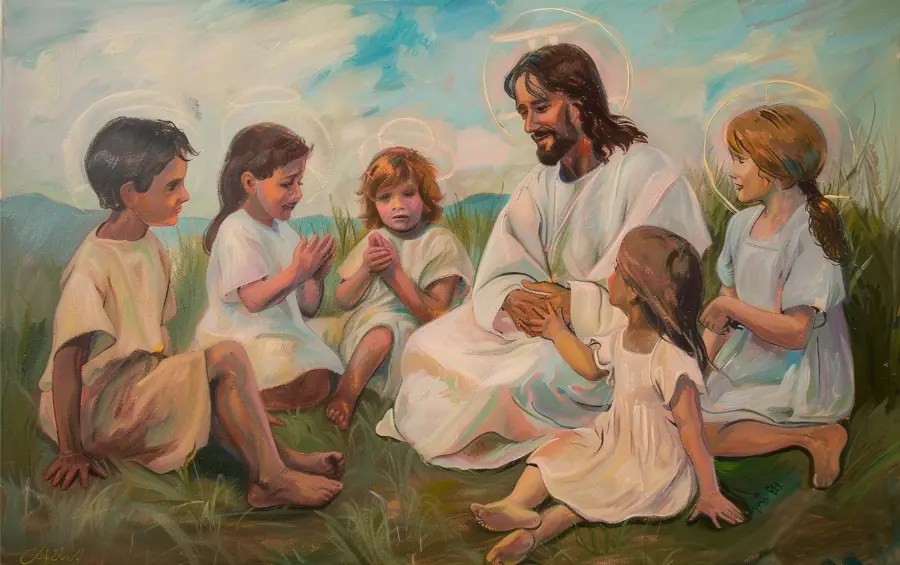
2 Timoteo 3:14-15
“Tu, però, persevera nelle cose che hai imparate e di cui hai acquistato la certezza, sapendo da chi le hai imparate, e che fin da bambino hai avuto conoscenza delle sacre Scritture, le quali possono darti la sapienza che conduce alla salvezza mediante la fede in Cristo Gesù.”
Riflessione: Paul tells Timothy to hold on to what he learned partly because of who taught it: “you know those from whom you learned it.” Just before, Paul points to his own example, “You, however, know all about my teaching, my way of life” (3:10), and earlier in the letter he says Timothy’s “sincere faith” first lived in his grandmother Lois and his mother Eunice (1:5). The Scriptures Timothy knew from infancy make a person “wise for salvation through faith in Christ Jesus.”
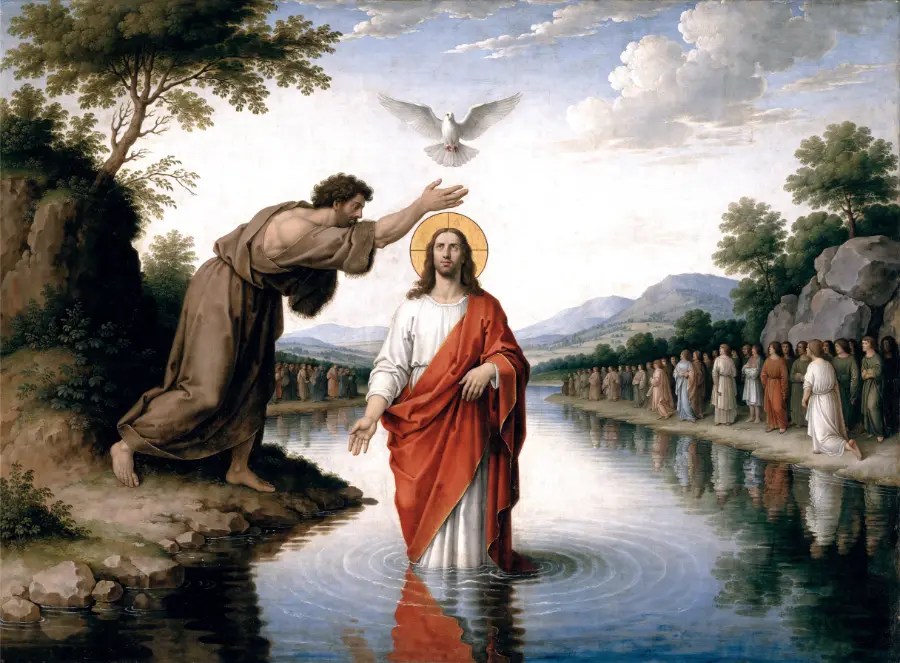
Salmo 71:17
“Fin dalla mia giovinezza, Dio, tu mi hai insegnato, e fino a questo giorno dichiaro le tue opere meravigliose.”
Riflessione: An old man is praying. He says God has taught him since his youth, and earlier in the psalm he calls God “my confidence since my youth” (71:5). The next verse asks God not to forsake him “when I am old and gray” until he has declared God’s power “to the next generation, your mighty acts to all who are to come” (71:18).
Young and old together
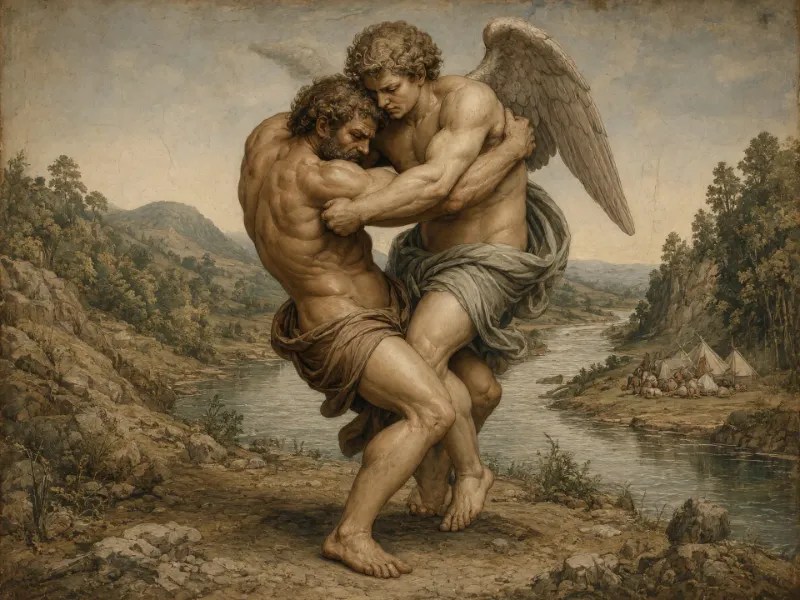
1 Giovanni 2:14
“…Scrivo a voi, giovani, perché siete forti, e la parola di Dio vive in voi, e avete vinto il maligno.”
Riflessione: John writes in turn to “dear children,” “fathers” and “young men,” and gives each group its own reason. To the young men he gives three: they are strong, the word of God lives in them, and they have overcome the evil one. The last is stated as something already done, and verse 13 says the same.
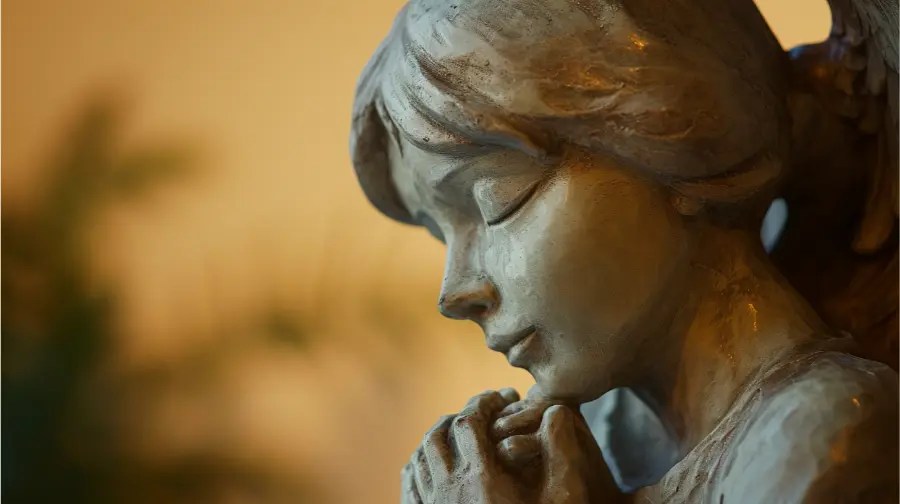
Proverbi 20:29
“La gloria dei giovani è la loro forza, i capelli bianchi lo splendore dei vecchi.”
Riflessione: The proverb gives each age its own honour: strength for the young, gray hair for the old. It sets the two side by side without ranking them, and elsewhere Proverbs says of gray hair that “it is attained in the way of righteousness” (16:31).
Isaia 40:30-31
“Anche i giovani si stancano e si affaticano, e i ragazzi inciampano e cadono; ma coloro che sperano nel SIGNORE rinnoveranno la loro forza. Voleranno su ali come aquile; correranno e non si stancheranno, cammineranno e non verranno meno.”
Riflessione: Isaiah is writing to a people who say their way is hidden from the LORD (40:27). The verses before this one describe the Creator who “will not grow tired or weary” and “gives strength to the weary” (40:28-29). Youth is used as the test case: even the strongest people tire, and the promise of renewed strength goes to “those who hope in the LORD,” whatever their age.
Gioele 2:28
“Dopo questo, avverrà che io spanderò il mio spirito sopra ogni carne; i vostri figli e le vostre figlie profetizzeranno, i vostri vecchi faranno sogni, i vostri giovani avranno visioni.”
Riflessione: Joel promises the Spirit on “all people” and then lists them: sons and daughters, old men and young men, and in the next verse “servants, both men and women.” At Pentecost, Peter quoted the passage to explain what the crowd was seeing: “this is what was spoken by the prophet Joel” (Acts 2:16-18).


Lascia un commento