
 Italian
 English
 Chinese
 Dutch
 Arabic
 Spanish
 Portuguese
 Russian
 French
 German
 Japanese
Closed communion means that a church gives the bread and the cup only to people who share its faith and belong to it, or to a church it counts as one with it. The Catholic Church, the Eastern Orthodox and Coptic Orthodox churches and the Lutheran Church–Missouri Synod keep their tables this way. Many other churches ask first for baptism: the Evangelical Lutheran Church in America, the Episcopal Church and the Presbyterian Church (U.S.A.) welcome the baptized of any church, the Church of England welcomes baptized communicants of churches that hold the Trinity, and Southern Baptists and Mennonites ask for baptism too. The United Methodists, the United Church of Christ, the Disciples of Christ, the Nazarenes, the Adventists and the Assemblies of God invite every believer, and the Methodists do not require baptism. Latter-day Saints, Jehovah’s Witnesses, Quakers and the Salvation Army keep the supper in ways of their own.
The argument between closed and open tables runs through two lines of Paul. “Let a man examine himself, and so let him eat of that bread, and drink of that cup,” he tells the Corinthians (1 Corinthians 11:28), and a little earlier, “For we being many are one bread, and one body: for we are all partakers of that one bread” (1 Corinthians 10:17). An open table leaves the examining with the one who comes. A closed table adds the care of the church, which wants to know that the one who comes shares the faith the one bread stands for.
| Chiesa | Chi può ricevere | Con le sue stesse parole |
|---|---|---|
| Cattolica | Catholics; Orthodox who ask; others only in grave need | Others “ordinarily not admitted to Holy Communion” |
| Ortodossa orientale | Cristiani ortodossi | The Eucharist is “a visible sign of unity” |
| Copto-ortodossa | Those in full agreement with Coptic teaching who confess regularly | “Not just a matter of being Coptic” |
| Chiesa Luterana–Sinodo del Missouri | Members of the LCMS and its sister churches | “Close, closed or close(d) Communion” |
| Chiesa Evangelica Luterana in America | All the baptized | “All baptized persons are welcomed” |
| La Chiesa d'Inghilterra | Its confirmed members; baptized communicants of Trinitarian churches | “In good standing in their own Church” |
| Chiesa Episcopale | The baptized | “No unbaptized person shall be eligible” |
| Chiesa Presbiteriana (U.S.A.) | The baptized; others invited toward baptism | “A privilege given to the undeserving” |
| Chiesa Presbiteriana in America | As the session decides: members of evangelical churches, or those it approves | “Communicants in good standing in any evangelical church” |
| Battisti del Sud | The baptized; each congregation sets its rule | “Determined by the local church” |
| Chiese di Cristo | Those who have been born again | Those who “submitted to the conditions of the new birth” (Christian Courier) |
| Chiesa Mennonita USA | The baptized, at peace and accountable | “Willing to be accountable in their congregation” |
| Anabaptist (Schleitheim Articles, 1527) | Those baptized into the church | “United beforehand by baptism in one body” |
| Metodisti Uniti | All who love Christ; baptism not required | “Christ our Lord invites to his table all who love him” |
| Chiesa Unita di Cristo | All Christians, in most congregations | “Open to all Christians” |
| Discepoli di Cristo | Followers of Jesus | “Open to all who are followers of Jesus Christ” |
| Chiesa del Nazareno | All with faith in Christ | “All are invited to participate by faith in Christ” |
| Gli Avventisti del Settimo Giorno | All believing Christians | “Open to all believing Christians” |
| Assemblee di Dio | Believers, after self-examination | “All believers, after careful self-examination” |
| Santi degli Ultimi Giorni | Church members; others are not stopped | “Nothing should be done to prevent others” |
| Testimoni di Geova | Only those called to rule with Christ | “Only a small fraction of us partake” |
| Quakers | Traditionally no outward bread and cup | “Cannot be an outward act” |
| Esercito della Salvezza | No Communion service; may receive elsewhere | “If the host Church allows” |
Il nostro strumento gratuito, Confronta le denominazioni cristiane, sets any two of 23 churches side by side on who may take Communion and 54 other questions.
What is the difference between closed, close and open communion?
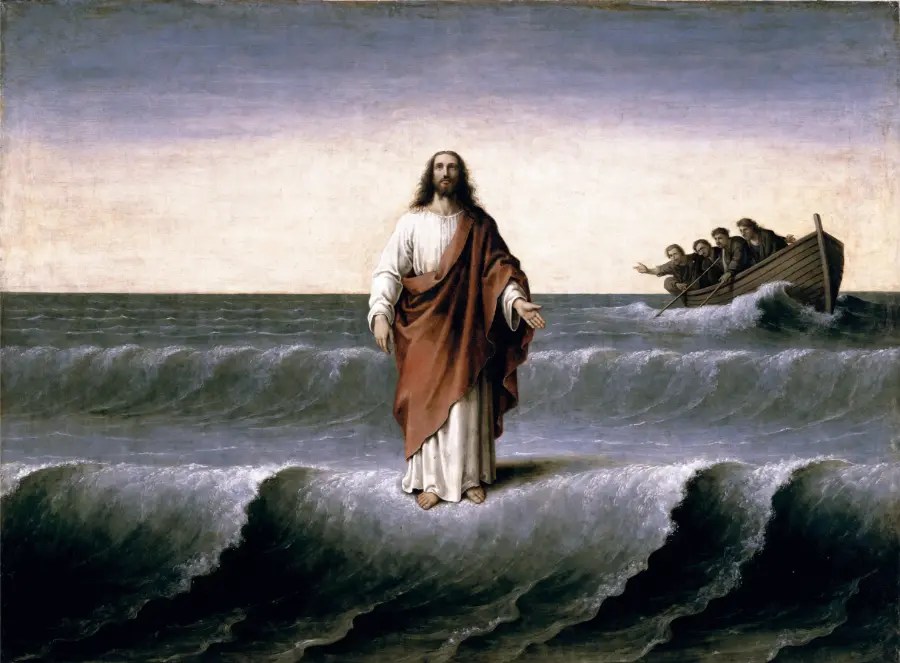
Matthew C. Harrison, president of the Missouri Synod, told the story of the two words in 2024. “Closed” goes back to the ancient church, where the deacon would cry out, “The doors, the doors,” and the doors were closed “to the unbaptized and those undergoing instruction before being admitted to Communion.” “‘Close’ came particularly from Baptist sources,” he writes, “albeit depicting another truth: that there is a closeness in belief among those who commune.” Later some gave the two words different meanings: “In some minds ‘closed’ meant communing only members of one’s own congregation, while ‘close’ meant communing only the baptized (including other denominations), or perhaps those who agree on the ‘real presence.’” Harrison answers that “Neither the Bible, the Lutheran Confessions or any resolutions of the LCMS support these ideas,” and in 2023 the Synod in convention, by 88.9 percent, said that “close,” “closed” and “close(d)” “all mean the same thing.”
What does the Bible say about who may take Communion?
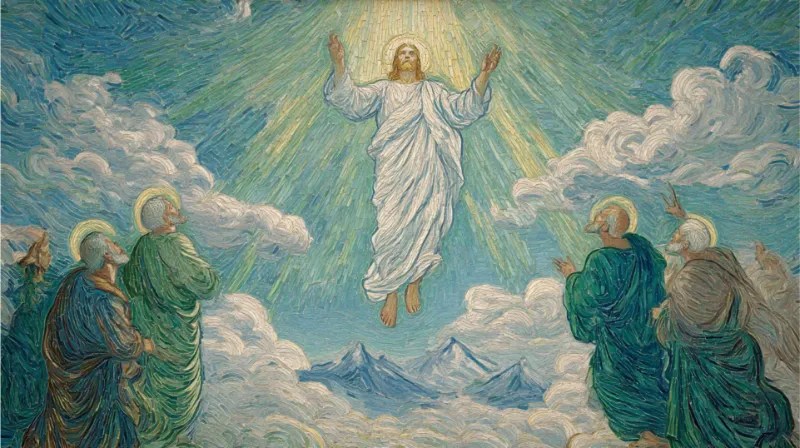
Paul’s warning to Corinth is the passage the argument turns on: “Wherefore whosoever shall eat this bread, and drink this cup of the Lord, unworthily, shall be guilty of the body and blood of the Lord. But let a man examine himself, and so let him eat of that bread, and drink of that cup. For he that eateth and drinketh unworthily, eateth and drinketh damnation to himself, not discerning the Lord’s body” (1 Corinthians 11:27–29). The Missouri Synod hears in it a reason for care at the altar, and the Assemblies of God hears a call to the whole congregation, for Paul, it says, “called for regular and reverent participation by all believers, after careful self-examination (11:27-32).” The Westminster Confession of 1646, the old Reformed confession, draws its line through a person’s knowledge and life and says nothing there about which church they belong to: “all ignorant and ungodly persons, as they are unfit to enjoy communion with him, so are they unworthy of the Lord’s table.”
Catholics, the Orthodox and the Missouri Synod each speak of the Eucharist as a sign of unity, so for them the one loaf of 1 Corinthians 10 belongs to those who are one with them in faith. Mennonites, who ask for baptism, come to the table to “recognize our unity with all believers everywhere in all times,” and the Presbyterian Church (U.S.A.) reminds us that “access to the table is not a right conferred upon the worthy, but a privilege given to the undeserving who come in faith, repentance, and love.”
What did the first Christians do?
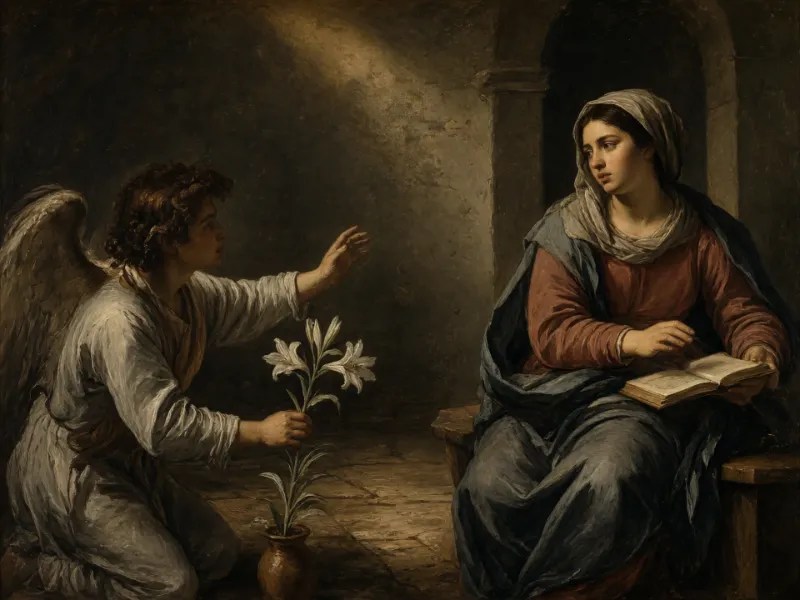
One of the oldest rules outside the New Testament comes from the Didache, which says straight after its prayer over the bread, “But let no one eat or drink of your Thanksgiving (Eucharist), but they who have been baptized into the name of the Lord; for concerning this also the Lord has said, Give not that which is holy to the dogs.” In the middle of the second century Justin Martyr, explaining Christian worship to the emperor Antoninus Pius, said that “no one is allowed to partake but the man who believes that the things which we teach are true, and who has been washed with the washing that is for the remission of sins, and unto regeneration, and who is so living as Christ has enjoined.” Belief, baptism and a life that follows Christ are still what the churches weigh, and they part over how much of their belief a guest must share and whether baptism must come first.
Can a non-Catholic receive Communion at Mass?
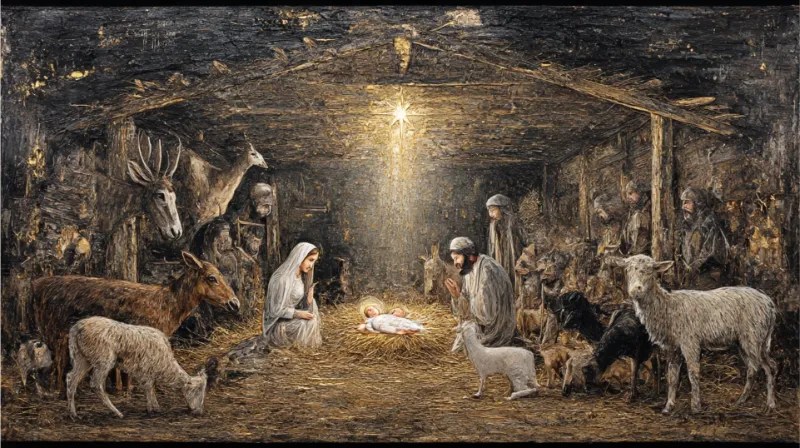
Ordinarily not, and the Catholic bishops of the United States say why in guidelines printed in participation aids for the Mass. They welcome other Christians “as our brothers and sisters,” and then explain, “Because Catholics believe that the celebration of the Eucharist is a sign of the reality of the oneness of faith, life, and worship, members of those churches with whom we are not yet fully united are ordinarily not admitted to Holy Communion.” Canon law allows a priest to give Communion to “members of Eastern Churches which do not have full communion with the Catholic Church if they seek such on their own accord and are properly disposed” (canon 844 §3), though the bishops ask the Orthodox “to respect the discipline of their own Churches.” Other Christians may receive “If the danger of death is present or if, in the judgment of the diocesan bishop or conference of bishops, some other grave necessity urges it,” when they cannot reach a minister of their own, ask for it themselves and “manifest Catholic faith in respect to these sacraments” (canon 844 §4). What Catholics believe the bread and wine become is told in what transubstantiation means.

Why do the Orthodox and the Copts share Communion only with their own?
The Orthodox Church in America explains, “For Orthodox Christians, the Eucharist is a visible sign of unity; to receive the Eucharist in a community to which one does not belong is improper.” The rule runs both ways, for “Orthodox Christianity does not permit its faithful to receive Holy Communion in non-Orthodox communities, whether they be Roman Catholic, Protestant, or whatever.” The same answer turns the usual complaint around: “It is not so much a matter of Orthodoxy excluding non-Orthodox as it is the non-Orthodox making it impossible for the Orthodox to offer the Eucharist.”
When a reader asked the Coptic Orthodox Diocese of the Southern United States why someone has to be Coptic to receive, it answered, “Holy Communion is very precious. It is not just a matter of being Coptic, but being in full agreement with our doctrine, i.e., baptized by immersion, chrismated and confirmed with the Holy Myron Oil, regularly practicing the Holy Mystery of Confession.” How the Copts stand beside the Eastern Orthodox is set out in Credenze ortodosse copte.
Do Lutherans practise closed communion?
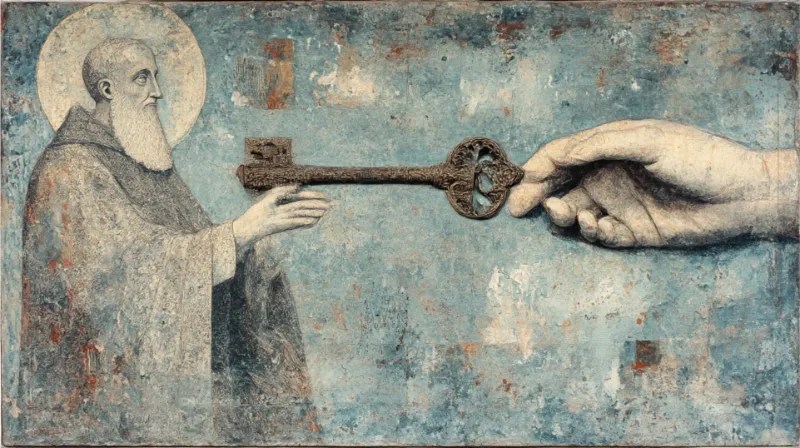
The Missouri Synod does: “Members in good standing of the LCMS and her sister church bodies may commune at LCMS congregations,” and in this way “pastors and communing laity alike preserve a unity of confession regarding the Sacrament.” Harrison gives its reasons in order. The first is the good of the one who comes, who should receive “for their benefit (forgiveness), not harm (1 Cor. 11).” “We Lutherans firmly believe, though,” he writes, “that there are millions upon millions of Christians who believe — sometimes against the public teaching of their own church bodies — that Jesus died for their sins.” May such a Christian, trusting Christ’s words “Take, eat, this is my body,” “receive the Sacrament at our altars to their benefit? Yes,” Harrison answers his own question, and goes straight on, “Second, there is more behind the practice. The New Testament rejects participation in false teaching over and over again.” The third is pastoral discretion, and “All of our Synod resolutions on the subject grant this.”
The Evangelical Lutheran Church in America says in its 1997 statement The Use of the Means of Grace, “All baptized persons are welcomed to Communion when they are visiting in the congregations of this church,” and it asks its congregations “to be sensitive to the eucharistic practices of the churches from which visitors may come.” More of the Lutheran teaching on the supper is in what Lutherans believe.
Which churches welcome the baptized of other churches?
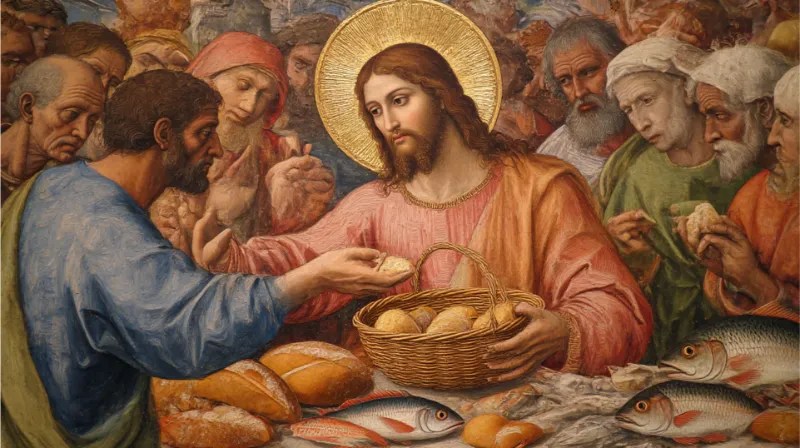
The Church of England’s Canon B 15A admits its own confirmed members and also “baptized persons who are communicant members of other Churches which subscribe to the doctrine of the Holy Trinity, and who are in good standing in their own Church.” The Episcopal Church keeps the line at baptism in its canon I.17.7, “No unbaptized person shall be eligible to receive Holy Communion in this Church,” and proposals to change it have come before its General Convention, most recently in 2024.
Among Presbyterians, the Presbyterian Church (U.S.A.) says, “The invitation to the Lord’s Supper is extended to all who have been baptized,” and it invites any who come unbaptized to prepare for baptism. The Presbyterian Church in America instead leaves it to each session, whose minister “may either invite all those who profess the true religion, and are communicants in good standing in any evangelical church, to participate in the ordinance; or may invite those who have been approved by the Session.”
Which churches invite every believer?
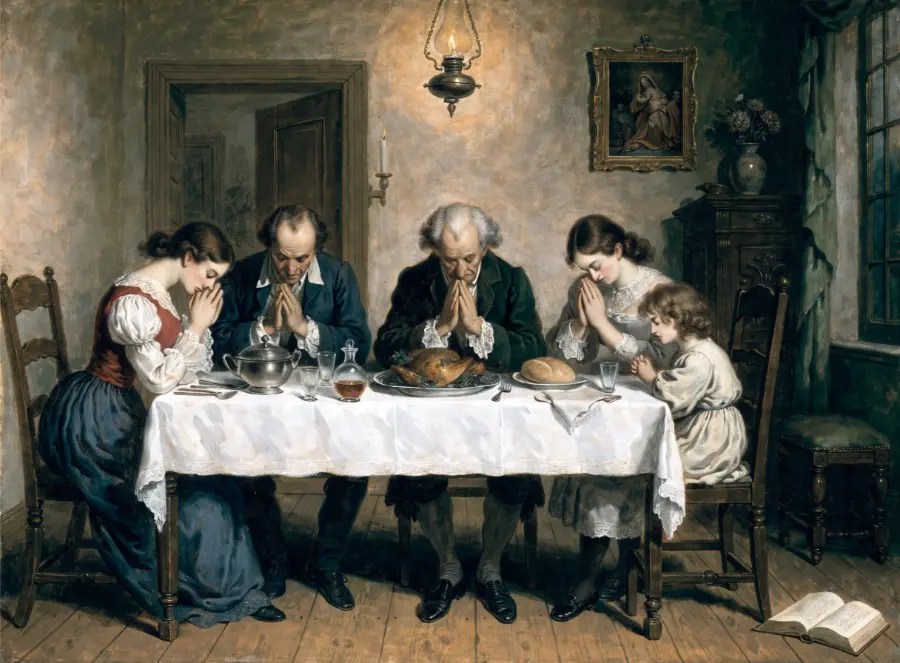
A good many churches ask only that we come believing in Christ, and each says it in its own words. The United Methodist Church tells visitors, “As we say in our Invitation to the Table, ‘Christ our Lord invites to his table all who love him, who earnestly repent of their sin, and seek to be at peace with one another.’ If you can say you do or have done these three things, you are welcome to receive,” and it adds that “baptism is not required.” The Church of the Nazarene’s Articles of Faith say, “All are invited to participate by faith in Christ.” In most congregations of the United Church of Christ the table is “open to all Christians who wish to know the presence of Christ and to share in the community of God’s people.” The Disciples of Christ, who keep the supper in weekly worship, say it “is open to all who are followers of Jesus Christ.” Seventh-day Adventists, who prepare with foot-washing, say in their Fundamental Belief 16, “The communion service is open to all believing Christians.”

Do Baptists practise closed communion?
Southern Baptists ask for baptism first, and their statement of faith, the Baptist Faith and Message (2000), says of a believer’s baptism by immersion, “Being a church ordinance, it is prerequisite to the privileges of church membership and to the Lord’s Supper.” Beyond that, the Southern Baptist Convention says, “the requirements for who may partake of the Lord’s Supper are addressed and determined by the local church,” so one Baptist church may keep its table for its own members while the next welcomes every baptized believer. Nondenominational churches have no shared statement, so the only way to know is to ask; the two families are compared in Baptist vs nondenominational churches. The Churches of Christ have no denominational statement either, and Christian Courier, a teaching site in their tradition, says, “The communion is authorized only for those who have submitted to the conditions of the new birth (Jn. 3:3-5), hence, are in Christ’s kingdom (Mt. 26:29; Lk. 22:29-30).”
Why do Anabaptists ask for baptism and peace first?
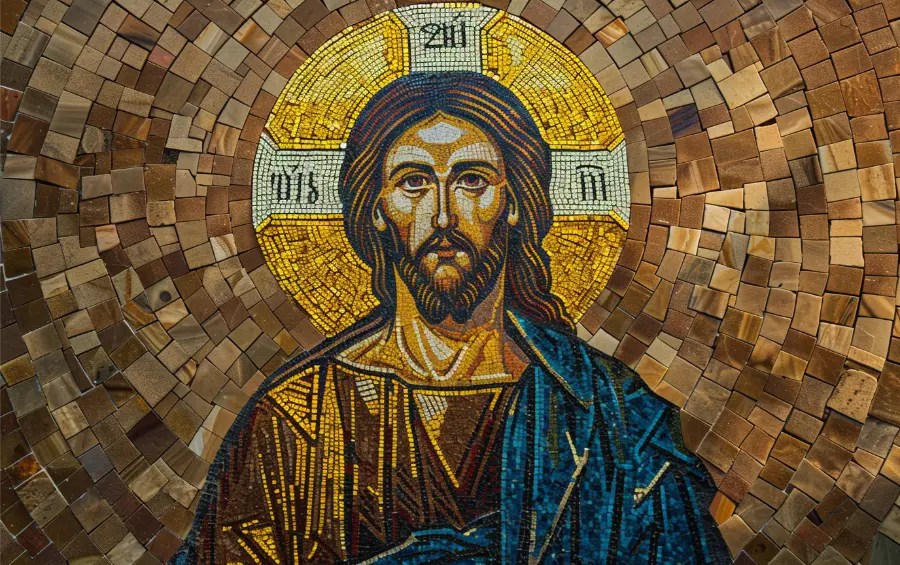
The first Swiss Anabaptists wrote their rule in 1527, in the Schleitheim Articles, which the Amish inherited: “All those who wish to break one bread in remembrance of the broken body of Christ, and all who wish to drink of one drink as a remembrance of the shed blood of Christ, shall be united beforehand by baptism in one body of Christ which is the church of God and whose Head is Christ.” Mennonite Church USA keeps the same order and adds peace between neighbours, for its Confession of Faith says, “All are invited to the Lord’s table who have been baptized into the community of faith, are living at peace with God and with their brothers and sisters in the faith, and are willing to be accountable in their congregation.”

Which churches keep the supper in another way?
The Evangelical Friends of the Mid-America Yearly Meeting tell how George Fox and the early Quakers taught that “No human mediator or outward ordinance is necessary,” and they still print the Richmond Declaration of Faith of 1887, which says, “The eating of His body and the drinking of His blood cannot be an outward act. They truly partake of them who habitually rest upon the sufferings and death of their Lord as their only hope.” Those same Friends now leave to each person and congregation “the use (or non-use) of the physical elements in the observance of communion and baptism.” The Salvation Army holds no Communion service, teaching that “No particular outward observance is necessary to inward grace,” and yet “When Salvationists attend other Christian gatherings in which a form of Holy Communion is included, they may partake if they choose to do so and if the host Church allows.”
The Church of Jesus Christ of Latter-day Saints says in its General Handbook, “Although the sacrament is for members of the Church, nothing should be done to prevent others from partaking of it.” At the Lord’s Evening Meal of Jehovah’s Witnesses most of those present do not eat or drink. “When Jehovah’s Witnesses observe the Lord’s Evening Meal, only a small fraction of us partake of the bread and wine,” they explain, because those who partake “will rule in heaven with Christ, and the Bible says that just 144,000 people receive that privilege.”
What should I do when I visit another church?
If we visit a church whose table is closed to us, we may still be welcome at the rail. At Harrison’s own parish, he writes, a visitor may come to the rail with arms crossed and receive a blessing. If we belong to a closed-table church and stay in our seat at an open one, the United Church of Christ says of guests like us, “Their decision should be respected.” And if we are invited to come, the United Methodists remind us, “The key word is that you receive rather than take the elements. They are given to you by servers.”
Wherever we kneel or stand, the Didache gives us a prayer over the bread that any of us can pray, that “Even as this broken bread was scattered over the hills, and was gathered together and became one, so let Your Church be gathered together from the ends of the earth into Your kingdom.”
Letture correlate
- Confronta le denominazioni cristiane: cosa insegnano 23 chiese su 55 domande
- Lutheran vs Catholic: faith alone, the pope and Communion
- Luterani vs Ortodossi: Scrittura, salvezza e Comunione
- Metodisti vs Battisti: Battesimo, Salvezza e chi sceglie il pastore
- 17 versetti biblici sulla comunione
- Preghiere prima e dopo la Comunione


Lascia un commento