東方正教会の復活祭:入門


  • The Eastern Orthodox Easter date differs from the Western Easter due to the use of the Julian calendar versus the Gregorian calendar, leading to potential discrepancies of one to five weeks.
  • Orthodox Easter emphasizes the resurrection moment with unique rituals like the midnight service, strict Lenten fasting, and communal celebrations lasting 40 days.
  • Food traditions during Orthodox Easter include red-dyed eggs, lamb dishes, and sweet breads, symbolizing new life, sacrifice, and the joy of resurrection.
  • Various cultural expressions of Pascha, such as Greek, Russian, Serbian, and Romanian customs, reflect both unity and diversity within the Orthodox faith while celebrating the core message of Christ’s resurrection.
This entry is part 8 of 21 in the series キリスト教におけるイースター

Why is Eastern Orthodox Easter often celebrated on a different date than Western Easter?

The divergence in Easter dates between Eastern Orthodox and Western Christian traditions stems from a complex interplay of historical decisions and calendrical differences. When the First Ecumenical Council at Nicaea in 325 AD established that Easter would be celebrated on the first Sunday after the first full moon following the vernal equinox, they created a formula that would eventually lead to our current situation.

The primary reason for the different dates lies in the calendars used. The Eastern Orthodox Church adheres to the Julian calendar for determining Easter, while Western Christians follow the Gregorian calendar. The Julian calendar, instituted by Julius Caesar in 45 BC, gradually drifted from astronomical reality, accumulating about one day of error every 128 years. By the 16th century, this drift had become major enough that Pope Gregory XIII introduced a reformed calendar in 1582, removing 10 days to realign with astronomical events.

The Orthodox Church, But continued using the Julian calendar for determining Easter, partly due to the historical separation between Eastern and Western Christianity that had culminated in the Great Schism of 1054. This decision was also rooted in preserving the connection to ancient traditions and maintaining the relationship between Easter and Passover, as Christ’s resurrection occurred during the Jewish festival.

The Orthodox calculation strictly follows the rule that Easter must always come after Passover, honoring the sequence of events in Scripture where Christ’s resurrection followed the Passover celebration. This requirement is not formally part of the Western calculation.

This calendrical difference means the Orthodox Easter can fall between one and five weeks after Western Easter, though occasionally they coincide. The separation of dates symbolizes deeper theological and historical distinctions, yet reminds us that despite our different practices, we celebrate the same miraculous event – Christ’s victory over death.

In this temporal divergence, we find a beautiful testimony to the universal Church’s diversity within unity. Though we may mark this holiest of days at different times, we all proclaim the same truth: “Christ is risen!” The varying dates invite us to recognize that God’s time transcends our human calendars, and the resurrection power works in all seasons and moments, unifying believers across time, space, and tradition.

What are the main differences between Eastern Orthodox Easter and other Christian Easter celebrations?

Eastern Orthodox Easter, or Pascha, differs from Western Christian celebrations in several powerful ways that reflect deeper theological emphases and historical developments. These distinctions go beyond mere calendar differences to encompass liturgical practices, spiritual focus, and cultural expressions.

The Orthodox celebration places extraordinary emphasis on the actual moment of resurrection, with the midnight service serving as the pinnacle of the entire liturgical year. While Western traditions celebrate Christ’s resurrection, the Orthodox tradition creates a dramatic sensory experience of moving from darkness to light. The church begins in darkness until the priest emerges with a candle proclaiming, “Come, receive the light from the Light that is never overtaken by night.” This light spreads from person to person until the entire church glows with hundreds of candles – a powerful symbol of how Christ’s resurrection light spreads throughout the world.

The preparatory period also differs significantly. The Orthodox observe a stricter and longer Lenten fast – typically abstaining from animal products for the full 40 days plus Holy Week. This ascetic discipline is understood not as punishment but as spiritual training that allows fuller participation in Christ’s suffering and resurrection.

Theologically, Orthodox Easter emphasizes the cosmic significance of resurrection. While Western traditions often focus on personal salvation through Christ’s sacrifice, the Orthodox celebration highlights how Christ’s resurrection transforms and redeems all of creation. This is why Orthodox Easter involves blessing food, homes, and even natural elements – the resurrection power extends to all aspects of physical existence.

The communal aspect of Orthodox Easter is particularly pronounced. The celebration continues for 40 days (the Paschal season), with repeated proclamations of “Christ is risen!” and responses of ” He is risen!” This extended celebration includes bright vestments, special hymns, and the absence of kneeling in prayer, all signifying the joy of resurrection.

Iconography plays a central role in Orthodox Easter, with the Resurrection icon (showing Christ pulling Adam and Eve from their tombs) visually teaching that Christ’s victory over death extends to all humanity. This contrasts with Western art that more commonly depicts the empty tomb or Christ emerging alone.

These differences reflect not division but the rich diversity within Christianity. Each tradition emphasizes different aspects of the same glorious truth – that Christ has conquered death and opened the way to eternal life for all who believe.

What special traditions and rituals are part of Eastern Orthodox Easter celebrations?

The Eastern Orthodox Easter celebration encompasses a tapestry of powerful rituals and traditions that engage all the senses and connect believers to ancient practices dating back to the earliest Christian communities. These observances create a holistic experience of Christ’s resurrection that transforms both individual hearts and entire communities.

Holy Week preparations intensify the spiritual journey toward Pascha. On Holy Thursday, eggs are dyed red, symbolizing the blood of Christ and new life. The tradition traces back to a story of Mary Magdalene presenting an egg to Emperor Tiberius that miraculously turned red as she proclaimed Christ’s resurrection. That evening, twelve Gospel readings narrate Christ’s passion, with the faithful standing in vigil with candles, commemorating the Lord’s suffering.

Holy Friday brings the solemn procession of the Epitaphios – a cloth icon depicting Christ’s body being prepared for burial. The faithful process with this shroud around the church or through community streets, symbolically participating in Christ’s funeral. Many believers pass under the Epitaphios as it returns to the church, symbolizing passing from death to life through Christ’s sacrifice.

The midnight Resurrection service on Saturday night represents the emotional and spiritual climax of the Orthodox year. In darkness, the priest emerges with a single candle, proclaiming “Come receive the light!” As light spreads from person to person, the church fills with hundreds of candles. The congregation then processes around the church, returning to find the doors open – symbolizing the stone rolled away from Christ’s tomb. The joyous proclamation “Christ is Risen!” is answered with ” He is Risen!” in a thunderous exchange repeated in multiple languages, representing the universal nature of salvation.

Following this service, families gather for a feast breaking the long Lenten fast, typically featuring traditional foods like lamb (representing Christ), sweet bread called kulich, and a cheese pascha molded in the shape of a pyramid topped with the letters XB (Cyrillic for “Christ is Risen”). The cracking of red eggs in a game where participants tap eggs together, with the owner of the last unbroken egg receiving special blessings, adds a note of celebratory play to the powerful spiritual observance.

Throughout the 40-day Paschal season, Orthodox Christians continue greeting each other with “Christ is Risen!” and the response ” He is Risen!” – a practice that transforms everyday interactions into confessions of faith and reminders of the resurrection’s ongoing power in believers’ lives. These traditions create not merely a commemoration of a historical event but an immersive participation in the mystery of resurrection that continues to transform lives today.

How do Eastern Orthodox Christians prepare for Easter during Great Lent and Holy Week?

The Eastern Orthodox journey to Easter (Pascha) is a powerful spiritual pilgrimage that begins with Great Lent, a 40-day period of purification and preparation. This sacred time invites the faithful to engage in a threefold discipline of prayer, fasting, and almsgiving—practices that Christ Himself taught us in the Sermon on the Mount.

During Great Lent, Orthodox Christians observe a strict fast, abstaining from animal products including meat, dairy, eggs, and often oil and wine. This physical discipline serves a deeper spiritual purpose, helping believers detach from worldly pleasures to focus on their relationship with God. The Lenten journey is marked by increased prayer, both personal and communal, with special services like the Liturgy of the Presanctified Gifts celebrated on weekdays.

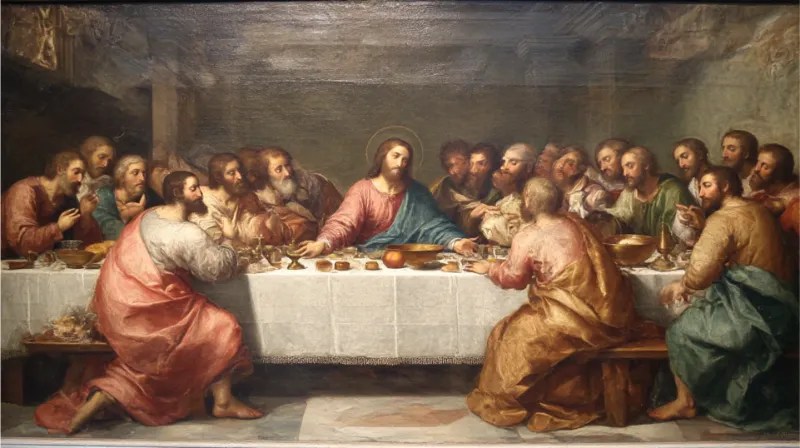
As Holy Week approaches, the spiritual intensity deepens. Palm Sunday commemorates Christ’s triumphant entry into Jerusalem, after which the faithful enter the most solemn week of the liturgical year. Each day of Holy Week has its own significance and services, recounting Christ’s final days. On Holy Thursday, believers remember the Last Supper and Christ’s washing of the disciples’ feet. Good Friday (Holy Friday) is observed with powerful reverence as the faithful commemorate Christ’s crucifixion, with the Epitaphios (burial shroud) procession being a particularly moving ritual.

Holy Saturday brings a transition from sorrow to anticipation. The faithful continue fasting while preparing their homes and traditional foods for the feast to come. Churches are transformed from the dark colors of mourning to bright whites and golds. The culmination arrives at the midnight Paschal service, where darkness gives way to light as the priest emerges with a candle proclaiming, “Come, receive the light from the unwaning light, and glorify Christ, who is risen from the dead!”

This preparation period reflects the psychological principle that anticipation enhances joy. By journeying through darkness, sacrifice, and waiting, Orthodox Christians experience Easter not merely as a historical commemoration but as a lived reality of Christ’s victory over death. The communal nature of these preparations also strengthens the bonds of faith and fellowship that are so essential to our human need for belonging and shared meaning. As participants engage in rituals and traditions that span generations, they not only deepen their individual spiritual journeys but also connect with a larger, timeless narrative that transcends mere celebration. Furthermore, the numerous ishtar and easter similarities invite reflection on how various cultures celebrate renewal and rebirth, highlighting a universal human desire for hope and resurrection. Ultimately, this season becomes a powerful reminder of the collective experience that reinforces both personal faith and communal identity.

What is the significance of the Paschal candle and midnight service in Orthodox Easter?

The Paschal candle and midnight service stand at the heart of Orthodox Easter celebrations, embodying powerful theological truths through powerful symbolism that speaks to our deepest human experiences of darkness and light.

The midnight service begins in darkness, symbolizing the tomb where Christ lay buried. This darkness represents not only the physical absence of light but also the spiritual darkness of a world without salvation—a powerful psychological metaphor for the human experience of despair and hopelessness. As midnight approaches, the priest emerges from the sanctuary holding a single lit candle, proclaiming “Come, receive the light from the Light that is never overtaken by night.”

This Paschal candle represents Christ Himself—the Light of the World who has conquered death. From this single flame, light spreads throughout the congregation as each person passes it to their neighbor. Within moments, the church transforms from darkness to radiant light, a visual testimony to Christ’s words: “I am the light of the world. Whoever follows me will never walk in darkness but will have the light of life” (John 8:12).

The midnight procession that follows takes the faithful outside the church, circling it three times while singing hymns of resurrection. This procession symbolizes the myrrh-bearing women who went to Christ’s tomb early on Easter morning. Upon returning to the church doors, the priest knocks, representing Christ’s triumphant entry into paradise which had been closed to humanity since the Fall.

The joyous proclamation “Christ is Risen!” (Christos Anesti!) and the response “Truly He is Risen!” (Alithos Anesti!) then resounds in multiple languages, signifying the universal message of salvation. The Paschal Divine Liturgy that follows is celebrated with extraordinary joy, with the faithful standing throughout as a sign of resurrection.

Historically, this service evolved from the early Christian vigils awaiting Christ’s return. Psychologically, it satisfies our human need for dramatic narrative and communal celebration of triumph over adversity. The shared experience of moving from darkness to light creates a powerful sense of hope and renewal.

In this beautiful ritual, we witness how faith addresses our deepest human needs—for meaning in suffering, for community in celebration, and for light in our darkness. The Paschal candle reminds us that Christ’s light continues to shine in our world, and that we are called to be bearers of that light to others.

What foods are traditionally eaten during Orthodox Easter celebrations and what do they symbolize?

The Orthodox Easter table is laden with foods rich in both flavor and meaning, each dish telling part of the resurrection story and connecting generations of faithful through shared traditions that nourish both body and soul.

The Paschal feast begins with the breaking of the Great Fast, often with red-dyed eggs. These eggs symbolize new life and resurrection, their red color representing the blood of Christ. The cracking of eggs in the traditional game of “tsougrisma” symbolizes Christ’s breaking forth from the tomb. As a historian, I find it fascinating that eggs as symbols of life predate Christianity, yet the Church beautifully baptized this symbol with new Christian meaning—a pattern we see throughout our faith history.

Kulich (or Pascha bread), a tall, cylindrical sweet bread, represents Christ’s resurrection and the dome of a church. Often decorated with white icing and the letters “XB” (for “Christ is Risen” in Slavonic), this bread holds central place on the Easter table. Alongside it sits Pascha cheese (Sirnaya Pascha), a pyramid-shaped sweet cheese mold symbolizing the tomb of Christ, often decorated with crosses and other Christian symbols.

Lamb features prominently in Orthodox Easter meals, recalling Christ as the Lamb of God sacrificed for our salvation. In Greek traditions, whole roasted lamb represents the sacrifice of the Paschal lamb, connecting the Passover of the Old Testament with Christ’s Passover from death to life. Various sweet breads shaped as lambs serve the same symbolic purpose in regions where roasting a whole lamb is less common.

The Easter table also includes foods forbidden during the Lenten fast—rich dairy products, eggs, and meats—their return symbolizing the abundance of God’s kingdom and the joy of resurrection. Many regional specialties exist: Greek tsoureki bread braided to represent the Holy Trinity; Romanian cozonac filled with nuts and raisins; Russian pashka; and various special Easter soups and stews.

Psychologically these feast foods serve important functions beyond nutrition. They create sensory memories that connect believers to their faith community and ancestors. The contrast between Lenten abstinence and Paschal abundance helps us appreciate God’s gifts more deeply. The shared preparation and consumption of these foods strengthens family and community bonds.

I see how these food traditions embody the incarnational nature of our faith—where spiritual truths take physical form, where heaven meets earth, and where the divine story becomes part of our daily bread. In breaking bread together, we participate in the ongoing story of resurrection.

How do Orthodox Christians greet each other during the Easter season?

During the radiant season of Easter, Orthodox Christians across the world engage in a beautiful and powerful exchange that encapsulates the very heart of their faith. The traditional Paschal greeting begins with the joyful proclamation “Christos Anesti!” in Greek or “Khristos Voskrese!” in Slavonic, meaning “Christ is Risen!” To this, the one greeted responds with equal joy, “Alithos Anesti!” or “Voistinu Voskrese!” – “Truly, He is Risen!”

This exchange is far more than a seasonal pleasantry; it is a confession of faith, a proclamation of the Gospel in its most distilled form, and a personal testimony to the transformative reality of the Resurrection. When Orthodox believers exchange this greeting, they participate in the unbroken chain of witness that extends back to those first disciples who encountered the empty tomb and the Risen Lord.

The greeting is typically accompanied by the “triple kiss” – kisses exchanged on alternating cheeks three times – symbolizing the Holy Trinity and the powerful communion that exists between believers united in their recognition of Christ’s victory over death. This physical expression of spiritual unity reminds us that the Resurrection is not merely an intellectual proposition but a reality that transforms our entire being – body, soul, and spirit.

What makes this greeting particularly meaningful is its duration throughout the entire Paschal season. From the midnight Resurrection service until the Feast of Ascension forty days later, Orthodox Christians continue this practice, reflecting the biblical account of Christ’s post-resurrection appearances during this same period. This extended celebration stands in stark contrast to our modern tendency toward brief commemorations, reminding us that the Resurrection is not a historical event to be remembered once and then set aside, but a living reality that continually shapes our existence.

The psychological impact of this repeated affirmation cannot be overstated. In a world often dominated by narratives of despair, conflict, and meaninglessness, the Paschal greeting serves as a powerful counter-narrative that reorients the believer toward hope, joy, and ultimate meaning. Each exchange becomes a moment of mutual encouragement and spiritual renewal.

As Orthodox Christians continue this ancient practice in homes, marketplaces, and even online communications during the Paschal season, they bear witness to a faith that transcends cultural boundaries and historical epochs. The greeting “Christ is Risen!” echoes through time and space, connecting contemporary believers with the first witnesses of the Resurrection and proclaiming to all the world the transformative message that death has been conquered and new life made possible through Christ’s victory.

Why is Easter (Pascha) considered the most important feast in the Orthodox Church calendar?

Easter, or Pascha as it is known in the Orthodox tradition, stands as the supreme feast of the liturgical year, the “Feast of Feasts” that illuminates all other celebrations with its incomparable radiance. Its primacy in Orthodox spirituality cannot be overstated, for it represents not merely one important event among many, but the very foundation upon which the entire edifice of Christian faith is constructed.

The centrality of Pascha emerges directly from the apostolic witness preserved in Scripture. As Saint Paul declares with unmistakable clarity, “If Christ has not been raised, then our preaching is in vain and your faith is in vain” (1 Corinthians 15:14). The Resurrection is not an optional theological appendix but the essential verification of Christ’s identity and mission. Without it, Christianity would collapse into mere ethical teaching or philosophical speculation.

In the Orthodox understanding, Pascha represents the ultimate triumph of life over death, light over darkness, and restoration over corruption. It is the cosmic event in which the entire trajectory of human history finds its pivotal turning point. Through Christ’s Resurrection, the fundamental human problem—our subjection to death and decay—is decisively addressed. As the Paschal troparion (hymn) joyfully proclaims: “Christ is risen from the dead, trampling down death by death, and upon those in the tombs bestowing life!”

The liturgical expression of Pascha’s importance is evident in the extraordinary preparation that precedes it. The forty-day Great Lent, followed by Holy Week with its progressively intensifying services, creates a spiritual journey that engages the entire person—body, mind, and spirit—in preparation for the feast. This extended preparation reflects the understanding that Pascha’s significance cannot be adequately comprehended without a powerful process of spiritual purification and illumination.

What distinguishes the Orthodox celebration of Pascha is its holistic character. It is not merely a commemoration of a past event but a mystical participation in the reality of Christ’s victory. The faithful do not simply remember the Resurrection; they experience its transformative power in their own lives. This is why Orthodox Christians refer to themselves as “Paschal people”—their entire identity is shaped by this defining reality.

The psychological depth of Pascha lies in its affirmation that suffering and death, while real, do not have the final word in human existence. The feast offers not escapism but a powerful reframing of life’s most difficult realities. In the Resurrection, we discover that our wounds can become sources of light, our failures pathways to redemption, and even death itself a passage to more abundant life.

Pascha thus stands as the supreme feast because it answers humanity’s deepest questions and fulfills our most powerful longings. It is the feast that gives meaning to all other feasts, the light that illuminates all other lights, the joy that makes all other joys possible.

How do different Eastern Orthodox countries (Greek, Russian, Serbian, etc.) celebrate Easter in unique ways?

The celebration of Easter (Pascha) in the Orthodox world presents a fascinating tapestry of shared theological foundations expressed through diverse cultural traditions. While all Orthodox Christians unite in proclaiming “Christ is Risen,” each cultural tradition brings its own distinctive colors to this universal celebration, creating a rich mosaic of practices that reflect both the unity and diversity of Orthodox Christianity.

In Greece, Easter celebrations are particularly vibrant and communal. The midnight Resurrection service culminates in a dramatic moment when the priest emerges with the Paschal candle proclaiming “Come receive the light!” as fire spreads from candle to candle throughout the congregation. Following the service, families return home to break their fast with magiritsa, a special soup made from lamb offal, symbolizing the end of Lenten abstinence. The following day features lamb roasted on a spit, representing Christ as the sacrificial lamb. A unique Greek tradition is the “smashing of pots” in places like Corfu, where clay pots are thrown from balconies on Holy Saturday, symbolizing the earthquake at Christ’s Resurrection and the triumph over evil(Makurat, 2015, pp. 57–95).

Russian Paschal celebrations are characterized by their powerful solemnity and attention to symbolic details. The Paschal procession circles the church three times before the doors are opened, representing the disciples’ journey to the empty tomb. Russians prepare kulichi (tall, cylindrical sweet breads) and paskha (a pyramid-shaped cheese dessert), which are blessed at church before being consumed. The tradition of exchanging red eggs, symbolizing new life and Christ’s blood, is particularly important in Russian practice. During Soviet times, when religious observances were suppressed, these food traditions became crucial ways of preserving Orthodox identity even when church attendance was dangerous(Laitila, 2012, pp. 52–57).

Serbian Easter celebrations blend ancient Christian practices with distinctive national customs. The tradition of dyeing eggs red on Holy Thursday is observed with particular devotion, often incorporating patterns created by attaching small leaves to the eggs before dyeing, creating beautiful natural imprints. Families engage in egg-tapping contests called tucanje, where participants tap their eggs against others’, with the owner of the last unbroken egg considered especially blessed for the coming year. Serbian celebrations also emphasize family reunions and reconciliation, reflecting the Resurrection’s theme of restoration and renewal(Hadžibulić & Lagerspetz, 2016, p. 75).

Romanian traditions include the beautiful custom of maintaining a vigil at the “tomb of Christ” (epitaphios) throughout Holy Friday night, with young people taking turns reading from the Psalter. At midnight on Easter, families gather at church with special baskets containing red eggs, cozonac (sweet bread), and other foods that will break the fast, all of which are blessed during the service.

What emerges from this diversity is a beautiful testament to how the universal message of Christ’s Resurrection finds authentic expression through particular cultural forms. Rather than diminishing Orthodox unity, these varied traditions enrich it, demonstrating how the Gospel can be fully incarnated within different cultural contexts while maintaining its essential truth. In this way, the diverse Paschal celebrations of Orthodox peoples offer a foretaste of the eschatological vision described in Revelation, where people “from every nation, tribe, people and language” stand before the throne in worship.


Christian Pureをもっと見る

今すぐ購読し、続きを読んで、すべてのアーカイブにアクセスしましょう。

続きを読む

共有...