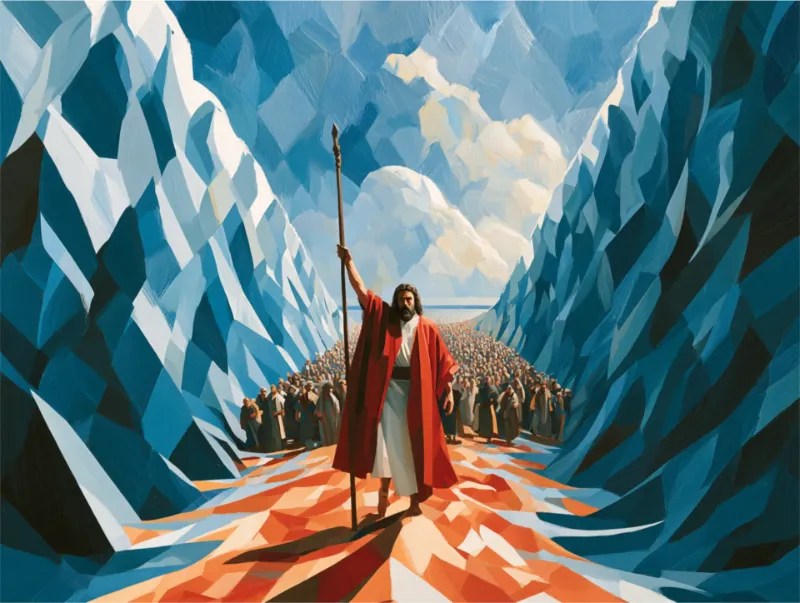
平和における兄弟、信仰における異邦人?クエーカー教徒とメノナイト教徒の信仰ガイド
In the rich and varied family of Christian faith, few branches are as frequently confused as the Mennonites and the Religious Society of more commonly known as the Quakers. To the outside observer, they can seem like kindred spirits, walking side-by-side in their shared commitment to peace, simplicity, and living a life that bears witness to the Gospel.¹ Both are honored as one of the three “Historic Peace Churches,” a title that speaks to a powerful, shared history of suffering for their refusal to take up arms.³ This common ground of pacifism, But often masks a spiritual landscape marked by deep and fascinating differences.
Many people group Quakers and Mennonites with the Amish, picturing horse-drawn buggies, plain dress, and a life separate from the modern world.¹ Although these images hold a sliver of truth for some conservative Mennonite and Amish groups, they don’t capture the vibrant diversity and theological depth of either faith today. The man on the Quaker Oats box, with his traditional garb, is a relic of a bygone era for most just as the horse and buggy is for most Mennonites.⁷
To truly understand these two faith traditions is to embark on a journey into the very heart of what it means to follow Christ. It is to ask a fundamental question: where do we find God’s authority? While both Quakers and Mennonites seek to live lives of radical faithfulness, their paths diverge at the very source of their spiritual authority. For Mennonites, the journey begins with the unshakable foundation of the Bible, the inspired and written Word of God. For Quakers, it begins with the immediate, personal experience of the Inner Light, the living Word of God speaking directly to the soul. This single, foundational difference is the key that unlocks almost every other distinction in their beliefs, their worship, and their way of life.
本記事は、その旅路における穏やかなガイドとなることを目指し、あなたが抱くかもしれない疑問を愛と敬意の精神で探求します。私たちは彼らの共有された歴史を辿り、それぞれの独自の信念を紐解き、彼らの信仰に命を吹き込む個人的な物語に耳を傾けます。まずは、彼らの根本的な違いについての簡単な概要から始めましょう。
Quaker and Mennonite Beliefs at a Glance
| Core Aspect | Quaker Perspective | Mennonite Perspective |
|---|---|---|
| Origins | 17th-century England (English Civil War) 8 | 16th-century Europe (Radical Reformation) 1 |
| Key Figure | ジョージ・フォックス 11 | メノ・シモンズ 10 |
| 主要な権威 | 内なる光(神/キリストの直接的な体験)14 | 聖書(神の霊感を受けた言葉)16 |
| イエスに対する見方 | 諸説あり:教師、模範、光、神の子 18 | 救い主、主、神の子、信仰の中心 20 |
| 礼拝のスタイル | Often silent, unprogrammed “waiting worship” 1 | 牧師主導の礼拝(説教、賛美歌、祈り)1 |
| 秘跡 | 外的な儀式として否定される。人生のすべてが秘跡的である 22 | Practiced as ordinances (Believer’s Baptism, Communion) 24 |
| Community Focus | Social change, justice, “improving the world” 26 | Separation from “the world,” mutual aid, discipleship 24 |
| Christian Identity | 異なります。キリスト教徒と自認する者もいれば、普遍主義者や無神論者と自認する者もいます 28 | キリスト教徒として普遍的に認識される 16 |

クエーカー教徒とメノナイトの共通のルーツと、よくある誤解とは何か?
クエーカー教徒とメノナイトの信仰の核心を理解するためには、まずプロテスタント宗教改革の激動の時代に遡らなければなりません。それは強力な霊的激動の時代であり、この肥沃な土壌から、異なる種からではありますが、両方の信仰が生まれました。迫害という共通の経験と平和への相互のコミットメントが、多くの人々の心の中で彼らを結びつけてきましたが、その起源は二つの異なる物語を語っています。
A Shared Heritage of Persecution and Peace
The most major bond between Quakers and Mennonites is their shared identity as “Historic Peace Churches,” a designation they hold along with the Church of the Brethren.³ This title isn’t merely a theological label; it was forged in the fires of persecution. Both groups arose as radical reformers who took the teachings of Jesus, particularly the Sermon on the Mount, with utmost seriousness. This led them to a shared conviction that violence and war are contrary to the will of God.⁴
This commitment to pacifism put them at odds with both state and church authorities. In an era when loyalty to one’s king often meant taking up arms, their refusal was seen as sedition. In a time when church and state were deeply intertwined, their dissent was seen as heresy. Consequently, both groups suffered immensely for their beliefs, facing imprisonment, property loss, and even death.⁹ Many fled Europe seeking refuge, with a major number finding a haven in colonial Pennsylvania, a colony founded by the Quaker William Penn on the principle of religious freedom.¹ This shared history of suffering for the sake of conscience created a deep and lasting bond of mutual respect between the two communities.
The Anabaptist Connection (and Disconnection)
One of the most common points of confusion lies with the term “Anabaptist.” The Mennonites are direct spiritual descendants of the Anabaptist movement that swept through Europe in the 16th century.¹ The word “Anabaptist” means “re-baptizer” and was a name given to them by their critics.¹⁶ They rejected the widespread practice of infant baptism, arguing that baptism was not a ritual to be performed on an unknowing child, but a voluntary, conscious decision made by an adult to repent of their sins and follow Jesus Christ.¹⁰ This belief in a voluntary church of committed believers was a radical idea that challenged the very foundation of the state-church system.
ここで、私たちは決定的な分岐点を見出します。クエーカー教徒は、聖職者への不信感や平和への献身など、再洗礼派に似た価値観をいくつか共有していますが、 クエーカー教徒は再洗礼派ではない.²⁷ クエーカー運動は、それから1世紀後、イギリス内戦とピューリタン運動による霊的混乱の中からイギリスで起こりました。⁹ 彼らが水の洗礼を拒否した理由は、後述するように、アナバプテストの理由とは全く異なるものでした。この違いは根本的なものであり、それぞれの歴史における最初の大きな分岐点となっています。
Untangling the Amish Confusion
この混乱は、質素な服装とシンプルな生活様式から、しばしば両グループと視覚的に混同されるアーミッシュによってさらに複雑になっています。¹ 実のところ、アーミッシュはメノナイトの伝統から派生したグループです。彼らは1693年、教会規律、特に破門されたメンバーを避ける慣習(シャニング)のより厳格な解釈をめぐって、メノナイトから分離しました。³⁶
質素な服装における視覚的な重なりには、興味深く皮肉な起源があります。1700年代にウィリアム・ペンの招きでペンシルベニア州に到着したアーミッシュの移民たちは、クエーカー教徒の隣人たちが、男性はつばの広い帽子、女性はボンネットという、シンプルで飾りのない服装をしているのを目にしました。虚栄心や社会的階層に対する証しとしてクエーカー教徒が採用していたこのスタイルは、アーミッシュの簡素さを尊ぶ感覚に訴えかけ、彼らはそれを自分たちのものとして取り入れたのです。⁶ ある意味で、アーミッシュの服装はクエーカー教徒のそれと同じなのです
used 服装を整えることで、別々の起源を隠す視覚的なつながりを作り出しています。
Common Values, Different Foundations
これらの異なる起源にもかかわらず、現代のメノナイトの共同体やクエーカーの集会を訪れる人は、簡素さ、平和、誠実さ、共同体という共通の価値観の語彙に気づくかもしれません。¹ この共通の倫理的言語が、彼らを非常に似ているように見せているのです。しかし、それぞれの信仰がこれらの価値観に到達するためにたどる道筋こそが、彼らの核心的な違いを明らかにしています。
メノナイトにとって、これらの価値観は従順への深い献身から導き出されています。彼らが質素で平和に生きようと努めるのは、それが聖書、特にイエスが彼らに命じたことだと信じているからです。²⁴ 彼らの生活は、聖書の規範に忠実に従おうとする試みなのです。
For Quakers, these same values, which they call “testimonies,” arise from a different source: the direct leading of the “Inner Light,” or “that of God in everyone”.¹⁴ They seek peace not just because the Bible commands it, but because the Spirit within them testifies against the violence that harms the divine spark in another person.
This is the central distinction that we will return to again and again. The label “Peace Church” highlights a shared destination—a life of nonviolence—but it conceals two very different maps used to get there. One map is the written Word of Scripture; the other is the living Word of direct experience. Understanding this fundamental difference in authority is the master key to unlocking all the other doors of understanding between these two faithful communities.

創設者は誰であり、どのような歴史的嵐が彼らの信仰を形作ったのでしょうか?
信仰の伝統というものは、それが鍛え上げられた情熱を反映していることが多いものです。メノナイト運動とクエーカー運動は、どちらも激しい社会的、政治的、宗教的対立の時代に生まれました。彼らの創始者たちは、新しい宗教を創り出そうとしたのではなく、当時の教会が道を見失っていると感じた情熱的な探求者たちでした。彼らが直面した独自の危機と彼らが見出した解決策は、今日に至るまでそれぞれの信仰のDNAを深く形作っています。
メノナイトのために:メノ・シモンズと急進的宗教改革
メノナイトの物語は、16世紀の急進的宗教改革の只中、メノ・シモンズ(1496-1561)というオランダのカトリック司祭から始まります。¹⁰ 司祭としての最初の数年間、メノは比較的安穏な生活を送っており、聖書を読むと道を踏み外すのではないかという恐れから、聖書を一度も読んだことがなかったと認めています。¹³ しかし、二つの良心の危機が彼の平穏を打ち砕きました。彼は、聖餐式のパンとワインが文字通りキリストの体と血に変わるという、カトリックの聖変化の教義に疑問を抱き始めたのです。新約聖書の秘密の研究を通じて、彼はそれが魔法のような変容ではなく、記念であると確信するようになりました。³²
The second crisis was even more powerful. He heard of a man who was executed for the crime of being “re-baptized” as an adult.¹³ This drove Menno back to the Scriptures, where he could find no basis for infant baptism. At the same time, a violent, apocalyptic wing of the Anabaptist movement seized the city of Münster, Germany, attempting to establish a “New Jerusalem” by force. The rebellion was brutally crushed, and among the dead was Menno’s own brother, who had joined the militants.³²
This tragedy broke Menno’s heart. He was horrified by the violence of the Münsterites but deeply moved by their willingness to die for their convictions, however misguided. He felt convicted by his own comfortable hypocrisy. In 1536, he renounced his priesthood and the Catholic was baptized as an adult, and went into hiding, joining the peaceful, nonviolent wing of the Anabaptist movement.¹³ Menno Simons did not invent Anabaptism, but he became its most important shepherd. For the next 25 years, he traveled tirelessly, writing and preaching to gather the scattered and persecuted Anabaptist groups into a cohesive church built on the principles of believer’s baptism, nonviolence, and separation from the world. His leadership was so crucial that these quiet, determined believers eventually became known by his name: Mennonites.¹³
メノナイト信仰のアイデンティティそのものが、この神学的な危機によって形成されました。それは、既存の教会の教義上の誤りと見なされたものを正すために、聖書を深く掘り下げることから生まれました。それは 回復 聖書の忠実な読解に基づく、真の使徒的教会。
クエーカー教徒のために:ジョージ・フォックスと清教徒革命
1世紀後、イギリス海峡を隔てた場所で、異なる種類の危機がクエーカー運動を生み出しました。ジョージ・フォックス(1624-1691)は、イギリス内戦の混乱期に成人した、非常に霊的感受性の強い若者でした¹²。イギリスは宗教的対立によって引き裂かれており、フォックスはすべての陣営に幻滅を感じていました。彼はイングランド国教会の形式的な儀式を空虚で生命力のないものと見なし、さまざまな異端のピューリタン派は口先ばかりで真の霊的な力に欠けていると感じていました⁹。
Fox entered a period of powerful spiritual despair, wandering the countryside seeking someone who could “speak to his condition”.¹² He consulted priests and preachers, but none could help him. The crisis was not primarily theological; it was experiential. He longed for a direct, living encounter with God, and the institutions of religion seemed to be a barrier, not a bridge.
Finally, in 1647, after years of searching, Fox had a breakthrough. As he recorded in his journal, he heard a voice that told him, “There is one, even Christ Jesus, that can speak to thy condition”.⁸ This was the foundational revelation of Quakerism: that every person can have a direct, unmediated relationship with Christ. There is no need for an ordained priest, a sacred building, or a formal ritual. Christ himself has come to teach his people.
Fox began to preach this message with fiery conviction. He called people to turn inward to the “Light of Christ” within their own hearts.⁹ He gathered a following of fellow seekers who called themselves “Friends of the Truth”.⁸ They were mockingly nicknamed “Quakers” by a judge whom Fox had admonished to “tremble at the word of the Lord”.⁸
クエーカー信仰のアイデンティティは、この霊的かつ体験的な危機によって形成されました。それは教義を修正するために生まれたのではなく、神を知る新しい方法を提供するために生まれたのです。それは、~を回復しようとしたのではなく、~しようとしたのです。 bypass 制度としての教会を完全に捨て、生けるキリストとの直接的で個人的な出会いを優先します。この起源における根本的な違いが、権威、礼拝、そしてキリスト教生活の本質そのものに対する見解において、両信仰を異なる道へと歩ませることになりました。

How Do They Experience God’s Guidance? Is the Quaker “Inner Light” the Same as the Holy Spirit?
Every Christian seeks to know and follow God’s will. But how do we hear His voice? How do we discern His guidance in our lives? The answers that Mennonites and Quakers give to this question reveal one of the most powerful differences between them. While both believe in a God who speaks and leads, their understanding of the primary channel for that divine communication is distinct.
メノナイトの見解:聖霊と御言葉
Mennonites hold a view of the Holy Spirit that is in line with traditional, mainstream Christianity. They believe the Holy Spirit is the third person of the Trinity, the very presence of God dwelling in and among believers.¹⁶ The Spirit’s work is layered: He convicts people of sin, brings them to new life in Christ, and empowers them for a life of discipleship.⁴¹
Crucially, for Mennonites, the work of the Holy Spirit is inextricably linked to the Bible. The Spirit’s primary role in providing guidance is to 聖書を照らし出す.¹⁶ God has already spoken His definitive Word in the Bible, and the Spirit’s job is to help the church understand and apply that Word to their lives. Personal leadings, feelings, or prophecies are not rejected, but they are always tested against the clear teaching of Scripture and the collective wisdom of the church community.¹⁷ Guidance is a communal process, centered on the shared study of the Bible, where believers listen together for what the Spirit is saying to the church
御言葉を通して.¹⁷
The Quaker View: The Inner Light
Quakers, on the other hand, are defined by their belief in the “Inner Light”.¹⁴ This concept is known by many names: the “Inward Light,” the “Light of Christ,” the “Spirit of God within us,” or, most famously, “that of God in everyone”.⁴⁶ It is the cornerstone of Quaker faith and practice.
The belief originated with George Fox’s foundational message that “Christ has come to teach his people himself”.⁸ This was a radical declaration of immediate, direct revelation. The Light is the very presence of God available to every single person, ready to guide, teach, and transform them from within. This is why traditional Quaker worship is conducted in silence: it is an expectant waiting for individuals to hear the voice and feel the prompting of this inner Teacher.³⁸
Over the centuries, the understanding of the Inner Light has evolved and diversified. For some Quakers, particularly those in the Evangelical branch, the Inner Light is understood to be synonymous with the Holy Spirit of traditional Christianity.²⁸ For these the Light’s purpose is to lead them to Christ and guide their understanding of the Bible.
For many others, especially in the Liberal branch, the Inner Light is seen as a universal, divine spark that dwells in every human being, regardless of their religion or beliefs.¹⁸ For these Quakers, the Light is the primary source of spiritual authority, taking precedence even over the Bible. It is a belief that God’s revelation is not confined to a single book or a single moment in history, but is continuous and ongoing in the heart of every person.¹⁵ This has led to the delightful and telling joke, as one Reddit user noted, that Quakers are like “introverted Pentecostals”—sharing an emphasis on the Spirit’s direct guidance, but expressing it through quiet contemplation rather than ecstatic utterance.⁴⁹
人間理解における根本的な違い
So, is the Inner Light the same as the Holy Spirit? The answer is, “it depends on which Quaker you ask.” But the difference between the mainstream Mennonite view and the Liberal Quaker view points to a deeper theological divergence: their understanding of human nature, or theological anthropology.
The traditional Christian view, held by Mennonites, generally sees humanity as fallen in sin and separated from God. The Holy Spirit is a gift given to believers at conversion to bridge that gap, to regenerate them, and to guide them into a right relationship with God.⁴² This implies a “before and after” state—a life without the Spirit’s guidance, and a life with it.
The Liberal Quaker belief in a universal Inner Light suggests a more optimistic view of humanity. It posits that every person, from birth, already possesses an innate connection to the Divine, “that of God” within them.¹⁴ The spiritual journey is not about receiving something one lacks, but about learning to listen to and obey the Light that is already present.
This difference has powerful implications. It explains why a Mennonite whose theology is built on the necessity of conversion to Christ, could not theologically accommodate a non-Christian member. It also explains how some Quaker meetings can welcome people from any faith tradition—or no faith tradition at all—believing that everyone has access to the same universal Light, even if they call it by different names.¹⁸ It is the foundation of the Quaker social witness, which seeks to “speak to that of God” in everyone, from a prison inmate to a world leader, appealing to a divine goodness they believe is already there.

彼らとイエス、そして聖書の権威との関係はどのようなものか?
キリスト教信仰の核心には、二つの問いに対する答えがあります。イエスとは誰か?そして聖書の役割とは何か?メノナイトやクエーカーにとって、これらの問いへの答えは単なる神学的な表明ではありません。それは彼らの信仰、礼拝、そして生活の構造全体を形作るものです。両伝統ともキリスト教の物語への深い関わりから生まれましたが、権威の究極的な源泉(書かれたテキストか、内なる経験か)に関する結論の違いこそが、彼らの最も根本的かつ決定的な相違点となっています。
メノナイトの立場:イエスが中心、聖書が規範
For Mennonites, faith is built upon the bedrock of the Bible. They hold a high view of Scripture, believing it to be the inspired and fully reliable Word of God, the ultimate authority for all matters of faith and life.¹⁶ When questions arise, the community’s first response is to turn to the Bible for answers.
But their approach to the Bible has a unique and powerful lens: Jesus Christ. Mennonites believe that Jesus is the key that unlocks the meaning of all Scripture.¹⁷ His life, his teachings (especially the Sermon on the Mount), his death, and his resurrection are the ultimate revelation of God’s character and will.²⁴ Therefore, the entire Bible is read through him. If a passage in the Old Testament seems to command violence or retribution, it is interpreted in light of Jesus’ command to love one’s enemies. The way of Jesus always takes precedence.³⁹
この枠組みにおいて、イエスは神の御子、世界の救い主、そして教会の主として明確に告白されています。¹⁶ 救いは、イエスとの個人的かつ共同体的な関係を通じて得られるものであり、それはイエスの贖いの死と勝利の復活によって可能となりました。メノナイトにとって、聖書は誤りのない規範であり、イエスはその完璧な中心です。
クエーカーの立場:イエスと聖書に関する見解のスペクトル
The Quaker relationship with Jesus and the Bible is more complex and has evolved significantly over time. The first generation of Quakers, led by George Fox, saw themselves as restoring true, primitive Christianity.¹⁹ They held the Bible in very high esteem and studied it diligently, believing that the guidance of the Inner Light would never contradict its teachings.⁸ Their crucial distinction was between the “words” of Scripture and the living “Word,” which was Christ himself speaking directly to the soul.²⁴ For them, the Bible was a precious and true record of God’s revelation, but the direct experience of the living Christ was the ultimate authority.
今日、この根本的な考え方は、クエーカー教徒の間で幅広い神学的スペクトルへと発展しました 18:
- Evangelical Friends maintain a position very similar to that of Mennonites. They view the Bible as the inspired, authoritative Word of God and confess Jesus as their divine Lord and Savior.²⁸ Their services are often “programmed,” with pastors and sermons centered on biblical teaching.
- Liberal Friends, on the other hand, have taken the idea of the Light’s primacy to its logical conclusion. For them, the Bible is an important and cherished book of spiritual wisdom, but it is just one among many. Direct, continuing revelation from the Inner Light is the supreme authority, and if that experience conflicts with the Bible, the experience is trusted.⁵³ Within this branch, views of Jesus vary widely. He may be seen as a supreme moral teacher, an enlightened human being, a powerful example of a life lived in the Light, or an inspiration—but not necessarily as uniquely divine.¹⁸ For many Liberal it is not necessary to identify as a Christian to be a faithful Quaker.¹⁴
- Conservative Friends は、より小さな「第三の道」を代表するものです。彼らは初期クエーカー主義の本来のバランスを保とうと努めています。つまり、プログラムのない沈黙の礼拝を行い、「内なる光」の導きを信頼しつつも、それをキリスト中心の確固たる枠組みの中で行い、イエスの神性と「光」と聖書の間の本質的な調和を肯定しているのです。⁴⁶
The Locus of the Word: The Foundational Split
この信仰のスペクトルは、その所在をめぐる核心的な対立を明らかにしている。あるいは、 locus, 、神の言葉の。メノナイトにとって、神の言葉とは fixed および external. 。それは聖書のページの中に収められており、歴史上の人物であるイエス・キリストにおいて完璧に体現されています。¹⁷ 彼らの霊的生活は、この外的な基準に従うプロセスです。
For Quakers, the Word of God is 愛を生きる および internal. 。それは、内なる光、あるいはキリストが直接心に語りかけるという、即時的かつ継続的な体験です。²⁴ 彼らの霊的生活は、この内なる導きに耳を傾け、それに応答するプロセスです。
This is the foundational split from which most other differences flow. A faith centered on a fixed text, like Mennonitism, will naturally develop confessions of faith, doctrinal boundaries, and a more stable theology over time. A faith centered on individual, continuing revelation, like Liberal Quakerism, will naturally produce a wide diversity of beliefs and be more resistant to creeds and dogmatic definitions. It explains why a person can be a “nontheist Quaker” but not a “nontheist Mennonite”.²⁹ One faith asks, “What does the Bible say?” The other asks, “What is the Spirit saying now?”

クエーカー教徒とメノナイトは、救いと贖罪の概念をどのように理解しているか?
救い、すなわち私たちがどのように罪から救われ、神と和解するかという問いは、キリスト教の福音の中心にあります。メノナイトとクエーカーはどちらも、イエス・キリストの生涯と業に深く根ざした救いのビジョンを提示しています。しかし、彼らの独自の神学的な出発点は、この神聖な神秘の異なる側面を強調することにつながっています。両方の伝統に共通しているのは、真の救いとは単なる天国への切符ではなく、今ここでの人生の根本的な変革であるという力強い確信です。
メノナイトの救済観:信仰、弟子としての歩み、そして共同体
The Mennonite understanding of salvation aligns with core Protestant beliefs but with a distinctive Anabaptist emphasis. They believe that salvation is a gift of God’s grace, offered to all people through the life, death, and resurrection of Jesus Christ.⁴² This gift is not earned but is received through faith, which involves a voluntary and personal decision to repent of sin and accept Jesus as Savior and Lord.²⁴
ここで、再洗礼派(アナバプテスト)の強調点が明らかになります。メノナイトにとって、救いをもたらす信仰とは、単に教義に同意することではありません。真の信仰は、必然的に変革された弟子としての人生へと導くはずだと彼らは主張します。²⁴ 救われるとは、イエスの道を歩み始め、日常生活の中で彼の戒めに従うことを学ぶことです。これは行いによって救いを獲得することではなく、本物の生きた信仰から自然に、そして必然的に生まれる実として捉えられています。
Salvation is not merely a private, individual experience. It is a communal reality. When a person is saved, they are reconciled not only to God but are also brought into the “reconciling community of God’s people”—the church.⁴² It is within the loving support and gentle accountability of the faith community that this new life of discipleship is lived out together.²⁴
Mennonite Views on Atonement
広範なバプテスト信仰における どのように of salvation—the doctrine of atonement—Mennonites tend to embrace the richness of the Bible’s imagery rather than committing to a single, rigid theory.⁵⁴ Their confessions of faith and theological writings draw on several biblical models:
- Christ the Victor: This view sees Jesus’ death and resurrection as a cosmic victory over the powers of sin, death, and evil that hold humanity in bondage.⁴²
- Substitutionary Sacrifice: This familiar model understands Jesus’ death as a sacrifice that pays the debt for human sin, reconciling us to a holy God.⁴²
- Moral Influence: This perspective emphasizes that Jesus’ life of perfect love and self-sacrifice reveals the depth of God’s love for us, inspiring us to turn from sin and love God and others in return.⁴²
A particularly strong emphasis in Anabaptist thought is the connection between the atonement and the resurrection. While some Protestant traditions focus almost exclusively on the cross, Mennonites often highlight Romans 4:25, which says Christ was “raised for our justification”.⁵⁴ The resurrection is God’s ultimate seal of approval on Jesus’ life and sacrifice, the event that defeats death and empowers believers for a new way of living.
クエーカー教徒の救済と贖罪観:変革への焦点
The very word “atonement” holds a special resonance for Quakers. They point to its original English meaning: “at-one-ment,” the state of being brought into unity or harmony.⁵⁶ This perfectly describes the central goal of the Quaker spiritual path: to be brought into unity with God and with one another by listening to and following the Inward Light of Christ.
From their earliest days, Quakers believed in the saving work of Jesus, but they forcefully rejected the idea of penal substitution—the theory that God’s offended honor or wrath required a violent punishment, which Jesus took in our place.⁵⁷ They found this view of God to be contrary to the loving Father revealed by Jesus. Instead, they emphasized the power of Christ’s life and death to bring about an
inward transformation in the believer.⁵⁷ For early salvation wasn’t about having Jesus’s righteousness “imputed” (or legally credited) to them while they remained sinners. It was about experiencing Christ’s power to actually overcome sin in their lives and be regenerated into a state of holiness.⁵⁷
Many modern Quakers, especially in the liberal tradition, remain deeply uncomfortable with traditional atonement language. They argue that penal substitution glorifies violence, portrays God as a wrathful judge, and can encourage passivity in the face of injustice.⁵⁶ Like their Mennonite cousins, many Quakers are drawn to a “Christus Victor” model, seeing Jesus’s journey to the cross as a nonviolent confrontation with and triumph over the violent powers of the world.⁵⁹
A Shared Rejection of “Cheap Grace”
In their understanding of salvation, we discover a powerful, if often overlooked, point of connection between Mennonites and Quakers. Both traditions share a powerful emphasis on sanctification—the belief that saving faith must and will result in a genuinely changed and holy life. Both would reject what Dietrich Bonhoeffer called “cheap grace”—the idea of forgiveness without repentance, of faith without discipleship.⁶⁰
This shared focus on lived holiness and “evangelical obedience” places them in a unique position within Protestantism.⁵⁷ In fact, this very emphasis on the necessity of a transformed life and good works was one of the reasons that mainstream Reformers in the 17th century accused the Quakers of being secretly “popish” or Catholic.⁶¹ This deep theological link—a shared conviction that faith without the works of love is dead—transcends many of their more obvious differences and points to a common heart for a faith that is not just believed, but lived.

彼らの礼拝はどのように異なり、なぜクエーカー教徒は伝統的な聖礼典を避けるのか?
日曜の朝にメノナイト派の教会に足を踏み入れ、次にクエーカー教徒の集会所に足を踏み入れると、全く異なる二つの礼拝の世界を体験することになるでしょう。その光景、音、そして集会の構造そのものは、恣意的な習慣ではありません。それらは、神、権威、そして人間がどのように神とつながるかという、彼らの最も根本的な信念が生きた形で表現されたものなのです。
メノナイト教会の礼拝:賛美と宣教のプログラム
A typical Mennonite worship service will feel familiar to anyone acquainted with mainstream Protestant traditions.¹ The service is “programmed,” meaning it follows a planned order of worship. A pastor or team of lay leaders guide the congregation through various elements designed for communal praise and instruction.¹
中心的な特徴は、会衆による賛美歌です。メノナイトには、4部構成のアカペラによる賛美歌という豊かな伝統があり、美しく、かつ深く参加型のハーモニーが聖堂を満たします。¹ 礼拝には、聖書の朗読、共同の祈り、そして多くの場合、共同体内の喜びや懸念を分かち合う時間が含まれます。礼拝の焦点は通常、牧師による説教であり、聖書のテキストを解釈し、教え、励まし、日々の生活への挑戦を提供するメッセージが語られます。¹ 礼拝全体の構成は、指定された指導者によって解釈される聖書の権威に導かれ、共同体全体が神に向かうように設計されています。
クエーカー教徒の礼拝:期待に満ちた沈黙の傾聴
A traditional Quaker “Meeting for Worship,” by contrast, is a radical departure from this model. It is “unprogrammed” and held in a powerful, expectant silence.¹ Friends gather and sit in a circle or square, quieting their minds and hearts to “wait upon the Lord”.¹ There is no pastor to lead, no pre-planned liturgy, no hymns, and no sermon.
This silence is not empty; it is active and purposeful. It is a shared space of listening for the guidance of the Inner Light, the “still, small voice” of God speaking within each person.³⁸ If, out of this deep silence, an individual feels a clear, compelling leading from the Spirit to share a message, they will stand and speak. This “vocal ministry” is usually brief and is offered for the spiritual nourishment of the whole group. After the message is delivered, the meeting settles back into the living silence.¹ A meeting may have several such messages, or none at all. The gathering is closed when one designated beforehand, shakes hands with their neighbor, a signal that ripples throughout the room. Some Quakers, known as “programmed Friends,” do have pastors and services that more closely resemble the Mennonite model, but unprogrammed worship remains the most distinctive and defining Quaker practice.⁸
秘跡の問い:外的なしるしか、内的な現実か?
この礼拝スタイルの違いは、洗礼と聖餐の秘跡に対する彼らのアプローチにも反映されています。
Mennonites practice these as “ordinances”—a term they often prefer to “sacraments” to stress that the rituals themselves do not automatically confer grace, but are acts of obedience and witness.²⁴ In keeping with their Anabaptist heritage, baptism is reserved for adult believers who can make a conscious profession of faith. It is a public pledge of their covenant to follow Jesus and a symbol of their entry into the church community.¹⁶ Communion, or the Lord’s Supper, is a memorial of Christ’s atoning death and a powerful symbol of the church’s unity in him, a time to renew their baptismal covenants with God and one another.²⁵
Quakers, は、有名なことに、いかなる外的な聖礼典も行わない¹。これは彼らが洗礼や聖餐の霊的現実を否定しているからではなく、外的な儀式はより偉大で内面的な実体の不要な影であると信じているからである。
- The Inward Reality: Early Quakers argued from Scripture that John the Baptist’s water baptism was merely a preparation for the true baptism that Jesus brings: the “baptism of the Holy Spirit and with fire”.³³ This, they believe, is the inward experience of being cleansed and transformed by the Spirit of Christ. Likewise, the true communion is not the eating of physical bread and wine, but the spiritual communion with Christ and fellow believers that can be experienced directly in the heart, especially in the shared silence of worship.²²
- 人生のすべては聖礼典である: これは強力な信念につながります。クエーカー教徒にとって、人生のすべては神聖なのです。²² 二つの特定の儀式だけを唯一の聖礼典として区別することは、人生の残りの部分がそうではないことを示唆することになってしまいます。その代わりに、彼らは交わりの中で分かち合う食事はすべて聖餐の一形態になり得ると信じています。清めのために光に向き合うあらゆる瞬間が、洗礼の一形態になり得るのです。神聖なものは儀式に限定されるものではなく、存在のすべてに浸透しているのです。
The very architecture of their worship reveals the architecture of their theology. The Mennonite service, with its pulpit and pews, directs the congregation’s attention to an external authority—the Word of God proclaimed from the Bible. The Quaker meeting, with its circle of chairs, directs each individual’s attention to an internal authority—the Word of God speaking within the soul. These are not merely differences in style, but the faithful, lived-out consequences of their foundational beliefs about how God chooses to meet with His people.

彼らのコミュニティはどのように構成されており、規律や意思決定はどのように行われているのか?
信仰共同体がどのように組織され、意思決定を行い、メンバーをケアするかは、その共同体が最も大切にしている価値観を明らかにします。メノナイト派もクエーカー派も、信者の共同体としての教会を高く評価していますが、その異なる神学的基盤は、リーダーシップの構造や忠実さを維持する方法において、非常に異なる結果をもたらしています。メノナイト派のモデルは共有された真理の保護を優先し、クエーカー派のモデルは共有された識別(ディサーンメント)のプロセスを優先します。
Mennonite Church Governance and Discipline: Upholding the Standard
Mennonite congregations are typically structured with recognized leaders who are called from within the community to serve in specific roles. These often include pastors, deacons, and elders.²⁸ While Mennonites strongly affirm the “priesthood of all believers”—the idea that every member has a ministry to fulfill—they also see a clear biblical precedent for appointing gifted individuals to offices of teaching, preaching, and spiritual oversight.⁶⁷ These leaders are accountable to the congregation and are tasked with faithfully interpreting the Scriptures and administering the ordinances of baptism and communion.⁶³
A key feature of Mennonite community life is the practice of church discipline.⁴⁴ This is not seen as a harsh, punitive measure, but as a vital expression of mutual care and accountability, rooted in Jesus’ teachings in Matthew 18. The goal is redemptive: to lovingly restore a brother or sister who has strayed from faithful discipleship, whether in belief or in behavior.⁴⁴ The process typically begins with private conversation and, if the person remains unrepentant, may escalate to involve church leaders and ultimately the entire congregation.
For Mennonites, this process is essential for maintaining the integrity of the church’s witness in the world. If the community does not address persistent sin or false teaching in its midst, its proclamation of the gospel loses credibility.⁴⁴ While restoration is always the hope, the suspension of membership or excommunication is seen as a necessary final step for those who reject the counsel of the in order to protect the health and purity of the community.⁴⁴ As personal stories from those who have left Mennonite churches show, this process can be both complex and deeply painful, highlighting the tension between communal standards and individual conscience.⁶⁸
Quaker Community Governance: Discerning the Way Forward Together
Quaker governance, in contrast, is fundamentally non-hierarchical. The community is organized into a series of interconnected “Meetings”—the local congregation is a “Monthly Meeting,” which gathers with others to form a “Quarterly Meeting,” which in turn make up a “Yearly Meeting”.³¹ Roles like “clerk” (who facilitates meetings) and “elder” (who nurtures the spiritual life of the meeting) are appointed, but these are positions of service, not of authority over others.⁷¹
The most distinctive feature of Quaker governance is its method of decision-making. In a “Meeting for Business,” Friends do not vote. Instead, they seek to find “the sense of the meeting” through a process of communal discernment.⁵³ The meeting is held in a spirit of worshipful silence. Members share their perspectives on the issue at hand, not as a debate to be won, but as offerings to help the group discern God’s will. The clerk’s role is to listen patiently for a sense of unity to emerge from the diverse viewpoints.⁷² If even one person feels a strong, principled objection (a sense that the proposed decision is contrary to the Spirit’s leading), the group will not move forward. The decision is postponed, trusting that with more time, prayer, and reflection, the right way will become clear to everyone.⁷²
Formal discipline is much rarer in modern Quakerism than in Mennonite churches. While early Quakers did practice “disownment” for those who acted against the community’s principles, the modern emphasis is on individual conscience and mutual, loving accountability.²⁸ The focus is less on enforcing a set of rules and more on trusting the process of the Spirit working within the community.
Two Models of Faithfulness
これら二つのモデルは、異なる優先順位を明らかにしています。メノナイトの構造は、聖書から導き出された既知の共有された真理を守るように設計されています。規律とは、コミュニティがその基準に対して忠実であり続けるための手段です。クエーカーの構造は、聖霊の新たな導きを共に発見するように設計されています。忍耐強く合意に基づいたプロセスは、コミュニティがその導きが明らかになるのを待つための手段です。
これは、それぞれ異なる強みと脆弱性につながります。メノナイトのモデルは、明確な神学的・道徳的境界線を提供し、強いアイデンティティと安定感を生み出すことができます。しかし、個人がその境界線に従うことができなくなったとき、痛みを伴う対立や排除につながる可能性もあります。⁶⁸ クエーカーのモデルは非常に包括的で、忍耐強く、個人の良心を尊重します。しかし、時としてタイムリーな決断や困難な決断を下すことに苦労することがあり、明確な教義の線引きがないことは、人によっては信念や説明責任の欠如のように感じられることもあります。どちらもキリストを頭とする忠実な体として生きようとする誠実な試みですが、その体がどのように自らを統治すべきかという点において、二つの非常に異なる理解を体現しています。

彼らの信念は、日常生活や世界との関わりをどのように形作っているのか?
生きた信仰は日曜日の朝だけに限定されるものではなく、人が週の毎日をどのように世界と関わるかを形作るものです。クエーカー教徒とメノナイトの双方にとって、その核心的な信念は力強く独特な社会的証しへとつながっています。両者とも平和と奉仕への献身で知られています。しかし、彼らの異なる神学的出発点は、歴史的に社会参加の二つの異なる道、すなわち奉仕と分離の道、そして活動と改革の道へと彼らを導いてきました。
実践される平和の証:共有されたコミットメント
The most visible expression of their faith in the world is the Peace Testimony. As “Historic Peace Churches,” both groups have a long and courageous history of Christian pacifism and nonviolence.¹ This is not a political position but a deeply held theological conviction that following Jesus means renouncing the way of the sword. Historically, this has meant refusing to participate in war, leading many of their young men to register as “conscientious objectors” and perform alternative service instead of fighting.⁴
To live out this testimony proactively, both groups have created remarkable service organizations that are respected worldwide. The Mennonite Central Committee (MCC), founded in 1920 to feed starving families in Russia (now Ukraine), has grown into a global agency for relief, development, and peace.⁵⁰ Similarly, the American Friends Service Committee (AFSC) was founded by Quakers during World War I to give conscientious objectors a way to serve humanity. Both organizations, along with others like Christian Peacemaker Teams (now Community Peacemaker Teams), which the two groups helped form, work to alleviate suffering and build peace around the globe, often in the world’s most difficult conflict zones.⁴
The Mennonite Path: Service and Separation
The traditional Mennonite approach to the world can be summed up in two words: service and separation. Their faith finds its most natural expression in quiet, practical acts of love and mutual aid.²⁴ The image of a barn raising, where the community comes together to rebuild a neighbor’s loss, is a powerful symbol of their commitment to bearing one another’s burdens.⁷⁵ This ethic of service is the primary way they live out their discipleship.
Historically, this ethic of service was paired with a theology of separation from “the world”.⁶ Anabaptists saw a sharp distinction between the kingdom of God and the kingdoms of this world. Believing that the state operates by the sword, they taught that Christians should not hold political office or participate in worldly institutions that might compromise their allegiance to Christ.³ While most modern Mennonites are much more engaged with broader society, their social action often retains this character of compassionate service and relief—running food banks, sponsoring refugees, and providing disaster aid—rather than direct political activism.⁵⁰
The Quaker Path: Activism and Social Reform
クエーカー教徒のアプローチは著しく異なっています。敬虔な社会の創造を目指したイギリスのピューリタン運動に起源を持つクエーカー教徒は、歴史的に次のような目標を掲げてきました。 Change および reform 単に世界から離れて生きるのではなく、世界(に関わること)です。²⁶ 彼らは自分たちの信仰を、社会の不公正な構造に挑戦するための召命と見なしてきました。
This has resulted in an extraordinary legacy of social and political activism. Quakers were among the earliest and most outspoken leaders in the movement to abolish slavery.¹ They were pioneers in advocating for women’s rights, humane treatment of prisoners and the mentally ill, and universal education.⁹ This tradition continues today, with Quaker organizations often at the forefront of campaigns for economic justice, racial equality, and environmental stewardship. Their work is often characterized by advocacy, public witness, and nonviolent protest aimed at transforming the root causes of injustice.⁷⁹
Nonresistance vs. Nonviolent Resistance
このアプローチの違いは、Redditフォーラムのユーザーが指摘した、微妙ですが重要な言語的区別に表れています。メノナイトは伝統的に次のように語ってきました。 nonresistance, 、一方でクエーカー教徒は~について語る nonviolent resistance.⁸¹
The Anabaptist concept of nonresistance is rooted in a literal reading of Jesus’ command in Matthew 5:39: “do not resist an evildoer.” It is a call to personal faithfulness, to absorb violence with love, and to live as a peaceful alternative community, trusting God with the ultimate outcome of worldly conflicts.
一方、クエーカー教徒の非暴力抵抗の概念は、悪に積極的かつ戦略的に立ち向かうことですが、暴力の代わりに愛、真実、平和的な抗議という武器を用いることです。これは、イエスの手法を用いて世界の不公正なシステムに挑戦し、変革できるという信念です。
This is a critical distinction for anyone interested in Christian social ethics. One path emphasizes the powerful witness of building a faithful, alternative community—a “city on a hill” that models a different way of life. The other path emphasizes the prophetic witness of marching into the existing cities of the world to challenge their injustices directly. Both are powerful and valid expressions of Christian faith, but they represent two very different theories of how to bring God’s peace to a broken world.

今日、クエーカー教徒とメノナイトはすべて同じなのでしょうか?
One of the greatest mistakes an observer can make is to assume that either “Quaker” or “Mennonite” refers to a single, uniform group. In reality, both traditions encompass a wide and diverse spectrum of belief and practice. Understanding this internal diversity is crucial to seeing them not as monolithic blocks, but as living, evolving families of faith. Interestingly, the primary way in which they are diverse is itself a reflection of their core theological differences.
The Mennonite Spectrum: From Horse-and-Buggy to Mainstream
メノナイトの世界における多様性は、大部分が cultural and is defined by a group’s relationship with modern society and technology.¹ While theological differences exist, the most visible distinctions are in lifestyle. This spectrum can be broadly understood in three categories:
- Old Order Mennonites: このグループは、アーミッシュと最も混同されやすい人々です。彼らは世俗から離れた生活を送ることに専念しており、現代とは一線を画した独特のライフスタイルを維持しています。移動には馬車を使い、特定の質素な服装を身にまとい、家庭や教会ではペンシルベニア・ドイツ語を話し、電気やインターネットといった多くの現代技術の使用を制限しています³⁶。彼らは少数派ですが、非常に目立つ存在です。
- Conservative Mennonites: This group seeks to maintain traditional Anabaptist theological beliefs and a commitment to “plainness,” which is often expressed through modest dress for women (including a head covering) and a simple lifestyle. But they have embraced modern conveniences like cars, electricity, and telephones.¹ They represent a middle ground between the Old Orders and the more assimilated groups.
- Mainstream Mennonites: これは最大のグループであり、メノナイト教会USAやメノナイト教会カナダといった教派が代表的です。日常生活において、これらのメノナイト派の人々は現代社会に広く溶け込んでいます。彼らは隣人と同じような服装をし、多種多様な職業に就いており、文化的には他の主流派プロテスタントと見分けがつかないことがよくあります。¹ 彼らのメノナイトとしてのアイデンティティは、独特の文化的ライフスタイルを通じてではなく、平和、奉仕、コミュニティへの献身といった再洗礼派の神学を固守することによって表現されています。
The Quaker Spectrum: From Christ-Centered to Nontheist
対照的に、宗教協会内の多様性は、主に theological, 、内なる光、イエス、そして聖書に対するさまざまな解釈を中心に展開しています。⁸ 文化的な違いはいくつかありますが、主要な分派はその信仰によって定義されています:
- Evangelical Friends: This is the largest branch of Quakerism worldwide, particularly in Africa and Latin America.⁸ They are explicitly Christ-centered, view the Bible as the inspired Word of God, and their worship is “programmed,” with pastors, hymns, and sermons.⁸ Theologically, they have much in common with other evangelical denominations.
- Liberal Friends: この分派は、米国、英国、カナダで最も一般的です。彼らは、プログラムのない沈黙の礼拝を実践し、権威の源泉として「内なる光」を信じることを特徴としています。⁸ この分派は神学的に多様で、キリスト教徒と自認する人々だけでなく、普遍主義者(すべての宗教に真理を見出す人々)、さらには神への信仰を持たずにクエーカーの価値観や実践を受け入れる無神論者も含まれています。¹⁸
- Conservative Friends: これは3つの主要な分派の中で最も小さなグループです。彼らは、初期クエーカー教徒の本来のバランスの取れた信仰と見なすものを守ろうとしています。彼らはプログラムのない沈黙の礼拝を行い、「内なる光」の導きに頼りますが、それはキリストを中心とし、聖書を肯定する神学的な枠組みの中で行われます。⁴⁶ 彼らは、「光」と「聖書」は同じ神の真理を表現する二つの調和のとれた形であると考えています。
A Crucial Distinction
これは重要な明確化のポイントを明らかにしています。メノナイト派の主な分裂は、 実践 と文化です。異なる分派のメノナイト派の二人が、核心となる神学では完全に一致していても、一方は馬車に乗り、もう一方は現代の車に乗るというように、文化的には全く異なる世界に生きているかもしれません。逆に、クエーカー教徒の主な分裂は、 信念. Two Quakers might both be college professors living in a modern city but hold fundamentally incompatible views about the nature of God and the identity of Jesus. To understand these two faiths, one must recognize that for Mennonites, the key question of identity is often “How do we live?” while for Quakers, it is often “What do we believe?”

What Is the Catholic Church’s Stance on Quaker and Mennonite Beliefs?
ローマ・カトリック教会と、歴史的な平和の伝統を持つ2つの主要な分派であるメノナイトおよびクエーカーとの関係は、長く複雑な物語です。それは激しい対立と迫害から始まり、驚くべき隠された神学的パラドックスを経て、現代においては、依然として大きな障壁が残るものの、慎重な対話と相互尊重の段階に到達しています。
A Shared History of Hostility and Persecution
アナバプテスト(メノナイト)とクエーカーの運動はどちらも、カトリック教会を含む当時の支配的な教会と国家の体制に対する抗議から生まれました。その結果、両グループはカトリック当局の手によって厳しい迫害に直面しました。³⁴
カトリック教徒にとって Anabaptists, the conflict was immediate and brutal. Their practice of “re-baptizing” adults who had been baptized as infants was not just a theological disagreement; it was a direct challenge to the entire social and religious order. It implied that the Catholic Church was not a true church and that its sacraments were invalid. In response, Catholic rulers, with the backing of theological arguments, declared adult baptism a capital offense. The Imperial Edict of 1529 called for the execution of all Anabaptists without trial, and thousands suffered martyrdom for their faith.⁸⁶
カトリック教徒にとって Quakers, who emerged a century later, the conflict was just as fundamental. Their rejection of the entire sacramental system, their denial of the need for an ordained priesthood, and their radical elevation of the “Inner Light” as the supreme authority placed them far outside the bounds of Catholic orthodoxy.³¹ The Catholic Encyclopedia, in its 1912 edition, described George Fox’s system as being “at variance with every existing form of Christianity” and viewed his followers as heretics who had taken the Protestant principle of private judgment to its most extreme and anarchic conclusion.³¹
The Surprising Theological Paradox
Beneath this surface of mutual hostility, But lay a deep and ironic theological connection, particularly between Catholicism and Quakerism. Mainstream Protestant Reformers like Luther and Calvin had built their theology on the doctrine of “justification by faith alone.” The Catholic at the Council of Trent, rejected this, insisting that justification was a process that involved not only faith and grace but also an inward transformation that resulted in a holy life and good works.⁶¹
Remarkably, the early Quakers arrived at a very similar conclusion. They, too, rejected the idea that a person could be saved by faith alone without a corresponding change in their life. They preached a message of regeneration and perfection, believing that the power of Christ within could actually free a person from sin and empower them to live a holy life.⁵⁷ This emphasis on holiness and works was so “un-Protestant” that many of their opponents accused them of being secret Papists or Jesuits in disguise.⁶¹ At the very heart of the matter—the means of salvation—these two fiercely opposed groups were, in some ways, closer to each other than either was to the mainstream of the Reformation.
The Modern Era: From Condemnation to Conversation
The 20th century brought a monumental shift in the Catholic Church’s posture toward other Christians. The Second Vatican Council (1962-1965) ushered in a new era of ecumenism. Key documents like Dignitatis Humanae (Declaration on Religious Freedom) and 『ノストラ・エターテ』 (非キリスト教諸宗教に関する教会の態度についての宣言)は、個人の良心の尊厳と、他宗教との敬意ある対話の重要性を再確認しました。⁸⁷
This opened the door for new relationships. The Vatican has engaged in formal theological dialogues with the Mennonite World Conference, exploring shared values and theological differences with mutual respect. A major outcome was the 2003 document “Called Together to be Peacemakers,” which acknowledged the painful history and looked for common ground in their shared commitment to peace.⁸⁶
While formal dialogue with the diverse world of Quakerism has been less structured, a spirit of “practical ecumenism” has flourished. Catholics and Quakers have often found themselves working side-by-side in movements for peace and social justice, and there is a mutual appreciation for the contemplative and mystical streams within both traditions.⁸⁹
Remaining Obstacles and a Hopeful Future
Despite this progress, major theological barriers remain. From an official Catholic standpoint, the Quaker rejection of water baptism is a major obstacle. The Catholic Catechism teaches that baptism is the foundation of communion among all Christians; without it, Quakers are not formally seen as part of the visible body of Christ in the same way as other Protestant denominations.⁹² the rejection of the Trinity by some Liberal Quakers places them outside the definition of “Christian” for all creedal churches, making formal ecumenical dialogue impossible.⁹³ Finally, the Catholic Church’s hierarchical structure, its claims to authority, and its defined moral teachings remain fundamentally at odds with the Quaker reliance on non-hierarchical discernment and individual conscience.⁹⁴
The journey of the Catholic Church’s relationship with these peace traditions reflects a powerful transformation. It has moved from condemnation to collaboration and conversation. The Church has not abandoned its core doctrines, but it has adopted a new posture of charity, recognizing the working of God’s Spirit even in those communities that stand far from its own theological center. For the Christian reader, this is a powerful story of hope. It demonstrates that even centuries of pain and division can give way to a new spirit of love, centered on the shared pursuit of peace and justice, even as we honestly acknowledge the deep differences that remain.

信仰の物語
クエーカー教徒とメノナイト教徒の信仰の世界を巡る私たちの旅は、深く結びつきながらも大きく異なる二つのキリスト教の伝統を明らかにしています。彼らは平和教会としての共通の遺産を持つ兄弟であり、イエスの道は非暴力の道であるという確信のために苦しむことを厭わない勇気によって結ばれています。彼らは簡素さ、誠実さ、コミュニティという共通の価値観を持つ隣人です。しかし、信仰の核心において、彼らは神の心へと向かう異なる二つの道を歩む、見知らぬ者同士なのです。
この分岐は、彼らの霊的権威の源そのものから始まっていることがわかります。メノナイトは「書物の民」です。彼らの信仰、礼拝、そして生活は、聖書の霊感を受けたページに記されたイエスの教えに従おうとする献身的な試みです。クエーカーは「霊の民」です。彼らの信仰、礼拝、そして生活は、魂に直接語りかけるキリストの生きた声である「内なる光」の導きを忍耐強く聞き求めることです。
From this single point, all other differences flow. It explains why a Mennonite service is filled with the sound of hymns and a sermon on the Word, while a Quaker meeting is filled with a living silence. It explains why Mennonites practice the outward ordinances of baptism and communion as acts of obedience, while Quakers see all of life as a sacrament. It explains why Mennonite communities are structured to preserve doctrinal truth, while Quaker communities are structured to discern the Spirit’s leading together. And it explains why the Mennonite social witness has often been one of quiet service and separation, while the Quaker witness has been one of active, prophetic engagement with the world.
In a world that often demands uniformity, the story of the Quakers and Mennonites is a beautiful testament to the diversity of God’s work. They are like two different threads in a great story of faith. One thread is sturdy, consistent, and deeply colored by its commitment to the biblical text. The other is luminous, fluid, and shimmering with the light of inner experience. Both threads are essential, and together they contribute unique colors and textures to the grand design of God’s kingdom. May we learn to move beyond simple stereotypes and appreciate both of these faithful communities for their unique and courageous witness to the love and peace of Christ, each in the way they have been given to understand it.