
 English
 Chinese
 Dutch
 Arabic
 Spanish
 Portuguese
 Russian
 French
 Italian
 German
 Japanese
The Bible describes a good man by his conduct: he deals honestly, lends and gives, keeps his temper and his tongue, and his good deeds come out of what is stored in his heart (Luke 6:45).
Psalm 15 lists the conduct of the one who may live on God’s holy mountain, and Psalms 37 and 112 describe the generous righteous man. The New Testament calls two men good by name, Joseph of Arimathea (Luke 23:50) and Barnabas (Acts 11:24), and Paul lists goodness among the fruit of the Spirit (Galatians 5:22).
The heart behind a good man’s words and deeds

Luke 6:45
“A good man brings good things out of the good stored up in his heart, and an evil man brings evil things out of the evil stored up in his heart. For the mouth speaks what the heart is full of.”
Reflection: Jesus, standing “on a level place” with a crowd of disciples (Luke 6:17), compares people to trees: “Each tree is recognized by its own fruit” (6:44). The good things a good man brings out come from what is stored in his heart, and speech is the evidence Jesus names. The next verses turn from words to obedience, with the man who “dug down deep and laid the foundation on rock” (6:48).
Galatians 5:22-23
“But the fruit of the Spirit is love, joy, peace, forbearance, kindness, goodness, faithfulness, gentleness and self-control. Against such things there is no law.”
Reflection: Goodness is sixth of the nine qualities Paul calls the fruit of the Spirit. He sets that list against “the acts of the flesh” in verses 19-21, which include hatred, fits of rage, selfish ambition, envy and drunkenness. Verse 24 adds that “those who belong to Christ Jesus have crucified the flesh with its passions and desires.”
Two men the New Testament calls good

Luke 23:50-51
“Now there was a man named Joseph, a member of the Council, a good and upright man, who had not consented to their decision and action. He came from the Judean town of Arimathea, and he himself was waiting for the kingdom of God.”
Reflection: Joseph sat on the Council whose members led Jesus to Pilate (Luke 22:66; 23:1), yet he “had not consented to their decision and action.” Luke pairs “good” with “upright” and adds that Joseph was waiting for the kingdom of God. After the crucifixion he asked Pilate for the body, wrapped it in linen and laid it in a tomb cut in the rock (23:52-53).

Acts 11:24
“He was a good man, full of the Holy Spirit and faith, and a great number of people were brought to the Lord.”
Reflection: The Jerusalem church sent Barnabas to Antioch after Greeks there believed. On arrival he was glad at what the grace of God had done and encouraged the new believers to remain true to the Lord. Verse 24 describes him as “a good man, full of the Holy Spirit and faith,” and adds that “a great number of people were brought to the Lord.” He then brought Saul from Tarsus, and the two taught in Antioch for a whole year (11:25-26). Acts 4:36-37 introduces him as a Levite from Cyprus who sold a field and put the money at the apostles’ feet.
Walking with integrity
Psalm 15:1-2
“LORD, who may dwell in your sacred tent? Who may live on your holy mountain? The one whose walk is blameless, who does what is righteous, who speaks the truth from their heart.”
Reflection: The psalm, headed “A psalm of David,” asks who may live on God’s holy mountain and answers with conduct. After the blameless walk and honest heart of verse 2 come a tongue that does not slander, keeping an oath “even when it hurts,” lending to the poor without interest and refusing a bribe against the innocent (15:3-5). It ends, “Whoever does these things will never be shaken.”

Micah 6:8
“He has shown you, O mortal, what is good. And what does the Lord require of you? To act justly and to love mercy and to walk humbly with your God.”
Reflection: The worshiper in verses 6 and 7 asks what to bring before God, from a yearling calf to a firstborn child. Micah answers the question about offerings by naming three things God requires in daily life: justice, mercy and humility before him.
How the Church understood the Bible’s teaching on interest
Proverbs 10:9
“Whoever walks in integrity walks securely, but whoever takes crooked paths will be found out.”
Reflection: The saying belongs to the collection headed “The proverbs of Solomon” (10:1). It sets two ways of walking side by side: integrity brings security, and crooked paths are exposed. The verse names no punishment beyond being found out.
Proverbs 20:7
“The righteous lead blameless lives; blessed are their children after them.”
Reflection: Verse 6 asks how to find a faithful person when so many claim unfailing love. The proverb that follows describes the righteous by how they live and says the blessing extends to their children.
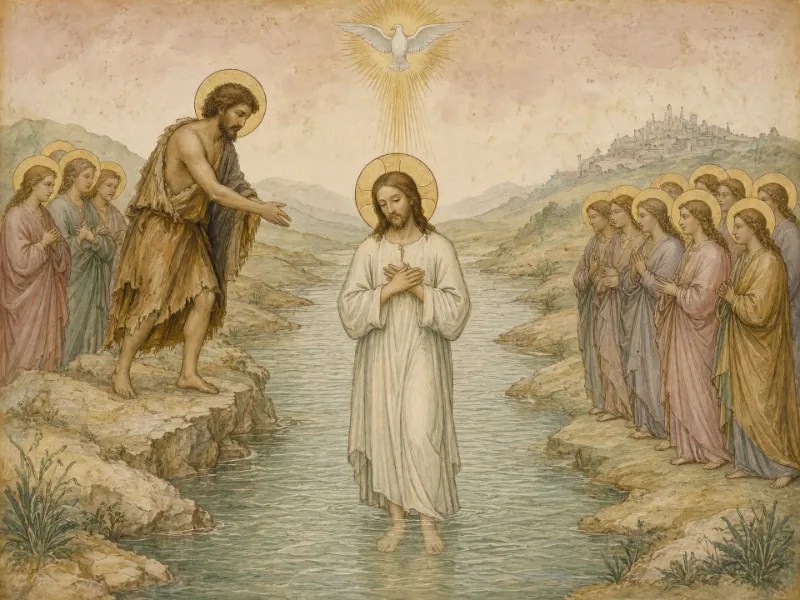
Psalm 37:23
“The LORD makes firm the steps of the one who delights in him;”
Reflection: The King James Version renders this line “The steps of a good man are ordered by the LORD,” and the NIV reads it as the steps of “the one who delights in him.” The next verse allows for failure: “though he may stumble, he will not fall, for the LORD upholds him with his hand.” Verse 25 is the psalmist’s own testimony: “I was young and now I am old, yet I have never seen the righteous forsaken.”

Psalm 1:1-2
“Blessed is the one who does not walk in step with the wicked or stand in the way that sinners take or sit in the company of mockers, but whose delight is in the law of the Lord, and who meditates on his law day and night.”
Reflection: The psalm opens with the company the blessed person avoids and the words that occupy his thoughts day and night. Verse 3 compares him to a tree that bears fruit beside a stream. Verse 6 calls his path “the way of the righteous.”
Proverbs 28:6
“Better the poor whose walk is blameless than the rich whose ways are perverse.”
Reflection: Blameless poverty is ranked above crooked wealth. The same chapter comes back to the point in 28:20: “A faithful person will be richly blessed, but one eager to get rich will not go unpunished.”

Titus 2:7-8
“In everything set them an example by doing what is good. In your teaching show integrity, seriousness and soundness of speech that cannot be condemned, so that those who oppose you may be ashamed because they have nothing bad to say about us.”
Reflection: Titus has just been told to encourage the young men to practice self-control (verse 6). Paul asks Titus to set the example himself, both by doing good and by teaching in words his opponents can find no fault with.
Money: lending, giving and what he leaves behind

Psalm 37:26
“They are always generous and lend freely; their children will be a blessing.”
Reflection: Verse 21 of the psalm sets up the contrast: “The wicked borrow and do not repay, but the righteous give generously.” Here the righteous man lends freely and his children become a blessing. Verse 27 follows with the command “Turn from evil and do good.”
Psalm 112:1; Psalm 112:4
“Praise the Lord. Blessed are those who fear the Lord, who find great delight in his commands. … Even in darkness light dawns for the upright, for those who are gracious and compassionate and righteous.”
Reflection: The psalm opens by blessing those who delight in God’s commands. Verse 4 describes their character, and verse 5 shows how their compassion and justice shape the way they lend money.
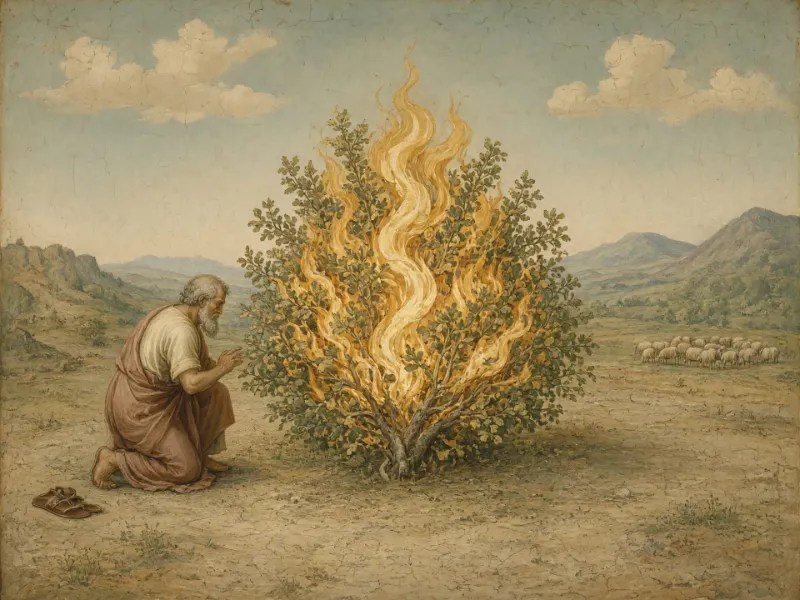
Psalm 112:5
“Good will come to those who are generous and lend freely, who conduct their affairs with justice.”
Reflection: Psalm 112 describes the person who fears the LORD, and in the New King James Version this verse begins “A good man deals graciously and lends.” Generosity and fair dealing come together in it. Verse 9 returns to giving, “They have freely scattered their gifts to the poor,” and Paul quotes that line in 2 Corinthians 9:9.
Proverbs 13:22
“A good person leaves an inheritance for their children’s children, but a sinner’s wealth is stored up for the righteous.”
Reflection: The inheritance reaches the grandchildren, “children’s children.” The second line says where a sinner’s wealth ends up: with the righteous.
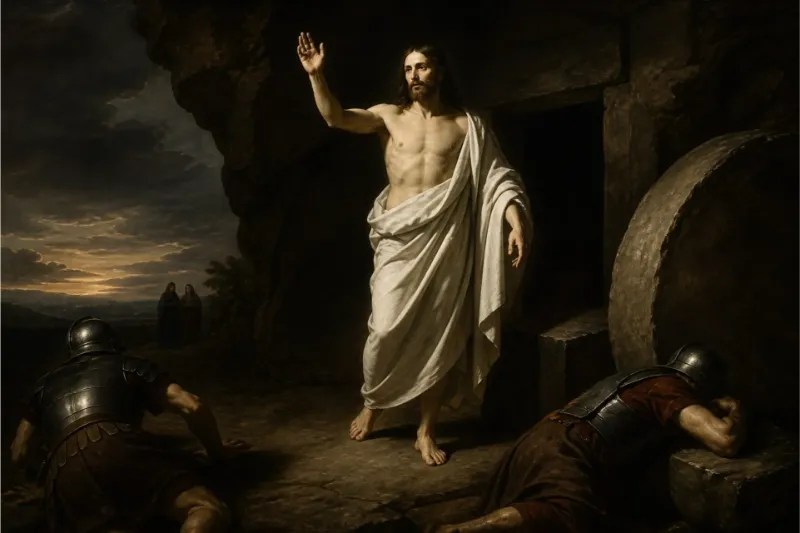
1 Timothy 6:11
“But you, man of God, flee from all this, and pursue righteousness, godliness, faith, love, endurance and gentleness.”
Reflection: Paul calls Timothy “man of God” straight after warning that “the love of money is a root of all kinds of evil” (6:10); “all this” follows the warnings about wanting to get rich and loving money (6:9-10). In its place he lists what to pursue, from righteousness to gentleness. Verse 12 adds, “Fight the good fight of the faith.”
How a husband loves his wife
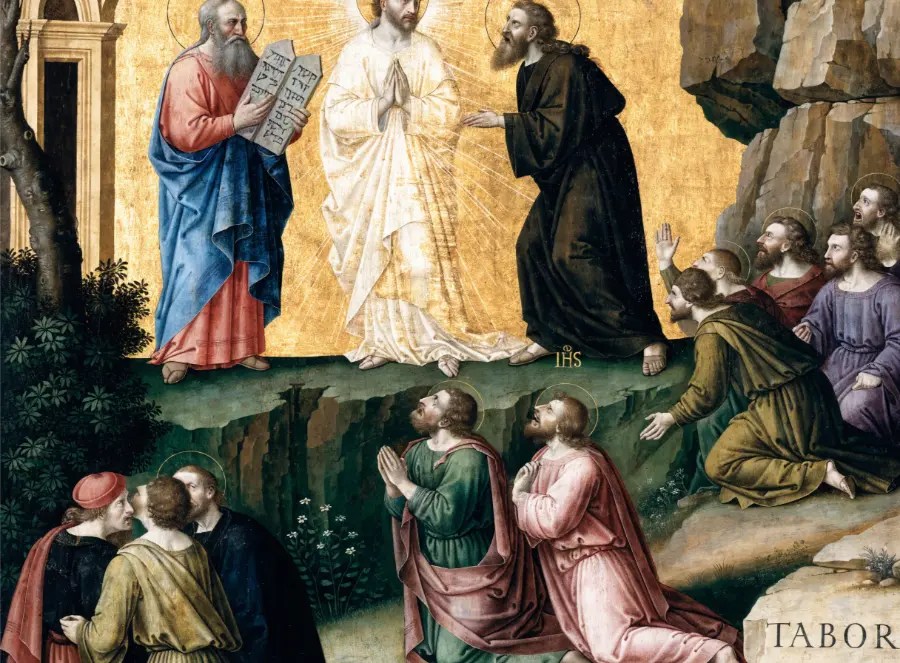
Ephesians 5:25
“Husbands, love your wives, just as Christ loved the church and gave himself up for her”
Reflection: Paul tells husbands that Christ’s love for the church is their example in loving their wives. Verses 28 and 29 give a familiar measure of that love: a husband feeds and cares for his own body and owes his wife the same care.
Temper, insults and the tongue

James 1:19-20
“My dear brothers and sisters, take note of this: Everyone should be quick to listen, slow to speak and slow to become angry, because human anger does not produce the righteousness that God desires.”
Reflection: James gives three instructions in one line, about listening, speaking and anger, and then the reason: human anger “does not produce the righteousness that God desires.” Verse 21 continues with getting rid of “moral filth” and humbly accepting “the word planted in you.”
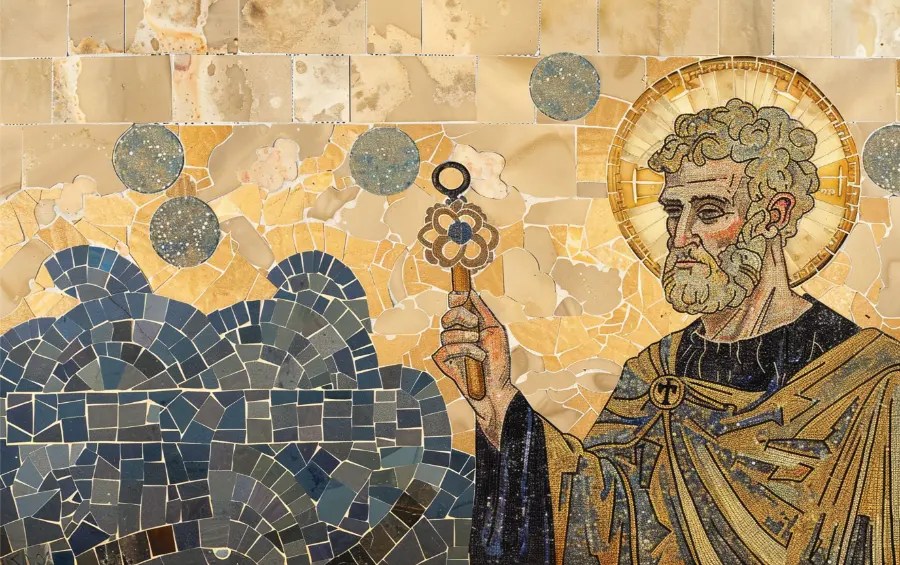
Proverbs 16:32
“Better a patient person than a warrior, one with self-control than one who takes a city.”
Reflection: The proverb measures patience against a warrior’s strength. In the second line the warrior has captured a whole city, yet the saying gives greater honor to the person who can govern his own temper.
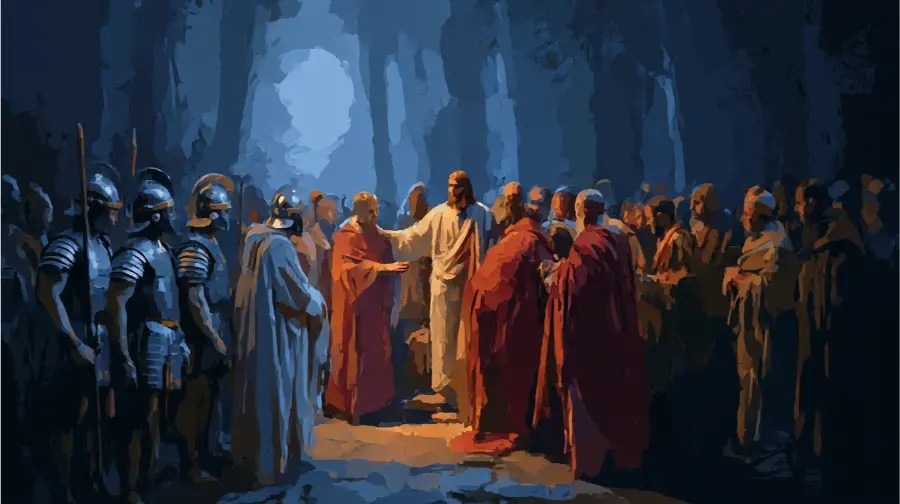
1 Peter 3:8-9
“Finally, all of you, be like-minded, be sympathetic, love one another, be compassionate and humble. Do not repay evil with evil or insult with insult. On the contrary, repay evil with blessing, because to this you were called so that you may inherit a blessing.”
Reflection: Peter’s “Finally” follows instructions to slaves, wives and husbands (2:18; 3:1; 3:7) and is addressed to “all of you.” Repaying insult with blessing is tied to a calling, “so that you may inherit a blessing.” Verses 10-12 then quote Psalm 34: “Whoever would love life and see good days must keep their tongue from evil and their lips from deceitful speech.”

2 Timothy 2:22
“Flee the evil desires of youth and pursue righteousness, faith, love and peace, along with those who call on the Lord out of a pure heart.”
Reflection: Paul tells Timothy whom to join in pursuing righteousness and peace. Verses 23 to 25 show what peace requires of him as a teacher: he is to avoid arguments that breed quarrels and instruct his opponents gently.


Leave a Reply