
 English
 Chinese
 Dutch
 Arabic
 Spanish
 Portuguese
 Russian
 French
 Italian
 German
 Japanese
The Bible allows anger within limits and commands forgiveness, on the ground that God has forgiven first.
Ephesians 4 contains both. “Be angry and do not sin” at verse 26 quotes Psalm 4:4, and “forgiving one another, as God in Christ forgave you” comes at verse 32; the verses between deal with stealing, corrupting talk, bitterness and slander. The eighteen verses below cover human anger, God’s anger and its limits, the command to forgive, what forgiveness does and does not require, two people who forgave those killing them, and reconciliation.
What is said about anger

Ephesians 4:26-27
“Be angry and do not sin; do not let the sun go down on your anger, and give no opportunity to the devil.”
Reflection: Paul is quoting Psalm 4:4, and he sets a limit on anger: it should not last past sunset. The word behind opportunity, topos, means a place; the King James Version has “Neither give place to the devil.”

James 1:19-20
“Let every person be quick to hear, slow to speak, slow to anger; for the anger of man does not produce the righteousness of God.”
Reflection: James gives three instructions in order: quick to hear, slow to speak, slow to anger. His reason is practical: human anger “does not produce the righteousness of God.”
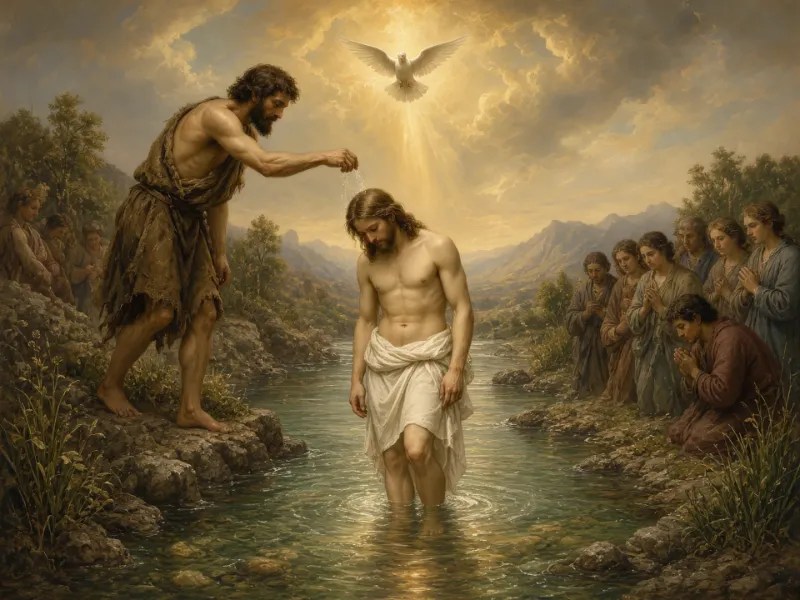
Proverbs 29:11
“A fool gives full vent to his spirit, but a wise man quietly holds it back.”
Reflection: The fool and the wise man have the same spirit to deal with. The difference is whether it is given full vent or held back.
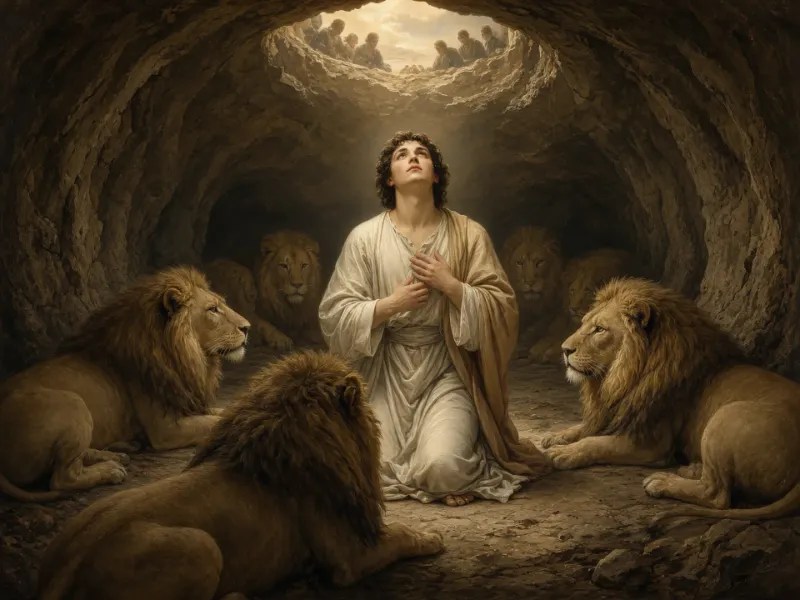
Proverbs 15:1
“A soft answer turns away wrath, but a harsh word stirs up anger.”
Reflection: The wrath in the first half belongs to someone else. The proverb describes what a soft answer or a harsh word does to another person’s anger.
God’s own anger, and its proportions
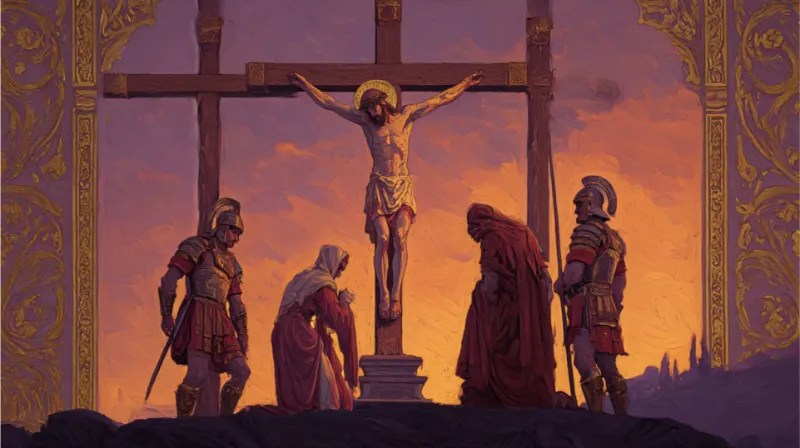
Psalm 30:5
“For his anger is but for a moment, and his favor is for a lifetime.”
Reflection: The psalm sets a moment of anger beside a lifetime of favor, and the verse continues: “Weeping may tarry for the night, but joy comes with the morning.”

Nahum 1:3
“The Lord is slow to anger and great in power, and the Lord will by no means clear the guilty.”
Reflection: Nahum announces judgment on Nineveh, and this verse keeps both halves of the Lord’s words to Moses in Exodus 34:6-7: slow to anger, and by no means clearing the guilty.

Psalm 103:8-12
“The Lord is merciful and gracious, slow to anger and abounding in steadfast love. He will not always chide, nor will he keep his anger forever. He does not deal with us according to our sins, nor repay us according to our iniquities. For as high as the heavens are above the earth, so great is his steadfast love toward those who fear him; as far as the east is from the west, so far does he remove our transgressions from us.”
Reflection: Verse 8 repeats the Lord’s description of himself in Exodus 34:6. The psalm then measures his mercy in two distances: as high as the heavens are above the earth, and as far as the east is from the west.
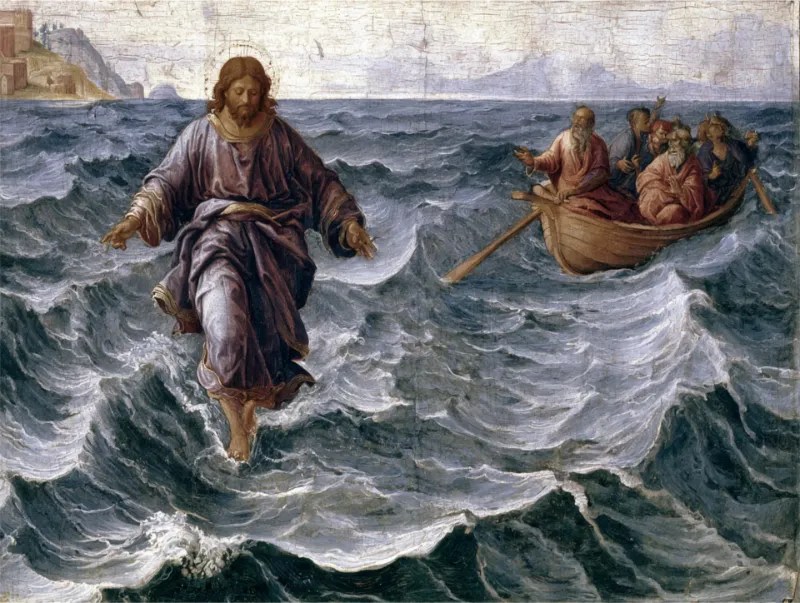
Micah 7:18-19
“Who is a God like you, pardoning iniquity and passing over transgression for the remnant of his inheritance? He does not retain his anger forever, because he delights in steadfast love. He will again have compassion on us; he will tread our iniquities underfoot. You will cast all our sins into the depths of the sea.”
Reflection: Micah’s name means “Who is like the Lord?”, and his book ends with that question addressed to God. Most of the book charges Israel and Judah with their sins, and it closes with God pardoning “the remnant of his inheritance.”
The instruction to forgive
Ephesians 4:32
“Be kind to one another, tenderhearted, forgiving one another, as God in Christ forgave you.”
Reflection: This comes six verses after “Be angry and do not sin,” in the same passage. The measure of forgiveness is what God has already done: “as God in Christ forgave you.”

Colossians 3:13
“Bear with each other and forgive one another if any of you has a grievance against someone.”
Reflection: Bearing with each other comes first, before any grievance is mentioned. The verse goes on: “Forgive as the Lord forgave you.”

Matthew 6:14-15
“For if you forgive others their trespasses, your heavenly Father will also forgive you, but if you do not forgive others, neither will your Father forgive your trespasses.”
Reflection: Right after the Lord’s Prayer, this is the one petition Jesus comments on. He takes up the line about forgiveness (6:12) and states it both ways, as a promise and as a warning.

Mark 11:25
“And whenever you stand praying, forgive, if you have anything against anyone.”
Reflection: Standing was a usual posture for prayer, as in Luke 18:11 and 13. Jesus ties forgiving others to the moment of praying, “so that your Father also who is in heaven may forgive you your trespasses.”
What forgiveness is not
Luke 17:3-4
“If your brother sins, rebuke him, and if he repents, forgive him, and if he sins against you seven times in the day, and turns to you seven times, saying ‘I repent’, you must forgive him.”
Reflection: “Rebuke him” comes before “forgive him,” so the wrong is named. Each of the seven times comes with the brother turning back and saying “I repent.” The passage opens with “Pay attention to yourselves!” (17:3).
Romans 12:18
“If possible, so far as it depends on you, live peaceably with all.”
Reflection: The verse has two qualifications, “if possible” and “so far as it depends on you.” Paul allows that peace may not be possible, and that the other person’s part is not ours to control.
Matthew 5:23-24
“So if you are offering your gift at the altar and there remember that your brother has something against you, leave your gift there before the altar and go. First be reconciled to your brother, and then come and offer your gift.”
Reflection: Here it is the other person who has something against you. Jesus tells the worshiper to leave the gift before the altar and go to be reconciled first.
The two who did it hardest
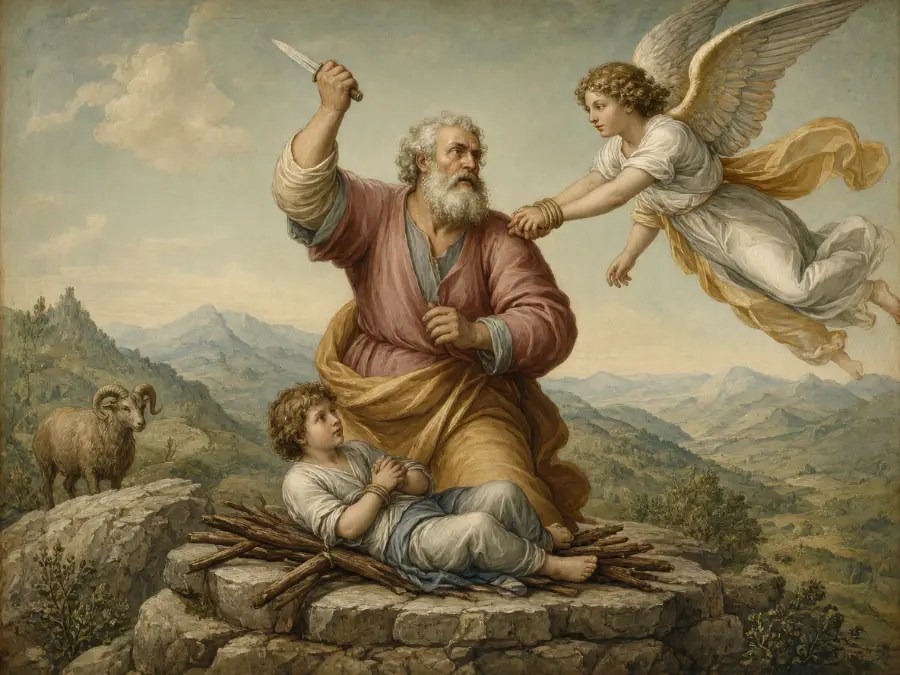
Luke 23:34
“And Jesus said, ‘Father, forgive them, for they know not what they do.’”
Reflection: Jesus asks forgiveness for the people crucifying him and gives a reason on their behalf: they do not know what they are doing. Some early manuscripts do not include the sentence, and the ESV notes this.
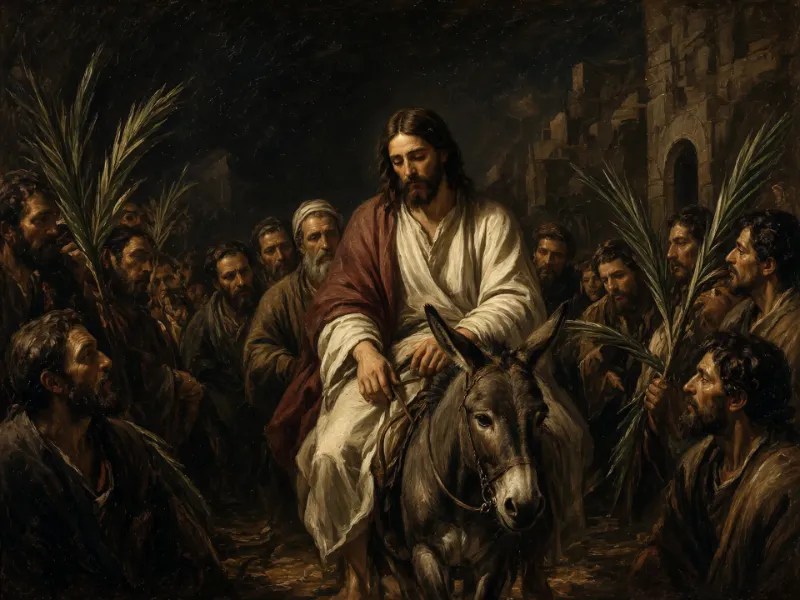
Acts 7:60
“And falling to his knees he cried out with a loud voice, ‘Lord, do not hold this sin against them.’”
Reflection: Stephen’s last two sayings follow two of Jesus’ sayings from the cross in Luke: “Lord Jesus, receive my spirit” (7:59; compare Luke 23:46) and this one. The witnesses had laid their garments at the feet of “a young man named Saul” (7:58), who later became the apostle Paul.
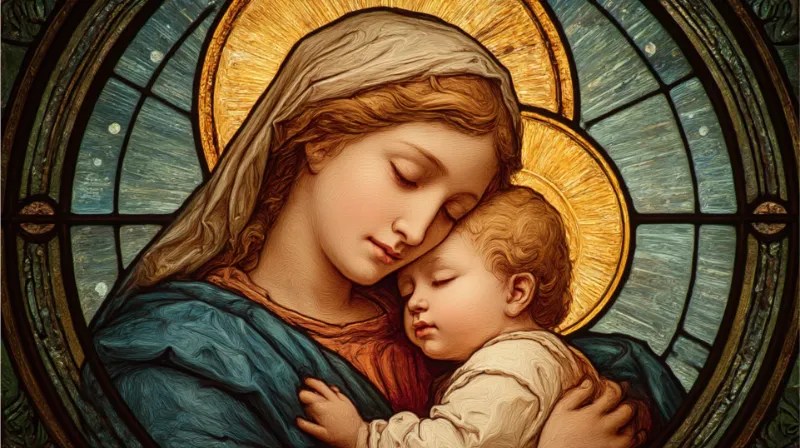
2 Corinthians 5:18-19
“All this is from God, who through Christ reconciled us to himself and gave us the ministry of reconciliation.”
Reflection: Paul describes reconciliation as God’s work first, and then as a task handed to believers: God “gave us the ministry of reconciliation.”
What holds the two subjects together
In Ephesians 4, what lies between the command about anger and the command to forgive is mostly about speech: no corrupting talk, only words that build others up, and bitterness, wrath, clamor and slander put away (4:29, 31).
The forgiveness passages also have limits. Jesus puts rebuke before forgiveness in Luke 17:3, so the wrong can be named. Paul allows that peace may not be possible, since it depends on the other person too (Romans 12:18). Forgiving someone and being reconciled to them are related but not the same, and reconciliation takes both people. For more, see Bible verses about restoration.


Leave a Reply