
 English
 Chinese
 Dutch
 Arabic
 Spanish
 Portuguese
 Russian
 French
 Italian
 German
 Japanese
The Bible places a person’s worth in being made and loved by God, and it treats physical beauty as real but fleeting. Genesis 1:27 and Psalm 139:14 tie worth to creation, Isaiah 43:4 and Luke 12:7 to God’s regard, and Romans 5:8 to Christ’s death for sinners.
On looks, 1 Samuel 16:7 says “the LORD looks at the heart,” Proverbs 31:30 says “beauty is fleeting,” 1 Peter 3:3-4 speaks of “the unfading beauty of a gentle and quiet spirit,” and Isaiah 53:2 says the servant of the Lord had “no beauty or majesty to attract us to him.” Scripture also praises beauty openly: Psalm 45:11 and Song of Solomon 4:7 admire a bride, and Psalm 27:4 asks “to gaze on the beauty of the LORD.”
Made by God
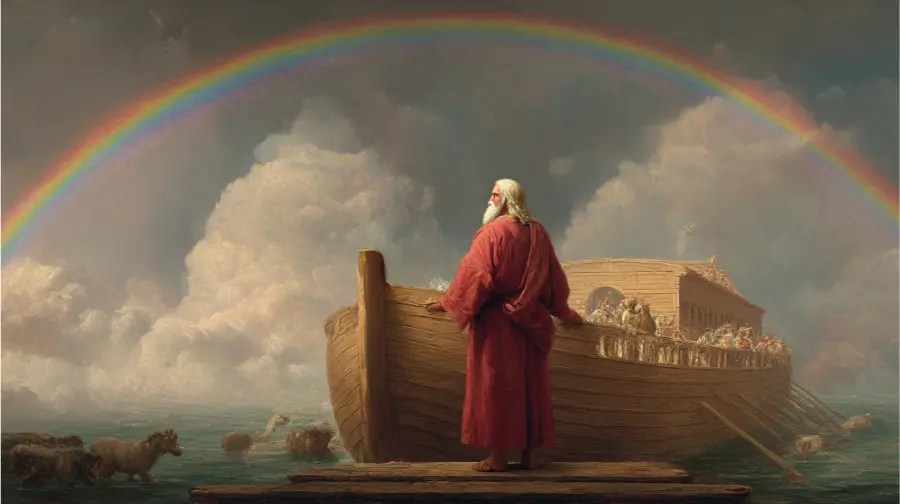
Genesis 1:27
“So God created mankind in his own image, in the image of God he created them; male and female he created them.”
Reflection: The verse belongs to the account of the sixth day. God’s words just before it, “Let us make mankind in our image, in our likeness” (1:26), come before any task is given; the blessing and the command to fill the earth and rule over it follow in verse 28. The image is given to male and female alike.
Psalm 8:4-5
“What is mankind that you are mindful of them, human beings that you care for them? You have made them a little lower than the angels and crowned them with glory and honor.”
Reflection: David asks the question while looking at the night sky: “When I consider your heavens, the work of your fingers, the moon and the stars” (verse 3). Against that scale he sets the glory and honor God has given human beings, and verse 6 adds that God made them “rulers over the works of your hands.” Hebrews 2:6-9 quotes these lines and applies the crowning to Jesus, “now crowned with glory and honor because he suffered death.”
Psalm 139:14
“I praise you because I am fearfully and wonderfully made; your works are wonderful, I know that full well.”
Reflection: The verse sits between two lines about how the speaker was made: “you knit me together in my mother’s womb” (verse 13) and “when I was woven together in the depths of the earth” (verse 15). The praise is addressed to God for his work, and the psalmist says he knows it “full well.” Verse 16 adds that all his days were written in God’s book “before one of them came to be.”

Isaiah 64:8
“Yet you, LORD, are our Father. We are the clay, you are the potter; we are all the work of your hand.”
Reflection: The prayer reaches this verse straight after a confession: “all our righteous acts are like filthy rags” and “you have hidden your face from us” (verses 6-7). Verse 8 names nothing the people have done. It names God as Father and potter and the people as “all the work of your hand,” and verse 9 asks, “do not remember our sins forever.”

Ephesians 2:10
“For we are God’s handiwork, created in Christ Jesus to do good works, which God prepared in advance for us to do.”
Reflection: Paul has just said that salvation is by grace, “through faith,” and “not by works, so that no one can boast” (verses 8-9). Verse 10 then calls believers God’s handiwork, created in Christ for good works that God “prepared in advance.” The works come after the making, and verse 9 has already ruled them out as the ground of salvation.
Outward appearance and the heart
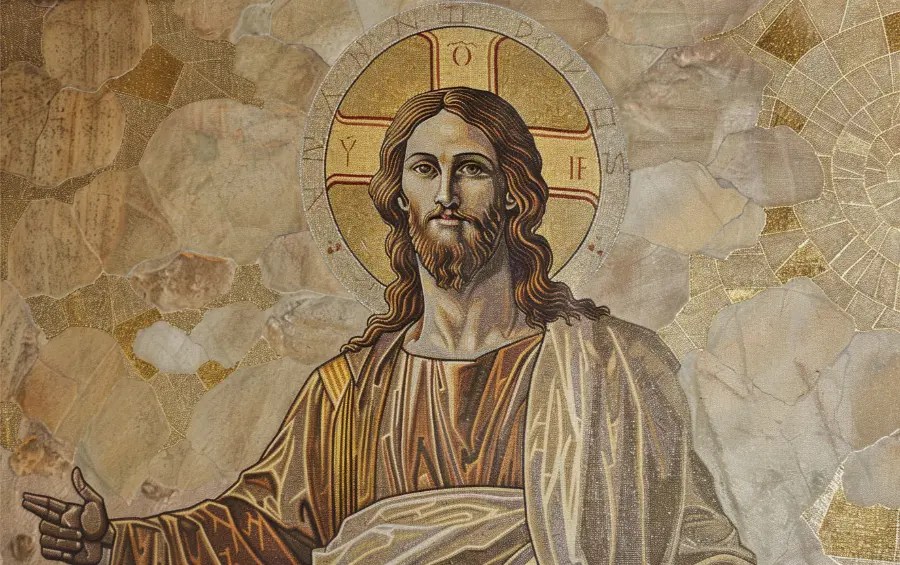
1 Samuel 16:7
“But the LORD said to Samuel, ‘Do not consider his appearance or his height, for I have rejected him. The LORD does not look at the things people look at. People look at the outward appearance, but the LORD looks at the heart.’”
Reflection: Samuel has come to Bethlehem to anoint one of Jesse’s sons, and on seeing Eliab he thinks, “Surely the LORD’s anointed stands here” (verse 6). The Lord turns him from appearance and height to the heart, and seven sons pass by without being chosen. When the youngest, David, is brought in from the sheep, verse 12 describes him as “glowing with health” with “handsome features.” The narrative records his looks, and the Lord’s word in verse 7 says what the choice rests on.
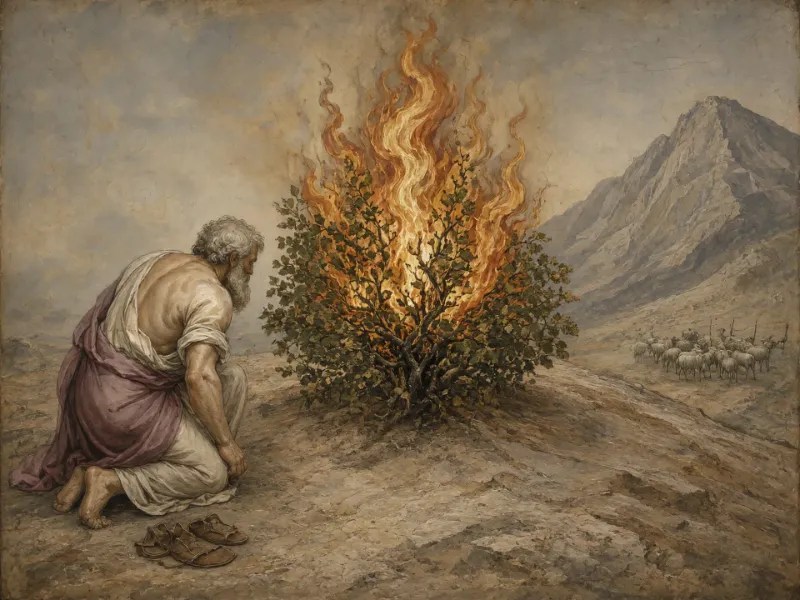
1 Peter 3:3-4
“Your beauty should not come from outward adornment, such as elaborate hairstyles and the wearing of gold jewelry or fine clothes. Rather, it should be that of your inner self, the unfading beauty of a gentle and quiet spirit, which is of great worth in God’s sight.”
Reflection: Peter is writing to wives, some with husbands who do not believe the word; he hopes those husbands “may be won over without words by the behavior of their wives” (verse 1). Hairstyles, gold and fine clothes are set beside “the unfading beauty of a gentle and quiet spirit,” which is “of great worth in God’s sight.” Verse 5 says the holy women of the past “who put their hope in God” adorned themselves this way. 1 Timothy 2:9-10 gives a similar instruction, asking women to adorn themselves “with good deeds.”

Proverbs 31:30
“Charm is deceptive, and beauty is fleeting; but a woman who fears the LORD is to be praised.”
Reflection: The verse comes near the end of the poem that closes Proverbs, which opens, “A wife of noble character who can find? She is worth far more than rubies” (31:10). Her husband has just praised her above “many women” (verse 29). Charm and beauty are set against the fear of the Lord, and verse 31 asks that she be honored “for all that her hands have done.”

Isaiah 53:2
“He grew up before him like a tender shoot, and like a root out of dry ground. He had no beauty or majesty to attract us to him, nothing in his appearance that we should desire him.”
Reflection: From Isaiah 52:13 the passage describes the servant of the Lord, who is “despised and rejected by mankind” (53:3) and “pierced for our transgressions” (53:5). Verse 2 says he grew up “like a root out of dry ground,” with nothing in his appearance to make anyone desire him. In Acts 8:32-35, the Ethiopian eunuch is reading Isaiah 53:7-8, and Philip begins from that passage and tells him “the good news about Jesus.”
Beauty the Bible praises
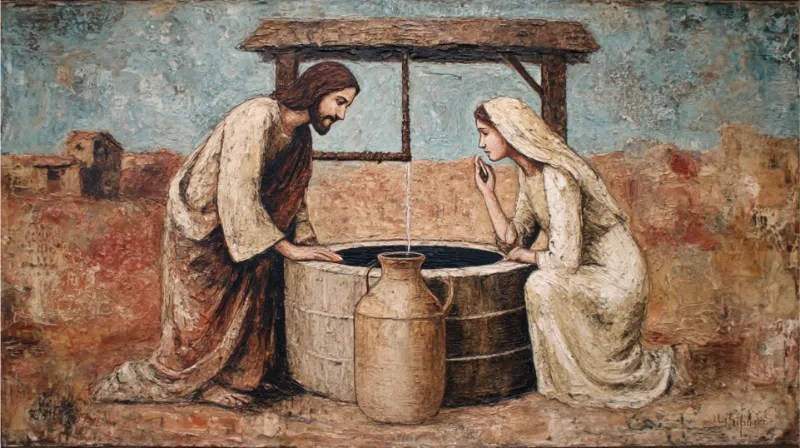
Psalm 45:11
“Let the king be enthralled by your beauty; honor him, for he is your lord.”
Reflection: Psalm 45 is headed “A wedding song.” Its first half praises the king, “the most excellent of men” (verse 2), and from verse 10 it turns to the bride, telling her to forget her people and her father’s house. The king’s delight in her beauty comes with the instruction to honor him, and verse 13 describes her as “all glorious,” in a gown “interwoven with gold.”

Song of Solomon 4:7
“You are altogether beautiful, my darling; there is no flaw in you.”
Reflection: The man in the Song speaks this line to the woman he calls “my bride” in the next verse. It closes a description that began in verse 1 with “How beautiful you are, my darling! Oh, how beautiful!” and moved through her eyes, hair, teeth, lips, temples, neck and breasts. Verse 7 sums up the whole list.
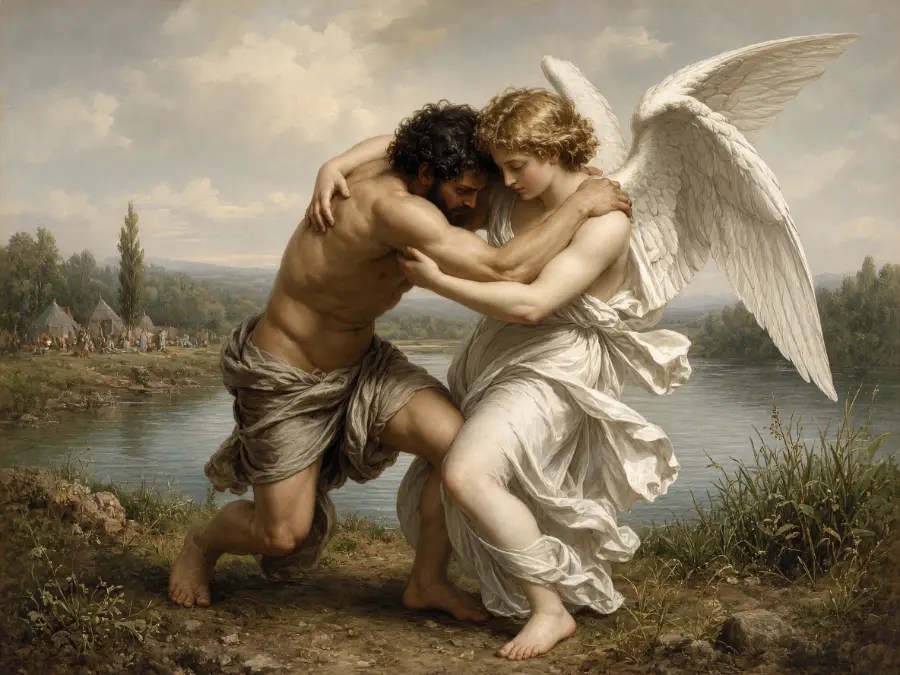
Psalm 27:4
“One thing I ask from the LORD, this only do I seek: that I may dwell in the house of the LORD all the days of my life, to gaze on the beauty of the LORD and to seek him in his temple.”
Reflection: Here the beauty belongs to God. The psalm is headed “Of David” and opens, “The LORD is my light and my salvation.” Its one request is to live in the Lord’s house and gaze on his beauty, and around that request it speaks of enemies who “stumble and fall” (verse 2) and ends, “wait for the LORD” (verse 14).
Worth in God’s sight
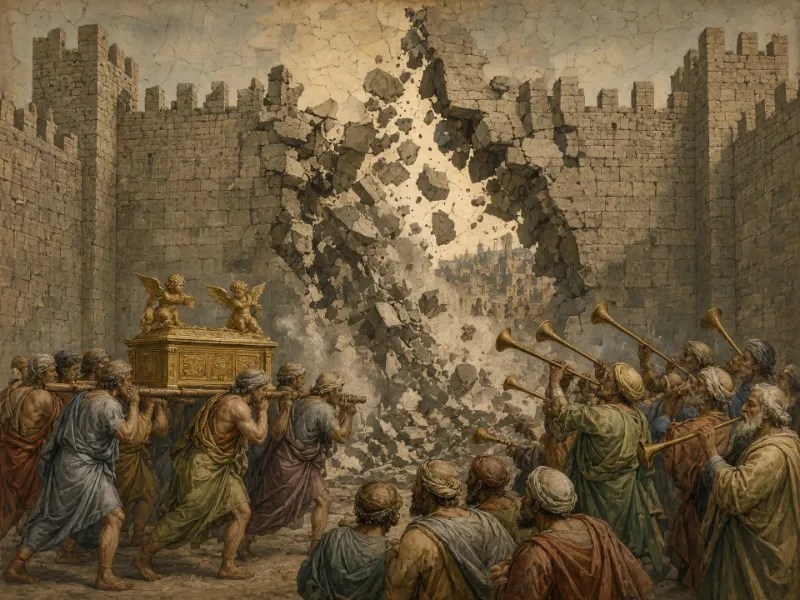
Isaiah 43:4
“Since you are precious and honored in my sight, and because I love you…”
Reflection: God speaks to Jacob, that is, Israel, whom he “created” and “formed” (verse 1), and he has already said, “you are mine.” Verse 3 names a ransom, Egypt, Cush and Seba, and verse 4 gives the reason for it: the people are precious and honored in his sight, and he loves them. Verse 7 adds that they were created “for my glory.”
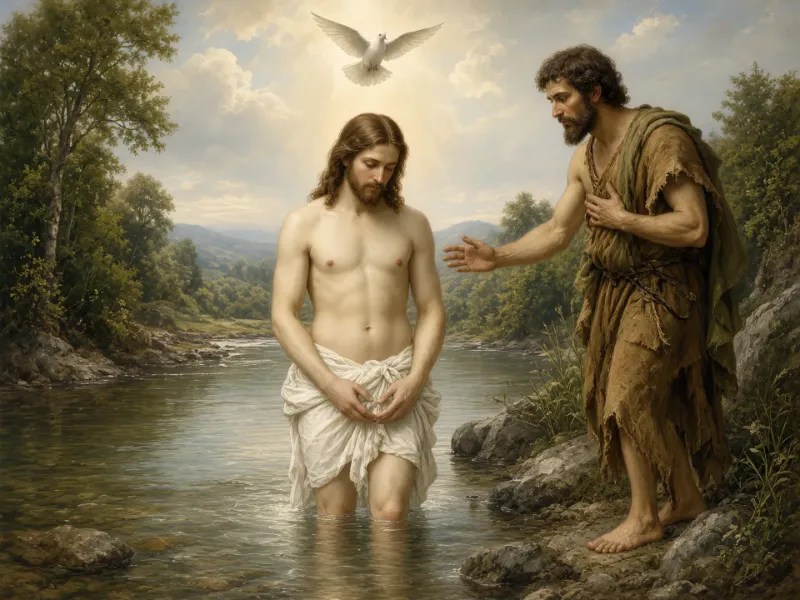
Luke 12:7
“Indeed, the very hairs of your head are all numbered. Don’t be afraid; you are worth more than many sparrows.”
Reflection: Jesus is telling his friends not to fear those who can kill the body (verse 4). Five sparrows sell for two pennies, yet God forgets none of them (verse 6). The numbered hairs and the comparison with sparrows serve the same command, which Jesus repeats here: “Don’t be afraid.”
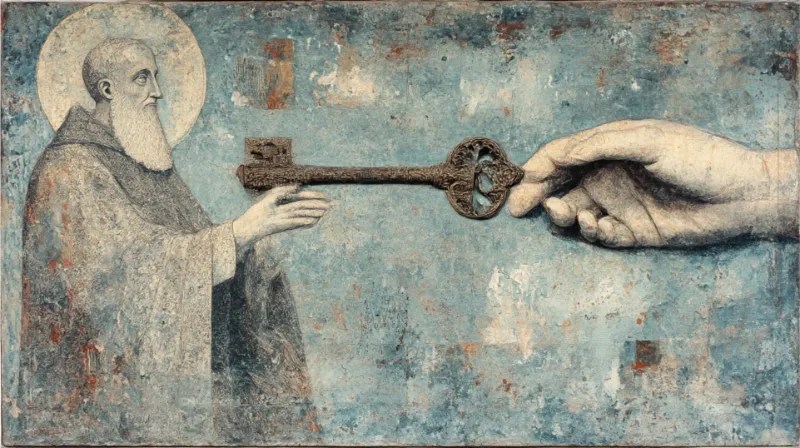
Zephaniah 3:17
“The LORD your God is with you, the Mighty Warrior who saves. He will take great delight in you; in his love he will no longer rebuke you, but will rejoice over you with singing.”
Reflection: The prophet calls on “Daughter Zion” to sing because the Lord “has taken away your punishment” (verse 15). Verse 17 is what will be said to Jerusalem “on that day” (verse 16): God is with the city, takes delight in it and rejoices over it with singing. The delight follows the removal of punishment, and the verse says he “will no longer rebuke you.”
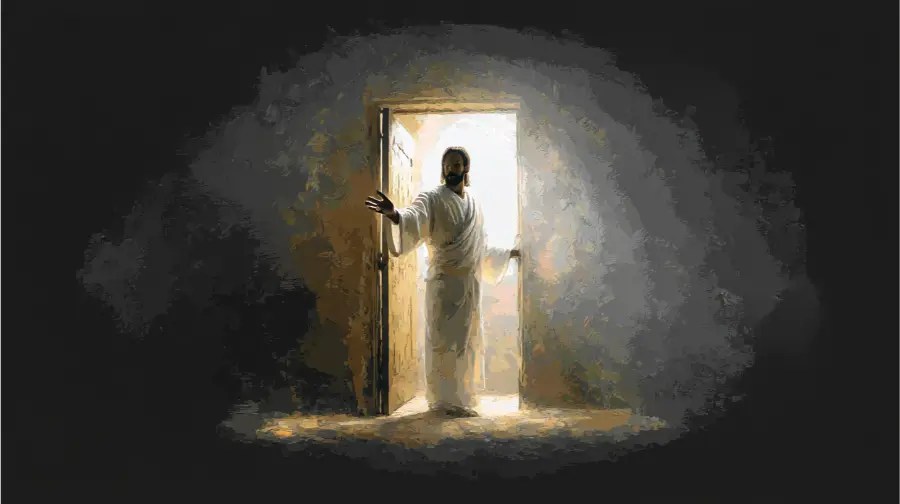
Romans 5:8
“But God demonstrates his own love for us in this: While we were still sinners, Christ died for us.”
Reflection: Paul sets two kinds of death side by side: someone might “possibly dare to die” for a good person (verse 7), and Christ died for people who were “still sinners.” Verse 6 calls them “powerless” and “ungodly.” The love the verse describes was shown before any change in the people it was shown to.
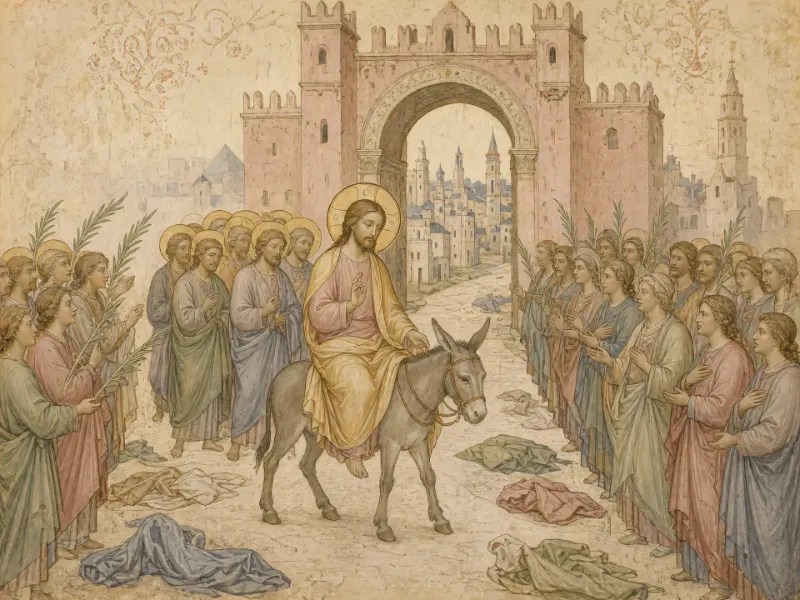
1 Corinthians 6:19-20
“Do you not know that your bodies are temples of the Holy Spirit, who is in you, whom you have received from God? You are not your own; you were bought at a price. Therefore honor God with your bodies.”
Reflection: Paul writes this in an argument against sexual immorality, which he says is a sin “against their own body” (verse 18). The body is a temple of the Holy Spirit, and the person is “not your own” but “bought at a price.” Both statements lead to the command that closes the chapter: “honor God with your bodies.”
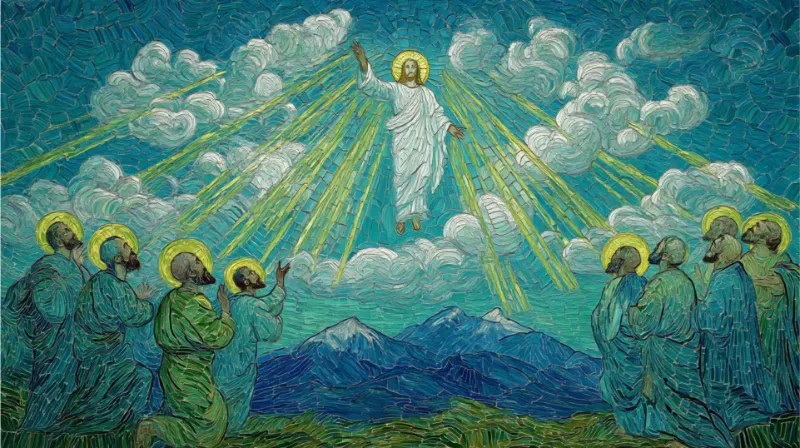
2 Corinthians 5:17
“Therefore, if anyone is in Christ, the new creation has come: The old has gone, the new is here!”
Reflection: The verse before it says, “from now on we regard no one from a worldly point of view,” and Paul admits he once regarded Christ that way. Verse 17 follows with “Therefore”: anyone in Christ is a new creation. Paul applies the new way of seeing to other people in verse 16 and to the believer in verse 17.


Leave a Reply