
 English
 Chinese
 Dutch
 Arabic
 Spanish
 Portuguese
 Russian
 French
 Italian
 German
 Japanese
The Bible treats blindness to the truth as both a refusal and a judgment. People “loved darkness instead of light” (John 3:19), and Isaiah 6:9-10, quoted in Matthew 13:14-15 and John 12:40, sends a prophet whose message will close a people’s eyes.
The same language is used of believers. Jesus asks his own disciples whether they have eyes but fail to see (Mark 8:18), and Revelation 3:17 calls a church blind. The passages on sight being given back include Paul’s commission “to open their eyes” (Acts 26:18), the man born blind in John 9, and the prayer of Psalm 119:18.
Turning away from a plain truth
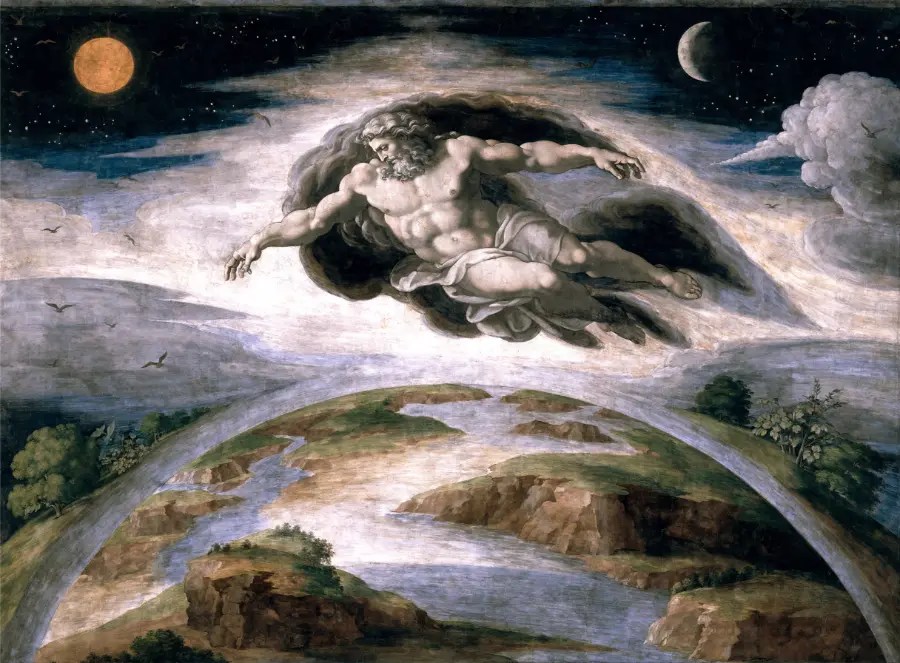
John 3:19-20
“This is the verdict: Light has come into the world, but people loved darkness instead of light because their deeds were evil. Everyone who does evil hates the light, and will not come into the light for fear that their deeds will be exposed.”
Reflection: The verdict follows John 3:16-18, where whoever does not believe “stands condemned already.” The reason given is a matter of love and fear: people loved darkness because their deeds were evil, and they stay away from the light “for fear that their deeds will be exposed.” Verse 21 gives the other side: “whoever lives by the truth comes into the light.”
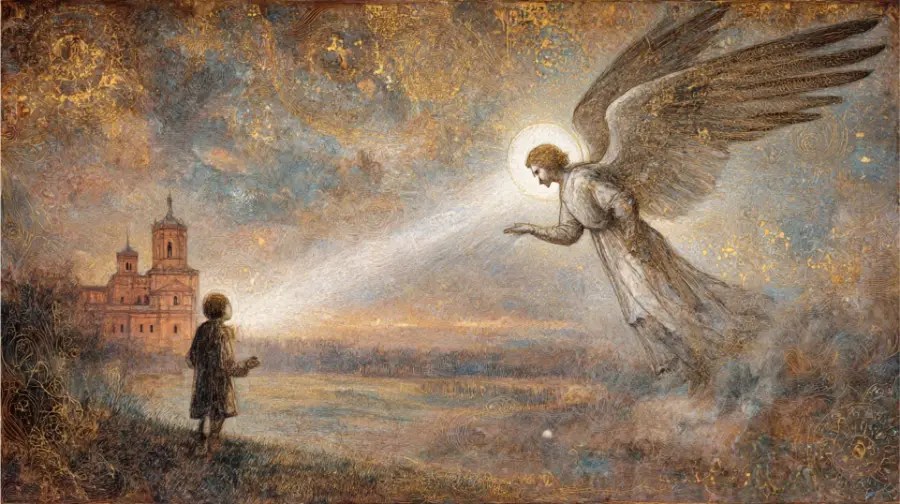
Romans 1:21-22
“For although they knew God, they neither glorified him as God nor gave thanks to him, but their thinking became futile and their foolish hearts were darkened. Although they claimed to be wise, they became fools.”
Reflection: Paul says these people knew God, because “what may be known about God is plain to them” (Romans 1:19) and they are “without excuse” (1:20). The darkening comes after the refusal to glorify God or thank him. Verse 18 calls this suppressing “the truth by their wickedness,” and verse 25 says they “exchanged the truth about God for a lie.”
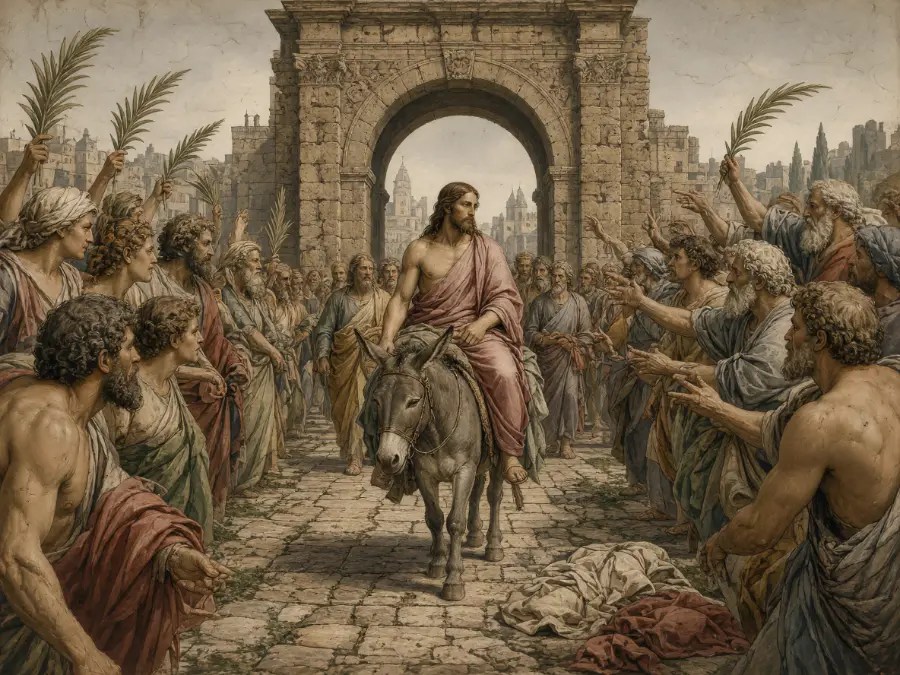
John 8:43-44
“Why is my language not clear to you? Because you are unable to hear what I say. You belong to your father, the devil, and you want to carry out your father’s desires.”
Reflection: Jesus is speaking to people who claim God as their Father, and verse 42 answers the claim: “If God were your Father, you would love me.” They cannot hear his words because they belong to the devil, whom verse 44 goes on to call “a liar and the father of lies.” Verse 47 states the conclusion plainly: “The reason you do not hear is that you do not belong to God.”

2 Timothy 4:3-4
“For the time will come when people will not put up with sound doctrine. Instead, to suit their own desires, they will gather around them a great number of teachers to say what their itching ears want to hear. They will turn their ears away from the truth and turn aside to myths.”
Reflection: Paul sets this warning inside his charge to Timothy to “Preach the word” (4:2). The people he describes choose their teachers to suit their own desires, and turning their ears from the truth leads them to myths. Verse 5 gives Timothy his response: “But you, keep your head in all situations.”
Those who are sure they see
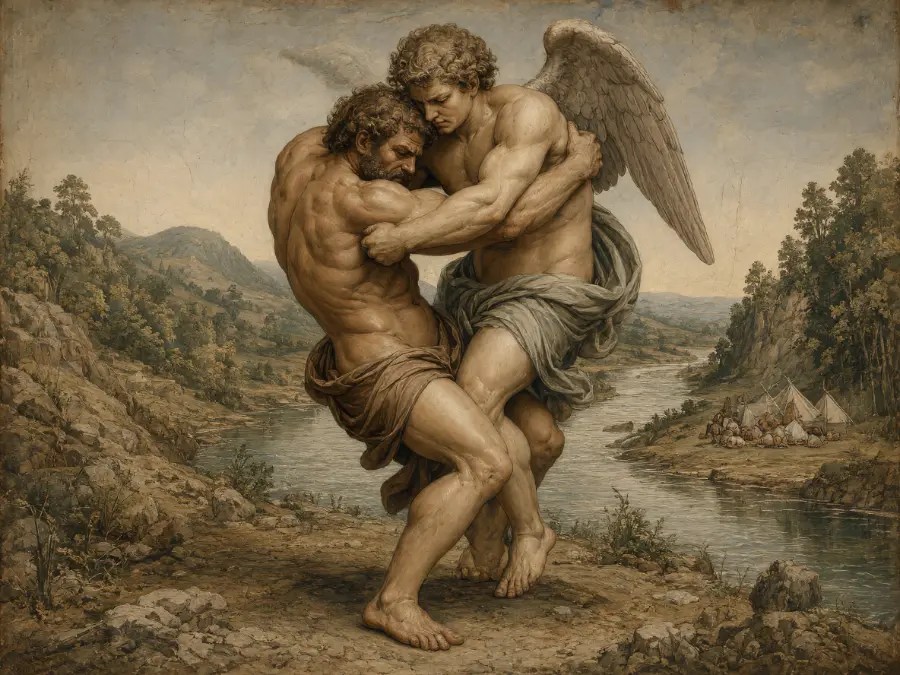
Jeremiah 17:9
“The heart is deceitful above all things and beyond cure. Who can understand it?”
Reflection: The verse follows the contrast between the one who trusts in man, like a bush in the wastelands, and the one who trusts in the Lord, like a tree planted by water (Jeremiah 17:5-8). The question “Who can understand it?” is answered in the next verse by the Lord himself: “I the Lord search the heart and examine the mind.”
Proverbs 26:12
“Do you see a person wise in their own eyes? There is more hope for a fool than for them.”
Reflection: Proverbs 26 opens with a run of sayings about the fool, including “Answer a fool according to his folly, or he will be wise in his own eyes” (26:5). Verse 12 then ranks the person wise in their own eyes below the fool. Being sure of one’s own judgment is treated as the worse condition.
Proverbs 14:12
“There is a way that appears to be right, but in the end it leads to death.”
Reflection: The proverb describes someone who sees no danger in a path that ends in death. Verse 15 explains how the prudent judge a path before taking it: they “give thought to their steps.”
Matthew 15:14
“Leave them; they are blind guides. If the blind lead the blind, both will fall into a pit.”
Reflection: The disciples have just told Jesus that the Pharisees were offended by his teaching that what comes out of the mouth defiles a person. He answers that every plant his Father has not planted “will be pulled up by the roots,” and tells the disciples to leave the Pharisees alone. The danger he names falls on both the guides and those who follow them.
Revelation 3:17
“You say, ‘I am rich; I have acquired wealth and do not need a thing.’ But you do not realize that you are wretched, pitiful, poor, blind and naked.”
Reflection: The words are addressed to the church in Laodicea, which Jesus calls lukewarm (3:16). The church’s own account of itself is wealth and self-sufficiency, and his account is poverty, blindness and nakedness. Verse 18 answers each lack, including “salve to put on your eyes, so you can see,” and verse 19 adds, “Those whom I love I rebuke and discipline.”
John 9:39
“Jesus said, ‘For judgment I have come into this world, so that the blind will see and those who see will become blind.’”
Reflection: Jesus says this to the man he healed of blindness, after the Pharisees had thrown the man out. Some Pharisees overhear and ask, “Are we blind too?” His reply in verse 41 places the guilt in the claim to see: “If you were blind, you would not be guilty of sin; but now that you claim you can see, your guilt remains.”
Blindness as a judgment
Isaiah 6:9-10
“He said, ‘Go and tell this people: ‘Be ever hearing, but never understanding; be ever seeing, but never perceiving.’ Make the heart of this people calloused; make their ears dull and close their eyes. Otherwise they might see with their eyes, hear with their ears, understand with their hearts, and turn and be healed.’”
Reflection: These are the words Isaiah is given to carry after he sees the Lord in the temple and answers, “Here am I. Send me!” (6:8). He asks how long the message will last, and the answer is until the cities lie ruined, though a stump remains: “the holy seed will be the stump in the land” (6:13). Jesus quotes the passage in Matthew 13:14-15 to explain why he speaks in parables, where it reads “this people’s heart has become calloused.”
John 12:40
“He has blinded their eyes and hardened their hearts, so they can neither see with their eyes, nor understand with their hearts, nor turn—and I would heal them.”
Reflection: John quotes Isaiah 6:10 at the close of Jesus’ public signs. Verse 37 says the people “still would not believe,” and verse 39 says “they could not believe,” so the passage holds both together. Verse 42 adds that many leaders did believe but kept quiet for fear of being put out of the synagogue.

Romans 11:8
“as it is written: ‘God gave them a spirit of stupor, eyes that could not see and ears that could not hear, to this very day.’”
Reflection: Paul is explaining why Israel did not obtain what it sought: “The elect among them did, but the others were hardened” (11:7). The words “to this very day” echo Deuteronomy 29:4, where Moses tells Israel the Lord had not given them “eyes that see.” Paul then asks whether they stumbled “so as to fall beyond recovery” and answers, “Not at all!” (11:11), and he later calls it “a hardening in part” (11:25).
2 Corinthians 4:4
“The god of this age has blinded the minds of unbelievers, so that they cannot see the light of the gospel that displays the glory of Christ, who is the image of God.”
Reflection: Verse 3 allows that “even if our gospel is veiled,” it is veiled “to those who are perishing.” The blinding is laid to “the god of this age.” Verse 6 sets God’s act against it: the God who said “Let light shine out of darkness” made his light shine in our hearts.
When believers fail to see
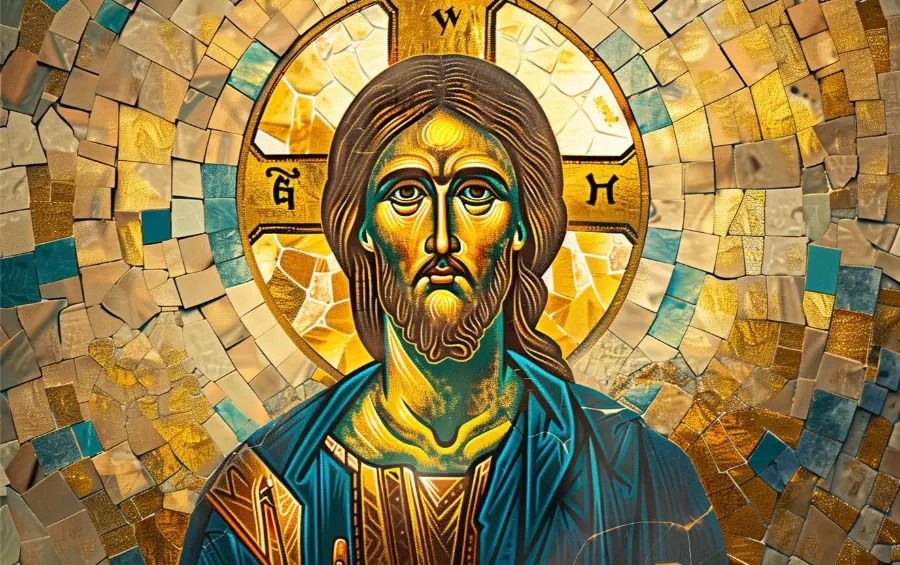
Mark 8:17-18
“Aware of their discussion, Jesus asked them: ‘Why are you talking about having no bread? Do you still not see or understand? Are your hearts hardened? Do you have eyes but fail to see, and ears but fail to hear?’”
Reflection: Jesus has warned the disciples in the boat about “the yeast of the Pharisees and that of Herod,” and they take it as a remark about having brought only one loaf. He reminds them of the twelve basketfuls after the five thousand and the seven after the four thousand. Mark 4:12 had used the words “ever seeing but never perceiving” for those on the outside; here the question is put to the disciples.
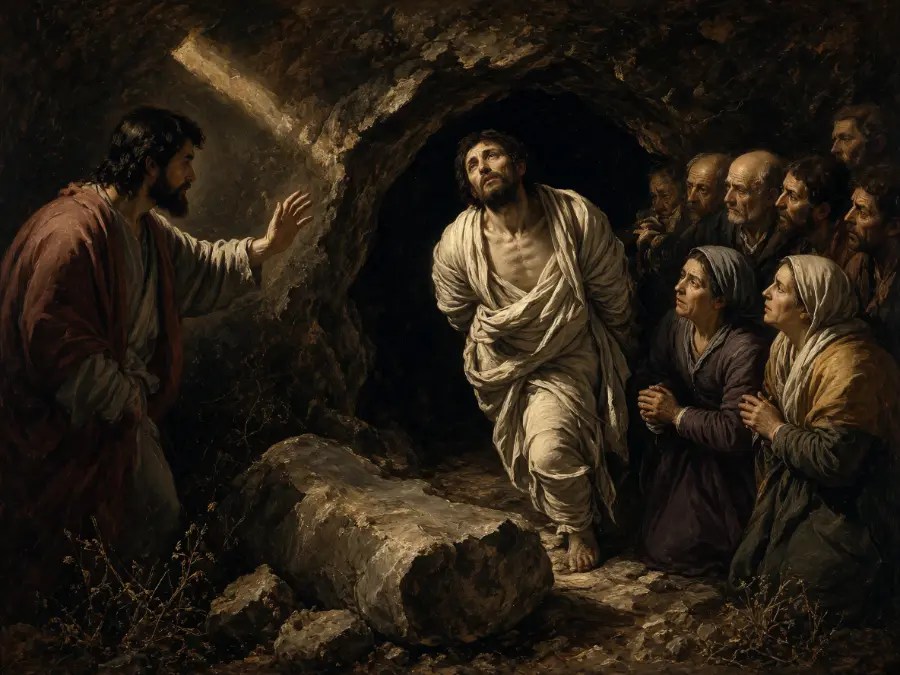
Luke 24:25-26
“He said to them, ‘How foolish you are, and how slow to believe all that the prophets have spoken! Did not the Messiah have to suffer these things and then enter his glory?’”
Reflection: The two disciples on the road to Emmaus “were kept from recognizing him” (24:16) and have heard the women’s report of an empty tomb without believing it. Jesus explains from Moses and all the Prophets what the Scriptures say about himself. Their eyes are opened when he breaks bread with them (24:31), and later in the chapter “he opened their minds so they could understand the Scriptures” (24:45).
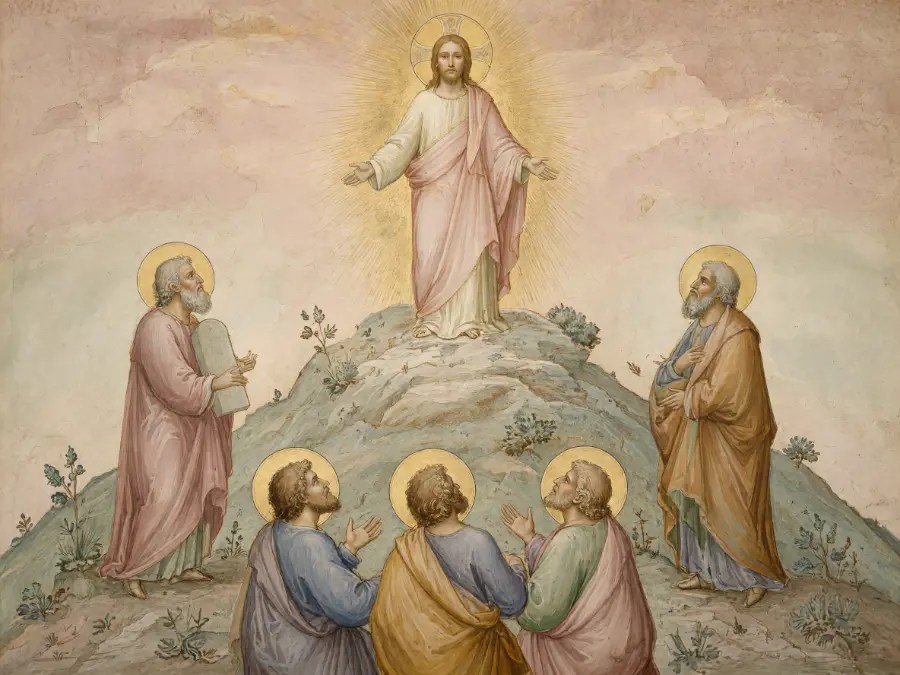
Hebrews 5:11-12
“We have much to say about this, but it is hard to make it clear to you because you no longer try to understand. In fact, though by this time you ought to be teachers, you need someone to teach you the elementary truths of God’s word all over again. You need milk, not solid food!”
Reflection: After naming Jesus as high priest in the order of Melchizedek in verse 10, the writer pauses because the hearers have stopped trying to understand. They still need the milk of basic teaching. Verse 14 describes those ready for solid food as people who have practiced distinguishing good from evil.
2 Peter 1:9
“But whoever does not have them is nearsighted and blind, forgetting that they have been cleansed from their past sins.”
Reflection: “Them” refers to the qualities listed in verses 5-7: goodness, knowledge, self-control, perseverance, godliness, mutual affection and love, added to faith. The blindness described belongs to people who have been “cleansed from their past sins,” and it shows itself as forgetting that cleansing. Verse 8 says the same qualities keep a believer from being “ineffective and unproductive.”
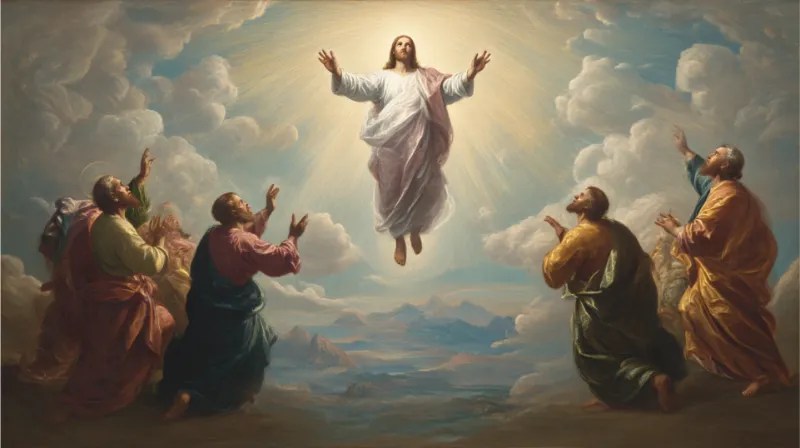
1 John 2:11
“But anyone who hates a brother or sister is in the darkness and walks around in the darkness. They do not know where they are going, because the darkness has blinded them.”
Reflection: John’s test is love. Verse 9 says, “Anyone who claims to be in the light but hates a brother or sister is still in the darkness,” and verse 10 says the one who loves has nothing “to make them stumble.” In this passage the cause of the blindness is hatred, and the person does not know where they are going.
When eyes are opened
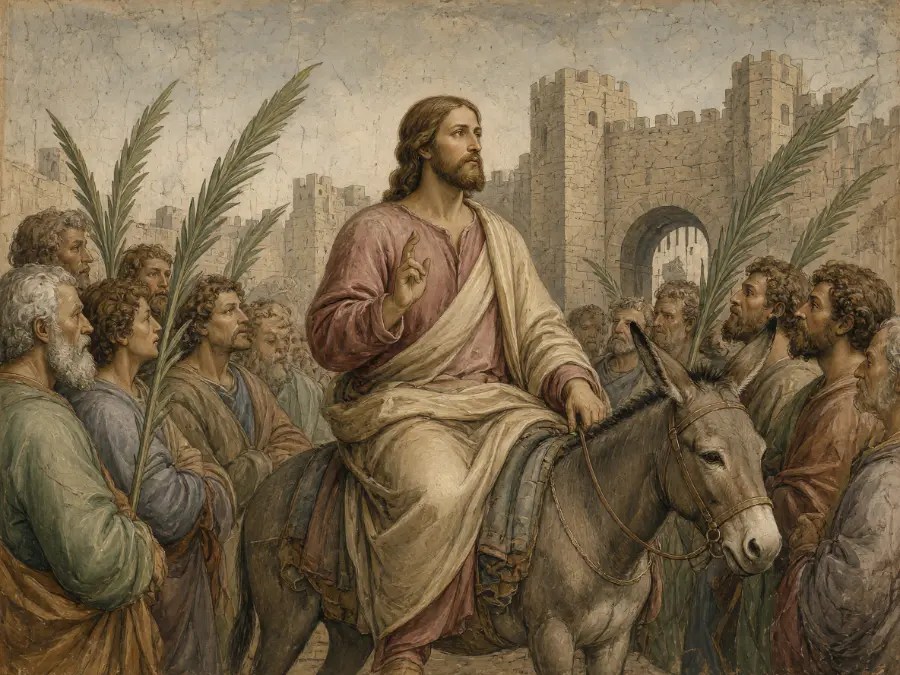
2 Corinthians 3:16
“But whenever anyone turns to the Lord, the veil is taken away.”
Reflection: Paul uses the veil Moses put over his face as a picture of what remains “when the old covenant is read” (3:14), and says that “only in Christ is it taken away.” The removal is tied to turning to the Lord. Verse 18 describes those “with unveiled faces” as “being transformed into his image.”
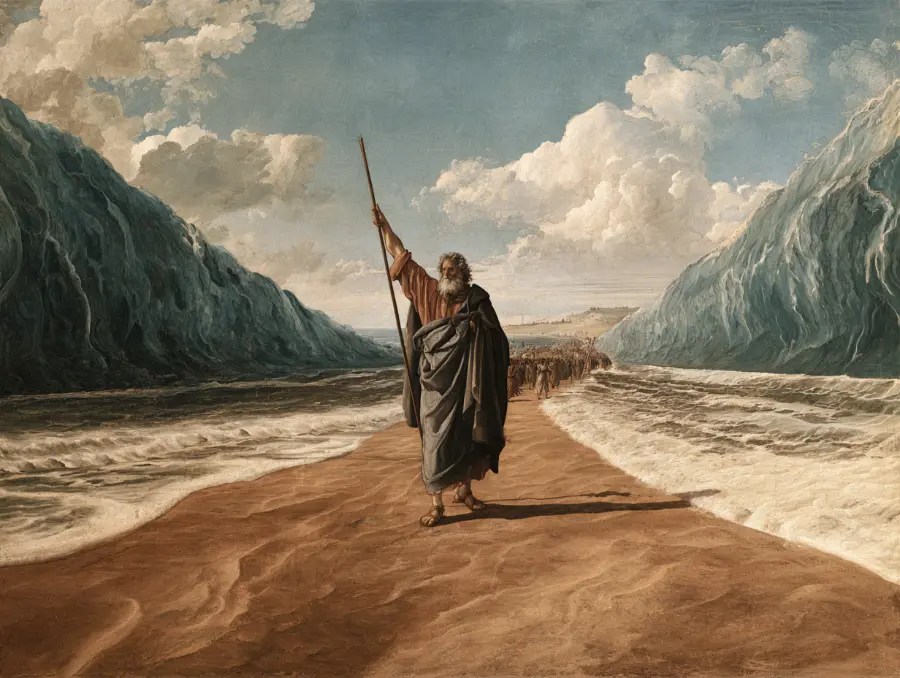
Acts 26:18
“to open their eyes and turn them from darkness to light, and from the power of Satan to God, so that they may receive forgiveness of sins and a place among those who are sanctified by faith in me.”
Reflection: Paul tells King Agrippa what Jesus said to him on the road to Damascus. The commission to open their eyes, sent to his own people and to the Gentiles (26:17), is paired with two turnings, from darkness to light and from the power of Satan to God, and ends in forgiveness of sins. Acts 9:8-18 records that Paul was himself blind for three days before “something like scales fell from Saul’s eyes.”
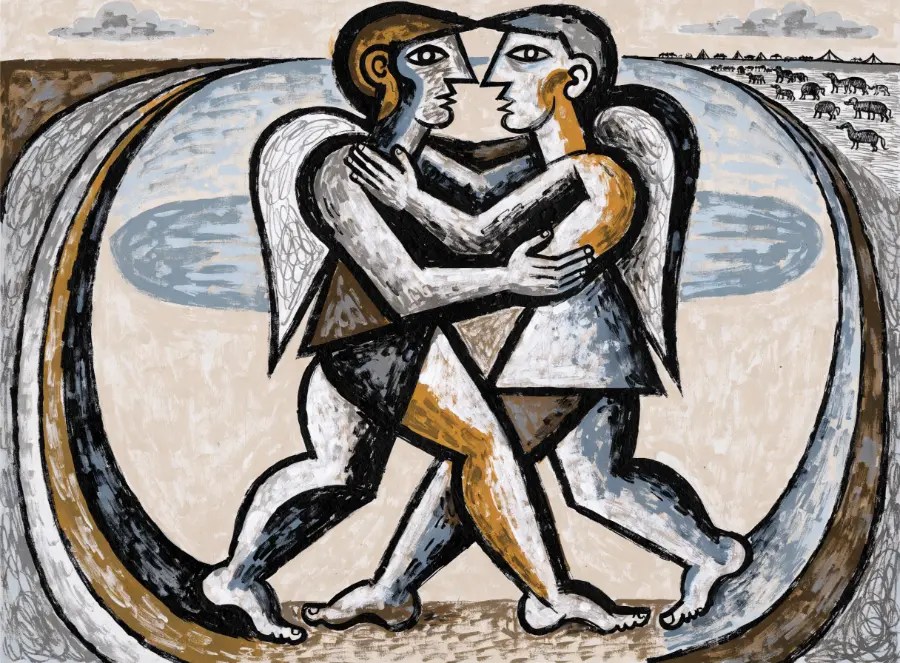
John 9:25
“He replied, ‘Whether he is a sinner or not, I don’t know. One thing I do know. I was blind but now I see!’”
Reflection: The man born blind is being questioned a second time by Pharisees who insist, “We know this man is a sinner” (9:24). He will not argue the point and states only what happened to him. By verse 38 he says, “Lord, I believe,” and the chapter that began with Jesus as “the light of the world” (9:5) ends with Jesus telling the Pharisees, “your guilt remains.”
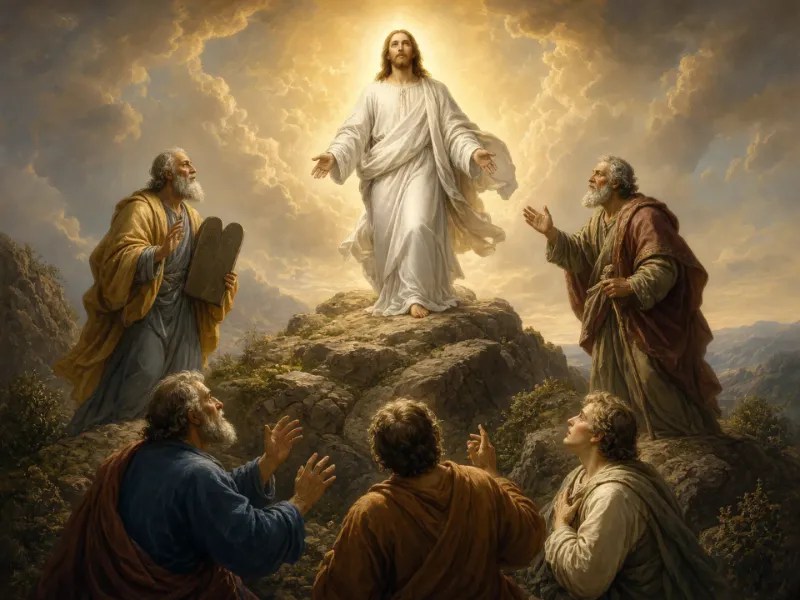
Ephesians 1:18
“I pray that the eyes of your heart may be enlightened in order that you may know the hope to which he has called you, the riches of his glorious inheritance in his holy people.”
Reflection: Paul tells the Ephesians what he keeps asking God for them: “the Spirit of wisdom and revelation, so that you may know him better” (1:17). The eyes of the heart are to see three things: the hope of God’s calling, the riches of his inheritance, and “his incomparably great power for us who believe” (1:19). The people prayed for already have faith and love (1:15).

Psalm 119:18
“Open my eyes that I may see wonderful things in your law.”
Reflection: This line is addressed to God, and the wonderful things are already in the law; what the psalmist asks for is the sight to see them. The next verse continues the request: “I am a stranger on earth; do not hide your commands from me.”
Who closes the eyes
John 12:37-40 says both that the people “would not believe” (12:37) and that “they could not believe” because “He has blinded their eyes” (12:39-40); Romans 1 has people suppressing the truth (1:18) before “God gave them over” (1:24). The texts state both sides without setting out how they fit together.
Psalm 119:18 is addressed to God and can be prayed as written. Ephesians 1:17-18 is Paul’s account of his prayer for a church, and it can be prayed for others in the same words.


Leave a Reply