
 English
 Chinese
 Dutch
 Arabic
 Spanish
 Portuguese
 Russian
 French
 Italian
 German
 Japanese
In the Bible, calm is something God makes and gives, and also something a person does. Jesus speaks to the waves and “it was completely calm” (Mark 4:39), and David says, “I have calmed and quieted myself” (Psalm 131:2).
Calm also appears as the stillness Moses asks of Israel with the Egyptian army behind them (Exodus 14:14), as quietness and trust set against an alliance with Egypt (Isaiah 30:15), as peace given in answer to prayer (Philippians 4:6-7), the peace Jesus left his disciples at the meal before his arrest (John 14:27), and the even temper that settles a quarrel (Proverbs 15:18).
When God stills wind and water

Mark 4:39
“He got up, rebuked the wind and said to the waves, ‘Quiet! Be still!’ Then the wind died down and it was completely calm.”
Reflection: The disciples are crossing the lake at evening with Jesus asleep on a cushion in the stern, and the waves are breaking over the boat. They wake him with “Teacher, don’t you care if we drown?” He speaks to the wind and the water first, and then to the men: “Why are you so afraid? Do you still have no faith?” Mark ends the scene with the disciples terrified and asking, “Who is this?”
Psalm 107:29-30
“He stilled the storm to a whisper; the waves of the sea were hushed. They were glad when it grew calm, and he guided them to their desired haven.”
Reflection: The psalm describes merchants at sea caught in a tempest the Lord himself stirred up (verse 25), until “their courage melted away” and “they were at their wits’ end.” They cry out, and he quiets the sea. Verse 30 records what the calm meant to them: they were glad, and he guided them to the haven they wanted.
God over flood, earthquake and war

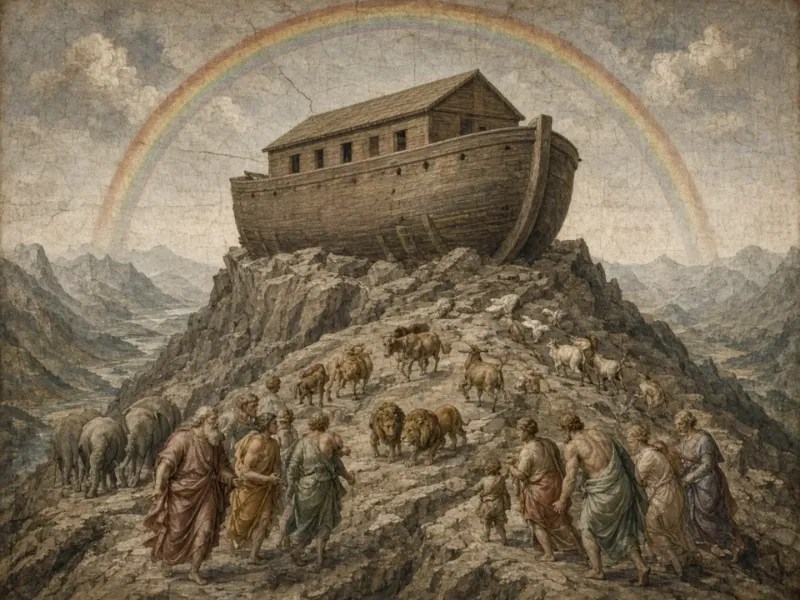
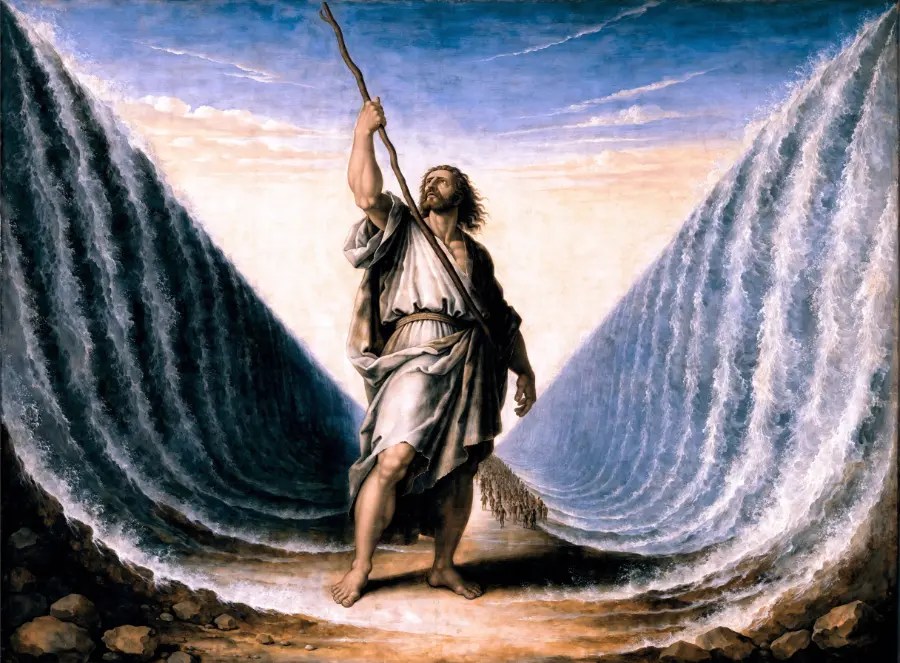
Exodus 14:14
“The Lord will fight for you; you need only to be still.”
Reflection: Israel is camped by the sea when Pharaoh’s army comes marching after them. The people are terrified and tell Moses it would have been better to serve the Egyptians than to die in the desert (verse 12). Moses answers with “Do not be afraid. Stand firm,” and ends with this verse, which leaves the fighting to the Lord and asks only stillness of the people. Nothing has happened yet when he says it: the waters are divided only in verse 21, after the Lord tells Moses, “Tell the Israelites to move on” (verse 15).

Psalm 29:11
“The Lord gives strength to his people; the Lord blesses his people with peace.”
Reflection: Most of this psalm of David follows the voice of the Lord through a thunderstorm: over the waters, breaking the cedars of Lebanon, shaking the desert, stripping the forests bare. Verse 10 says “The Lord sits enthroned over the flood.” The psalm’s last line turns from the storm to his people and gives them two things: strength and peace.
Psalm 46:1-2
“God is our refuge and strength, an ever-present help in trouble. Therefore we will not fear, though the earth give way and the mountains fall into the heart of the sea.”
Reflection: A song of the Sons of Korah. The “therefore” ties the refusal to fear to the opening statement that God is refuge and strength. The next verse keeps the upheaval going, with waters that “roar and foam” and mountains that quake, and verse 4 answers it with a river whose streams “make glad the city of God.”
Psalm 46:10
“He says, ‘Be still, and know that I am God; I will be exalted among the nations, I will be exalted in the earth.’”
Reflection: The command comes after verse 9 describes God making wars cease, breaking the bow and burning the shields. “Be still” is joined to “know that I am God,” and the rest of the verse speaks of God exalted among the nations. The psalm then repeats its refrain: “The Lord Almighty is with us; the God of Jacob is our fortress.”
A calmed and quieted heart

Psalm 131:2
“But I have calmed and quieted myself, I am like a weaned child with its mother; like a weaned child I am content.”
Reflection: The psalm is a song of ascents attributed to David, and it runs to three verses. Verse 1, addressed to the Lord, disowns pride and any concern with “things too wonderful for me.” In verse 2 the calm is something David says he did himself, and he compares himself to a weaned child content with its mother. Verse 3 turns to the nation: “Israel, put your hope in the Lord.”
Isaiah 26:3
“You will keep in perfect peace those whose minds are steadfast, because they trust in you.”
Reflection: The verse belongs to a song that Isaiah says “will be sung in the land of Judah” (verse 1), about a strong city whose walls are salvation. Peace is promised to the steadfast mind, and the reason given is trust. Verse 4 names what that trust rests on: “the Lord himself, is the Rock eternal.”
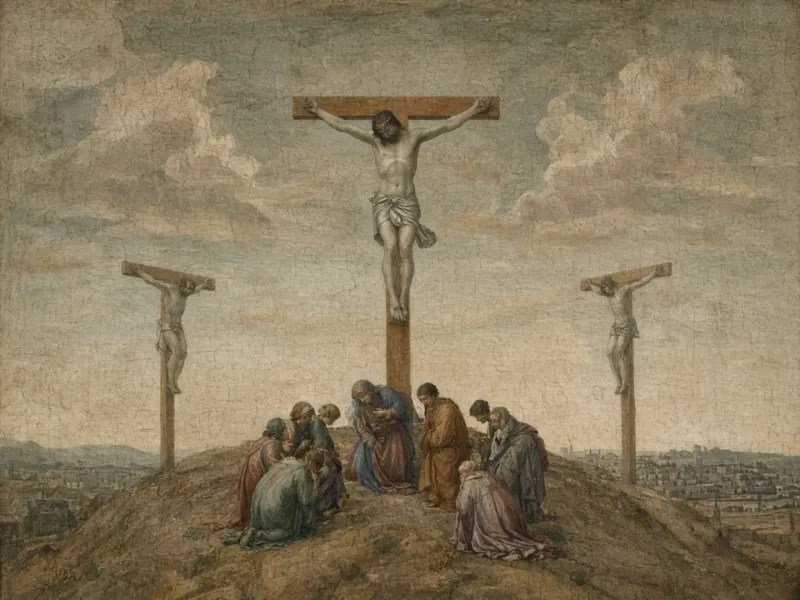
Isaiah 30:15
“This is what the Sovereign Lord, the Holy One of Israel, says: ‘In repentance and rest is your salvation, in quietness and trust is your strength, but you would have none of it.’”
Reflection: The chapter opens with a woe on people who “go down to Egypt without consulting me” and look for safety under Pharaoh’s protection. Against that alliance the Lord sets repentance, rest, quietness and trust. Verse 16 gives the people’s reply, “No, we will flee on horses,” and verse 18 still says “the Lord longs to be gracious to you.”
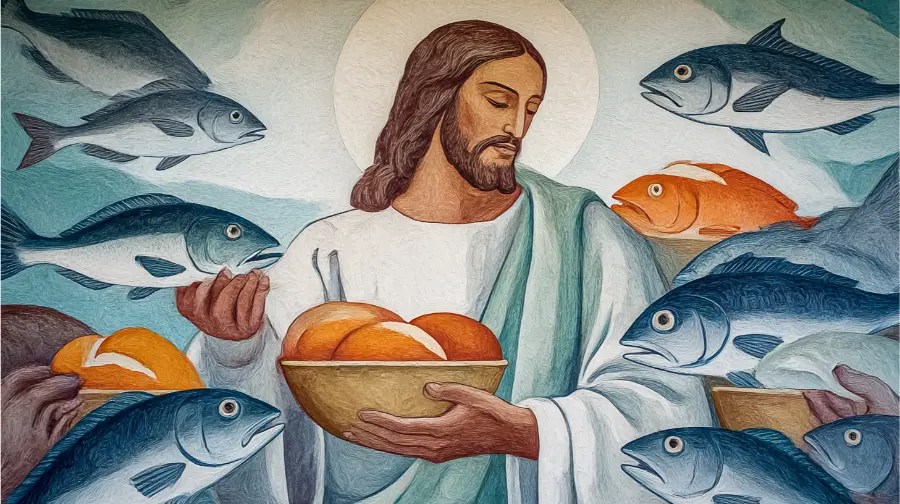
Psalm 4:8
“In peace I will lie down and sleep, for you alone, Lord, make me dwell in safety.”
Reflection: David’s psalm opens by asking God for relief from distress, and in verse 4 he tells others, “when you are on your beds, search your hearts and be silent.” The psalm ends on his own bed. He can lie down and sleep in peace, and the reason he gives is addressed to God: “you alone, Lord, make me dwell in safety.”

Psalm 23:2-3
“He makes me lie down in green pastures, he leads me beside quiet waters, he refreshes my soul. He guides me along the right paths for his name’s sake.”
Reflection: In David’s shepherd psalm the sheep do not find the pasture or the quiet water by themselves; the shepherd makes them lie down, leads them there and then guides them “along the right paths.” Verse 4 takes the same sheep into the darkest valley, where the reason for not fearing is “you are with me.”
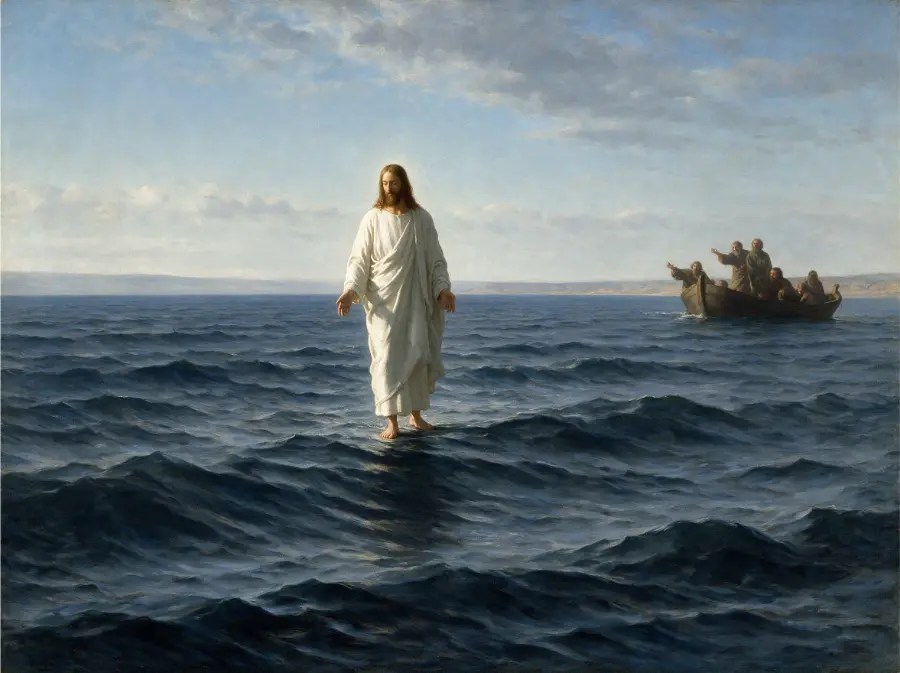
Matthew 11:28-30
“Come to me, all you who are weary and burdened, and I will give you rest. Take my yoke upon you and learn from me, for I am gentle and humble in heart, and you will find rest for your souls. For my yoke is easy and my burden is light.”
Reflection: Jesus says this just after thanking the Father for revealing these things “to little children” rather than to the wise (verse 25). The rest he offers to the weary comes with a yoke, the harness of a working animal, and with learning from someone who calls himself “gentle and humble in heart.” The promised result is “rest for your souls.”
What to do with worry and anxiety

Philippians 4:6
“Do not be anxious about anything, but in every situation, by prayer and petition, with thanksgiving, present your requests to God.”
Reflection: Paul writes to the Philippians while “in chains for Christ” (Philippians 1:13). The instruction follows directly on “The Lord is near” (verse 5), and it sets two instructions side by side: do not be anxious about anything, and in every situation present your requests to God, with thanksgiving.
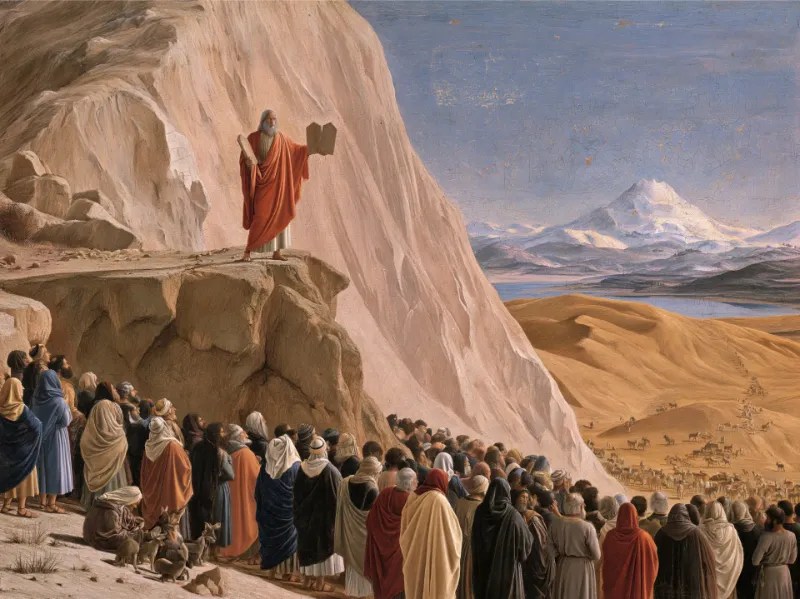
Philippians 4:7
“And the peace of God, which transcends all understanding, will guard your hearts and your minds in Christ Jesus.”
Reflection: This is the promise attached to the prayer of verse 6. The peace is described by what it does, guarding hearts and minds, and by what it exceeds, “all understanding.” Verses 8 and 9 go on to what to think about and what to put into practice, and end with “the God of peace will be with you.”
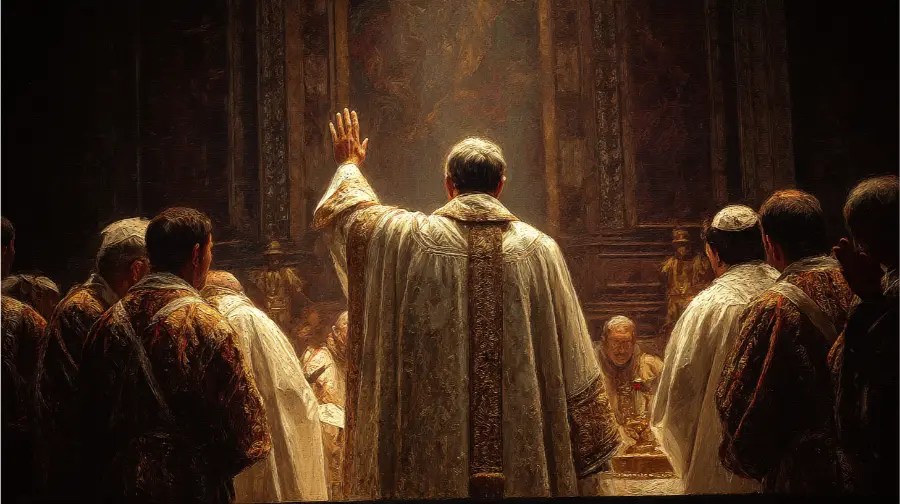
1 Peter 5:7
“Cast all your anxiety on him because he cares for you.”
Reflection: The verse follows “Humble yourselves, therefore, under God’s mighty hand” (verse 6), and the reason for handing anxiety over is that God “cares for you.” The next verse adds a call to alertness, “Be alert and of sober mind,” because the devil prowls “like a roaring lion.” Verse 10 promises that God will restore his people “after you have suffered a little while.”

Matthew 6:34
“Therefore do not worry about tomorrow, for tomorrow will worry about itself. Each day has enough trouble of its own.”
Reflection: Jesus closes his teaching on worry about food, drink and clothes (Matthew 6:25-33), in which he points to the birds and the wildflowers and asks, “Can any one of you by worrying add a single hour to your life?” The verse before sets the priority, “seek first his kingdom and his righteousness.” This verse limits each day to its own trouble.
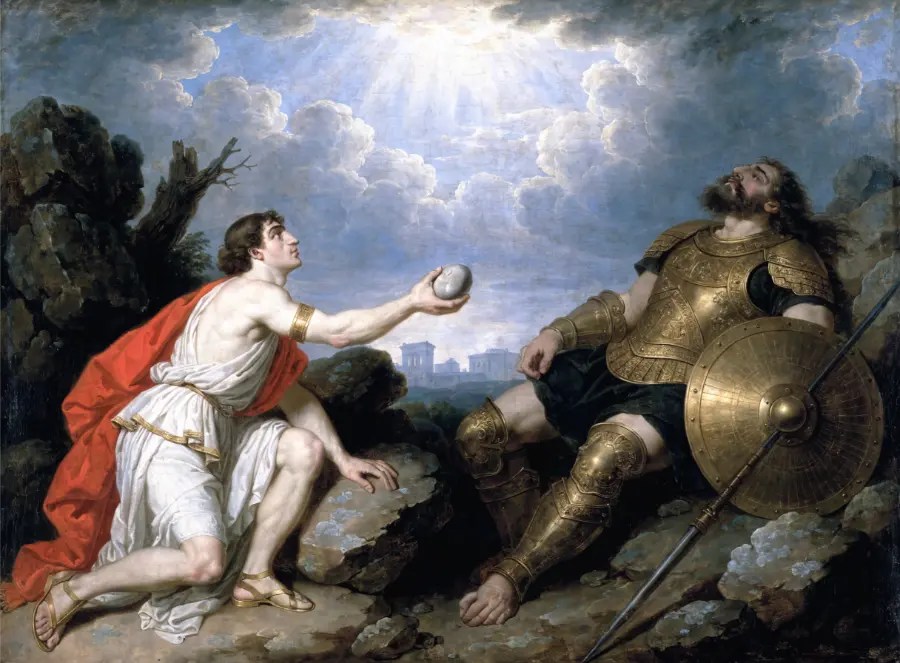
Psalm 37:7
“Be still before the Lord and wait patiently for him; do not fret when people succeed in their ways, when they carry out their wicked schemes.”
Reflection: Psalm 37, a psalm of David, deals with the success of the wicked, and it opens with “Do not fret because of those who are evil,” because like grass they will soon wither (verses 1-2). Here being still before the Lord is paired with waiting patiently for him while wicked schemes succeed. Verse 8 joins fretting to anger: “Refrain from anger and turn from wrath; do not fret—it leads only to evil.”
The peace Jesus left his disciples
John 14:27
“Peace I leave with you; my peace I give you. I do not give to you as the world gives. Do not let your hearts be troubled and do not be afraid.”
Reflection: Jesus says this at the evening meal before the Passover (John 13:1-2), after Judas has been prompted to betray him. He has just promised the Holy Spirit, who “will remind you of everything I have said to you” (verse 26). He sets his giving apart from the world’s, and joins the gift to two commands: do not let your hearts be troubled, and do not be afraid.
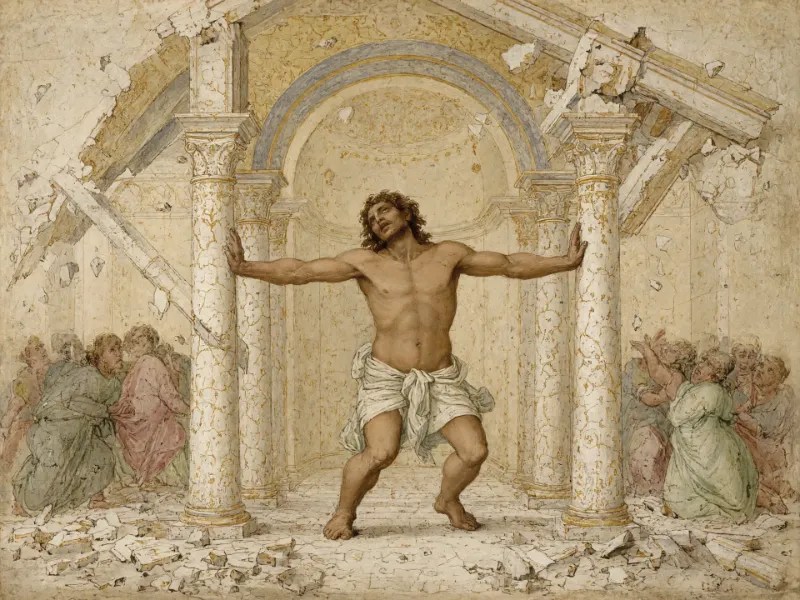
John 16:33
“I have told you these things, so that in me you may have peace. In this world you will have trouble. But take heart! I have overcome the world.”
Reflection: These are the last words of the same conversation before Jesus prays in John 17. In the verse before, he tells the disciples they will scatter and leave him alone. The peace is “in me,” it is promised alongside a plain forecast of trouble, and the ground he gives for it is “I have overcome the world.”
Calm between people
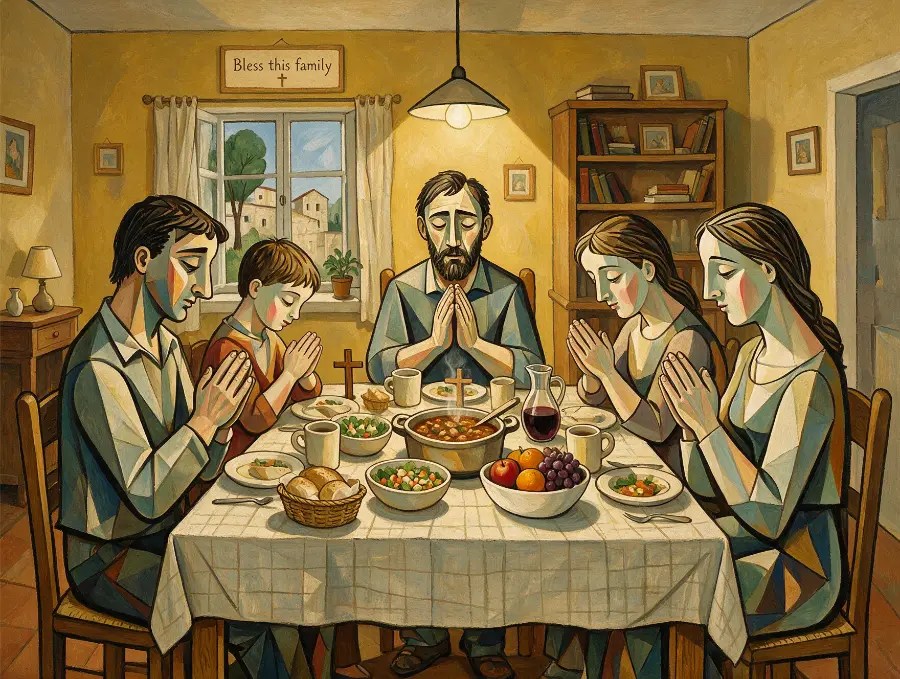
Proverbs 15:18
“A hot-tempered person stirs up conflict, but the one who is patient calms a quarrel.”
Reflection: The proverb sets two tempers against each other: one starts conflict and the other ends it. Here calm is something one person brings to a quarrel between people. The same chapter opens with a matching saying: “A gentle answer turns away wrath, but a harsh word stirs up anger” (Proverbs 15:1).

James 1:19-20
“My dear brothers and sisters, take note of this: Everyone should be quick to listen, slow to speak and slow to become angry, because human anger does not produce the righteousness that God desires.”
Reflection: The instruction sits between two sayings about God’s word: he “chose to give us birth through the word of truth” (verse 18), and verse 21 calls for accepting “the word planted in you.” Between them James sets three instructions in order: quick to listen, slow to speak, slow to become angry. The reason he gives for the third is that human anger “does not produce the righteousness that God desires.”

Ecclesiastes 10:4
“If a ruler’s anger rises against you, do not leave your post; calmness can lay great offenses to rest.”
Reflection: The Teacher’s advice is for someone serving a ruler whose anger has turned against them: stay at your post, because calmness settles great offenses. The verses that follow complain of “the sort of error that arises from a ruler,” with fools in high positions, so the advice assumes rulers can be wrong.
Colossians 3:15
“Let the peace of Christ rule in your hearts, since as members of one body you were called to peace. And be thankful.”
Reflection: Paul places this after the qualities the Colossians are to “clothe yourselves with”: compassion, kindness, humility, gentleness and patience, along with forgiving each other’s grievances (verses 12-13). The peace of Christ is to rule in their hearts, and the reason given is shared: “as members of one body you were called to peace.”
Praying for calm
Psalm 4:8 is addressed to the Lord and can be prayed as written at night. Psalm 131 opens by speaking to the Lord, “My heart is not proud, Lord,” and verse 2 follows as a statement in the first person: “I have calmed and quieted myself.”


Leave a Reply