
 English
 Chinese
 Dutch
 Arabic
 Spanish
 Portuguese
 Russian
 French
 Italian
 German
 Japanese
The Bible speaks of growing up in two senses: a child growing in body and wisdom, and a believer growing into maturity. Samuel and Jesus grow “in stature and in favor” (1 Samuel 2:26; Luke 2:52), while Hebrews 5:14 and Ephesians 4:15 describe believers leaving infancy behind.
Proverbs 4 and Ecclesiastes 12:1 speak to the young directly, and Paul’s letters to Timothy and Titus instruct young men in the church. Several passages use childhood as a picture. Paul tells the Corinthians to stop thinking like children, Hebrews contrasts milk with solid food, and 1 Peter tells its readers to crave spiritual milk as newborn babies do, so that they may “grow up in your salvation.”
Two boys who grew up before God
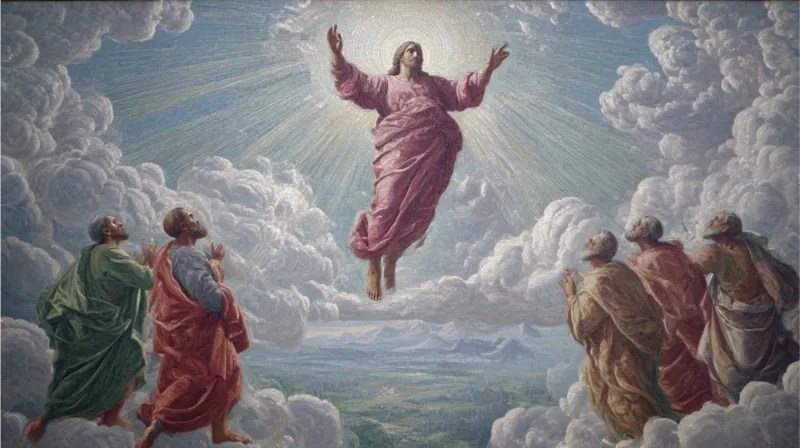
1 Samuel 2:26
“And the boy Samuel continued to grow in stature and in favor with the Lord and with people.”
Reflection: Hannah brought Samuel to the house of the Lord at Shiloh once he was weaned (1 Samuel 1:24), and each year his mother made him “a little robe” and took it to him (1 Samuel 2:19). The chapter sets his growth against Eli’s sons, who “did not listen to their father’s rebuke” (2:25). Verse 21 had already said that “the boy Samuel grew up in the presence of the Lord.”

Luke 2:52
“And Jesus grew in wisdom and stature, and in favor with God and man.”
Reflection: Luke writes this line after telling how Jesus, at twelve, stayed behind in the temple courts, “listening to them and asking them questions” (2:46). He then went home to Nazareth “and was obedient to” Mary and Joseph (2:51). The verse names four kinds of growth, in wisdom, in stature, in favour with God and in favour with people, and its wording closely follows what 1 Samuel 2:26 says of Samuel.
Wisdom handed to the young
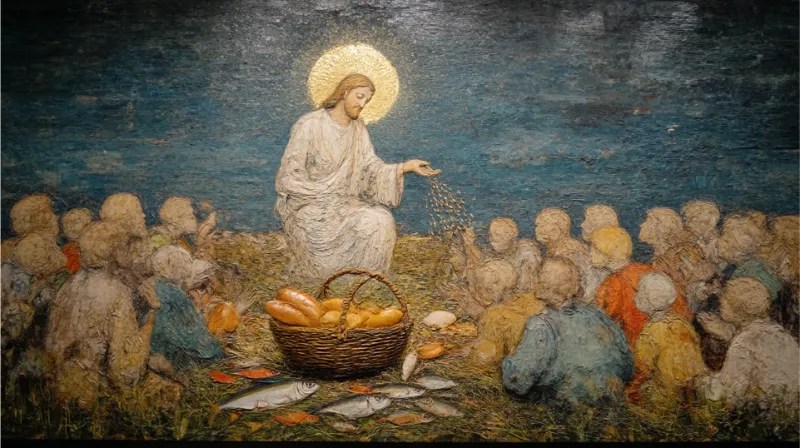
Proverbs 4:5-6
“Get wisdom, get understanding; do not forget my words or turn away from them. Do not forsake wisdom, and she will protect you; love her, and she will watch over you.”
Reflection: A father speaks to his sons, and he is repeating what his own father taught him: “For I too was a son to my father, still tender, and cherished by my mother. Then he taught me” (4:3-4). The instruction reaches across three generations. Wisdom is pictured as a woman to be loved, who will protect and watch over the one who keeps her.

Proverbs 3:5-6
“Trust in the Lord with all your heart and lean not on your own understanding; in all your ways submit to him, and he will make your paths straight.”
Reflection: The words “My son” in verse 1 introduce a father’s teaching about whose judgment his son can trust. In verse 7 the father explains what it means to trust the Lord’s judgment in daily life: his son is to fear the Lord and turn away from evil.
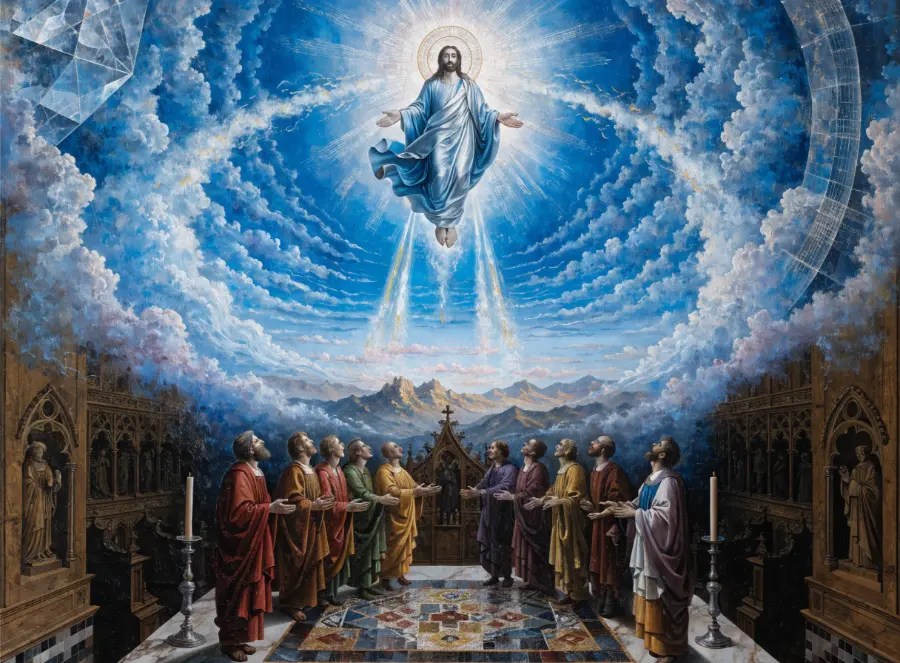
Ecclesiastes 12:1
“Remember your Creator in the days of your youth, before the days of trouble come and the years approach when you will say, “I find no pleasure in them”—”
Reflection: The Teacher addresses the young at the close of his book. The chapter before tells them to “be happy while you are young” and adds that “for all these things God will bring you into judgment” (11:9). The verse sets a limit, “before the days of trouble come,” and the verses after it describe old age and death in a series of images, ending with the dust returning to the ground and the spirit to God (12:7).
Instructions to young people in the church

1 Timothy 4:12
“Don’t let anyone look down on you because you are young, but set an example for the believers in speech, in conduct, in love, in faith and in purity.”
Reflection: Paul had left Timothy in Ephesus to stop certain people teaching false doctrines (1:3). Paul tells him not to let anyone look down on him for his youth and to set an example for the believers in five areas. A few verses later he adds, “Be diligent in these matters; give yourself wholly to them, so that everyone may see your progress” (4:15).
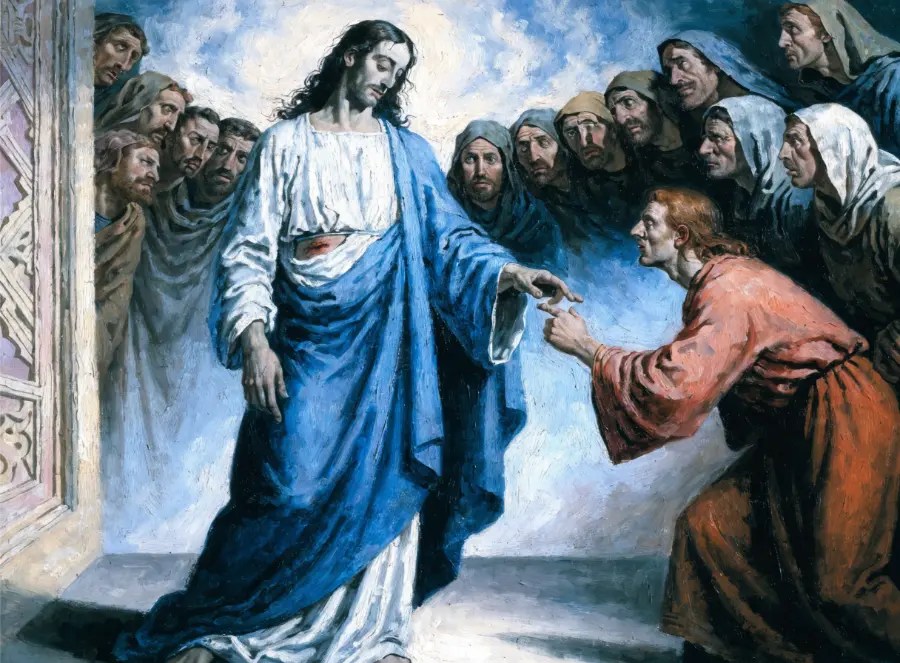
Titus 2:6-7
“Similarly, encourage the young men to be self-controlled. In everything set them an example by doing what is good. In your teaching show integrity, seriousness.”
Reflection: Titus is given instructions for each group in the churches of Crete: older men, older women, younger women and young men. For the young men there is one command, self-control, and Titus himself is to be the example. The chapter also has older women teaching younger women (2:3-4).
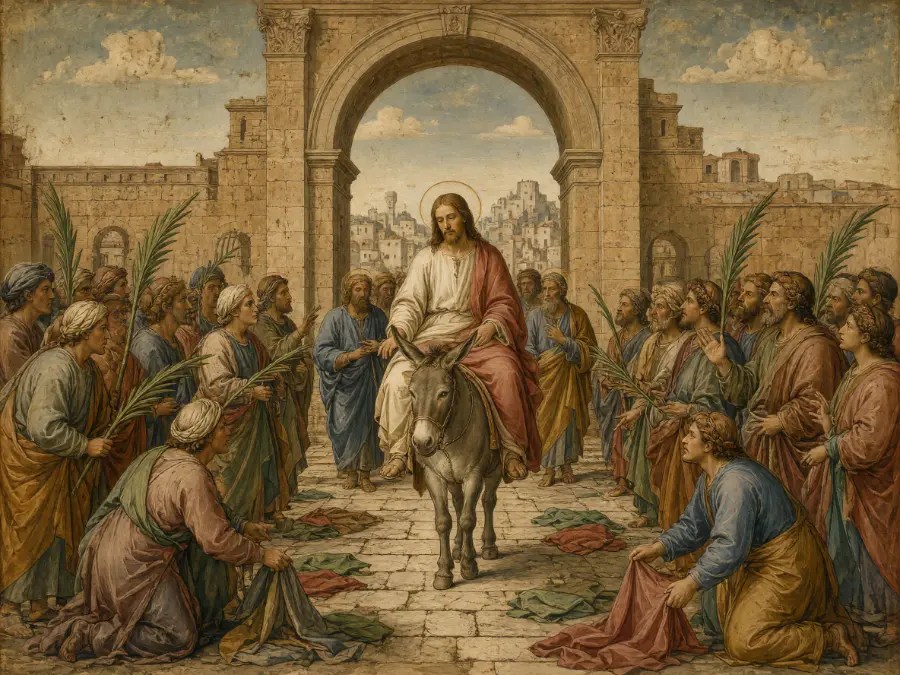
2 Timothy 2:22
“Flee the evil desires of youth and pursue righteousness, faith, love and peace, along with those who call on the Lord out of a pure heart.”
Reflection: In his second letter Paul names “the evil desires of youth” as something to run from and lists four things to run after instead. The last phrase adds company: Timothy is to pursue them “along with those who call on the Lord out of a pure heart.”
Putting childish ways behind
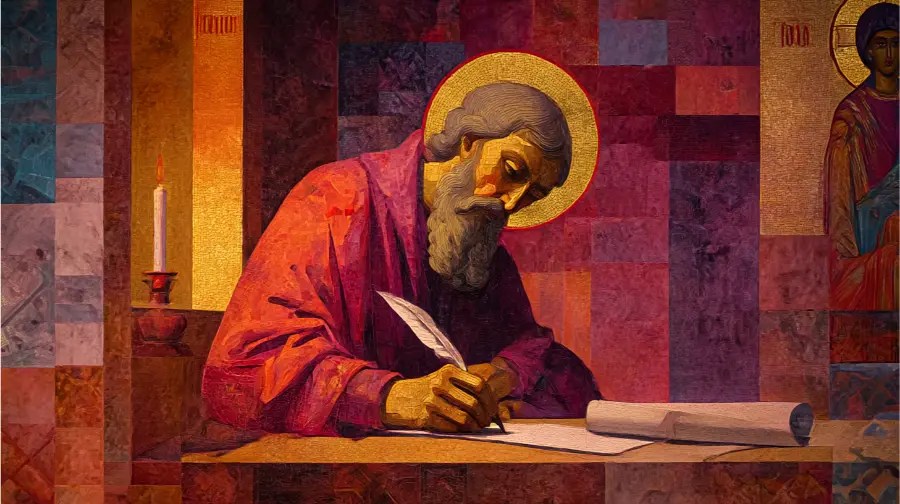
1 Corinthians 13:11
“When I was a child, I talked like a child, I thought like a child, I reasoned like a child. When I became a man, I put the ways of childhood behind me.”
Reflection: The verse sits in Paul’s chapter on love, where he says prophecy, tongues and knowledge will pass away “when completeness comes” (13:10). Growing from child to man is his picture of the change from knowing “in part” now to knowing fully later, when “we shall see face to face” (13:12). The chapter ends with the three that remain: faith, hope and love (13:13).
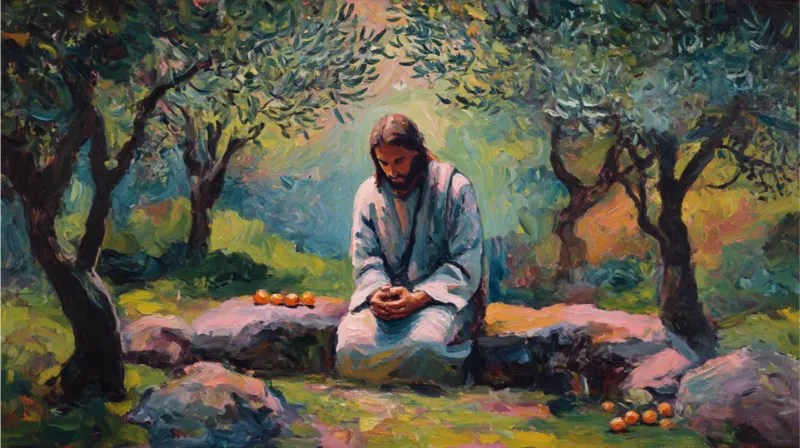
1 Corinthians 14:20
“Brothers and sisters, stop thinking like children. In regard to evil be infants, but in your thinking be adults.”
Reflection: Paul is correcting the church’s use of tongues in worship, where he would rather speak “five intelligible words to instruct others than ten thousand words in a tongue” (14:19). He asks for adult thinking and childlike innocence together: infants in regard to evil, adults in understanding.

Hebrews 5:14
“But solid food is for the mature, who by constant use have trained themselves to distinguish good from evil.”
Reflection: The writer rebukes readers who “by this time… ought to be teachers” but still need “the elementary truths of God’s word all over again” (5:12). Maturity here comes by practice, “constant use,” and its mark is the ability to tell good from evil. The next verse urges them to “be taken forward to maturity” (6:1).
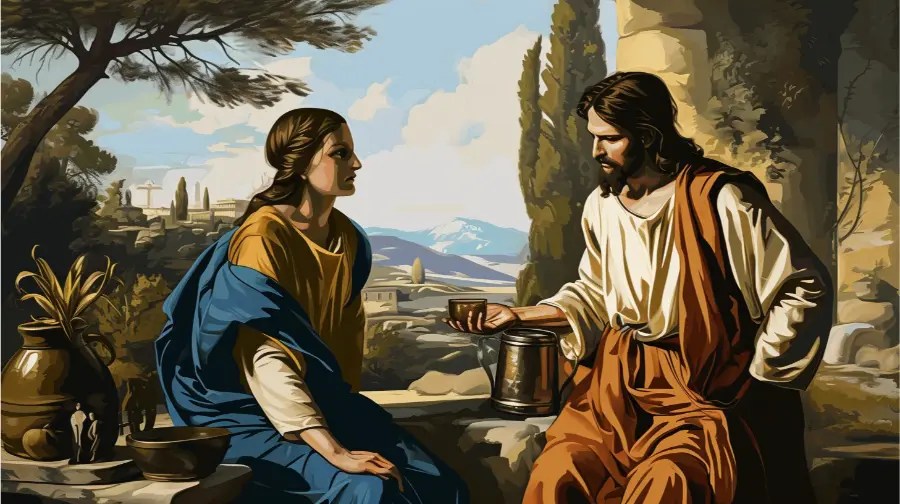
1 Peter 2:2-3
“Like newborn babies, crave pure spiritual milk, so that by it you may grow up in your salvation, now that you have tasted that the Lord is good.”
Reflection: Where Hebrews scolds its readers for still needing milk, Peter uses milk the other way: newborn babies crave it, and believers should crave “pure spiritual milk” the same way in order to grow. The verse before lists what to get rid of first: “all malice and all deceit, hypocrisy, envy, and slander of every kind.”
Growing toward maturity in Christ
Ephesians 4:15
“Instead, speaking the truth in love, we will grow to become in every respect the mature body of him who is the head, that is, Christ.”
Reflection: Paul describes growth that happens to a church together. Christ gives apostles, prophets, evangelists, pastors and teachers “to equip his people” until they “become mature” (4:11-13), and then “we will no longer be infants, tossed back and forth” by every new teaching (4:14). The body grows “as each part does its work” (4:16).
Colossians 1:10
“So that you may live a life worthy of the Lord and please him in every way: bearing fruit in every good work, growing in the knowledge of God.”
Reflection: The line comes from the prayer that opens Colossians, in which Paul and Timothy ask that the church be filled “with the knowledge of his will” (1:9). Growing in the knowledge of God is listed alongside bearing fruit and pleasing God, and the prayer goes on to ask for endurance, patience and thanks.

2 Peter 3:18
“But grow in the grace and knowledge of our Lord and Savior Jesus Christ. To him be glory both now and forever! Amen.”
Reflection: These are the last words of the letter. The verse before warns readers not to be “carried away by the error of the lawless,” people who distort Paul’s letters and the other Scriptures. Peter’s answer to that danger is growth in grace and in knowledge of Christ.
Philippians 3:13-14
“Brothers and sisters, I do not consider myself yet to have taken hold of it. But one thing I do: Forgetting what is behind and straining toward what is ahead, I press on toward the goal to win the prize for which God has called me heavenward in Christ Jesus.”
Reflection: Paul says he has not “already arrived at my goal” (3:12), and he describes himself straining forward like a runner. In the next verse he calls this attitude maturity: “All of us, then, who are mature should take such a view of things” (3:15).
James 1:2-4
“Consider it pure joy, my brothers and sisters, whenever you face trials of many kinds, because you know that the testing of your faith produces perseverance. Let perseverance finish its work so that you may be mature and complete, not lacking anything.”
Reflection: James opens his letter by telling readers to count trials as joy because testing produces perseverance, and perseverance, left to finish its work, makes them “mature and complete, not lacking anything.” The next verse picks up the word lacking: “If any of you lacks wisdom, you should ask God.”
Romans 5:3-5
“Not only so, but we also glory in our sufferings, because we know that suffering produces perseverance; perseverance, character; and character, hope. And hope does not put us to shame, because God’s love has been poured out into our hearts through the Holy Spirit, who has been given to us.”
Reflection: After describing the peace believers have with God through Christ in verse 1, Paul explains how their character develops. Suffering teaches them to persevere, and the character formed through perseverance gives rise to hope. Paul traces their confidence in that hope to the love God has given them through the Holy Spirit.


Leave a Reply