
 English
  Chinese
  Dutch
Dutch  Arabic
  Spanish
  Portuguese
  Russian
  French
  Italian
  German
  Japanese
 Scripture puts joy and grief in the same sentence more often than the familiar joy-versus-happiness distinction allows.
Jesus tells the disciples they have sorrow now and that their hearts will rejoice (John 16:22). Psalm 30 sets weeping at night beside joy in the morning. Habakkuk lists a complete harvest failure and then says yet I will rejoice. Scripture also gives joy a location rather than a mood: in your presence there is fullness of joy, and Jesus speaks of his own joy being placed in other people. The nineteen verses below cover the ordinary words for gladness, where joy is located, joy alongside grief, joy that is commanded, and joy that belongs to somebody else.
The words themselves
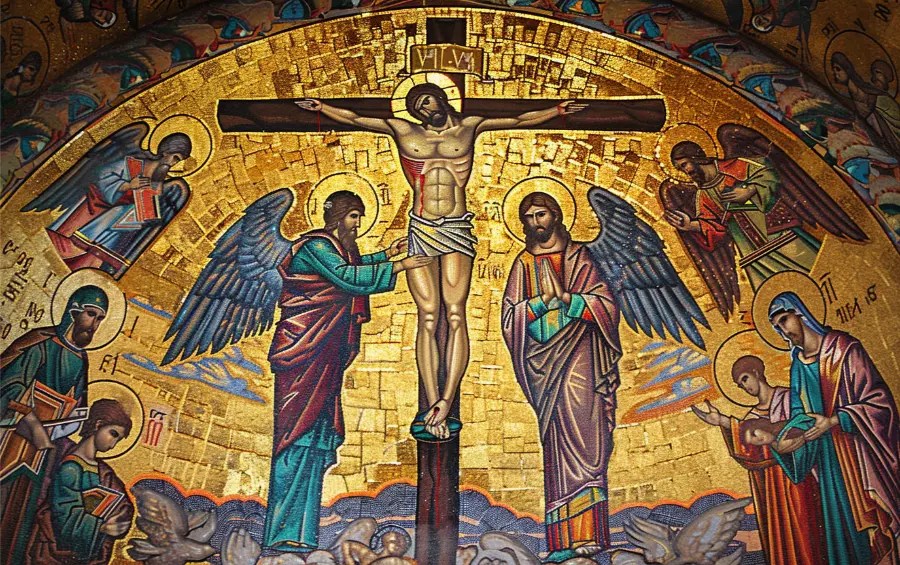
Psalm 118:24
“This is the day that the Lord has made; let us rejoice and be glad in it.”
Reflection: Rejoice and be glad sit side by side, doing the same work. The day itself is the reason the psalm gives.
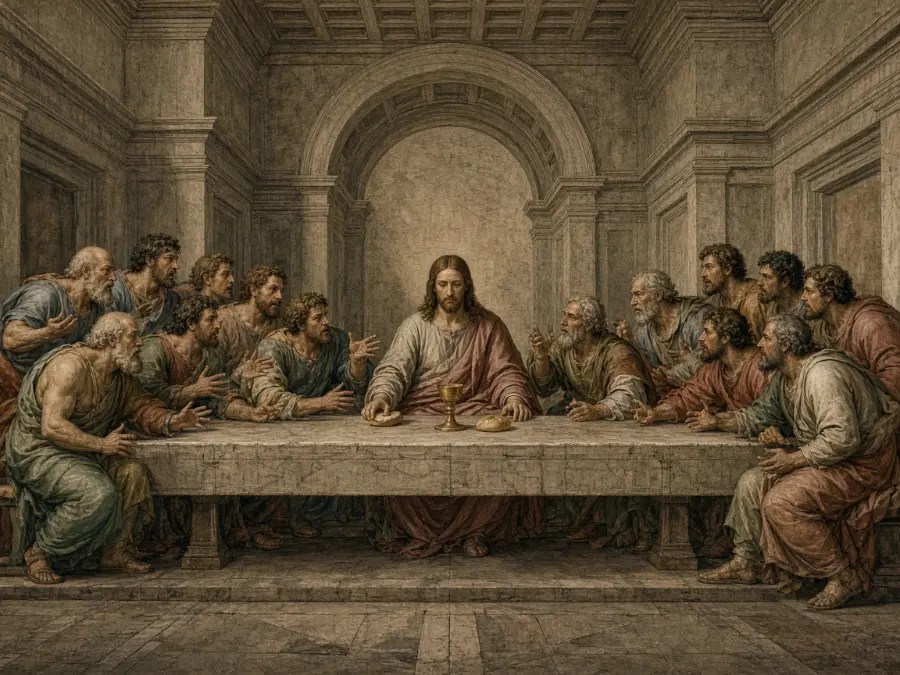
Proverbs 17:22
“A cheerful heart is good medicine, but a crushed spirit dries up the bones.”
Reflection: The claim here is physical. A cheerful heart is called medicine, and a crushed spirit is said to dry up the bones.
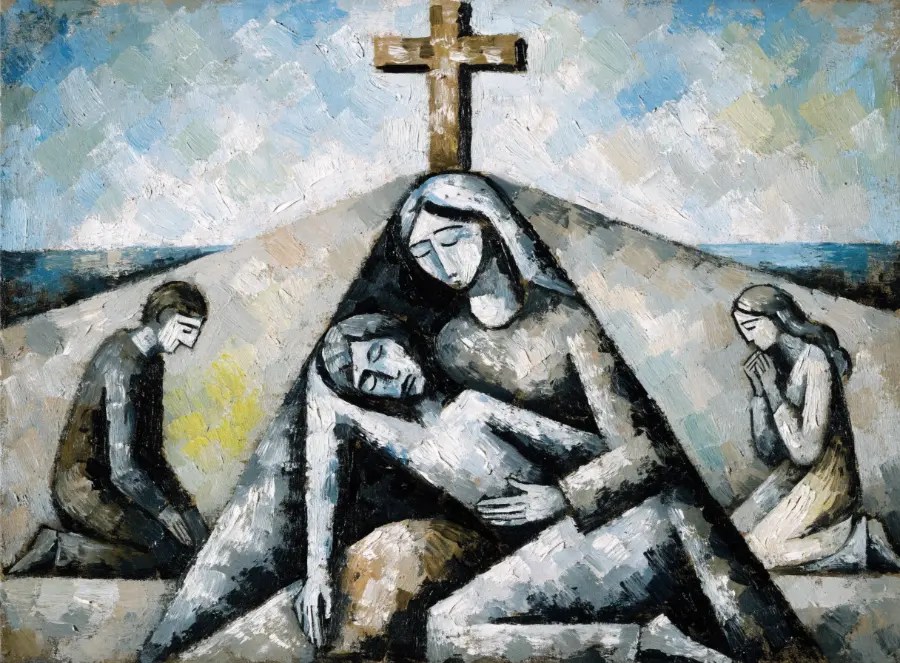
Proverbs 15:13
“A glad heart makes a cheerful face, but by sorrow of heart the spirit is crushed.”
Reflection: The face is mentioned because it is what other people see. Proverbs keeps noticing that an interior state shows.
Where joy is located

Psalm 16:11
“You make known to me the path of life; in your presence there is fullness of joy; at your right hand are pleasures forevermore.”
Reflection: In your presence. The psalm gives joy an address, which means it can be approached rather than worked up.

John 15:11
“These things I have spoken to you, that my joy may be in you, and that your joy may be full.”
Reflection: My joy, placed in other people. Jesus says this during his last evening with them.
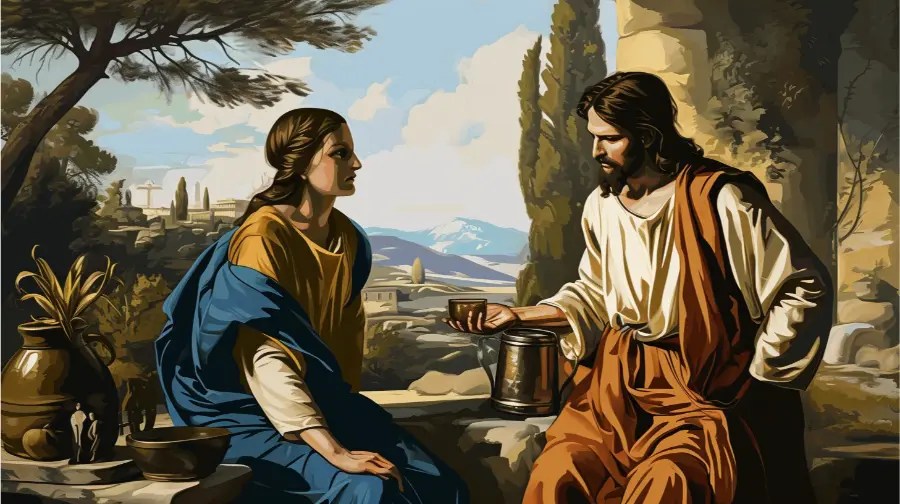
Romans 14:17
“For the kingdom of God is not a matter of eating and drinking but of righteousness and peace and joy in the Holy Spirit.”
Reflection: Paul is settling an argument between Christians who could not agree about food. He names joy as one of three things the kingdom consists of, in a chapter otherwise about diet.

1 Peter 1:8-9
“Though you have not seen him, you love him. Though you do not now see him, you believe in him and rejoice with joy that is inexpressible and filled with glory.”
Reflection: Peter says the joy cannot be put into words. He is writing to people scattered by persecution, and he does not claim their circumstances were good.
Joy with grief in the same sentence

John 16:22
“So also you have sorrow now, but I will see you again, and your hearts will rejoice, and no one will take your joy from you.”
Reflection: He grants the sorrow in the first clause and does not argue with it. What he promises is that he will see them again.

Psalm 30:5
“Weeping may tarry for the night, but joy comes with the morning.”
Reflection: The psalm gives an order of events rather than a length of time. May tarry is the cautious word in it.

Psalm 126:5
“Those who sow in tears shall reap with shouts of joy!”
Reflection: Sowing in tears and reaping with shouts of joy are set as a sequence. The harvest in the verse has not happened yet.
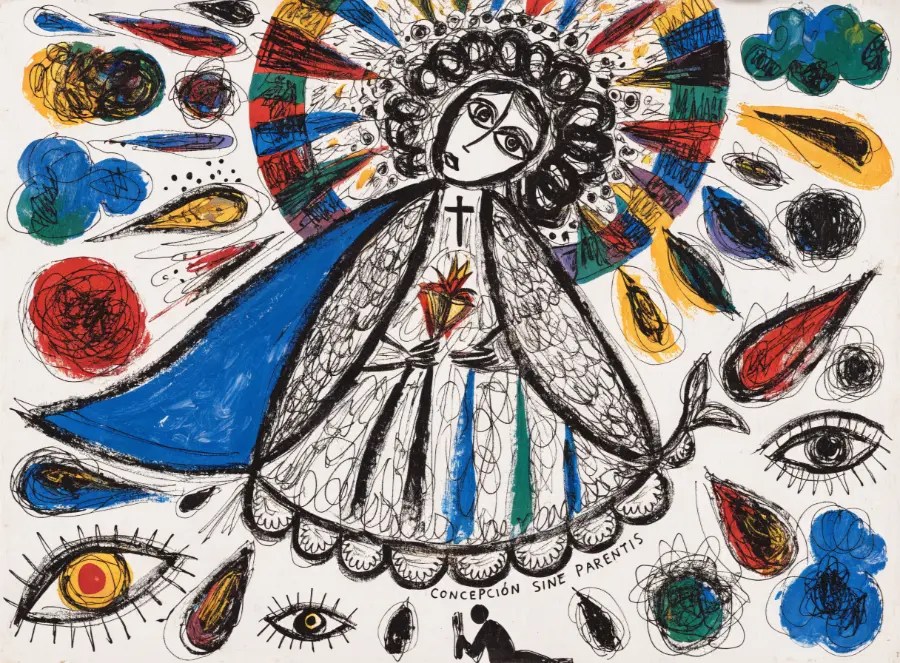
Habakkuk 3:17-18
“Though the fig tree should not blossom, nor fruit be on the vines, the produce of the olive fail and the fields yield no food, the flock be cut off from the fold and there be no herd in the stalls, yet I will rejoice in the Lord; I will take joy in the God of my salvation.”
Reflection: Habakkuk lists the failure of figs, vines, olives, flock and herd, and then uses the word yet. Nothing at all is in hand when he says it.
Joy that is commanded

Philippians 4:4
“Rejoice in the Lord always; again I will say, Rejoice.”
Reflection: Written from prison, and repeated because of how it sounds coming from there. In the Lord is the qualifier that governs it.
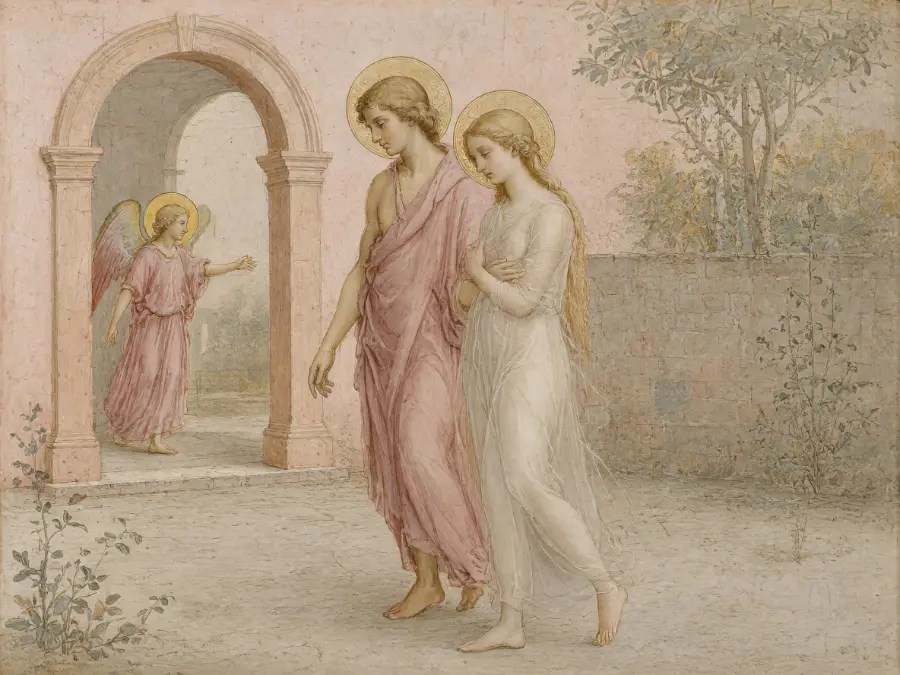
1 Thessalonians 5:16-18
“Rejoice always, pray without ceasing, give thanks in all circumstances; for this is the will of God in Christ Jesus for you.”
Reflection: Three short commands, and the third sets the terms for the first two: in all circumstances, not for them.
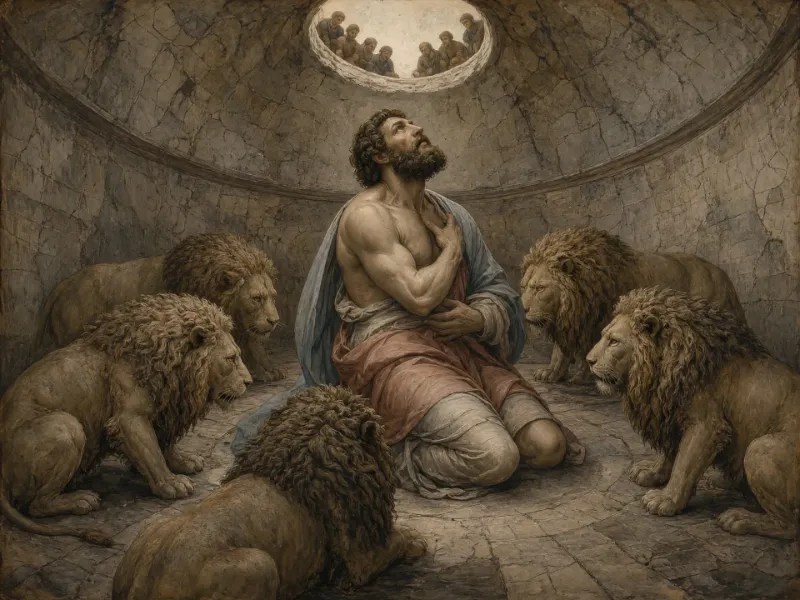
Romans 12:12
“Rejoice in hope, be patient in tribulation, be constant in prayer.”
Reflection: Rejoice in hope is rejoicing in something not yet here. The next clause concedes the tribulation without softening it.

James 1:2-4
“Count it all joy, my brothers, when you meet trials of various kinds, for you know that the testing of your faith produces steadfastness.”
Reflection: Count it all joy is an instruction about how to regard a trial, and the reason follows it: the testing of faith produces steadfastness. It is not an instruction about what to feel.
Joy that belongs to somebody else

Luke 15:7
“There will be more joy in heaven over one sinner who repents than over ninety-nine righteous persons who need no repentance.”
Reflection: The joy in this verse is somewhere else. Jesus is describing heaven’s response to something that happens here.

3 John 1:4
“I have no greater joy than to hear that my children are walking in the truth.”
Reflection: The joy depends entirely on news about other people. It is not anything John can arrange for himself.

Hebrews 12:2
“…looking to Jesus, the founder and perfecter of our faith, who for the joy that was set before him endured the cross, despising the shame.”
Reflection: For the joy that was set before him. The writer makes joy the reason for enduring the cross.

Psalm 51:12
“Restore to me the joy of your salvation, and uphold me with a willing spirit.”
Reflection: Restore concedes that it has gone. David does not ask for the salvation back, only for the joy of it, which he treats as a separate thing.
What is actually being offered
Joy in these passages is given a location and a source. In your presence there is fullness of joy. Jesus speaks of his joy being in other people. Paul says the kingdom consists partly of it. None of that describes a grade of feeling.
It is also set next to grief without either one cancelling the other. Jesus grants the sorrow and promises to return. Psalm 30 puts weeping and joy in a single verse. Habakkuk says yet with nothing in hand. David’s prayer is the plainest of them, because it admits the joy can go missing while the salvation stays where it was. For the related material, see Bible verses about thankfulness.


Leave a Reply