
 English
 Chinese
 Dutch
 Arabic
 Spanish
 Portuguese
 Russian
 French
 Italian
 German
 Japanese
The Bible has no word for depression or anxiety disorder, but it gives honest company to people in mental distress.
Laments make up roughly a third of the Psalms, and Psalm 88 ends in darkness with no resolution. Moses, Elijah, Job, Jonah and Jeremiah each said they would rather die or wished they had never been born (Numbers 11:15; 1 Kings 19:4; Job 3:11; Jonah 4:3; Jeremiah 20:14-18), and Scripture keeps their words. The nineteen verses below include the ones most often shared, with a note on what each was written for. None of this replaces medical care, and nothing here should keep anyone from a doctor.
The company Scripture actually keeps
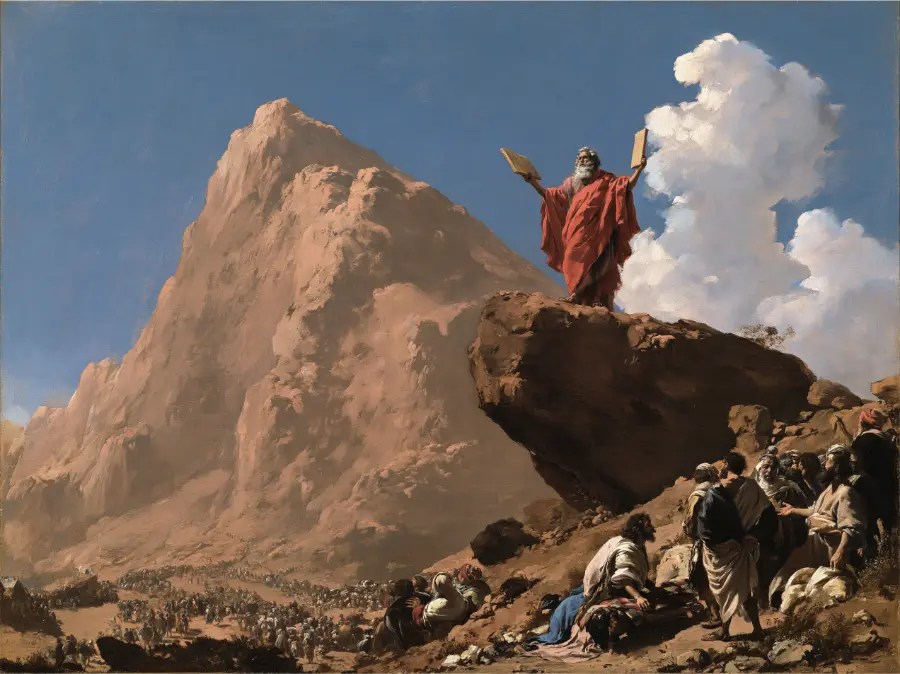
Psalm 30:5
“Weeping may stay for the night, but rejoicing comes in the morning.”
Reflection: The psalm promises that the night of weeping will end, without saying how long it will be.

2 Corinthians 1:3-4
“Praise be to the God and Father of our Lord Jesus Christ, the Father of compassion and the God of all comfort, who comforts us in all our troubles, so that we can comfort those in any trouble with the comfort we ourselves receive from God.”
Reflection: A few verses later Paul says he despaired of life itself (1:8). The comfort he received passes from one person to another.

Matthew 11:28-30
“Come to me, all you who are weary and burdened, and I will give you rest. Take my yoke upon you and learn from me, for I am gentle and humble in heart.”
Reflection: Jesus offers a different yoke, his own, which he calls easy and light. The promise is rest, and the load changes.
The verses people hand us, and what they were written for

Philippians 4:6-7
“Do not be anxious about anything, but in every situation, by prayer and petition, with thanksgiving, present your requests to God.”
Reflection: The Greek verb is the ordinary word for worry, and Paul says where to take it: to God in prayer, with thanksgiving. It was not written as a treatment for illness; a person can pray exactly as it says and still be unwell.
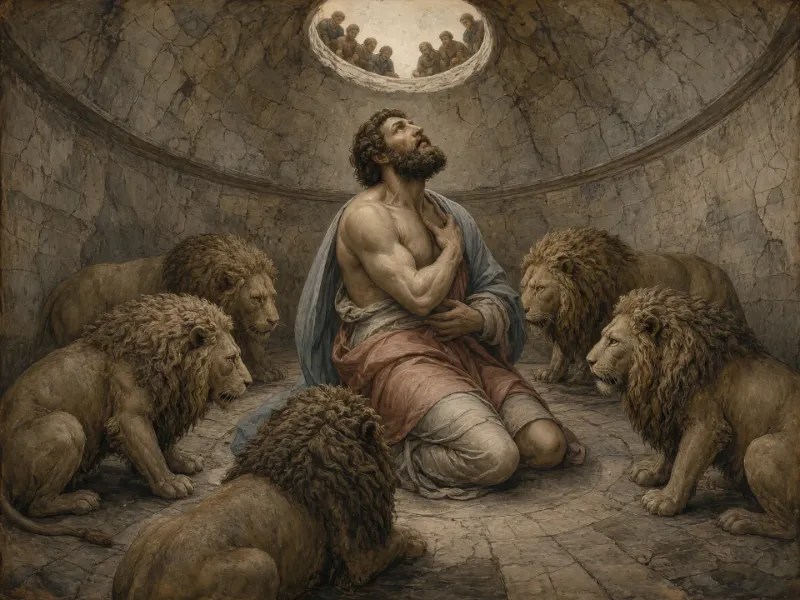
Jeremiah 29:11
“For I know the plans I have for you, declares the Lord, plans to prosper you and not to harm you, plans to give you hope and a future.”
Reflection: The verse before gives the timing: the exiles would return after seventy years (29:10). The hope was for the long term.

Isaiah 41:10
“So do not fear, for I am with you; do not be dismayed, for I am your God. I will strengthen you and help you.”
Reflection: After the two commands, do not fear and do not be dismayed, every verb belongs to God: strengthen, help, uphold.
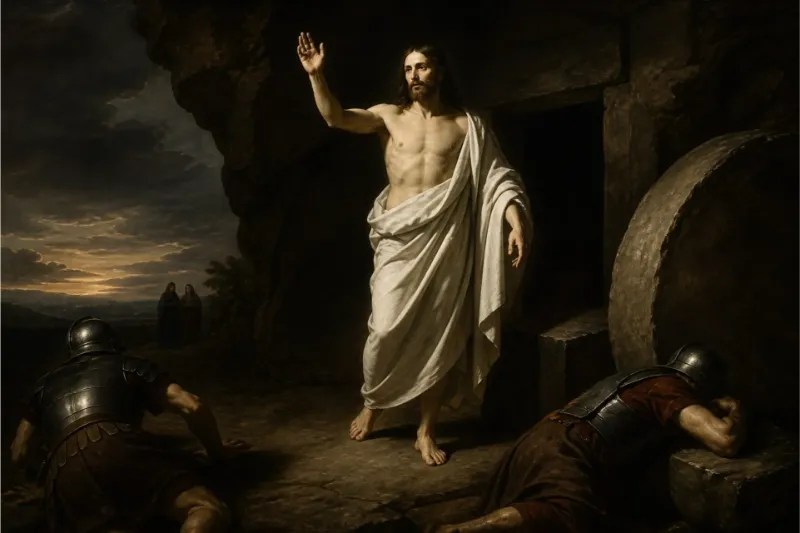
Joshua 1:9
“Have I not commanded you? Be strong and courageous. Do not be afraid; do not be discouraged.”
Reflection: God said this to Joshua as he took command after Moses’ death. It is a commission for a task, not a rebuke for feeling low.

2 Timothy 1:7
“For the Spirit God gave us does not make us timid, but gives us power, love and self-discipline.”
Reflection: Paul is encouraging Timothy not to be ashamed of the testimony about the Lord (1:8). The verse is sometimes used to tell anxious people their fear is sinful, which is not what Paul is saying.
What is actually offered

John 14:27
“Peace I leave with you; my peace I give you. I do not give to you as the world gives. Do not let your hearts be troubled.”
Reflection: Jesus said this at supper on the night of his arrest, to disciples who would scatter. He does not explain how his peace differs from the world’s.

Psalm 23:1-3
“The Lord is my shepherd, I lack nothing. He makes me lie down in green pastures, he leads me beside quiet waters, he refreshes my soul.”
Reflection: Every verb in these lines belongs to the shepherd: he makes the sheep lie down, leads them and refreshes them.

Zephaniah 3:17
“The Lord your God is with you, the Mighty Warrior who saves. He will take great delight in you; in his love he will no longer rebuke you, but will rejoice over you with singing.”
Reflection: The promise comes at the end of a short book that is mostly judgment (1:2-3:8). It pictures God singing over his people.

Psalm 32:8
“I will instruct you and teach you in the way you should go; I will counsel you with my loving eye on you.”
Reflection: God is the speaker, and the Hebrew reads literally, “I will counsel you with my eye upon you.”

1 Peter 5:6-7
“Humble yourselves, therefore, under God’s mighty hand, that he may lift you up in due time. Cast all your anxiety on him because he cares for you.”
Reflection: Handing over anxiety is paired with humbling oneself under God’s hand. The verb for “cast” means to throw something onto something else.
What we are told to do for each other
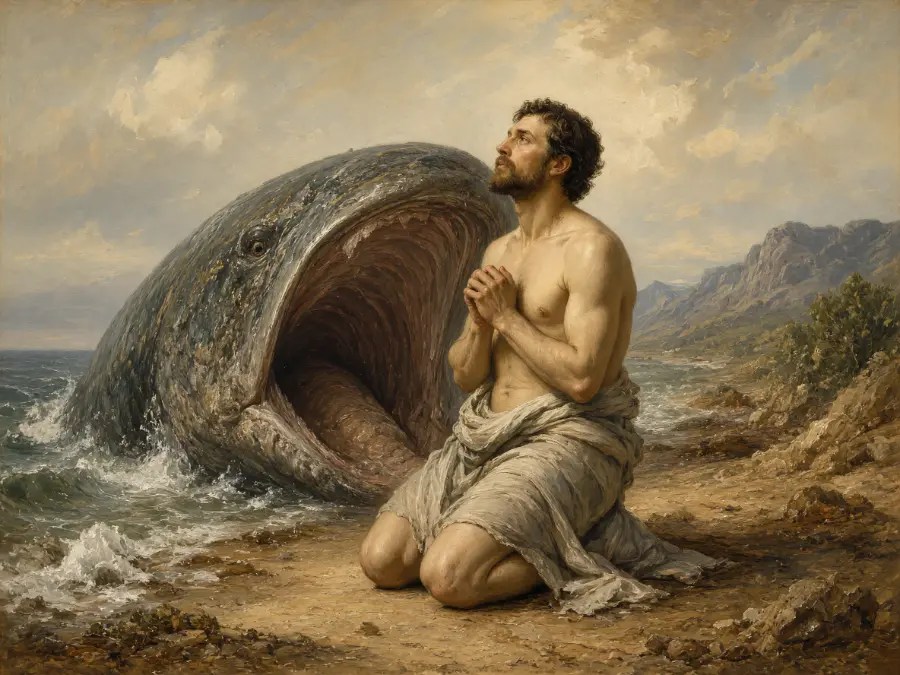
Galatians 6:2
“Carry each other’s burdens, and in this way you will fulfill the law of Christ.”
Reflection: Three verses later Paul says that each should carry their own load (6:5), using a different Greek word. One is a heavy burden that needs other hands; the other is a load a person carries alone.

Ecclesiastes 4:9-10
“Two are better than one, because they have a good return for their labor: If either of them falls down, one can help the other up. But pity anyone who falls and has no one to help them up.”
Reflection: The Preacher does not say the fall can be avoided. He names the danger of falling with no one there to help.

1 Thessalonians 5:11
“Therefore encourage one another and build each other up, just as in fact you are doing.”
Reflection: Paul tells them to keep encouraging each other and notes that they already do.
James 1:5
“If any of you lacks wisdom, you should ask God, who gives generously to all without finding fault.”
Reflection: James promises wisdom to anyone who asks, and says God gives “without finding fault.”
The mind, and what renewal means

Romans 12:2
“Do not conform to the pattern of this world, but be transformed by the renewing of your mind.”
Reflection: Both Greek verbs are passive: be conformed, be transformed. The renewal of the mind is something done in a person over time.

2 Corinthians 4:16
“Therefore we do not lose heart. Though outwardly we are wasting away, yet inwardly we are being renewed day by day.”
Reflection: Paul admits the outer self is wasting away while the inner self is renewed day by day. He does not pretend the first has stopped.
What this page cannot do
These verses cannot treat an illness. Depression and anxiety are medical conditions, and a verse is not medicine; if you are struggling, see a doctor and tell someone you trust. If you are thinking about suicide, contact emergency services or a crisis line, such as 988 in the United States. Scripture does not ask anyone to choose between prayer and treatment: Paul called Luke “the doctor” (Colossians 4:14) and told Timothy to take a little wine for his stomach (1 Timothy 5:23).
What the Bible offers is honest company. Elijah asked to die, and the first answer was sleep and food (1 Kings 19:4-8); God’s questions came later. Job’s friends sat with him for seven days without a word (Job 2:13), and God later rebuked what they said afterward (42:7). The laments were kept in the Psalms, the unresolved ones included. See also Bible verses about loneliness.


Leave a Reply