
 English
 Chinese
 Dutch
 Arabic
 Spanish
 Portuguese
 Russian
 French
 Italian
 German
 Japanese
The Bible answers loneliness in two ways: with the promise that God is present, and with other people. Deuteronomy 31:6 says, “he will never leave you nor forsake you,” and Psalm 68:6 says, “God sets the lonely in families.”
Scripture also separates being alone from being lonely. Jesus “often withdrew to lonely places and prayed” (Luke 5:16), and he also knew desertion: at his arrest “everyone deserted him and fled” (Mark 14:50). The psalms below speak for people who are grieving, abandoned, or struggling with God, and several of the New Testament verses tell other believers what to do about it.
The promise that runs underneath
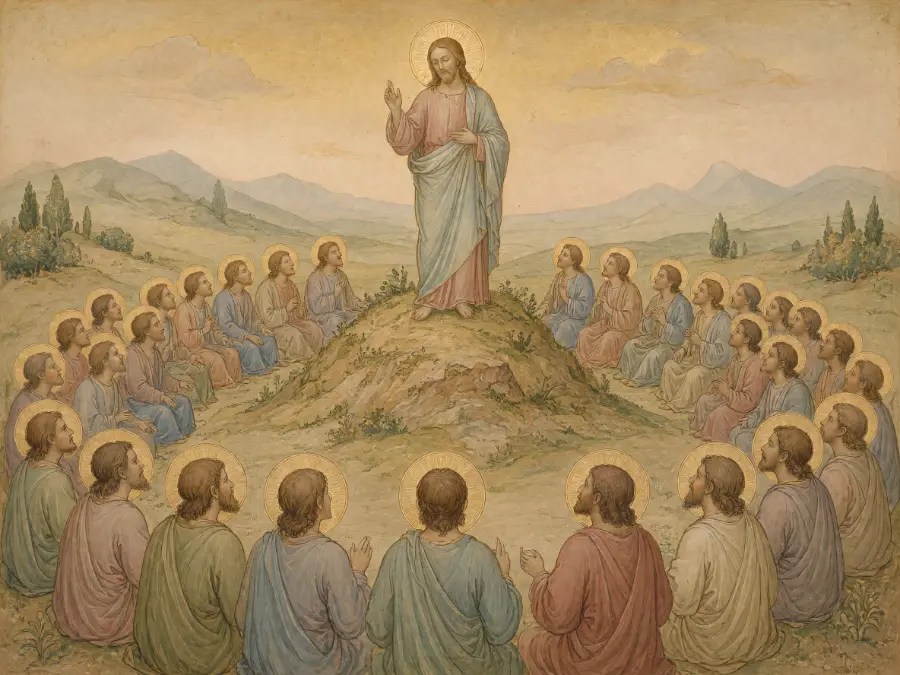
Deuteronomy 31:6
“Be strong and courageous. Do not be afraid or terrified because of them, for the Lord your God goes with you; he will never leave you nor forsake you.”
Reflection: Moses says this at 120 years old, knowing he will not cross the Jordan with the people (31:2). Two verses later he gives Joshua the same promise, and Hebrews 13:5 quotes it to Christians: “Never will I leave you; never will I forsake you.”

Isaiah 41:10
“So do not fear, for I am with you; do not be dismayed, for I am your God. I will strengthen you and help you; I will uphold you with my righteous right hand.”
Reflection: God addresses Israel as “my servant, Jacob, whom I have chosen” (41:8). Every promise in the verse has God as its subject: I am with you, I am your God, I will strengthen you, help you, and uphold you. The only thing asked of the listener is not to fear.

Psalm 23:4
“Even though I walk through the darkest valley, I will fear no evil, for you are with me; your rod and your staff, they comfort me.”
Reflection: In verses 1-3 the psalm speaks about God in the third person: “he makes me lie down,” “he leads me.” At this verse it turns to address him directly: “you are with me.” The older translations call the place “the valley of the shadow of death”; the NIV has “the darkest valley.”
When the loneliness is grief or abandonment
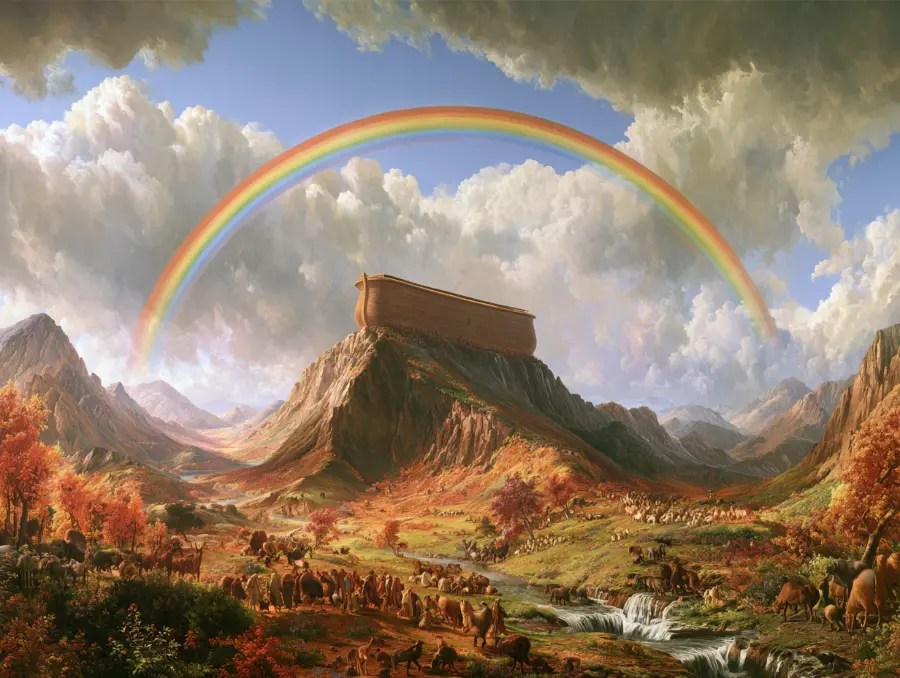
Psalm 34:18
“The Lord is close to the brokenhearted and saves those who are crushed in spirit.”
Reflection: The psalm’s heading ties it to the time David pretended to be insane before Abimelek and was driven away, when he was a fugitive among enemies. The verse says God is “close” to the brokenhearted and saves those who are crushed in spirit.

Psalm 27:10
“Though my father and mother forsake me, the Lord will receive me.”
Reflection: David imagines the worst loss a family can bring, a father and a mother who both forsake their child, and says the Lord will receive the one left.
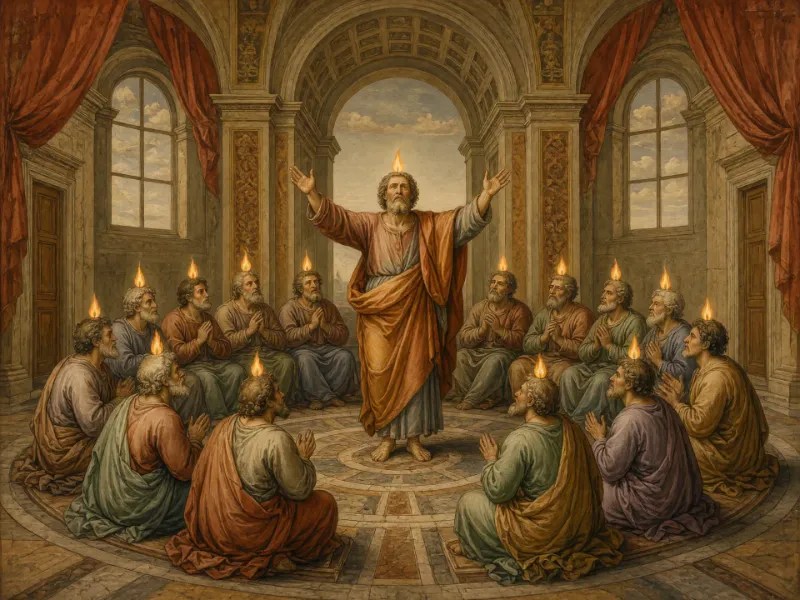
Psalm 73:25-26
“Whom have I in heaven but you? And earth has nothing I desire besides you. My flesh and my heart may fail, but God is the strength of my heart and my portion forever.”
Reflection: Asaph begins the psalm by admitting that his feet “had almost slipped” because he envied the prosperity of the wicked (73:2-3). The turn comes when he enters “the sanctuary of God” (73:17), and these verses are where he arrives: “earth has nothing I desire besides you.”
The solitude Jesus went looking for
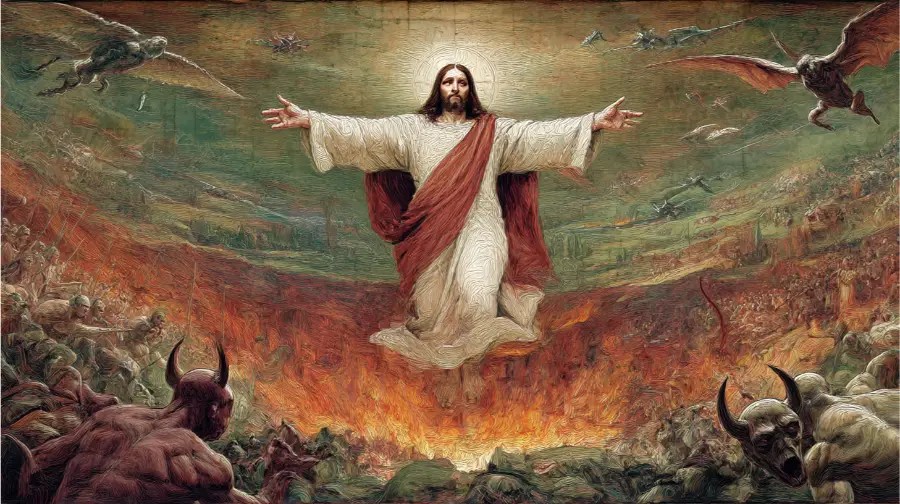
Luke 5:16
“But Jesus often withdrew to lonely places and prayed.”
Reflection: The verse before says the news about Jesus was spreading and crowds were coming to hear him and be healed. His response was to withdraw to pray, and “often” means he did it as a habit, by choice.
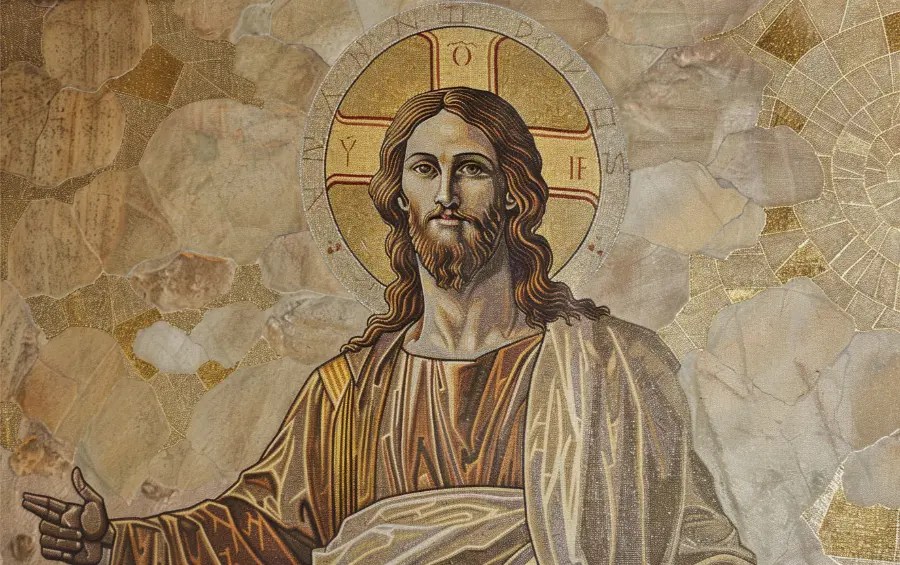
Hosea 2:14
“Therefore I am now going to allure her; I will lead her into the wilderness and speak tenderly to her.”
Reflection: God speaks of Israel as an unfaithful wife he intends to win back. The wilderness is where he will “speak tenderly to her,” and the next verse promises to make the Valley of Achor, a name that means trouble, “a door of hope” (2:15).
Where God usually puts the lonely
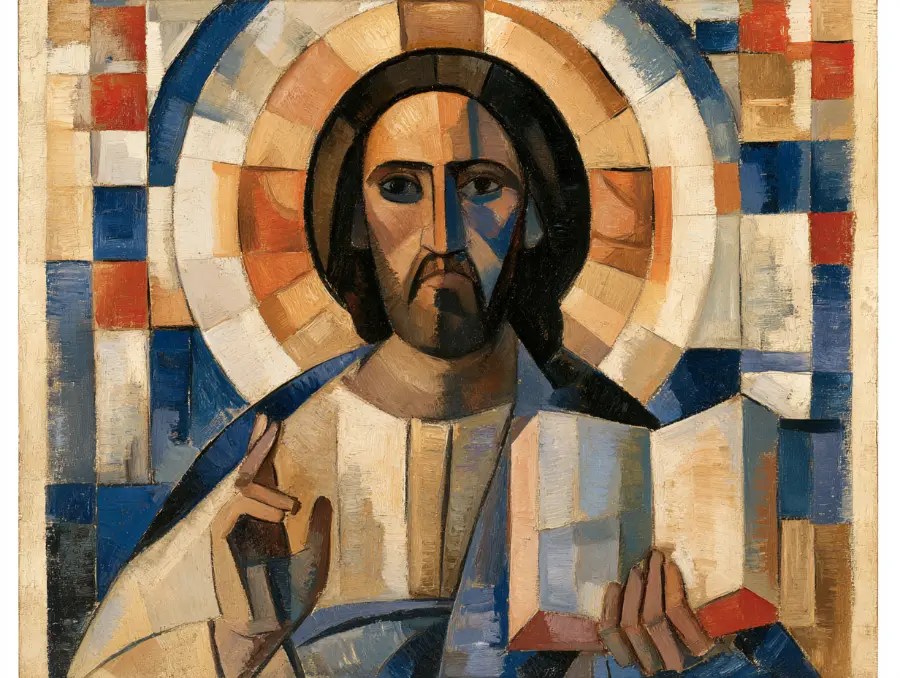
Psalm 68:6
“God sets the lonely in families, he leads out the prisoners with singing; but the rebellious live in a sun-scorched land.”
Reflection: The verse before calls God “a father to the fatherless, a defender of widows” (68:5). The Hebrew of this line reads more literally, “God settles the solitary in a home,” as the ESV translates it, so God’s answer to the lonely person here is a household.
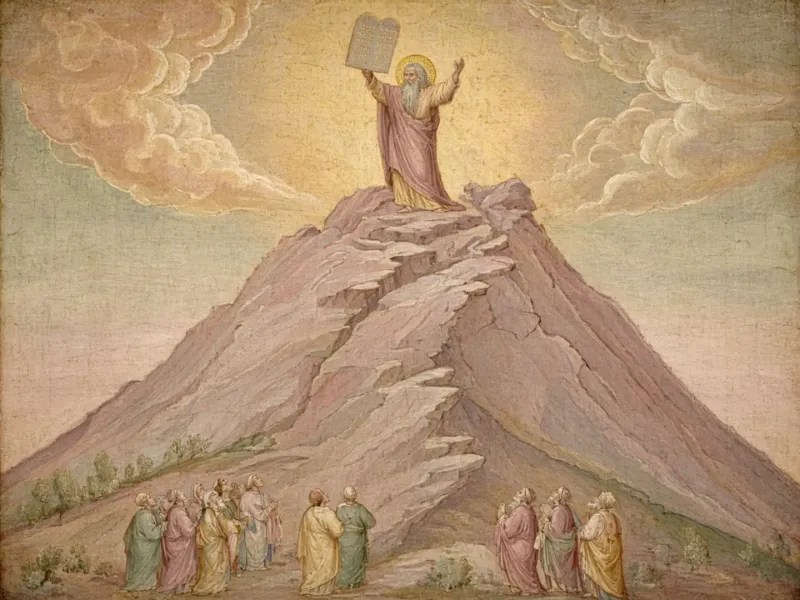
Ecclesiastes 4:9-10
“Two are better than one, because they have a good return for their labor: If either of them falls down, one can help the other up. But pity anyone who falls and has no one to help them up.”
Reflection: Just before this, the Teacher describes “a man all alone,” with neither son nor brother, working without end and asking who it is all for (4:8). His answer is companionship: two can help each other up, and two can defend themselves where one would be overpowered (4:12).
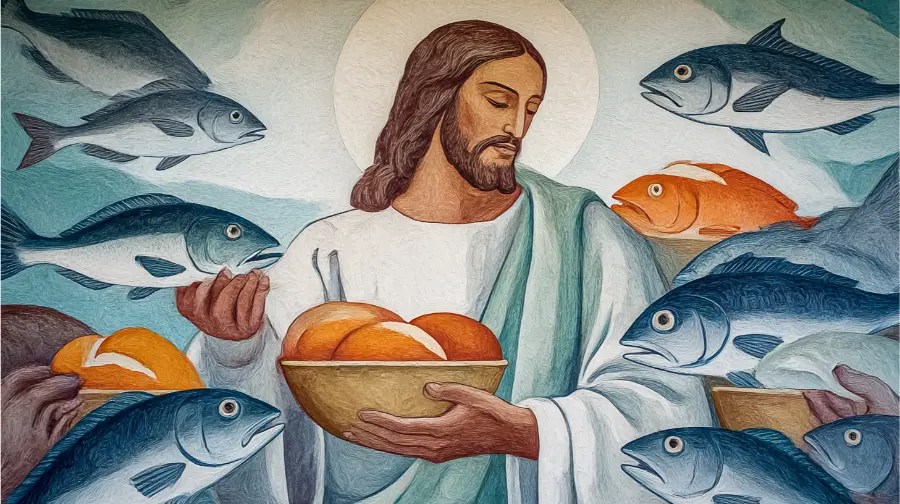
Galatians 6:2
“Carry each other’s burdens, and in this way you will fulfill the law of Christ.”
Reflection: Paul makes carrying one another’s burdens the way to fulfill the law of Christ. Three verses later he adds that “each one should carry their own load” (6:5): some weights belong to each person, and the heavy ones are meant to be shared.

Romans 12:15
“Rejoice with those who rejoice; mourn with those who mourn.”
Reflection: This comes in a list of instructions on how Christians are to love one another (12:9-21). Mourning with those who mourn means staying with someone in a grief you cannot fix.

Hebrews 10:24-25
“And let us consider how we may spur one another on toward love and good deeds, not giving up meeting together, as some are in the habit of doing, but encouraging one another—and all the more as you see the Day approaching.”
Reflection: The writer asks readers to “consider how” to spur one another on, which assumes it takes thought. He also admits that some had already stopped meeting, and treats meeting together and encouraging one another as the remedy.
What distance cannot reach
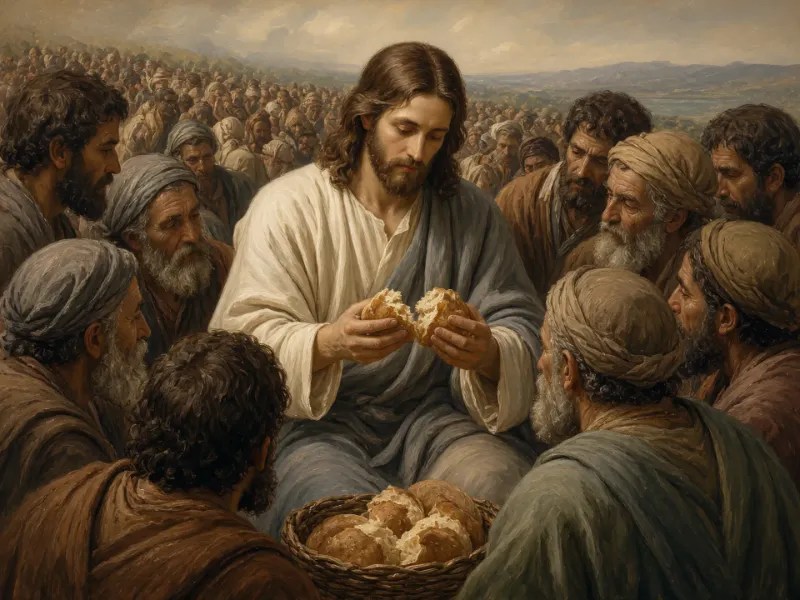
Romans 8:38-39
“For I am convinced that neither death nor life, neither angels nor demons, neither the present nor the future, nor any powers, neither height nor depth, nor anything else in all creation, will be able to separate us from the love of God that is in Christ Jesus our Lord.”
Reflection: Paul lists opposites, death and life, angels and demons, present and future, height and depth, and then adds “anything else in all creation.” None of them, he says, can separate us from the love of God in Christ.
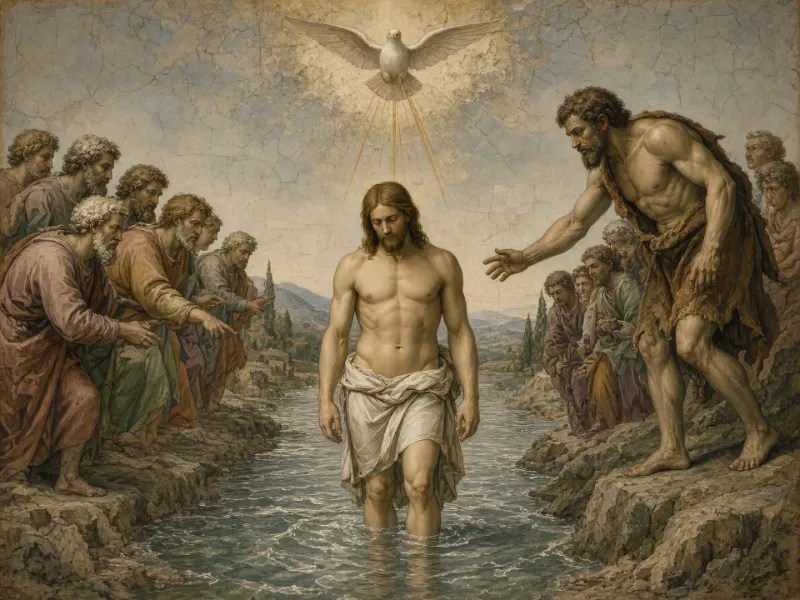
Zephaniah 3:17
“The Lord your God is with you, the Mighty Warrior who saves. He will take great delight in you; in his love he will no longer rebuke you, but will rejoice over you with singing.”
Reflection: Zephaniah speaks to Jerusalem after a long announcement of judgment, and three verses earlier he calls her to sing (3:14). Here God is the one singing: he delights in his people and “will rejoice over you with singing.”

Isaiah 54:10
“Though the mountains be shaken and the hills be removed, yet my unfailing love for you will not be shaken nor my covenant of peace be removed,” says the Lord, who has compassion on you.”
Reflection: Isaiah addresses Zion as “a wife deserted and distressed in spirit,” one who “married young, only to be rejected” (54:6). To her God promises a love and a “covenant of peace” that will stand even if the mountains are shaken.
How it ends
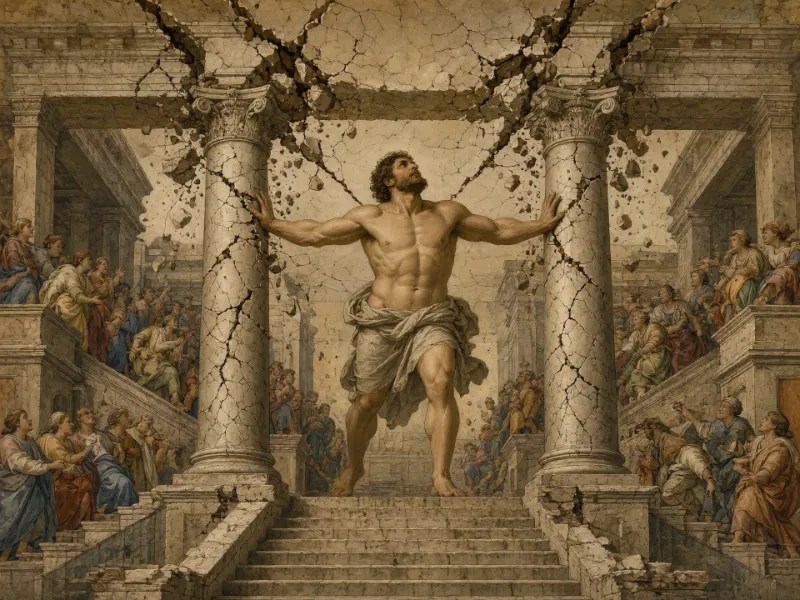
Revelation 21:3-4
“And I heard a loud voice from the throne saying, ‘Look! God’s dwelling place is now among the people, and he will dwell with them. They will be his people, and God himself will be with them and be their God. He will wipe every tear from their eyes. There will be no more death or mourning or crying or pain, for the old order of things has passed away.’”
Reflection: John’s vision of the end is of God living among his people: “God’s dwelling place is now among the people.” The same passage promises that he will wipe every tear from their eyes and that death and mourning will be gone.
A verse for how you feel
Choose how you feel today and read a verse from Scripture.
Do not fear, for I am with you; do not be afraid, for I am your God. I will strengthen you; I will surely help you; I will uphold you with My righteous right hand.
Get a verse each week
Thank you. Your first verse is on its way.
If nothing arrives in a few minutes, look in your spam or promotions folder.
Keep this for another day. A verse for how you feel has a page of its own, with our verses for each feeling.
Each verse is quoted from the Berean Standard Bible.
If tonight is one of the bad ones
These verses do not promise that loneliness will lift by a certain time. Psalm 27 allows that parents may forsake a child, and Psalm 73 spends most of its length in envy and confusion before it reaches verse 25.
What they offer is God’s presence and a place among other people. For someone who is lonely, Psalm 68:6 and Ecclesiastes 4:9-10 are reasons to reach toward other believers; for someone who is not, Romans 12:15 and Galatians 6:2 ask them to be the person who comes. There are prayers for friendship for either. Where loneliness has become depression, it is wise to talk to a doctor or counselor as well as to your church.


Leave a Reply