
 English
 Chinese
 Dutch
 Arabic
 Spanish
 Portuguese
 Russian
 French
 Italian
 German
 Japanese
The Bible treats staying single as a gift some are given and names loneliness as something God answers. Paul, himself unmarried, writes that “each of you has your own gift from God” (1 Corinthians 7:7), and Jesus speaks of those who stay unmarried “for the sake of the kingdom of heaven” (Matthew 19:12).
Jeremiah is told not to marry (Jeremiah 16:2), Jesus says there is no marrying at the resurrection (Matthew 22:30), and Isaiah 56:4-5 promises eunuchs who keep God’s covenant “a name better than sons and daughters.” On loneliness, God says “it is not good for the man to be alone” (Genesis 2:18), a psalmist prays “I am lonely” (Psalm 25:16), and “God sets the lonely in families” (Psalm 68:6).
Paul on staying unmarried
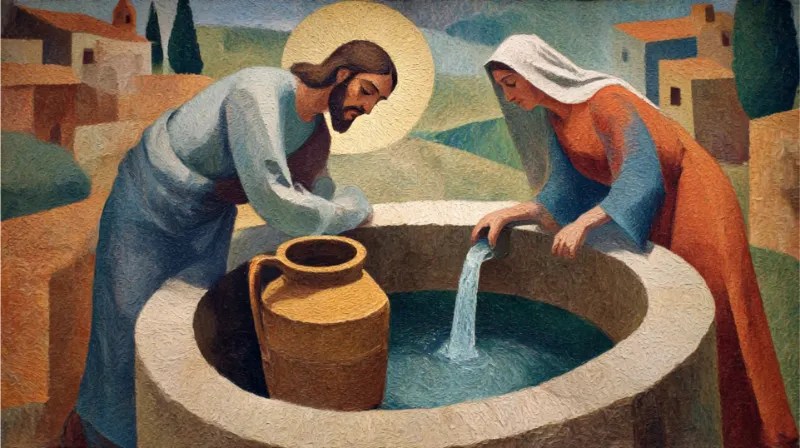
1 Corinthians 7:7-8
“I wish that all of you were as I am. But each of you has your own gift from God; one has this gift, another has that. Now to the unmarried and the widows I say: It is good for them to stay unmarried, as I do.”
Reflection: Paul is replying to a letter from Corinth, and verse 1 quotes its claim that “it is good for a man not to have sexual relations with a woman.” Verse 8 turns to “the unmarried and the widows” and tells them it is good to stay unmarried, as Paul himself does. Verse 9 adds that those who “cannot control themselves” should marry.

1 Corinthians 7:26-28
“Because of the present crisis, I think that it is good for a man to remain as he is. Are you pledged to a woman? Do not seek to be released. Are you free from such a commitment? Do not look for a wife. But if you do marry, you have not sinned; and if a virgin marries, she has not sinned. But those who marry will face many troubles in this life, and I want to spare you this.”
Reflection: Paul says in verse 25 that on this question he has “no command from the Lord” and offers “a judgment” instead. He grounds his advice in “the present crisis,” which he leaves undescribed, and in verses 29-31 says “the time is short” and “this world in its present form is passing away.” In verse 28 he says twice that marrying is not a sin.
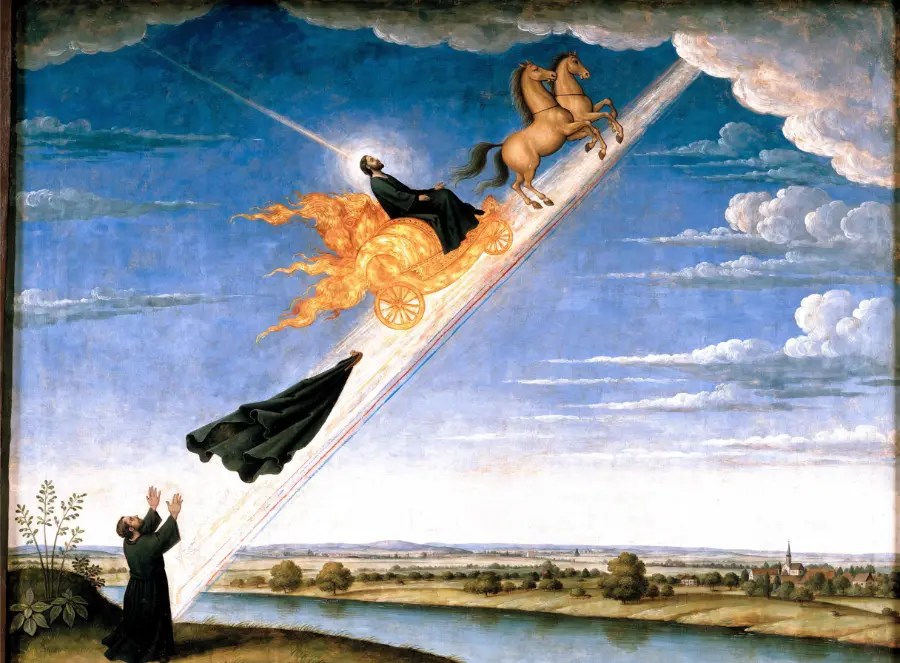
1 Corinthians 7:32-34
“I would like you to be free from concern. An unmarried man is concerned about the Lord’s affairs—how he can please the Lord. But a married man is concerned about the affairs of this world—how he can please his wife— and his interests are divided. An unmarried woman or virgin is concerned about the Lord’s affairs: Her aim is to be devoted to the Lord in both body and spirit. But a married woman is concerned about the affairs of this world—how she can please her husband.”
Reflection: Here the case for singleness turns on divided interests: the married person cares how to please a spouse, while the unmarried can attend to “the Lord’s affairs.” Verse 35 says Paul writes this “not to restrict you” but for “undivided devotion to the Lord.” His conclusion in verse 38 ranks both choices as good: the man who marries “does right,” and the one who does not “does better.”
Jesus and the prophets on not marrying
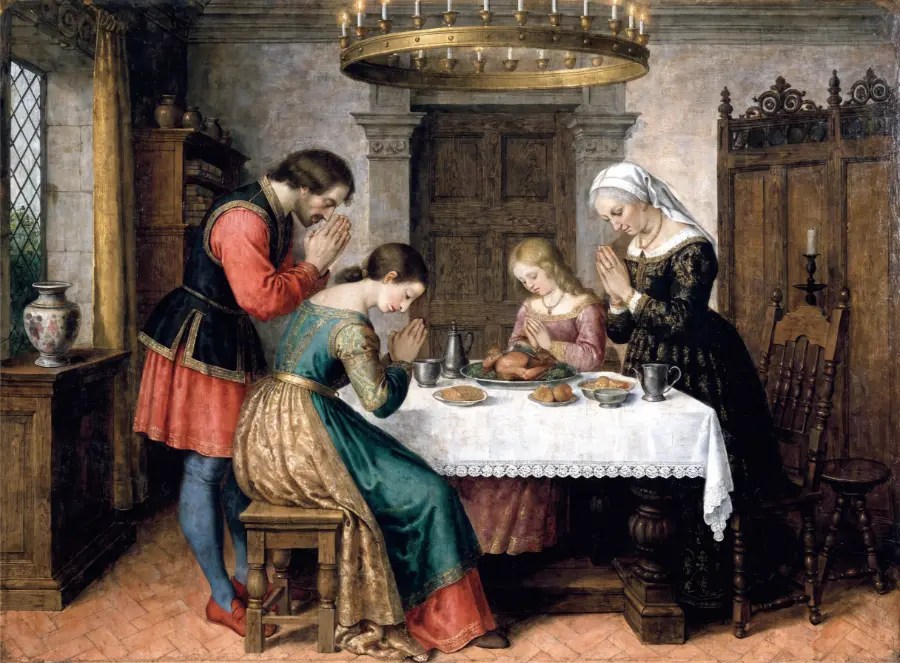
Matthew 19:12
“For there are eunuchs who were born that way, and there are eunuchs who have been made eunuchs by others—and there are those who choose to live like eunuchs for the sake of the kingdom of heaven. The one who can accept this should accept it.”
Reflection: The disciples have just heard Jesus’ teaching on divorce and say that “it is better not to marry” (Matthew 19:10). Jesus answers that not everyone can accept this, only “those to whom it has been given,” and names three kinds of people who do not marry, the last by choice for the sake of the kingdom. He leaves the decision with the one who “can accept” it.
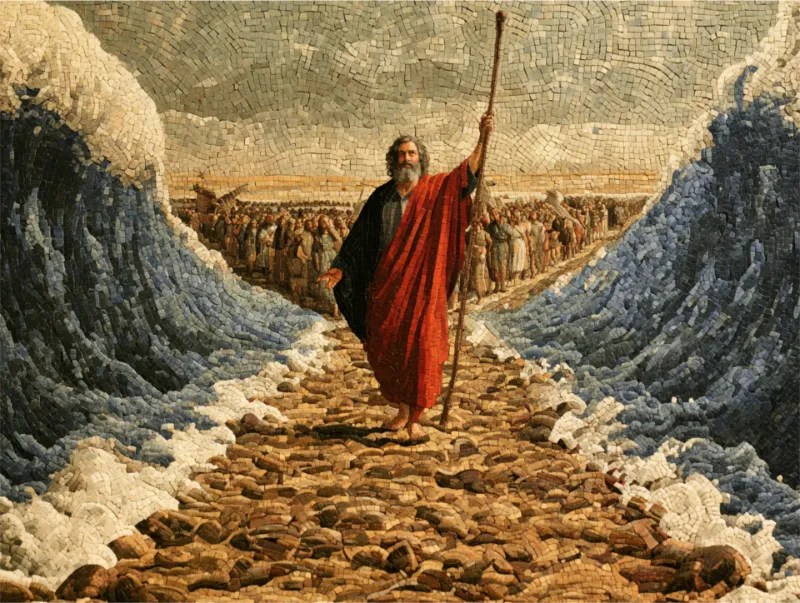
Matthew 22:30
“At the resurrection people will neither marry nor be given in marriage; they will be like the angels in heaven.”
Reflection: The Sadducees, who deny the resurrection, put to Jesus the case of a widow married in turn to seven brothers and ask whose wife she will be (Matthew 22:23-28). Jesus answers that at the resurrection no one marries, and that they “do not know the Scriptures or the power of God.” In Luke’s account he adds, “The people of this age marry and are given in marriage” (Luke 20:34).
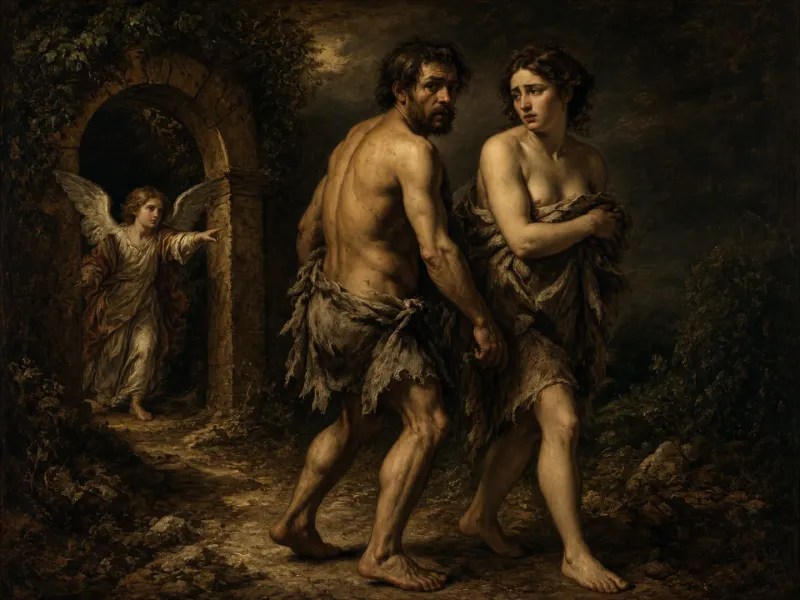
Jeremiah 16:2
“You must not marry and have sons or daughters in this place.”
Reflection: God gives this command to the prophet himself. Verses 3-4 explain it: the children born in that land would die of disease, sword and famine and lie unburied. Verse 9 announces an end to “the voices of bride and bridegroom in this place.”
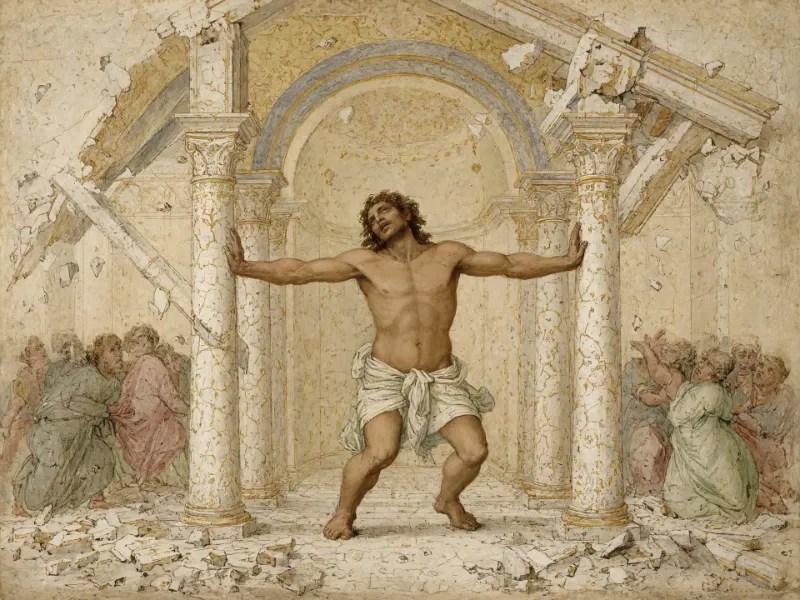
Isaiah 56:4-5
“For this is what the LORD says: ‘To the eunuchs who keep my Sabbaths, who choose what pleases me and hold fast to my covenant— to them I will give within my temple and its walls a memorial and a name better than sons and daughters; I will give them an everlasting name that will endure forever.’”
Reflection: Verse 3 tells the eunuch not to complain, “I am only a dry tree.” God answers with a memorial within his temple and “a name better than sons and daughters” for every eunuch who keeps his covenant. The same passage goes on to welcome foreigners to God’s “house of prayer for all nations” (56:7).
Loneliness as Scripture names it
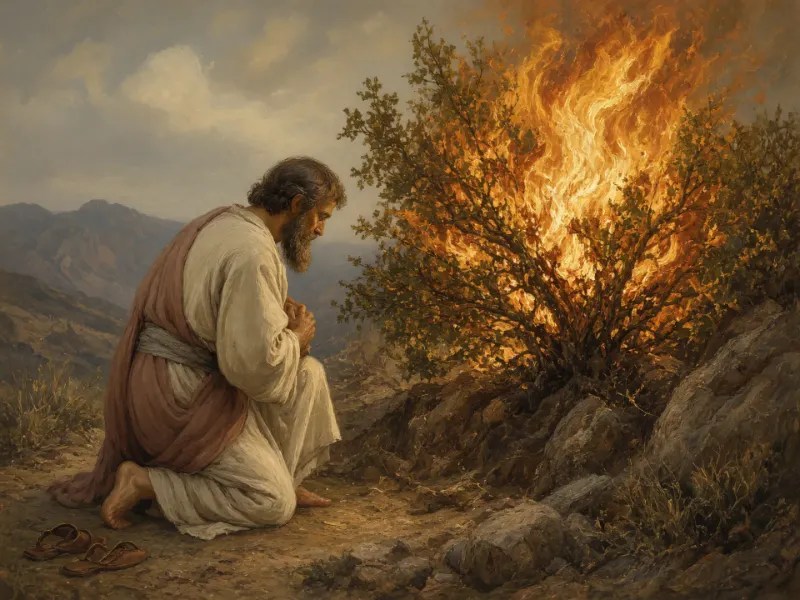
Genesis 2:18
“The LORD God said, ‘It is not good for the man to be alone. I will make a helper suitable for him.’”
Reflection: Genesis 1 repeatedly records that God saw what he had made was good. Here, before the woman is made, God calls something not good: the man being alone. What follows answers it with a companion, the woman, and the man’s words in verse 23, “This is now bone of my bones and flesh of my flesh.”
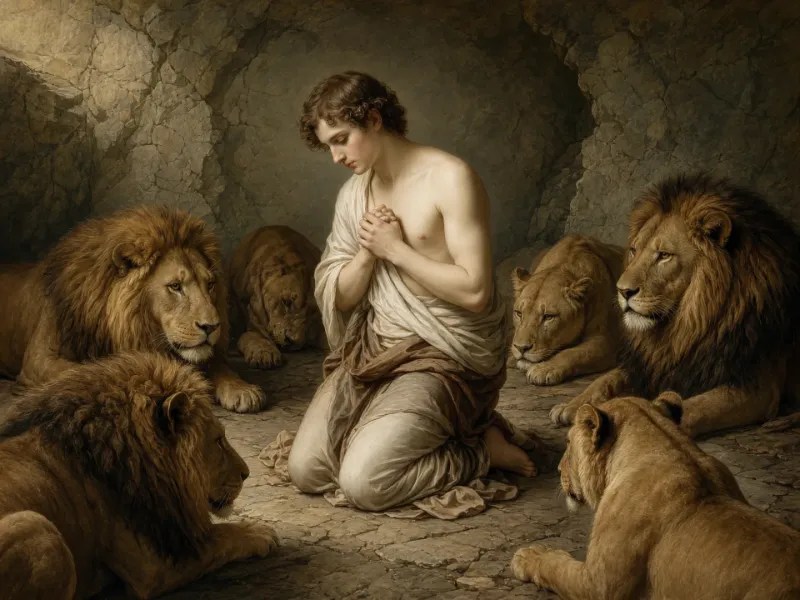
Ecclesiastes 4:9-10
“Two are better than one, because they have a good return for their labor: If either of them falls down, one can help the other up. But pity anyone who falls and has no one to help them up.”
Reflection: The Teacher has just described “a man all alone; he had neither son nor brother,” who works without end and asks, “For whom am I toiling?” (Ecclesiastes 4:8). Verses 9-12 set the practical case for company against him: two get a better return, help each other up, keep each other warm and defend each other. The passage speaks of any two people working, resting or defending each other, not only of a married couple.
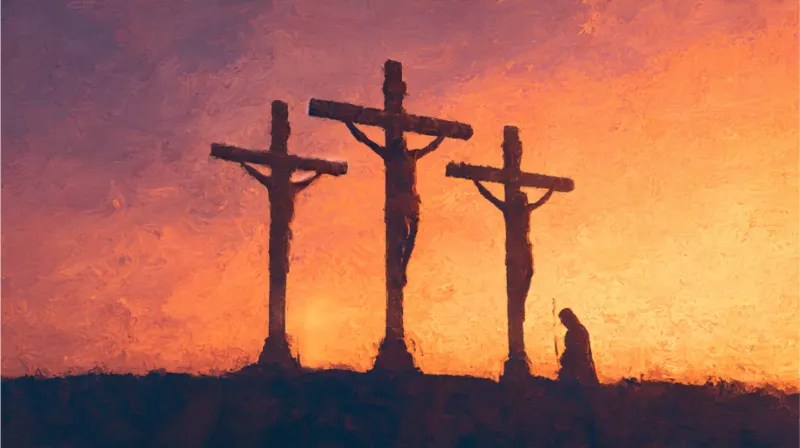
Psalm 25:16
“Turn to me and be gracious to me, for I am lonely and afflicted.”
Reflection: A prayer that names loneliness outright. The psalmist says he is “lonely and afflicted” and in the same breath asks God to relieve his anguish, take away his sins and guard his life from enemies who “fiercely hate” him (Psalm 25:17-20).
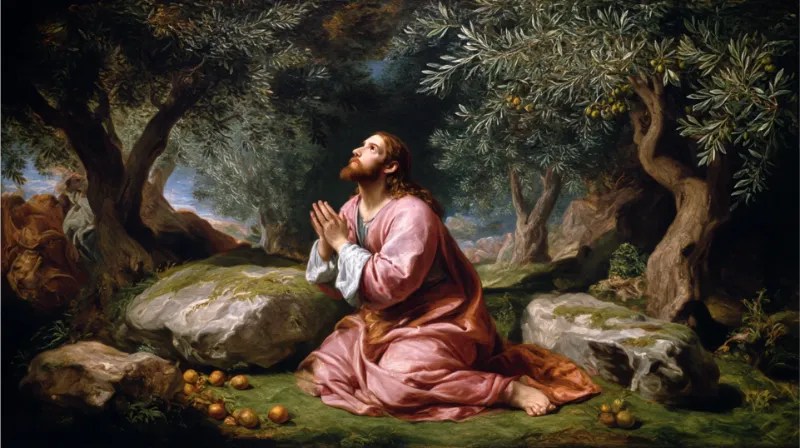
Psalm 68:6
“God sets the lonely in families, he leads out the prisoners with singing; but the rebellious live in a sun-scorched land.”
Reflection: The verse before it calls God “a father to the fatherless, a defender of widows” (Psalm 68:5). Setting the lonely in families belongs to that list of people without anyone to stand for them, and the same line has God leading prisoners out with singing.
God’s presence, and waiting on him
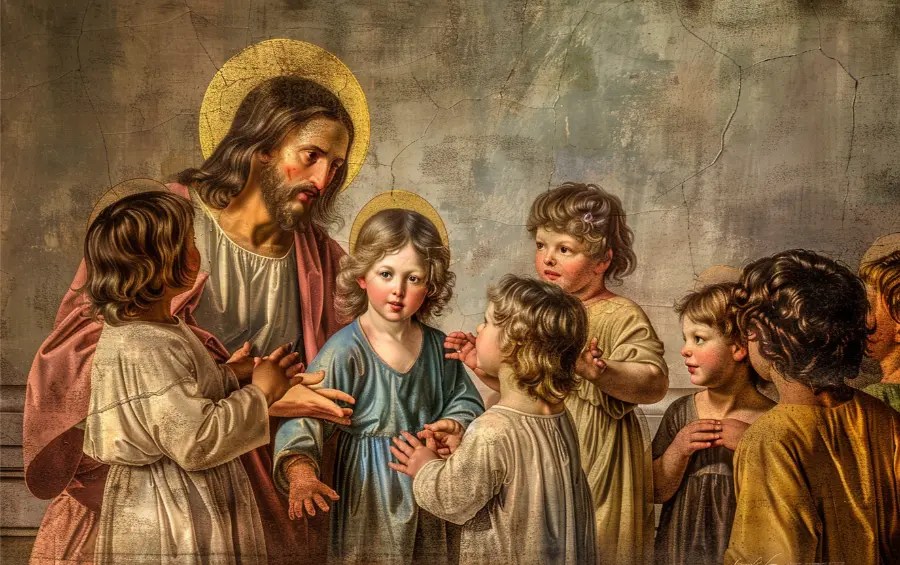
Deuteronomy 31:6
“Be strong and courageous. Do not be afraid or terrified because of them, for the LORD your God goes with you; he will never leave you nor forsake you.”
Reflection: Moses speaks to all Israel at the age of a hundred and twenty, having been told he will not cross the Jordan with them (Deuteronomy 31:1-2). The promise that God “will never leave you nor forsake you” is given to a people about to lose their leader. In verses 7-8 Moses repeats it to Joshua, who will lead them in his place.

Hebrews 13:5b
“Never will I leave you; never will I forsake you.”
Reflection: Hebrews gives as God’s own words (“God has said”) the promise of Deuteronomy 31:6, in the first-person form of Joshua 1:5. The first half of the verse sets it in the context of contentment: “Keep your lives free from the love of money and be content with what you have.” The next verse gives the answer to say back: “The Lord is my helper; I will not be afraid.”
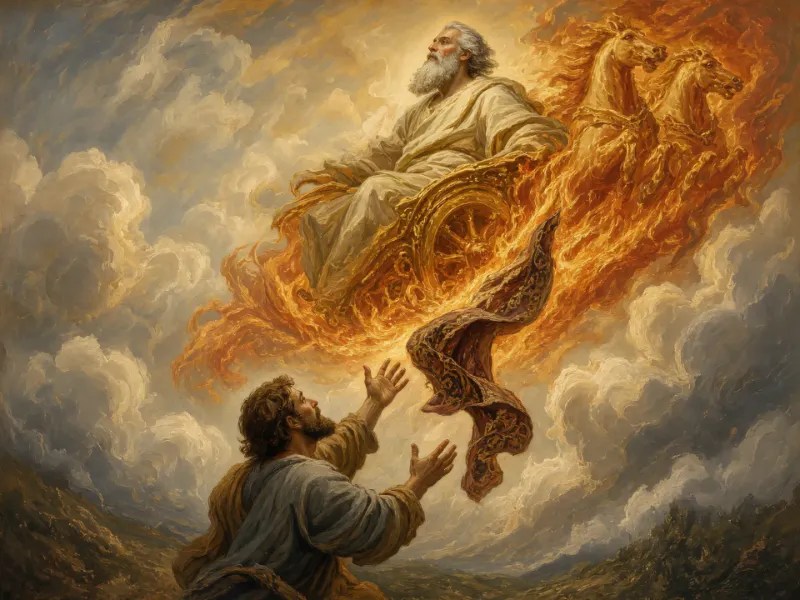
Psalm 23:4
“Even though I walk through the darkest valley, I will fear no evil, for you are with me; your rod and your staff, they comfort me.”
Reflection: Through the first three verses the psalm speaks of the shepherd as “he”: he makes me lie down, he leads me, he refreshes my soul. In the darkest valley the psalmist turns and speaks to him directly: “for you are with me.” The comfort he names is the shepherd’s rod and staff.
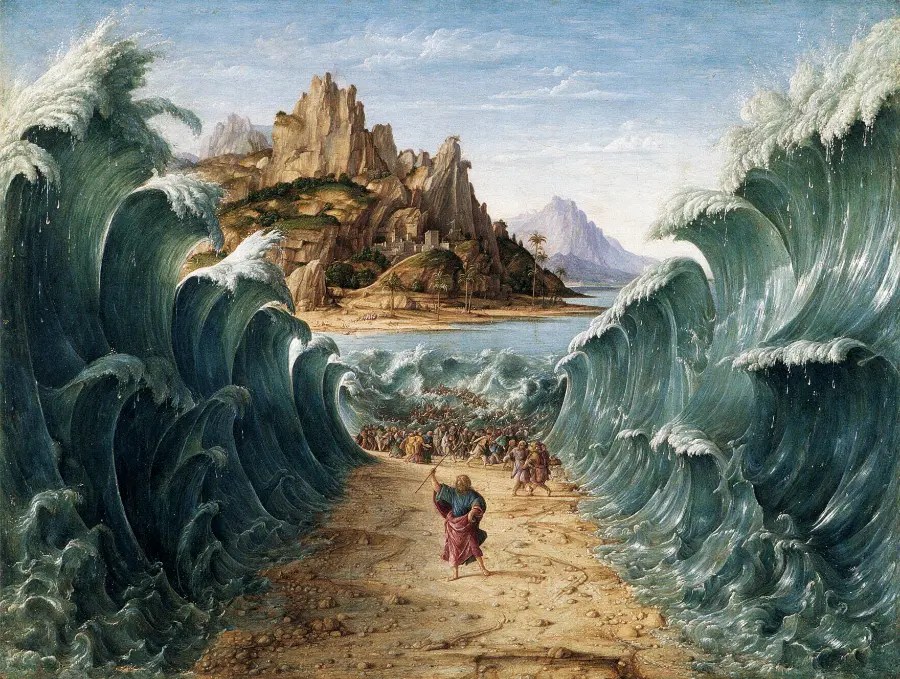
Psalm 27:14
“Wait for the LORD; be strong and take heart and wait for the LORD.”
Reflection: Earlier in the same psalm, headed “Of David,” the psalmist writes, “Though my father and mother forsake me, the LORD will receive me” (Psalm 27:10). The psalm closes with the psalmist’s command to wait, twice in one verse, and to take heart while waiting. The verse before it states the confidence behind the waiting: “I will see the goodness of the LORD in the land of the living.”
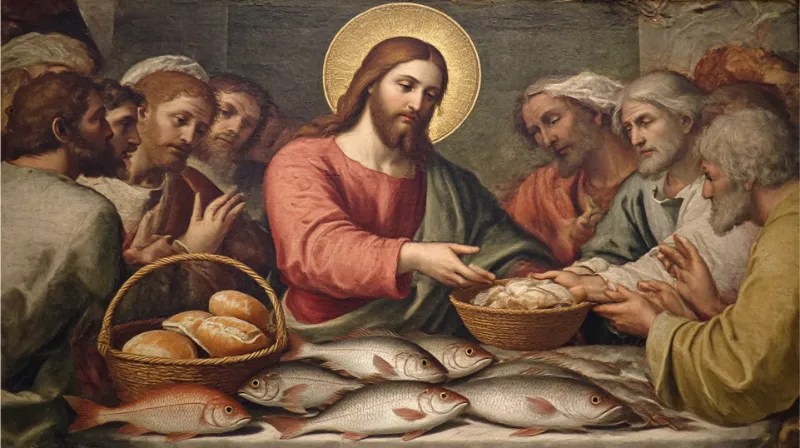
Psalm 34:18
“The LORD is close to the brokenhearted and saves those who are crushed in spirit.”
Reflection: The psalm’s heading places it after David pretended to be insane before Abimelek, who drove him away. The verse says God is near to the brokenhearted and saves those “crushed in spirit,” and verse 19 adds that “the righteous person may have many troubles, but the LORD delivers him from them all.”
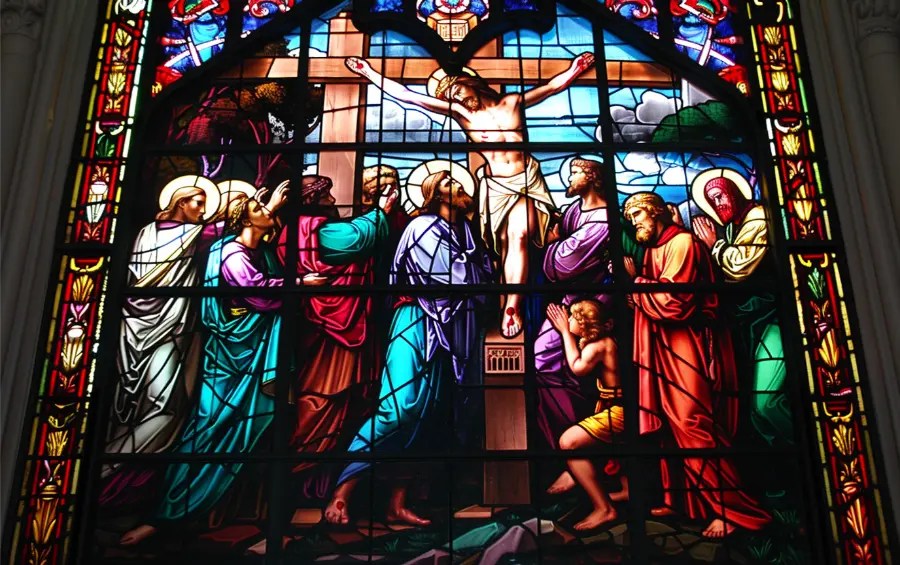
Isaiah 54:5
“For your Maker is your husband—the LORD Almighty is his name—the Holy One of Israel is your Redeemer; he is called the God of all the earth.”
Reflection: The chapter is addressed to an “afflicted city” (54:11), pictured as a barren woman and a widow (54:1, 4). God promises she will forget “the reproach of your widowhood” because her Maker is her husband. The promise is first to a city and a people, and the next verse compares her to “a wife deserted and distressed in spirit” whom God calls back.
Praying Psalm 25:16, and the people around the lonely
Psalm 25:16 is itself a prayer and can be prayed as written by anyone who is lonely. Psalm 27:14 is a command to wait, not a prayer, and Psalm 23:4 is spoken to God in the second person.
In Psalm 68:6 God answers loneliness with a family; Ecclesiastes 4:9-10 answers it with a companion.


Leave a Reply