
 English
 Chinese
 Dutch
 Arabic
 Spanish
 Portuguese
 Russian
 French
 Italian
 German
 Japanese
In the Bible an offering is something brought to God at his altar. English translations use the same words, offering and sacrifice, for the death of Christ, for praise and for a believer’s own life. Leviticus 1:3-4 sets out the burnt offering, and Romans 12:1 asks for the body as a living sacrifice.
Offerings brought to the altar
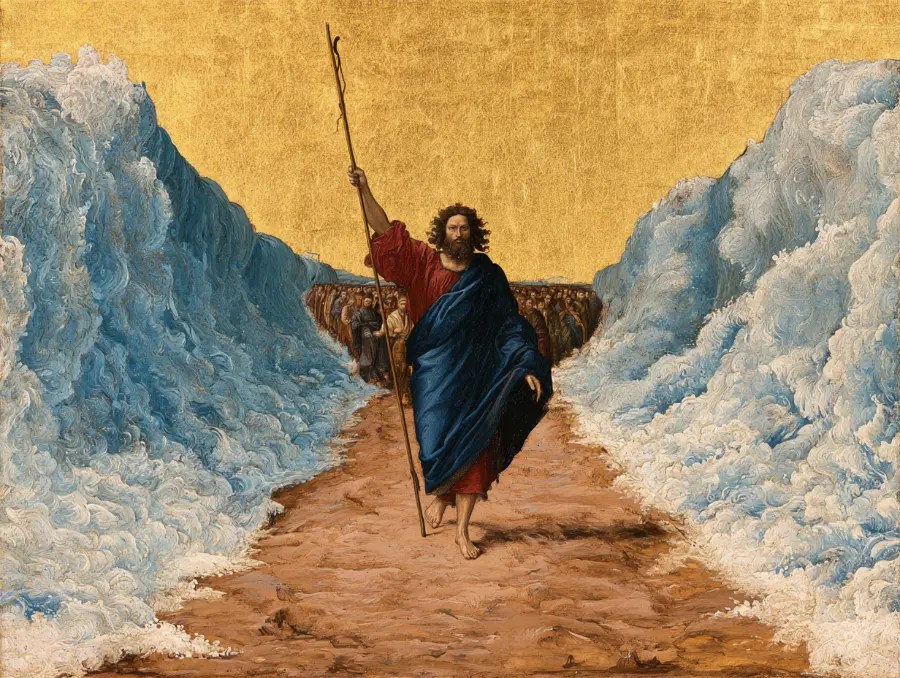
Genesis 4:4-5
“And Abel also brought an offering—fat portions from some of the firstborn of his flock. The LORD looked with favor on Abel and his offering, but on Cain and his offering he did not look with favor.”
Reflection: Cain brought some of the fruits of the soil, and Abel brought fat portions from the firstborn of his flock. The chapter does not say why one offering was accepted and the other was not; the LORD asks the angry Cain, “If you do what is right, will you not be accepted?” (4:7). Hebrews 11:4 gives its answer: “By faith Abel brought God a better offering than Cain did.”
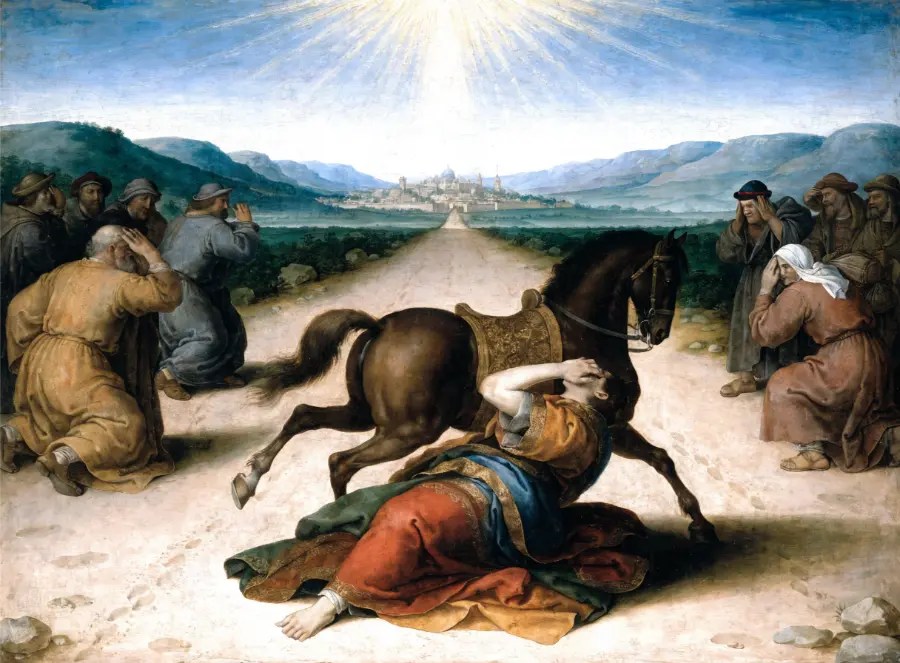
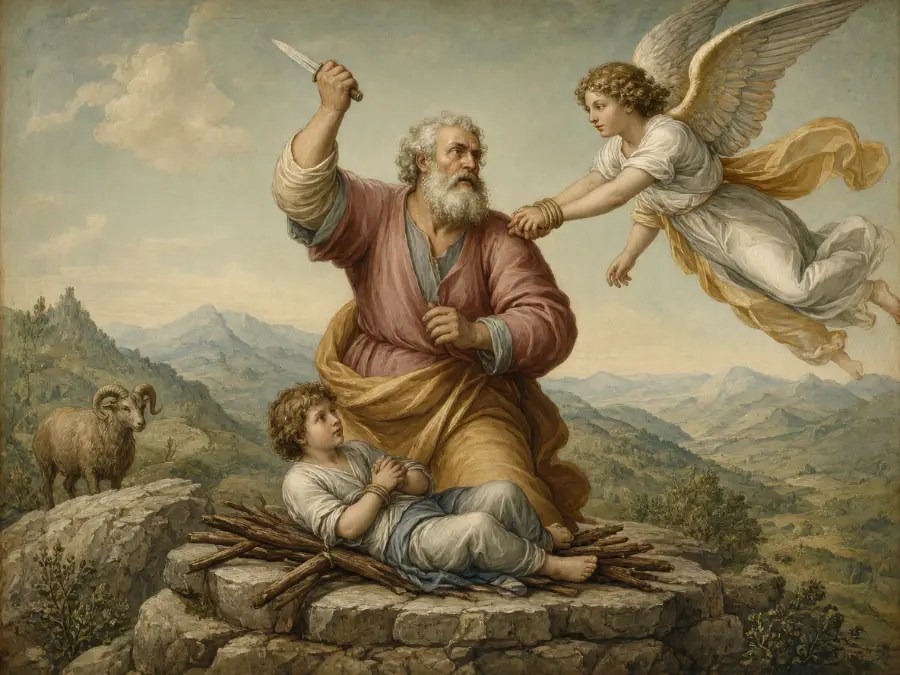
Genesis 22:2
“Then God said, ‘Take your son, your only son, whom you love—Isaac—and go to the region of Moriah. Sacrifice him there as a burnt offering on a mountain I will show you.’”
Reflection: The chapter opens by saying that God tested Abraham (22:1). Abraham built the altar and bound Isaac, and as he took the knife the angel of the LORD called to him from heaven (22:9-11). He sacrificed a ram caught in a thicket “as a burnt offering instead of his son” (22:13) and named the place The LORD Will Provide. Second Chronicles 3:1 places Solomon’s temple on Mount Moriah.
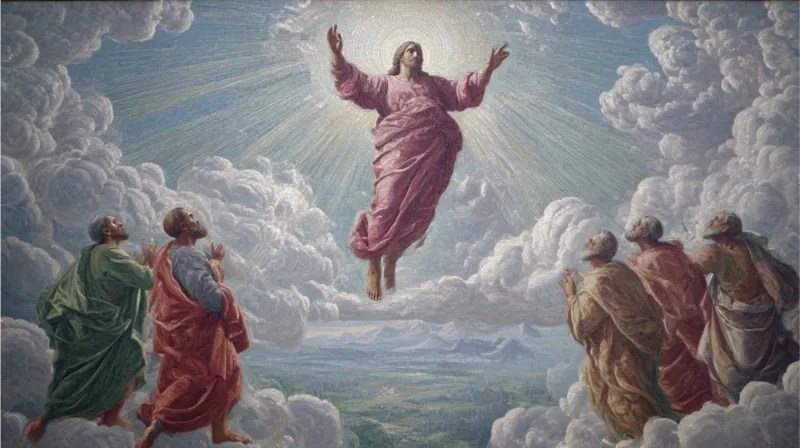
Leviticus 1:3-4
“If the offering is a burnt offering from the herd, you are to offer a male without defect. You must present it at the entrance to the tent of meeting so that it will be acceptable to the LORD. You are to lay your hand on the head of the burnt offering, and it will be accepted on your behalf to make atonement for you.”
Reflection: The LORD gave these instructions to Moses from the tent of meeting (Leviticus 1:1). The animal had to be a male without defect, and the worshipper laid a hand on its head before it was slaughtered. The priests then burned all of it on the altar, and verse 9 calls it “an aroma pleasing to the LORD.”
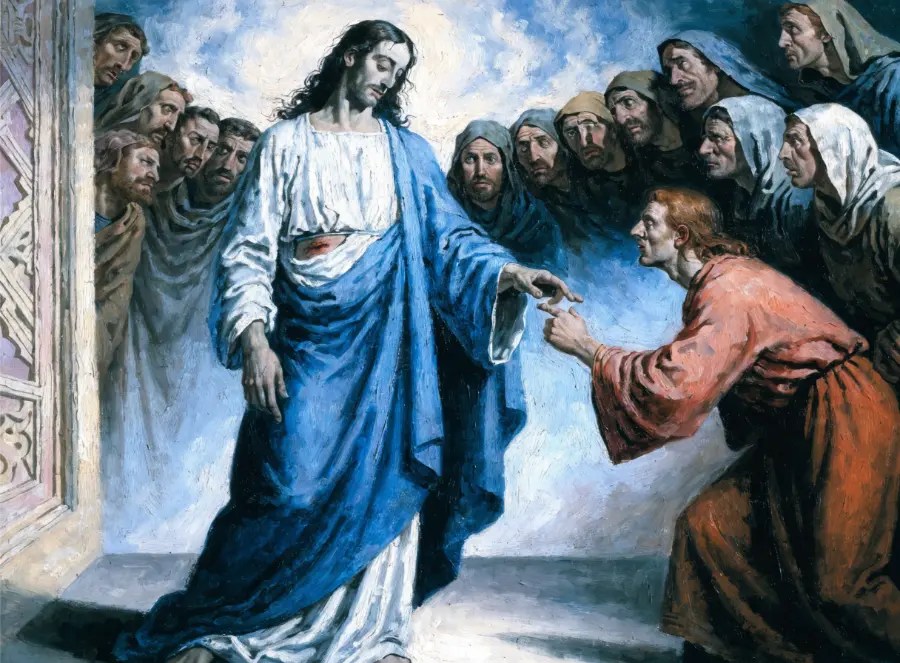
Leviticus 17:11
“For the life of a creature is in the blood, and I have given it to you to make atonement for yourselves on the altar; it is the blood that makes atonement for one’s life.”
Reflection: The verse gives the reason for a law: no Israelite, and no foreigner living among them, was to eat blood (17:10, 12). The life of a creature is in the blood, and God says he has given the blood to make atonement on the altar.
2 Samuel 24:24
“But the king replied to Araunah, ‘No, I insist on paying you for it. I will not sacrifice to the LORD my God burnt offerings that cost me nothing.’”
Reflection: A plague was on Israel, and the prophet Gad told David to build an altar on the threshing floor of Araunah the Jebusite. Araunah offered the site, the oxen and the wood as a gift. David refused and paid fifty shekels of silver for the threshing floor and the oxen, then sacrificed burnt offerings and fellowship offerings there, and “the plague on Israel was stopped” (24:25).
Psalm 96:8
“Ascribe to the LORD the glory due his name; bring an offering and come into his courts.”
Reflection: The call goes out to “all you families of nations” (96:7): ascribe glory to the LORD, bring an offering, come into his courts. The next line continues the same call: “Worship the LORD in the splendor of his holiness; tremble before him, all the earth.” In the psalm the offering is one part of worship, set beside giving glory to God’s name.
Psalm 141:2
“May my prayer be set before you like incense; may the lifting up of my hands be like the evening sacrifice.”
Reflection: The psalm is a prayer of David addressed to God. Exodus 29:38-41 orders one lamb offered on the altar in the morning and another at twilight, each with a grain offering and a drink offering. David asks that his prayer rise like incense and that his lifted hands be received like that evening offering.
When God asks for more than the sacrifice
1 Samuel 15:22
“But Samuel replied: ‘Does the LORD delight in burnt offerings and sacrifices as much as in obeying the LORD? To obey is better than sacrifice, and to heed is better than the fat of rams.’”
Reflection: Saul insisted he had obeyed, and said his soldiers had kept the best of the plunder devoted to God in order to sacrifice it to the LORD at Gilgal (15:20-21). Samuel’s answer sets obeying above burnt offerings. He ends by telling Saul that because he rejected the word of the LORD, the LORD had rejected him as king (15:23).
Psalm 51:16-17
“You do not delight in sacrifice, or I would bring it; you do not take pleasure in burnt offerings. My sacrifice, O God, is a broken spirit; a broken and contrite heart you, God, will not despise.”
Reflection: The psalmist says God does not delight in sacrifice, or he would bring it, and names instead a broken spirit and a contrite heart. The psalm does not end there: verses 18-19 look to a rebuilt Jerusalem, where God “will delight in the sacrifices of the righteous, in burnt offerings offered whole.”
Hosea 6:6
“For I desire mercy, not sacrifice, and acknowledgment of God rather than burnt offerings.”
Reflection: God is speaking of Ephraim and Judah, whose love is “like the morning mist, like the early dew that disappears” (6:4). Mercy and acknowledgment of God are set against sacrifice and burnt offerings. Jesus quotes the first line twice in Matthew: to Pharisees who objected to his eating with tax collectors (Matthew 9:13), and to Pharisees who accused his disciples of picking grain on the Sabbath (Matthew 12:7).
Micah 6:8
“He has shown you, O mortal, what is good. And what does the LORD require of you? To act justly and to love mercy and to walk humbly with your God.”
Reflection: The LORD has brought a case against Israel (Micah 6:2), and the speaker asks what to bring before him: calves a year old, thousands of rams, rivers of olive oil, even a firstborn child (6:6-7). The answer names no offering at all: act justly, love mercy, walk humbly with God.
Matthew 5:23-24
“Therefore, if you are offering your gift at the altar and there remember that your brother or sister has something against you, leave your gift there in front of the altar. First go and be reconciled to them; then come and offer your gift.”
Reflection: In the Sermon on the Mount, Jesus pictures a worshipper already standing at the altar with a gift. Reconciliation with a brother or sister comes first: the gift is left in front of the altar and offered afterwards.
The offering of Christ
Ephesians 5:1-2
“Follow God’s example, therefore, as dearly loved children and walk in the way of love, just as Christ loved us and gave himself up for us as a fragrant offering and sacrifice to God.”
Reflection: Paul calls Christ’s giving himself up “a fragrant offering and sacrifice to God”; Leviticus 1:9 uses similar words of the burnt offering, “an aroma pleasing to the LORD.” The readers are told to walk in love in the same way, following God’s example as his children.

Psalm 40:6-8
“Sacrifice and offering you did not desire—but my ears you have opened—burnt offerings and sin offerings you did not require. Then I said, ‘Here I am, I have come—it is written about me in the scroll. I desire to do your will, my God; your law is within my heart.’”
Reflection: The psalmist says God did not desire sacrifice and offering, and answers with himself: “Here I am, I have come.” Hebrews 10:5-7 quotes these lines as Christ’s words on coming into the world, with the wording “a body you prepared for me” where the psalm has “my ears you have opened.”
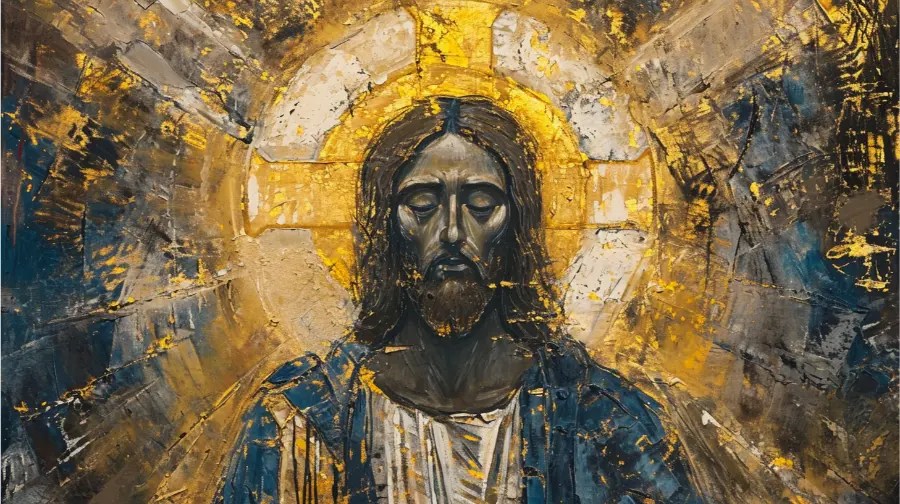
1 Corinthians 5:7
“Get rid of the old yeast, so that you may be a new unleavened batch—as you really are. For Christ, our Passover lamb, has been sacrificed.”
Reflection: Paul is telling the church at Corinth that its boasting is not good, and that “a little yeast leavens the whole batch of dough” (5:6). He draws on the Passover, when each family slaughtered a lamb and put its blood on the doorframe (Exodus 12:21-23). Verse 8 continues: “let us keep the Festival, not with the old bread leavened with malice and wickedness, but with the unleavened bread of sincerity and truth.”
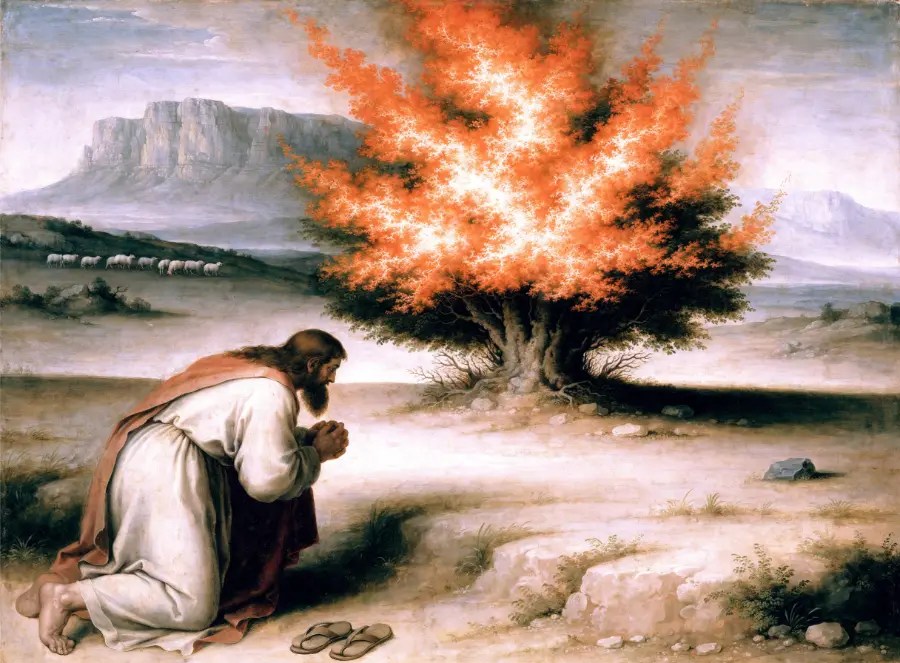
Hebrews 10:11-14
“Day after day every priest stands and performs his religious duties; again and again he offers the same sacrifices, which can never take away sins. But when this priest had offered for all time one sacrifice for sins, he sat down at the right hand of God, and since that time he waits for his enemies to be made his footstool. For by one sacrifice he has made perfect forever those who are being made holy.”
Reflection: The chapter sets priests who offer the same sacrifices day after day, which “can never take away sins”, against Christ, who offered one sacrifice and sat down at God’s right hand. Verse 10 says believers “have been made holy through the sacrifice of the body of Jesus Christ once for all.” Churches read this differently for the Lord’s Supper. The Catechism of the Catholic Church teaches that “the sacrifice of Christ and the sacrifice of the Eucharist are one single sacrifice”, offered by the same Christ, and that “only the manner of offering is different” (paragraph 1367). The Westminster Confession of Faith (29.2) says that in the Supper there is no “real sacrifice made at all” for sins, “but only a commemoration of that one offering up of himself, by himself, upon the cross, once for all: and a spiritual oblation of all possible praise unto God, for the same.”
Offerings believers make
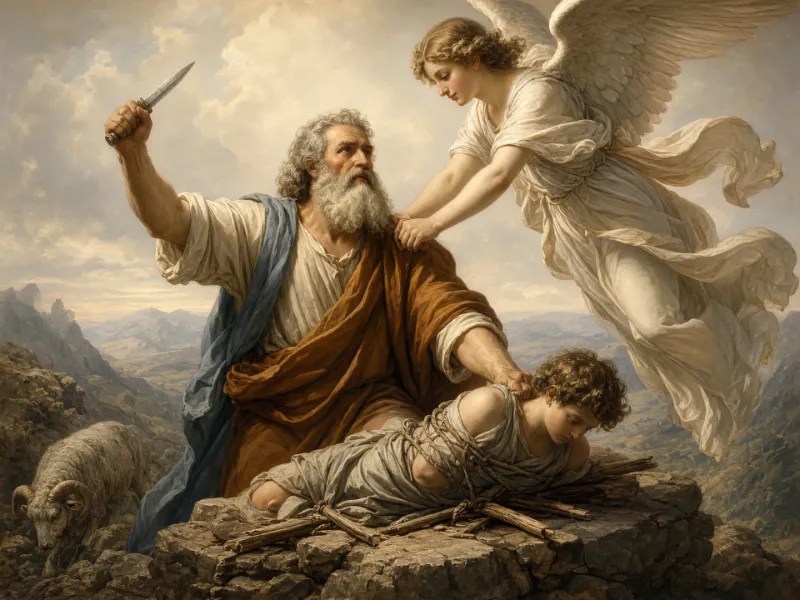
Romans 12:1
“Therefore, I urge you, brothers and sisters, in view of God’s mercy, to offer your bodies as a living sacrifice, holy and pleasing to God—this is your true and proper worship.”
Reflection: Paul asks for the body itself, offered alive, and calls this “true and proper worship”. The appeal rests on God’s mercy. Verse 2 adds a further command: “Do not conform to the pattern of this world, but be transformed by the renewing of your mind.”

Hebrews 13:15
“Through Jesus, therefore, let us continually offer to God a sacrifice of praise—the fruit of lips that openly profess his name.”
Reflection: The verses before this one speak of the high priest’s sin offering and of Jesus suffering outside the city gate “to make the people holy through his own blood” (Hebrews 13:11-12). The sacrifice the readers are to offer “through Jesus” is praise, which the verse defines as “the fruit of lips that openly profess his name.”
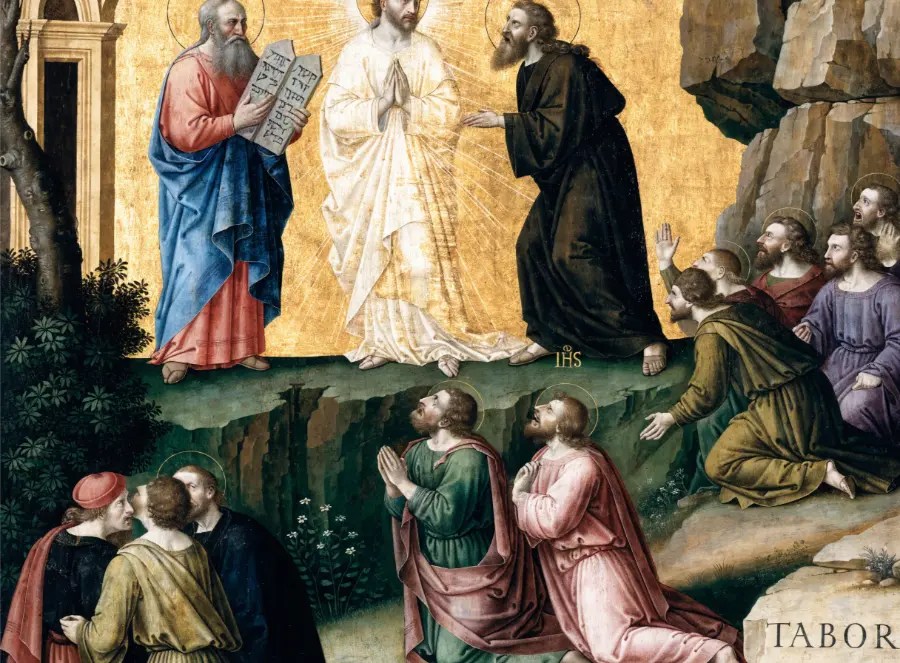
Hebrews 13:16
“And do not forget to do good and to share with others, for with such sacrifices God is pleased.”
Reflection: Doing good and sharing with others are named here as sacrifices of their own. The verse calls them “such sacrifices” and says God is pleased with them.
Philippians 2:17
“But even if I am being poured out like a drink offering on the sacrifice and service coming from your faith, I am glad and rejoice with all of you.”
Reflection: Paul pictures his own life poured out like a drink offering on top of the Philippians’ sacrifice and service, which come from their faith. He says that even so he is glad, and in the next verse he asks them to be glad and rejoice with him.
Philippians 4:18
“I have received full payment and have more than enough. I am amply supplied, now that I have received from Epaphroditus the gifts you sent. They are a fragrant offering, an acceptable sacrifice, pleasing to God.”
Reflection: Paul describes the gifts Epaphroditus brought from Philippi in the words of the altar: a fragrant offering, an acceptable sacrifice, pleasing to God. Just before, he says he is not seeking the gifts themselves: “what I desire is that more be credited to your account” (4:17).


Leave a Reply