
 English
 Chinese
 Dutch
 Arabic
 Spanish
 Portuguese
 Russian
 French
 Italian
 German
 Japanese
The Bible’s direct instructions for raising children cover four things: teaching them about God, disciplining them, not provoking them, and caring for them. Deuteronomy 6:6-7 carries the first, Proverbs 13:24 and 19:18 the second, and Ephesians 6:4 and Colossians 3:21 the third.
Several passages speak to parents by comparison. Jesus reasons from the gifts parents give their children to the gifts God gives (Matthew 7:11), Hebrews 12:9-10 reasons from a father’s discipline to God’s, and Paul describes his care for the church at Thessalonica as a father’s care for his children (1 Thessalonians 2:11-12).
Teaching children about God at home

Deuteronomy 6:6-7
“These commandments that I give you today are to be on your hearts. Impress them on your children. Talk about them when you sit at home and when you walk along the road, when you lie down and when you get up.”
Reflection: Moses is speaking to Israel before they cross the Jordan (6:1), and the commandments he means are the ones just stated: “Hear, O Israel: The Lord our God, the Lord is one. Love the Lord your God with all your heart and with all your soul and with all your strength” (6:4-5). They are to be on the parents’ own hearts before they are impressed on the children. The times listed, sitting, walking, lying down and getting up, cover the whole day, and verses 20-21 give the answer for when a son asks what the laws mean: “We were slaves of Pharaoh in Egypt, but the Lord brought us out of Egypt with a mighty hand.” Deuteronomy 11:19 repeats the instruction almost word for word.

Psalm 78:4
“We will not hide them from their descendants; we will tell the next generation the praiseworthy deeds of the Lord, his power, and the wonders he has done.”
Reflection: The psalm is headed “A maskil of Asaph.” Verses 5-6 say God “commanded our ancestors to teach their children, so the next generation would know them, even the children yet to be born, and they in turn would tell their children.” What is handed on is a record of “the praiseworthy deeds of the Lord,” and verse 8 gives the purpose: that the children “would not be like their ancestors,” whom it calls “a stubborn and rebellious generation.”
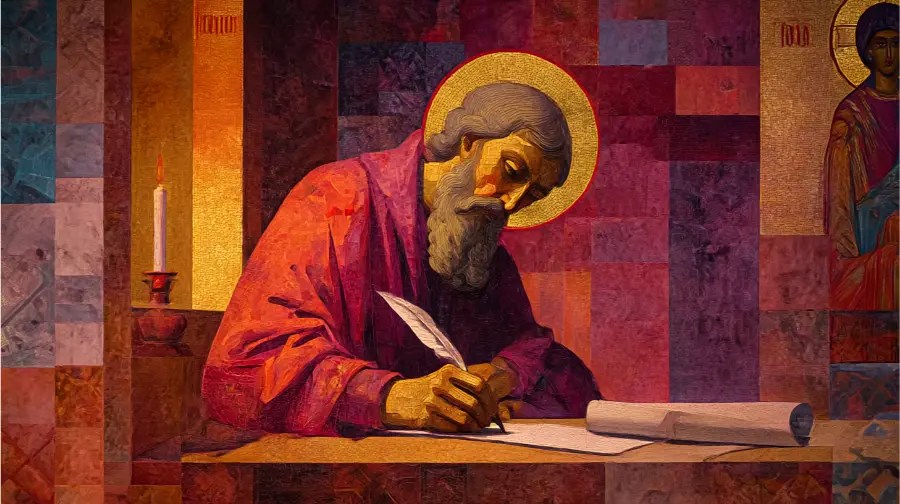
Proverbs 22:6
“Start children off on the way they should go, and even when they are old they will not turn from it.”
Reflection: “Start children off” translates the Hebrew verb chanak, whose meanings include to train, to dedicate and to inaugurate. The saying puts the work of training up a child in childhood and the result in old age. In the same chapter it follows sayings about a good name, humility and the fear of the Lord (22:1-4).

2 Timothy 1:5
“I am reminded of your sincere faith, which first lived in your grandmother Lois and in your mother Eunice and, I am persuaded, now lives in you also.”
Reflection: Paul, writing to Timothy, traces his faith through two women: his grandmother Lois and his mother Eunice. Acts 16:1 describes Timothy’s mother as “Jewish and a believer” and his father as “a Greek.” Later in the letter Paul adds that “from infancy you have known the Holy Scriptures” (3:15).
Discipline
Proverbs 13:24
“Whoever spares the rod hates their children, but the one who loves their children is careful to discipline them.”
Reflection: The proverb joins love and discipline in one line. A parent who withholds the rod is said to hate the child, and the one who loves is “careful to discipline them.” Proverbs 29:15 pairs “a rod and a reprimand” and says that “a child left undisciplined disgraces its mother.”

Proverbs 19:18
“Discipline your children, for in that there is hope; do not be a willing party to their death.”
Reflection: Two reasons are given for discipline: “in that there is hope,” and neglecting it makes the parent “a willing party to their death.” Proverbs 23:13-14 draws the same connection: “Punish them with the rod and save them from death.”
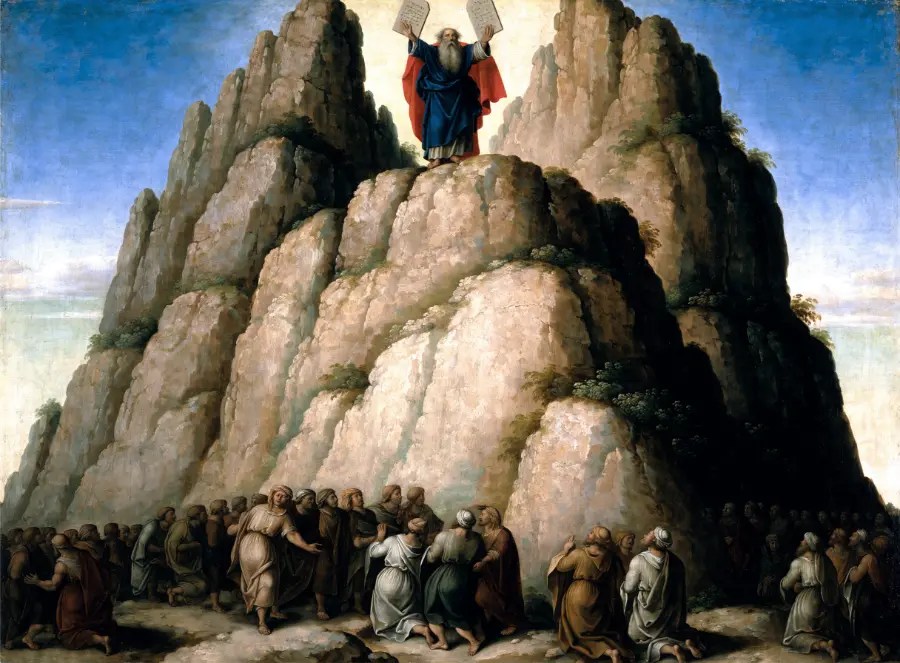
Hebrews 12:11
“No discipline seems pleasant at the time, but painful. Later on, however, it produces a harvest of righteousness and peace for those who have been trained by it.”
Reflection: Hebrews 12 tells its readers to “endure hardship as discipline” (12:7) and quotes Proverbs 3:11-12: “the Lord disciplines the one he loves.” The writer then compares human fathers with God: “They disciplined us for a little while as they thought best; but God disciplines us for our good” (12:10). Verse 11 admits that discipline is painful at the time and places its result later, in “a harvest of righteousness and peace.”
What fathers must not do
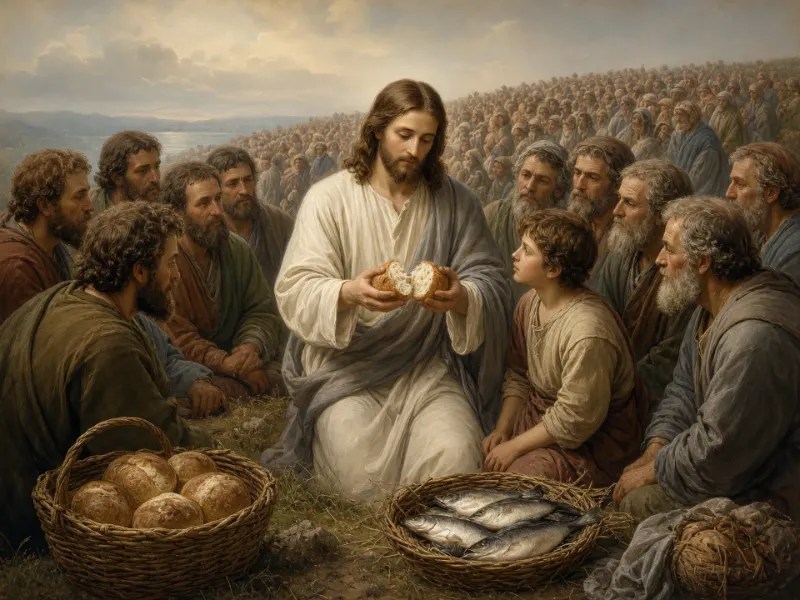
Ephesians 6:4
“Fathers, do not exasperate your children; instead, bring them up in the training and instruction of the Lord.”
Reflection: Paul has just told children, “obey your parents in the Lord, for this is right,” and quoted the commandment to honour father and mother along with its promise (6:1-3). The instruction to fathers has two halves: not to exasperate their children, and to bring them up “in the training and instruction of the Lord.”
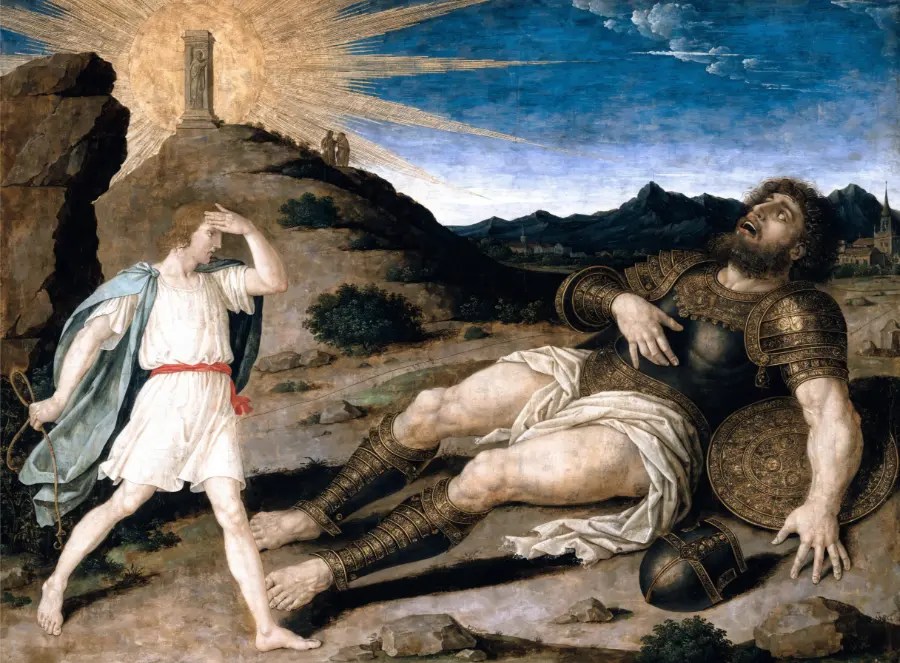
Colossians 3:21
“Fathers, do not embitter your children, or they will become discouraged.”
Reflection: Colossians 3:18-21 addresses wives, husbands, children and fathers in turn. The command to fathers comes directly after “Children, obey your parents in everything, for this pleases the Lord” (3:20). Colossians adds a reason Ephesians does not give: embittered children “will become discouraged.”
Care and provision
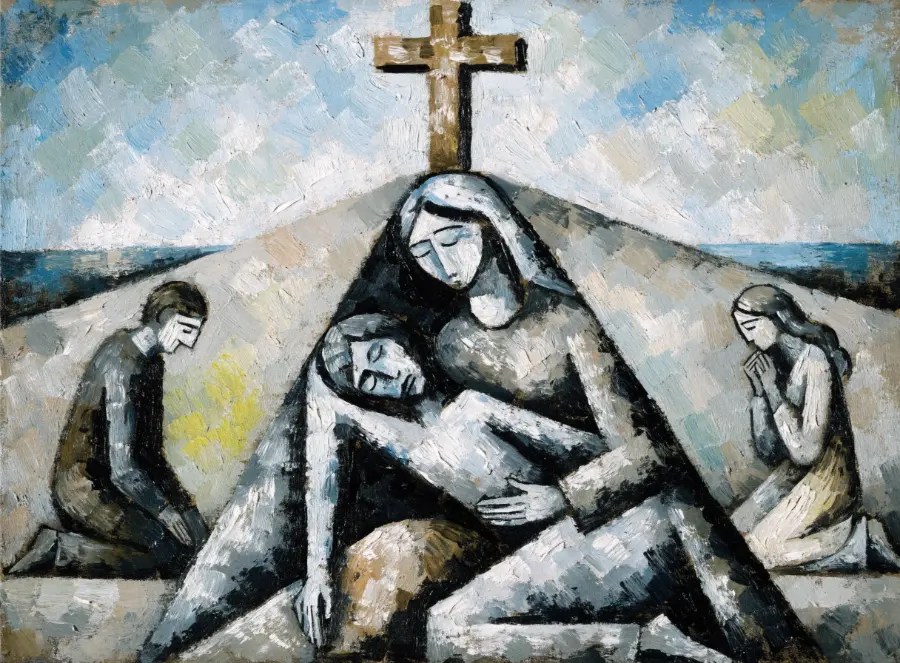
Matthew 7:11
“If you, then, though you are evil, know how to give good gifts to your children, how much more will your Father in heaven give good gifts to those who ask him!”
Reflection: Jesus is teaching about asking God for what is needed (7:7). He argues from what parents already do: none of them would give a son a stone when he asks for bread, or a snake when he asks for a fish (7:9-10). The argument takes it as given that parents, “though you are evil,” know how to give good gifts to their children.
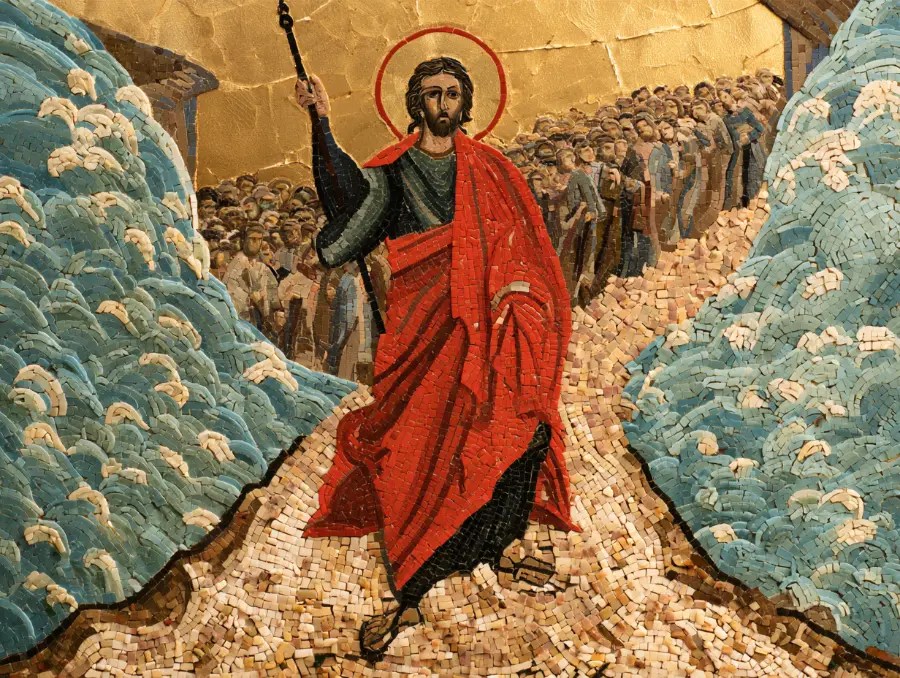
1 Thessalonians 2:11-12
“For you know that we dealt with each of you as a father deals with his own children, encouraging, comforting and urging you to live lives worthy of God, who calls you into his kingdom and glory.”
Reflection: Paul is describing how he and those with him behaved at Thessalonica. He uses both parents as pictures: “Just as a nursing mother cares for her children, so we cared for you” (2:7-8), and here a father who is “encouraging, comforting and urging” his children. The aim of the urging is that they “live lives worthy of God.”
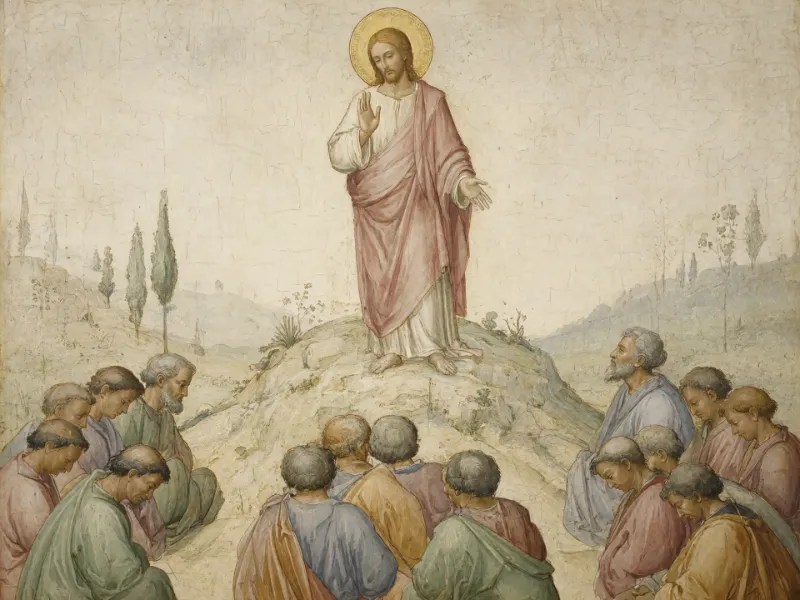
Titus 2:4
“Then they can urge the younger women to love their husbands and children.”
Reflection: Paul tells Titus that older women are “to teach what is good” (2:3), so that they can urge younger women to love their husbands and children. Love for children appears here as something taught and encouraged, listed with self-control, purity and kindness. Verse 5 states the purpose: “so that no one will malign the word of God.”
A household that depends on the Lord
Joshua 24:15
“But as for me and my household, we will serve the Lord.”
Reflection: Joshua has gathered all the tribes of Israel at Shechem (24:1) and tells them to throw away the gods their ancestors worshiped “beyond the Euphrates River and in Egypt” (24:14). He puts the choice to the whole nation, and before the people give their answer he states his own, for himself and his household.
Proverbs 14:26
“Whoever fears the Lord has a secure fortress, and for their children it will be a refuge.”
Reflection: The parent’s fear of the Lord is called a secure fortress, and the same fear becomes a refuge for the children. Verse 27 calls it “a fountain of life.” Deuteronomy 6:2 sets the same aim across three generations: “so that you, your children and their children after them may fear the Lord your God.”
Psalm 127:3
“Children are a heritage from the Lord, offspring a reward from him.”
Reflection: The psalm is headed “A song of ascents. Of Solomon.” It opens with “Unless the Lord builds the house, the builders labor in vain” and calls it vain to “rise early and stay up late, toiling for food to eat.” Children are then named a heritage and a reward from the Lord, “like arrows in the hands of a warrior” (127:4).


Leave a Reply