
 English
 Chinese
 Dutch
 Arabic
 Spanish
 Portuguese
 Russian
 French
 Italian
 German
 Japanese
The Bible speaks of three kinds of peace: peace with God, the peace given to believers in the middle of trouble, and peace between people. Romans 5:1 and Colossians 1:20 carry the first, John 14:27 and Philippians 4:7 the second, and Matthew 5:9 and Romans 12:18 the third, while Ephesians 2:14 joins the first and the third.
The Old Testament word is shalom, which Strong’s defines as completeness, soundness, welfare and peace, so it covers more than the absence of war. The New Testament word is eirene. Several passages below tie peace to righteousness: Isaiah 32:17 calls peace the effect of righteousness, and Psalm 85:10 says that “righteousness and peace kiss each other.”
Peace between God and people

Romans 5:1
“Therefore, since we have been justified by faith, we have peace with God through our Lord Jesus Christ.”
Reflection: Paul draws a conclusion here: people justified by faith have peace with God through Jesus. Verse 10 shows what the peace replaced: “if while we were enemies we were reconciled to God by the death of his Son, much more, now that we are reconciled, shall we be saved by his life.” The peace in this verse is a changed standing before God, and the next verse adds that through Jesus believers have “access by faith into this grace in which we stand.”
Colossians 1:20
“And through him to reconcile to himself all things, whether on earth or in heaven, making peace by the blood of his cross.”
Reflection: The passage describes Christ as the one in whom “all the fullness of God was pleased to dwell” (verse 19), and here it widens reconciliation to “all things, whether on earth or in heaven.” The peace is made “by the blood of his cross.” Verses 21-22 then apply it to the Colossians themselves, who were “once alienated and hostile in mind” and are now reconciled “in his body of flesh by his death.”
Ephesians 2:14
“For he himself is our peace, who has made us both one and has broken down in his flesh the dividing wall of hostility.”
Reflection: Paul is writing to “you Gentiles in the flesh” (verse 11), who had been “alienated from the commonwealth of Israel.” The “both” made one are Jews and Gentiles, and the dividing wall is the hostility between them. Christ creates “one new man in place of the two” and reconciles both to God “in one body through the cross” (verses 15-16). Verse 17 borrows the words of Isaiah 57:19, “Peace, peace, to the far and to the near.”
Isaiah 9:6
“For to us a child is born, to us a son is given; and the government shall be upon his shoulder, and his name shall be called Wonderful Counselor, Mighty God, Everlasting Father, Prince of Peace.”
Reflection: Prince of Peace is the last of the child’s names in this verse, and the next verse says that “of the increase of his government and of peace there will be no end, on the throne of David.” Matthew 4:14-16 quotes the opening of the same passage (Isaiah 9:1-2) about Jesus beginning his work in Galilee, and Christians read the child of verse 6 as Jesus.
Peace God gives his people
Numbers 6:24-26
“The Lord bless you and keep you; the Lord make his face to shine upon you and be gracious to you; the Lord lift up his countenance upon you and give you peace.”
Reflection: The Lord gives these words to Moses for Aaron and his sons, the priests, to speak over Israel. Peace is the last thing the blessing asks for, after keeping, grace and the Lord’s face turned toward the people. Verse 27 explains what saying it does: “So shall they put my name upon the people of Israel, and I will bless them.”
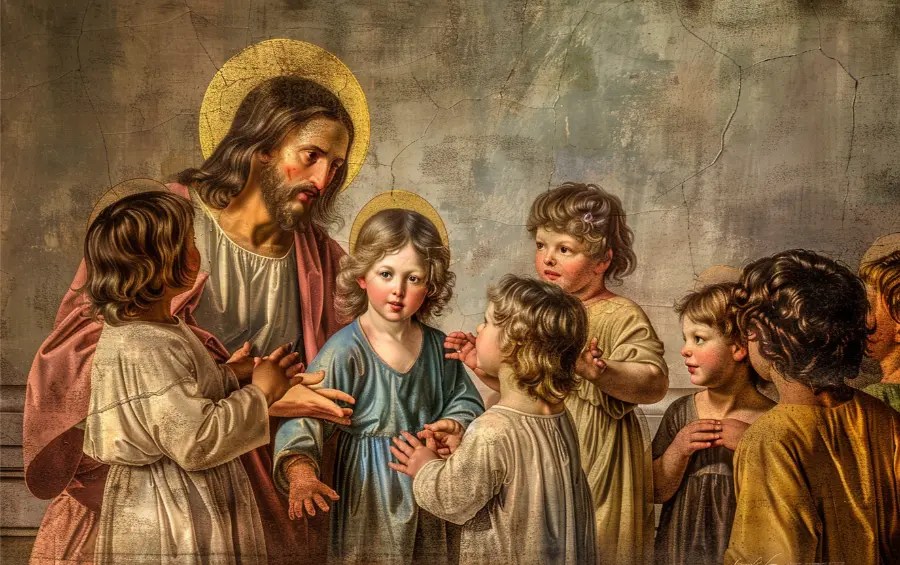
Psalm 29:11
“May the Lord give strength to his people! May the Lord bless his people with peace!”
Reflection: Psalm 29 describes the voice of the Lord thundering “over many waters” (verse 3) and the Lord enthroned “over the flood” as king forever (verse 10). After the storm, the psalm closes with a prayer that the same Lord give his people strength and peace.

Psalm 85:8
“Let me hear what God the Lord will speak, for he will speak peace to his people, to his saints; but let them not turn back to folly.”
Reflection: The psalm opens by remembering that the Lord “restored the fortunes of Jacob” and “forgave the iniquity of your people” (verses 1-2), then asks him to do it again. In verse 8 the psalmist waits to hear what God will say and expects peace, with a warning attached: “let them not turn back to folly.” Two verses later, “righteousness and peace kiss each other.”

Isaiah 26:3
“You keep him in perfect peace whose mind is stayed on you, because he trusts in you.”
Reflection: Isaiah gives this line as part of a song to be sung in Judah “in that day” about a strong city with salvation for walls (verse 1). “Perfect peace” translates the Hebrew word shalom written twice in a row. The peace belongs to the one whose mind is fixed on God “because he trusts in you,” and verse 4 continues: “Trust in the Lord forever, for the Lord God is an everlasting rock.”
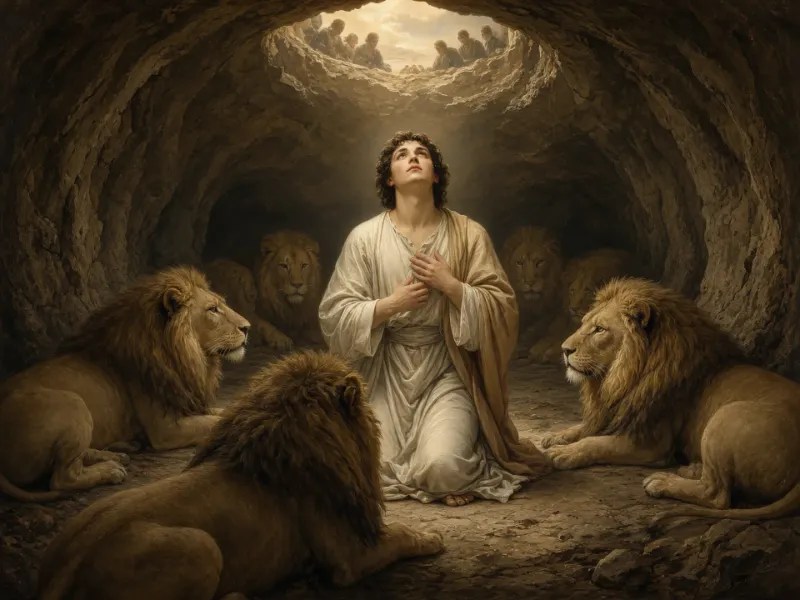
John 14:27
“Peace I leave with you; my peace I give to you. Not as the world gives do I give to you. Let not your hearts be troubled, neither let them be afraid.”
Reflection: Jesus says this at supper with his disciples (John 13:2), shortly before his arrest, while telling them “I am going away” (verse 28). The peace is a parting gift, and he sets his way of giving against the world’s. “Let not your hearts be troubled” repeats the words that open the chapter (John 14:1), and the verse before promises the Holy Spirit, who will “bring to your remembrance all that I have said to you.”
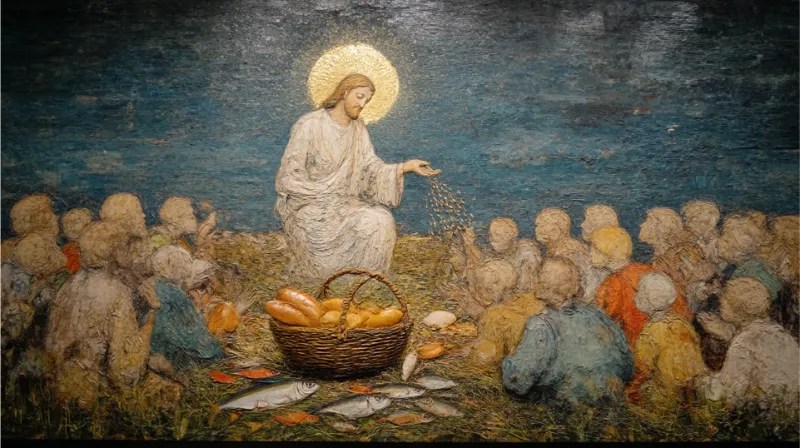
John 16:33
“I have said these things to you, that in me you may have peace. In the world you will have tribulation. But take heart; I have overcome the world.”
Reflection: This line closes the same conversation. Jesus has just told the disciples they will be scattered “and will leave me alone” (verse 32). He places peace “in me” and tribulation “in the world” side by side and promises both, and the ground he gives for courage is that he has overcome the world.
Philippians 4:7
“And the peace of God, which surpasses all understanding, will guard your hearts and your minds in Christ Jesus.”
Reflection: Paul writes from imprisonment (Philippians 1:13). The verse before tells the Philippians not to be anxious but to bring every request to God “by prayer and supplication with thanksgiving,” and this verse gives the result: God’s peace standing guard over hearts and minds. The promise concerns the peace, and the verse does not say how the requests will be answered. Verse 9 adds that “the God of peace will be with you.”
Peace that follows righteousness
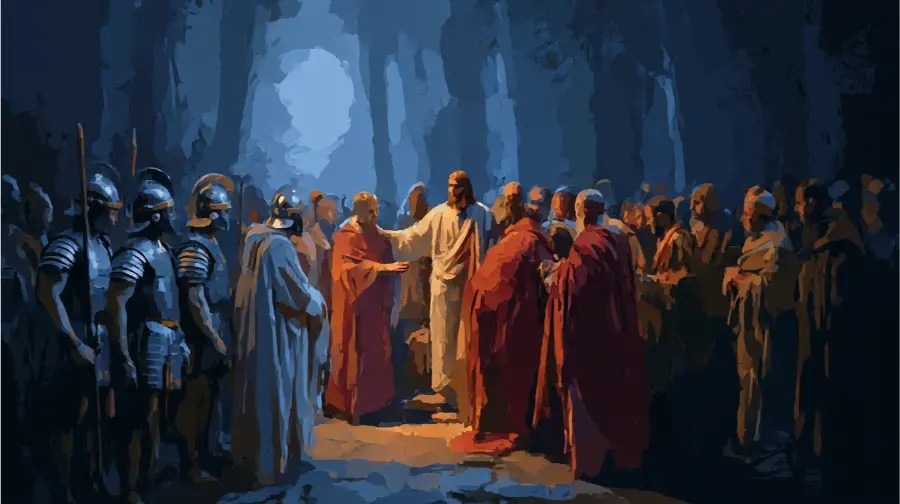
Isaiah 32:17
“And the effect of righteousness will be peace, and the result of righteousness, quietness and trust forever.”
Reflection: The chapter looks to a time when “the Spirit is poured upon us from on high” (verse 15) and justice and righteousness settle in the land (verse 16). Peace follows as their effect, and verse 18 describes it in physical terms: “a peaceful habitation, in secure dwellings, and in quiet resting places.”

Isaiah 48:18
“Oh that you had paid attention to my commandments! Then your peace would have been like a river, and your righteousness like the waves of the sea.”
Reflection: The Lord speaks as Israel’s Redeemer, the one “who leads you in the way you should go” (verse 17), and looks back on what disobedience cost. Peace like a river is set beside righteousness like the waves and descendants like the sand (verse 19). The chapter ends with the other side of the same point: “There is no peace,” says the Lord, “for the wicked” (verse 22).
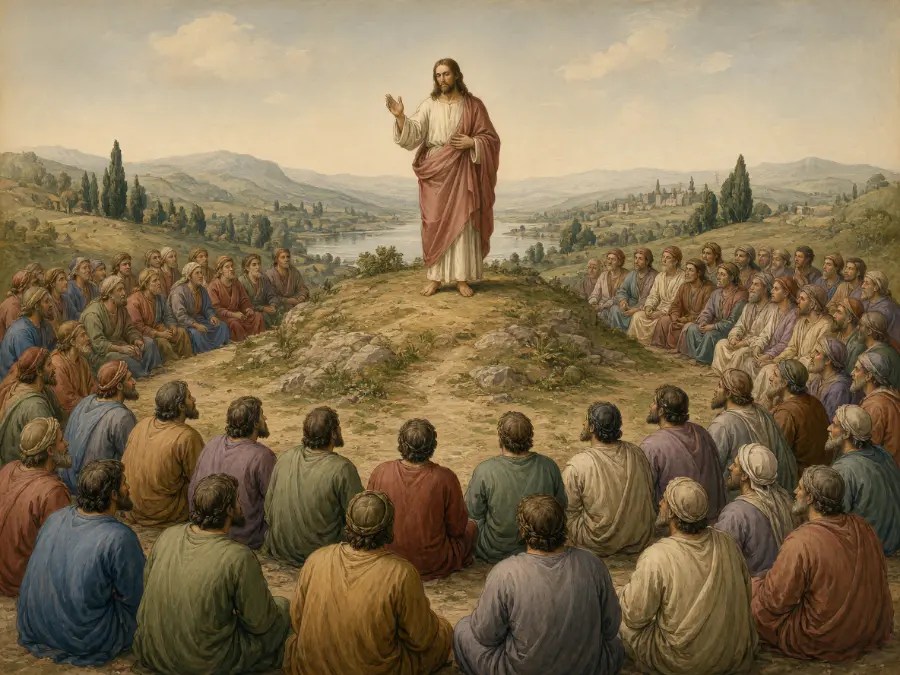
Psalm 119:165
“Great peace have those who love your law; nothing can make them stumble.”
Reflection: Psalm 119 is a long psalm about God’s law, and this verse links great peace to loving it. The second line describes that peace as steadiness: those who love the law do not stumble.
Making peace with other people

Psalm 34:14
“Turn away from evil and do good; seek peace and pursue it.”
Reflection: The psalmist speaks as a teacher: “Come, O children, listen to me; I will teach you the fear of the Lord” (verse 11). Seeking peace comes after keeping the tongue from evil and the lips from deceit (verse 13). Peter quotes these verses in 1 Peter 3:10-11, straight after telling Christians, “Do not repay evil for evil or reviling for reviling” (1 Peter 3:9).
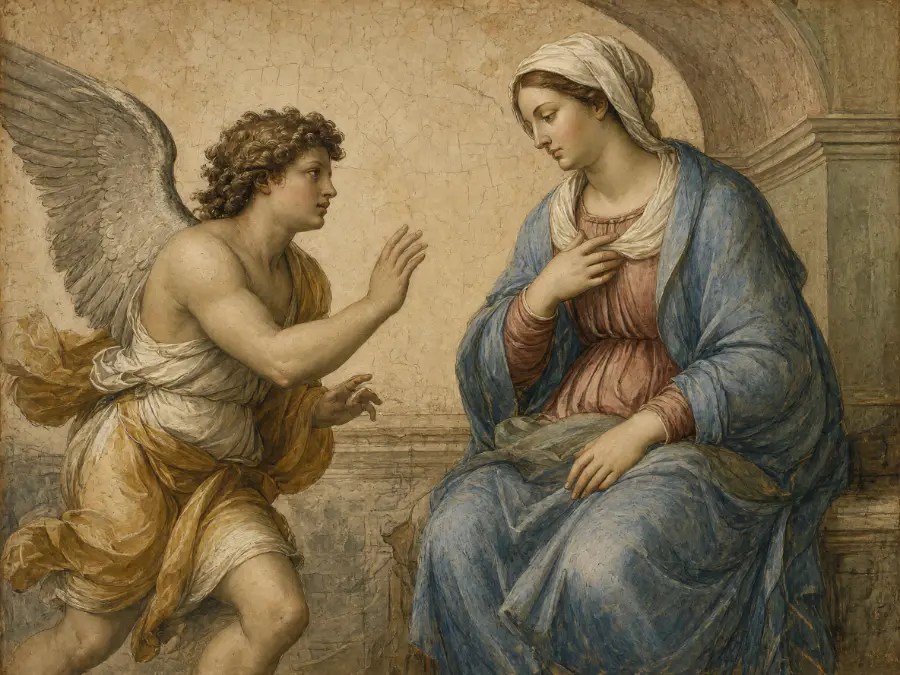
Matthew 5:9
“Blessed are the peacemakers, for they shall be called sons of God.”
Reflection: The saying is one of the beatitudes that open the Sermon on the Mount. The promise to peacemakers, to be called sons of God, returns later in the same chapter, where Jesus gives it to those who love their enemies: “Love your enemies and pray for those who persecute you, so that you may be sons of your Father who is in heaven” (Matthew 5:44-45).
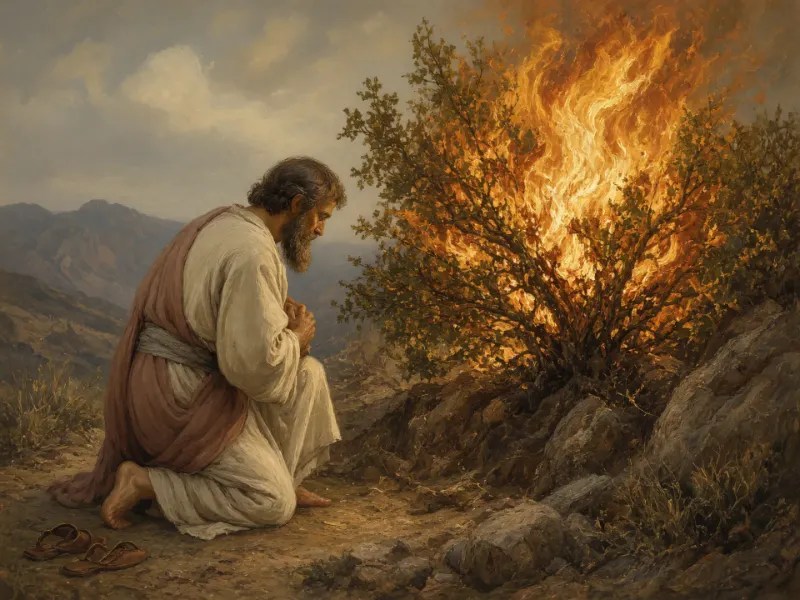
Romans 12:18
“If possible, so far as it depends on you, live peaceably with all.”
Reflection: The command carries two limits, “if possible” and “so far as it depends on you,” and so allows that peace with some people may not be reached. The verses around it spell out what depends on the reader: repay no one evil for evil (verse 17), never take revenge (verse 19), and feed a hungry enemy (verse 20).
Romans 14:17
“For the kingdom of God is not a matter of eating and drinking but of righteousness and peace and joy in the Holy Spirit.”
Reflection: The Roman church was divided over food, and Paul warns, “if your brother is grieved by what you eat, you are no longer walking in love” (verse 15). Against that dispute he says the kingdom of God is a matter of righteousness, peace and joy in the Holy Spirit, and two verses later he draws the practical point: “let us pursue what makes for peace and for mutual upbuilding.”
James 3:18
“And a harvest of righteousness is sown in peace by those who make peace.”
Reflection: James contrasts two kinds of wisdom. Jealousy and selfish ambition produce “disorder and every vile practice” (verse 16), while “the wisdom from above is first pure, then peaceable, gentle, open to reason” (verse 17). In the harvest image that follows, peacemakers sow in peace and reap righteousness.
Colossians 3:15
“And let the peace of Christ rule in your hearts, to which indeed you were called in one body. And be thankful.”
Reflection: The verb “rule” is brabeuo, which Strong’s traces to a word for an umpire. The verses before it are about life together in the church: bearing with one another, forgiving complaints (verse 13), and putting on love (verse 14). The phrase “called in one body” makes the peace of Christ something that settles matters between believers as well as within one person.
A verse for how you feel
Choose how you feel today and read a verse from Scripture.
Now we have this treasure in jars of clay to show that this surpassingly great power is from God and not from us.
Get a verse each week
Thank you. Your first verse is on its way.
If nothing arrives in a few minutes, look in your spam or promotions folder.
Keep this for another day. A verse for how you feel has a page of its own, with our verses for each feeling.
Each verse is quoted from the Berean Standard Bible.


Leave a Reply