
 English
 Chinese
 Dutch
 Arabic
 Spanish
 Portuguese
 Russian
 French
 Italian
 German
 Japanese
In the Bible, to redeem is to buy back or set free a person or property at a cost, and the apostles say that Christ paid that cost with his own blood.
The law gives the pattern: a relative redeems land a poor Israelite has sold, or the Israelite himself (Leviticus 25:25, 47-49), and in Ruth 4 Boaz redeems Naomi’s land in front of the town elders. God promises to redeem Israel from Egypt (Exodus 6:6), Jesus gives his life “as a ransom for many” (Mark 10:45), and Paul waits for “the redemption of our bodies” (Romans 8:23). The Hebrew verb in Exodus 6:6, Isaiah 43:1, Isaiah 44:22 and Job 19:25 is ga’al, which also means to act as kinsman-redeemer. In the New Testament, Romans 3:24 and Ephesians 1:7 use apolutrosis, a release on payment of a ransom; Titus 2:14 and 1 Peter 1:18 use lutroo, to ransom; and Revelation 5:9 and Galatians 3:13 use verbs of buying, agorazo and exagorazo.
God as Israel’s redeemer
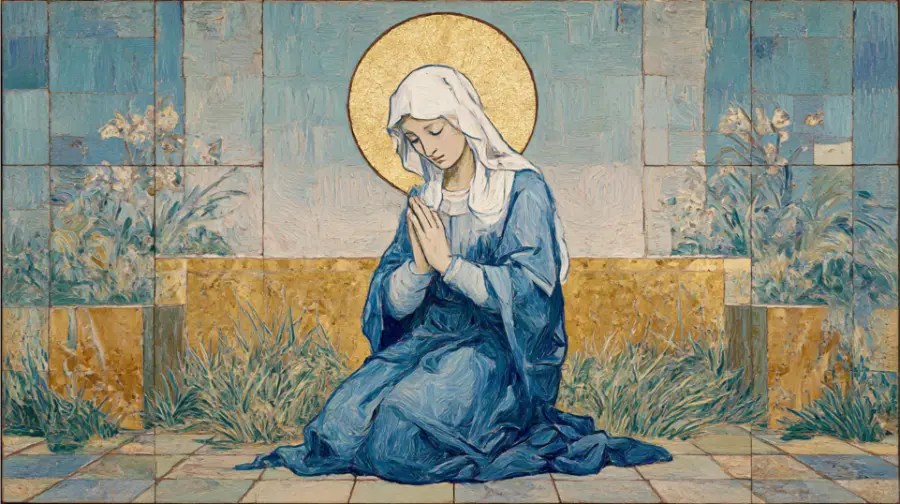
Exodus 6:6
“Therefore, say to the Israelites: ‘I am the Lord, and I will bring you out from under the yoke of the Egyptians. I will free you from being slaves to them, and I will redeem you with an outstretched arm and with mighty acts of judgment.’”
Reflection: God gives Moses these words for the Israelites in Egypt, and the verse holds three promises: to bring them out from under the yoke, to free them from slavery, and to redeem them “with an outstretched arm and with mighty acts of judgment.” The Hebrew verb for redeem is ga’al. The promises continue in the next verse: “I will take you as my own people, and I will be your God.” Verse 9 records that the Israelites did not listen, “because of their discouragement and harsh labor.
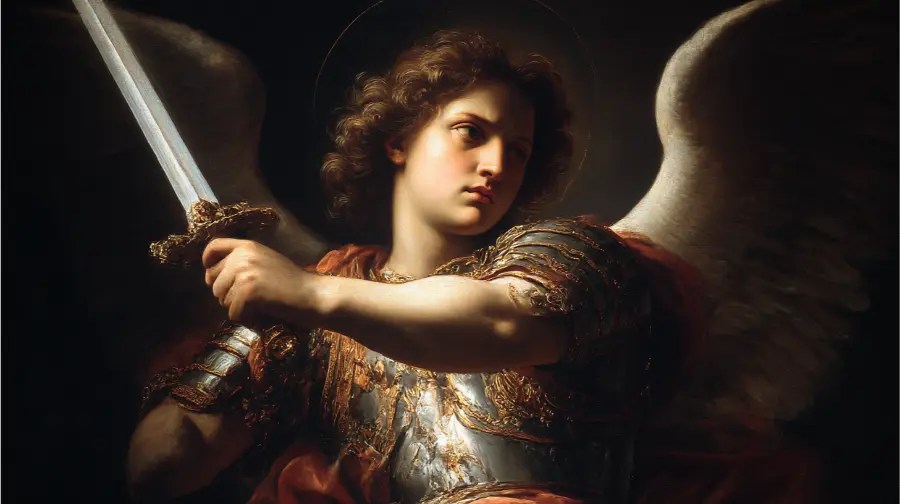
Isaiah 43:1
“But now, this is what the Lord says— he who created you, Jacob, he who formed you, Israel: ‘Do not fear, for I have redeemed you; I have summoned you by name; you are mine.’”
Reflection: The Lord speaks to Jacob and Israel as the one who created and formed them, and “I have redeemed you” is the reason given for “Do not fear.” Verse 3 names a price: “I give Egypt for your ransom, Cush and Seba in your stead.” Verse 14 calls the Lord “your Redeemer” and promises to bring down Babylon for Israel’s sake.
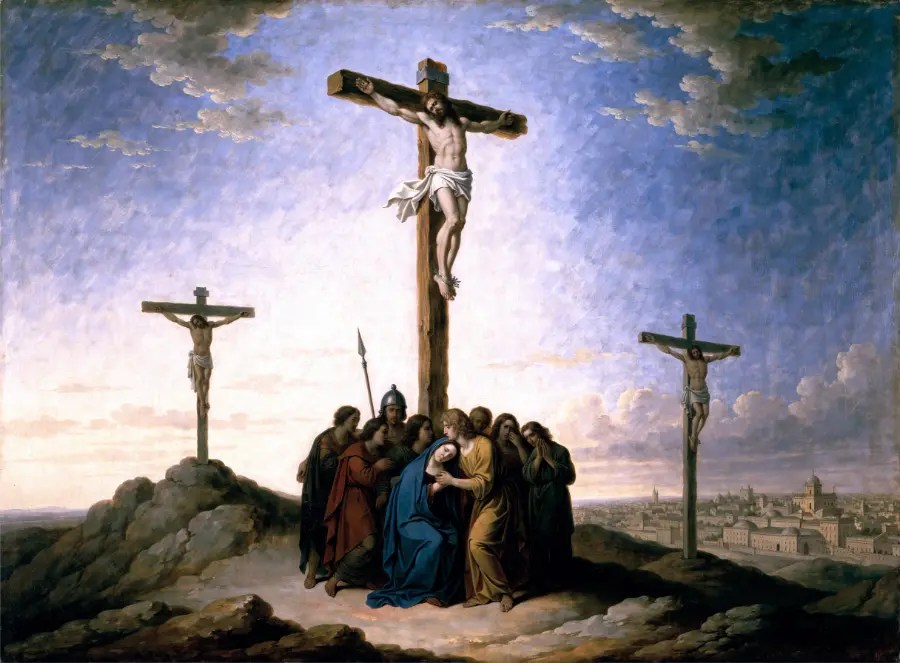
Isaiah 44:22
“I have swept away your offenses like a cloud, your sins like the morning mist. Return to me, for I have redeemed you.”
Reflection: Here redemption and forgiveness stand in one verse. God has already swept away Israel’s sins “like a cloud,” and the call to return gives its own reason: “Return to me, for I have redeemed you.” The following verse calls on the heavens, the earth and the forests to sing “for the Lord has redeemed Jacob,” and verse 24 introduces God as “your Redeemer, who formed you in the womb.”
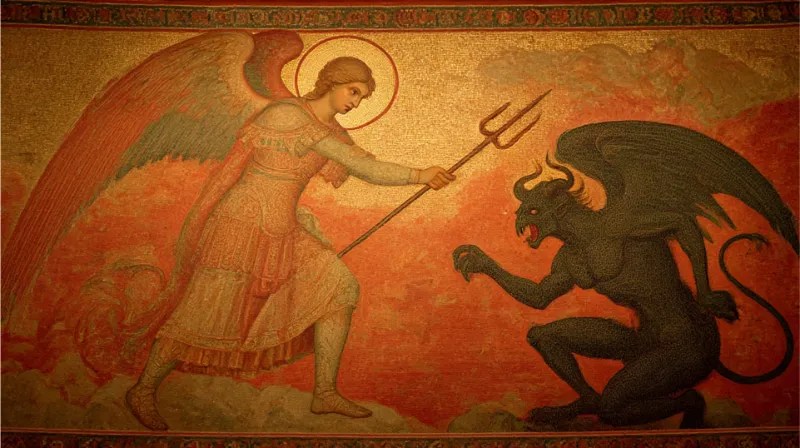
Psalm 130:7-8
“Israel, put your hope in the Lord, for with the Lord is unfailing love and with him is full redemption. He himself will redeem Israel from all their sins.”
Reflection: Psalm 130 begins “Out of the depths” and asks, “If you, Lord, kept a record of sins, Lord, who could stand?” (130:3). The psalmist waits for the Lord “more than watchmen wait for the morning” and ends by turning to the whole nation: with the Lord is “full redemption,” and he will redeem Israel “from all their sins.” The verb here is padah, to ransom.
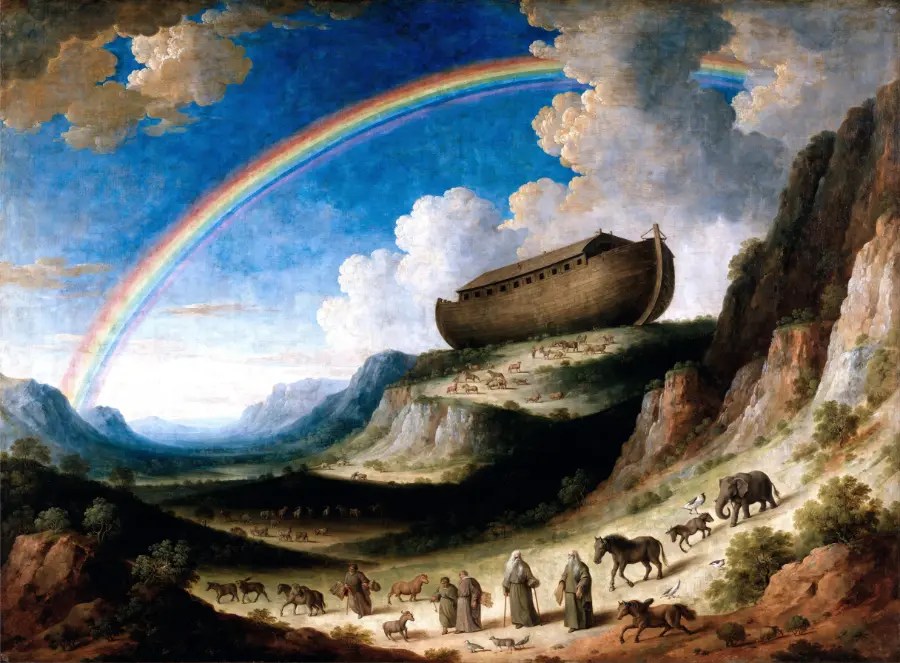
Job 19:25
“I know that my redeemer lives, and that in the end he will stand on the earth.”
Reflection: Job speaks this to his friends, whom he has just asked, “Why do you pursue me as God does?” (19:22). In 19:23-24 he wishes his words were written on a scroll or “engraved in rock forever.” The word for redeemer is from ga’al, the kinsman who takes up a relative’s cause. Job does not name the redeemer here, but the next verses say, “yet in my flesh I will see God; I myself will see him with my own eyes.”
The price of redemption
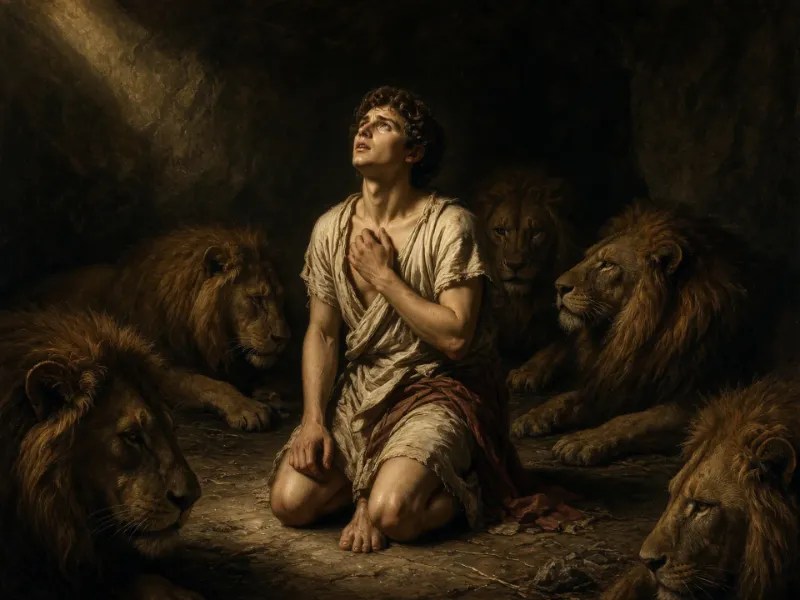
Mark 10:45
“For even the Son of Man did not come to be served, but to serve, and to give his life as a ransom for many.”
Reflection: Jesus says this after James and John ask to sit at his right and left in his glory (10:37). He tells the disciples that whoever wants to be great must be a servant, and then points to himself: the Son of Man came “to give his life as a ransom for many.” The Greek word is lutron, a ransom.
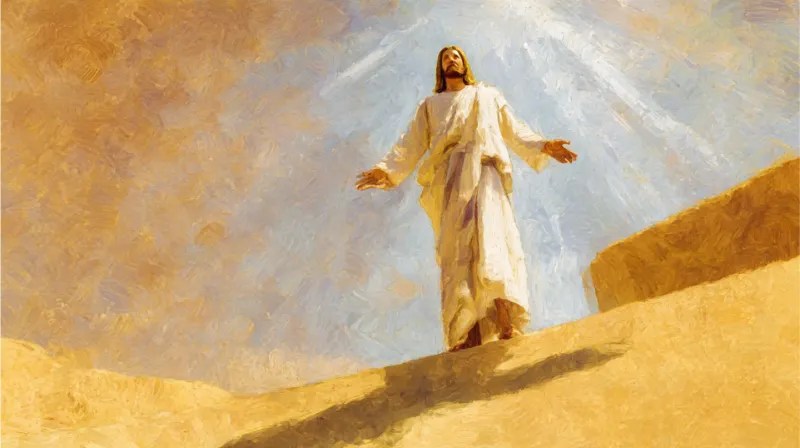
1 Peter 1:18-19
“For you know that it was not with perishable things such as silver or gold that you were redeemed from the empty way of life handed down to you from your ancestors, but with the precious blood of Christ, a lamb without blemish or defect.”
Reflection: Peter contrasts two kinds of payment. Silver and gold are “perishable things”; the price of redemption was “the precious blood of Christ, a lamb without blemish or defect.” What believers were redeemed from is “the empty way of life handed down to you from your ancestors,” and the verse before tells them to live as foreigners “in reverent fear.”

Hebrews 9:12
“He did not enter by means of the blood of goats and calves; but he entered the Most Holy Place once for all by his own blood, thus obtaining eternal redemption.”
Reflection: Hebrews compares Christ with the high priest, who entered the inner room “only once a year, and never without blood” (9:7). Christ entered “once for all” with his own blood, and the redemption he obtained is called eternal. Verse 15 describes his death as “a ransom to set them free from the sins committed under the first covenant.”
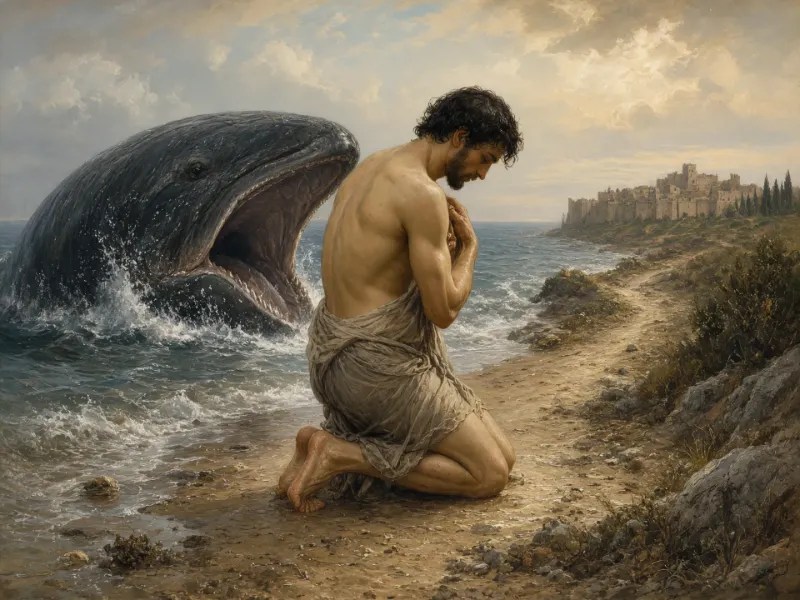
Revelation 5:9
“And they sang a new song, saying: ‘You are worthy to take the scroll and to open its seals, because you were slain, and with your blood you purchased for God persons from every tribe and language and people and nation.’”
Reflection: John weeps because no one is found worthy to open the scroll, and then sees “a Lamb, looking as if it had been slain” (5:4-6). The new song gives the reason the Lamb is worthy: with his blood he “purchased for God” people “from every tribe and language and people and nation.” The verb is agorazo, to buy or purchase, and verse 10 says those bought were made “a kingdom and priests.”
What redemption sets people free from
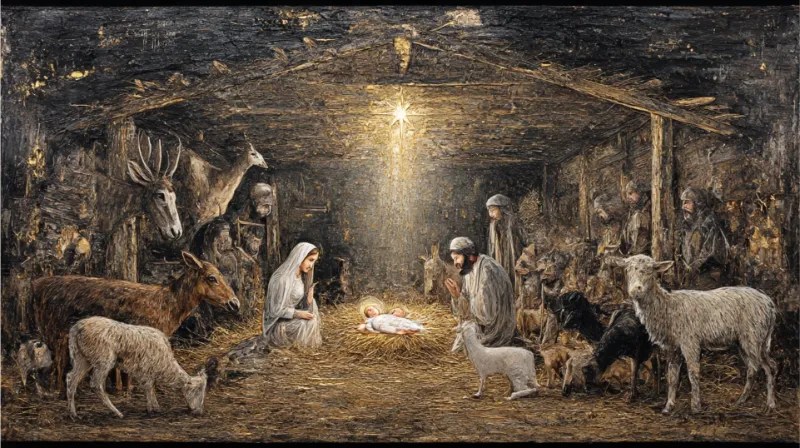
Galatians 3:13
“Christ redeemed us from the curse of the law by becoming a curse for us, for it is written: ‘Cursed is everyone who is hung on a pole.’”
Reflection: Paul has just quoted the law: “Cursed is everyone who does not continue to do everything written in the Book of the Law” (3:10). Christ redeemed people from that curse by becoming a curse himself, and Paul quotes a second line of Scripture about one “hung on a pole.” The verb is exagorazo, to buy out. Verse 14 gives the purpose: that the blessing given to Abraham might reach the Gentiles.
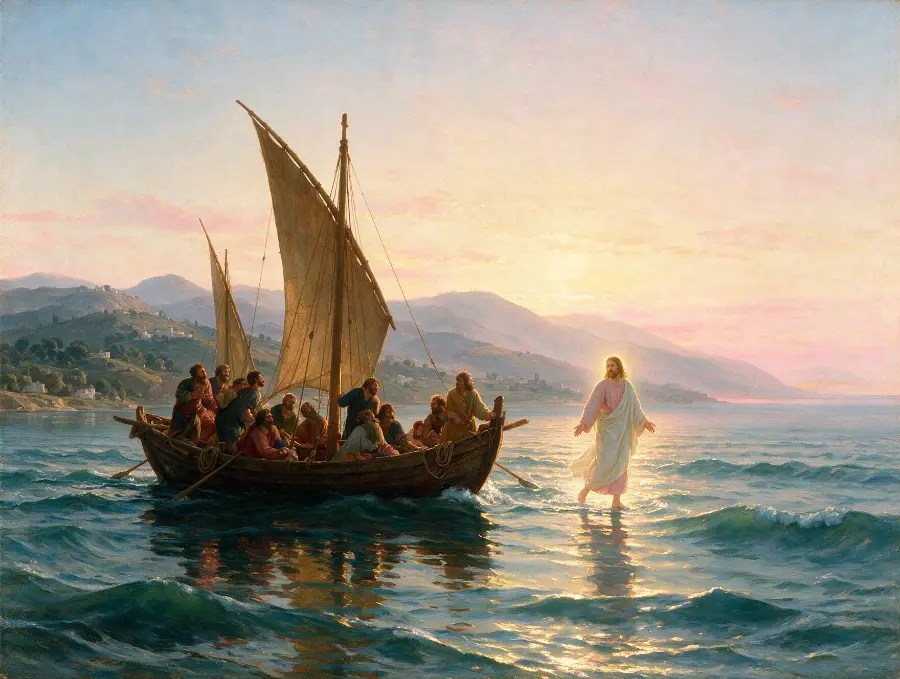
Galatians 4:4-5
“But when the set time had fully come, God sent his Son, born of a woman, born under the law, to redeem those under the law, that we might receive adoption to sonship.”
Reflection: Paul uses the same verb, exagorazo, a chapter later. God sent his Son “born under the law” to redeem those under the law, and the result is adoption: “So you are no longer a slave, but God’s child; and since you are his child, God has made you also an heir” (4:7).
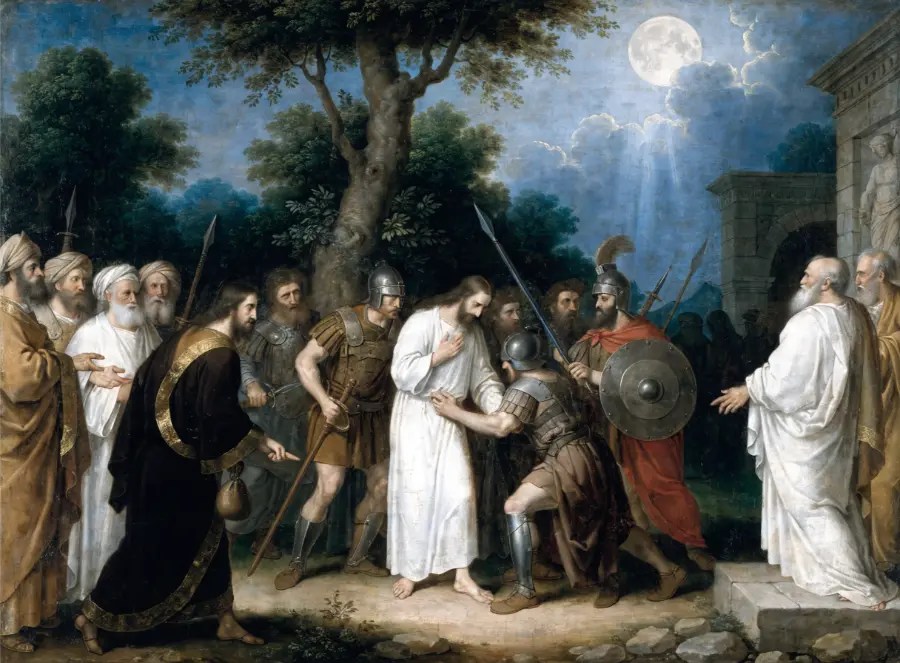
Galatians 5:1
“It is for freedom that Christ has set us free. Stand firm, then, and do not let yourselves be burdened again by a yoke of slavery.”
Reflection: The Galatians face a decision about circumcision. Paul warns in verse 3 that a man who accepts circumcision as a way to be justified must obey the whole law. That obligation is the yoke Paul tells them to resist.
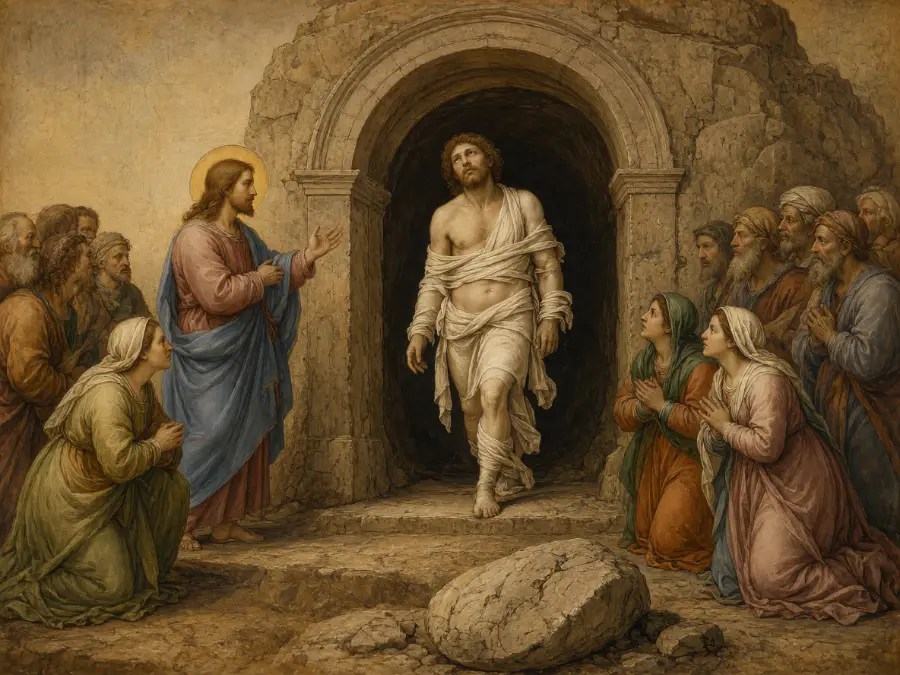
Titus 2:14
“Who gave himself for us to redeem us from all wickedness and to purify for himself a people that are his very own, eager to do what is good.”
Reflection: The verse finishes a sentence that begins with “the grace of God has appeared that offers salvation to all people” (2:11). Christ gave himself “to redeem us from all wickedness,” using the verb lutroo, and to purify a people of his own. Redemption here has a purpose in how people live: they are to be “eager to do what is good.”
Romans 6:6
“For we know that our old self was crucified with him so that the body ruled by sin might be done away with, that we should no longer be slaves to sin—”
Reflection: Paul has just told the believers in Rome that their baptism joined them to Christ in his death. He explains why that death ends sin’s claim on them in verse 7: “anyone who has died has been set free from sin.”
John 8:36
“So if the Son sets you free, you will be free indeed.”
Reflection: When Jesus promises freedom, his listeners answer that they are Abraham’s descendants and have never been slaves. Jesus names the slavery he means in verse 34: “everyone who sins is a slave to sin.” He then explains that a son has a permanent place in the family and that the Son can set a slave free.
Romans 3:23-24
“For all have sinned and fall short of the glory of God, and all are justified freely by his grace through the redemption that came by Christ Jesus.”
Reflection: Paul says that all who have sinned “are justified freely by his grace through the redemption that came by Christ Jesus.” The next verse says God presented Christ “as a sacrifice of atonement, through the shedding of his blood.” The word for redemption is apolutrosis, a release secured by payment.
Ephesians 1:7
“In him we have redemption through his blood, the forgiveness of sins, in accordance with the riches of God’s grace.”
Reflection: Ephesians 1:7 puts redemption and “the forgiveness of sins” side by side, and says both come “through his blood.” Paul says the grace behind them was “lavished on us” (1:8). The verses before speak of adoption “to the praise of his glorious grace” (1:5-6).
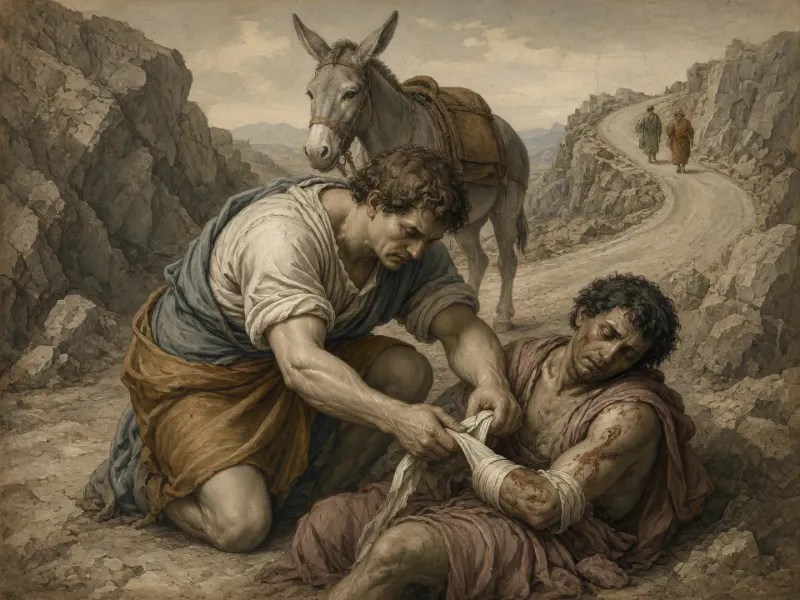
Colossians 1:13-14
“For he has rescued us from the dominion of darkness and brought us into the kingdom of the Son he loves, in whom we have redemption, the forgiveness of sins.”
Reflection: Paul describes redemption as a transfer from one rule to another: the Father “has rescued us from the dominion of darkness and brought us into the kingdom of the Son he loves.” As in Ephesians 1:7, the redemption is named “the forgiveness of sins.” Verse 12 speaks of an inheritance “in the kingdom of light.”
Redemption still to come
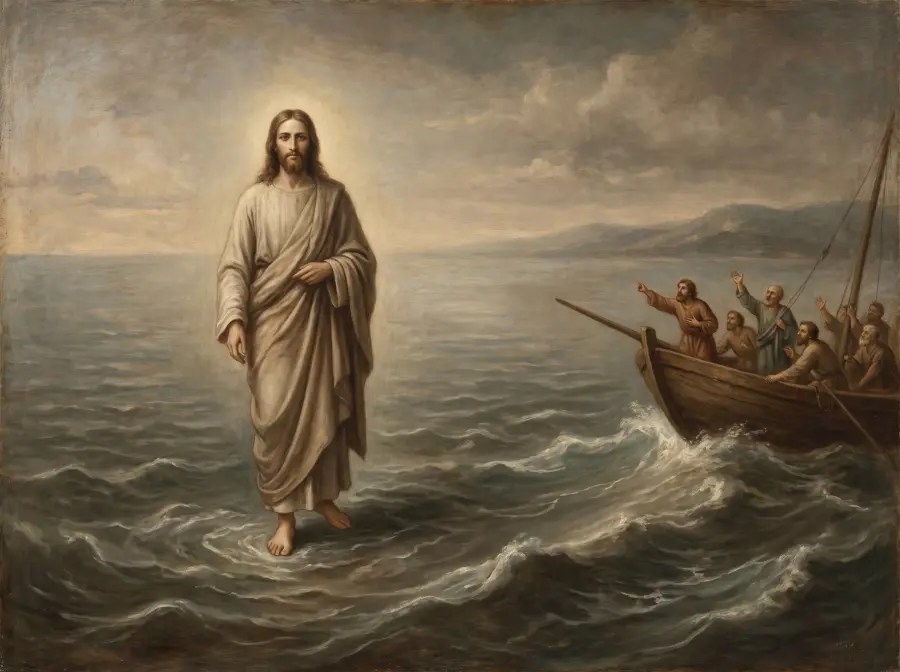
Romans 8:23
“Not only so, but we ourselves, who have the firstfruits of the Spirit, groan inwardly as we wait eagerly for our adoption to sonship, the redemption of our bodies.”
Reflection: Paul says the whole creation “has been groaning as in the pains of childbirth” (8:22), and believers groan with it. They already have “the firstfruits of the Spirit,” yet they still wait for “the redemption of our bodies.” Verse 24 calls this a hope: “But hope that is seen is no hope at all.”
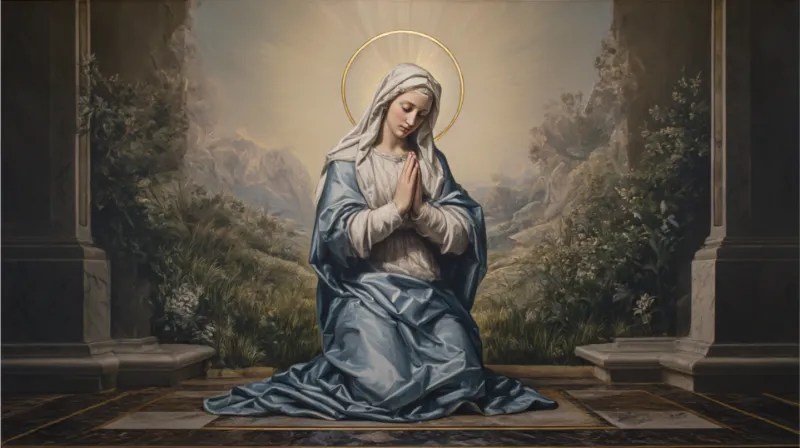
Ephesians 1:13-14
“And you also were included in Christ when you heard the message of truth, the gospel of your salvation. When you believed, you were marked in him with a seal, the promised Holy Spirit, who is a deposit guaranteeing our inheritance until the redemption of those who are God’s possession—to the praise of his glory.”
Reflection: The Holy Spirit is described as a seal and “a deposit guaranteeing our inheritance until the redemption of those who are God’s possession.” Ephesians 4:30 uses the same picture: believers were “sealed for the day of redemption.” Redemption in these verses is something already received (1:7) and something still ahead.



Leave a Reply