
 English
 Chinese
 Dutch
 Arabic
 Spanish
 Portuguese
 Russian
 French
 Italian
 German
 Japanese
In the Bible, freedom is release from a master. For Israel the master was Egypt, “the house of slavery” (Exodus 20:2); in the New Testament it is sin (John 8:34-36; Romans 6:22) and the law taken as a way to be justified (Galatians 5:1).
The Old Testament proclaims liberty in the jubilee year (Leviticus 25:10), Jesus reads Isaiah’s promise of “liberty to the captives” at Nazareth (Luke 4:18), and Paul writes that the creation itself will be set free (Romans 8:21). The New Testament also limits how freedom is used: Galatians 5:13, 1 Peter 2:16 and 1 Corinthians 9:19 each describe the free person as a servant, of God or of other people.
Liberty proclaimed
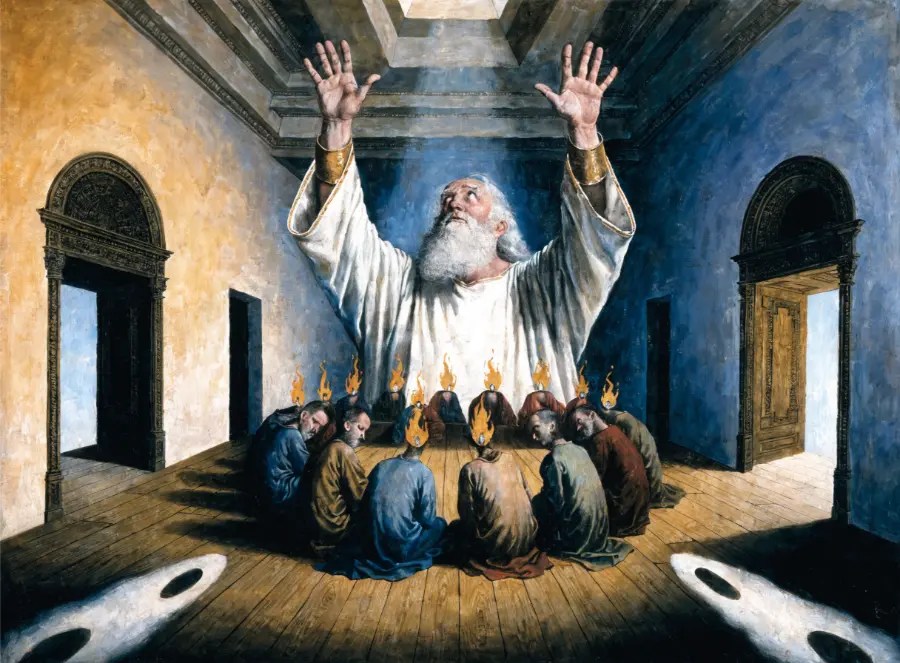
Exodus 20:2
“I am the Lord your God, who brought you out of the land of Egypt, out of the house of slavery.”
Reflection: God speaks this sentence at Sinai before the first commandment (Exodus 20:1-3). He names himself by what he has already done, bringing Israel out of Egypt, and the commandments that follow are given to a people already freed.

Leviticus 25:10
“And you shall consecrate the fiftieth year, and proclaim liberty throughout the land to all its inhabitants. It shall be a jubilee for you, when each of you shall return to his property and each of you shall return to his clan.”
Reflection: Every fiftieth year began with a trumpet on the Day of Atonement (Leviticus 25:9), and liberty was proclaimed to all the inhabitants of the land. Land went back to its family and people returned to their clans. The Hebrew word for liberty is deror, which Isaiah 61:1 uses for “liberty to the captives”. The Liberty Bell in Philadelphia carries this verse in its King James wording: “Proclaim Liberty Throughout All the Land Unto All the Inhabitants thereof.”
Luke 4:18-19
“The Spirit of the Lord is upon me, because he has anointed me to proclaim good news to the poor. He has sent me to proclaim liberty to the captives and recovering of sight to the blind, to set at liberty those who are oppressed, to proclaim the year of the Lord’s favor.”
Reflection: In the synagogue at Nazareth on the Sabbath, Jesus was handed the scroll of Isaiah and read from Isaiah 61. He then rolled it up, sat down, and said, “Today this Scripture has been fulfilled in your hearing” (Luke 4:21). Liberty appears twice in the reading: for captives and for the oppressed.
Set free from sin
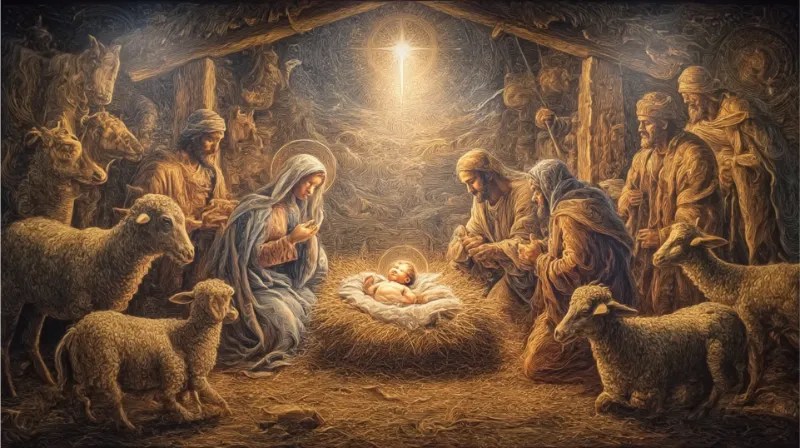
John 8:32
“And you will know the truth, and the truth will set you free.”
Reflection: Jesus says this to Jews “who had believed him”, and the promise has a condition in the verse before: “If you abide in my word, you are truly my disciples.” His hearers object that as offspring of Abraham they “have never been enslaved to anyone” (John 8:33), which leads to the explanation in the verses that follow.
John 8:36
“So if the Son sets you free, you will be free indeed.”
Reflection: Jesus answers the objection by naming the slavery he meant: “everyone who practices sin is a slave to sin” (John 8:34). A slave does not remain in the house forever and a son does, and it is the Son who sets free.
Romans 6:18
“and, having been set free from sin, have become slaves of righteousness.”
Reflection: Paul asks the Romans in verse 15 whether living under grace gives them leave to sin. His answer turns on whom they now obey. In verse 17 he thanks God that these former slaves of sin have become “obedient from the heart” to the teaching they received.
Romans 6:22
“But now that you have been set free from sin and have become slaves of God, the fruit you get leads to sanctification and its end, eternal life.”
Reflection: Paul describes two slaveries, to sin or to obedience, and says a person is the slave of whichever one they obey (Romans 6:16). He admits the picture is “in human terms” (6:19). Freed from sin, the believer serves God, and the fruit is sanctification, and its end is eternal life. Verse 23 calls eternal life “the free gift of God”.
Romans 8:2
“For the law of the Spirit of life has set you free in Christ Jesus from the law of sin and death.”
Reflection: The verse gives the reason for the one before it: “There is therefore now no condemnation for those who are in Christ Jesus.” Paul sets two laws against each other: the law of the Spirit of life, and the law of sin and death. Verse 3 says God did “what the law, weakened by the flesh, could not do” by sending his Son.
Freedom and the old covenant
Galatians 5:1
“For freedom Christ has set us free; stand firm therefore, and do not submit again to a yoke of slavery.”
Reflection: The verse follows Paul’s reading of Hagar and Sarah as two covenants, which ends, “we are not children of the slave but of the free woman” (Galatians 4:31). The yoke he warns against is circumcision accepted as a way to be justified: “You are severed from Christ, you who would be justified by the law” (5:4).
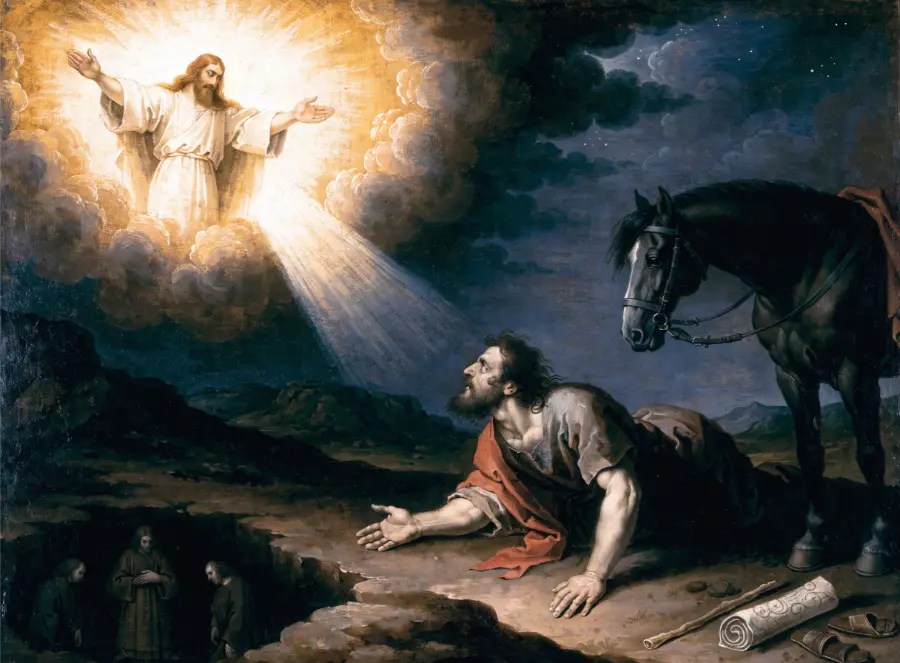
2 Corinthians 3:17
“Now the Lord is the Spirit, and where the Spirit of the Lord is, there is freedom.”
Reflection: Paul has been describing the veil Moses put over his face and a veil that still lies over hearts when Moses is read, a veil removed “when one turns to the Lord” (2 Corinthians 3:16). The next verse speaks of “beholding the glory of the Lord” and believers being transformed into the same image.
The law of liberty
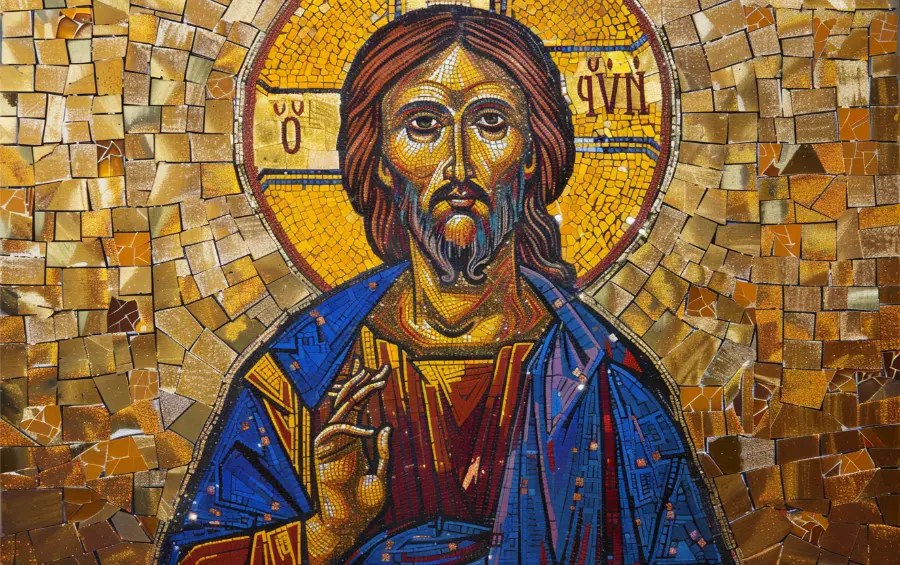
Psalm 119:45
“And I shall walk in a wide place, for I have sought your precepts.”
Reflection: The psalmist ties walking “in a wide place” to keeping God’s law: the verse before reads “I will keep your law continually, forever and ever.” The next verse adds that he will speak of God’s testimonies “before kings” and not be put to shame.

James 1:25
“But the one who looks into the perfect law, the law of liberty, and perseveres, being no hearer who forgets but a doer who acts, he will be blessed in his doing.”
Reflection: James compares a hearer who does not act to a man who looks in a mirror and forgets his own face (James 1:23-24). The one who keeps looking into “the law of liberty” and does it is blessed. James uses the phrase again in 2:12: “So speak and so act as those who are to be judged under the law of liberty.”
What the freedom is for
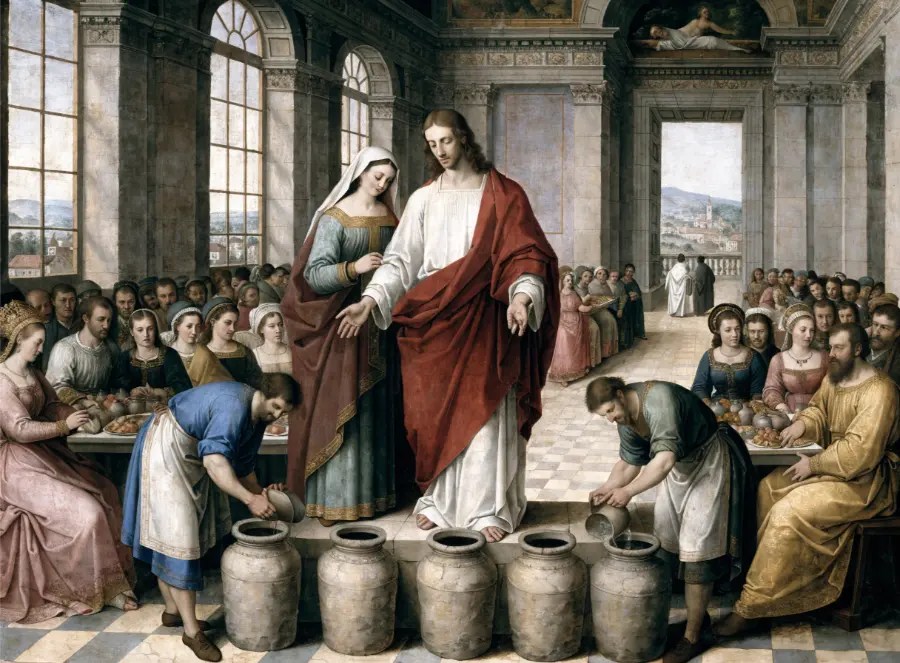
Galatians 5:13
“For you were called to freedom, brothers. Only do not use your freedom as an opportunity for the flesh, but through love serve one another.”
Reflection: Having told the Galatians not to return to the yoke, Paul warns against the opposite mistake, using freedom “as an opportunity for the flesh”. He gives love of neighbour as the use for it, and the next verse says the whole law is fulfilled in “You shall love your neighbor as yourself”.
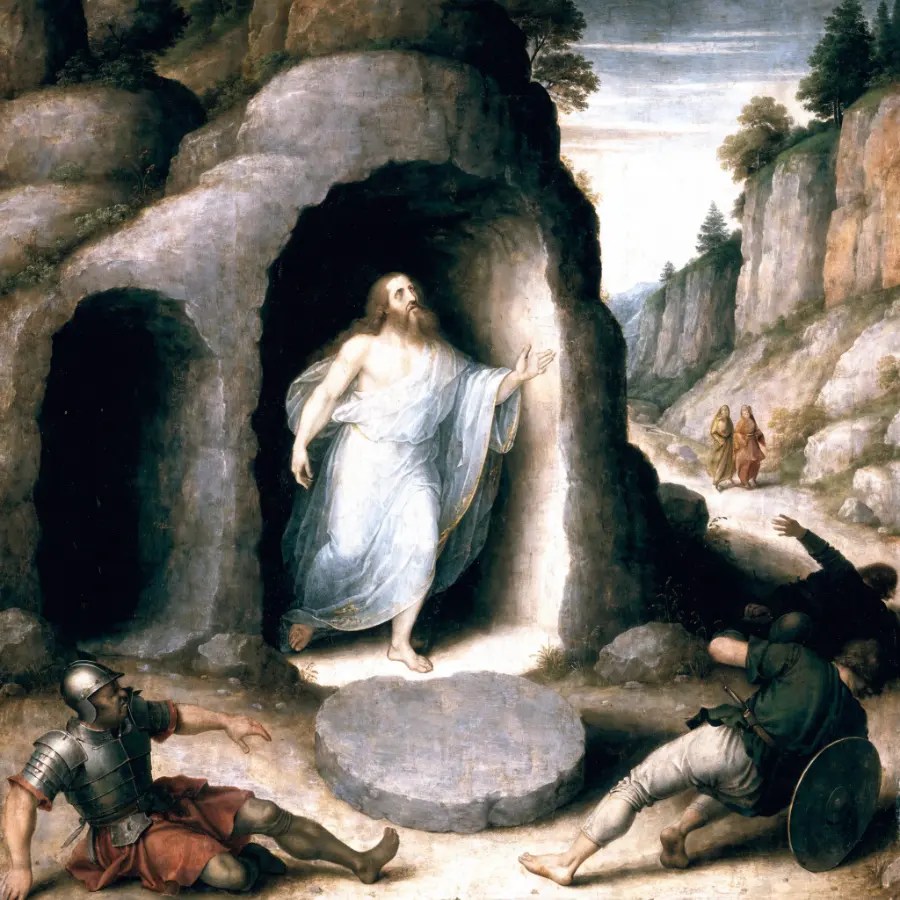
1 Peter 2:16
“Live as people who are free, not using your freedom as a cover-up for evil, but living as servants of God.”
Reflection: The verse sits inside Peter’s instruction to be subject “to every human institution”, emperor and governors included (1 Peter 2:13-14). Believers are to live as free people and as servants of God at the same time, and the paragraph closes, “Honor everyone. Love the brotherhood. Fear God. Honor the emperor.”
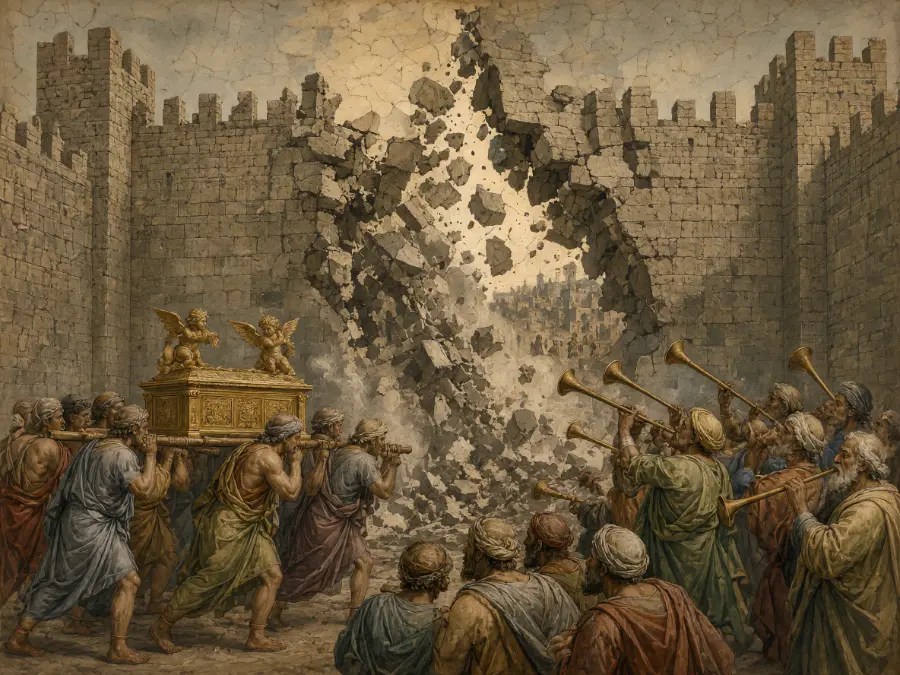
1 Corinthians 9:19
“For though I am free from all, I have made myself a servant to all, that I might win more of them.”
Reflection: Earlier in the chapter Paul lists rights he has as an apostle, including a claim to material support (1 Corinthians 9:11), and says he has not used them (9:12, 15). In the verses that follow he says how he made himself a servant: he became as a Jew to Jews and weak to the weak, “that by all means I might save some” (9:22).
Freedom still to come
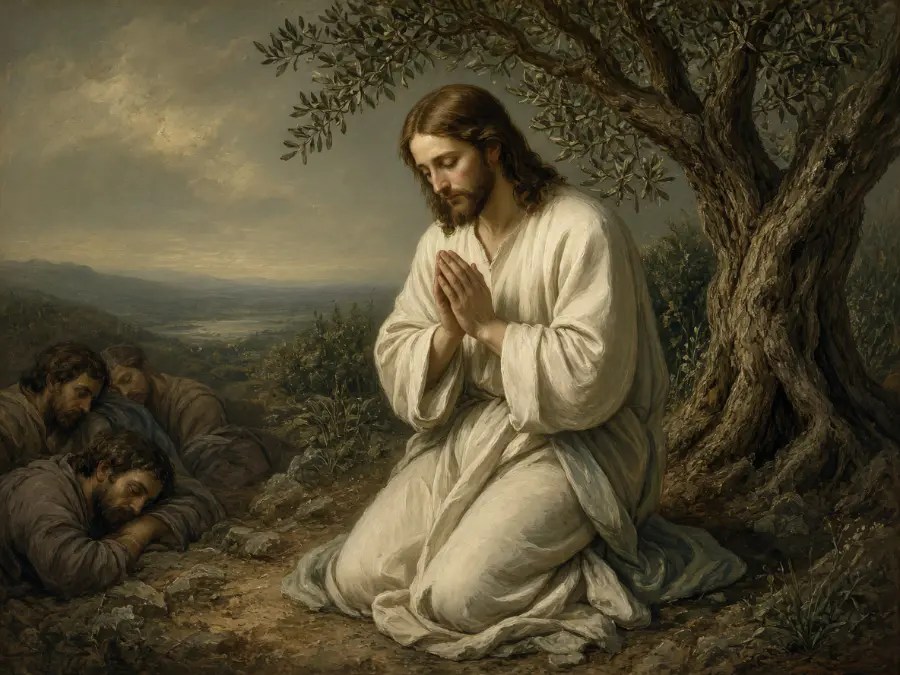
Romans 8:21
“That the creation itself will be set free from its bondage to corruption and obtain the freedom of the glory of the children of God.”
Reflection: Paul says the creation was subjected to futility “not willingly” but in hope, and now groans “in the pains of childbirth” (Romans 8:20, 22). Believers groan with it while they wait for “the redemption of our bodies” (8:23). The freedom of the children of God is placed in the future, and the creation shares it.


Leave a Reply