
 English
 Chinese
 Dutch
 Arabic
 Spanish
 Portuguese
 Russian
 French
 Italian
 German
 Japanese
The tithe in Scripture was a tenth of the harvest and herds, given under the law; the letters to the churches ask instead for giving that is proportional and freely decided.
The law describes a tithe for the Levites (Numbers 18:21), a tithe the family ate at the sanctuary (Deuteronomy 14:22-27), and a tithe every third year for the Levites, foreigners, the fatherless and widows (Deuteronomy 14:28-29), and Jewish tradition counted more than one tithe a year. No New Testament letter asks a church for a tithe. Jesus mentions it when he rebukes teachers of the law for tithing herbs while neglecting justice, mercy and faithfulness (Matthew 23:23). The eighteen verses below follow the order in which the subject appears: Abram and Jacob, the law, Jesus, the early church, and the promises attached.
Before the law: two men who gave a tenth
Genesis 14:20
“And praise be to God Most High, who delivered your enemies into your hand. Then Abram gave him a tenth of everything.”
Reflection: This is the first tithe in Scripture, and no command lies behind it. Abram gives a tenth of the recovered goods to Melchizedek, a priest-king who has just blessed him.
Genesis 28:22
“…and this stone that I have set up as a pillar will be God’s house, and of all that you give me I will give you a tenth.”
Reflection: Jacob’s vow is conditional: if God is with him, watches over him and brings him home safely, then the Lord will be his God and he will give a tenth (28:20-22).
Hebrews 7:2
“…and Abraham gave him a tenth of everything. First, the name Melchizedek means ‘king of righteousness’; then also, ‘king of Salem’ means ‘king of peace’.”
Reflection: Hebrews uses Abraham’s tithe in an argument about priesthood. The point is rank: “the lesser is blessed by the greater” (7:7).
What the tithe actually was

Leviticus 27:30
“A tithe of everything from the land, whether grain from the soil or fruit from the trees, belongs to the Lord; it is holy to the Lord.”
Reflection: The tithe was paid in produce and livestock. Anyone who wanted to redeem part of it with money had to “add a fifth of the value to it” (27:31).

Numbers 18:21
“I give to the Levites all the tithes in Israel as their inheritance in return for the work they do while serving at the tent of meeting.”
Reflection: The Levites received no land, and the tithe was their livelihood “in return for the work they do.” They in turn gave a tenth of what they received (18:26).
Deuteronomy 14:22-23
“Be sure to set aside a tenth of all that your fields produce each year. Eat the tithe of your grain, new wine and olive oil, and the firstborn of your herds and flocks in the presence of the Lord your God at the place he will choose as a dwelling for his Name, so that you may learn to revere the Lord your God always.”
Reflection: The family ate this tithe themselves at the sanctuary. If the journey was too long, they could sell the produce, carry the silver and “buy whatever you like,” including “wine or other fermented drink,” and eat it there and rejoice (14:24-26).
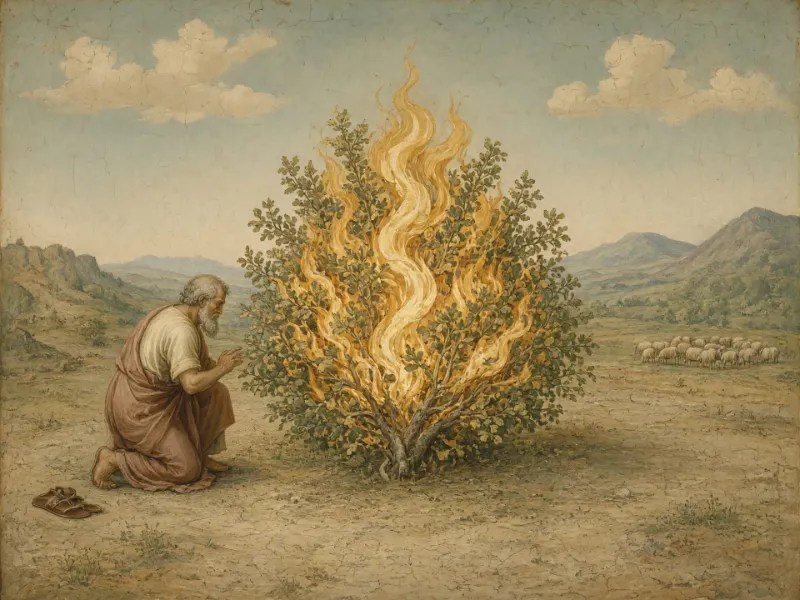
Malachi 3:10
“Bring the whole tithe into the storehouse, that there may be food in my house. Test me in this, says the Lord Almighty, and see if I will not throw open the floodgates of heaven.”
Reflection: Malachi addresses “your whole nation” here (3:9). Earlier in the book he rebukes the priests for offering blind and diseased animals (1:8). The storehouse held the tithes that supported the Levites (Nehemiah 13:10-12).
What Jesus said about it
Matthew 23:23
“Woe to you, teachers of the law and Pharisees, you hypocrites! You give a tenth of your spices—mint, dill and cumin. But you have neglected the more important matters of the law—justice, mercy and faithfulness.”
Reflection: Jesus rebukes the teachers of the law and Pharisees for tithing herbs while neglecting justice, mercy and faithfulness. He does not tell them to stop tithing: “You should have practiced the latter, without neglecting the former.”
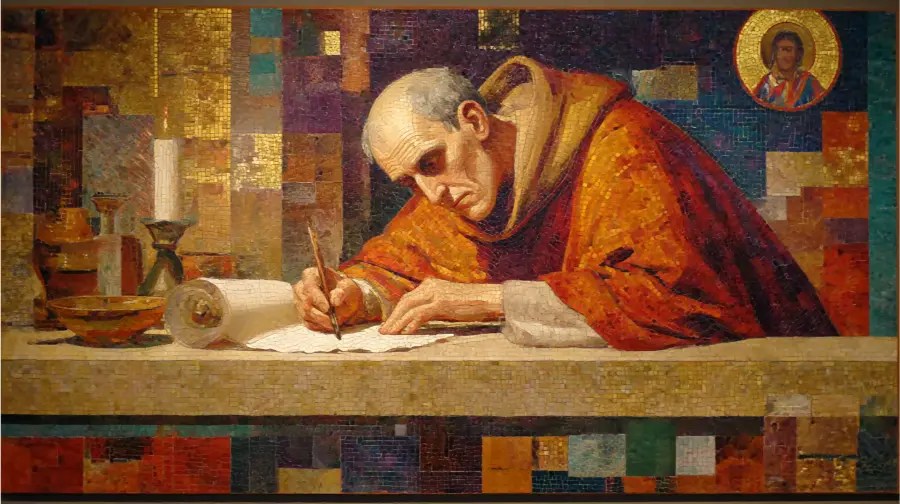
Mark 12:43-44
“Truly I tell you, this poor widow has put more into the treasury than all the others. They all gave out of their wealth; but she, out of her poverty, put in everything—all she had to live on.”
Reflection: Jesus had sat down opposite the treasury and watched the crowd giving (12:41). He measures the widow’s gift by what she had left, which was nothing.
Matthew 6:21
“For where your treasure is, there your heart will be also.”
Reflection: Jesus says the heart follows the treasure. The verse closes a passage about storing up treasure in heaven rather than on earth (6:19-20).

Matthew 6:3-4
“But when you give to the needy, do not let your left hand know what your right hand is doing, so that your giving may be in secret.”
Reflection: Jesus tells his followers to give in secret, and says the Father “who sees what is done in secret” will reward them.
What the church was actually told to do

1 Corinthians 16:2
“On the first day of every week, each one of you should set aside a sum of money in keeping with your income, saving it up.”
Reflection: This was for Paul’s collection for the believers in Jerusalem (16:1). He asks for a weekly amount, set aside by each person, in proportion to income, and he names no percentage.
2 Corinthians 9:7
“Each of you should give what you have decided in your heart to give, not reluctantly or under compulsion, for God loves a cheerful giver.”
Reflection: The amount is decided beforehand by the giver, and Paul rules out reluctance and compulsion. God loves a cheerful giver.
2 Corinthians 9:6
“Whoever sows sparingly will also reap sparingly, and whoever sows generously will also reap generously.”
Reflection: Paul uses a farming picture. He goes on to say God will enrich the givers “so that you can be generous on every occasion,” and that the gift will result in “thanksgiving to God” (9:11).
2 Corinthians 8:7
“But since you excel in everything—in faith, in speech, in knowledge, in complete earnestness and in the love we have kindled in you—see that you also excel in this grace of giving.”
Reflection: Paul lists what the Corinthians already excel in and asks them to excel in giving too. They had started the collection “last year” and had not finished it (8:10-11).
The promises attached, and how to read them
Proverbs 3:9-10
“Honor the Lord with your wealth, with the firstfruits of all your crops; then your barns will be filled to overflowing.”
Reflection: Firstfruits are the first of the harvest, given before the rest of the crop is gathered.
Luke 6:38
“Give, and it will be given to you. A good measure, pressed down, shaken together and running over, will be poured into your lap.”
Reflection: The picture is grain poured into a fold of cloth and pressed down to fit more. The verse before is about judging, condemning and forgiving (6:37), and the principle is the same: the measure you use is measured back.
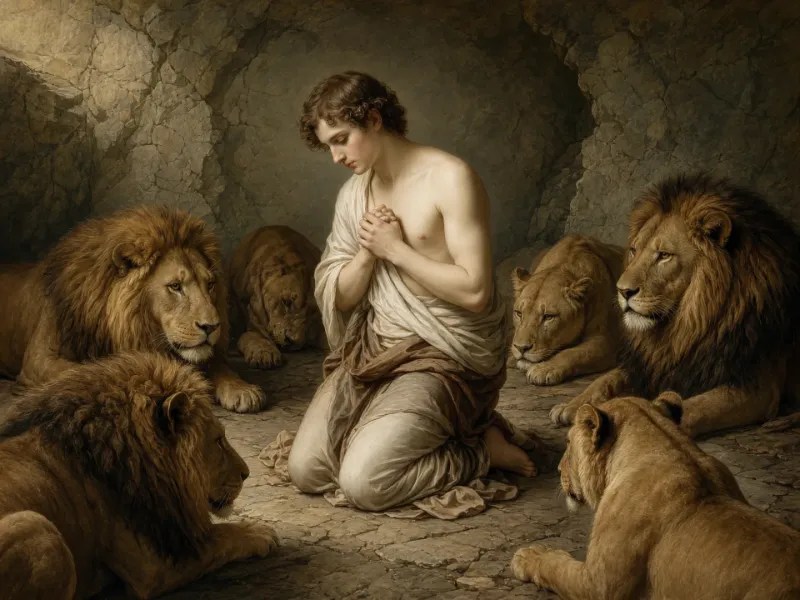
Acts 20:35
“…remembering the words the Lord Jesus himself said: ‘It is more blessed to give than to receive.’”
Reflection: This saying of Jesus appears in no Gospel. Paul quotes it to the Ephesian elders as words they already knew.
What this leaves a Christian with
Scripture gives Christians no fixed percentage. The tithe belonged to an agricultural economy with a tribe that had no land, and the law described more than one tithe, including one the family ate at a feast. Jesus mentions tithing to say that careful giving does not replace justice, mercy and faithfulness. Paul, gathering a collection for the poor in Jerusalem, asks for giving in proportion to income, decided in advance and given cheerfully.
Jesus measured the widow’s gift by what she had left, and he told his followers to give quietly. For how Scripture treats wealth more generally, see Bible verses about prosperity.


Leave a Reply