
 English
 Chinese
 Dutch
 Arabic
 Spanish
 Portuguese
 Russian
 French
 Italian
 German
 Japanese
The Bible teaches that God gives the ability to produce wealth and promises to meet his people’s needs, but it does not promise every believer riches.
Several verses often quoted as promises of wealth say something narrower in their setting. Jeremiah 29:11 was sent to exiles told to settle in Babylon for seventy years, Malachi 3:10 concerns the tithe owed to the temple storehouse, and 3 John 1:2 is the customary greeting at the start of a letter. The eighteen verses below are given with their settings.
The verses most often quoted, in their own context

Jeremiah 29:11
“For I know the plans I have for you,” declares the Lord, “plans to prosper you and not to harm you, plans to give you hope and a future.”
Reflection: The verse before it sets the timing: “When seventy years are completed for Babylon, I will come to you” (29:10). Jeremiah told the exiles to build houses, plant gardens and marry in Babylon (29:5-6), so the hope in this verse was for a return many of them would not live to see.

3 John 1:2
“Dear friend, I pray that you may enjoy good health and that all may go well with you, even as your soul is getting along well.”
Reflection: This is the opening of a short personal letter to Gaius (1:1). Wishing the recipient good health was a common way to begin a letter in that period, much like “I hope you are well.” It is a prayer for a friend rather than a general promise of wealth.
Malachi 3:10
“Bring the whole tithe into the storehouse, that there may be food in my house. Test me in this,” says the Lord Almighty, “and see if I will not throw open the floodgates of heaven.”
Reflection: The storehouse was a room at the temple where the tithes were kept. The tithe supported the Levites (Numbers 18:21) and, every third year, the foreigner, the fatherless and the widow (Deuteronomy 14:28-29), and Malachi’s hearers had been withholding it (3:8-9).
What Scripture actually says about wealth and its source
Deuteronomy 8:18
“But remember the Lord your God, for it is he who gives you the ability to produce wealth, and so confirms his covenant.”
Reflection: Moses warns that when Israel has eaten and is satisfied, built fine houses and seen its silver and gold increase, its heart may become proud and forget the Lord (8:12-14). This verse is the corrective: the ability to produce wealth comes from God.

Proverbs 10:22
“The blessing of the Lord brings wealth, without painful toil for it.”
Reflection: Proverbs describes patterns that generally hold, and it also records exceptions: “An unplowed field produces food for the poor, but injustice sweeps it away” (13:23). Both sayings stand in the same book.
James 1:17
“Every good and perfect gift is from above, coming down from the Father of the heavenly lights, who does not change like shifting shadows.”
Reflection: James is writing to believers “scattered among the nations” (1:1). He says every good gift comes from God and that God does not change, and he does not say how much any person will receive.
The conditions Scripture actually attaches
Matthew 6:33
“But seek first his kingdom and his righteousness, and all these things will be given to you as well.”
Reflection: “All these things” refers back to what Jesus has just discussed: what to eat, what to drink and what to wear (6:31-32). The promise is provision for daily needs.
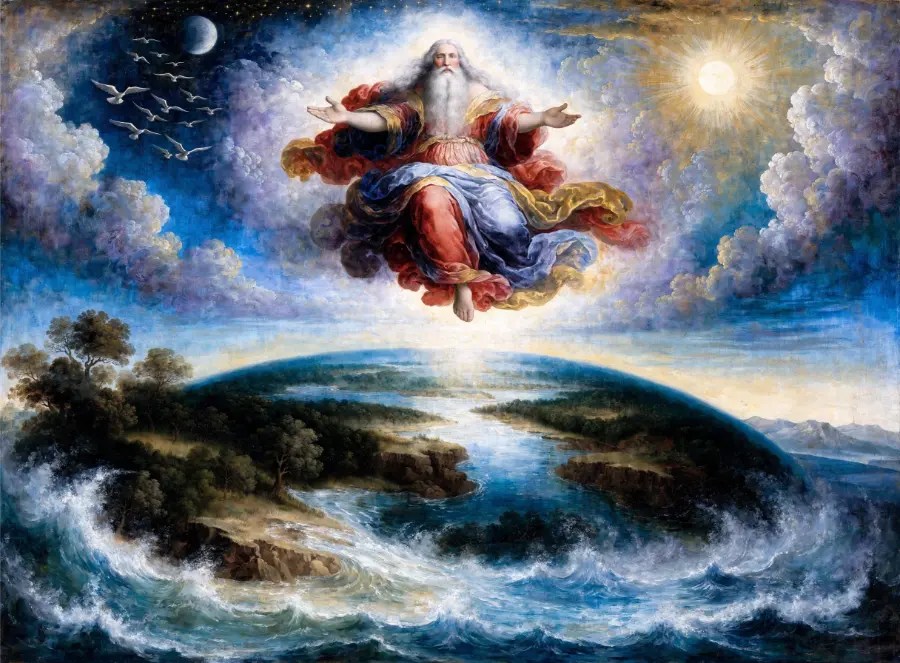
Joshua 1:8
“Keep this Book of the Law always on your lips; meditate on it day and night, so that you may be careful to do everything written in it. Then you will be prosperous and successful.”
Reflection: God says this to Joshua as he prepares to lead Israel into Canaan. Prosperity and success are tied to keeping the Law, and the success in view is taking the land.

Psalm 1:3
“That person is like a tree planted by streams of water, which yields its fruit in season and whose leaf does not wither—whatever they do prospers.”
Reflection: The tree yields its fruit “in season,” so even this picture of prosperity has a timetable. The tree does well because of where it is planted, by streams of water.
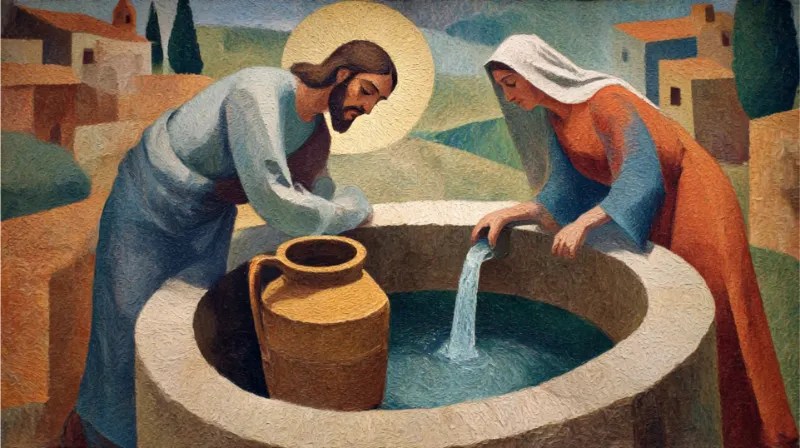
Proverbs 22:4
“Humility is the fear of the Lord; its wages are riches and honor and life.”
Reflection: Humility and the fear of the Lord come first in the sentence, and riches, honor and life are called their wages.
Generosity, which is where the Bible spends most of its attention
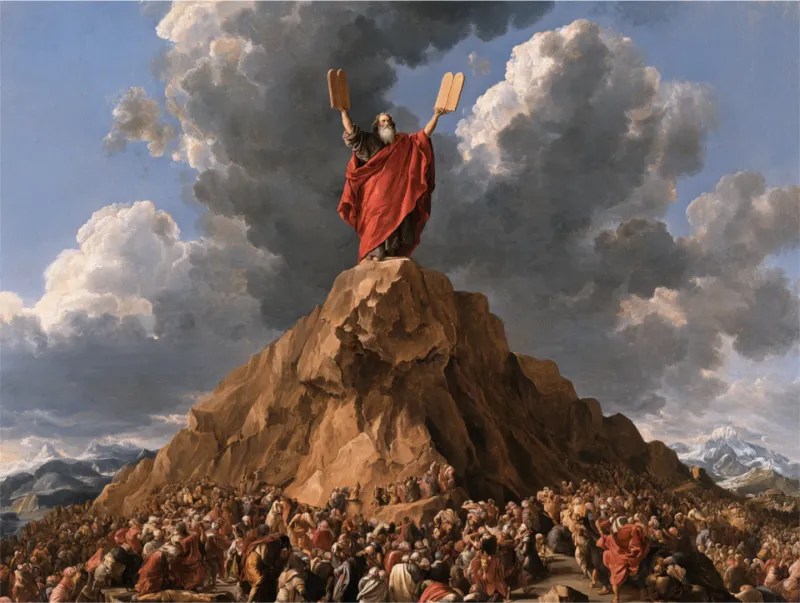
Luke 6:38
“Give, and it will be given to you. A good measure, pressed down, shaken together and running over, will be poured into your lap. For with the measure you use, it will be measured to you.”
Reflection: The picture is a grain measure pressed down and shaken so that it holds as much as possible, then poured into the fold of a garment. The verse follows instructions about not judging and about forgiving (6:37), and the principle applies to both as well as to money.
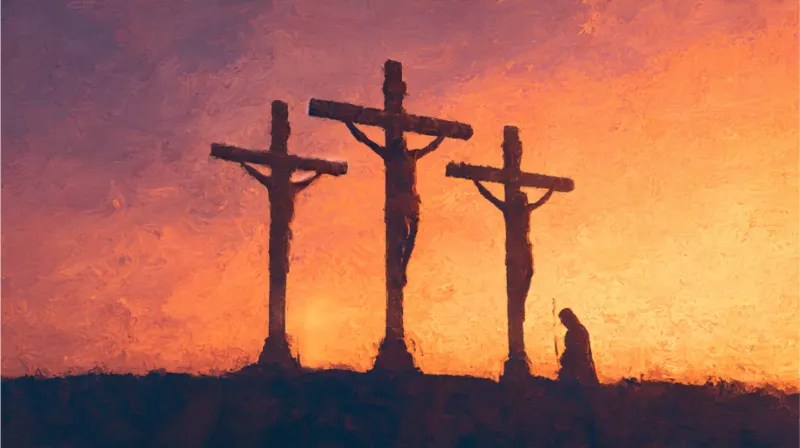
2 Corinthians 9:8
“And God is able to bless you abundantly, so that in all things at all times, having all that you need, you will abound in every good work.”
Reflection: Paul is writing about a collection for the Lord’s people in Jerusalem (9:1). God provides enough so that believers have what they need “in all things at all times” and can abound in every good work.
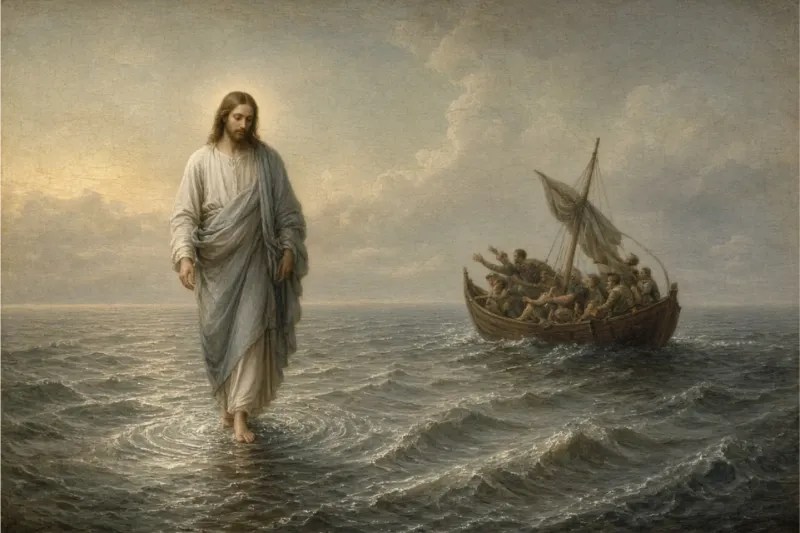
Proverbs 11:25
“A generous person will prosper; whoever refreshes others will be refreshed.”
Reflection: Both halves describe what happens to the giver: the generous person prospers, and the one who refreshes others is refreshed.
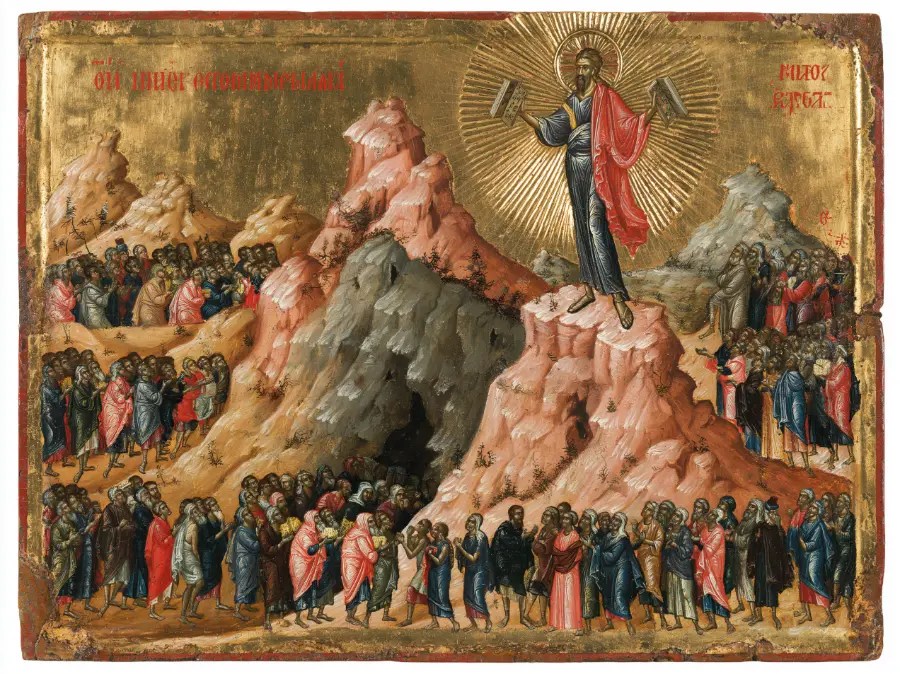
Proverbs 3:9-10
“Honor the Lord with your wealth, with the firstfruits of all your crops; then your barns will be filled to overflowing, and your vats will brim over with new wine.”
Reflection: Firstfruits were the first part of the harvest, given to God before the rest was gathered, so the offering came before anyone knew how large the harvest would be.
What is promised to everyone
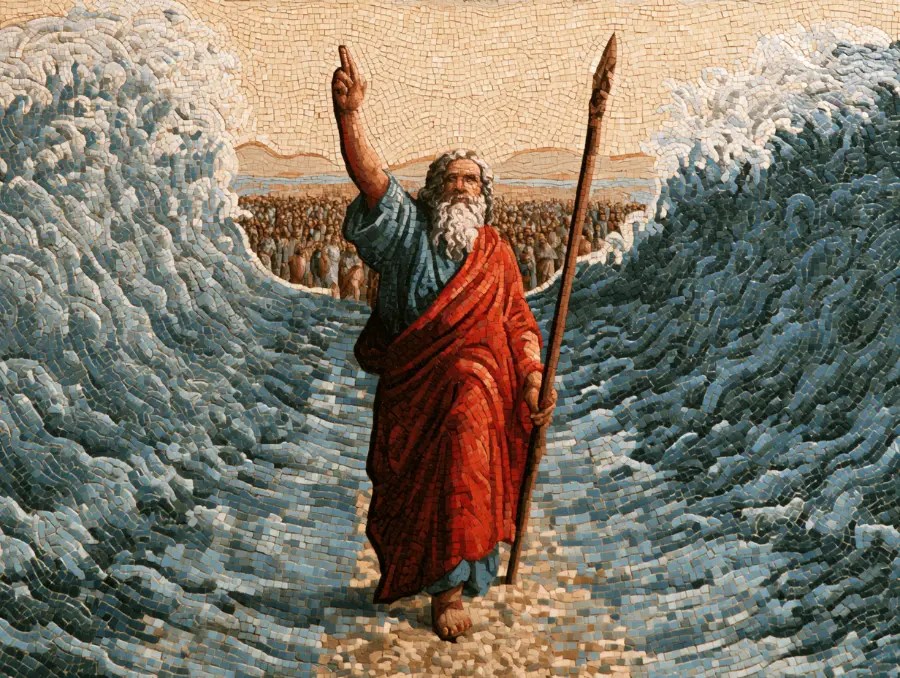
Philippians 4:19
“And my God will meet all your needs according to the riches of his glory in Christ Jesus.”
Reflection: Paul writes this after thanking the Philippians for the gifts they sent him by Epaphroditus while he was in prison (4:18). The promise is that God will meet their needs, as they had met his.
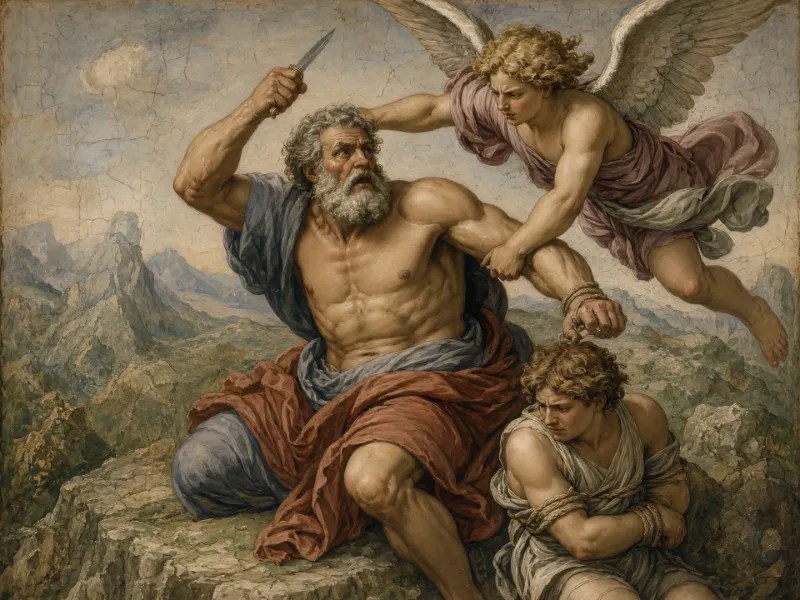
Psalm 23:1
“The Lord is my shepherd, I lack nothing.”
Reflection: The shepherd provides what the sheep need: green pastures, quiet waters, guidance and protection (23:2-4). “I lack nothing” describes sufficiency.
Psalm 84:11
“For the Lord God is a sun and shield; the Lord bestows favor and honor; no good thing does he withhold from those whose walk is blameless.”
Reflection: The promise is “no good thing,” and God decides what is good. The condition attached is a blameless walk.

Habakkuk 3:17-18
“Though the fig tree does not bud and there are no grapes on the vines, though the olive crop fails and the fields produce no food, though there are no sheep in the pen and no cattle in the stalls, yet I will rejoice in the Lord.”
Reflection: Habakkuk describes the failure of every crop and herd a farmer depended on, and still rejoices in the Lord. Any teaching about prosperity has to be read alongside this verse.
So what should a Christian expect
Scripture does not treat wealth as shameful. It says God gives the ability to produce it (Deuteronomy 8:18), tells the rich to be generous and to put their hope in God rather than in wealth (1 Timothy 6:17-18), and promises that God will meet his people’s needs (Philippians 4:19).
It does not guarantee financial returns. The exiles who first read Jeremiah 29:11 were told to settle in Babylon, Paul wrote Philippians 4:19 as a prisoner, and Habakkuk rejoiced with nothing in the barn. The same balance appears in what Scripture says about going without on purpose.


Leave a Reply