God has an amazing plan for you, and sometimes, to hear His voice even clearer, to feel His presence even stronger, He invites us into a special time called fasting. Don’t let that word worry you! It’s not about a bunch of complicated rules or trying to be perfect.¹ It’s all about your heart, your desire to connect with your Heavenly Father on a deeper level. For centuries, believers just like you have discovered the incredible blessing of setting aside a little something to make more room for God. This isn’t about what you have to do what you get to do – a beautiful opportunity guided by your own spirit and the sweet whispers of the Holy Spirit.¹ So, let’s explore together what this powerful practice means, why it’s so major, what the Bible says, all the wonderful ways you can approach it, how to get ready, and the incredible wisdom that’s been passed down through generations. Get ready to be encouraged!

What is Christian Fasting and Why is it Important?
Understanding what Christian fasting is really all about and why it’s so important is your first step to welcoming this amazing discipline into your spiritual journey. It’s so much more than just an old tradition; it’s a beautiful path to drawing closer to your loving God.
Definition of Christian Fasting
When we talk about biblical fasting, we’re talking about something special. It’s mainly about choosing, for a little while, to say ‘no’ to food so you can say a bigger ‘YES!’ to God.³ This isn’t about just missing lunch because you’re swamped at work. Oh no, this is a heart-decision, a purposeful moment where you say, ‘God, I want to focus on You right even more than my next meal.’6 And this is different from fasting to lose a few pounds or going on a health cleanse, or even those times people fast to make a big statement or demand something.³ The beautiful heart of biblical fasting, the real core of it, is all about your spirit connecting with God.
Although the Bible mostly talks about fasting from food, some of God’s children today also choose to take a break from other things, like social media, TV, or certain hobbies.¹ And the reason is just the same: to quiet down the noise of the world so they can tune into God’s voice more clearly. But it’s good to remember that the main way the Bible talks about fasting is with food. Some wise teachers might even call giving up non-food things “abstinence,” just to keep it clear from the traditional idea of fasting.¹³
Think about it – when you willingly set aside something your body naturally wants, like food, it’s like you’re making a powerful declaration! You’re saying that what feeds your spirit is even more important than what feeds your body. That lines up perfectly with what Jesus said in Matthew 4:4: “Man shall not live by bread alone by every word that comes from the mouth of God.”1 When you choose to fast, you’re making a faith-filled statement about what truly matters most, putting your spiritual well-being and your walk with God right at the top of your list.
The Core Purpose
The main reason, the beautiful core purpose of Christian fasting, is to draw you closer to God, to make that wonderful relationship you have with Him even deeper, and to seek His amazing presence with all your heart.¹ It’s an act of humbling yourself before our mighty God 1, just like King David said, “I humbled myself with fasting” (Psalm 35:13, NKJV).³
It’s so important to understand this: fasting isn’t a trick to get God to do what you want, or a way to earn His favor, or like adding “power-ups” to your prayers as if you could make God owe you something.³ God’s blessings and His answers to your prayers always flow from His incredible grace, not from anything we can do.²² What fasting does, dear is help get your heart in tune with God’s wonderful will and makes you even more open to all He has for you.²⁰
Significance in the Christian Life
The importance of fasting is something Jesus Himself gently pointed to. In that powerful Sermon on the Mount (Matthew 6:16-17), He taught His disciples how to fast. He said, “When you fast…” not “If you fast…”.⁵ That little word “when” suggests He expected His followers, people just like you and me, would embrace this practice. This is a bit different from the Old Covenant, where the Day of Atonement was a fast God specifically commanded for everyone in Israel.²⁷ In the New Covenant, fasting isn’t so much about a rule you have to follow a voluntary spiritual discipline, something you choose to do because your heart desires it, guided by the Holy Spirit, in response to your own spiritual needs or the needs of your community.
Fasting is a spiritual discipline that helps you, as a believer, to turn your focus, your energy, and your attention toward God.⁷ For some, it’s like what John Piper called a “homesickness for God” 3—that deep longing in your soul for a closer connection with your Creator. It’s also a real, tangible way to say, “God, I depend on You, not on the comforts of this world or my own strength.”12 By willingly choosing to set aside something your body naturally desires, you’re affirming your trust in God for true strength and true satisfaction.

What Does the Bible Teach About Fasting?
The Bible, God’s amazing Word, from the Old Testament to the New Testament, is filled with rich teachings and inspiring examples about fasting. Understanding these scriptural truths is like getting a roadmap to practicing this discipline in a way that truly honors God and blesses your life. Fasting not only demonstrates our dependence on God but also brings clarity and spiritual insight during times of prayer. The number 515 biblical significance indicates the importance of aligning our hearts with God’s will, emphasizing that true fasting leads to deeper intimacy with Him. By embracing these principles, we can experience transformative growth and a renewed sense of purpose in our spiritual journey.
Old Testament Foundations
In the Old Testament, fasting was a really big deal, a major practice people turned to in times of great need, when they were repenting, or when they were earnestly seeking God to step in.
The Day of Atonement: The Law of Moses actually only commanded one nationwide fast each year: the Day of Atonement (Yom Kippur).²⁷ On this special day, the Israelites were told to “afflict” or “deny” themselves (Leviticus 16:29-31, 23:26-32), and everyone understood that to mean fasting. It was a serious, solemn day for the whole nation to repent and ask God for His forgiveness.
Voluntary Fasts for Various Reasons: But beyond that one commanded fast, the Old Testament is packed with stories of individuals and groups choosing to fast for all sorts of reasons:
- Mourning and Grief: Think of David, who fasted and wept when his baby son was dying (2 Samuel 12:16-18).¹⁸ And the brave men of Jabesh-gilead fasted after Saul and Jonathan died (1 Samuel 31:13).¹⁸ Nehemiah, with a heavy heart, fasted and mourned because Jerusalem was in ruins (Nehemiah 1:4).¹²
- Repentance and Seeking Forgiveness: The Israelites gathered at Mizpah, and they fasted and confessed their sins to God, opening their hearts to Him (1 Samuel 7:6).¹⁸ And remember the whole city of Nineveh? From the king down to the everyday person, they fasted and put on sackcloth when Jonah warned them about God’s judgment. And because of their heartfelt repentance, God showed them incredible mercy (Jonah 3:5-10).¹⁸ The prophet Joel called out to the people, “Return to God with all your heart, with fasting, with weeping, and with mourning” (Joel 2:12-13).¹
- Seeking God’s Guidance and Protection: Ezra called for a fast for the people returning from exile, asking God to protect them on their dangerous trip back to Jerusalem (Ezra 8:21-23).³ Queen Esther, so brave, asked all the Jews in Susa to fast for three days before she risked her life to go before the king and plead for her people (Esther 4:16).¹ And King Jehoshaphat, when a huge army was coming against him, called for a fast, seeking God’s mighty help (2 Chronicles 20:3-4).¹⁸
- Humility and Dependence: Fasting was seen as a way to “humble the soul” (Psalm 35:13) 3 or “chasten the soul” (Psalm 69:10) 28 before the Lord, acknowledging that we depend on Him for everything.
Prophetic Critique of Improper Fasting (Isaiah 58): there’s a really important passage in Isaiah 58. God, speaking through Isaiah, had to correct the people because they were fasting just for show. On the outside, they looked religious on the inside, they were still mistreating others and just doing whatever they pleased.³ God declared that the kind of fast He truly desires involves acts of justice and kindness: “to loose the bonds of wickedness, to undo the heavy burdens, to let the oppressed go free… To share your bread with the hungry, and that you bring to your house the poor who are cast out” (Isaiah 58:6-7, NKJV). This powerful passage reminds us that what’s in our heart and how we treat others when we fast is so important to God. True fasting should lead to a life that reflects God’s amazing compassion and justice.
New Testament Teachings and Examples
The wonderful practice of fasting didn’t stop with the Old Testament; it continued right into the New Testament! Jesus Himself set the ultimate example and gave us key teachings on why our motives matter so much.
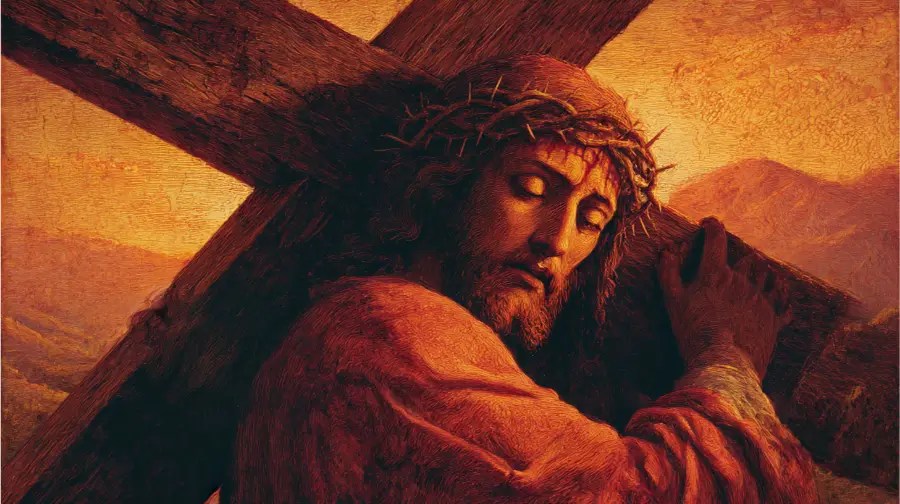
Jesus’ Example: Before Jesus even began His incredible public ministry, the Holy Spirit led Him into the wilderness. There, He fasted for forty days and forty nights (Matthew 4:1-11; Luke 4:1-2).³ This was also a time when Satan tried to tempt Him intensely. Jesus’ fast shows us how powerful this discipline can be in preparing for important ministry and facing spiritual battles.
Jesus’ Teachings on Fasting (Matthew 6:16-18): In the Sermon on the Mount, Jesus talked about the heart behind fasting. He warned His disciples not to fast like the “hypocrites” who made a big show of it just to get praise from people.³ Instead, He said, when you fast, do it in secret. Anoint your head, wash your face, so that your fasting is seen only by your Father in heaven, and He will reward you. And remember, as we said before, He started by saying, “when you fast…” (Matthew 6:16, NKJV), showing He expected His followers would fast.
Jesus on Fasting and the Bridegroom (Matthew 9:14-17): One time, people asked Jesus why His disciples didn’t fast when John’s disciples and the Pharisees did. Jesus used a beautiful picture: He compared Himself to a bridegroom. He explained that it wasn’t the right time for the wedding guests (His disciples) to fast Although the bridegroom was right there with them. But then He added, “But the days will come when the bridegroom will be taken away from them, and then they will fast”.⁵ This teaching tells us that fasting is definitely appropriate for us, His believers, in this time as we eagerly await His return or seek to feel His presence more deeply in our lives.
Early Church Practice: The book of Acts is so exciting because it shows the early Christians putting fasting right into their spiritual lives and ministry: These practices highlight how integral fasting was to their spiritual discipline and decision-making. Additionally, understanding fasting within the context of the ‘7 sacraments overview in the bible‘ reveals its importance in fostering a deeper relationship with God and the community of believers. Through these acts, early Christians exemplified their commitment to spiritual growth and reliance on divine guidance.
- The believers in Antioch were “ministering to the Lord and fasting” when the Holy Spirit told them to set apart Barnabas and Saul for their amazing missionary work (Acts 13:2-3).¹ This shows us how fasting can help us seek God’s guidance for His big plans for the church!
- Paul and Barnabas appointed elders in the churches “with prayer and fasting” (Acts 14:23).¹¹
- Cornelius, a Roman centurion, was fasting when an angel appeared to him in a vision! This led to Peter visiting him and the wonderful news of the gospel being opened up to the Gentiles (Acts 10:30).²⁵
- The Apostle Paul even mentioned “fastings often” as part of the hardships he went through in his dedicated ministry (2 Corinthians 11:27).²⁵
Fasting and Prayer for Spiritual Power: Jesus also pointed out that some kinds of demonic opposition might only be overcome through prayer and fasting (Mark 9:29; Matthew 17:21, though this verse has some variations in old manuscripts, the principle is noted by many).¹⁵
You can see how fasting carried on from the Old Testament right into the New, especially in its purposes like repenting, seeking God’s guidance, and expressing deep sorrow or need. But there’s also a beautiful shift. Although the Old Testament had that one nationally commanded fast (the Day of Atonement), the New Testament really emphasizes fasting as a voluntary choice, something we do because our hearts are stirred by specific spiritual needs, all guided by Jesus’s teachings, which focus so much on our inner motive rather than just going through the motions.
And that crucial link between fasting and prayer shines brightly throughout Scripture. They almost always go hand-in-hand, suggesting that fasting is meant to create that special, dedicated space for prayer and to make our prayers even more heartfelt.⁶ That physical feeling of fasting, like when your tummy rumbles, can be a constant, gentle reminder to turn your heart to God in prayer.¹ Without that spiritual focus, fasting can just become an exercise in willpower, or worse, just going hungry without connecting to its divine purpose.
That “Isaiah 58 Principle” is a timeless reminder for all of us who fast. God’s displeasure with hypocritical fasting – fasting that ignores justice, mercy, and a genuine change of heart – echoes Jesus’s later words when He talked about those who fasted just to be seen in Matthew 6. This consistent message from God shows us that our spiritual state and our actions when we fast are just as important, if not more so, than simply not eating. True biblical fasting, the kind that pleases God, should lead to a transformed heart and a life that shines more and more with God’s amazing love and righteousness.
This table below gives you a little snapshot of some key people in the Bible who fasted. It’s just a glimpse into all the different situations and reasons why they chose this powerful practice throughout God’s Word.
Table 1: Key Biblical Figures Who Fasted
| Figure | Scripture Reference(s) | Reason/Context for Fast | Duration (if specified) |
|---|---|---|---|
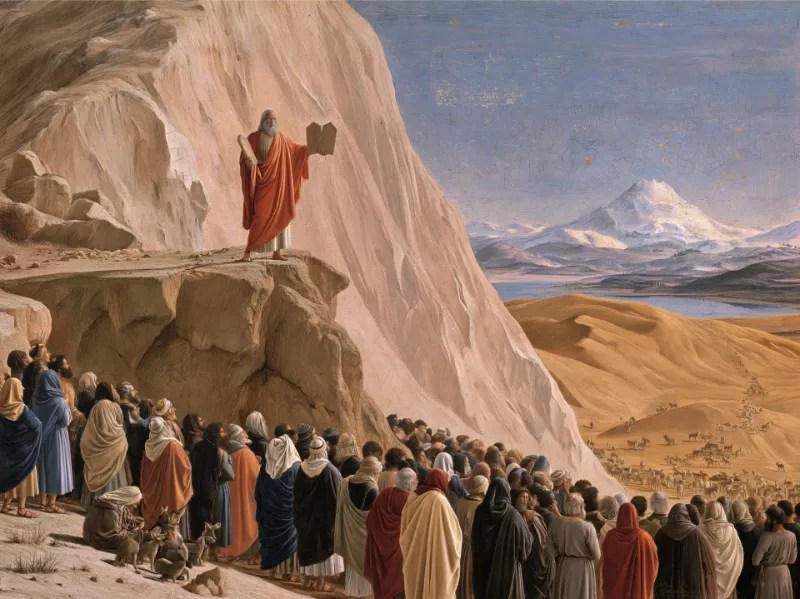
| Moses | Exodus 34:28; Deuteronomy 9:9 | Receiving God’s amazing Law on Mount Sinai, getting ready for His divine instructions\! | 40 days (no food or water) |
| David | 2 Samuel 12:16; Psalm 35:13 | For his sick child, wanting to humble his heart before God. | 7 days (for child) |
| Elijah | 1 Kings 19:8 | Journeying to Mount Horeb, God giving him supernatural strength\! | 40 days |
| People of Nineveh | Jonah 3:5-10 | Turning their hearts back to God after Jonah’s warning, a whole city repenting\! | Not specified (corporate) |
| Esther & the Jews | Esther 4:16 | Seeking God’s mighty deliverance from a terrible threat. | 3 days (no food or water) |
| Daniel | Daniel 1:12; Daniel 9:3; Daniel 10:2-3 | Honoring God with his diet; seeking wisdom and forgiveness; in a time of mourning. | 10 days (partial); 21 days (partial) |
| Jesus Christ | Matthew 4:2; Luke 4:1-2 | Before starting His world-changing ministry, facing temptation in the wilderness. | 40 days |
| Anna the Prophetess | Luke 2:37 | Serving God with a lifestyle of fasting and prayer in the temple, so devoted\! | Continual/Regular |
| Paul (Saul) | Acts 9:9; 2 Corinthians 11:27 | Right after his incredible conversion on the Damascus road; as part of the challenges in his apostolic ministry. | 3 days (no food or water) |
| Early Church | Acts 13:2-3; Acts 14:23 | Seeking God’s clear guidance; commissioning leaders; appointing elders for His work. | Not specified (corporate) |

What Are the Different Types of Christian Fasts?
Throughout history and in all sorts of Christian traditions, believers have found different ways to fast. We can think about these types based on what someone chooses to go without, who is doing the fasting, and how long or when the fast happens. Understanding these different approaches can help you discern what kind of fast might be just right for your spiritual goals and what fits your life right now. God is so good, and He gives us many ways to draw near to Him!
Based on What is Abstained From
- Normal or Complete Fast: This is often what pops into our minds when we hear “fasting.” It means choosing not to eat any food for a certain time still drinking water.³ Jesus’s amazing 40-day fast in the wilderness is a powerful example, though we know God was supernaturally sustaining Him.³²
- Partial Fast: Instead of giving up all food, a partial fast means you just limit certain kinds of food or drink.³ This way, you can still have some nourishment while practicing that important self-denial to focus on God.
- The Daniel Fast: This is a very well-known type of partial fast, and it’s based on how the prophet Daniel fasted. It usually means saying “no” to meat, rich or fancy foods (those special treats!), sweets, and wine. Instead, you’d focus on eating vegetables, fruits, and drinking water.¹ People often choose the Daniel Fast when they’re seeking God for a special time, for spiritual cleansing, or when they really need His guidance.¹⁶
- Absolute Fast (or Dry Fast): this is the most intense kind of fast. It means going without both food and all water for a short time.¹⁶ We see examples in the Bible like Queen Esther’s three-day fast with the Jewish people (Esther 4:16) 28 and when Saul (who later became Paul) fasted for three days after his incredible encounter with Jesus on the road to Damascus (Acts 9:9).²⁵ Because this is so demanding on the body, an absolute fast is usually only for a very short time (like one to three days) and you’d need to be extremely careful, and it’s always wise to talk to your doctor if you were thinking of doing this for longer.¹⁶ Those amazing 40-day absolute fasts of Moses and Elijah were clearly times when God supernaturally helped them.²⁸
- Liquid Fast: This type of fast means you only have liquids, like water, fruit or vegetable juices, or clear broths, and you don’t eat any solid food.³ A liquid fast can be a really good option if you’re new to fasting or if you have some health things that make a water-only fast too tough.¹⁶ Juice fasts, for example, can give you a bit of energy while still helping you practice that discipline of saying “no” to solid food.³
- Non-Food Fasts (or Abstinence): Although the Bible words for “fasting” (that’s tsom in Hebrew and nesteuo in Greek) mostly mean going without food 4, many Christians today also apply that wonderful principle of fasting to other areas of their lives. This could mean taking a break from things like social media, television, movies, certain hobbies, or other pleasures that might be pulling your attention away from God.¹ The Apostle Paul even mentioned that married couples might agree to step back from physical intimacy for a short time so they could really devote themselves to prayer (1 Corinthians 7:5).¹⁵ Some wise teachers might prefer to call this “abstinence” to keep it distinct from the main biblical idea of fasting from food.¹³ But the heart behind it is the same: self-denial so you can have a heightened spiritual focus on your amazing God.
Based on Who is Fasting
- Personal or Private Fast: This is when you, as an individual, decide to fast for your own personal spiritual reasons. Maybe you’re seeking God’s guidance, or you feel a need to repent, or you just long for a deeper, closer walk with Him. Jesus’s wonderful instructions in Matthew 6 about fasting in secret are mostly talking about this kind of personal fast.⁹
- Corporate or Community Fast: This is when a group of believers, like your church family or a whole community, decide to fast together for a shared purpose.¹⁶ We see this in the Bible with the fast of Nineveh (Jonah 3:5-8) 35 and when Esther called all the Jews to fast with her (Esther 4:16). Corporate fasts can be such powerful times of unity, as everyone seeks God together with one heart!
Based on Duration or Timing
- Intermittent Fast: This approach is about cycling between times of eating and times of fasting. This might look like fasting for certain hours of the day (maybe 16 hours of fasting with an 8-hour window to eat) or choosing specific days of the week to fast.¹⁶ For some folks, this method can fit more easily into their daily routines.
- One-Day Fast: Fasting for just a single day, often from when the sun comes up until it goes down, is a common practice we see in Scripture (like in Judges 20:26).²
- Multi-Day Fasts: The Bible tells us about fasts that lasted for various extended times, like three days (Esther), seven days (mourning for Saul), ten days (Daniel and his friends in Babylon), fourteen days (Paul and his shipmates), twenty-one days (Daniel’s mourning fast), and those incredible forty-day fasts of Moses, Elijah, and Jesus.¹
Choosing what kind of fast to do is often linked to why you’re fasting and your own personal situation and what your body can handle. For instance, an absolute fast like Esther’s might be chosen in a time of huge crisis when you urgently need God to intervene 28, while a partial fast, like Daniel’s, might be better for a longer period of seeking wisdom or mourning.¹ And those non-food fasts are a modern way we can apply these principles to the distractions we face today that can pull our attention from God.
It’s good to remember that even though our idea of “fasting” has grown in today’s Christian world to include giving up things other than food, the main biblical definition still centers on going without food. This shows us something beautiful: the timeless principle of denying ourselves to focus more on God is being applied in new ways, even as we hold onto the original meaning. Knowing this difference can be really helpful. For example, giving up social media for a week is a valuable spiritual discipline to cut down distractions and increase your focus on God; calling it “fasting” borrows from that biblical idea, even if what you’re giving up is different from the main examples in Scripture.
Here’s a table to help summarize these main types of Christian fasts:
Table 2: Types of Christian Fasts
| Type of Fast | Definition | Biblical Precedent/Example(s) | Key Characteristics/Notes |
|---|---|---|---|
| Normal/Complete Fast | Choosing not to eat any food, but still drinking water. | Jesus (Matthew 4:2), Early Church (Acts 13:2-3) | This is what many think of as a full fast. How long it lasts can vary. |
| Partial Fast | Limiting only certain kinds of food or drink, not all food. | Daniel (Daniel 10:3) | Lets you have some nourishment while still practicing that important self-denial. |
| Daniel Fast | A special kind of partial fast: usually vegetables, fruits, water; no meat, fancy foods, or wine. | Daniel (Daniel 10:2-3) | Often chosen for spiritual purity or when seeking God’s clear guidance. |
| Absolute Fast (Dry Fast) | Going without both food and all water. | Esther (Esther 4:16), Paul (Acts 9:9), Moses (Exodus 34:28 \- God supernaturally helped\!) | Very demanding; usually for short times (1-3 days). Requires great care. |
| Liquid Fast | Only having liquids (like water, juice, broth), no solid food. | 3 | Can be a good start for beginners or if you have health things to consider. Juices can give some energy. |
| Non-Food Fast (Abstinence) | Taking a break from things other than food (like media, hobbies, certain activities). | 1 Corinthians 7:5 (married couples temporarily abstaining for prayer) | Helps reduce distractions so you can focus on God. Some call this “abstinence.” |
| Personal/Private Fast | When you fast by yourself for your own spiritual reasons. | Jesus’ teaching (Matthew 6:16-18) | The focus is on your private devotion and seeking your Heavenly Father. |
| Corporate/Community Fast | When a group of believers fasts together for a shared purpose. | Nineveh (Jonah 3:5-8), Jews with Esther (Esther 4:16), Early Church (Acts 13:2) | For repentance, revival, or seeking God’s help as a united group. |
| Intermittent Fast | Cycling between times of eating and fasting (e.g., certain hours daily or specific days weekly). | (A modern way to apply fasting principles) | Can fit into daily life; not specifically called a “type” in Scripture but lines up with fasting from time to time. |

How Do I Prepare for a Christian Fast?
Getting ready properly is so important if you want your fast to be a spiritually enriching and physically manageable experience. This means preparing your spirit, your mind, and your body. If you neglect any of these areas, it can make the fast tougher than it needs to be, or you might not get all the wonderful spiritual benefits God has for you.
Spiritual Preparation
The “why” behind your fast should really shape “how” you get ready. For example, if your heart is set on deep repentance, then your spiritual prep will be all about heartfelt confession. If you’re fasting to seek God’s wisdom on a big decision, then getting your mind ready by scheduling dedicated time for focused prayer and listening becomes super important.
- Determine Your Purpose (“Why”): This is the absolute most important first step, friends.¹ Get really clear in your heart about what you’re seeking from God through this fast. Is it for a fresh touch from Him, guidance on a decision, turning away from sin, strength to overcome a challenge, or praying earnestly for others? Knowing your “why” will give you that motivation and focus when the fast feels a bit challenging.⁴⁸
- Prayer and Seeking God’s Guidance: Start by talking to God about your desire to fast. Ask Him to lead you in the kind of fast and how long it should be, and to prepare your heart for what He wants to do.¹² Be open and ready to receive whatever He wants to share with you during this special time.¹²
- Confession and Repentance: Humble your heart before your loving God and confess any known sins.⁴¹ This helps make sure nothing is standing in the way of your sweet fellowship with God and that you come into the fast with a pure heart.³
- Meditate on Scripture: Spend some quality time reading and thinking about God’s Word. Focus on passages about His amazing attributes (His love, His power, His sovereignty!), His wonderful promises, and what the Bible says about fasting itself.³
- Set Realistic Expectations: While fasting can lead to some truly powerful spiritual moments, it’s good not to expect a huge “mountain top experience” every single time.³⁷ The results of your fast might not always be instant or super obvious.³⁷ Just trust God’s perfect timing and His wonderful work.
- Surrender and Consecration: See this fast as a beautiful opportunity to fully surrender your life and your will to Jesus Christ.³ It’s an act of consecration, setting yourself apart for God’s amazing purposes.⁹
Mental Preparation
- Make a Plan: Decide on the specific kind of fast you’re going to do (like a normal, partial, or liquid fast), how long it will last, and how you plan to use the time you’d normally spend eating.³ Will you dedicate it to longer prayer times, deeper Bible study, worship, or serving others? Writing your plan down can really help strengthen your commitment.⁸
- Prepare for Discomfort and Opposition: Be aware that you’ll likely feel some physical discomforts like hunger pangs, and maybe even headaches (especially if you’re used to caffeine or sugar), tiredness, or a bit of irritability.³ Also, be ready for some spiritual opposition; remember, Satan tempted Jesus during His fast, and you might face some temptations or moments of discouragement too.⁹ But God is with you!
- Inform Key People (Optional but Wise): You might want to let supportive family members or close friends know you’re fasting, especially if your daily routine is going to change a lot. They can be a wonderful source of prayer and encouragement.⁹ But balance this with Jesus’s teaching in Matthew 6 about fasting in secret. Use wisdom to decide who needs to know and why.
Physical Preparation
Physical preparation isn’t about making the fast “easy,” but it’s about reducing any unnecessary physical stress that could take your focus away from the wonderful spiritual purpose.
- Consult a Doctor: This is really important, especially if you have any health conditions already (like diabetes or anemia), if you’re pregnant or nursing, if you take regular medication, or if you’re planning a longer fast (more than a few days).² Some people should never fast from food without talking to a doctor first.⁵²
- Gradual Reduction of Food Intake: Don’t be tempted to have a “last big meal” right before you start.³ Instead, try eating smaller and lighter meals for a few days leading up to your fast.³ Some folks even suggest eating only raw fruits and vegetables for a day or two before a full fast.³
- Reduce Caffeine and Sugar: If you gradually cut back on coffee, tea, sugary drinks, and sweets in the days before your fast, it can really help lessen those withdrawal headaches.³
- Hydration: Drink plenty of water before your fast begins, and keep drinking it during most types of fasts (unless it’s an absolute/dry fast, of course).³
- Prepare Your Pantry and Environment: If you think you might be tempted by certain foods, it’s a good idea to move them out of sight or where they’re not so easy to grab.⁴⁸ Try to create a peaceful environment around you, one that helps you focus on spiritual things and minimizes distractions.¹²
Getting ready in all these ways—spiritually, mentally, and physically—is the key to a fast that truly blesses you. These areas are all connected; for instance, if you’re feeling really bad physically because you didn’t prepare, it can easily take your mind off your spiritual focus. And if you don’t have a clear spiritual reason for fasting, just going without food can feel pointless or just like a test of your willpower. A balanced approach will make it much more likely that you’ll have a spiritually meaningful and physically manageable experience. God wants to meet you in this!

What Should I Do (and Not Do) During a Christian Fast?
Once your fast begins, being intentional is the key! It’s not just about what you don’t do (like eat) it’s so much about what you do with the precious time and focus you gain. Fasting creates a kind of spiritual space, and it’s so important to fill that space purposefully with God-focused activities. Just toughing out hunger without dedicating that created space to prayer, reading His Word, and worship can lead to feeling frustrated or like you missed out on the spiritual blessing.
What to DO During a Fast
- Focus Intensely on Prayer and Seeking God: This is the very heart of your fast, dear friend! Use the time you would normally spend making and eating meals for dedicated prayer, diving into your Bible, worshipping, and just listening for God’s sweet voice.¹
- Read and Meditate on Scripture: Nourish your soul with God’s amazing Word. Let it speak right into your situation and deepen your understanding of who He is.¹
- Engage in Worship and Praise: Spend time just adoring God for His goodness, His power, His love – for everything He is and all He has done.³
- Listen for God’s Voice: Make space for quietness and be attentive to the Holy Spirit’s leading, the insights He gives, and any instructions He might have for you.³ It can be so helpful to keep a journal to write down any thoughts, feelings, or scriptures that God brings to your mind.²⁶
- Stay Hydrated (for most fasts): Drink plenty of water all through the day.³ If you’re on a longer fast, some people find that fruit or vegetable juices, or a clear broth, can give a little energy and make the fast a bit more manageable.³
- Rest When Needed: You might feel more tired than usual, especially in the first few days. So, limit any really strenuous activity and make sure you’re getting enough rest.³ Some moderate exercise, like a gentle walk, might be okay depending on your health and the kind of fast you’re doing.³
- Maintain a Normal Appearance: Remember Jesus’s teaching in Matthew 6:16-18? Anoint your head and wash your face. Try not to look gloomy or like you’re suffering, because you don’t want to draw attention to your fasting.³
- Practice Humility and Continue Repentance: Keep a humble heart before God. Continue to let the Holy Spirit search your heart and be quick to confess any sin He shows you.³
- Engage in Acts of Mercy (The Isaiah 58 Principle): If it fits with why you’re fasting and you’re able, think about how you can serve others or show compassion. True fasting is always connected to justice and mercy.³
- Use Hunger Pangs as Prayer Reminders: When you feel that little rumble in your tummy, let it be a sweet reminder to turn your thoughts and your heart to God in prayer.¹
What to AVOID During a Fast (Pitfalls)
Many of the “don’ts” of fasting are about keeping our hearts right, making sure this beautiful discipline stays God-centered (focused on Him!) rather than becoming self-centered (focused on pride, showing off, or trying to get God to do something).
- Making it a Public Show: Try to avoid fasting in a way that’s all about being seen by others or trying to get their praise or admiration.³
- Having a Transactional Mindset: Don’t ever think of fasting as a way to earn God’s favor, or to force His hand, or to make Him “owe” you an answer to your prayer.³ Fasting is about getting your heart in line with God’s, not trying to control Him.²⁰
- Neglecting Spiritual Focus: Just going without food not dedicating that freed-up time and mental energy to God, really misses the whole beautiful point of a spiritual fast.¹⁰ It can easily just become about being hungry or like a diet.⁹
- Overexertion: Avoid really strenuous physical activity that your body can’t handle during a fast, especially if this is a new discipline for you.⁸
- Becoming Overly Legalistic or Prideful: Guard your heart against any self-righteousness that might try to creep in when you’re doing something demanding. Also, try not to judge others who aren’t fasting or who fast differently than you do.²⁰
- Ignoring Your Body’s Serious Warning Signs: While a little discomfort is normal, if you feel severe pain, dizziness, or other really concerning symptoms, it might mean you need to stop or change your fast. Don’t harm your body; always talk to a doctor if you’re unsure.²
- Breaking the Fast Haphazardly: Don’t immediately rush to eat huge amounts of heavy or rich foods when your fast is over. This can actually be harmful to your body (we’ll talk more about this in the next section).²⁰
- Condemning Yourself if You Stumble: If you accidentally eat something or break your fast earlier than you planned, please don’t beat yourself up.²⁰ Mistakes happen! Repent if you need to, receive God’s amazing grace, and then refocus or try again later if that feels right. Your humble and sincere heart is what matters most to God, more than perfect outward performance.
- Engaging in Sinful Behavior: Fasting should go hand-in-hand with pursuing a life that pleases God. Avoid gossip, strife, anger, or other sinful attitudes and actions. Isaiah 58 and the wise teachings of the Church Fathers remind us that fasting from food Although Indulging in sin is just hypocrisy.²⁰ Don’t “find your own pleasure” or speak “your own words” in a way that goes against the beautiful purpose of your fast (Isaiah 58:3, 13).⁶⁰
- Focusing on the Lack of Food More Than God: The goal, dear is to shift your focus to God, not to constantly think about what you’re missing.³⁹

How Long Should a Christian Fast Last, and How Do I Break It Safely?
Deciding how long your fast should be and knowing the right way to end it are really practical and important things to think about for anyone wanting to embrace this wonderful spiritual discipline. God gives wisdom for this!
Duration of a Fast
The Bible is so encouraging because it shows us fasts of all different lengths! This tells us that the length can be adapted to your purpose and your situation, rather than there being just one “right” way. This variety means God honors fasts of different lengths, all based on the spiritual need and what you can do, as the Holy Spirit leads you.
Biblical Examples Vary Widely:
- Sometimes fasts lasted for just part of a day or a full day, often from sunrise to sunset, like we see in Judges 20:26.²
- We also see three-day fasts, like when Queen Esther called the Jews to fast before she bravely went to the king (Esther 4:16).²⁸
- Seven-day fasts happened too, often for mourning. The men of Jabesh-gilead mourned King Saul this way (1 Samuel 31:13) 28, and David fasted for seven days for his sick child (2 Samuel 12:16-18).²⁸
- Daniel and his friends chose a ten-day partial fast when they were in Babylon (Daniel 1:12).¹
- The Apostle Paul and his shipmates went through a fourteen-day fast during a terrible storm at sea, though that was partly because of their dangerous situation (Acts 27:33-34).¹
- Daniel also had a twenty-one-day partial fast when he was mourning and seeking deep understanding from God (Daniel 10:2-3).³
- And then there are those incredible forty-day fasts by Moses on Mount Sinai (Exodus 34:28), Elijah on his journey to Horeb (1 Kings 19:8), and Jesus in the wilderness (Matthew 4:2).¹ It’s widely believed that these very long fasts, especially those like Moses’ where he didn’t even drink water, were unique times when God supernaturally sustained them.² They are amazing examples of devotion they aren’t necessarily the length everyone should aim for without a very specific call from God and His special help.
- No Strict Command in the New Testament: Jesus didn’t give us a list of specific rules about how long or how often His followers should fast.² How long you fast is usually a personal decision you make as you pray and seek God’s guidance for what’s right for you and for the spiritual reason you’re fasting.²
- Starting Small: If you’re new to fasting, it’s so wise to start with shorter times. Maybe fast for just one meal, or for a single day.³ As you get more used to this discipline, you can gradually think about longer fasts if you feel God leading you that way.
- Consider Your Health and Schedule: Always think about your physical condition, your daily responsibilities (like work or taking care of your family), and your overall health.² It’s super important to talk to your doctor before you start any fast that’s longer than 24 to 72 hours, or if you have any health concerns.²
- Flexibility: Although It’s good to have a goal for how long you want to fast, try to stay flexible. If your body starts sending serious distress signals or you feel really unwell, it might be necessary to end your fast earlier than you planned.² Remember, the purpose is spiritual growth, not to harm your body.
How to Break a Fast Safely
How you end your fast is just as important as how you begin and go through it! Breaking a fast, especially if it’s been a longer one, needs wisdom and discipline to protect your physical health and to hold onto all the wonderful spiritual benefits you’ve gained. If you suddenly rush back to eating large amounts of heavy food, it can be a shock to your digestive system, which has been resting, and that can lead to discomfort or even some dangerous issues.⁵³
- Gradual Reintroduction of Food is Crucial: The longer your fast, the more carefully and slowly you should bring food back into your diet. Your stomach will have shrunk a bit, and your digestive organs need time to gently “wake up” and get back to normal.³
Start Light:
- For short fasts (like one or two days), you can usually break your fast with a small glass of fruit juice, and then a little later have some easily digestible foods like yogurt, a light soup, or some fresh fruit.³
- For extended fasts (several days or more), begin with diluted fruit or vegetable juices. Watermelon, tomato, grape, or apple juice are often good choices.³ Drink just small amounts every two to three hours on that first day of breaking your fast.⁷²
- Progression of Foods (after extended fasts): A common and wise approach is 3:
- Day 1 (after those initial juices): Introduce some raw salads and more fruit.
- Day 2: You can add a baked or boiled potato (plain, without butter or heavy seasonings) and some steamed vegetables.
- Day 3 onwards: Gradually start to bring back your normal diet, beginning with small snacks or meals and increasing the amounts slowly.
- Proteins should generally come in a bit later, starting with lighter ones like cheese or eggs, then fish, and finally meat.⁷²
- Eat Slowly and Chew Thoroughly: Take your time when you start eating again. Chew your food really well, almost until it’s liquid before you swallow.⁷² Listen to your body and stop eating as soon as you feel the slightest bit full.⁷²
- Rest During Reintroduction: Let your body focus on digestion and absorbing nutrients by resting as much as you can while you’re reintroducing food.⁷²
- Avoid Heavy, Greasy, or Sugary Foods Immediately: These can be especially tough on your system right after a fast.²⁰
Spiritual Aspect of Breaking a Fast
Just as you prepared your spirit for the fast, be mindful when it comes to an end.
- Don’t Relax Spiritually: Some wise folks caution that the enemy might try to sneak in and steal the spiritual ground you’ve gained during your fast.⁷² So, stay alert, keep up your prayer discipline, and stay committed to obeying God.⁷²
- Reflect and Plan: Prayerfully think about what ongoing practice of fasting, if any, God might be leading you to weave into your life.¹ If your fast was for a specific reason, reflect on what God has shown you and how you’ll move forward with that wisdom.

What Are the Spiritual Benefits of Fasting?
When Christian fasting is done with the right heart and focus, it can bring so many wonderful spiritual blessings into your life! These aren’t rewards you “earn,” but more like the beautiful fruit that grows when you draw nearer to God and discipline yourself for His amazing purposes. Many of these benefits come from the process of fasting itself—that self-denial, the focused prayer, relying more on God—rather than just being a direct result of not eating.
- Deeper Relationship with God: This is often seen as the number one blessing! Fasting can help you build a closer, more intimate connection with your loving God.⁵ It can make you more sensitive to God’s presence and the gentle leading of the Holy Spirit 3, making your “spiritual ears” even sharper.⁸
- Spiritual Renewal and Refreshment: Fasting can be such a powerful way to feel spiritually renewed, sometimes even bringing back that “first love” excitement for the Lord.⁴⁷ Many people say they feel mentally, spiritually, and even physically refreshed after a dedicated time of fasting.³ It can feel like hitting the “reset button” for your soul!45
- Increased Faith and Confidence in God: When you step out in faith to fast and you experience God sustaining you, it can really strengthen your faith and your confidence in Him.³
- Humility and Repentance: The very act of denying yourself through fasting is naturally humbling. It can show you your true spiritual condition, leading to a heart of brokenness, genuine repentance, and a transformed life.³ It helps you rely more deeply on God instead of yourself.¹
- Spiritual Strength and Victory: Fasting is described as a spiritual weapon, friends!62 It can strengthen you against temptation and spiritual opposition, like we see suggested in passages such as Mark 9:29.⁵ It helps you build self-control and gain power over those fleshly desires.⁸ This discipline can lead to amazing spiritual breakthroughs in areas where you’ve been struggling.⁷
- Clarity and Guidance: By quieting down the physical and worldly distractions, fasting can open the door to a more powerful connection with God and a clearer understanding of His wonderful will for you.⁶ People often practice it when they’re seeking God’s direction for big life decisions or for their ministry.¹
- Empathy and Compassion: Feeling physical hunger during a fast can actually help you connect with what it’s like for those who often go without, fostering a deeper sense of empathy and compassion in your heart.⁶ This can lead to a greater desire to serve and care for those in need.
- Preparation for God’s Use: Just like Jesus fasted before He began His incredible public ministry (Matthew 4:1-11), fasting can prepare you, as a believer, for God’s amazing purposes in your life.¹² It can empty you of self-reliance, making you more open to God’s grace and ready to be filled and used by Him in wonderful ways.⁷⁴
- Worship: The act of fasting itself can be a deep and beautiful form of worship, showing that you value God above everything else, even your basic physical needs.⁸ Remember the prophetess Anna? She served God with fastings and prayers in the temple (Luke 2:37).¹⁹
Fasting can also be like a spiritual check-up. When you temporarily remove something you often rely on or enjoy (like food, or even other comforts if you’re doing a non-food fast), you can become really aware of what truly has a hold on you or where your unhealthy attachments might be.¹⁴ This self-knowledge, which can sometimes be a bit uncomfortable but is so revealing 3, is the first step to asking God for His help to break free from those things. This leads to greater spiritual freedom and becoming more like Him.⁶¹ So, a key benefit is the insight and conviction that sparks even more spiritual growth. The overall impact of fasting is so multi-faceted! It touches your relationship with God, your self-awareness, your spiritual resilience, and your outward compassion, all contributing to your wonderful journey of spiritual maturation. God is so good!

What Did the Early Church Fathers Teach About Fasting?
The practice of fasting was held in such high regard by the early Church Fathers! They saw it as a vital spiritual discipline, a powerful tool for every believer. Their teachings, which we find in their sermons, letters, and deep theological writings, give us such a rich understanding of how the right after the apostles, approached this practice. They often emphasized that what’s in your heart and how you live your life is even more important than just going through the motions of not eating.
General Emphasis
The Church Fathers all agreed on the incredible value of fasting. They considered it a super important way to draw nearer to God, to deepen that precious relationship with Him, and to seek His mighty help in times of need.⁵ They often talked about fasting alongside prayer and almsgiving (that’s giving to the poor and needy). They saw these three things as foundational ways Christians express repentance, devotion, and a life changed by God.³¹ This trio was understood to show a right relationship with yourself (through the discipline of fasting), with God (through prayer), and with others (through acts of kindness and mercy). Fasting was also seen as a way to follow the example of Christ’s own 40-day fast in the wilderness.⁶²
Specific Teachings from Various Fathers
- The Didache (late 1st/early 2nd century): This very early Christian guide instructed believers to fast before baptism – this was for both the person baptizing and the person being baptized!49 It also advised fasting on Wednesdays and Fridays, which helped distinguish Christian practice from Jewish fast days (which were often on Mondays and Thursdays).³¹
- The Shepherd of Hermas (mid-2nd century): Hermas taught that a true and acceptable fast is about much more than just not eating. It requires you to guard against every evil word and desire, to purify your heart from worldly things, and to serve the Lord with a pure heart.⁶² He specifically said that on a fast day, you should only have bread and water, and then figure out how much money you saved on the food you would have eaten and give that amount to a widow, an orphan, or someone in need. This beautifully connects the physical act of fasting to humility and giving to others!62
- Tertullian (c. 155 – c. 220 AD): Tertullian was a strong supporter of fasting, especially later in his life when he was part of the Montanist movement. He even wrote a whole book called “On Fasting”!77 He argued that fasting was a kind of penance for Adam’s original sin of indulgence (he called it “the murderous gullet”) and that it helped to make things right with God.⁷⁷ He defended practices like long “Stations” (fasts that often went into the evening) and “xerophagies” (which meant not eating meat, wine, or juicy fruits, and only eating dry foods).⁷⁷ Tertullian believed fasting built spiritual strength, was a weapon against evil spirits, and prepared Christians for martyrdom.⁷⁷ He also echoed Jesus’s warning against fasting just for show 77 and noted that fasting was generally not done on the Lord’s Day (Sunday) or during the joyful season from Easter to Pentecost.⁶³
- Clement of Alexandria (c. 150 – c. 215 AD): Clement had a broad view of fasting, defining it as “abstinence from all evils whatsoever, both in action and in word, and in thought itself”.⁶³ He also affirmed that fasting and prayer go together beautifully, saying, “Fasting with prayer is a good thing”.⁶³
- Origen (c. 184 – c. 253 AD): Like many others, Origen saw fasting as one of the essential Christian practices, right alongside prayer and almsgiving.³¹
- St. Basil the Great (c. 330 – 379 AD): St. Basil really emphasized the inner heart and ethical side of true fasting. He said: “True fasting is the estrangement from evil, temperance of tongue, abstinence from anger,… These is true fasting”.⁶² He described fasting as a powerful spiritual tool that “gives birth to prophets and strengthens the powerful; fasting makes lawgivers wise… A good safeguard for the soul, a steadfast companion for the body, a weapon for the valiant”.⁶² He encouraged believers to approach fasting with joy, seeing it as a medicine that destroys sin, rather than with a sad or gloomy face.⁸⁰
- St. John Chrysostom (c. 347 – 407 AD): Known for his powerful speaking, St. John Chrysostom preached about “holistic fasting.” He urged people: “Let not only your mouth fast also your hands and feet and eyes and ears and all the members of your body”.⁶⁹ This meant your hands should fast from greed, your feet from running to sin, your eyes from looking with lust, and your ears from listening to gossip.⁶⁹ He famously asked, “For what good is it if we abstain from birds and fishes but bite and devour our brothers and sisters?”.⁶⁹ He saw fasting as a medicine whose real purpose was to help you dedicate yourself to spiritual things. If someone was too sick to fast from food, he advised them to give more generously to the poor, pray more fervently, and make peace with their enemies as true expressions of a fasting spirit.⁷⁰
- St. Augustine of Hippo (354 – 430 AD): Augustine highlighted the amazing transformative power of fasting: “Fasting cleanses the soul, raises the mind, subjects one’s flesh to the spirit, renders the heart contrite and humble, scatters the clouds of concupiscence, quenches the fire of lust, and kindles the true light of chastity”.⁶² He famously taught that fasting and almsgiving are “the two wings of prayer,” helping our prayers reach God more effectively.⁷⁵ During Lenten fasts, he warned people not to use giving up one pleasure as an excuse to seek out other luxuries, and he stressed how important it is to forgive others and avoid being bad-tempered.⁸¹ Even though Augustine saw some people misusing fasting and making it legalistic, he continued to recommend its proper and frequent use for spiritual growth.⁵
- St. Peter Chrysologus (c. 380 – c. 450 AD): He put it so beautifully when he talked about how these disciplines are connected: “Fasting is the soul of prayer, mercy is the lifeblood of fasting. So if you pray, fast; if you fast, show mercy; if you want your petition to be heard, hear the petition of others”.⁷⁵
- John Cassian (c. 360 – c. 435 AD): A very important figure in Western monasticism, Cassian taught that “Bodily fasting alone is not enough to bring about perfect self-restraint and… Toil, and manual labour”.⁶² He also understood that you can’t have one single rule for fasting that applies to everyone because people have different physical strengths and health conditions. The main goal is self-control and avoiding gluttony, not being overly burdened.⁶²
- Pope St. Leo the Great (Pope from 440-461 AD): Leo the Great emphasized that fasts are necessary for us to win God’s mercy and to renew our human frailty.⁶² He taught that when our body fasts from food, our mind should fast from vices (bad habits and sins), and that giving to the poor (almsgiving) is a crucial part of a fruitful fast.⁶² He believed that the trio of prayer, fasting, and almsgiving helps to renew God’s image in us, His believers.⁶²
Evolution and Potential for Legalism
Although these early Fathers were champions of fasting, they were also wise enough to see potential problems. By the 4th century, especially after Christianity became more accepted by the state under Emperor Constantine, there was a tendency in some places for fasting to become more formal, more like a ritual, and for some, it even became a works-oriented or legalistic practice, as if they could earn God’s favor by it.⁵ But truly spiritual leaders continued to encourage its proper, heart-centered use.
The Church Fathers consistently saw fasting not as an end in itself as a powerful means to achieve spiritual purity, a deeper connection with God, and victory over sinful desires. That strong emphasis on linking fasting with prayer (for devotion to God) and almsgiving (for love of your neighbor) gave it a wonderful, holistic framework. This helped prevent fasting from becoming just an isolated, self-focused ascetic practice and instead rooted it firmly in those two great commandments: to love God and love your neighbor. While some, like Tertullian in his more zealous days, pushed for very strict and specific kinds of fasting 77, many Fathers also showed great pastoral wisdom, understanding the need for common sense and considering people’s individual abilities and health.⁷⁰ The main goal was always spiritual growth, and the methods could be adapted, to some extent, to make sure the practice stayed beneficial and true to its amazing purpose.
The table below gives you a summary of some key teachings on fasting from several of these wonderful Early Church Fathers:
Table 3: Teachings of Early Church Fathers on Fasting
| Church Father | Key Teaching/Concept | Notable Quote Snippet (paraphrased or direct) | Snippet ID(s) |
|---|---|---|---|
| Didache | Fast before that wonderful step of baptism; choose to fast on Wednesdays and Fridays. | “Let not your fasts be with the hypocrites…Rather, fast on the fourth day and the Preparation (Friday).” | 49 |
| Shepherd of Hermas | A true fast means living purely and giving to others (sharing the money you saved on food with those in need). | “On that day on which you fast you shall taste nothing but bread and water; and…give it to a widow, or an orphan, or to one in want.” | 62 |
| Tertullian | Advocated for serious fasting (like “Stations” and “xerophagies”) as a way to deal with sin and build spiritual muscle. | He encouraged “xerophagies” (a dry diet) and longer “Stations” (fasts that went into the evening). | 77 |
| Clement of Alexandria | Fasting is saying ‘no’ to all evil in your thoughts, words, and actions; it’s so good with prayer. | “Fasting with prayer is a good thing.” Fasting means “abstinence from all evils whatsoever.” | 63 |
| St. Basil the Great | Real fasting is turning away from evil, controlling your tongue and anger, and separating from sinful desires. | “True fasting is the estrangement from evil, temperance of tongue, abstinence from anger…” | 62 |
| St. John Chrysostom | Holistic fasting: every part of you should fast from its own sins; so vital to link it with charity. | “Let not only your mouth fast, but also your hands and feet and eyes and ears…For what good is it if we abstain from…fishes but bite…our brothers?” | 69 |
| St. Augustine | It cleanses your soul, lifts your mind, helps your spirit rule your flesh, humbles your heart; with giving to others, it gives “two wings to prayer.” | “Fasting cleanses the soul, raises the mind, subjects one’s flesh to the spirit…” | 62 |
| St. Peter Chrysologus | Fasting is the very soul of prayer, and showing mercy (almsgiving) is the lifeblood that makes fasting thrive. | “Fasting is the soul of prayer, mercy is the lifeblood of fasting. So if you pray, fast; if you fast, show mercy…” | 75 |
| John Cassian | Just fasting with your body isn’t enough; your heart needs to be contrite, you need prayer, scripture; one rule doesn’t fit all due to different strengths. | “Bodily fasting alone is not enough…it must be accompanied by contrition of heart, intense prayer to God…” | 82 |
| Pope St. Leo the Great | Fasts help us receive God’s mercy; your mind must fast from bad habits as your body fasts from food; so essential with almsgiving. | “When the body therefore fasts from food, let the mind fast from vices…make this…fast fruitful…by bounteous alms.” | 64 |

How Do Different Christian Denominations View and Practice Fasting Today?
Although the beautiful core reasons for fasting—drawing closer to God, repenting, seeking His guidance—are pretty much the same for all of us, the specific ways different Christian denominations look at and practice fasting today can really vary. This wonderful diversity shows us different theological heart-points on tradition authority, and that precious individual spiritual freedom God gives us.
General Protestant View
When the Protestant Reformation happened back in the 16th century, it brought a shift in how many churches understood and practiced fasting. Great reformers like Martin Luther and John Calvin said, “Hey, fasting isn’t something you have to do to be saved, and it’s not a way to earn brownie points with God.” They were concerned about any practices that made it seem like you could get God’s favor through your own efforts.⁵ But they didn’t throw fasting out altogether! Instead, they generally held onto it as a valuable, voluntary spiritual discipline when you do it with the right heart.⁵ So for many Protestants today, fasting is a personal choice, something you decide between you and God, guided by your own conscience and what you feel you need spiritually. It’s not usually a mandated church rule, partly because they want to avoid any hint of legalism or thinking our works can save us.³¹ The focus is often on fasting to help quiet those fleshly desires, to make prayer even more powerful, to express heartfelt repentance, or to earnestly seek God’s wonderful will.⁵ Many Protestants who fast do it privately, just like Jesus taught in Matthew 6.³¹
Catholic Church
The Catholic Church has specific guidelines for fasting and abstinence, especially during the season of Lent, seeing it as a form of penance and a way to spiritually prepare.
- Obligatory Days: Ash Wednesday and Good Friday are days when Catholics are obligated to both fast and abstain from meat.⁸⁸ And all Fridays during Lent are obligatory days of abstaining from meat.⁸⁸
- Fasting Rules: On those fasting days, Catholics between the ages of 18 and 59 are allowed to eat one full meal, and also two smaller meals that, if you put them together, don’t equal a full meal.⁸⁸
- Abstinence Rules: Abstaining from meat is something Catholics from age 14 onwards are bound to do on those designated days.⁸⁹
- The “Paschal Fast” on Good Friday is encouraged to continue, if possible, all the way until the Easter Vigil on Holy Saturday night. This is to honor Christ’s suffering and to get our hearts ready to celebrate His amazing Resurrection.⁸⁹ It’s good to know that Eastern Catholic Churches have their own particular laws about fasting too.⁸⁹
Eastern Orthodox Church
Fasting is a very extensive and deeply woven part of spiritual life in the Eastern Orthodox with many fasting seasons and regular weekly fast days. It’s a big commitment!
- Fasting Seasons: These include Great Lent and Holy Week (which is the strictest time), the Nativity Fast (also called St. Philip’s Fast), the Apostles’ Fast (for Peter and Paul), and the Dormition Fast (for the Theotokos, Mary the mother of Jesus).⁶⁷
- Weekly Fasts: Most Wednesdays (to remember Christ’s betrayal) and Fridays (to remember His crucifixion) throughout the whole year are fast days, though there are some “fast-free” weeks as exceptions.⁶⁷
- General Rules: Orthodox fasting usually means abstaining from meat, fish that have backbones, dairy products, eggs, olive oil, and wine.⁶⁷ Shellfish are often allowed because they’re considered not to have blood.⁶⁷ How strict the fast is can change depending on the specific season or day. Some days might allow oil and wine, or even fish (like on major feast days that happen during a fast, or on Saturdays and Sundays during some fasts, except for Holy Saturday).⁶⁷
- Purpose: Fasting is seen as such a vital spiritual discipline for taming our passions, for repentance, for prayer, for drawing closer to God, and for getting ready for major feasts.⁶⁷ The focus isn’t just on food also on abstaining from sinful thoughts and behaviors that can harm us.⁶⁷ Pastoral guidance is really important, and the rules can be adjusted for health, age, or other personal situations.⁶⁷
Anglican Communion (e.g. Of England, Episcopal Church)
Historically, the Book of Common Prayer laid out specific days for fasting and abstinence, like Fridays, the forty days of Lent, Ember Days, and Rogation Days.
- How Anglicans practice this today can vary. Some sources say that fasting is “required of all confirmed members” on certain days like all Fridays of the year (to remember Christ’s Passion), Ash Wednesday, and during the Forty Days of Lent.⁶⁸ Others note that how it’s observed, especially during Lent, is often up to each person’s discretion.⁹¹
- Abstinence generally means not eating meat (from mammals or fowl), and fish is often permitted.⁶⁸
- Fasting is often understood as eating one full meal and two smaller meals that together don’t add up to a full meal.⁶⁸
- The purpose is to gain self-mastery over our appetites, to have greater devotion to God in prayer and good works, for repentance, and to remember Christ’s Passion.⁶⁸ It’s not seen as a way to earn points with God.⁹¹ Whether Anglicans fast before receiving Holy Communion is something they have different views on.⁹¹
Lutheran Churches (e.g., LCMS, ELCA)
Lutherans generally see fasting as a beneficial spiritual discipline not as something required for salvation or a way to earn God’s favor.
- Martin Luther, in his Small Catechism, called fasting and bodily preparation “fine outward training”.³³ The Lutheran Confessions also acknowledge how important fasting is for Christians, while always stressing it doesn’t forgive sins or gain spiritual merit.⁵⁵
- Fasting is considered a personal choice, and there’s a real emphasis on not making people feel bound by rules about it.⁵⁵
- It can be useful for self-discipline, for focusing prayer, for expressing repentance, and for recognizing our dependence on God.³³ Lent is observed as a season of repentance and reflection, and fasting is a traditional Lenten discipline, though how each person observes it is personal.⁸⁶ Historically, some Lutherans fasted during Lent by not eating meat and sweets.⁸⁶ Exemptions are typically made for the elderly, those with medical conditions, pregnant or nursing mothers, and young children.⁵⁵
Baptist Churches
Baptist churches typically don’t have mandated fast days or official church-wide fasting rules. It’s more of a personal thing.
- Fasting is seen as a personal spiritual discipline that you undertake voluntarily, from your own heart.²⁹
- Many Baptists believe Jesus expected His followers would fast (based on Matthew 6:17-18, where He says, “When you fast…”).²⁹
- Common reasons for fasting include expressing sorrow over sin, repenting, seeking God earnestly in prayer, seeking His guidance, and humbling oneself before Him.²⁹
- Fasting is understood not as a way to try to get God to do something or to earn His favor as a natural response of a heart that is earnestly seeking Him.²⁹
- The types of fasts people practice can vary – it could be a complete fast, a partial one, a liquid fast, or even abstaining from things other than food.³⁹
Methodist Churches (e.g., United Methodist Church)
John Wesley, the amazing founder of Methodism, was a big believer in fasting!
- He practiced and encouraged weekly fasting. At it was from Thursday sundown until receiving communion on Sunday, and later, more commonly on Fridays, which was in line with Anglican tradition.³⁴ He thought it was an ordinance from God and reportedly wouldn’t even ordain ministers if they weren’t willing to fast.⁵
- For Wesley, fasting was a way to express sorrow for sin, to show penitence for overindulging, to create more time for prayer, and to save money that could then be given to help the poor.³⁴
- The United Methodist Church today doesn’t have official, specific rules on how individuals should fast. It’s a matter of personal discipline and can include abstaining from food or from other activities like watching television or using social media.³⁴
- They do advise being cautious about extreme fasting, especially for those whose health is fragile.³⁴ Flexibility and listening to the Holy Spirit are encouraged. The “Wesley Fast” is often considered to be from Thursday sundown to 3:00 PM on Friday.⁵⁹
Presbyterian Churches (e.g., PCUSA)
Presbyterian views on fasting are influenced by Reformers like John Calvin, who had a lot of wisdom on this.
- Calvin wrote quite a bit about the virtues of fasting. He identified its purposes as subduing the flesh (those worldly desires), preparing for prayer and meditation, and as a testimony of repentance and reliance on God.⁸⁵
- Fasting isn’t about trying to earn merit through works it should be an outward expression of an inner heart of humility and turning towards God.⁸⁵
- The Westminster Confession of Faith acknowledges religious fasting as a duty on special occasions. Times when fasting might be appropriate could include when individuals or the whole community fall into serious sin, or when facing God’s judgment or really difficult situations.⁹²
- Some Presbyterians observe Lent with practices like self-examination, prayer, fasting, and acts of love, though it’s not something that’s universally mandated.⁸⁵
Pentecostal, Charismatic, and some Evangelical Churches
These wonderful traditions often place a strong emphasis on fasting as a powerful way to seek spiritual breakthrough, divine power, healing, sanctification (becoming more like Christ), and the baptism in the Holy Spirit.⁸
- Fasting is frequently linked with fervent, passionate prayer to intensify its effect and to hear God’s voice more clearly.⁸
- Generally, there aren’t established or calendar-based fast days; fasting is typically something individuals or the church as a whole undertake as they feel led by the Holy Spirit or in response to specific needs or crises (sometimes called “crisis-oriented fasting”).⁴⁹ Corporate fasts, sometimes for periods like 21 days, are encouraged by some churches.⁴⁵
- Various types of fasts are practiced, including complete fasts (liquids only), selective fasts (like the Daniel Fast), or partial fasts.⁸
- The big, overarching goal is to eliminate distractions for a spiritual purpose, to renew the soul, and to make more room for Jesus’s voice to be heard in one’s heart.⁴⁵
Here’s a table that gives you a comparative look at fasting practices in some major Christian traditions. Isn’t it amazing how God works in different ways through His people?
Table 4: Fasting Practices in Major Christian Denominations
| Denomination/Tradition | General View/Emphasis | Specific Rules/Common Practices (Days, Types) | Key Purpose(s) |
|---|---|---|---|
| Catholic Church | An obligatory act of penance and a spiritual discipline. | Ash Wednesday & Good Friday (fast & no meat); Fridays in Lent (no meat). Fast: 1 full meal, 2 smaller ones. Abstinence: no meat. Ages 18-59 (fast), 14+ (abstinence). | Penance, getting spiritually ready (especially for Easter), self-discipline, honoring Christ’s suffering. |
| Eastern Orthodox Church | A very important and structured part of spiritual life. | Many long fasting seasons (Great Lent, Nativity, Apostles’, Dormition); most Wednesdays & Fridays. Rules mean no meat, fish, dairy, eggs, oil, wine (but it varies by day/season). | Repentance, taming passions, prayer, drawing closer to God, getting ready for big feasts. |
| Anglican Communion | Historically had set fast days; today, it often comes down to individual conscience. | Traditionally: Fridays, Ash Wednesday, Lent, Ember Days. Abstinence (no meat); Fasting (1 full meal, 2 smaller ones). | Self-mastery, devotion, prayer, repentance, remembering Christ’s Passion. Not about earning merit. |
| Lutheran Churches | Luther called it “fine outward training”; it’s a personal choice, not for salvation or earning points with God. | No mandated fasts. Some observe Lent with personal disciplines. Historically, some gave up meat/sweets in Lent. | Self-discipline, focusing prayer, repentance, recognizing our dependence on God. |
| Baptist Churches | A personal spiritual discipline; not mandated by the church. | No official rules or days. Individuals fast as they feel led. Various types (complete, partial, liquid, non-food). | Sorrow over sin, repentance, seeking God in prayer, guidance, humility. |
| Methodist Churches | Wesley strongly recommended regular (weekly) fasting; UMC: it’s a personal discipline, no official “how-to.” | Wesley: Fridays (Thurs. sundown-Fri. 3pm). UMC: no specific rules; can be food or activities. | Expressing sorrow for sin, penitence, making more time for prayer, giving to the poor. |
| Presbyterian Churches | Calvin valued fasting; not for merit but as a spiritual discipline. | No mandated church-wide fasts. Seen as appropriate on occasions of sin, judgment, or special prayer. Some observe Lent with personal disciplines. | Subduing the flesh, preparing for prayer/meditation, a testimony of repentance and reliance on God. |
| Pentecostal/Charismatic/ Evangelical | Often strongly emphasized for spiritual breakthrough and experiencing God’s power. | No set calendar; done as led or for specific needs (by individuals or the church). Types vary (complete, partial, Daniel fast). 21-day fasts are sometimes encouraged. | Seeking God’s power, healing, sanctification, baptism in the Holy Spirit, guidance, revival, deeper intimacy with God. |

What Are Common Mistakes or Misconceptions About Christian Fasting?
While fasting can be such a deeply rewarding spiritual discipline, there are some misunderstandings about why we do it and some errors in how we practice it that can actually get in the way of its effectiveness or lead to experiences that aren’t helpful. It’s so important to clear these up so we can approach fasting in a healthy way that’s grounded in God’s Word. Most of these mistakes happen when we forget that fasting is all about focusing on God, not about our own achievements or trying to control Him.
Misconceptions About Purpose
- That Fasting Manipulates God or Earns His Favor: This is a big one, friends. Some people mistakenly think that fasting can somehow force God to do what they want, or make Him obligated to answer their prayers in a certain way, or that they can “earn” blessings.³ But the Bible tells us that God acts out of His amazing grace and His sovereign will. Fasting is about aligning our hearts with God and showing how much we depend on Him, not about trying to control or pressure Him.
- That Fasting Makes You More Holy or Spiritually Superior: fasting isn’t an endurance test to prove how spiritually strong you are, and it’s definitely not a badge to make you feel better than others.²⁰ True biblical fasting comes from a humble heart, not a prideful one. If fasting makes you feel superior to others, then something’s not right in your heart.
- That Fasting is Only About Abstaining from Food: While not eating food is the main way the Bible talks about fasting 4, some people limit their understanding to just that, and they miss out on the broader spiritual beauty of it. Remember the prophet Isaiah? He made it so clear that God wants our fasts to be accompanied by acts of justice and mercy, not just the ritual of skipping meals (Isaiah 58).³ The spirit of fasting—that self-denial to focus more on God—can absolutely be applied to other areas our hearts and actions must always line up with God’s loving character.
- That Fasting is an Outdated or Irrelevant Practice: Some folks might think fasting was just for people in Bible times or only for “super-spiritual” individuals, not for everyday Christians today. But, Jesus Himself fasted and taught about it, the early church practiced it, and it’s still such a powerful spiritual discipline for believers like you and me who want a deeper walk with God.²²
Mistakes in Practice
If we approach fasting with a legalistic or overly strict attitude, without grace and wisdom, it can lead to a lot of practical mistakes.
- Fasting for Show or Public Approval: Jesus strongly warned against fasting just to be seen and admired by others (Matthew 6:16-18).³ The only reward for that kind of fasting is human praise, not God’s wonderful approval.
- Fasting Without Prayer and Spiritual Focus: Just going hungry without dedicating that extra time and mental energy to God really misses the whole point of Christian fasting.⁹ It can easily just become a diet, a test of your willpower, or a meaningless hunger strike.
- Disobeying Your Body or Ignoring Health: Pushing yourself to fast until you get sick, or until you’re too weak to pray or connect spiritually, is not what God wants.⁶ It’s so important to listen to your body’s real needs and to talk to your doctor if you have health concerns or if you’re planning a long fast.
- Breaking the Fast Improperly: Ending a fast by immediately eating huge amounts of heavy or rich food can be physically harmful, especially after a longer fast.⁸
- Condemning Yourself for Imperfection or Failure: If you accidentally break your fast, or if you struggle a lot, or if you don’t complete it the way you planned, please don’t fall into self-condemnation.²⁰ God looks at the intention of your heart. Repent if you need to, receive God’s amazing grace, and then refocus.
- Judging Others: Criticizing others or feeling like you’re better than those who don’t fast, or who fast differently than you, goes against the spirit of humility that should always be part of fasting.²⁰
- Fasting with Selfish Motives or While Neglecting Justice: Isaiah 58 and Zechariah 7 warn us about fasting for purely selfish reasons Although Ignoring the needs of others or continuing in unfair practices.³ A true fast should lead to a heart that’s more in line with God’s incredible compassion and righteousness.
- Treating Fasting as a Mere Religious Formality: Just going through the motions of fasting to “check it off a list” without your heart truly being in it or without a real desire for God is just an empty exercise.²¹
- Finding “Pleasure” or Engaging in Activities Incompatible with the Fast’s Purpose: Isaiah 58:3,13 talks about not seeking your “own pleasure” or speaking “your own words” in a way that takes away from the serious or focused nature of the fast.⁶⁰ The fast should be a special time set apart for God.
Those wonderful biblical principles we find in Isaiah 58 (which talks about the outward fruit of fasting, like justice and mercy) and Matthew 6 (which talks about the inward motive, like sincerity and doing it for God’s eyes only) are like our primary guides to avoid these common mistakes. Taking these scriptures to heart can give you a strong foundation for practicing fasting in a way that truly pleases God and brings amazing spiritual blessings into your life.

Conclusion
Christian fasting, when you get right down to its beautiful heart, is a powerful and time-honored spiritual discipline that invites every believer, including you, into a deeper, more intimate relationship with God. It’s so much more than just a list of rules to follow; it’s an outward expression of a heart that is earnestly seeking the Lord, humbling itself before Him, and choosing to prioritize spiritual nourishment even above physical needs.
All through Scripture and the history of the fasting has been a way that individuals and communities have drawn closer to God, sought His wonderful guidance, expressed heartfelt repentance, and found incredible spiritual strength. Although the specific ways we fast and how long we fast might be different, the core purpose is always the same: to create intentional space for God, to quiet the noise of the world and the desires of our flesh, and to listen more attentively to His loving voice.
If you’re thinking about welcoming fasting into your spiritual life, the best encouragement is to start by praying about it. Seek God’s guidance on how, when, and why He might be leading you to fast. Maybe start small, perhaps with just a single meal or part of a day, and let this discipline grow naturally as you become more comfortable with it. Remember how important it is to prepare properly—spiritually, mentally, and physically—and the wisdom of breaking your fast gently.
Above all, approach fasting not as a duty you have to check off a list or as a way to earn God’s favor as a beautiful invitation to experience more of His presence, His power, and His transforming grace in your life. When you undertake it with a sincere heart and your focus fixed on Him, biblical fasting can truly be a powerful catalyst for your spiritual growth and a richer, more wonderful walk with your amazing God. He has so many good things in store for you!