
 English
 Chinese
 Dutch
 Arabic
 Spanish
 Portuguese
 Russian
 French
 Italian
 German
 Japanese
A tithe is a tenth of what the fields and the animals produce, set apart for God. The law of Moses calls it holy to the Lord (Leviticus 27:30) and uses it to support the Levites, who had no land, and every third year to feed the poor.
Churches differ on whether the tithe binds Christians today. A 2013 resolution of the Southern Baptist Convention states that “proportional giving of at least a tithe is expected by God throughout Scripture,” while the Catechism of the Catholic Church (2043) says that the faithful “have the duty of providing for the material needs of the Church, each according to his abilities.”
Abram’s tenth and Jacob’s vow
Genesis 14:19-20
“And he blessed him and said, ‘Blessed be Abram by God Most High, Possessor of heaven and earth; and blessed be God Most High, who has delivered your enemies into your hand!’ And Abram gave him a tenth of everything.”
Reflection: Melchizedek, king of Salem and “priest of God Most High,” meets Abram with bread and wine after Abram has defeated Chedorlaomer and the kings with him. After the blessing, Abram gives him a tenth of everything, then refuses to keep anything that belongs to the king of Sodom, “lest you should say, ‘I have made Abram rich’” (Genesis 14:23). Hebrews 7:4 calls Abram’s gift “a tenth of the spoils.”
Genesis 28:22
“And this stone, which I have set up for a pillar, shall be God’s house. And of all that you give me I will give a full tenth to you.”
Reflection: Jacob speaks these words at Bethel, the morning after his dream, as the last clause of a vow that opens with a condition: “If God will be with me and will keep me in this way that I go” (Genesis 28:20). He sets up the stone he slept on as a pillar and promises God a full tenth of whatever God gives him.
The tithe in the law of Moses
Leviticus 27:30
“Every tithe of the land, whether of the seed of the land or of the fruit of the trees, is the Lord’s; it is holy to the Lord.”
Reflection: The last chapter of Leviticus deals with vows and things dedicated to the Lord, and it closes with the tithe. The tithe of the grain and fruit is “holy to the Lord,” and verse 31 gives the rule for a man who wishes to redeem some of his tithe: “he shall add a fifth to it.” Of herds and flocks, every tenth animal that passed under the herdsman’s staff was the Lord’s, and the owner was not to sort the good from the bad (27:32-33).
Numbers 18:21
“To the Levites I have given every tithe in Israel for an inheritance, in return for their service that they do, their service in the tent of meeting.”
Reflection: The tithe is the Levites’ payment for their work at the tent of meeting, and it takes the place of land: “among the people of Israel they shall have no inheritance” (18:23). The Levites in turn were to give “a tithe of the tithe” to Aaron the priest (18:26-28).
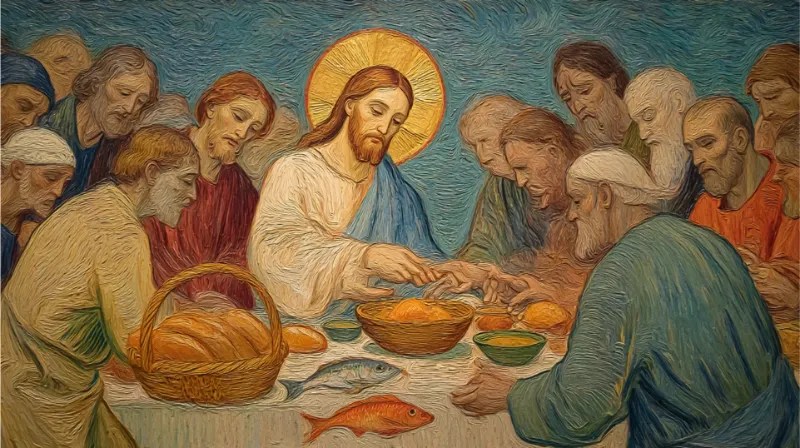
Deuteronomy 14:22
“You shall tithe all the yield of your seed that comes from the field year by year.”
Reflection: Moses tells Israel to set aside a tenth of each year’s harvest. Verse 23 names the grain, wine and oil and tells the people to eat the tithe before the Lord “in the place that he will choose.”

Deuteronomy 14:23
“And before the Lord your God, in the place that he will choose, to make his name dwell there, you shall eat the tithe of your grain, of your wine, and of your oil, and the firstborn of your herd and flock, that you may learn to fear the Lord your God always.”
Reflection: Moses has just commanded a tithe of “all the yield of your seed” every year (14:22). The household eats it, with the firstborn of the herd and flock, at the place God chooses, “that you may learn to fear the Lord your God always.” If that place is too far to carry the tithe, it may be turned into money and the money spent there on “whatever your appetite craves” (14:26). Verse 27 adds, “you shall not neglect the Levite who is within your towns.”
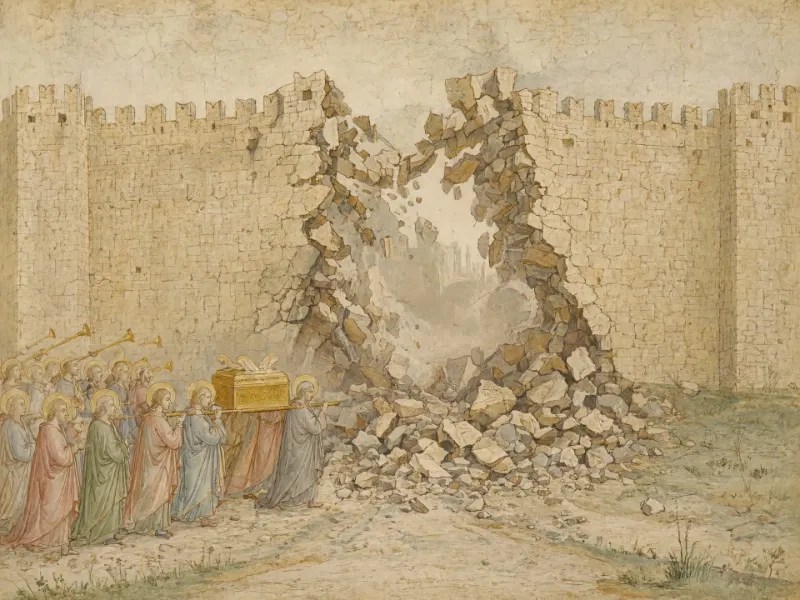
Deuteronomy 26:12
“When you have finished paying all the tithe of your produce in the third year, which is the year of tithing, giving it to the Levite, the sojourner, the fatherless, and the widow, so that they may eat within your towns and be filled.”
Reflection: Every third year the tithe stays in the giver’s own towns for the Levite, the sojourner, the fatherless and the widow, as Deuteronomy 14:28-29 also commands. The sentence runs on into verse 13: “then you shall say before the Lord your God, ‘I have removed the sacred portion out of my house.’” The declaration ends by asking God to “look down from your holy habitation, from heaven, and bless your people Israel” (26:15).
Tithes neglected and brought back
2 Chronicles 31:5
“As soon as the command was spread abroad, the people of Israel gave in abundance the firstfruits of grain, wine, oil, honey, and of all the produce of the field. And they brought in abundantly the tithe of everything.”
Reflection: King Hezekiah had commanded the people of Jerusalem to give the portion due to the priests and the Levites, “that they might give themselves to the Law of the Lord” (31:4). The tithes were piled in heaps from the third month to the seventh, and Azariah the chief priest told the king, “we have eaten and had enough and have plenty left” (31:10). Hezekiah then had chambers prepared in the house of the Lord to hold them (31:11).

Nehemiah 10:38
“And the priest, the son of Aaron, shall be with the Levites when the Levites receive the tithes. And the Levites shall bring up the tithe of the tithes to the house of our God, to the chambers of the storehouse.”
Reflection: The verse is one clause of the covenant the people made “in writing” in Nehemiah’s day (9:38), taking “a curse and an oath to walk in God’s Law” (10:29). It follows Numbers 18:26: the Levites collect the tithes in the towns and bring a tenth of them up to the storehouse of the temple, with a priest present. The covenant ends, “We will not neglect the house of our God” (10:39).

Nehemiah 12:44
“On that day men were appointed over the storerooms, the contributions, the firstfruits, and the tithes, to gather into them the portions required by the Law for the priests and for the Levites according to the fields of the towns, for Judah rejoiced over the priests and the Levites who ministered.”
Reflection: As Jerusalem celebrated, Judah put men in charge of collecting the tithes from the fields around its towns. The storerooms held the shares due to the priests and Levites. Verse 47 describes how the Levites in turn “set apart that which was for the sons of Aaron.”
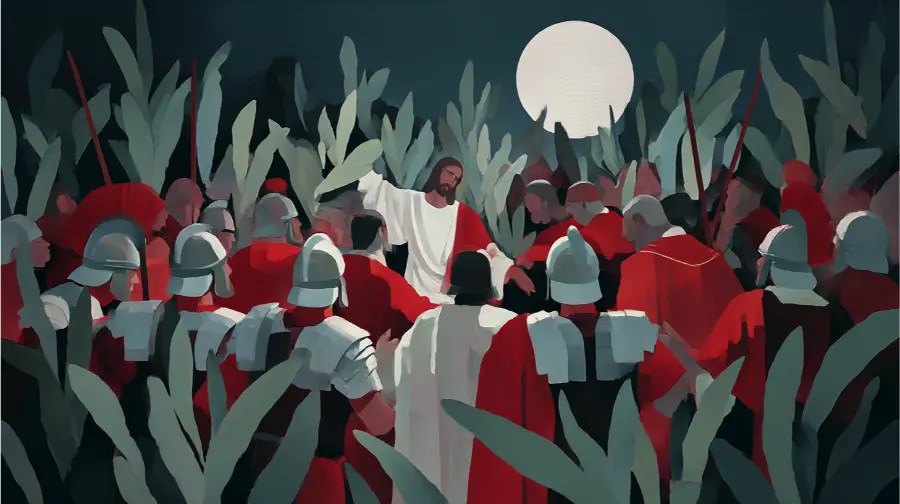
Nehemiah 13:12
“Then all Judah brought the tithe of the grain, wine, and oil into the storehouses.”
Reflection: When Nehemiah came back to Jerusalem from the court of Artaxerxes, he found that the Levites’ portions had not been given, so “the Levites and the singers, who did the work, had fled each to his field” (13:10). He confronted the officials with “Why is the house of God forsaken?” After the tithe came in again, he appointed treasurers who “were considered reliable” to distribute it to their brothers (13:13).
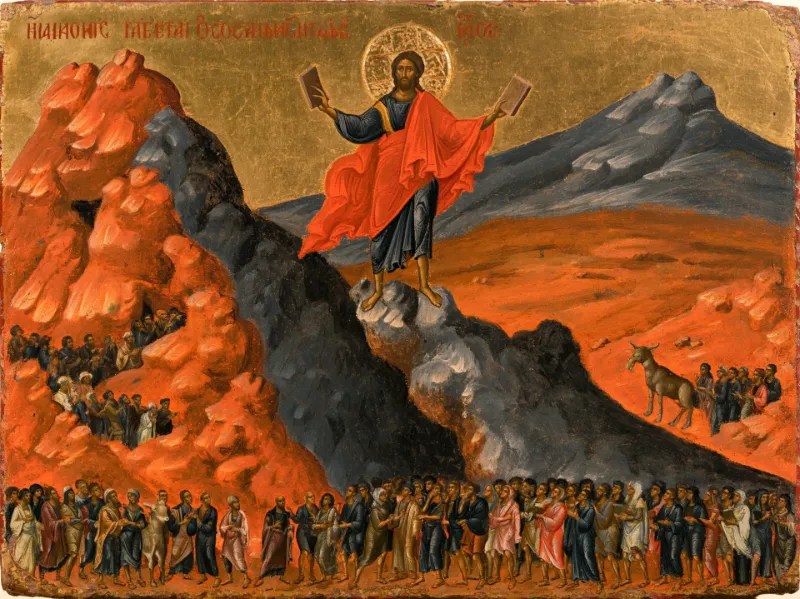
Malachi 3:8
“Will man rob God? Yet you are robbing me. But you say, ‘How have we robbed you?’ In your tithes and contributions.”
Reflection: The charge comes in an exchange. God says, “Return to me, and I will return to you” (3:7); the people ask how they should return, and the answer is that they have been robbing God “in your tithes and contributions.” The next verse puts “the whole nation” under a curse for it.
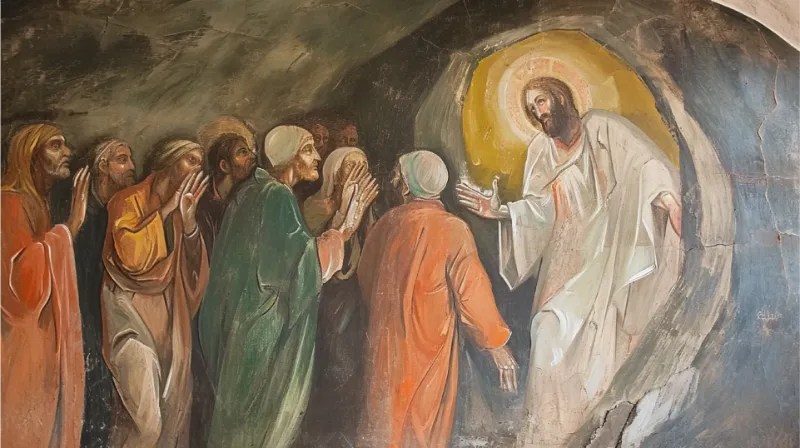
Malachi 3:10
“Bring the full tithe into the storehouse, that there may be food in my house. And thereby put me to the test, says the Lord of hosts, if I will not open the windows of heaven for you and pour down for you a blessing until there is no more need.”
Reflection: The command is to bring the full tithe into the storehouse “that there may be food in my house.” God then invites the people to test him and promises to “rebuke the devourer” so that the crops and the vines do not fail (3:11). Verse 12 adds, “Then all nations will call you blessed.”
Tithing in the New Testament
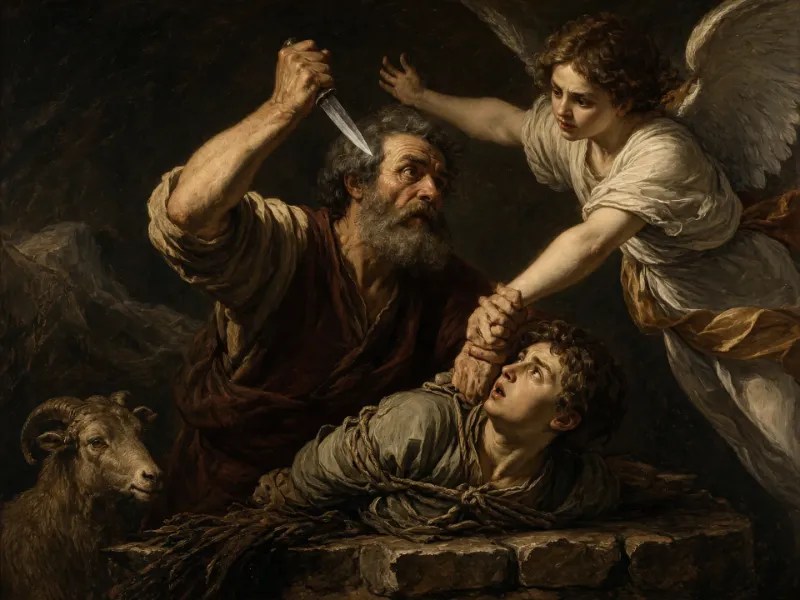
Matthew 23:23
“Woe to you, scribes and Pharisees, hypocrites! For you tithe mint and dill and cumin, and have neglected the weightier matters of the law: justice and mercy and faithfulness. These you ought to have done, without neglecting the others.”
Reflection: Jesus faults the scribes and Pharisees for tithing garden herbs while neglecting “justice and mercy and faithfulness,” and ends with “These you ought to have done, without neglecting the others.” The next verse gives the picture of straining out a gnat and swallowing a camel. Luke 11:42 records the same saying at a meal in a Pharisee’s house, naming the neglected matters as “justice and the love of God.”
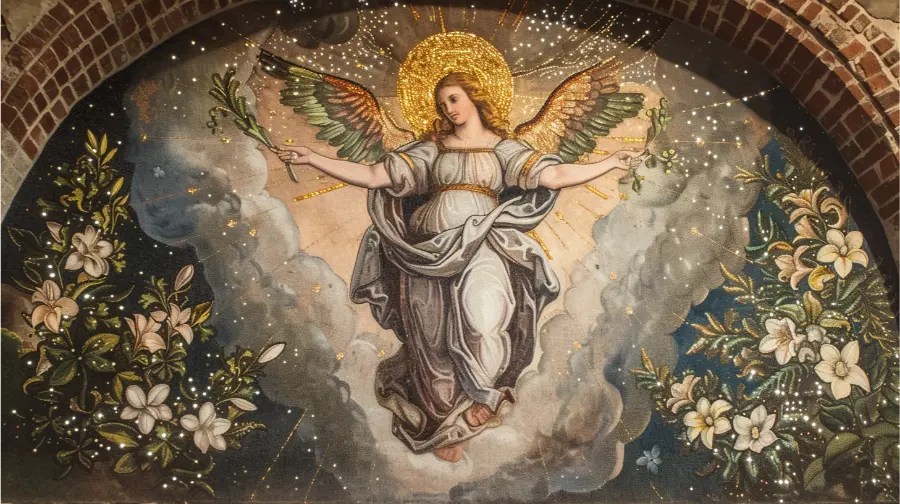
Luke 18:12
“I fast twice a week; I give tithes of all that I get.”
Reflection: In Jesus’ parable, a Pharisee lists his fasting and his tithing in a prayer that thanks God he is “not like other men.” Luke says the parable was told “to some who trusted in themselves that they were righteous” (18:9), and Jesus ends it by saying that the tax collector, who asked only for mercy, “went down to his house justified, rather than the other” (18:14).

Hebrews 7:8
“In the one case, tithes are received by mortal men, but in the other case, by one of whom it is testified that he lives.”
Reflection: Hebrews returns to Genesis 14 while comparing Melchizedek with the Levitical priests. The priests who receive tithes are mortal men, while Melchizedek, who received Abraham’s tenth, is described as “having neither beginning of days nor end of life” (7:3). The writer adds that Levi, still “in the loins of his ancestor,” paid tithes through Abraham (7:9-10), and goes on to ask why another priest would arise “after the order of Melchizedek” if perfection had been attainable through the Levitical priesthood (7:11).
2 Corinthians 9:7
“Each one must give as he has decided in his heart, not reluctantly or under compulsion, for God loves a cheerful giver.”
Reflection: Paul is writing about the Corinthians’ part in “the ministry for the saints” (9:1), a gift they had already promised. He wants it ready “as a willing gift, not as an exaction” (9:5). The verse before speaks of sowing and reaping, and the verse after says “God is able to make all grace abound to you.”


Leave a Reply