
 English
 Chinese
 Dutch
 Arabic
 Spanish
 Portuguese
 Russian
 French
 Italian
 German
 Japanese
In Ezekiel, the beings beneath God’s throne look partly human and partly animal: they have wings and hands, they shine like burning coals, and each has a wheel full of eyes beside it. Ezekiel calls them living creatures (Ezekiel 1:5), and when he sees them again at the temple he writes, “I knew that they were cherubim” (Ezekiel 10:20).
Neither Ezekiel 1 nor Ezekiel 10 uses the word angel. The verses below describe the creatures’ faces, listed twice with one difference (Ezekiel 1:10; 10:14), the wheels named “the whirling wheels” (Ezekiel 10:13), the sound of their wings, compared to many waters and to the voice of the Almighty (Ezekiel 1:24; 10:5), and the throne above them (Ezekiel 1:28; 10:1).
What Ezekiel saw coming out of the storm
Ezekiel 1:4
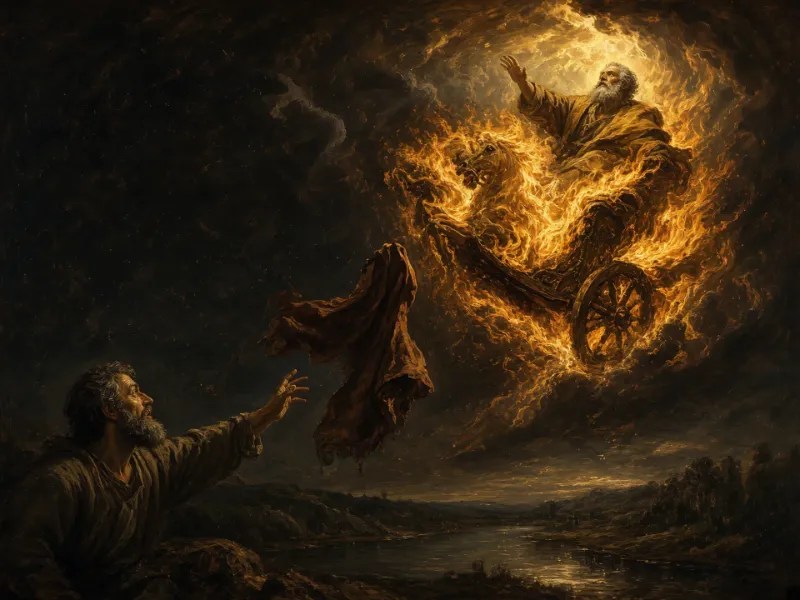
“As I looked, behold, a stormy wind came out of the north, and a great cloud, with brightness around it, and fire flashing forth continually, and in the midst of the fire, as it were gleaming metal.”
Reflection: Ezekiel dates the vision to the fifth year of King Jehoiachin’s exile and places himself among the exiles by the Chebar canal, “in the land of the Chaldeans” (Ezekiel 1:2-3). The storm comes out of the north. “Gleaming metal” translates chashmal, a Hebrew word that occurs three times, all in Ezekiel (1:4, 1:27 and 8:2); the King James Version has “amber”. In verse 27 the same gleaming metal is what Ezekiel sees from the waist upward of the figure on the throne.

Ezekiel 1:5
“And from the midst of it came the likeness of four living creatures. And this was their appearance: they had a human likeness,”
Reflection: The creatures come out of the middle of the fire, and the first thing said about them is that they had a human likeness. The sentence runs straight on into verse 6, “but each had four faces, and each of them had four wings,” so the human likeness is qualified at once. Ezekiel speaks of “the likeness of four living creatures” rather than simply of creatures, and he keeps that caution through the chapter, down to “the appearance of the likeness of the glory of the LORD” in verse 28.
Ezekiel 1:13
“As for the likeness of the living creatures, their appearance was like burning coals of fire, like the appearance of torches moving to and fro among the living creatures. And the fire was bright, and out of the fire went forth lightning.”
Reflection: The creatures look like burning coals and like torches moving back and forth among them, and lightning comes out of the fire. The coals return in chapter 10, where the man clothed in linen is told to fill his hands with “burning coals from between the cherubim, and scatter them over the city” (Ezekiel 10:2).
Faces, wings, feet and hands
Ezekiel 1:6
“Each had four faces, and each of them had four wings.”
Reflection: Each creature has four faces and four wings. Verse 11 says how the wings were held: “Each creature had two wings, each of which touched the wing of another, while two covered their bodies.” Verse 23 describes them again under the expanse, “stretched out straight, one toward another.”
Ezekiel 1:7
“Their legs were straight, and the soles of their feet were like the sole of a calf’s foot. And they sparkled like burnished bronze.”
Reflection: After the human likeness of verse 5, the legs are straight and the feet have soles like a calf’s foot. The creatures sparkle “like burnished bronze”, and Daniel 10:6 uses the same comparison for the arms and legs of the man clothed in linen whom Daniel saw by the Tigris.
Ezekiel 1:8
“Under their wings on their four sides they had human hands. And the four had their faces and their wings thus:”
Reflection: Each creature has human hands under its wings, on all four sides. The hands are put to use in chapter 10, where “a cherub stretched out his hand from between the cherubim to the fire” and put some of it into the hands of the man clothed in linen (Ezekiel 10:7). The next verse repeats that the cherubim “appeared to have the form of a human hand under their wings.”
Ezekiel 1:10
“As for the likeness of their faces, each had a human face. The four had the face of a lion on the right side, the four had the face of an ox on the left side, and the four had the face of an eagle.”
Reflection: Each creature has a human face, a lion’s face on the right, an ox’s face on the left, and an eagle’s face. Revelation 4:7 names the same four in its four living creatures, but there each creature is like one of the four: “the first living creature like a lion, the second living creature like an ox, the third living creature with the face of a man, and the fourth living creature like an eagle in flight.”
Ezekiel 10:14
“And every one had four faces: the first face was the face of the cherub, and the second face was a human face, and the third the face of a lion, and the fourth the face of an eagle.”
Reflection: When Ezekiel sees the creatures again at the temple, the list has changed: where chapter 1 had the face of an ox, this verse has “the face of the cherub”. Chapter 10 does not explain the difference, and verse 22 still says “they were the same faces whose appearance I had seen by the Chebar canal.”
The wheels and the eyes
Ezekiel 1:16
“As for the appearance of the wheels and their construction: their appearance was like the gleaming of beryl. And the four had the same likeness, their appearance and construction being as it were a wheel within a wheel.”
Reflection: Beside each creature is a wheel on the ground (Ezekiel 1:15). The wheels gleam like beryl, all four alike, and each looks like “a wheel within a wheel.” Verse 17 adds that “they went in any of their four directions without turning as they went.” The Hebrew word for wheel here is ophan.
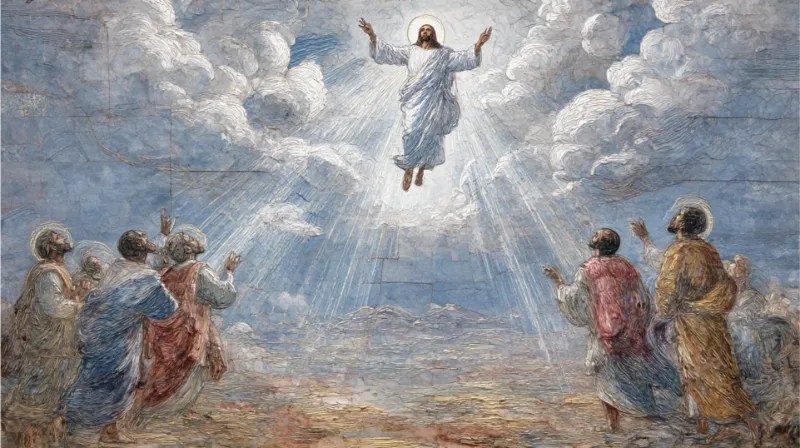
Ezekiel 1:18
“And their rims were tall and awesome, and the rims of all four were full of eyes all around.”
Reflection: The rims are “tall and awesome”, and all four are covered with eyes. Revelation 4:6-8 describes its four living creatures in similar terms, “full of eyes in front and behind” and “full of eyes all around and within.”
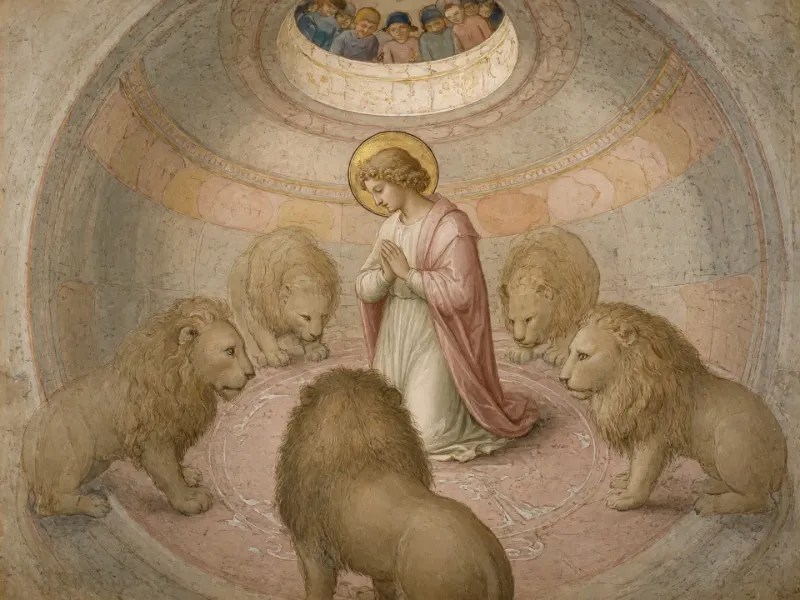
Ezekiel 10:12
“And their whole body, their rims, and their spokes, their wings, and the wheels were full of eyes all around—the wheels that the four of them had.”
Reflection: In chapter 1 the eyes were on the rims of the wheels (Ezekiel 1:18). In the temple vision the list is longer: the whole body, the wings and the wheels are “full of eyes all around.” The verse closes by tying the wheels to the cherubim, “the wheels that the four of them had.”
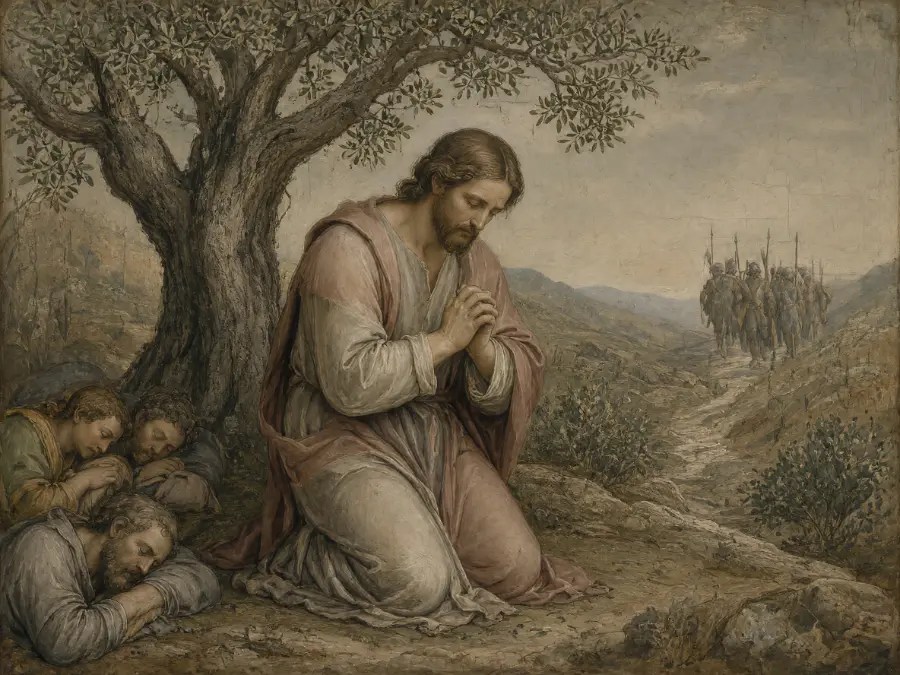
Ezekiel 10:13
“As for the wheels, they were called in my hearing, ‘the whirling wheels.’”
Reflection: Ezekiel hears a name given to the wheels. In Ezekiel 1:16 the word is ophan, wheel; here they are called galgal, “the whirling wheels,” the same word used when the man clothed in linen is told, “Take fire from between the whirling wheels” (Ezekiel 10:6).
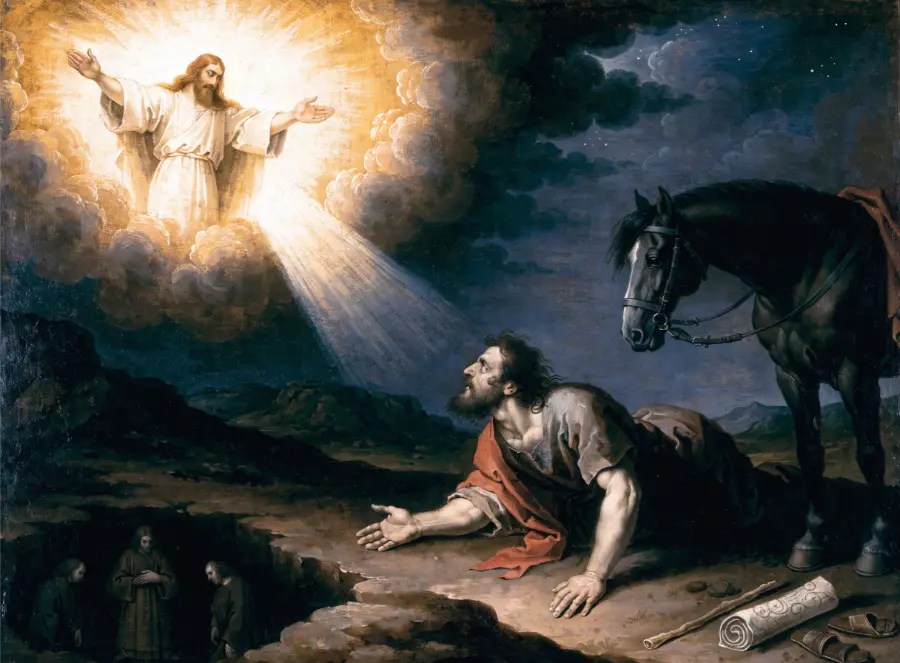
Ezekiel 1:20
“Wherever the spirit wanted to go, they went, and the wheels rose along with them, for the spirit of the living creatures was in the wheels.”
Reflection: The wheels go where the creatures go and rise when they rise, and the reason given is that “the spirit of the living creatures was in the wheels.” Verse 21 repeats the clause, and Ezekiel 10:17 says the same of the cherubim and their wheels: “the spirit of the living creatures was in them.”
How they moved and how they sounded
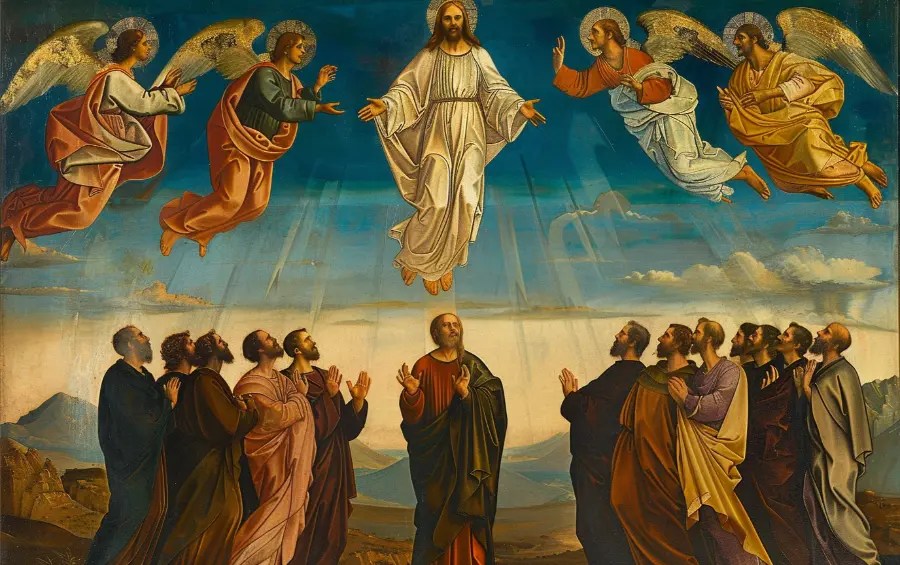
Ezekiel 1:9
“Their wings touched one another. Each one of them went straight forward, without turning as they went.”
Reflection: The creatures’ wings touch one another, and they go straight ahead “without turning as they went.” The same phrase is used of the wheels in Ezekiel 1:17 and 10:11, and chapter 10 ends on the description of the cherubim: “Each one of them went straight forward” (Ezekiel 10:22).
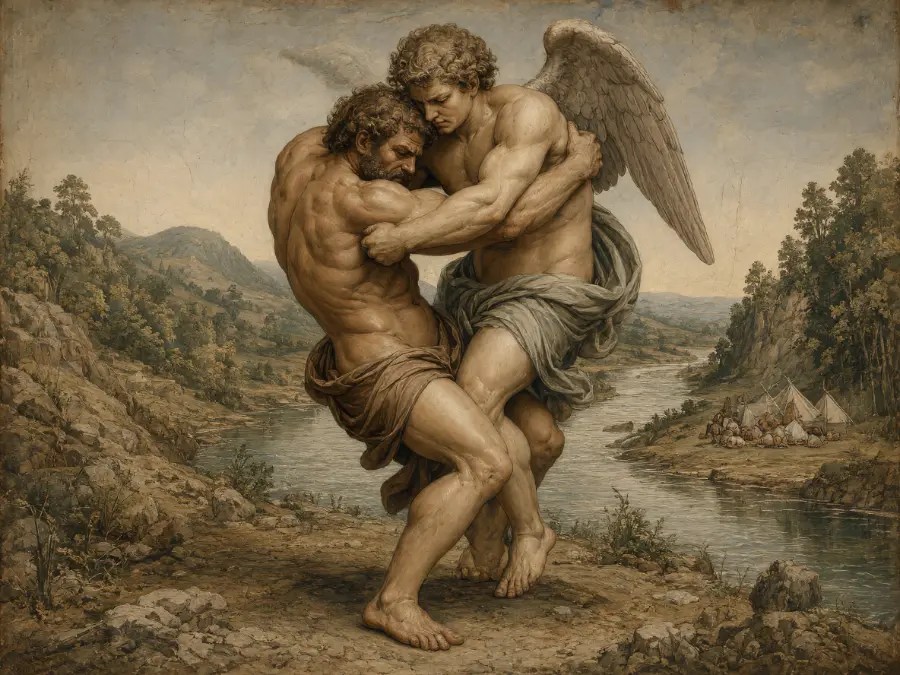
Ezekiel 1:14
“And the living creatures darted to and fro, like the appearance of a flash of lightning.”
Reflection: Here the creatures “darted to and fro, like the appearance of a flash of lightning.” Verse 13 has lightning going out of the fire among them, and the ESV uses “to and fro” both for the torches there and for the creatures here. Verse 9 has them going straight forward without turning, and the chapter does not say how the two descriptions fit together.
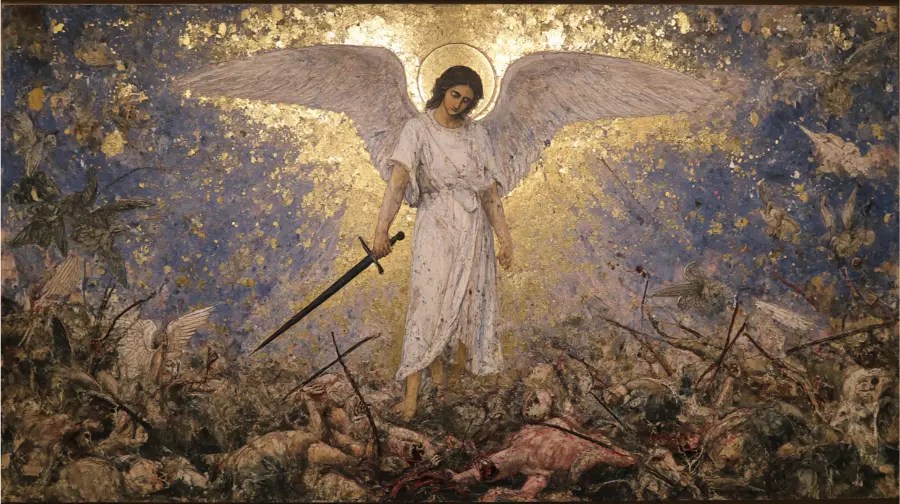
Ezekiel 1:24
“And when they went, I heard the sound of their wings like the sound of many waters, like the sound of the Almighty, a sound of tumult like the sound of an army. When they stood still, they let down their wings.”
Reflection: The wings sound like many waters, like the Almighty, and like an army, and when the creatures stand still they let the wings down. A voice then comes from above the expanse over their heads (Ezekiel 1:25). At the temple the sound of the cherubim’s wings is heard “as far as the outer court, like the voice of God Almighty when he speaks” (Ezekiel 10:5), and when the glory returns in Ezekiel 43:2, “the sound of his coming was like the sound of many waters.”
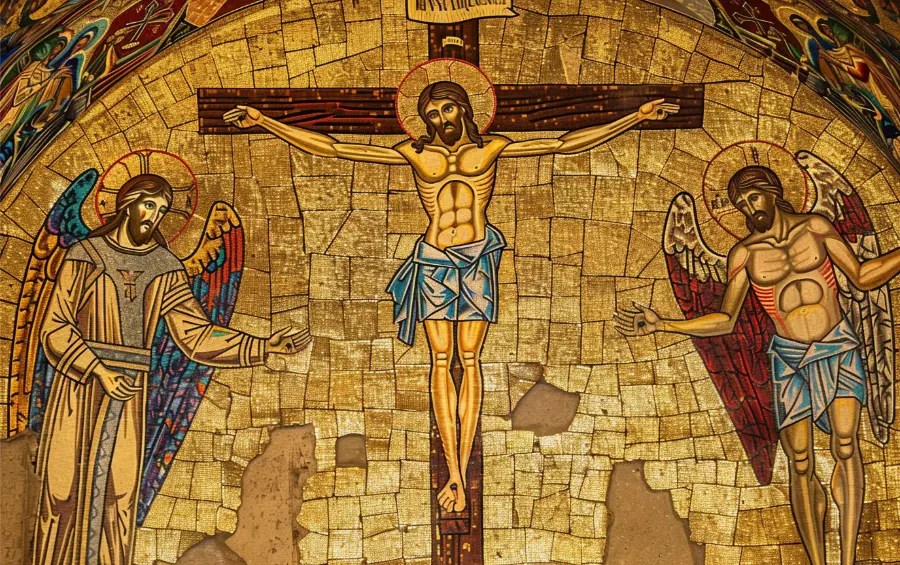
Ezekiel 3:13
“It was the sound of the wings of the living creatures as they touched one another, and the sound of the wheels beside them, and the sound of a great earthquake.”
Reflection: As the Spirit lifts Ezekiel up to send him to the exiles, he hears behind him a voice: “Blessed be the glory of the LORD from its place!” (Ezekiel 3:12). This verse names the noise as the creatures’ wings touching and the wheels beside them. Ezekiel then goes to the exiles at Tel-abib and sits among them “overwhelmed” for seven days (Ezekiel 3:15).
The cherubim and the throne above them
Ezekiel 1:28
“Like the appearance of the bow that is in the cloud on the day of rain, so was the appearance of the brightness all around. Such was the appearance of the likeness of the glory of the LORD. And when I saw it, I fell on my face, and I heard the voice of one speaking.”
Reflection: The creatures stand under the expanse, and above it is the throne (Ezekiel 1:22-26), so the description moves upward from them to a throne like sapphire and “a likeness with a human appearance” seated on it. The brightness around him is like a rainbow. Ezekiel names the whole sight “the appearance of the likeness of the glory of the LORD” and falls on his face.
Ezekiel 10:1
“Then I looked, and behold, on the expanse that was over the heads of the cherubim there appeared above them something like a sapphire, in appearance like a throne.”
Reflection: The throne of chapter 1 appears again, like sapphire, above the expanse over the creatures’ heads, and here the creatures are called cherubim. The scene is the temple: the cherubim stand “on the south side of the house” while a cloud fills the inner court (Ezekiel 10:3).
Ezekiel 10:20
“These were the living creatures that I saw underneath the God of Israel by the Chebar canal; and I knew that they were cherubim.”
Reflection: Ezekiel joins the two visions himself: the beings he saw “underneath the God of Israel by the Chebar canal” are the cherubim at the temple. Verse 15 has said it more briefly, “These were the living creatures that I saw by the Chebar canal.” Cherubim is the Hebrew plural of kerub, the word used for the cherubim placed to guard the way to the tree of life (Genesis 3:24) and the two gold cherubim whose wings overshadow the mercy seat (Exodus 25:18-20).
Cherubim, seraphim and figures who look like men
Neither Ezekiel 1 nor Ezekiel 10 calls these beings angels, and Scripture does not describe all heavenly beings alike. The seraphim of Isaiah 6:2 each have six wings: “with two he covered his face, and with two he covered his feet, and with two he flew.” The four living creatures of Revelation 4:6-8 have six wings each and are full of eyes, as Ezekiel’s are, but each is like one of the four: the first like a lion, the second like an ox, the third with the face of a man, and the fourth like an eagle in flight (Revelation 4:7). Within Ezekiel, the cherubim carved on the temple walls have two faces, “a human face toward the palm tree on the one side, and the face of a young lion toward the palm tree on the other side” (Ezekiel 41:18-19).
Other figures in Ezekiel look like men. Six men come to the temple in Ezekiel 9:2, and with them “a man clothed in linen, with a writing case at his waist,” the same man who takes fire from between the cherubim in Ezekiel 10:7; in Ezekiel 40:3 the guide to the temple is “a man whose appearance was like bronze.” Daniel 10:5-6 describes a man clothed in linen whose face was “like the appearance of lightning”, Manoah’s wife describes a “man of God” whose “appearance was like the appearance of the angel of God, very awesome” (Judges 13:6), and at the empty tomb “two men stood by them in dazzling apparel” (Luke 24:4).


Leave a Reply