
 English
 Chinese
 Dutch
 Arabic
 Spanish
 Portuguese
 Russian
 French
 Italian
 German
 Japanese
Category 1: The Divine Invitation & Great Commission
These verses establish baptism not as a human invention, but as a divine command and invitation, integral to the mission of the church.

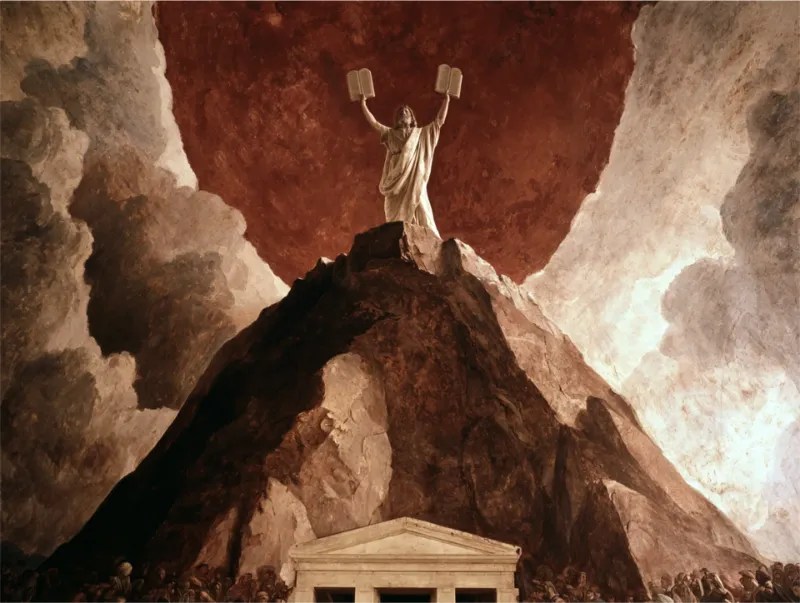
Matthew 28:19-20
“Therefore go and make disciples of all nations, baptizing them in the name of the Father and of the Son and of the Holy Spirit, and teaching them to obey everything I have commanded you. And surely I am with you always, to the very end of the age.”
Reflection: This is a call to purposeful action, rooted in a promise of enduring presence. The act of baptism is framed as a foundational step in becoming a “disciple”—a learner, an apprentice to Jesus. There’s a profound sense of security here; we are not sent out alone on this new path. The assurance “I am with you always” speaks directly to the human fear of abandonment, grounding our new identity in a constant, loving relationship.
Mark 16:16
“Whoever believes and is baptized will be saved, but whoever does not believe will be condemned.”
Reflection: This verse connects belief and baptism with a stark clarity that can stir our conscience. The internal act of belief—a deep trust and reliance—finds its courageous, outward expression in baptism. It addresses our need for congruence, to have our inner convictions matched by our outward actions. The verse presents a clear choice, compelling us to resolve our internal ambivalence and step forward with conviction into a life of saving faith.
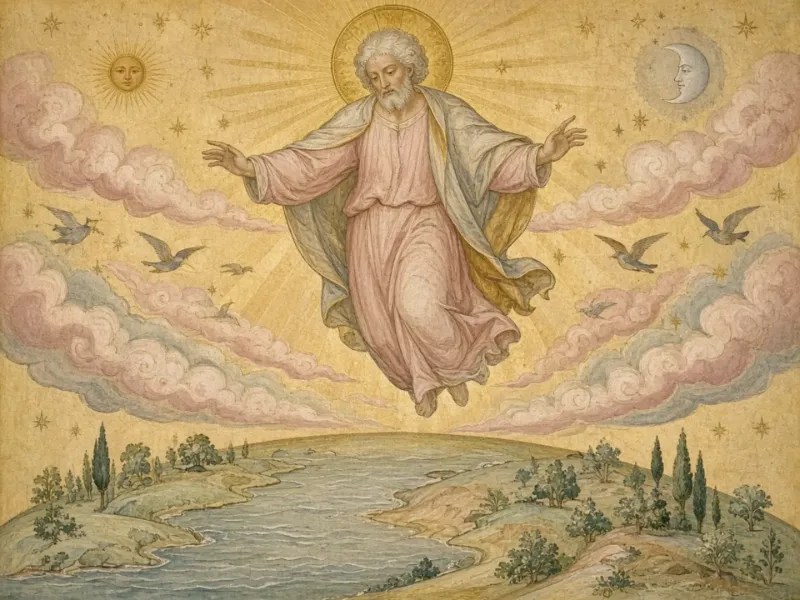
Acts 2:38
“Peter replied, ‘Repent and be baptized, every one of you, in the name of Jesus Christ for the forgiveness of your sins. And you will receive the gift of the Holy Spirit.’”
Reflection: Here we see a beautiful sequence of healing and restoration. “Repent” is a call to a turning of the mind and heart—to reorient our lives away from what has harmed us and others. Baptism is the tangible act that seals this decision, washing away the shame and guilt associated with our past. The promise of the Holy Spirit speaks to our deepest longing for guidance, comfort, and an inner source of strength to live this new life well.
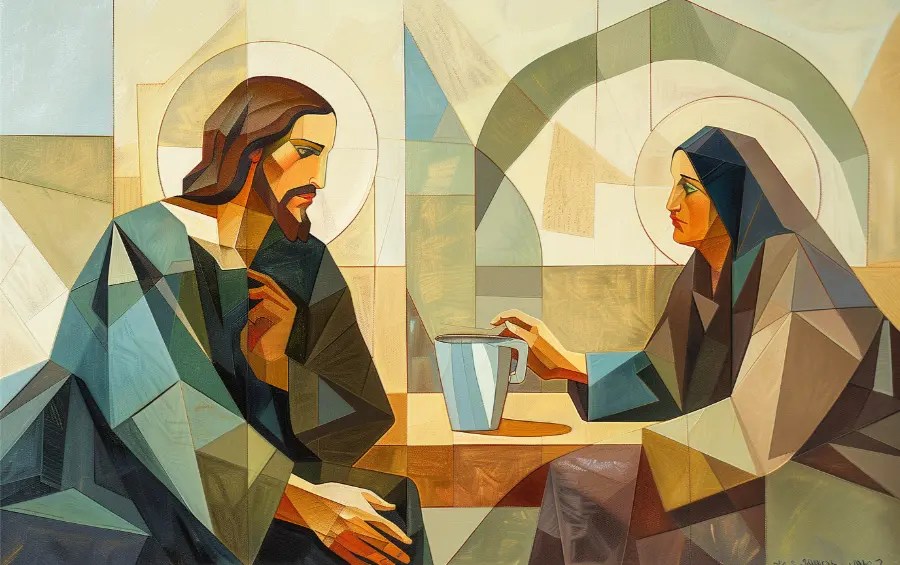
Acts 22:16
“And now what are you waiting for? Get up, be baptized and wash your sins away, calling on his name.”
Reflection: This is a question that cuts through all procrastination and intellectual doubt, speaking directly to the will. It acknowledges the human tendency to hesitate before a life-altering decision. The phrase “wash your sins away” is powerfully visceral. It offers a sensory, tangible metaphor for the deep psychological and spiritual relief that comes from being cleansed of our regrets and moral failures. It is an invitation to feel, not just believe, that we are made clean.
Category 2: Inner Rebirth & Transformation
These passages explore the profound internal change that baptism signifies—a complete renewal of the self.
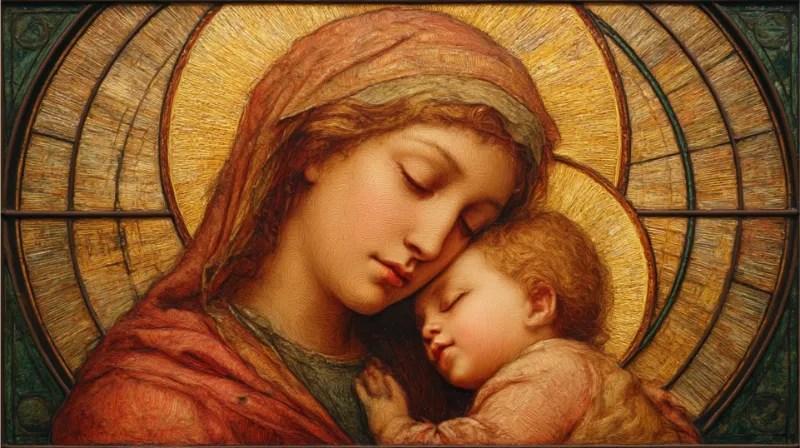
John 3:5
“Jesus answered, ‘Very truly I tell you, no one can enter the kingdom of God unless they are born of water and the Spirit.’”
Reflection: This speaks to our fundamental desire for a fresh start, a true “do-over.” The imagery of birth is not accidental; it signifies a beginning so new that our old identity no longer defines us. The combination of “water and the Spirit” suggests a comprehensive cleansing that is both external and deeply internal. It addresses the feeling of being “stuck” in old patterns, offering the hope of a radically new nature, animated by a divine life force.
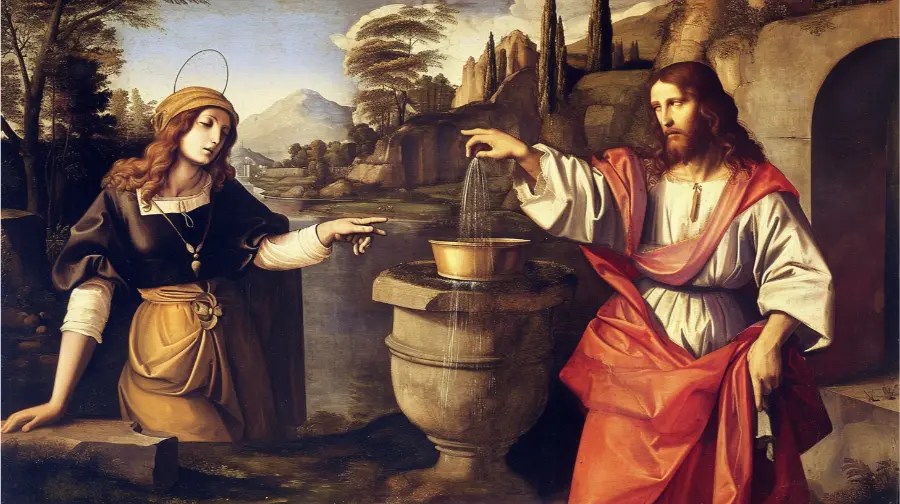
Titus 3:5
“He saved us, not because of righteous things we had done, but because of his mercy. He saved us through the washing of rebirth and renewal by the Holy Spirit.”
Reflection: This verse provides immense relief from the burden of performance-based worth. It assures us that our acceptance is based on mercy, not merit. This frees us from the exhausting and often shame-inducing cycle of trying to be “good enough.” The “washing of rebirth” is a beautiful picture of our deepest self being scrubbed clean and renewed, not by our own striving, but by a gentle, powerful, and loving divine agent.
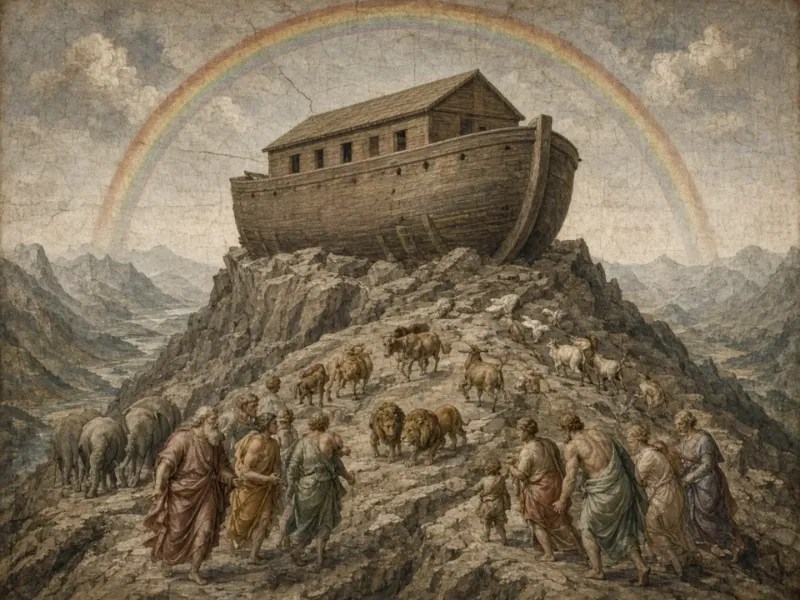
2 Corinthians 5:17
“Therefore, if anyone is in Christ, the new creation has come: The old has gone, the new is here!”
Reflection: This is one of the most powerful declarations of new identity in all of scripture. It addresses the human experience of being weighed down by a past self. To be a “new creation” is to be fundamentally remade. The finality of “the old has gone” provides a definitive emotional and spiritual closure on past failures and shame. It gives us permission to see ourselves differently and to live with the exhilarating freedom that comes from a truly new beginning.

John 1:12-13
“Yet to all who did receive him, to those who believed in his name, he gave the right to become children of God— children born not of natural descent, nor of human decision or a husband’s will, but born of God.”
Reflection: This passage redefines our core identity. Our ultimate sense of self and belonging is not rooted in our family of origin, our personal achievements, or our social standing, but in a divine adoption. To be given the “right to become children of God” is to be handed an identity of immense worth, security, and intimacy. It speaks to the universal longing for a perfect parent and a place where we unconditionally belong.
Category 3: Union with Christ in Death & Resurrection
These verses describe baptism as a profound act of joining with Christ’s own story of death and new life.
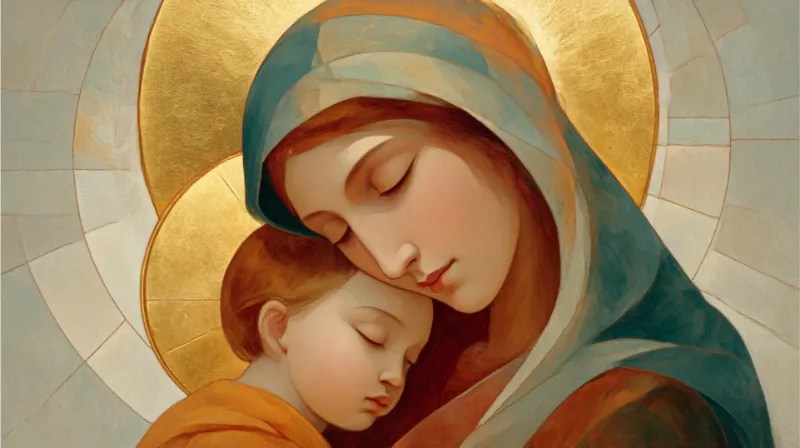
Romans 6:3-4
“Or don’t you know that all of us who were baptized into Christ Jesus were baptized into his death? We were therefore buried with him through baptism into death in order that, just as Christ was raised from the dead through the glory of the Father, we too may live a new life.”
Reflection: This is the heart of the baptismal experience. It’s a participation in a sacred story. We bring our brokenness and regrets—the parts of ourselves we wish would die—and lay them in the water. This is a burial, a moment of deep surrender and release from the weight of who we were. But we emerge with a gasp of new air, not as a resuscitated old self, but as a new being, infused with the hope and power of resurrection. It’s a powerful emotional and spiritual reset.
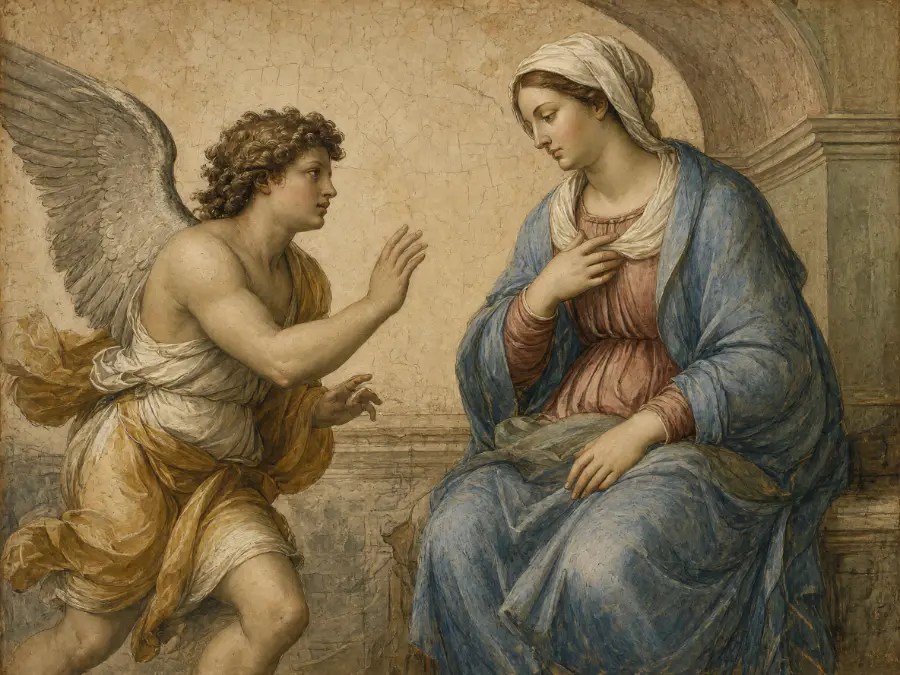
Colossians 2:12
“Having been buried with him in baptism, in which you were also raised with him through your faith in the working of God, who raised him from the dead.”
Reflection: This verse emphasizes the role of our faith as the connective tissue in this divine event. It is our trust “in the working of God” that allows us to experience this shared burial and resurrection. It reassures us that the power for this transformation doesn’t come from us, but from the same incredible power that raised Jesus from the dead. This fosters a deep sense of humility and awe, knowing we are subjects of a miraculous, life-giving work.
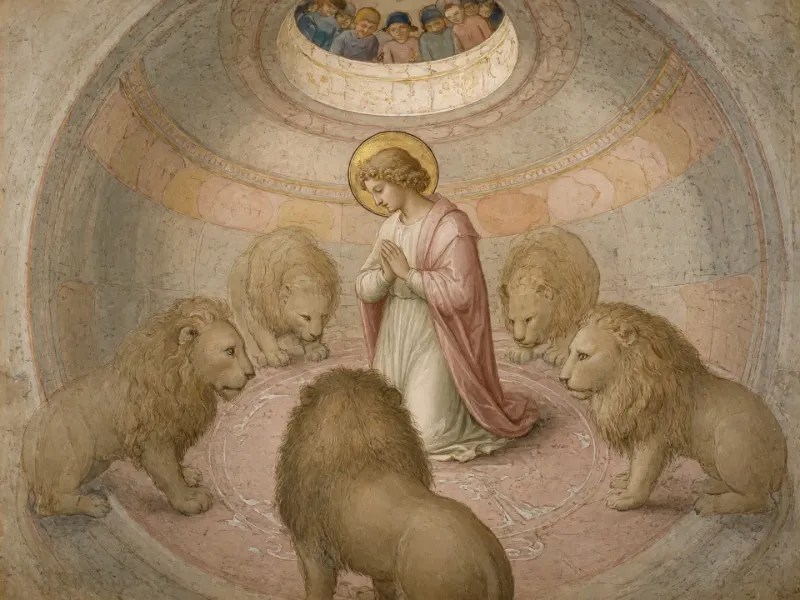
Galatians 3:27
“For all of you who were baptized into Christ have clothed yourselves with Christ.”
Reflection: This uses the intimate and personal metaphor of clothing to describe a new identity. We shed the old garments of shame, fear, and sin, and we are robed in a new self defined by Christ’s character—his love, righteousness, and acceptance. This speaks to our desire to present a better self to the world, but shows it’s not a fraudulent mask. It is a new, true identity that we are called to live into, an honor and a dignity bestowed upon us.
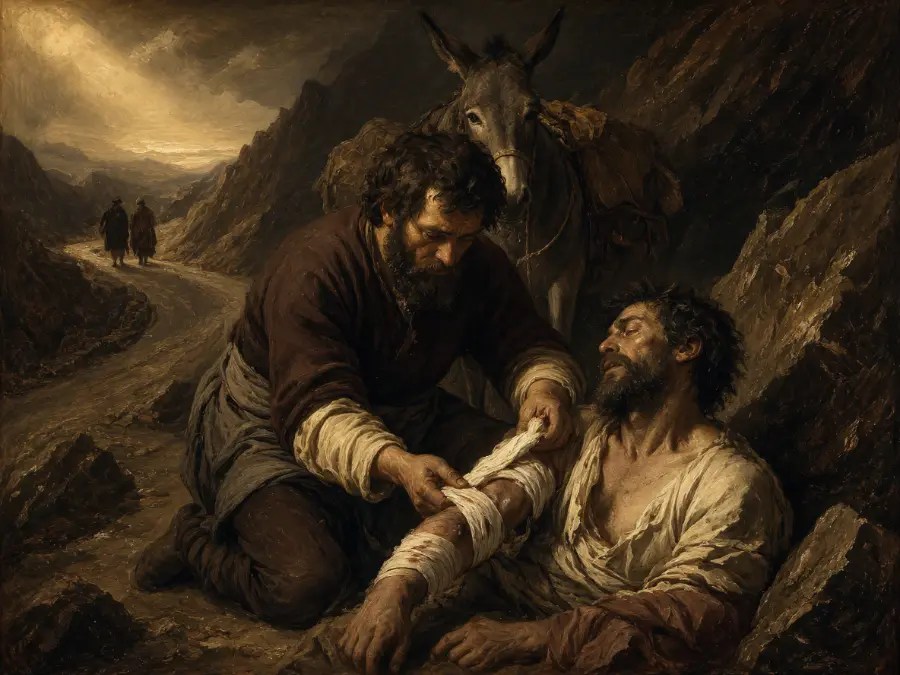
1 Corinthians 6:11
“And that is what some of you were. But you were washed, you were sanctified, you were justified in the name of the Lord Jesus Christ and by the Spirit of our God.”
Reflection: This verse offers a powerful contrast between past identity and present reality. It acknowledges the reality of a broken past without shame, simply stating, “that is what some of you were.” The three verbs that follow—washed, sanctified, justified—are a cascade of grace. They speak of cleansing from guilt, being set apart for a noble purpose, and being declared righteous. This provides a profound sense of closure and a secure foundation upon which to build a new life story.
Category 4: The Outward Appeal & Cleansed Conscience
These verses highlight baptism as an outward response to an inward reality, focusing on the result of a clear conscience before God.
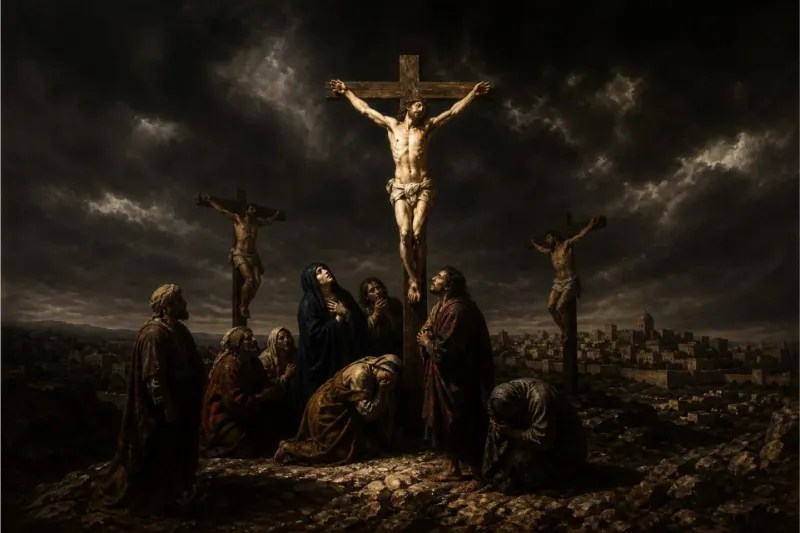
1 Peter 3:21
“And this water symbolizes baptism that now saves you also—not the removal of dirt from the body but the pledge of a clear conscience toward God. It saves you by the resurrection of Jesus Christ.”
Reflection: This is a crucial clarification of what baptism accomplishes emotionally and morally. The real work is not on the skin but in the conscience. It is a “pledge,” a solemn, heartfelt appeal to God from a place of trust. It addresses the internal feeling of moral guilt and the longing for inner peace. The assurance that we can have a “clear conscience” before God is one of the most profound psychological gifts of the Gospel, freeing us from the torment of self-condemnation.
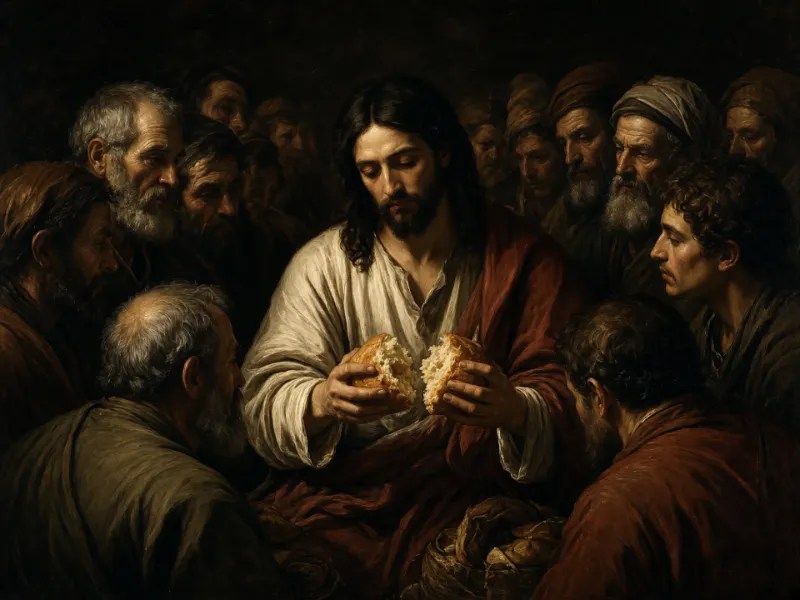
Hebrews 10:22
“Let us draw near to God with a sincere heart and with the full assurance that faith brings, having our hearts sprinkled to cleanse us from a guilty conscience and having our bodies washed with pure water.”
Reflection: This verse beautifully marries the internal and external. The “sprinkled heart” is a poetic image for the precise, internal work of grace that alleviates a guilty conscience. The “washed body” is the corresponding external act that declares this inner reality. The result is the ability to “draw near” to God not with fear or shame, but with sincerity and the “full assurance” of a child who knows they are loved and accepted.
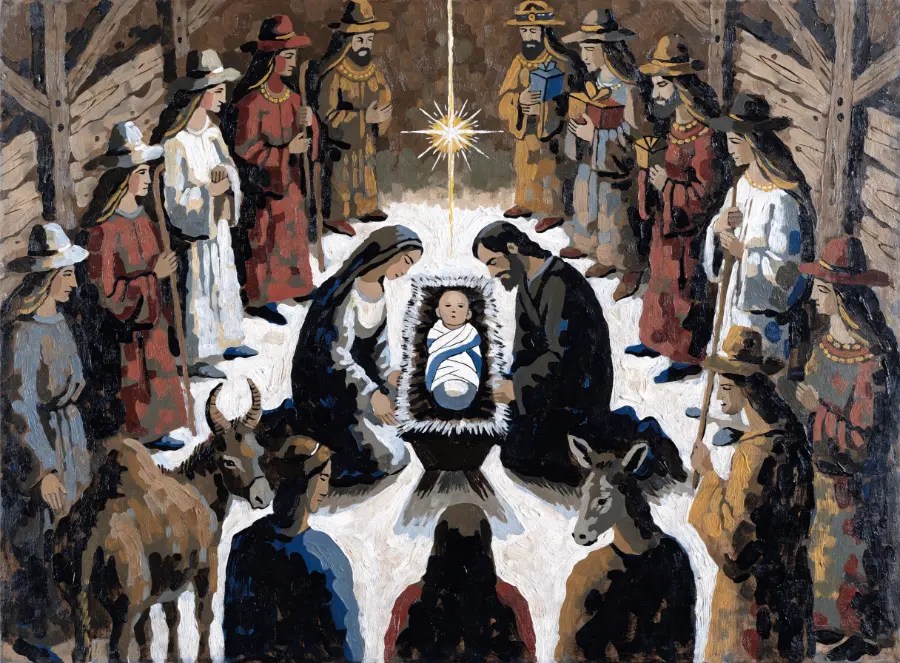
Ephesians 5:26
“To make her holy, cleansing her by the washing with water through the word.”
Reflection: Here, the act of cleansing is intimately connected to “the word.” This suggests that the water of baptism washes over a mind and heart already saturated with the promises and truths of God. The transformation is not mindless ritual; it is a conscious, relational process. It speaks to our need for meaning, for our actions to be informed by a narrative that gives them power and purpose.
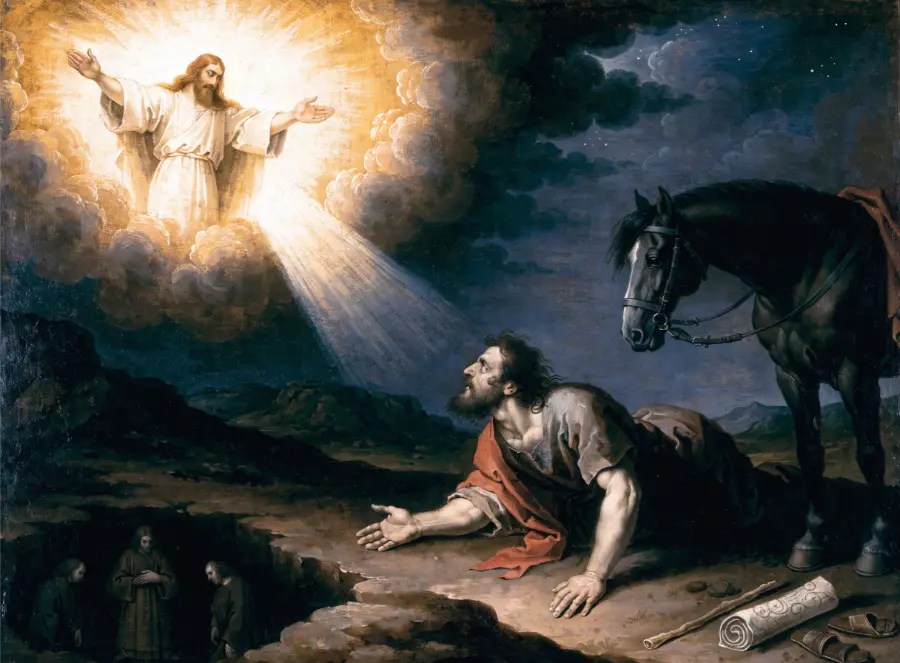
Ezekiel 36:25-26
“I will sprinkle clean water on you, and you will be clean; I will cleanse you from all your impurities and from all your idols. I will give you a new heart and put a new spirit in you; I will remove from you your heart of stone and give you a heart of flesh.”
Reflection: Though written before Christian baptism, this prophecy captures its spiritual essence perfectly. It speaks to the deepest human predicament: the hardness of heart that comes from pain, sin, and self-protection. The promise is not just for external cleansing from “impurities,” but for a radical “heart transplant.” A heart of stone cannot feel, love, or respond. A heart of flesh is alive, tender, and capable of a rich, emotional, and relational life with God and others.
Category 5: Unity & Belonging in One Body
These verses show how baptism incorporates individuals into a new community, a new family.
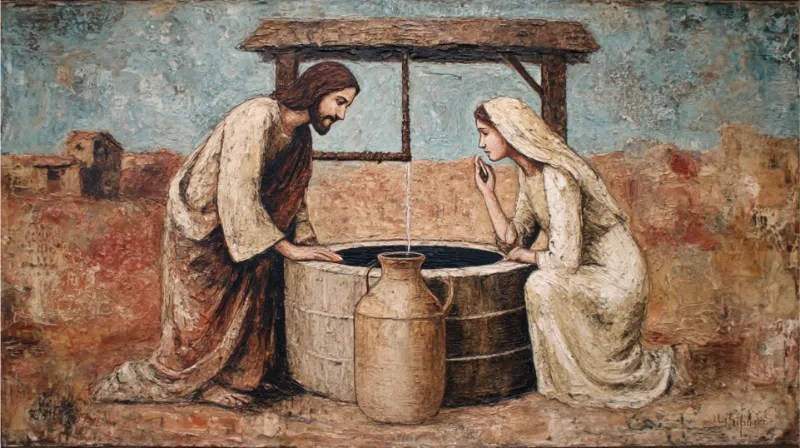
1 Corinthians 12:13
“For we were all baptized by one Spirit so as to form one body—whether Jews or Gentiles, slave or free—and we were all given the one Spirit to drink.”
Reflection: This addresses one of our most fundamental human needs: the need to belong. Baptism is the initiation rite into a new, supernaturally formed family that transcends all social, racial, and economic barriers. The sense of isolation and alienation that so many feel is answered here. We are not just saved from something, but saved into something—a living, breathing community where our shared identity in Christ is more profound than any of an “us vs. them” distinction.
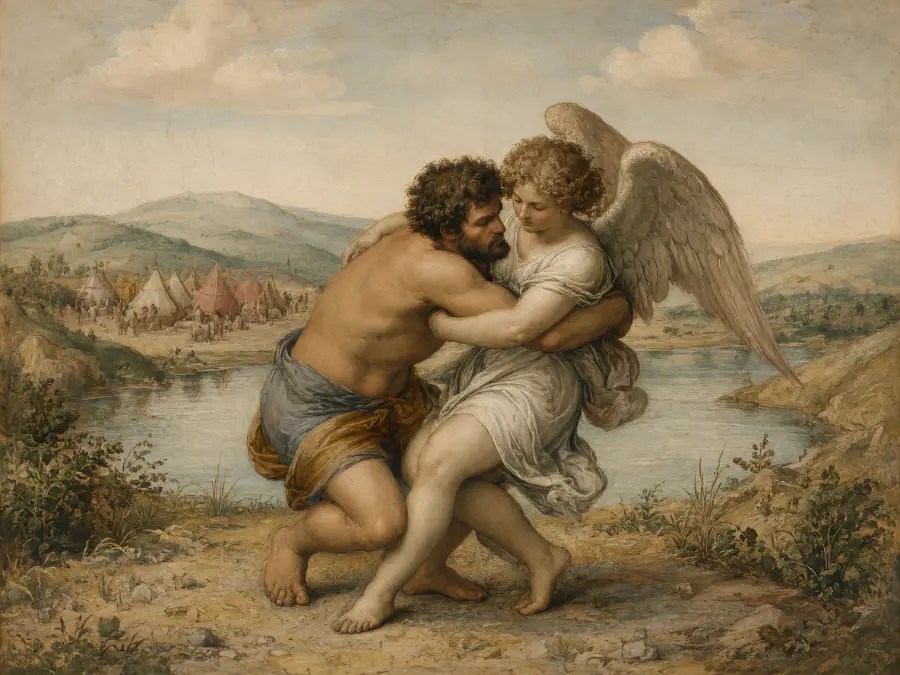
Ephesians 4:4-6
“There is one body and one Spirit, just as you were called to one hope when you were called; one Lord, one faith, one baptism; one God and Father of all, who is over all and through all and in all.”
Reflection: The repetition of “one” in this passage is a powerful balm for a fragmented and chaotic world. It creates a sense of profound stability, coherence, and unity. For the human psyche, which craves order and a reliable framework for reality, this verse is deeply calming. Our personal faith and baptism are not isolated events but our entry point into a grand, universal, and unified spiritual reality, governed by one loving Father.

Galatians 3:28
“There is neither Jew nor Gentile, neither slave nor free, nor is there male and female, for you are all one in Christ Jesus.”
Reflection: This is a radical charter for human equality, rooted in our shared identity through baptism. In a world that constantly categorizes and divides us, creating hierarchies of worth, this verse obliterates those lines within the family of God. It heals the wounds of social prejudice and fosters a deep sense of mutual respect and dignity. Our primary identity, the one that truly matters, is our shared status as being “in Christ.”
Romans 12:5
“So in Christ we, though many, form one body, and each member belongs to all the others.”
Reflection: This beautifully articulates the shift from individualism to mutual interdependence. The feeling of being a “member” who “belongs to all the others” is the antidote to loneliness. It gives us a place, a function, and a network of reciprocal care and responsibility. It assures us that we are needed, that our presence matters to the whole, and that we have a claim on others for support, just as they have a claim on us.
Category 6: The Foundation: Salvation by Grace Through Faith
These verses provide the essential foundation, clarifying that salvation is a gift received by faith, with baptism being a critical expression and component of that faith journey.
Ephesians 2:8-9
“For it is by grace you have been saved, through faith—and this is not from yourselves, it is the gift of God— not by works, so that no one can boast.”
Reflection: This is the bedrock. It liberates us from the crushing anxiety of having to earn our salvation. Grace is unmerited favor. Knowing that our salvation is a “gift” fosters profound gratitude and humility, rather than pride. It allows us to rest, to cease our frantic striving for worth, and to simply receive the love and acceptance that is freely offered. This is the secure psychological ground upon which a healthy spiritual life can be built.

Romans 10:9-10
“If you declare with your mouth, ‘Jesus is Lord,’ and believe in your heart that God raised him from the dead, you will be saved. For it is with your heart that you believe and are justified, and it is with your mouth that you profess your faith and are saved.”
Reflection: This passage shows the essential partnership between inner conviction and outward expression. Belief is a matter of the “heart”—our innermost core of trust and emotion. But this inner reality longs for expression through the “mouth” in public declaration. This congruence between our internal and external selves is a hallmark of psychological health. Baptism is the ultimate “declaration with the mouth” (and body!), a public profession of the belief held deep in the heart.
Acts 16:30-31
“He then brought them out and asked, ‘Sirs, what must I do to be saved?’ They replied, ‘Believe in the Lord Jesus, and you will be saved—you and your household.’”
Reflection: In a moment of sheer crisis and desperation, the jailer asks life’s most urgent question. The answer he receives is one of beautiful simplicity: “Believe.” This points to the relational core of salvation. It is not about mastering a complex system, but about placing personal trust in a trustworthy person, Jesus. This offers a clear and accessible starting point for anyone whose life has been shaken, providing a single, stable anchor in the storm.
John 3:16
“For God so loved the world that he gave his one and only Son, that whoever believes in him shall not perish but have eternal life.”
Reflection: This is the ultimate statement of divine motivation. The entire plan of salvation, including the call to faith and baptism, flows from a place of immense love. This truth reframes our entire understanding of God, not as a demanding judge, but as a self-giving lover. To know that one is the object of such a profound and sacrificial love is the most healing and identity-shaping realization a person can have. It is the why behind everything else.


Leave a Reply