
 English
 Chinese
 Dutch
 Arabic
 Spanish
 Portuguese
 Russian
 French
 Italian
 German
 Japanese
The Bible calls God’s people to be different from the world around them, because God has set them apart for himself. He tells Israel, “I have set you apart from the nations to be my own” (Leviticus 20:26), and Peter calls the church “a holy nation” (1 Peter 2:9).
Paul tells Christians, “Do not conform to the pattern of this world” (Romans 12:2), and Jesus says his followers are “not of the world” (John 17:16) and will be hated for it (John 15:19). The Bible also speaks of believers being different from one another: Paul compares the church to a body whose members “do not all have the same function” (Romans 12:4-5), arranged by God “just as he wanted them to be” (1 Corinthians 12:18).
A people God set apart
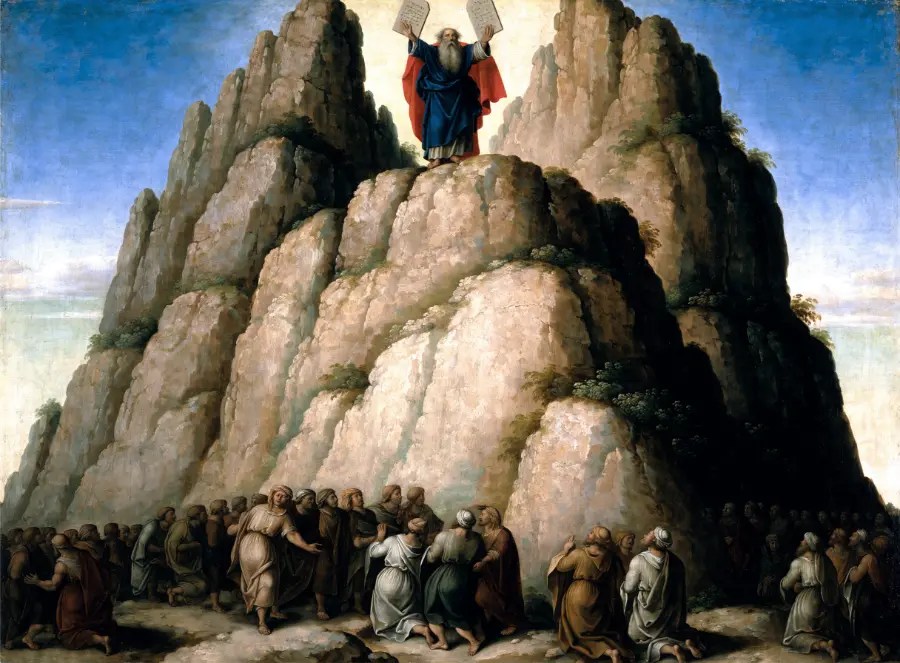
Leviticus 20:26
“You are to be holy to me because I, the LORD, am holy, and I have set you apart from the nations to be my own.”
Reflection: The verse comes near the end of a chapter of laws for Israel, and verse 23 sets out the command behind them: “You must not live according to the customs of the nations I am going to drive out before you.” The ground of the difference is God’s own holiness and his choice to set Israel apart “to be my own.” Verse 25 applies it to daily food, the distinction between clean and unclean animals and birds.
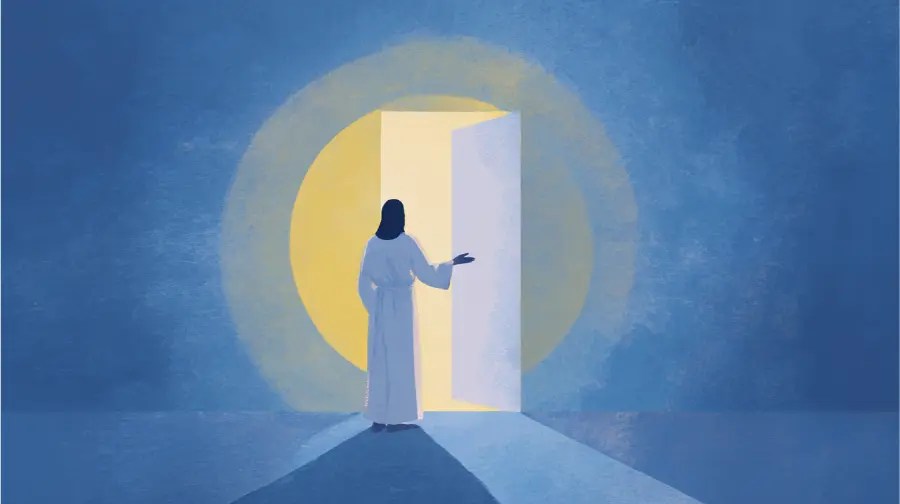
Jeremiah 1:5
“Before I formed you in the womb I knew you, before you were born I set you apart; I appointed you as a prophet to the nations.”
Reflection: God tells Jeremiah what he set him apart to do before he was born. Jeremiah objects in verse 6, “I do not know how to speak; I am too young.” God tells him to go to everyone he sends him to and touches his mouth in verse 9.
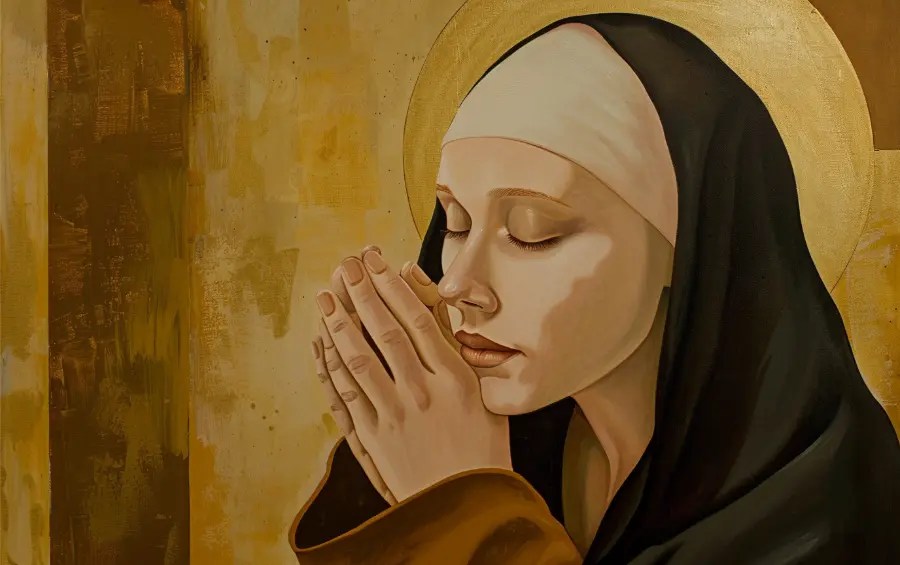
Exodus 33:16
“How will anyone know that you are pleased with me and with your people unless you go with us? What else will distinguish me and your people from all the other people on the face of the earth?”
Reflection: Moses speaks after the golden calf (Exodus 32), when God has said, “I will not go with you, because you are a stiff-necked people” (Exodus 33:3). Moses answers with two questions: how will anyone know that God is pleased with his people, and what else will distinguish them from every other people, unless God goes with them? In verse 17 God agrees: “I will do the very thing you have asked.”
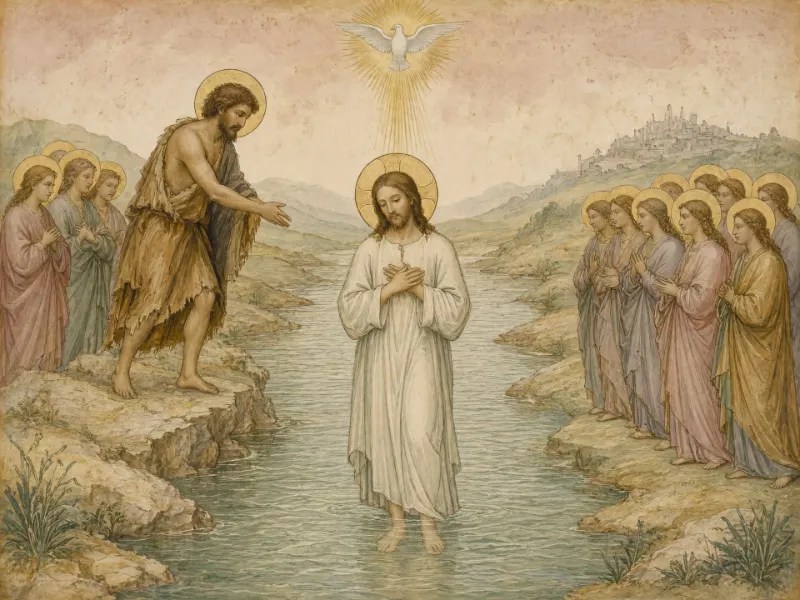
1 Peter 2:9
“But you are a chosen people, a royal priesthood, a holy nation, God’s special possession, that you may declare the praises of him who called you out of darkness into his wonderful light.”
Reflection: Peter writes to Christians he calls “exiles scattered” through Pontus, Galatia, Cappadocia, Asia and Bithynia (1 Peter 1:1), and he gives them titles close to the ones God gave Israel in Exodus 19:6, “a kingdom of priests and a holy nation.” The verse states what the difference is for: to “declare the praises” of God. Verse 12 adds how outsiders are meant to see it: “Live such good lives among the pagans that … they may see your good deeds and glorify God.”
Living differently from the world
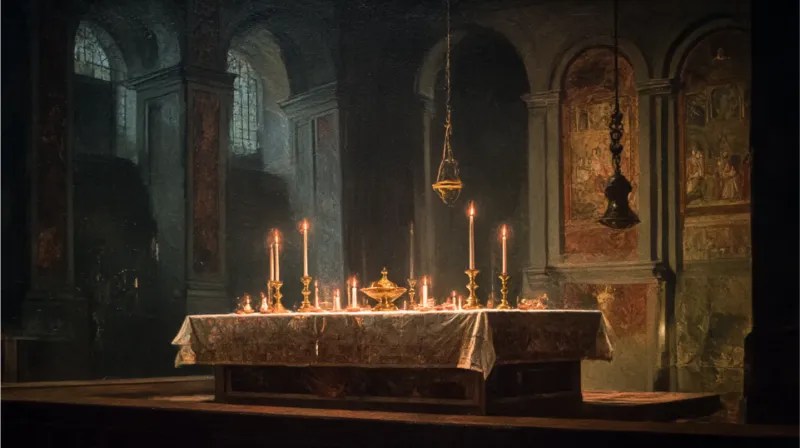
Romans 12:2
“Do not conform to the pattern of this world, but be transformed by the renewing of your mind. Then you will be able to test and approve what God’s will is—his good, pleasing and perfect will.”
Reflection: The verse follows Paul’s appeal in verse 1 to offer the body “as a living sacrifice.” He sets two things side by side: conforming to “the pattern of this world” and being transformed “by the renewing of your mind.” The result he names is discernment, the ability to “test and approve what God’s will is.”
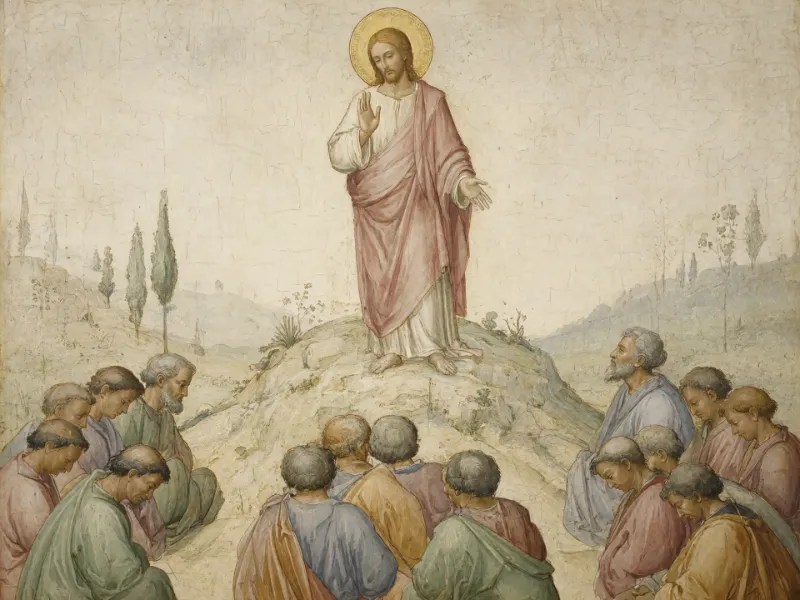
2 Corinthians 5:17
“Therefore, if anyone is in Christ, the new creation has come: The old has gone, the new is here!”
Reflection: Paul’s “therefore” points back to verse 16: “from now on we regard no one from a worldly point of view.” The new creation includes a new way of seeing other people and Christ himself. Verse 15 describes the new way of living: those who live “should no longer live for themselves but for him who died for them and was raised again.”
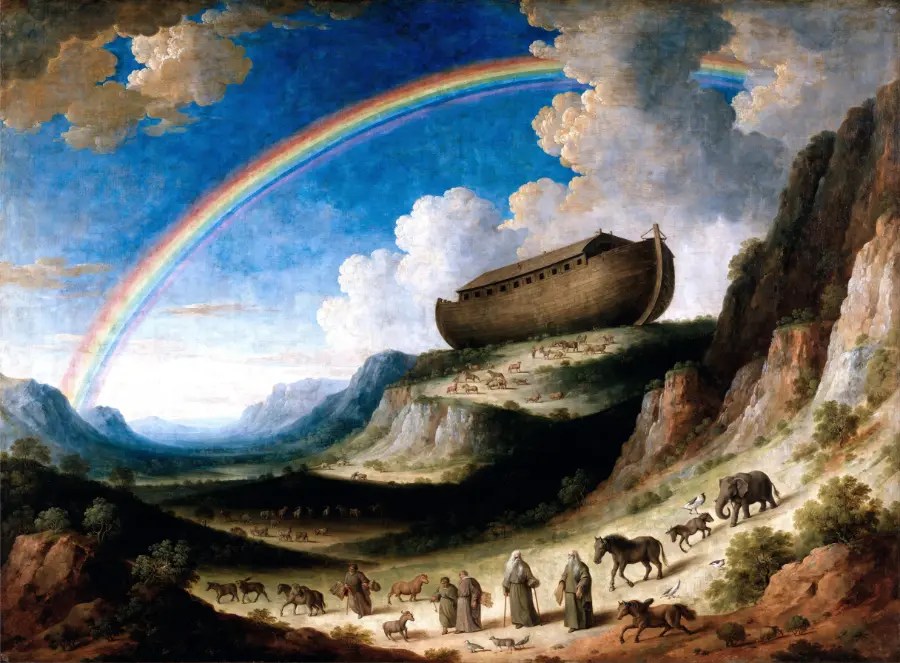
Galatians 1:10
“Am I now trying to win the approval of human beings, or of God? Or am I trying to please people? If I were still trying to please people, I would not be a servant of Christ.”
Reflection: Paul writes to churches he says are “turning to a different gospel” (Galatians 1:6), and he has just twice called down a curse on anyone who preaches another. His questions follow from that: he will not change the gospel to win approval. He sets pleasing people against being “a servant of Christ” and says he cannot do both.
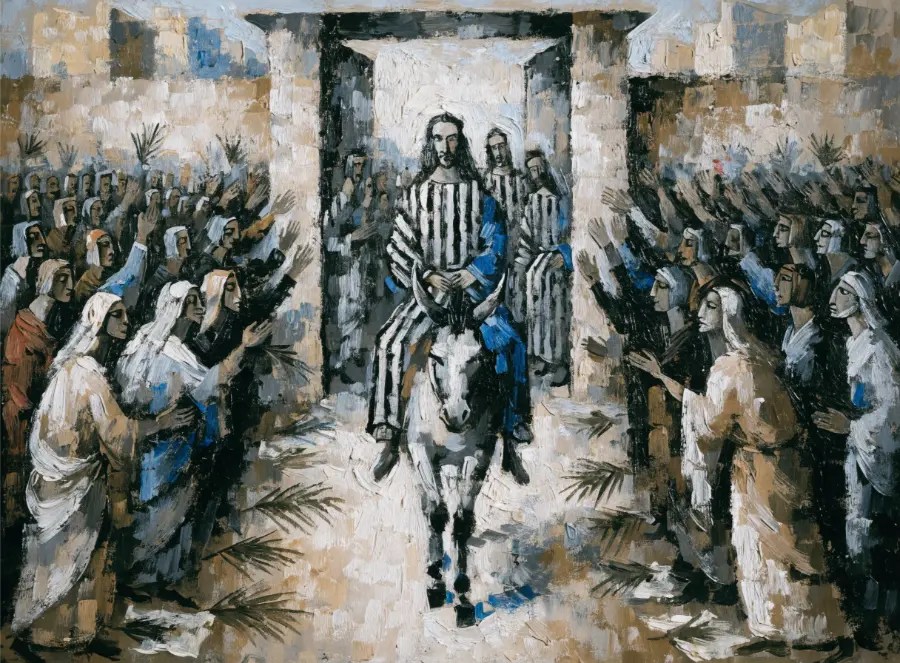
Matthew 7:14
“But small is the gate and narrow the road that leads to life, and only a few find it.”
Reflection: Jesus sets two gates and two roads side by side in verses 13 and 14. The command comes in verse 13, “Enter through the narrow gate,” and the numbers are part of the warning: the broad road leads to destruction, “and many enter through it,” while few find the narrow road that leads to life.
Seen by the world, and hated by it
Matthew 5:14-15
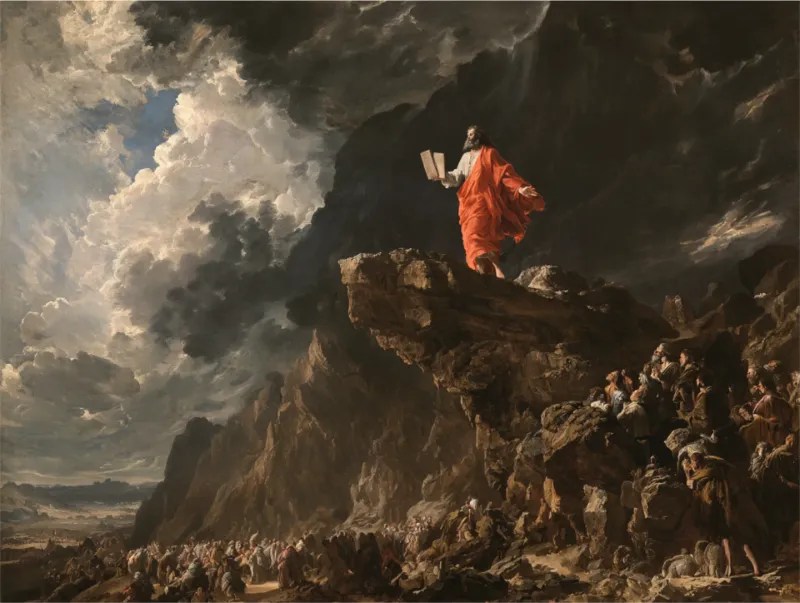
“You are the light of the world. A town built on a hill cannot be hidden. Neither do people light a lamp and put it under a bowl. Instead they put it on its stand, and it gives light to everyone in the house.”
Reflection: Jesus has just called his hearers “the salt of the earth” (Matthew 5:13). The two pictures here, a town on a hill and a lamp on its stand, are both things that are seen. Verse 16 names what people should see and why: “let your light shine before others, that they may see your good deeds and glorify your Father in heaven.”
John 15:19
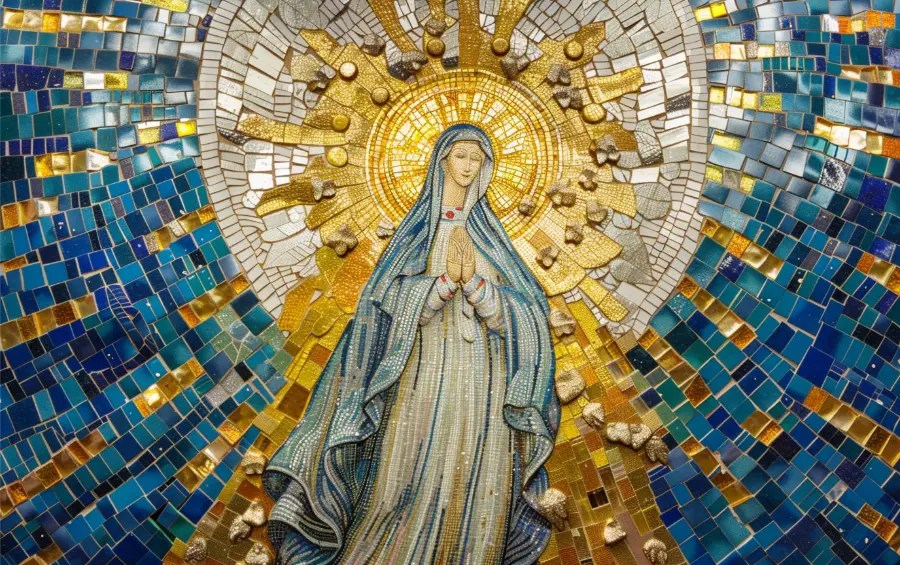
“If you belonged to the world, it would love you as its own. As it is, you do not belong to the world, but I have chosen you out of the world. That is why the world hates you.”
Reflection: Jesus is speaking to his disciples before his arrest, and verse 18 opens the thought: “If the world hates you, keep in mind that it hated me first.” He puts the difference down to his own choice, “I have chosen you out of the world.” Verse 20 draws the consequence: “If they persecuted me, they will persecute you also.”

John 17:16
“They are not of the world, even as I am not of it.”
Reflection: Here Jesus is praying to the Father for his disciples. He says they are “not of the world” twice, in verses 14 and 16, yet in verse 15 he declines to ask that they be taken out of it, and in verse 18 he sends them “into the world.” His request for them in verse 17 is “Sanctify them by the truth; your word is truth.”

1 John 3:1
“See what great love the Father has lavished on us, that we should be called children of God! And that is what we are! The reason the world does not know us is that it did not know him.”
Reflection: John grounds the difference in family: believers are called “children of God,” and the world does not know them because it did not know the Father whose children they are called. Verse 2 adds that what they will be “has not yet been made known,” though “when Christ appears, we shall be like him.”
Strangers on earth

Philippians 3:20
“But our citizenship is in heaven. And we eagerly await a Savior from there, the Lord Jesus Christ.”
Reflection: Paul contrasts two groups. Many, he says with tears, live as enemies of the cross, and “their mind is set on earthly things” (verse 19); against them he sets a people whose citizenship is in heaven. Verse 17 asks the church to follow his example, and verse 21 says what they wait for: Christ “will transform our lowly bodies so that they will be like his glorious body.”
Hebrews 11:13
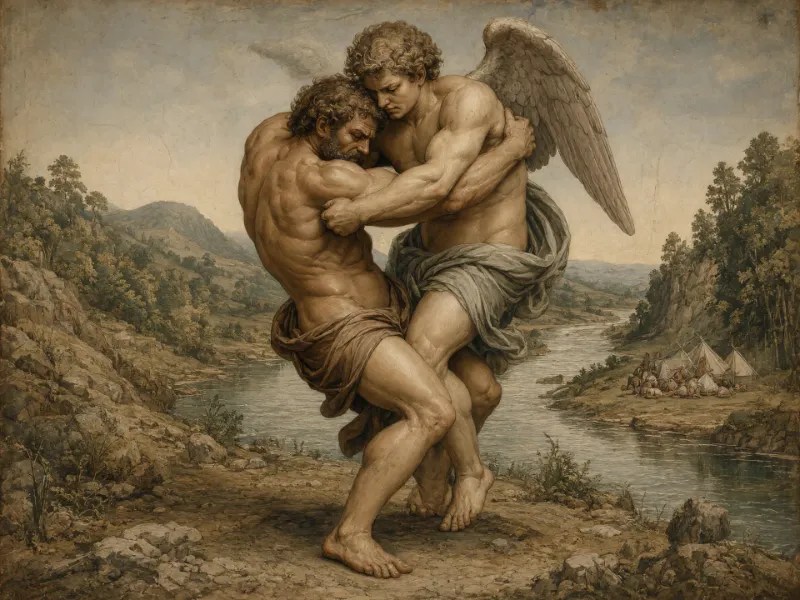
“All these people were still living by faith when they died. They did not receive the things promised; they only saw them and welcomed them from a distance, admitting that they were foreigners and strangers on earth.”
Reflection: The verse follows the chapter’s account of Abraham, who lived in the promised land “like a stranger in a foreign country,” in tents, “as did Isaac and Jacob” (verse 9). They called themselves “foreigners and strangers on earth,” and verse 14 explains that people who say such things “are looking for a country of their own.” They could have gone back to the country they left (verse 15); instead “they were longing for a better country—a heavenly one,” and verse 16 goes on, “Therefore God is not ashamed to be called their God.”
God chooses by a different measure
1 Samuel 16:7
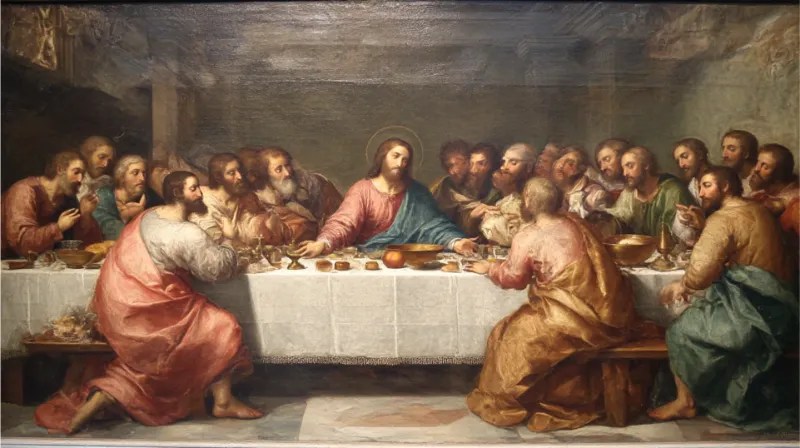
“But the LORD said to Samuel, ‘Do not consider his appearance or his height, for I have rejected him. The LORD does not look at the things people look at. People look at the outward appearance, but the LORD looks at the heart.’”
Reflection: Samuel has come to anoint a king from among Jesse’s sons. He sees Eliab and thinks, “Surely the LORD’s anointed stands here before the LORD,” and God corrects him with this verse. Seven sons pass before Samuel and none is chosen; the one anointed is David, “the youngest,” who was out tending the sheep (verse 11).
1 Corinthians 1:27
“But God chose the foolish things of the world to shame the wise; God chose the weak things of the world to shame the strong.”
Reflection: Paul asks the believers in Corinth to think of what they were when they were called: “Not many of you were wise by human standards; not many were influential; not many were of noble birth” (verse 26). God’s choice went against those standards, and verse 29 gives the purpose: “so that no one may boast before him.”
Different from one another in the church
Romans 12:4-5
“For just as each of us has one body with many members, and these members do not all have the same function, so in Christ we, though many, form one body, and each member belongs to all the others.”
Reflection: The comparison follows Paul’s warning in verse 3 not to think of yourself “more highly than you ought.” Verse 6 names the differences, “We have different gifts, according to the grace given to each of us,” and lists prophesying, serving, teaching, encouraging, giving, leading and showing mercy.
1 Corinthians 12:18
“But in fact God has placed the parts in the body, every one of them, just as he wanted them to be.”
Reflection: Paul imagines a foot saying, “Because I am not a hand, I do not belong to the body” (verse 15). His answer is that the differences are God’s arrangement and that a body of one part would not be a body: “If the whole body were an eye, where would the sense of hearing be?” (verse 17). Verse 25 gives the aim, “that there should be no division in the body.”
1 Corinthians 12:27
“Now you are the body of Christ, and each one of you is a part of it.”
Reflection: The believers in Corinth together form the body Paul has been describing. Verse 28 names some of the different kinds of work God has given them, including teaching, healing and helping. Paul then asks in verse 29, “Are all apostles? Are all prophets? Are all teachers?”


Leave a Reply