
 English
 Chinese
 Dutch
 Arabic
 Spanish
 Portuguese
 Russian
 French
 Italian
 German
 Japanese
The Bible treats work as part of what people were made for. God put the man in Eden “to work it and take care of it” (Genesis 2:15). Colossians 3:23-24 tells workers to do whatever they do “as working for the Lord.”
Other passages tie work to earning one’s own food and having something to share (2 Thessalonians 3:10-11, Ephesians 4:28), warn against laziness (Proverbs 6:6-8) and describe a believer’s life as good works and fruit (Ephesians 2:10, John 15:8, 2 Peter 1:8). The Sabbath command in Exodus 20:8-10, Psalm 127:2 and Jesus’ call to rest in Mark 6:31 set limits on work.
Work as God assigns it

Genesis 2:15
“The LORD God took the man and put him in the Garden of Eden to work it and take care of it.”
Reflection: Earlier in the chapter, Genesis 2:5 explains that no plant had yet sprung up partly because “there was no one to work the ground.” Here God places the man in the garden with a task: to work it and take care of it. The assignment comes in Eden, before the disobedience of Genesis 3.
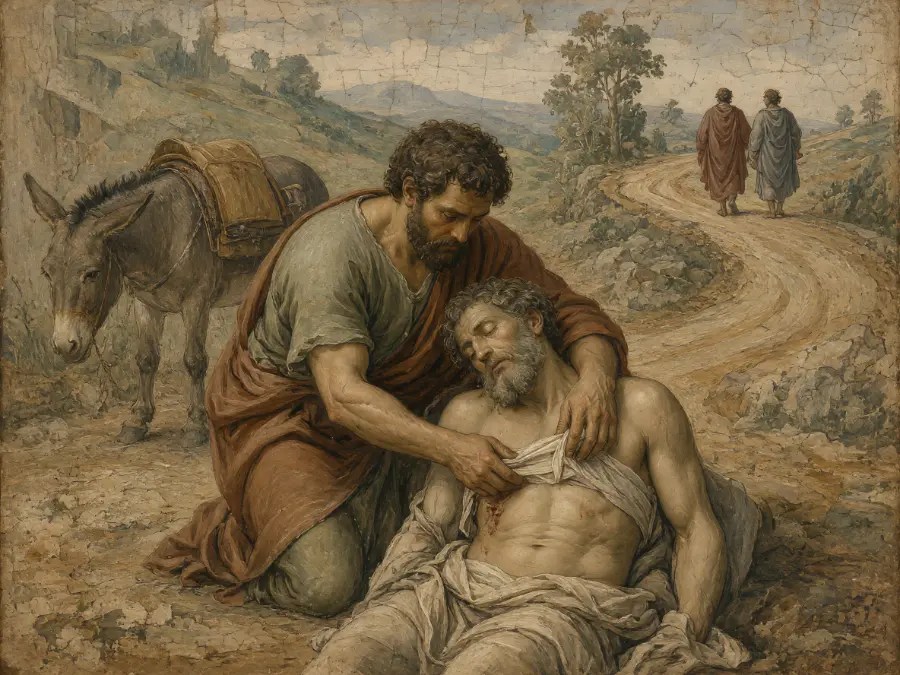
Colossians 3:23-24
“Whatever you do, work at it with all your heart, as working for the Lord, not for human masters, since you know that you will receive an inheritance from the Lord as a reward. It is the Lord Christ you are serving.”
Reflection: Paul first addresses slaves, telling them to obey “not only when their eye is on you and to curry their favor, but with sincerity of heart” (Colossians 3:22). “Whatever you do” widens the instruction from obeying a master to every task, and the reason given is that the work is done for the Lord, who gives the inheritance. Verse 25 adds that wrongdoers will be repaid and “there is no favoritism.”
Earning a living and sharing it
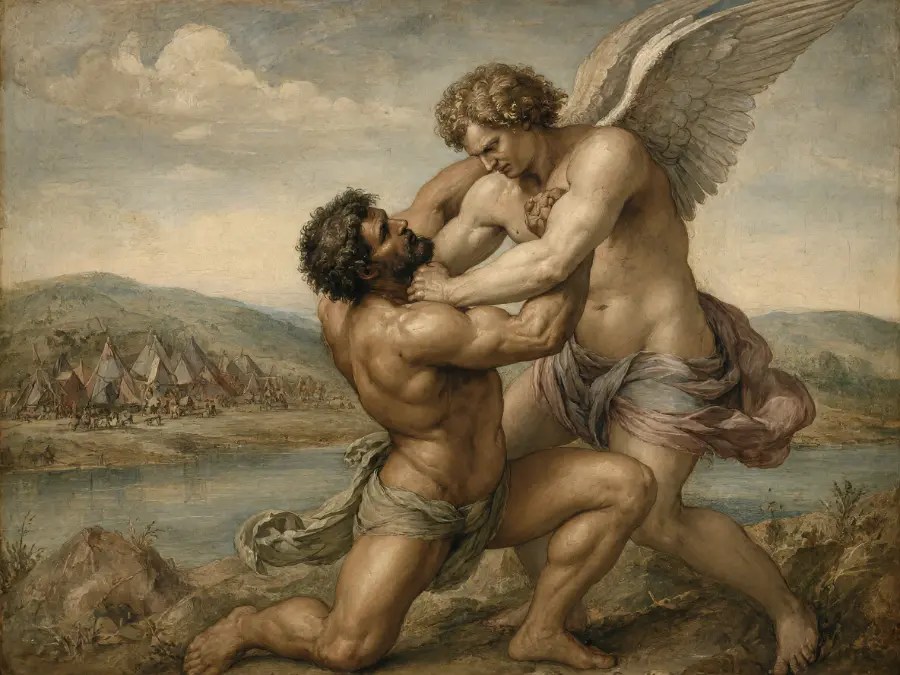
2 Thessalonians 3:10-11
“For even when we were with you, we gave you this rule: ‘The one who is unwilling to work shall not eat.’ We hear that some among you are idle and disruptive. They are not busy; they are busybodies.”
Reflection: Paul reminds the Thessalonians that he and his companions “worked night and day, laboring and toiling so that we would not be a burden to any of you” (verse 8), as an example to copy. The rule names the one who is “unwilling” to work. Verse 12 tells the idle to “settle down and earn the food they eat,” and 1 Thessalonians 4:11-12 had given the same church the same instruction, “so that you will not be dependent on anybody.”
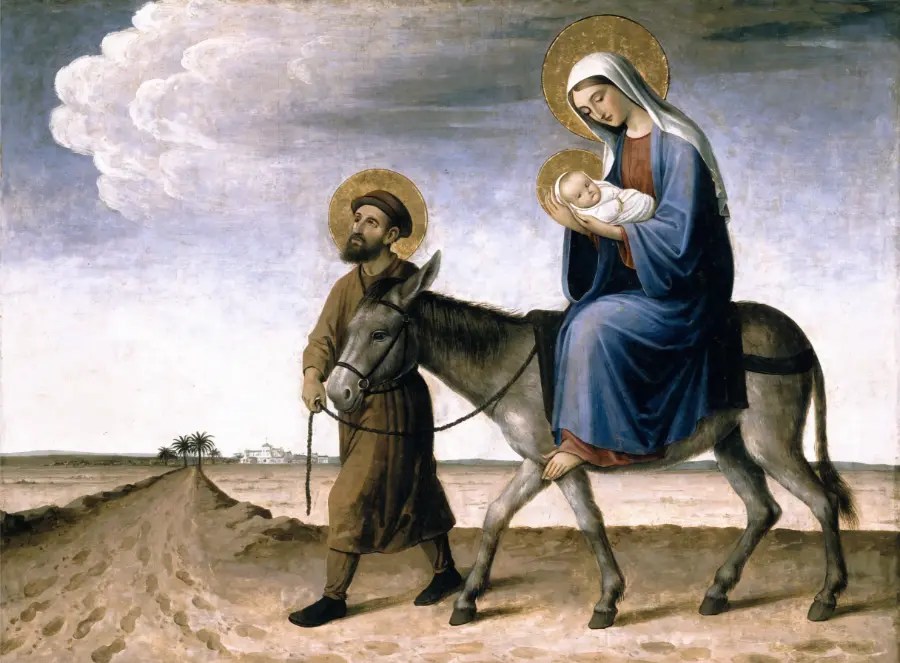
Ephesians 4:28
“Anyone who has been stealing must steal no longer, but must work, doing something useful with their own hands, that they may have something to share with those in need.”
Reflection: The verse belongs to a list of old habits the Ephesians are to put off: lying, anger and theft. The thief is not only told to stop stealing but to work, “doing something useful with their own hands.” The purpose Paul gives for the work is to have something to share with people in need.

Titus 3:14
“Our people must learn to devote themselves to doing what is good, in order to provide for urgent needs and not live unproductive lives.”
Reflection: Paul writes this at the end of the letter, right after asking Titus to help Zenas the lawyer and Apollos on their way and to “see that they have everything they need.” The verse then turns to “our people” in general, who are to learn to do what is good “in order to provide for urgent needs.” The King James Version translates the last phrase “that they be not unfruitful,” the same picture of fruit that John 15 uses.
Diligence and laziness in the wisdom books

Proverbs 6:6-8
“Go to the ant, you sluggard; consider its ways and be wise! It has no commander, no overseer or ruler, yet it stores its provisions in summer and gathers its food at harvest.”
Reflection: The sluggard is sent to learn from the ant, which has no commander or overseer and still gathers its food while the harvest is there. The next verses ask, “How long will you lie there, you sluggard?” and warn that poverty will come “like a thief.” The ant is held up for working without being watched and for gathering before the need arrives.
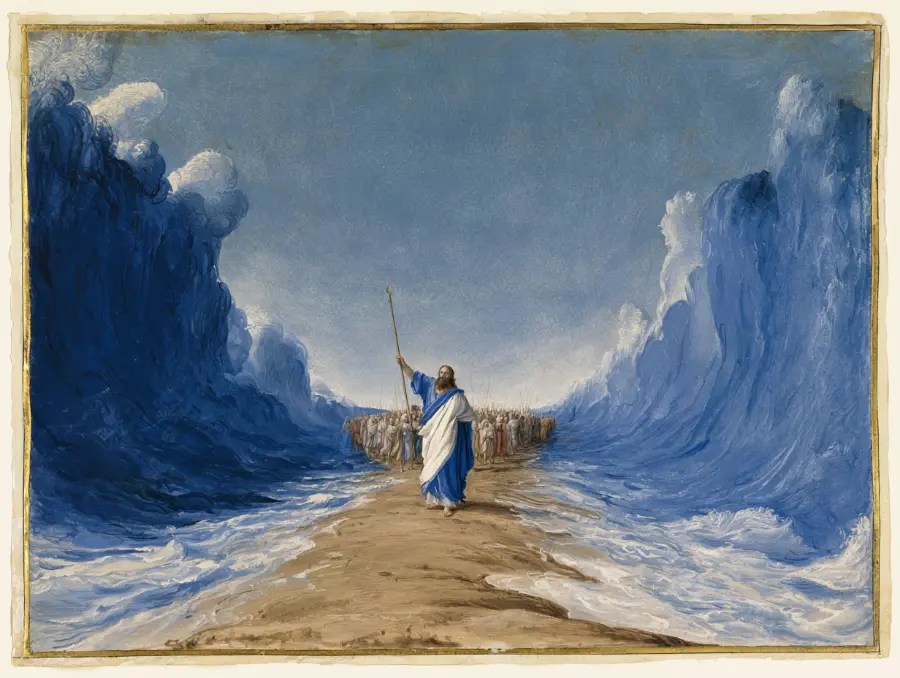
Proverbs 10:4
“Lazy hands make for poverty, but diligent hands bring wealth.”
Reflection: The proverb sets lazy hands against diligent ones and names the outcome of each. Proverbs 10:5 applies the contrast to the farming year: “He who gathers crops in summer is a prudent son, but he who sleeps during harvest is a disgraceful son.”
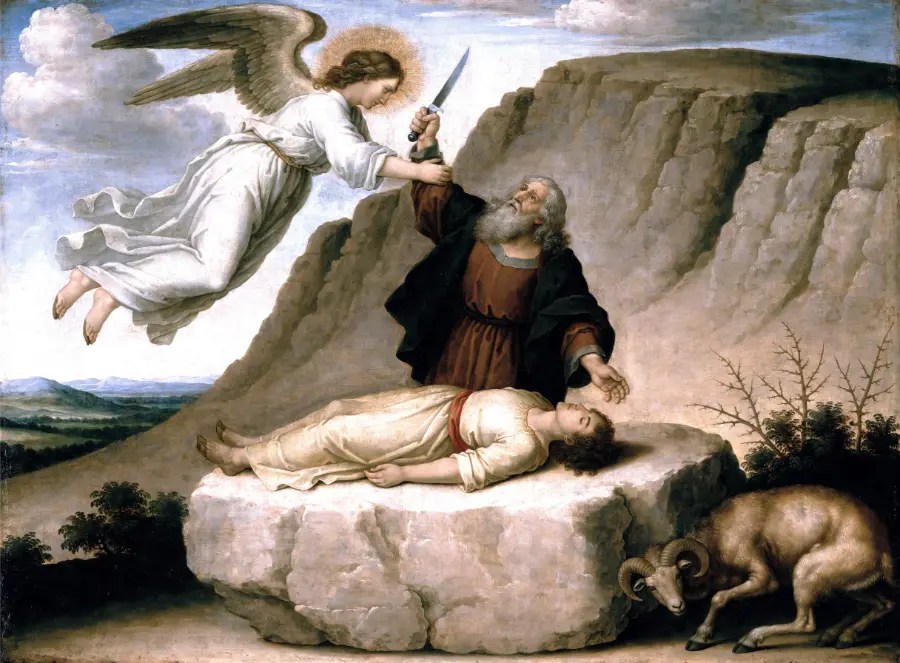
Proverbs 12:24
“Diligent hands will rule, but laziness ends in forced labor.”
Reflection: The diligent person comes to rule, while the lazy person ends up working under someone else’s orders. Verse 27 makes the same distinction with a meal after a hunt. The lazy leave their game uncooked, while “the diligent feed on the riches of the hunt.”

Proverbs 13:4
“A sluggard’s appetite is never filled, but the desires of the diligent are fully satisfied.”
Reflection: Both people in this proverb want things; the sluggard has an appetite as much as the diligent person does. The difference is that the sluggard’s appetite “is never filled,” while the diligent see their desires satisfied.
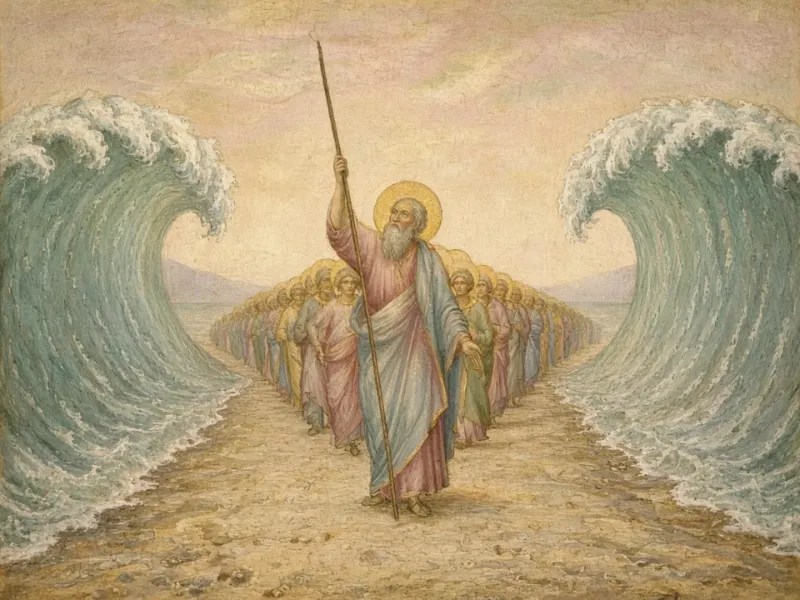
Proverbs 14:23
“All hard work brings a profit, but mere talk leads only to poverty.”
Reflection: The contrast is between hard work and “mere talk.” Work of any kind brings a profit, and talk alone leads to poverty.

Proverbs 21:5
“The plans of the diligent lead to profit as surely as haste leads to poverty.”
Reflection: Diligence here is paired with planning, and the opposite the proverb names is haste rather than laziness: “haste leads to poverty.”

Proverbs 24:30-34
“I went past the field of a sluggard, past the vineyard of someone who has no sense; thorns had come up everywhere, the ground was covered with weeds, and the stone wall was in ruins. I applied my heart to what I observed and learned a lesson from what I saw: A little sleep, a little slumber, a little folding of the hands to rest— and poverty will come on you like a thief and scarcity like an armed man.”
Reflection: The writer reports walking past a neglected field and vineyard: thorns, weeds and a broken stone wall. The lesson he draws in verses 33-34 repeats Proverbs 6:10-11 almost word for word: “A little sleep, a little slumber, a little folding of the hands to rest.”

Ecclesiastes 10:18
“Through laziness, the rafters sag; because of idle hands, the house leaks.”
Reflection: After describing princes who feast in the morning and those who eat at the proper time in verses 16 and 17, the Teacher turns to the upkeep of a house. When the work goes undone, the rafters sag and the roof lets in water.

Ecclesiastes 9:10
“Whatever your hand finds to do, do it with all your might, for in the realm of the dead, where you are going, there is neither working nor planning nor knowledge nor wisdom.”
Reflection: In the verses before this one, the Teacher tells the reader to eat with gladness and enjoy life with his wife “all the days of this meaningless life.” The reason given for working with all your might is death: in the realm of the dead there is “neither working nor planning.” Work is counted among the things a limited life is given to do.
Good works, fruit and zeal
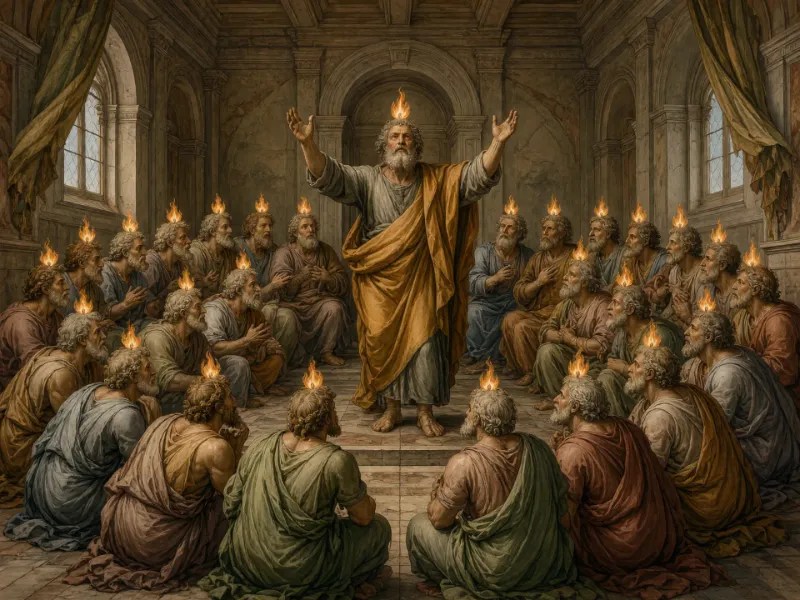
Ephesians 2:10
“For we are God’s handiwork, created in Christ Jesus to do good works, which God prepared in advance for us to do.”
Reflection: The two verses before this one rule out works as the way of salvation: “it is by grace you have been saved, through faith… not by works, so that no one can boast.” Good works then come in as the purpose of the people God has saved. Paul adds that God “prepared in advance” the works themselves.

John 15:8
“This is to my Father’s glory, that you bear much fruit, showing yourselves to be my disciples.”
Reflection: Jesus calls himself the vine and his Father the gardener, who prunes every fruitful branch “so that it will be even more fruitful” (John 15:2). The fruit depends on the branch staying in the vine: “apart from me you can do nothing” (verse 5). Bearing much fruit, Jesus says here, brings the Father glory and shows who his disciples are.

2 Peter 1:8
“For if you possess these qualities in increasing measure, they will keep you from being ineffective and unproductive in your knowledge of our Lord Jesus Christ.”
Reflection: The “qualities” are the list in verses 5-7, which runs from faith through goodness, knowledge, self-control, perseverance, godliness and mutual affection to love, which readers are to “make every effort” to add. The NIV’s “ineffective and unproductive” is “barren nor unfruitful” in the King James Version. Verse 9 describes the person who lacks the qualities as “nearsighted and blind.”

Galatians 6:9
“Let us not become weary in doing good, for at the proper time we will reap a harvest if we do not give up.”
Reflection: The verse follows Paul’s rule of sowing and reaping: “whoever sows to please the Spirit, from the Spirit will reap eternal life” (Galatians 6:8). The harvest comes “at the proper time,” which the verse does not set, and the condition is not giving up. Verse 10 names the work: “let us do good to all people, especially to those who belong to the family of believers.”

Romans 12:11
“Never be lacking in zeal, but keep your spiritual fervor, serving the Lord.”
Reflection: The verse sits in a run of short commands about love in Romans 12:9-13, between “Honor one another above yourselves” and “Be joyful in hope.” Where the NIV has “Never be lacking in zeal,” the King James Version reads “Not slothful in business.” Both translations end the line with “serving the Lord.”
Plans, rest and the limits of work
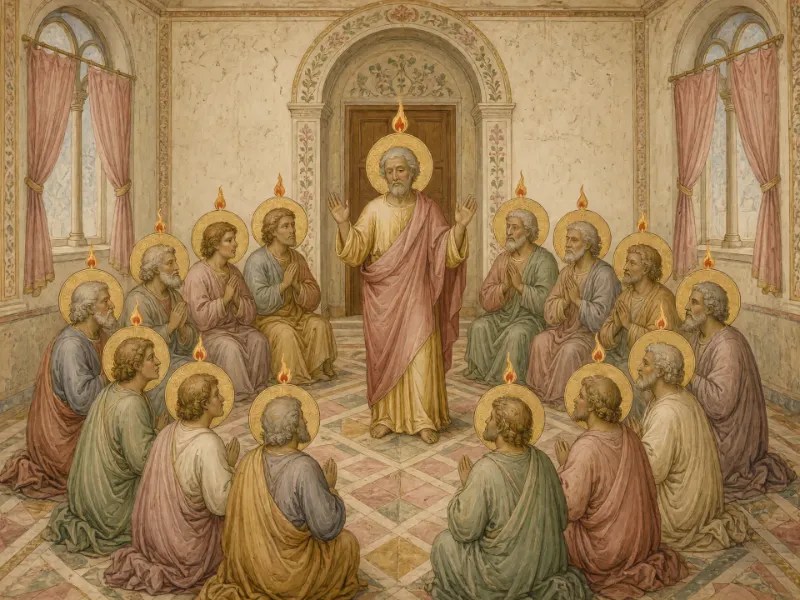
Proverbs 16:3
“Commit to the LORD whatever you do, and he will establish your plans.”
Reflection: The first verse of the chapter says, “To humans belong the plans of the heart, but from the Lord comes the proper answer of the tongue,” and the second that the Lord weighs motives. People still make plans in this proverb; they commit the work to the Lord, and he establishes the plans.
Psalm 127:2
“In vain you rise early and stay up late, toiling for food to eat— for he grants sleep to those he loves.”
Reflection: The psalm is headed “Of Solomon” and opens, “Unless the Lord builds the house, the builders labor in vain.” The builders and the guards still work. Verse 2 applies the same “in vain” to rising early and staying up late to earn food, and sets that toil beside what the Lord gives: “he grants sleep to those he loves.”
Exodus 20:8-10
“Remember the Sabbath day by keeping it holy. Six days you shall labor and do all your work, but the seventh day is a sabbath to the LORD your God. On it you shall not do any work.”
Reflection: The Ten Commandments give six days to labor and “do all your work,” and forbid work on the seventh, for the household, servants, animals and foreigners alike. Exodus 20:11 grounds the day in creation, since God rested on the seventh day. When Moses repeats the command in Deuteronomy 5:12-15, the reason is Israel’s slavery in Egypt, and he adds “so that your male and female servants may rest, as you do.”

Mark 6:31
“Then, because so many people were coming and going that they did not even have a chance to eat, he said to them, ‘Come with me by yourselves to a quiet place and get some rest.’”
Reflection: The apostles had just come back and “reported to him all they had done and taught” (Mark 6:30), and the crowds left them no time to eat. Jesus takes them away by boat to rest. The crowd runs ahead and meets them, and Jesus, having compassion on the people, “began teaching them many things” (verse 34).


Leave a Reply