
 English
 Chinese
 Dutch
 Arabic
 Spanish
 Portuguese
 Russian
 French
 Italian
 German
 Japanese
The Bible describes a godly man by what he loves and how he lives. The man Psalm 1:1-3 calls blessed delights in the law of the Lord, the man in Psalm 112 gives to the poor, and Micah 6:8, spoken to every person, asks for justice, kindness and a humble walk with God.
The New Testament letters speak to men in particular roles. Titus 2:2 addresses older men, 1 Timothy 3:2 lists what an overseer must be, Ephesians 5:25 and 1 Peter 3:7 speak to husbands, and Ephesians 6:4 speaks to fathers.
What a godly man delights in and does
Psalm 1:1-3
“Blessed is the man who walks not in the counsel of the wicked, nor stands in the way of sinners, nor sits in the seat of scoffers; but his delight is in the law of the Lord, and on his law he meditates day and night. He is like a tree planted by streams of water that yields its fruit in its season, and its leaf does not wither. In all that he does, he prospers.”
Reflection: The psalm describes the blessed man first by three things he does not do, walking, standing and sitting with the wicked, and then by what he does: he delights in the Lord’s law and meditates on it day and night. The tree by streams of water yields fruit in its season. Verse 4 gives the contrast: “The wicked are not so, but are like chaff that the wind drives away.”
Psalm 112:1
“Praise the Lord! Blessed is the man who fears the Lord, who greatly delights in his commandments.”
Reflection: The rest of Psalm 112 fills in what fearing the Lord looks like in this man’s life. “It is well with the man who deals generously and lends; who conducts his affairs with justice” (verse 5). Verse 7 says he “is not afraid of bad news; his heart is firm, trusting in the Lord,” and verse 9 that he has given to the poor.

Proverbs 20:7
“The righteous who walks in his integrity—blessed are his children after him!”
Reflection: The proverb describes the righteous man by the way he walks, in integrity, and pronounces his children blessed after him. Proverbs 10:9 speaks of the man himself: “Whoever walks in integrity walks securely.”
Micah 6:8
“He has told you, O man, what is good; and what does the Lord require of you but to do justice, and to love kindness, and to walk humbly with your God?”
Reflection: In verses 6 and 7 a worshipper asks what he should bring before the Lord: burnt offerings, thousands of rams, rivers of oil, or even his firstborn. The questions come within the Lord’s case against his people Israel (Micah 6:1-3). The answer is addressed to “O man”, anyone who comes before the Lord, and names three requirements that apply to men as to every other worshipper: to do justice, to love kindness and to walk humbly with God.
Guarding the heart and ruling the temper
Proverbs 4:23
“Keep your heart with all vigilance, for from it flow the springs of life.”
Reflection: The speaker addresses “My son” and asks him to keep these words within his heart (verses 20-21). The heart is to be guarded because the springs of life flow from it. The verses that follow move out from the heart to the mouth, the eyes and the feet: “Put away from you crooked speech,” “Let your eyes look directly forward,” “Ponder the path of your feet.”

Proverbs 16:32
“Whoever is slow to anger is better than the mighty, and he who rules his spirit than he who takes a city.”
Reflection: The proverb ranks self-control above military strength. A man who is slow to anger is better than the mighty, and one who rules his own spirit is better than one who captures a city.
Courage for the task in hand
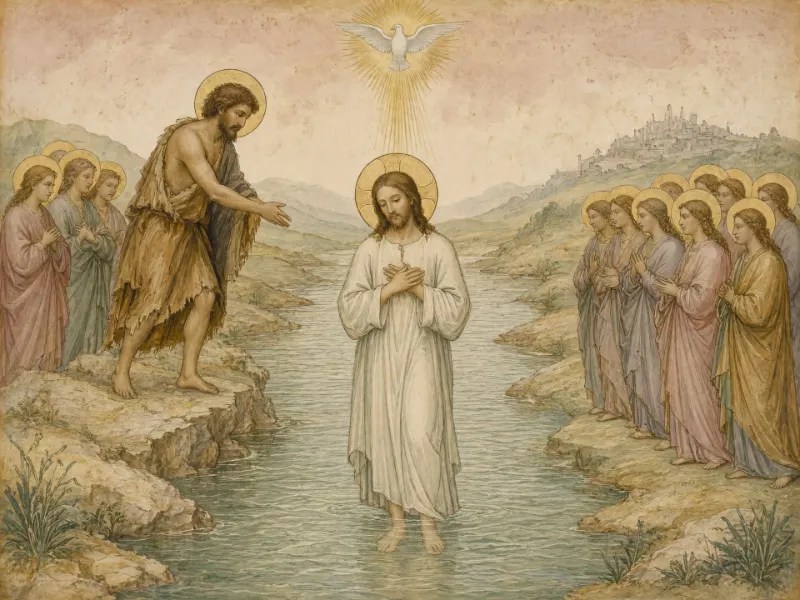
Joshua 1:9
“Have I not commanded you? Be strong and courageous. Do not be frightened, and do not be dismayed, for the Lord your God is with you wherever you go.”
Reflection: After the death of Moses, the Lord tells Joshua to lead the people over the Jordan into the land (Joshua 1:1-2). “Be strong and courageous” has already been said twice. In verse 6 it goes with leading the people to inherit the land, and in verse 7 with keeping the law, which verse 8 continues: “This Book of the Law shall not depart from your mouth, but you shall meditate on it day and night” (verse 8), the same day-and-night meditation as Psalm 1:2. Verse 9 gives the reason Joshua need not be afraid: the Lord his God is with him wherever he goes.
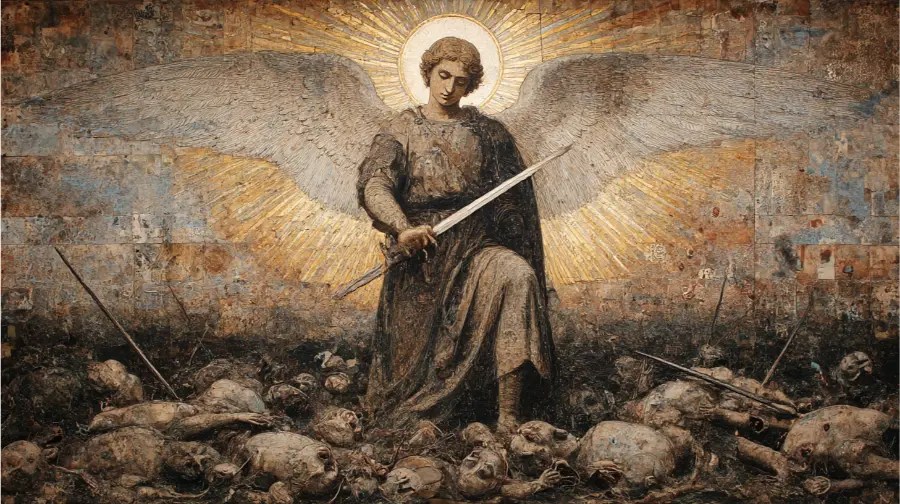
1 Corinthians 16:13
“Be watchful, stand firm in the faith, act like men, be strong.”
Reflection: Paul gives these four short commands near the end of 1 Corinthians. “Act like men” stands in a list with watchfulness, standing firm in the faith and strength, and the next verse adds one more: “Let all that you do be done in love” (1 Corinthians 16:14).
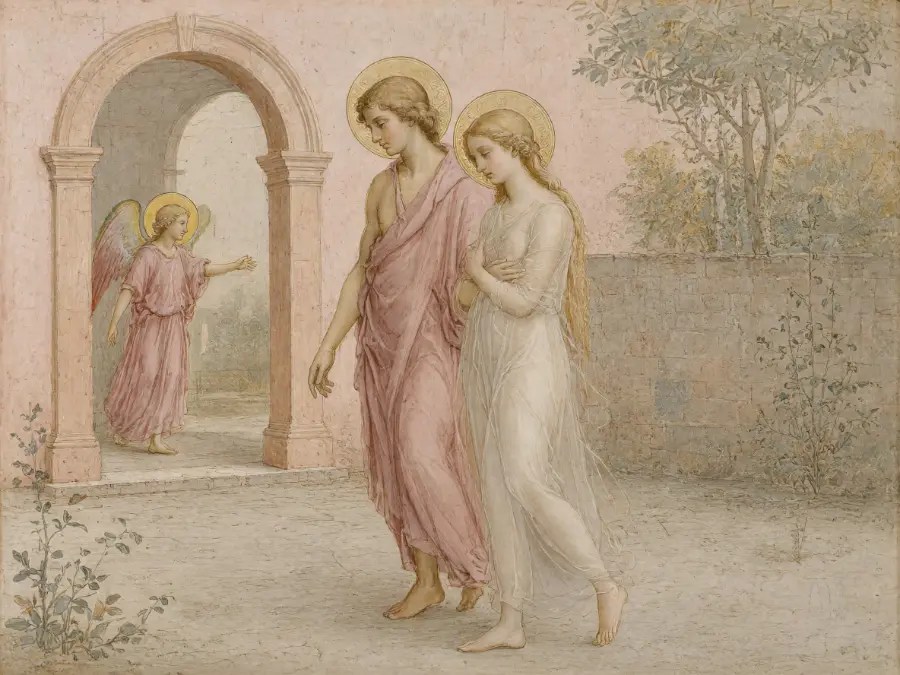
2 Timothy 1:7
“For God gave us a spirit not of fear but of power and love and self-control.”
Reflection: Paul writes to Timothy, reminding him to “fan into flame the gift of God, which is in you through the laying on of my hands” (verse 6). The spirit God gave is one of power, love and self-control. Verse 8 begins with “Therefore”: Timothy is not to be ashamed of the testimony about the Lord, or of Paul “his prisoner,” but to share in suffering for the gospel.
Instructions for men in the church
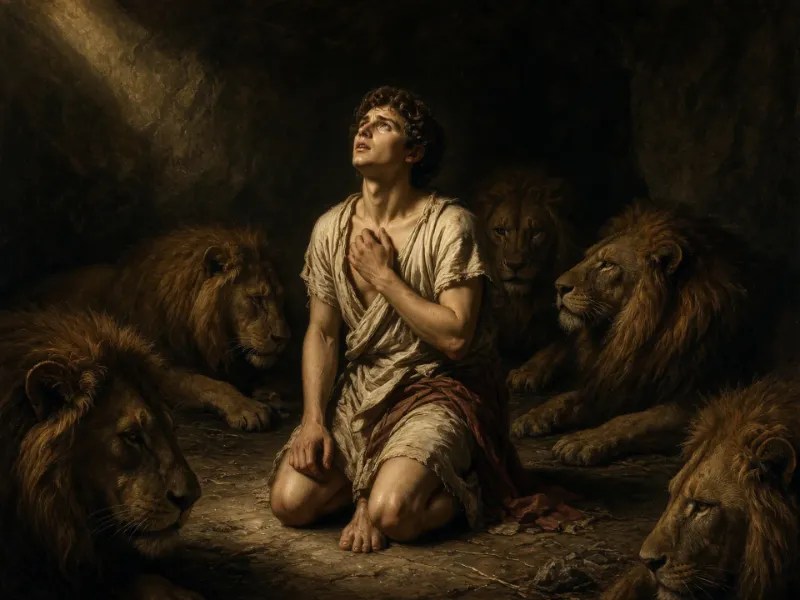
Titus 2:2
“Older men are to be sober-minded, dignified, self-controlled, sound in faith, in love, and in steadfastness.”
Reflection: Paul left Titus in Crete to put things in order and appoint elders in every town (Titus 1:5), and chapter 2 tells him what to teach each group in the churches. Older men come first, and their list includes self-control, the one thing verse 6 asks of the younger men.

Titus 2:7-8
“Show yourself in all respects to be a model of good works, and in your teaching show integrity, dignity, and sound speech that cannot be condemned, so that an opponent may be put to shame, having nothing evil to say about us.”
Reflection: For the younger men Paul gives a single instruction, to be self-controlled (Titus 2:6), and then turns to Titus himself, who is to be a model of good works and to teach with integrity and dignity. Verse 8 states the purpose: an opponent should be put to shame, “having nothing evil to say about us.”
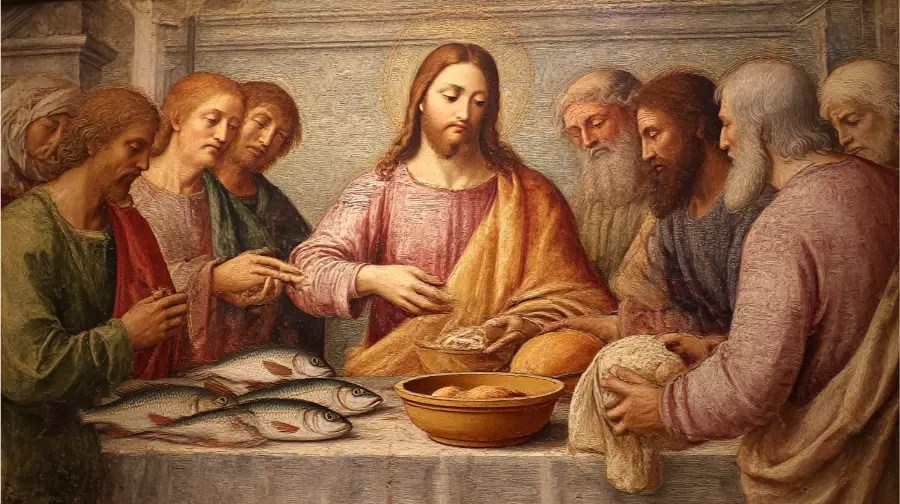
1 Timothy 3:2
“Therefore an overseer must be above reproach, the husband of one wife, sober-minded, self-controlled, respectable, hospitable, able to teach,”
Reflection: The list of qualifications for an overseer runs from verse 2 to verse 7. Most of it concerns character and household: not a drunkard, not violent but gentle, not quarrelsome, not a lover of money, and a man who manages his own household well, “for if someone does not know how to manage his own household, how will he care for God’s church?” (verse 5). Verse 7 adds that he must be well thought of by outsiders.
As husbands and fathers
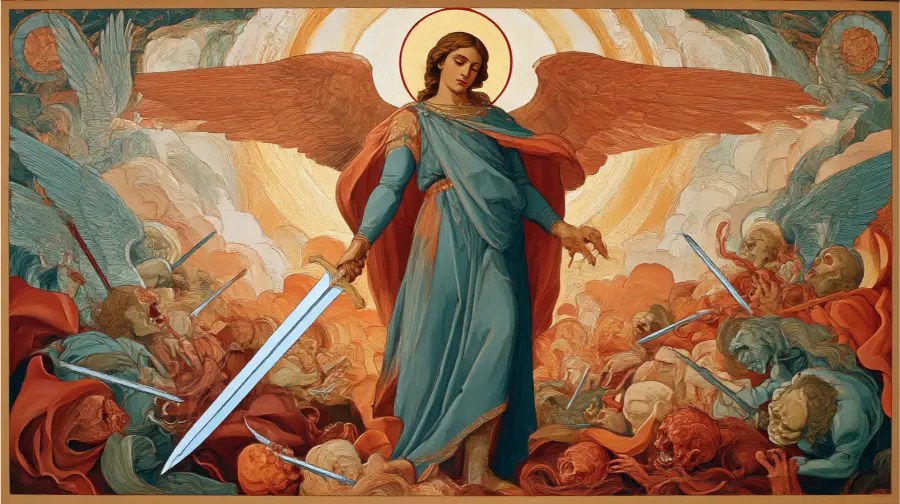
Ephesians 5:25
“Husbands, love your wives, as Christ loved the church and gave himself up for her,”
Reflection: Paul measures a husband’s love by Christ, who “gave himself up” for the church. The verses that follow say what that self-giving was for, to sanctify the church and present her “without spot or wrinkle” (verse 27), and then return to husbands, who “should love their wives as their own bodies,” nourishing and cherishing them as Christ does the church (verses 28-29).
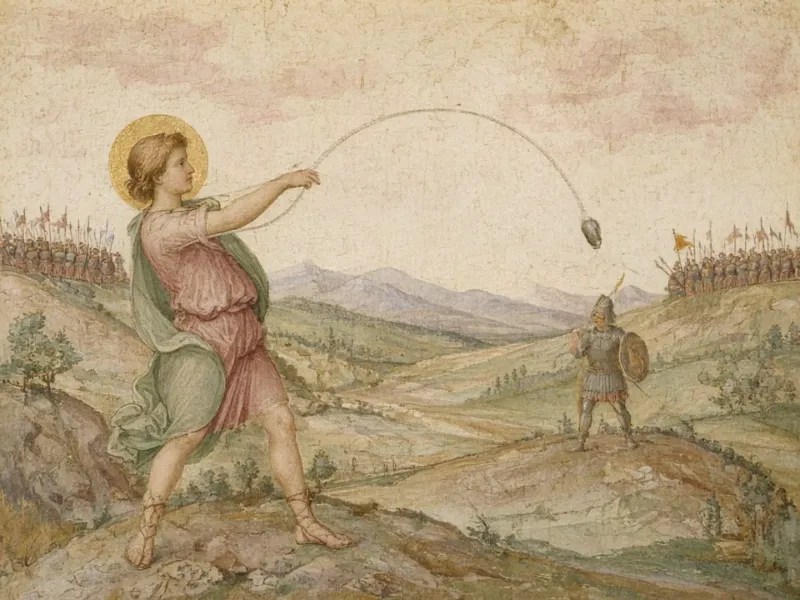
Colossians 3:19
“Husbands, love your wives, and do not be harsh with them.”
Reflection: Colossians 3:18-21 sets out a short household order: wives, husbands, children, fathers. The instruction to husbands has two parts, a command to love and a prohibition: “do not be harsh with them.”
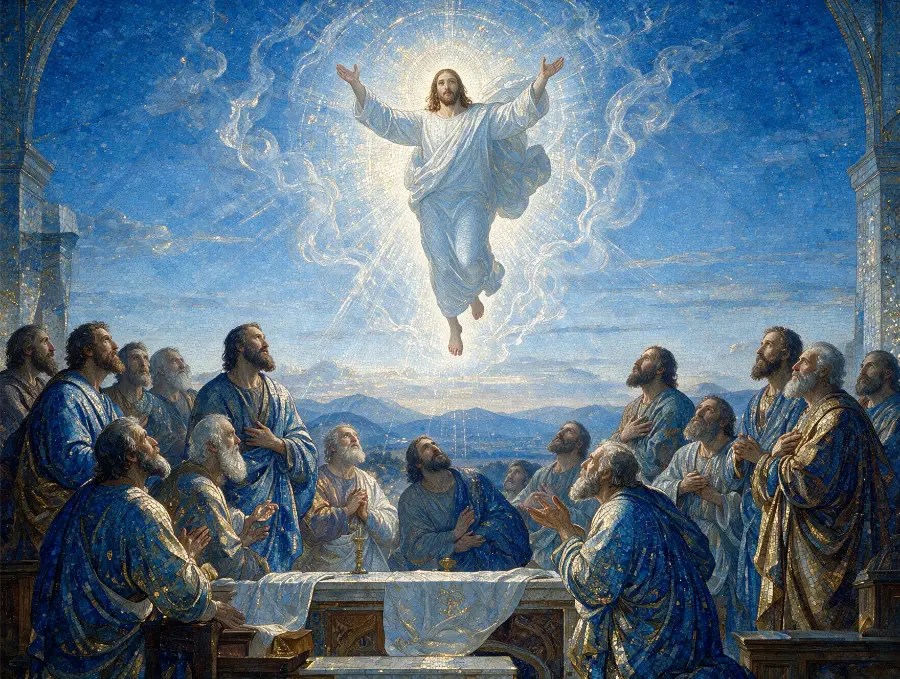
1 Peter 3:7
“Likewise, husbands, live with your wives in an understanding way, showing honor to the woman as the weaker vessel, since they are heirs with you of the grace of life, so that your prayers may not be hindered.”
Reflection: Peter addresses wives in 1 Peter 3:1 (“Likewise, wives, be subject to your own husbands”), and “Likewise” in verse 7 turns to husbands. They are to live with their wives “in an understanding way,” showing honor “to the woman as the weaker vessel,” and the reason given is that wives are “heirs with you of the grace of life.” The verse ends by linking a husband’s conduct to his prayers, “so that your prayers may not be hindered.”
Ephesians 6:4
“Fathers, do not provoke your children to anger, but bring them up in the discipline and instruction of the Lord.”
Reflection: The verse follows Paul’s instruction to children, which quotes the commandment “Honor your father and mother” (Ephesians 6:1-3). Fathers receive a prohibition and a task: not to provoke their children to anger, and to bring them up in the discipline and instruction of the Lord. Colossians 3:21 gives the same prohibition with a reason: “lest they become discouraged.”
Working with one’s hands
Genesis 2:15
“The Lord God took the man and put him in the garden of Eden to work it and keep it.”
Reflection: The Lord God puts the man in Eden with a task, “to work it and keep it.” Earlier in the chapter no plant had yet sprung up, and the text gives two reasons: the Lord had not sent rain, “and there was no man to work the ground” (Genesis 2:5).
1 Thessalonians 4:11-12
“…and to aspire to live quietly, and to mind your own affairs, and to work with your hands, as we instructed you, so that you may walk properly before outsiders and be dependent on no one.”
Reflection: Paul is writing to the Thessalonian “brothers” about how they “ought to walk and to please God” (1 Thessalonians 4:1). Living quietly, minding one’s own affairs and working with one’s hands have two stated aims: to walk properly before outsiders and to depend on no one.


Leave a Reply