
 English
 Chinese
 Dutch
 Arabic
 Spanish
 Portuguese
 Russian
 French
 Italian
 German
 Japanese
The Bible says every human being, man or woman, is made in the image of God. Because of that image, a human life cannot be taken without an accounting (Genesis 9:6). The New Testament calls Christ “the image of God” (2 Corinthians 4:4) and says believers are being renewed in that image (Colossians 3:10).
Genesis uses two Hebrew nouns: tselem, image, and demuth, likeness. Genesis 1:26 has both, as does Genesis 5:3, where they describe Adam’s son Seth. In the New Testament the usual word for image is eikon.
Humankind made in God’s image
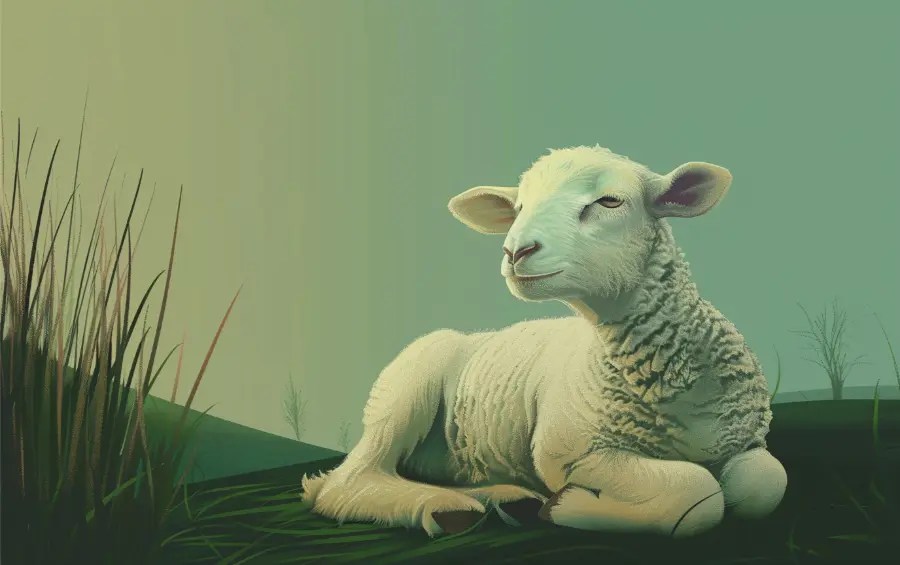
Genesis 1:26
“Then God said, ‘Let us make mankind in our image, in our likeness, so that they may rule over the fish in the sea and the birds in the sky, over the livestock and all the wild animals, and over all the creatures that move along the ground.’”
Reflection: God speaks these words on the sixth day, after making the land animals. The NIV joins the rule over the creatures to the image with “so that they may rule”; the ESV reads “And let them have dominion,” setting the two side by side. Verse 28 repeats the charge as a blessing: “fill the earth and subdue it.”
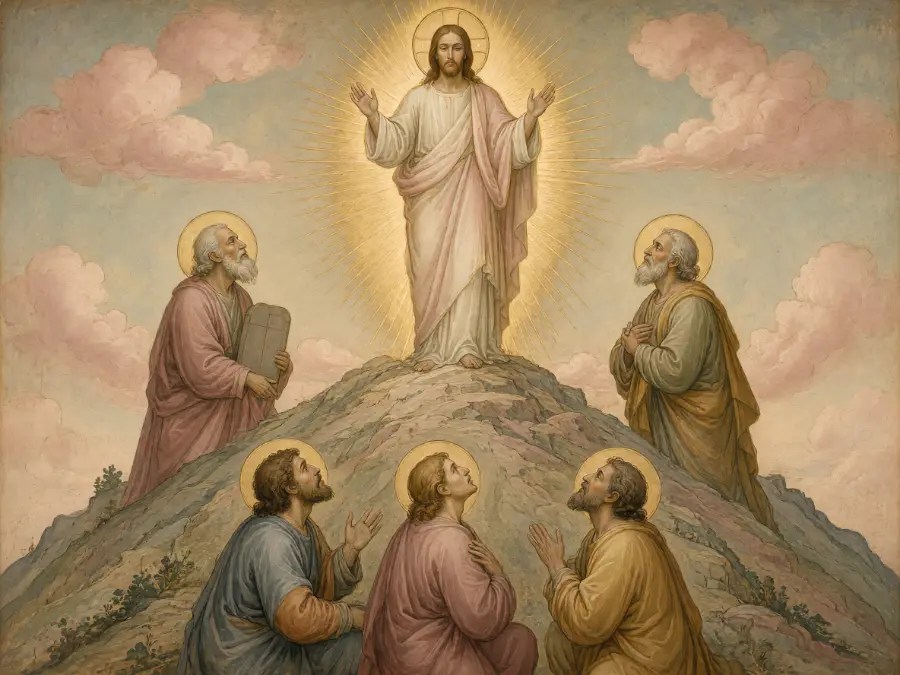
Genesis 1:27
“So God created mankind in his own image, in the image of God he created them; male and female he created them.”
Reflection: The narrator repeats God’s intention as a finished act and adds “male and female he created them,” so the image of God is stated of both sexes in the same line. The blessing in the next verse is spoken to both: “Be fruitful and increase in number.”
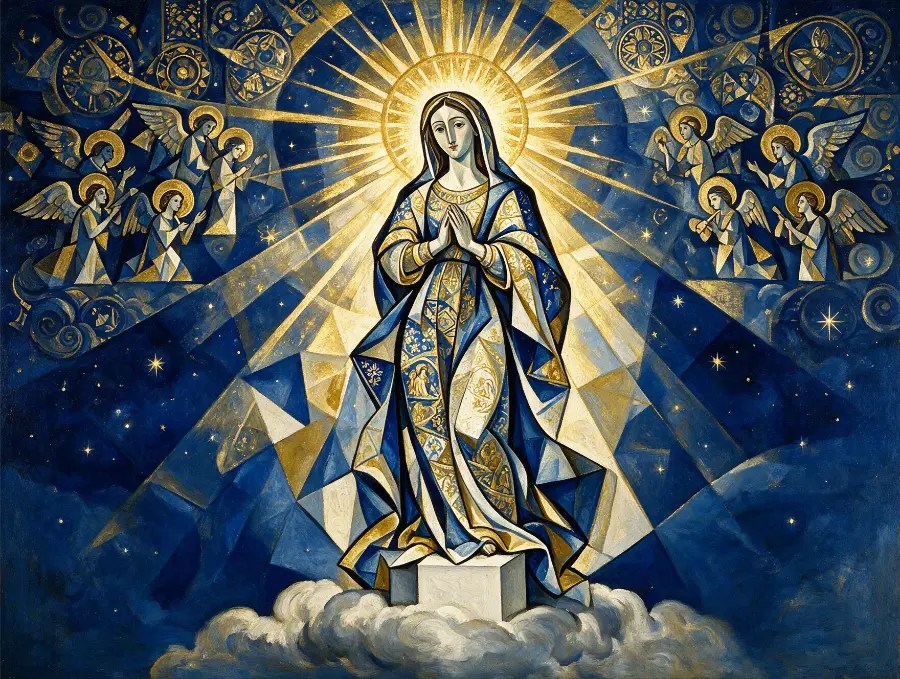
Genesis 5:1-2
“This is the written account of Adam’s family line. When God created mankind, he made them in the likeness of God. He created them male and female and blessed them. And he named them ‘Mankind’ when they were created.”
Reflection: These verses open the written account of Adam’s family line, after the expulsion from Eden and the murder of Abel in chapters 3 and 4, and they restate the creation of mankind “in the likeness of God.” The next verse uses the same two words for a human father and son: Adam “had a son in his own likeness, in his own image; and he named him Seth.”

Psalm 8:4-6
“what is mankind that you are mindful of them, human beings that you care for them? You have made them a little lower than the angels and crowned them with glory and honor. You made them rulers over the works of your hands; you put everything under their feet.”
Reflection: David asks the question while looking at the moon and stars, “the work of your fingers” (verse 3). His answer follows Genesis 1: God has crowned human beings with glory and honor and put under their feet flocks, herds, wild animals, birds and fish, much the same creatures Genesis 1:26 names. Hebrews 2:6-9 quotes the psalm, adds that “at present we do not see everything subject to them,” and continues, “But we do see Jesus.”
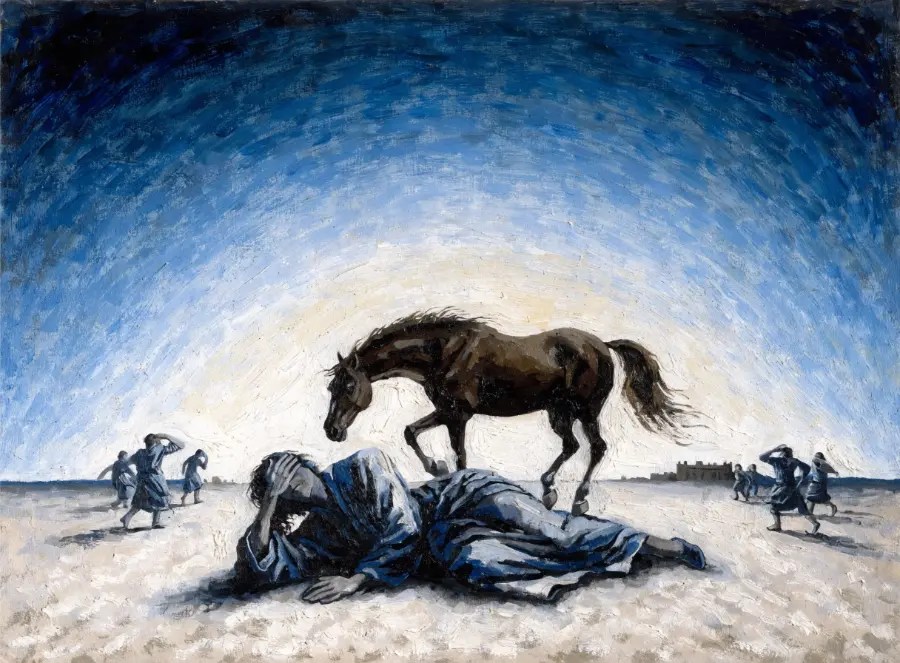
1 Corinthians 11:7
“A man ought not to cover his head, since he is the image and glory of God; but woman is the glory of man.”
Reflection: Paul is writing about men and women who pray or prophesy with their heads covered or uncovered (verses 4-5). He calls man “the image and glory of God” and woman “the glory of man,” arguing from Genesis 2, where the woman is made from the man (verse 8). He then qualifies the argument: “in the Lord woman is not independent of man, nor is man independent of woman” and “everything comes from God” (verses 11-12).
How people made in the image are to be treated
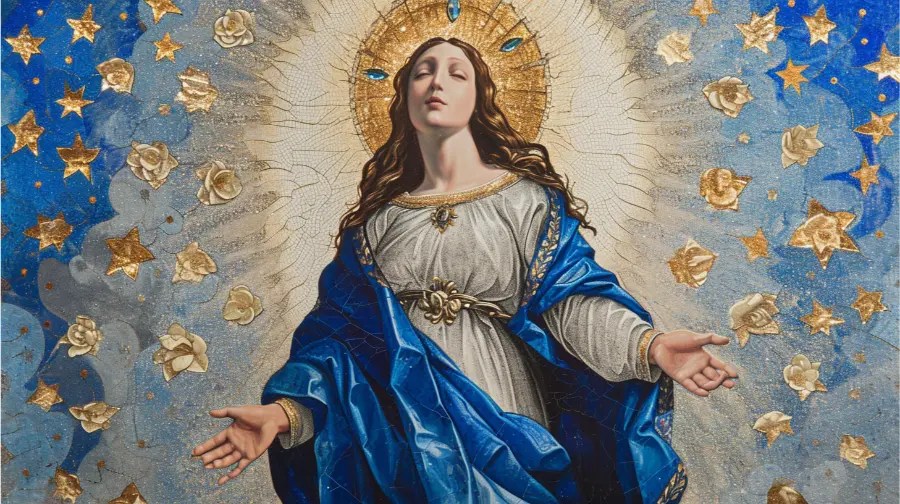
Genesis 9:6
“Whoever sheds human blood, by humans shall their blood be shed; for in the image of God has God made mankind.”
Reflection: After the flood God blesses Noah, gives him animals as food as well as plants, and forbids eating meat with its lifeblood still in it (verses 3-4). He then says he will demand an accounting for human life from every animal and every person (verse 5). The reason given for the penalty is the image: “in the image of God has God made mankind.”
James 3:9-10
“With the tongue we praise our Lord and Father, and with it we curse human beings, who have been made in God’s likeness. Out of the same mouth come praise and cursing. My brothers and sisters, this should not be.”
Reflection: James has just said that people have tamed every kind of animal but “no human being can tame the tongue” (verses 7-8). The same mouth blesses the Father and curses people made in his likeness, and James answers with images from nature: a spring does not give both fresh and salt water, and a fig tree does not bear olives (verses 11-12). His phrase for “in God’s likeness,” kath’ homoiosin, is the one Thayer’s lexicon traces to Genesis 1:26.
Christ, the image of God
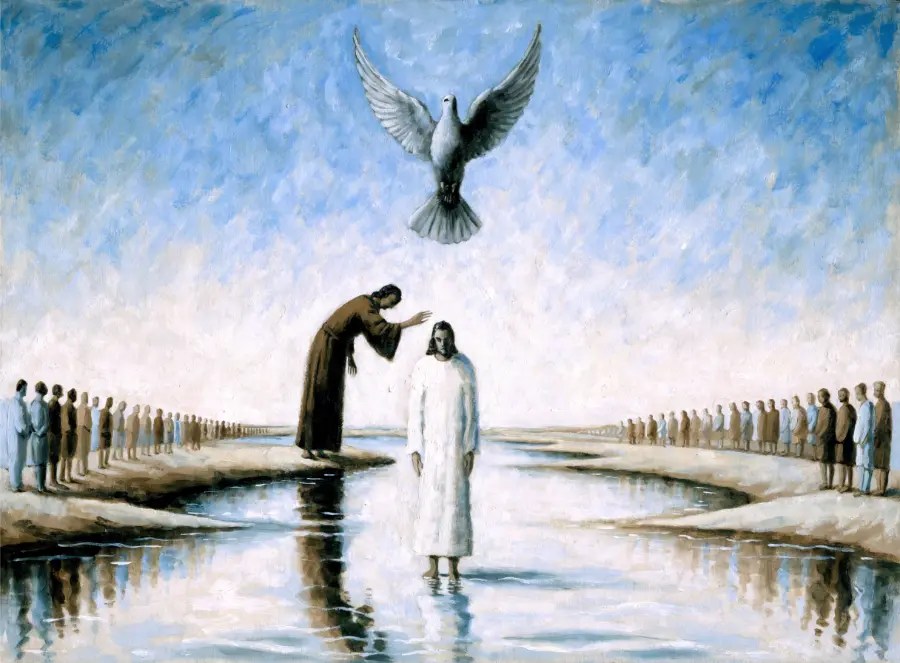
Colossians 1:15
“The Son is the image of the invisible God, the firstborn over all creation.”
Reflection: The Son in this verse is the one “in whom we have redemption, the forgiveness of sins” (verse 14). The following verses say that all things were created through him and for him and that “in him all things hold together” (verses 16-17). The Greek word for image is eikon, which Colossians 3:10 also uses for the Creator’s image in which the new self is renewed.
2 Corinthians 4:4
“The god of this age has blinded the minds of unbelievers, so that they cannot see the light of the gospel that displays the glory of Christ, who is the image of God.”
Reflection: Paul is defending his ministry and explaining why his gospel is veiled to some: “the god of this age” has blinded them to the glory of Christ, the image of God. Two verses later he joins this to creation, saying that the God who said “Let light shine out of darkness” gives “the light of the knowledge of God’s glory displayed in the face of Christ” (verse 6).
Believers renewed in the image
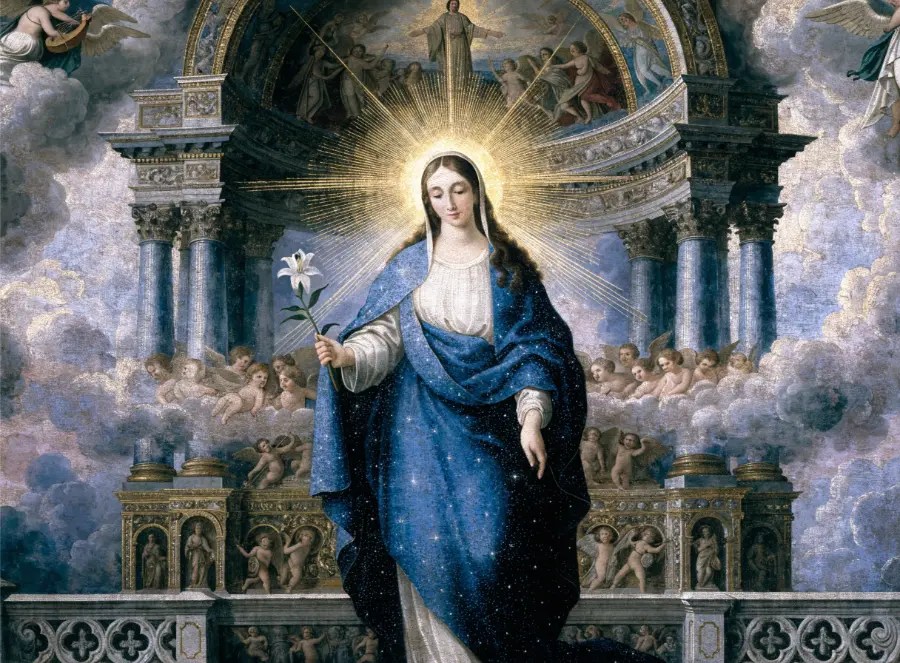
Colossians 3:9-10
“Do not lie to each other, since you have taken off your old self with its practices and have put on the new self, which is being renewed in knowledge in the image of its Creator.”
Reflection: The command not to lie comes after a list of things to be put away: anger, rage, malice, slander and filthy language (verse 8). The new self is being renewed “in the image of its Creator,” and verse 11 says what follows in that renewed community: “Here there is no Gentile or Jew, circumcised or uncircumcised, barbarian, Scythian, slave or free, but Christ is all, and is in all.”
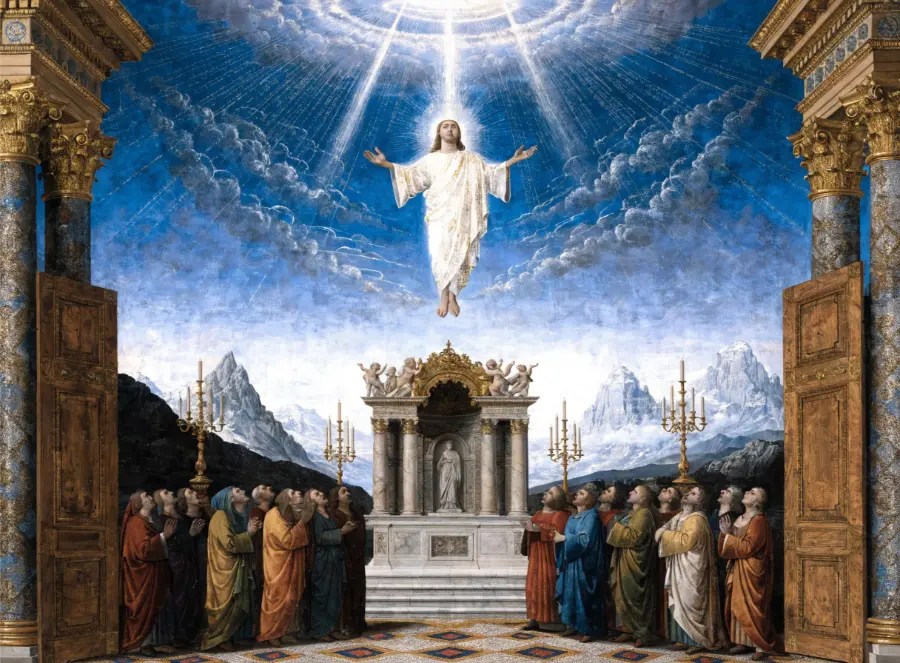
Ephesians 4:22-24
“You were taught, with regard to your former way of life, to put off your old self, which is being corrupted by its deceitful desires; to be made new in the attitude of your minds; and to put on the new self, created to be like God in true righteousness and holiness.”
Reflection: Ephesians describes the new self as “created to be like God in true righteousness and holiness,” using the language of creation. As in Colossians 3:9-10, the first command drawn from it concerns truthfulness: “each of you must put off falsehood and speak truthfully to your neighbor, for we are all members of one body” (verse 25).
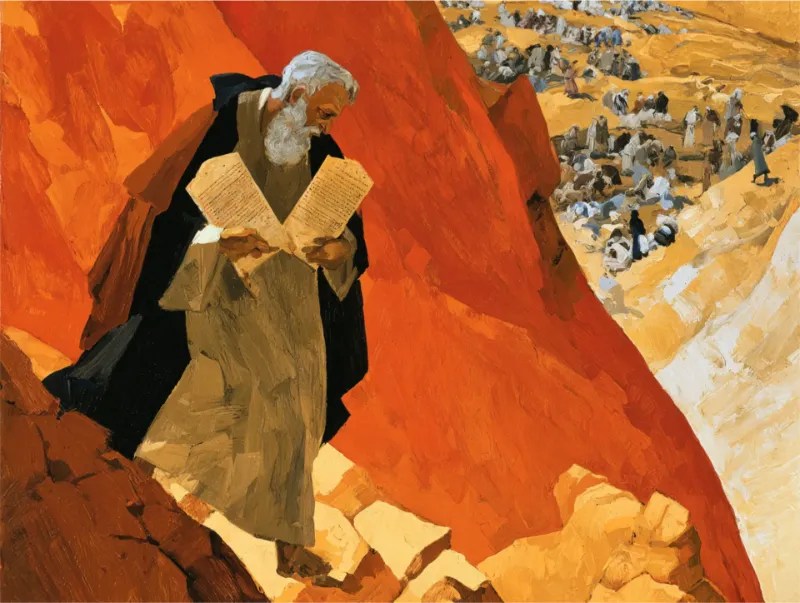
2 Corinthians 3:18
“And we all, who with unveiled faces contemplate the Lord’s glory, are being transformed into his image with ever-increasing glory, which comes from the Lord, who is the Spirit.”
Reflection: Paul contrasts believers with Moses, who veiled his face, and says that “whenever anyone turns to the Lord, the veil is taken away” (verse 16). The verb is present and continuing, “are being transformed,” and the change is into the Lord’s image, which Paul names in 2 Corinthians 4:4 as Christ, “the image of God.”
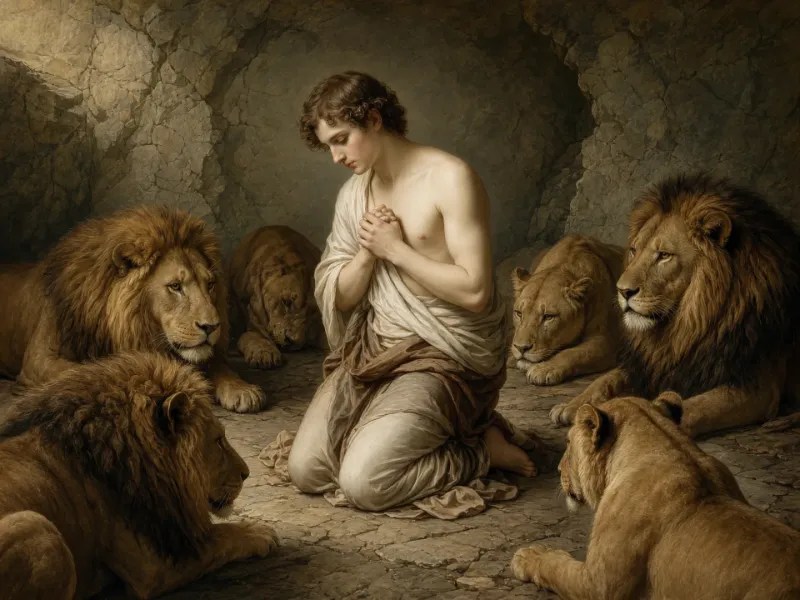
Romans 8:29
“For those God foreknew he also predestined to be conformed to the image of his Son, that he might be the firstborn among many brothers and sisters.”
Reflection: The verse follows the promise that “in all things God works for the good of those who love him” (verse 28), and it states the goal of God’s foreknowing and predestining: conformity to the image of his Son, who is to be “the firstborn among many brothers and sisters.” Verse 30 continues the chain through calling, justifying and glorifying.
The image at the resurrection
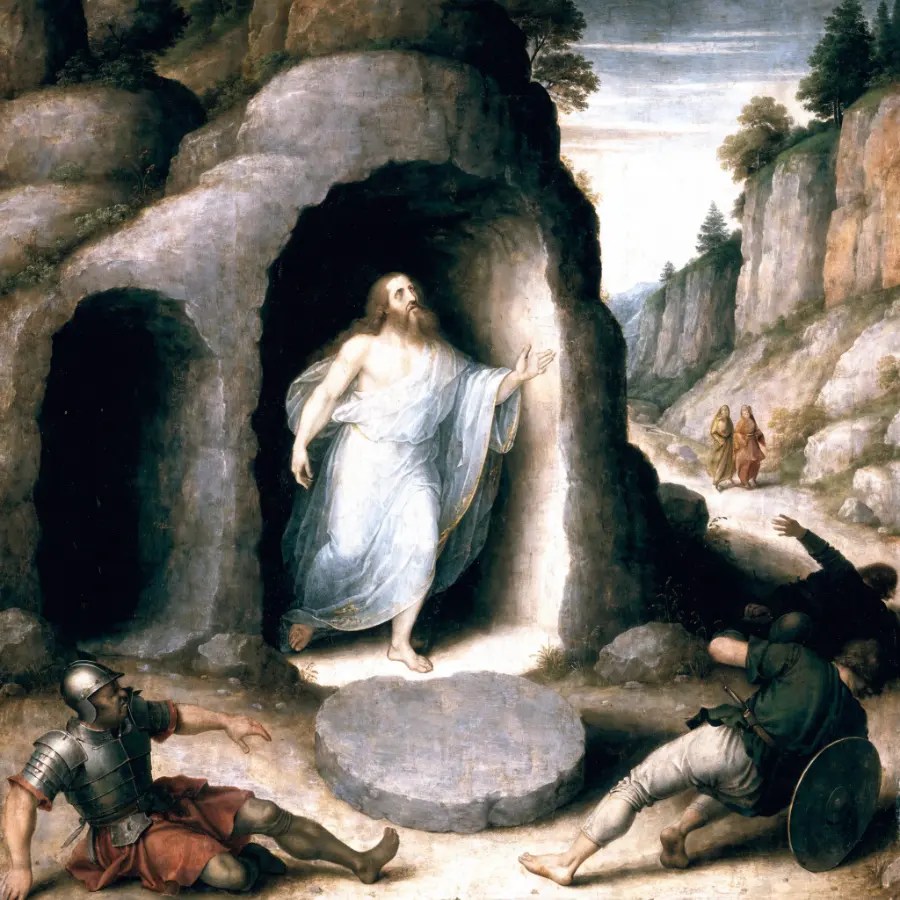
1 Corinthians 15:49
“And just as we have borne the image of the earthly man, so shall we bear the image of the heavenly man.”
Reflection: The verse closes Paul’s comparison of the first Adam, “of the dust of the earth,” with Christ, “the last Adam,” in a chapter about the resurrection of the body. He quotes Genesis 2:7, “The first man Adam became a living being” (verse 45), and speaks of the body sown perishable and raised imperishable (verse 42). The first half of the verse is past, the second future: believers have borne the earthly man’s image and will bear the heavenly man’s.
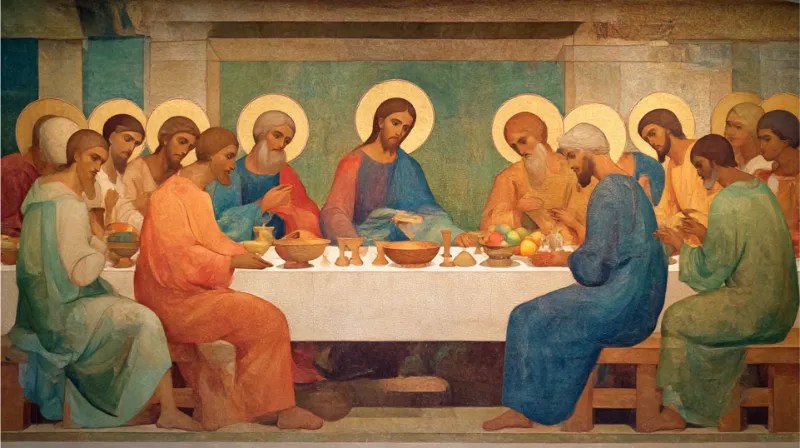
1 John 3:2
“Dear friends, now we are children of God, and what we will be has not yet been made known. But we know that when Christ appears, we shall be like him, for we shall see him as he is.”
Reflection: John writes that believers are children of God now, but “what we will be has not yet been made known.” He does not use the word image; he says “we shall be like him, for we shall see him as he is.” The next verse draws a present duty from that hope: “All who have this hope in him purify themselves, just as he is pure.”
What the text leaves open
Genesis 1 does not say what the image of God consists of. Genesis 3, the account of the first disobedience, does not mention the image, and later passages still speak of people as made in it (Genesis 9:6) or in God’s likeness (James 3:9).


Leave a Reply