
 English
 Chinese
 Dutch
 Arabic
 Spanish
 Portuguese
 Russian
 French
 Italian
 German
 Japanese
The Bible says God made human beings in his own image, male and female, and formed the first man from the dust of the ground and breathed life into him. Both statements come from the opening chapters, Genesis 1:26-28 and Genesis 2:7.
Genesis tells it in two accounts side by side: in Genesis 1 God makes mankind in God’s image and gives them rule over the animals, and in Genesis 2:7-23 the Lord God forms the man and then makes the woman from one of his ribs. Later writers return to both accounts: Psalm 8:4-6 asks why God gave human beings such a place, Psalm 139:13-16 and Job 10:8-9 apply God’s shaping to one person’s body, and 1 Corinthians 15:45 sets Christ beside Adam. The Hebrew word for mankind in Genesis 1:26-27 is adam, which also becomes the name of the first man, and Genesis 2:7 forms him from the adamah, the ground, a word from the same root.
Made in the image of God
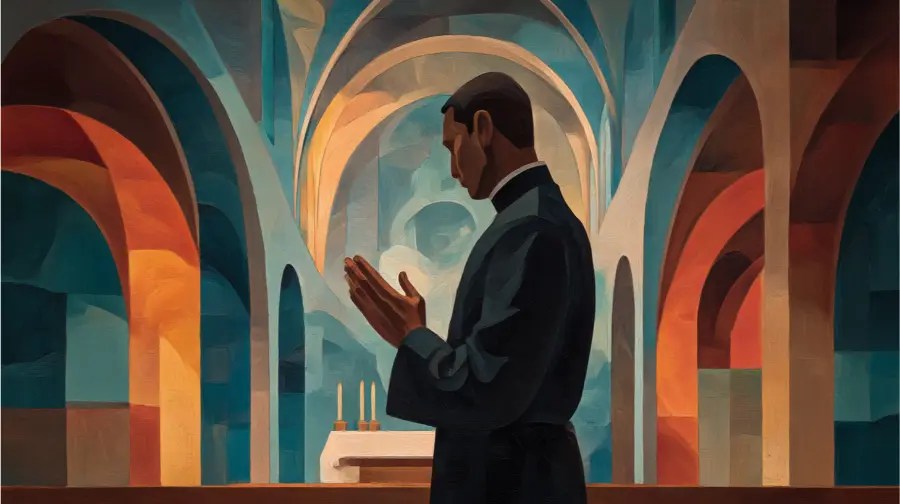
Genesis 1:26
“Then God said, ‘Let us make mankind in our image, in our likeness, so that they may rule over the fish in the sea and the birds in the sky, over the livestock and all the wild animals, and over all the creatures that move along the ground.’”
Reflection: On the sixth day, after the land animals, God speaks in the plural: “Let us make mankind in our image, in our likeness.” The same sentence gives the purpose, that they may rule over the fish, the birds, the livestock and every creature that moves along the ground. The chapter does not define the image, but it joins the image to that rule with the words “so that.”
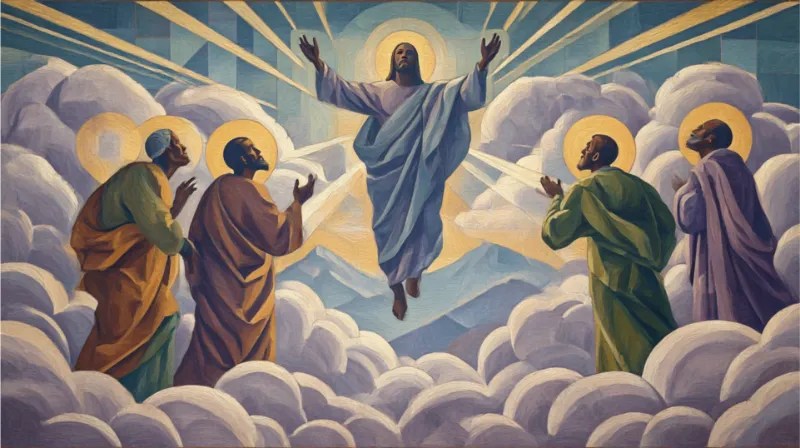
Genesis 1:27
“So God created mankind in his own image, in the image of God he created them; male and female he created them.”
Reflection: The narrative moves from the plural “our image” of verse 26 to the singular “his own image,” and it names both sexes as made in it: “male and female he created them.” Jesus quotes this line in Matthew 19:4, “at the beginning the Creator ‘made them male and female,’” when Pharisees ask him about divorce.
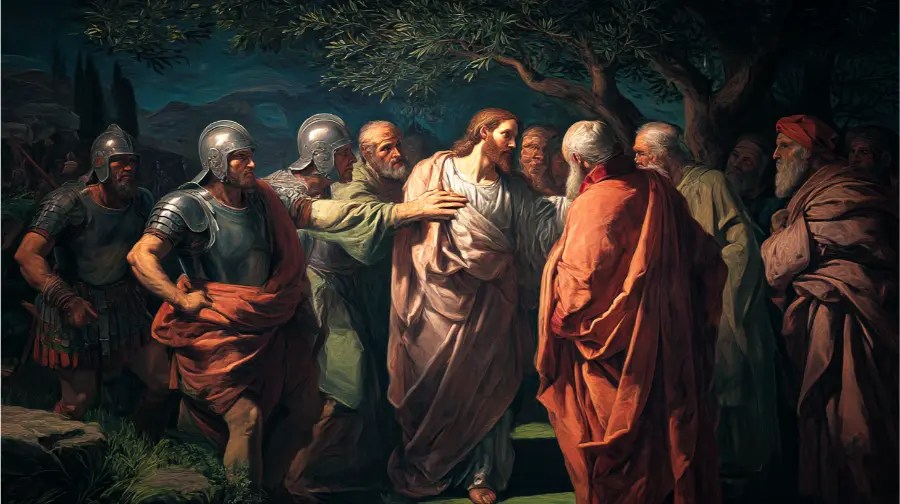
Genesis 1:28
“God blessed them and said to them, ‘Be fruitful and increase in number; fill the earth and subdue it. Rule over the fish in the sea and the birds in the sky and over every living creature that moves on the ground.’”
Reflection: God’s words to the man and woman begin with a blessing and go on to a command to fill the earth and rule over its creatures, the rule announced in verse 26 now given to them directly. Verse 29 adds food, every seed-bearing plant and fruit tree, and verse 31 closes the day with God seeing all he had made as “very good.”
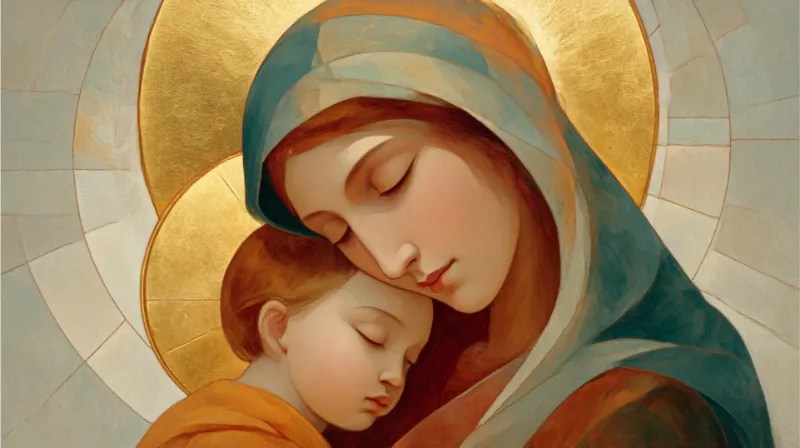
Genesis 5:1-2
“This is the written account of Adam’s family line. When God created mankind, he made them in the likeness of God. He created them male and female and blessed them. And he named them ‘Mankind’ when they were created.”
Reflection: The record of Adam’s family line opens by restating Genesis 1: God made mankind “in the likeness of God,” male and female, and blessed them. The next verse uses the same language for Adam’s son: Adam “had a son in his own likeness, in his own image; and he named him Seth.” The name “Mankind” in verse 2 translates adam, the word that is also Adam’s name.
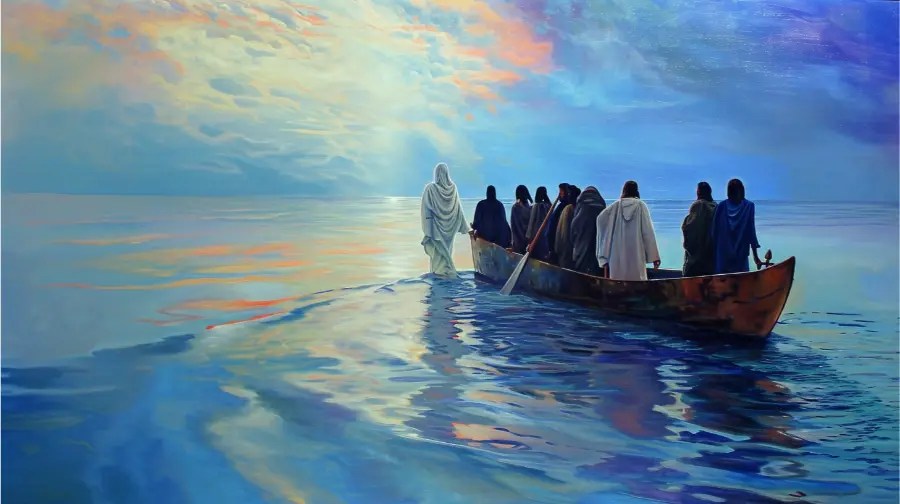
Genesis 9:6
“Whoever sheds human blood, by humans shall their blood be shed; for in the image of God has God made mankind.”
Reflection: After the flood, God gives Noah and his sons a law against killing and grounds it in creation: “for in the image of God has God made mankind.” The law is addressed to Noah’s family, generations after Adam, and still rests on the image. James 3:9 applies the same reasoning to speech, faulting the tongue that curses “human beings, who have been made in God’s likeness.”
Formed from the dust, with breath and spirit from God
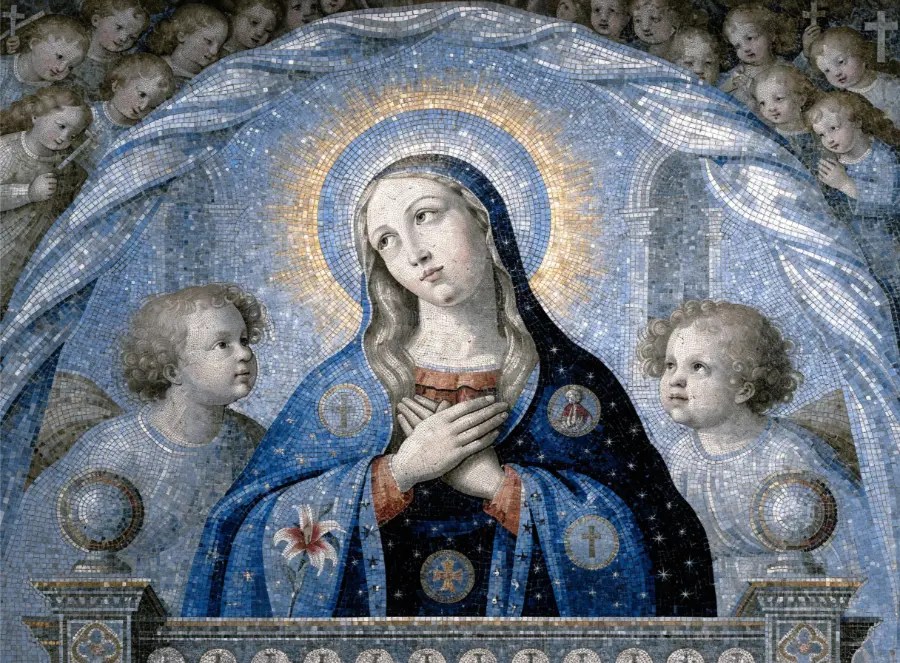
Genesis 2:7
“Then the LORD God formed a man from the dust of the ground and breathed into his nostrils the breath of life, and the man became a living being.”
Reflection: The second account describes how the Lord God made the man: he formed him from the dust of the ground and breathed into his nostrils the breath of life. The man (adam) comes from the ground (adamah), and he becomes a living being after the breath is given. Genesis 1:30 uses “the breath of life” of the animals as well; Genesis 2:7 is where God breathes it into the man himself.
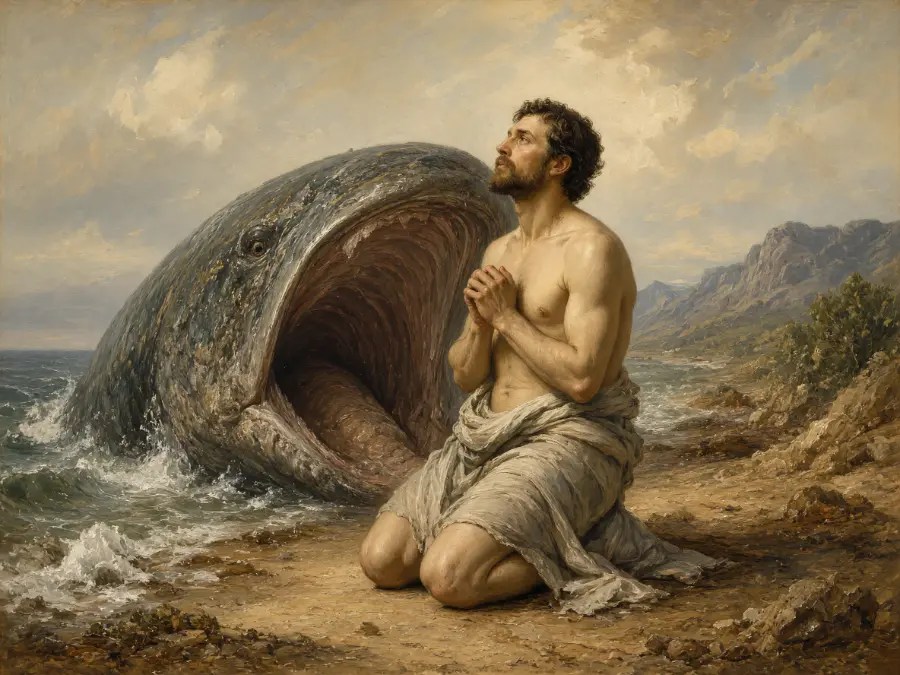
Zechariah 12:1
“…the LORD, who stretches out the heavens, who lays the foundation of the earth, and who forms the human spirit within a person.”
Reflection: A prophecy concerning Israel opens by naming the Lord as the one who stretches out the heavens, lays the foundation of the earth and “forms the human spirit within a person.” Zechariah sets the making of the human spirit beside the making of heaven and earth as the credentials of the God whose word about Jerusalem follows.
The man and the woman
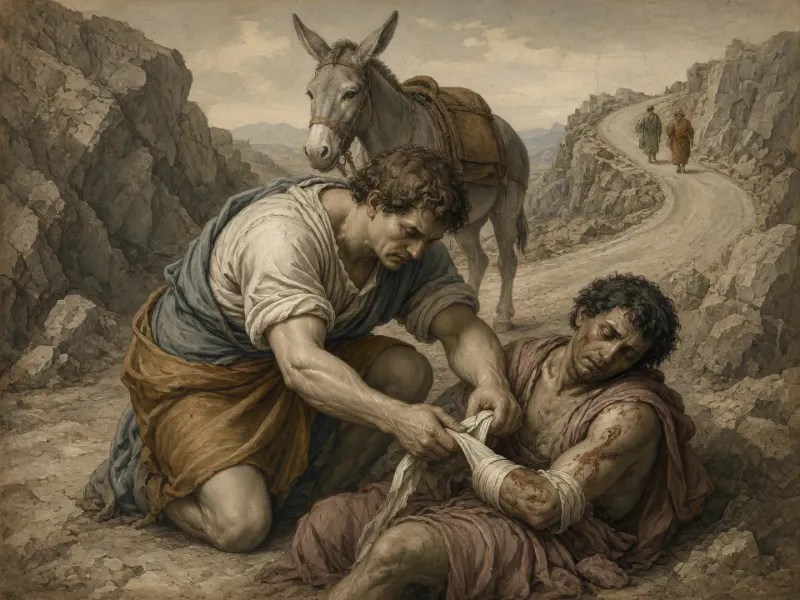
Genesis 2:18
“The LORD God said, ‘It is not good for the man to be alone. I will make a helper suitable for him.’”
Reflection: In a chapter of things God makes and plants, this is the one thing he calls “not good”: the man being alone. Verses 19-20 have the man name the livestock, birds and wild animals, “but for Adam no suitable helper was found,” and the woman is made after that search.
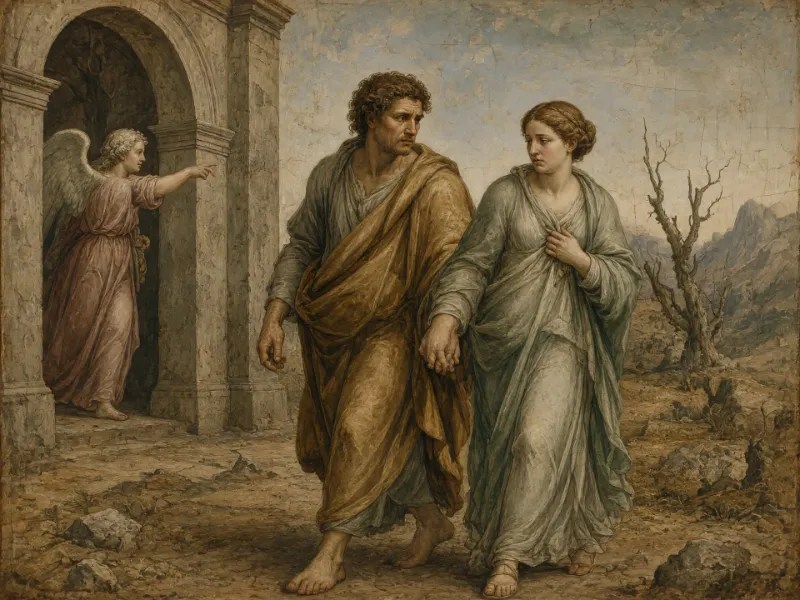
Genesis 2:23
“The man said, ‘This is now bone of my bones and flesh of my flesh; she shall be called ‘woman,’ for she was taken out of man.’”
Reflection: The Lord God makes the woman from a rib taken from the man while he sleeps, and the man’s words when he sees her play on two Hebrew words, ishshah, woman, and ish, man. Verse 24 follows: “That is why a man leaves his father and mother and is united to his wife, and they become one flesh,” the line Jesus quotes alongside Genesis 1:27 in Matthew 19:5.
Each person made by God
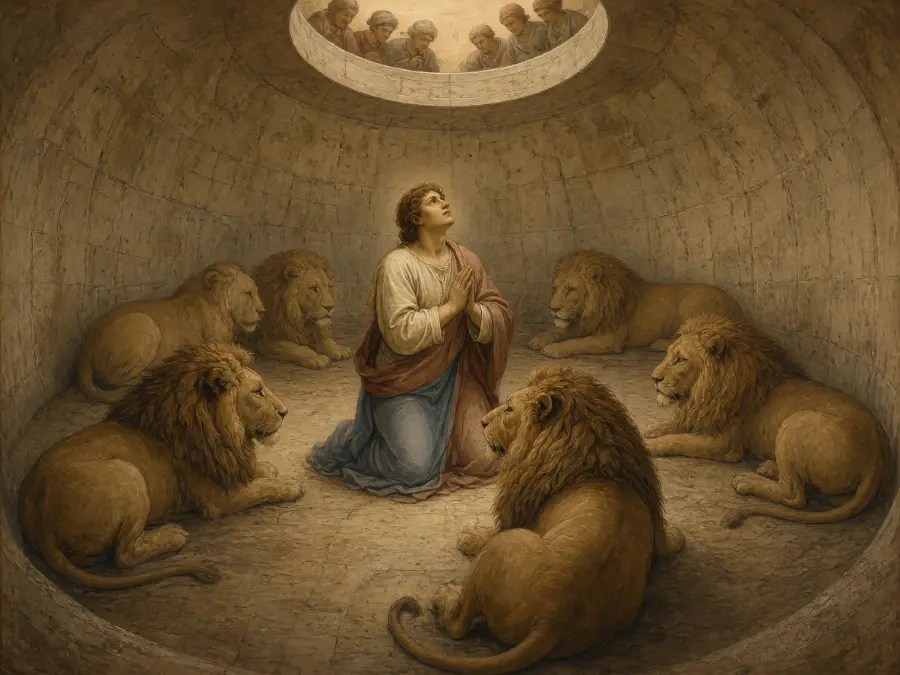
Job 10:8-9
“Your hands shaped me and made me. Will you now turn and destroy me? Remember that you molded me like clay. Will you now turn me to dust again?”
Reflection: Job speaks to God in the middle of his suffering and uses his own making as an argument: the hands that shaped him now seem bent on destroying him. “Molded me like clay” and “turn me to dust again” use the language of Genesis 2:7 and of the sentence on Adam in Genesis 3:19, “for dust you are and to dust you will return.” Verses 10-12 go on to describe God knitting him together “with bones and sinews” and giving him life.
Psalm 139:13-14
“For you created my inmost being; you knit me together in my mother’s womb. I praise you because I am fearfully and wonderfully made; your works are wonderful, I know that full well.”
Reflection: David’s psalm moves from God knowing him (verses 1-6) and being present wherever he goes (verses 7-12) to God making him. God “knit me together in my mother’s womb,” and the response is praise: “I am fearfully and wonderfully made.”
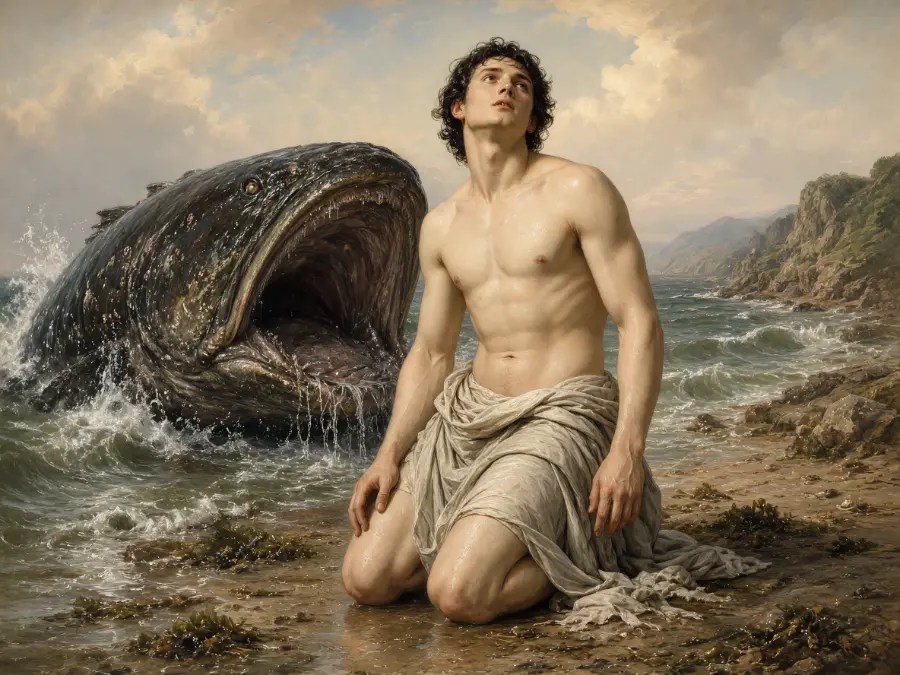
Psalm 139:15-16
“My frame was not hidden from you when I was made in the secret place, when I was woven together in the depths of the earth. Your eyes saw my unformed body; all the days ordained for me were written in your book before one of them came to be.”
Reflection: The psalmist’s frame was “made in the secret place” and “woven together in the depths of the earth”; verse 13 has already placed that making in his mother’s womb. God saw his “unformed body” and wrote all the days ordained for him in a book before one of them came to be.
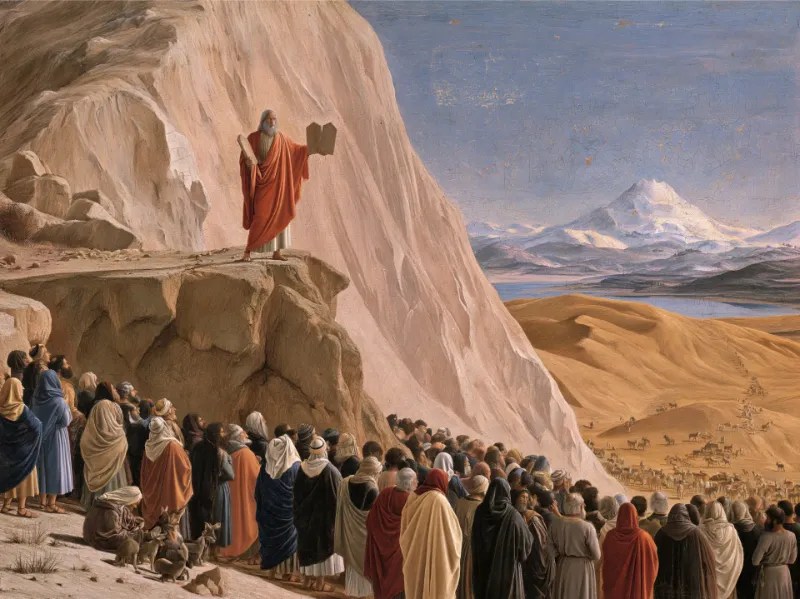
Jeremiah 1:5
“Before I formed you in the womb I knew you, before you were born I set you apart; I appointed you as a prophet to the nations.”
Reflection: The Lord speaks to Jeremiah at his call, and the forming in the womb comes with knowledge and an appointment: “I appointed you as a prophet to the nations.” Jeremiah answers in verse 6 that he does not know how to speak and is too young, and the Lord tells him not to say so.
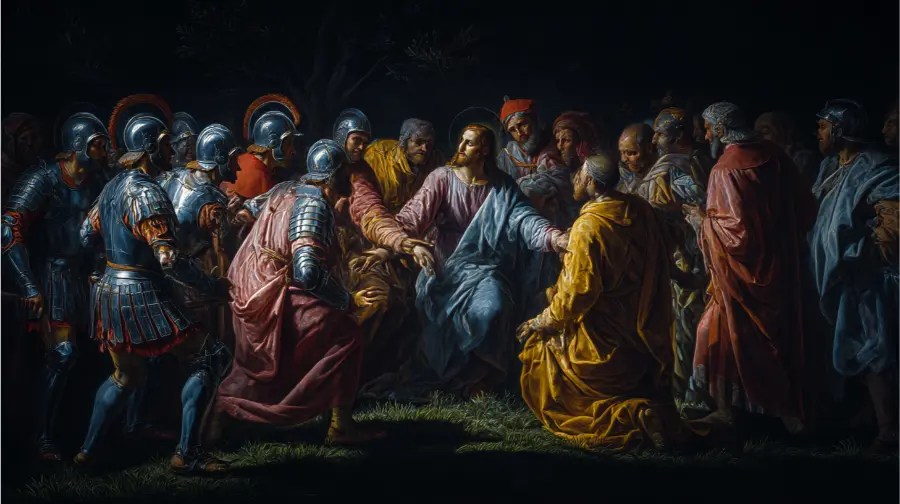
Isaiah 64:8
“Yet you, LORD, are our Father. We are the clay, you are the potter; we are all the work of your hand.”
Reflection: The verse sits within a prayer that confesses the people’s sin (verses 5-7) and describes the holy cities as a wasteland and the temple burned (verses 10-11). Against that, the people appeal to God as Father and potter, and verse 9 makes the request: “Do not be angry beyond measure, Lord; do not remember our sins forever.”
What being made by God means for people
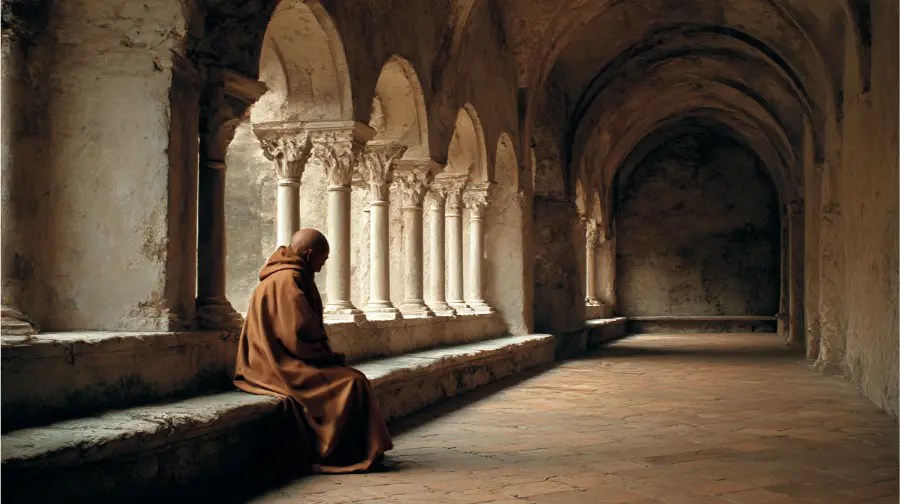
Psalm 8:4-6
“what is mankind that you are mindful of them, human beings that you care for them? You have made them a little lower than the angels and crowned them with glory and honor. You made them rulers over the works of your hands; you put everything under their feet.”
Reflection: David asks the question after looking at the night sky, “the work of your fingers, the moon and the stars” (verse 3). The answer restates Genesis 1:26-28: human beings are crowned with glory and honor and made rulers over the works of God’s hands, with flocks, wild animals, birds and fish under their feet. Hebrews 2:6-8 quotes the passage and applies it to Jesus.
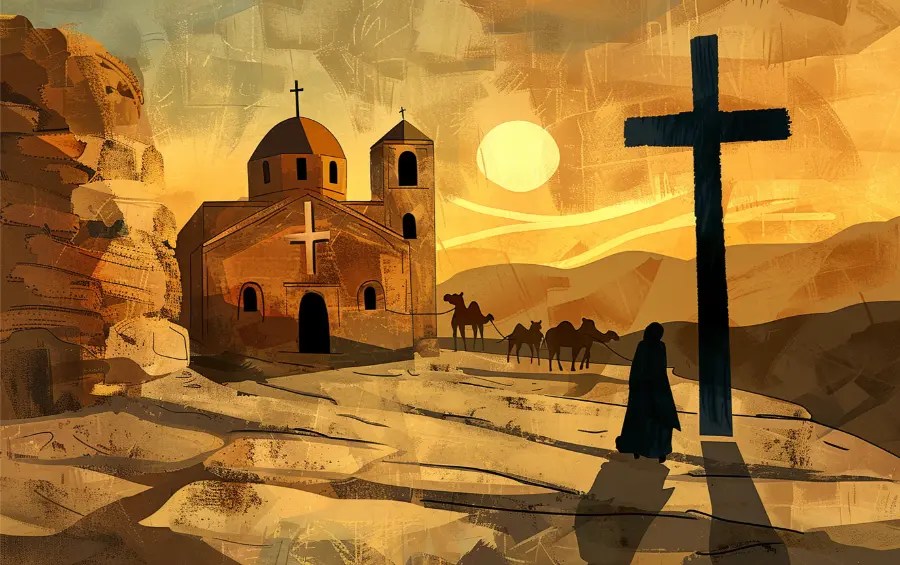
Psalm 100:3
“Know that the LORD is God. It is he who made us, and we are his; we are his people, the sheep of his pasture.”
Reflection: A call to worship addressed to “all the earth” (verse 1) gives its reason in this verse: the Lord made us, and we are his. The same verse calls the worshippers “his people, the sheep of his pasture,” and verse 4 sends them into his gates with thanksgiving.
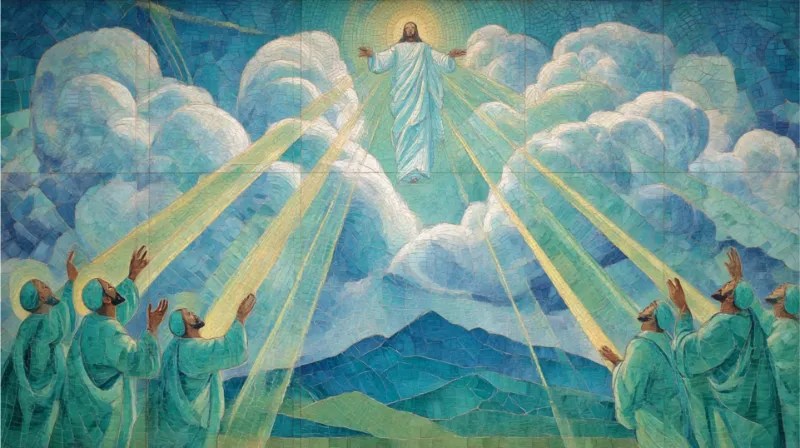
Isaiah 43:7
“everyone who is called by my name, whom I created for my glory, whom I formed and made.”
Reflection: God promises to bring his sons and daughters back from the north, the south and the ends of the earth (verse 6), and describes them as people “whom I created for my glory, whom I formed and made.” Created, formed and made are the verbs Genesis 1:26-27 and 2:7 use for the making of mankind.
Malachi 2:10
“Do we not all have one Father? Did not one God create us? Why do we profane the covenant of our ancestors by being unfaithful to one another?”
Reflection: Malachi uses the shared Creator as a charge against the people of Judah: one God created them all, and their unfaithfulness to one another profanes the covenant of their ancestors. Verse 11 names the offence, marrying “women who worship a foreign god,” and verse 14 turns to men breaking faith with “the wife of your youth.”
Acts 17:28
“‘For in him we live and move and have our being.’ As some of your own poets have said, ‘We are his offspring.’”
Reflection: Paul is speaking to the council of the Areopagus in Athens. He has just said that God gives everyone life and breath (verse 25) and made all the nations from one man (verse 26), and he quotes Greek poets to the same effect. Verse 29 draws the conclusion: since people are God’s offspring, the divine being is not like an image of gold, silver or stone made by human skill.
The last Adam and the new self
1 Corinthians 15:45
“So it is written: ‘The first man Adam became a living being’; the last Adam, a life-giving spirit.”
Reflection: Paul quotes Genesis 2:7 and sets Christ beside Adam: the first man became a living being, the last Adam “a life-giving spirit.” Verses 47-49 continue the contrast: the first man was “of the dust of the earth,” the second “of heaven,” and “just as we have borne the image of the earthly man, so shall we bear the image of the heavenly man.” The chapter is about the resurrection of the body.
Ephesians 2:10
“For we are God’s handiwork, created in Christ Jesus to do good works, which God prepared in advance for us to do.”
Reflection: Paul has just said that salvation is by grace through faith, “not by works” (verses 8-9). He then calls believers God’s handiwork, “created in Christ Jesus,” and places good works after that creation, as what God prepared in advance for them to do.
Colossians 3:10
“…and have put on the new self, which is being renewed in knowledge in the image of its Creator.”
Reflection: The new self is “renewed in knowledge in the image of its Creator”; “image” recalls Genesis 1:27, where God creates mankind in his image. The verse supports the command of verse 9, “Do not lie to each other,” and verse 11 sets aside the divisions of Gentile and Jew, barbarian, Scythian, slave and free.


Leave a Reply