
 English
 Chinese
 Dutch
 Arabic
 Spanish
 Portuguese
 Russian
 French
 Italian
 German
 Japanese
The Bible treats clothing as something God provides, something the law regulates, something owed to people who have none, and a picture of the righteousness God gives. In Eden, Adam and Eve sew fig leaves and God then makes them garments of skin (Genesis 3:7, 21).
The law of Moses forbids a woman to wear men’s clothing and a man to wear women’s (Deuteronomy 22:5), and further on in the same chapter it forbids clothes of wool and linen woven together (Deuteronomy 22:11). Paul and Peter set good deeds and “a gentle and quiet spirit” above gold and expensive clothes (1 Timothy 2:9-10; 1 Peter 3:3-4). Jesus tells his hearers not to worry about what they will wear (Matthew 6:28-30) and counts clothing the naked as done for him (Matthew 25:36).
In Zechariah’s vision, the filthy clothes of Joshua the high priest are taken off with the words “See, I have taken away your sin” (Zechariah 3:4). Paul tells the church in Rome to “clothe yourselves with the Lord Jesus Christ” (Romans 13:14).
Clothes as a need and a gift
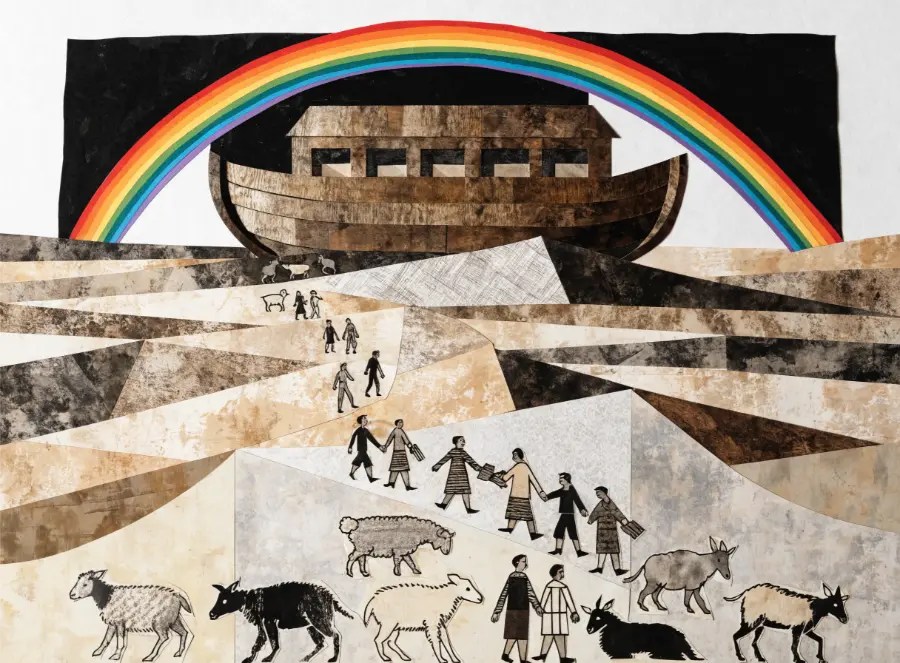
Genesis 3:7
“Then the eyes of both of them were opened, and they realized they were naked; so they sewed fig leaves together and made coverings for themselves.”
Reflection: The man and woman sew fig leaves together as soon as their eyes are opened after eating from the tree. The coverings do not end their fear: in the next verses they hide among the trees, and the man says, “I was afraid because I was naked; so I hid.” God answers with a question: “Who told you that you were naked?”
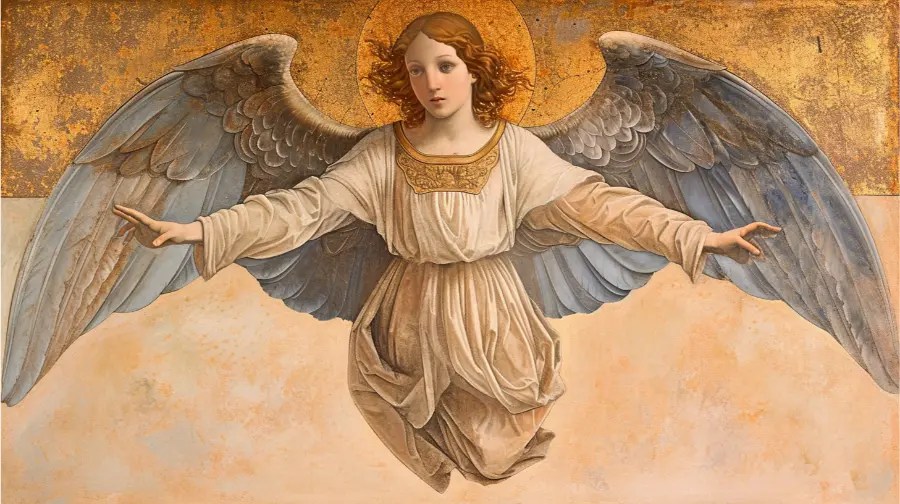
Genesis 3:21
“The LORD God made garments of skin for Adam and his wife and clothed them.”
Reflection: After the fig leaves of verse 7, God makes garments of skin and dresses the man and his wife himself. The verse comes just before God banishes the man from the Garden of Eden (3:22-24), so the clothing is made before they leave.
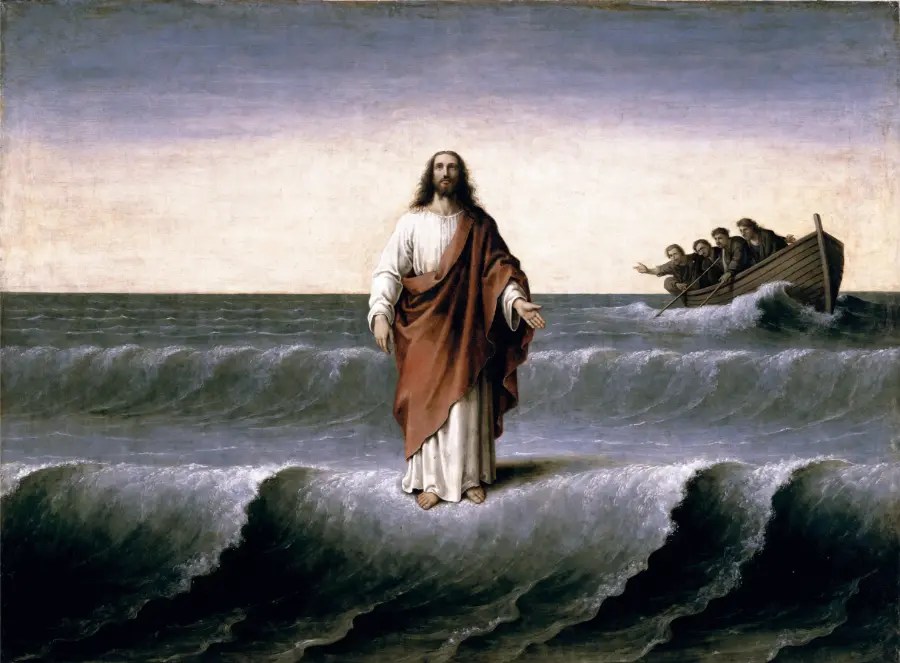
Deuteronomy 8:4
“Your clothes did not wear out and your feet did not swell during these forty years.”
Reflection: Moses reminds Israel of the wilderness years, when God humbled them, let them hunger and fed them with manna “to teach you that man does not live on bread alone” (8:3). The next item in his list of what God did is clothing that lasted forty years.
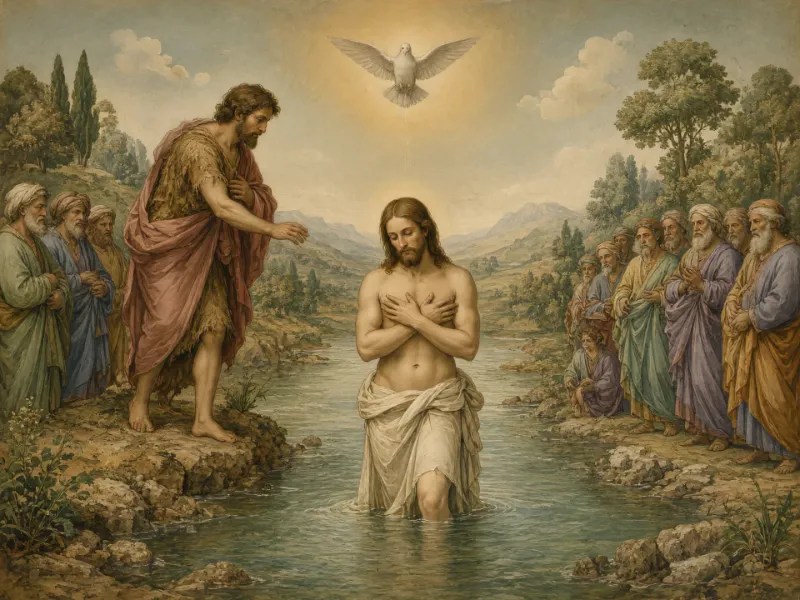
Matthew 6:28-30
“And why do you worry about clothes? See how the flowers of the field grow. They do not labor or spin. Yet I tell you that not even Solomon in all his splendor was dressed like one of these. If that is how God clothes the grass of the field, which is here today and tomorrow is thrown into the fire, will he not much more clothe you, you of little faith?”
Reflection: Jesus has just asked, “Is not life more than food, and the body more than clothes?” (6:25). Wild flowers do no spinning, yet Solomon was not dressed as well as they are. Verse 32 adds that “your heavenly Father knows that you need them,” and verse 33 tells the hearers to seek his kingdom first. Luke 12:22-28 records the same teaching given to the disciples.
Ecclesiastes 9:8
“Always be clothed in white, and always anoint your head with oil.”
Reflection: The Teacher sets white clothes and oil on the head between two other commands: to eat and drink with gladness, “for God has already approved what you do” (9:7), and to enjoy life with your wife, “for this is your lot in life” (9:9). Clothing here belongs with food, wine and marriage as part of the life “that God has given you under the sun.”
What the law and the prophets say about dress

Deuteronomy 22:5
“A woman must not wear men’s clothing, nor a man wear women’s clothing, for the LORD your God detests anyone who does this.”
Reflection: The law gives one reason, that “the LORD your God detests anyone who does this.” It does not describe what counted as men’s or women’s clothing in Israel.
Deuteronomy 22:11
“Do not wear clothes of wool and linen woven together.”
Reflection: Leviticus 19:19 gives the same rule in general terms, “Do not wear clothing woven of two kinds of material,” beside rules against mating different kinds of animals and sowing a field with two kinds of seed. Neither passage states a reason. The next verse in Deuteronomy commands tassels on the four corners of the cloak.
Isaiah 3:16, 18
“The LORD says, ‘The women of Zion are haughty, walking along with outstretched necks, flirting with their eyes, strutting along with swaying hips, with ornaments jingling on their ankles.’ … In that day the Lord will snatch away their finery: the bangles and headbands and crescent necklaces,”
Reflection: The charge in verse 16 is that the women of Zion are haughty. Verses 18-23 then list what will be taken from them, from bangles and nose rings to fine robes, purses, mirrors and tiaras, and verse 24 reverses their appearance item by item: “instead of fine clothing, sackcloth; instead of beauty, branding.”
Zephaniah 1:8
“On the day of the LORD’s sacrifice I will punish the officials and the king’s sons and all those clad in foreign clothes.”
Reflection: Zephaniah announces the day of the Lord as a sacrifice to which God has consecrated his guests (1:7). Those “clad in foreign clothes” are named beside the officials and the king’s sons, and verse 9 goes on to those who “fill the temple of their gods with violence and deceit.” The verse does not say which nation’s clothing is meant.
Adornment and character

1 Timothy 2:9-10
“I also want the women to dress modestly, with decency and propriety, adorning themselves, not with elaborate hairstyles or gold or pearls or expensive clothes, but with good deeds, appropriate for women who profess to worship God.”
Reflection: Paul’s instruction to women follows one to men, who are to pray “lifting up holy hands without anger or disputing” (2:8). Women are to dress with decency and propriety and to adorn themselves with good deeds, as fits women “who profess to worship God,” setting elaborate hairstyles, gold, pearls and expensive clothes aside.
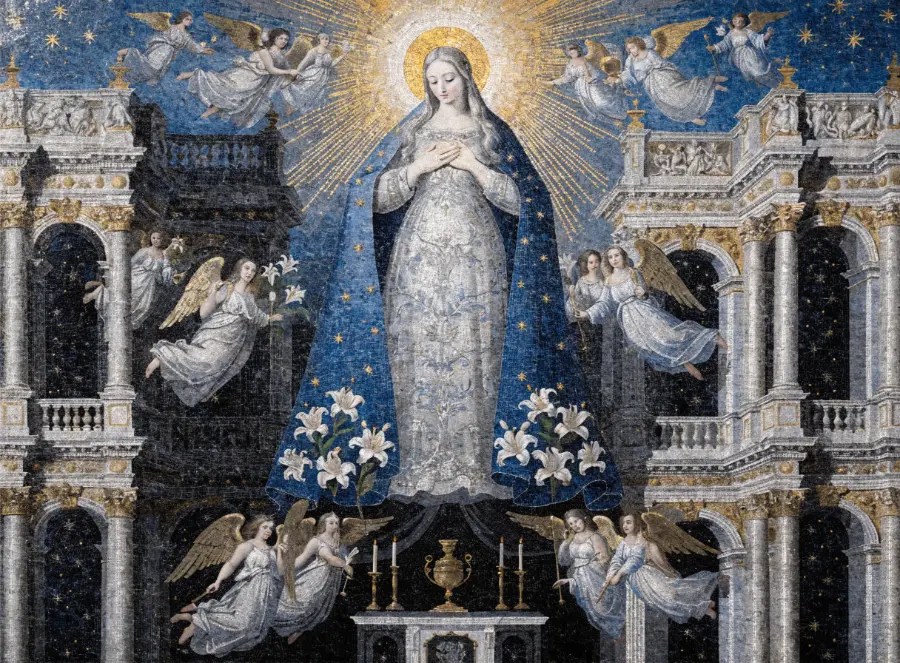
1 Peter 3:3-4
“Your beauty should not come from outward adornment, such as elaborate hairstyles and the wearing of gold jewelry or fine clothes. Rather, it should be that of your inner self, the unfading beauty of a gentle and quiet spirit, which is of great worth in God’s sight.”
Reflection: Peter writes to wives, some of them married to husbands who “do not believe the word” (3:1), and hopes their conduct will win those husbands over without words. He sets outward adornment against “the unfading beauty of a gentle and quiet spirit,” and verses 5-6 point to “the holy women of the past” who adorned themselves that way and submitted to their husbands, “like Sarah, who obeyed Abraham.”
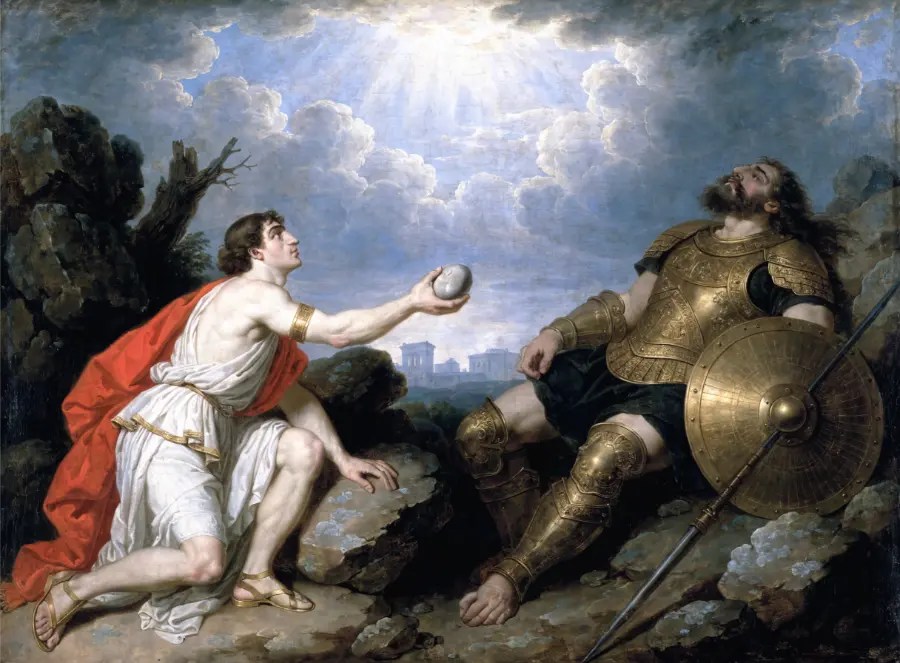
Proverbs 31:25
“She is clothed with strength and dignity; she can laugh at the days to come.”
Reflection: The woman in this poem dresses well: her household is “clothed in scarlet” when it snows, she wears “fine linen and purple,” and she makes linen garments, sells them and supplies the merchants with sashes (31:21-24). Verse 25 then describes her character in the same terms: she is clothed with strength and dignity.
Clothing people who have none
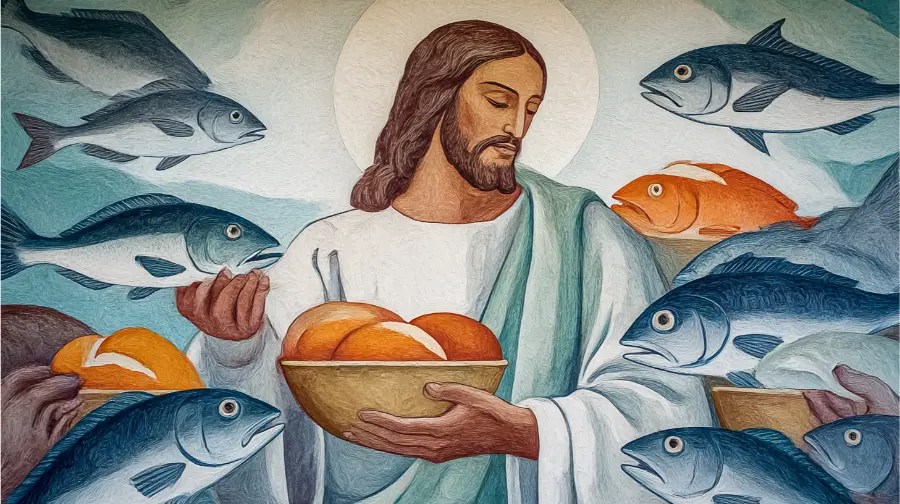
Isaiah 58:7
“Is it not to share your food with the hungry and to provide the poor wanderer with shelter—when you see the naked, to clothe them, and not to turn away from your own flesh and blood?”
Reflection: God describes the fast he has chosen. Verse 5 asks whether a fast is “only for bowing one’s head like a reed and for lying in sackcloth and ashes”; the fast God wants includes clothing the naked. The verse ends with the charge “not to turn away from your own flesh and blood.”
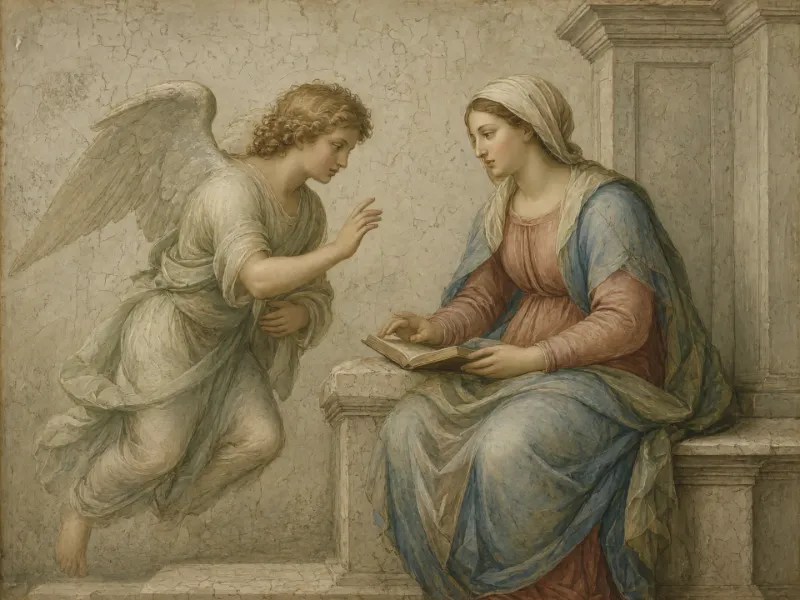
Matthew 25:36
“I needed clothes and you clothed me, I was sick and you looked after me, I was in prison and you came to visit me.”
Reflection: In the scene of the King’s judgment, clothing someone who needs clothes is one of six acts he names, with feeding the hungry, giving drink to the thirsty, welcoming the stranger, caring for the sick and visiting prisoners. The righteous ask when they ever saw him needing clothes, and he answers, “whatever you did for one of the least of these brothers and sisters of mine, you did for me” (25:40).

James 2:15-16
“Suppose a brother or a sister is without clothes and daily food. If one of you says to them, ‘Go in peace; keep warm and well fed,’ but does nothing about their physical needs, what good is it?”
Reflection: James gives the example of a brother or sister without clothes and daily food, sent away with a blessing and nothing else. It illustrates the question he opens with in verse 14, whether faith without deeds can save, and verse 17 gives his conclusion: “faith by itself, if it is not accompanied by action, is dead.”
Clothing as a picture of salvation and new life
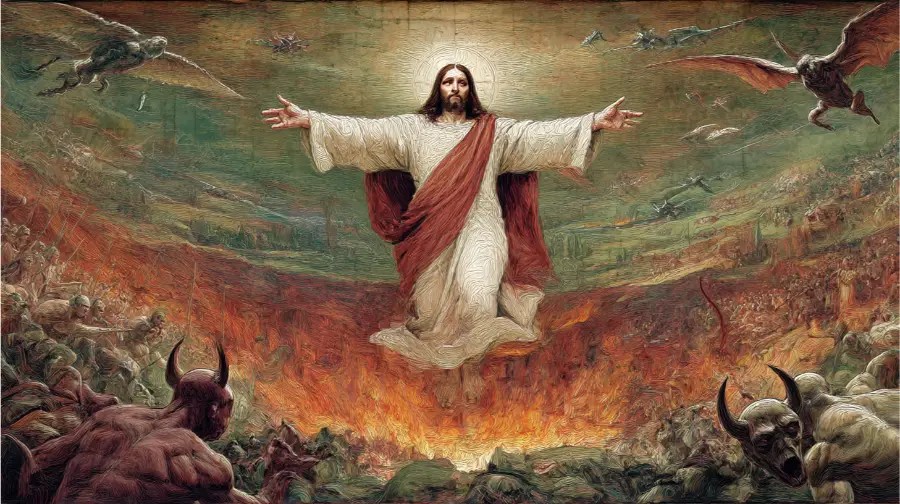
Zechariah 3:4
“The angel said to those who were standing before him, ‘Take off his filthy clothes.’ Then he said to Joshua, ‘See, I have taken away your sin, and I will put fine garments on you.’”
Reflection: In Zechariah’s vision, Joshua the high priest stands before the angel of the Lord in filthy clothes, with Satan at his right side to accuse him (3:1-3). The angel has the clothes taken off and explains the act himself: “I have taken away your sin.” Zechariah then asks for a clean turban, and they dress Joshua while the angel of the Lord stands by.
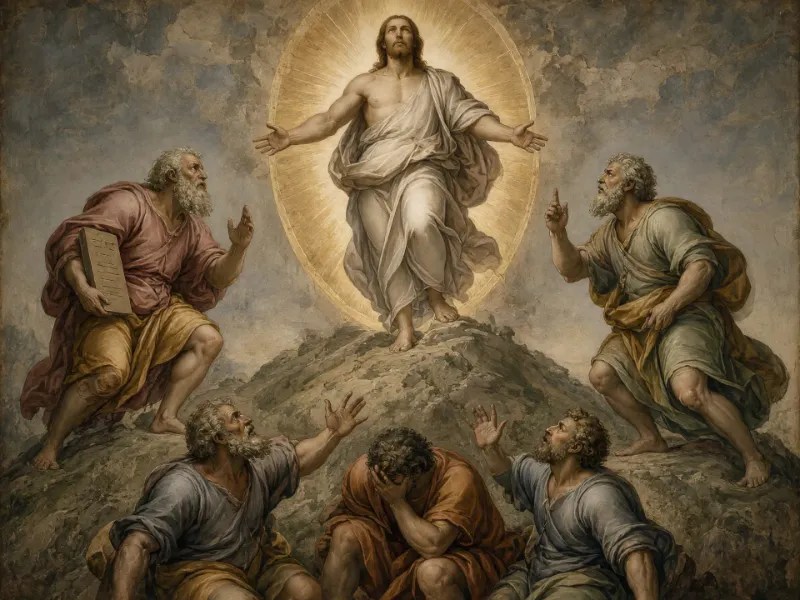
Isaiah 61:10
“I delight greatly in the LORD; my soul rejoices in my God. For he has clothed me with garments of salvation and arrayed me in a robe of his righteousness, as a bridegroom adorns his head like a priest, and as a bride adorns herself with her jewels.”
Reflection: Here God is the one who dresses the speaker, with “garments of salvation” and “a robe of his righteousness.” The verse goes on to compare this clothing to a bridegroom’s headdress and a bride’s jewels, and verse 11 promises that God “will make righteousness and praise spring up before all nations.”
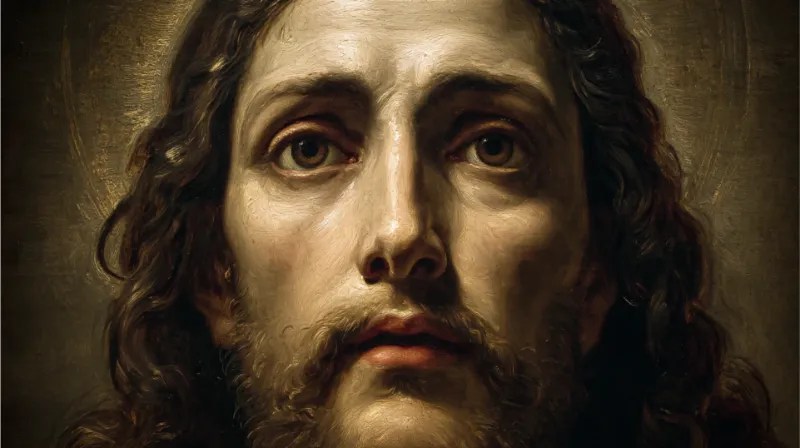
Revelation 19:8
“Fine linen, bright and clean, was given her to wear. (Fine linen stands for the righteous acts of God’s holy people.)”
Reflection: A great multitude in heaven announces “the wedding of the Lamb” and says his bride “has made herself ready.” The linen is given to her, and the bracketed line in the text says what it stands for: “the righteous acts of God’s holy people.” In verse 9 the angel blesses those invited to the wedding supper.
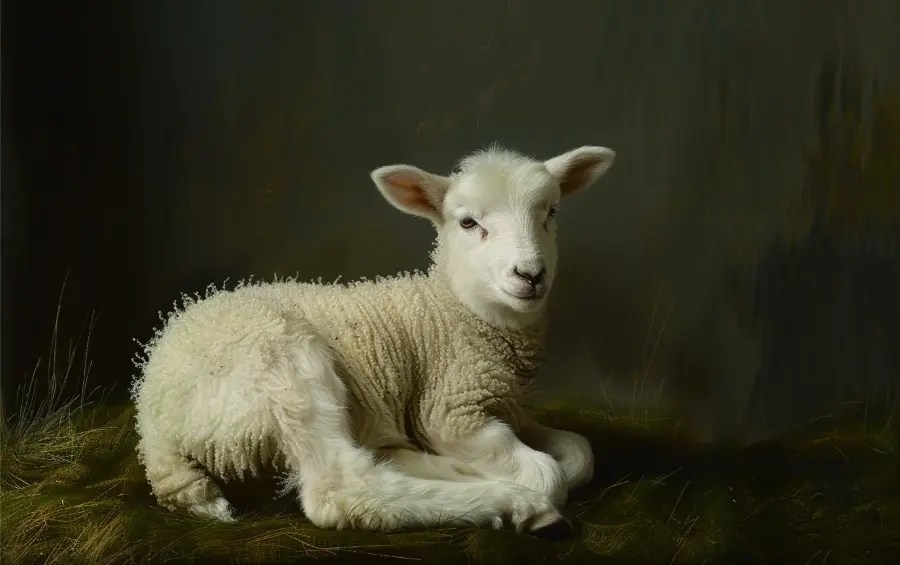
Galatians 3:27
“for all of you who were baptized into Christ have clothed yourselves with Christ.”
Reflection: Paul ties baptism to being clothed with Christ. The verse before calls the Galatians “children of God through faith,” and the next continues, “There is neither Jew nor Gentile, neither slave nor free, nor is there male and female, for you are all one in Christ Jesus.”

Romans 13:14
“Rather, clothe yourselves with the Lord Jesus Christ, and do not think about how to gratify the desires of the flesh.”
Reflection: Paul writes that “the night is nearly over; the day is almost here” (13:12) and tells the Romans to put aside the deeds of darkness and put on “the armor of light.” He names what to leave off, from carousing and drunkenness to dissension and jealousy, before this verse gives the garment to put on: the Lord Jesus Christ.
Colossians 3:12
“Therefore, as God’s chosen people, holy and dearly loved, clothe yourselves with compassion, kindness, humility, gentleness and patience.”
Reflection: Earlier in the chapter the Colossians are told they have taken off the old self and put on “the new self, which is being renewed in knowledge in the image of its Creator” (3:9-10). This verse names the new clothes: compassion, kindness, humility, gentleness and patience. Verse 14 puts love over them all, “which binds them all together in perfect unity.”


Leave a Reply