
 English
 Chinese
 Dutch
 Arabic
 Spanish
 Portuguese
 Russian
 French
 Italian
 German
 Japanese
In the Bible, people dance when God has given them something to celebrate. David dances before the ark (2 Samuel 6:14), the women follow Miriam with tambourines and dancing after the Red Sea (Exodus 15:20), and Psalm 30:11 thanks God for turning mourning into dancing.
Dancing also appears in scenes that end badly: around the golden calf (Exodus 32:19) and at Herod’s birthday, where a dance led to the death of John the Baptist (Matthew 14:6-7). Two Hebrew nouns lie behind many of the Old Testament verses. Strong’s lists six occurrences of machol, dance: Psalm 30:11, 149:3 and 150:4, Jeremiah 31:4 and 31:13, and Lamentations 5:15. Mecholah is the word for the dancing of Miriam’s women, of Jephthah’s daughter and of the people around the calf.
David dancing before the ark
2 Samuel 6:14
“And David danced before the Lord with all his might. And David was wearing a linen ephod.”
Reflection: David is bringing the ark of God from the house of Obed-edom to the city of David, and after the bearers have gone six steps he sacrifices an ox and a fattened animal. Then he dances “with all his might,” wearing a linen ephod. Strong’s lists two occurrences of the verb, karar: this verse and verse 16, where Michal sees him “leaping and dancing before the Lord.”
1 Chronicles 15:29
“As the ark of the covenant of the Lord came to the City of David, Michal the daughter of Saul looked out of the window and saw King David dancing and celebrating, and she despised him in her heart.”
Reflection: Chronicles tells the same procession with more about the music: Levites carry the ark, Chenaniah leads the singers, and all Israel brings it up with horn, trumpets, cymbals, harps and lyres (15:27-28). David wears a robe of fine linen, as the Levites do, as well as the ephod. Chronicles records Michal despising him but not the quarrel that followed, which 2 Samuel 6:20-23 gives.
2 Samuel 6:21
“And David said to Michal, ‘It was before the Lord, who chose me above your father and above all his house, to appoint me as prince over Israel, the people of the Lord—and I will celebrate before the Lord.’”
Reflection: Michal had met David with sarcasm: “How the king of Israel honored himself today, uncovering himself today before the eyes of his servants’ female servants” (6:20). David answers that he danced before the Lord, who chose him above her father’s house, and he goes further: “I will make myself yet more contemptible than this” (6:22). The chapter closes by noting that Michal had no child to the day of her death.
Dance as praise in the Psalms
Psalm 149:3
“Let them praise his name with dancing, making melody to him with tambourine and lyre!”
Reflection: The psalm calls Israel to sing “a new song” in “the assembly of the godly” and to rejoice in their King. Dancing stands beside tambourine and lyre as a way to praise the Lord’s name, and verse 4 gives the reason: “For the Lord takes pleasure in his people; he adorns the humble with salvation.”
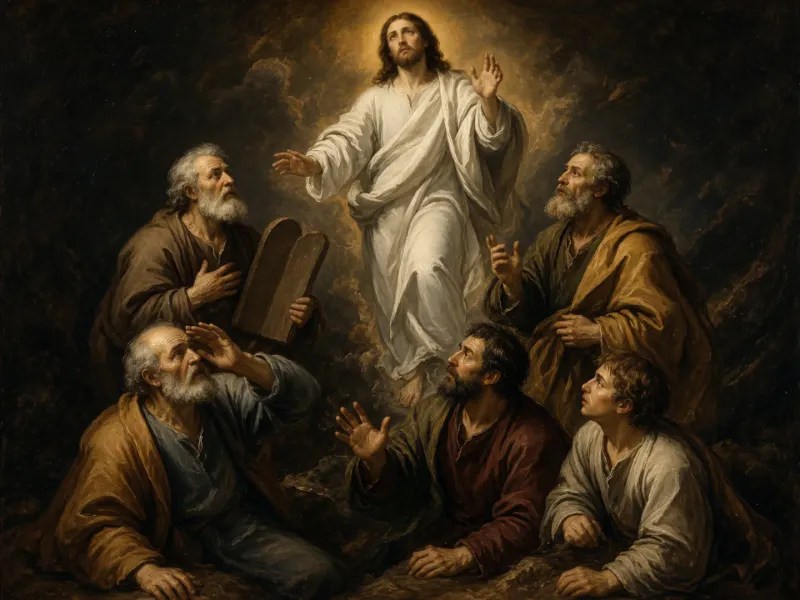
Psalm 150:4
“Praise him with tambourine and dance; praise him with strings and pipe!”
Reflection: Psalm 150 names the ways to praise God one after another: trumpet, lute and harp, tambourine and dance, strings and pipe, and cymbals. The noun is machol, as in Psalm 149:3. The list ends with everyone, not only the players: “Let everything that has breath praise the Lord!” (150:6).
Psalm 87:7
“Singers and dancers alike say, ‘All my springs are in you.’”
Reflection: Psalm 87 is about Zion as the birthplace of the nations. “The Lord records as he registers the peoples, ‘This one was born there’” (87:6). The psalm ends with singers and dancers alike saying, “All my springs are in you.”
Dancing to meet a victory
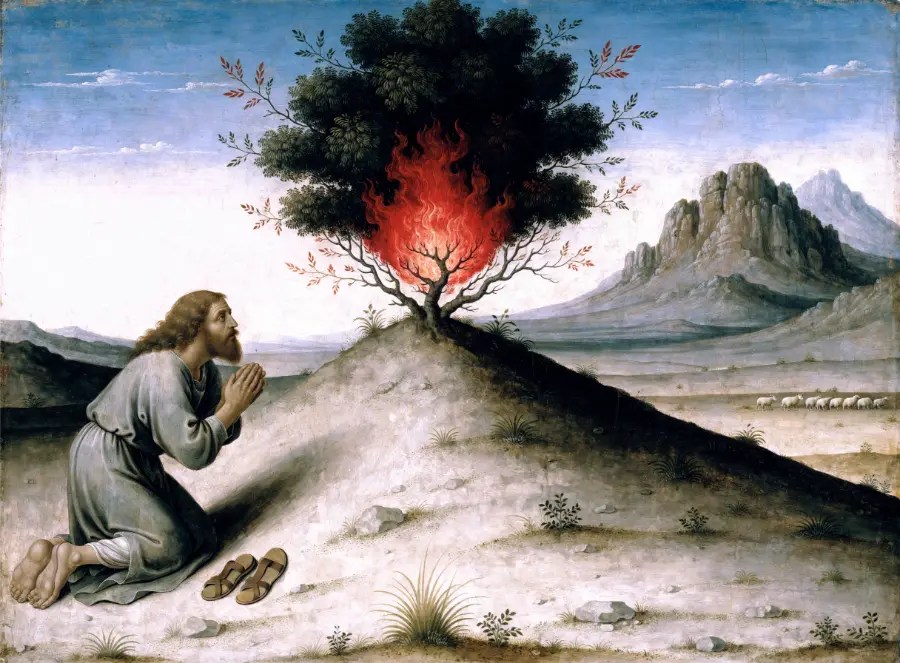
Exodus 15:20
“Then Miriam the prophetess, the sister of Aaron, took a tambourine in her hand, and all the women went out after her with tambourines and dancing.”
Reflection: Verse 19 sets the scene: the Lord brought the waters back over Pharaoh’s horses and chariots while Israel walked on dry ground. Miriam, called a prophetess and the sister of Aaron, takes a tambourine, and the women follow her with tambourines and dancing. Her song in verse 21 gives the credit to the Lord: “the horse and his rider he has thrown into the sea.”
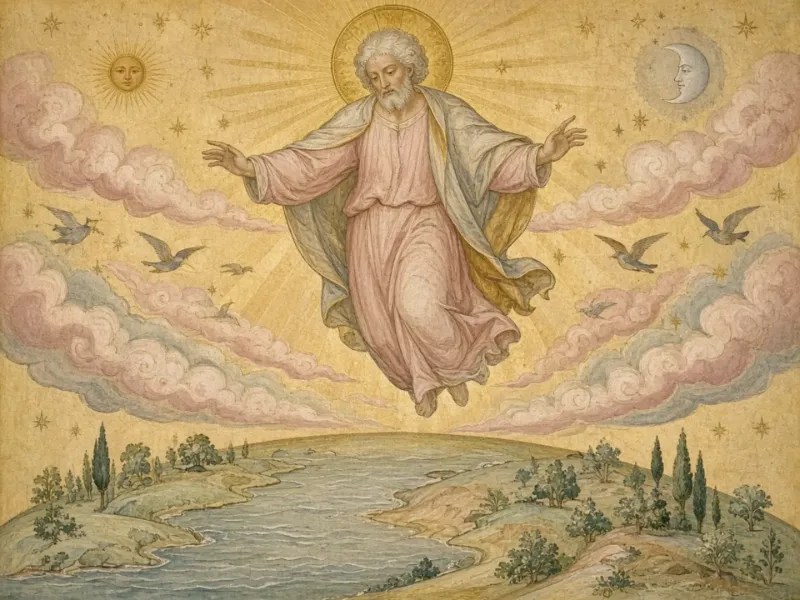
Judges 11:34
“Then Jephthah came to his home at Mizpah. And behold, his daughter came out to meet him with tambourines and with dances. She was his only child; besides her he had neither son nor daughter.”
Reflection: Before the battle Jephthah had vowed that “whatever comes out from the doors of my house to meet me” would be offered as a burnt offering if the Lord gave him the Ammonites (11:30-31). His only child comes out with tambourines and dances, and he tears his clothes. She asks for two months to weep on the mountains with her companions, and verse 39 says he “did with her according to his vow.”
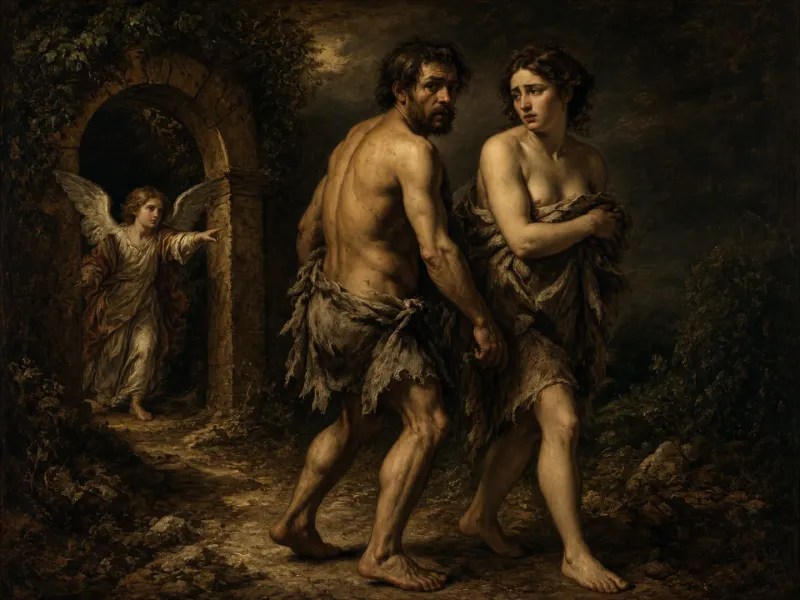
1 Samuel 18:6-7
“As they were coming home, when David returned from striking down the Philistine, the women came out of all the cities of Israel, singing and dancing, to meet King Saul, with tambourines, with songs of joy, and with musical instruments. And the women sang to one another as they celebrated, ‘Saul has struck down his thousands, and David his ten thousands.’”
Reflection: The women of Israel come out singing and dancing after David kills the Philistine champion of chapter 17. Their song gives David ten thousands and Saul thousands, and Saul “was very angry” and “eyed David from that day on” (18:8-9). The Philistines knew the song as well: the servants of Achish of Gath quote it in 21:11, and the Philistine commanders in 29:5, both times as a song sung “in dances.”
Mourning turned to dancing, and back
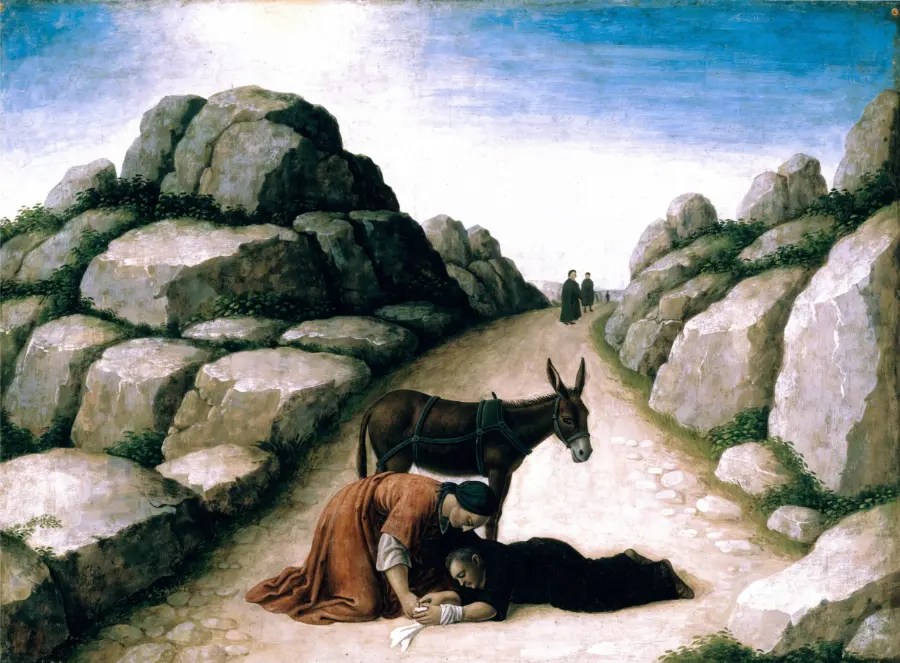
Ecclesiastes 3:4
“a time to weep, and a time to laugh; a time to mourn, and a time to dance;”
Reflection: The verse sits in the list of opposites that begins, “For everything there is a season, and a time for every matter under heaven” (3:1). Dancing is paired with mourning, the same pair that Psalm 30:11 and Lamentations 5:15 turn one into the other.
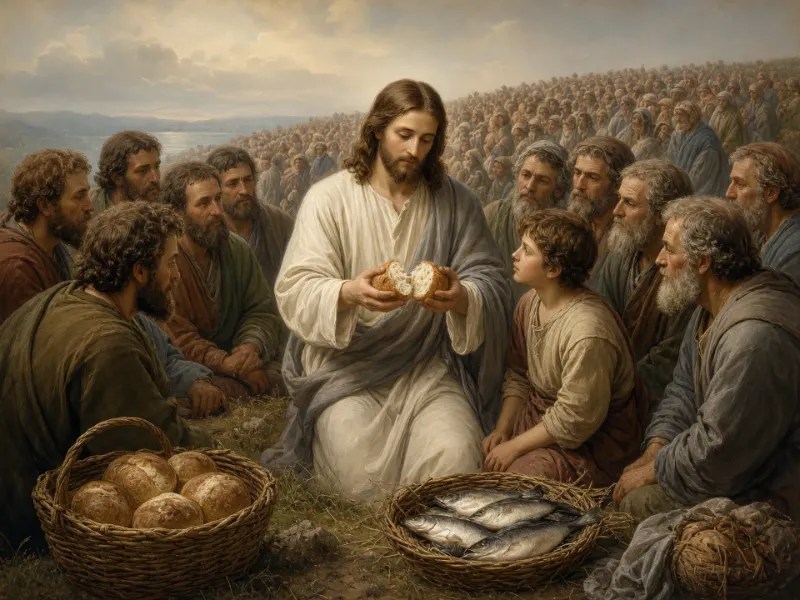
Psalm 30:11
“You have turned for me my mourning into dancing; you have loosed my sackcloth and clothed me with gladness,”
Reflection: The heading calls Psalm 30 a psalm of David and “a song at the dedication of the temple.” David had cried to the Lord for help, and he says the Lord brought up his soul from Sheol (30:3). In this verse, addressed to God, sackcloth is loosed and mourning becomes dancing, “that my glory may sing your praise and not be silent” (30:12).
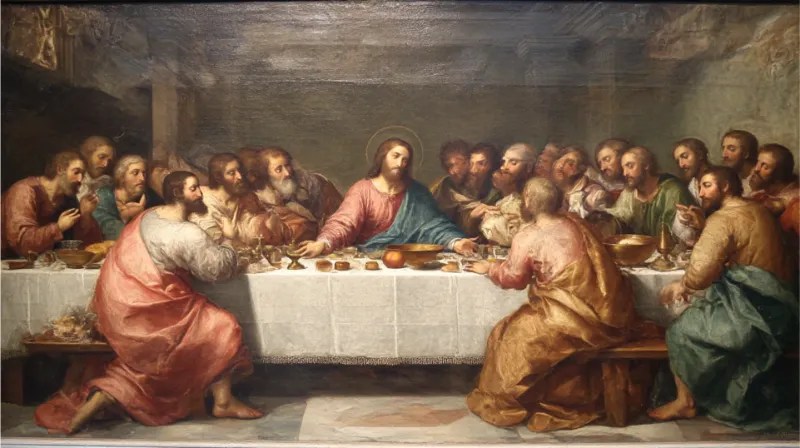
Lamentations 5:15
“The joy of our hearts has ceased; our dancing has been turned to mourning.”
Reflection: Here the change runs the other way. The old men have left the city gate and the young men their music (5:14), and the people give the reason themselves in the next verse: “The crown has fallen from our head; woe to us, for we have sinned!”
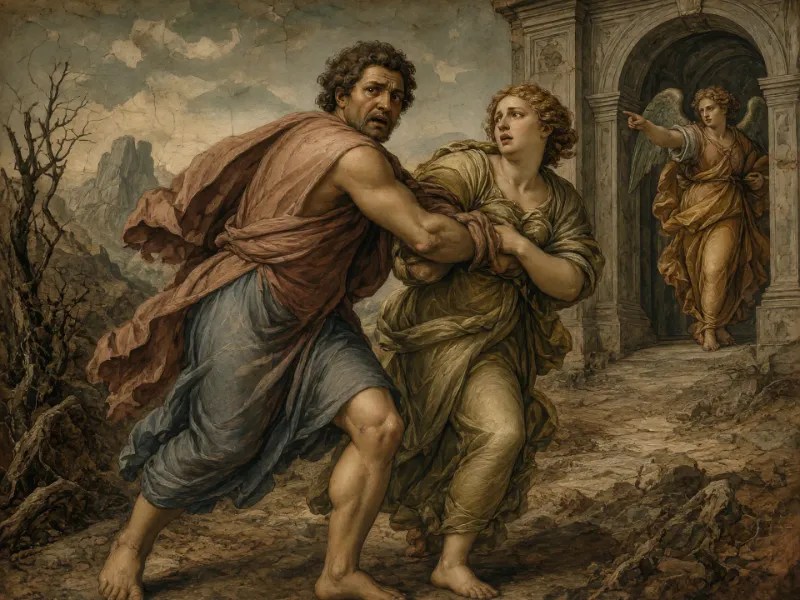
Jeremiah 31:4
“Again I will build you, and you shall be built, O virgin Israel! Again you shall adorn yourself with tambourines and shall go forth in the dance of the merrymakers.”
Reflection: The Lord promises to rebuild “virgin Israel,” who will again adorn herself with tambourines and go out dancing, and again plant vineyards on the mountains of Samaria (31:5). The verse before it says: “I have loved you with an everlasting love; therefore I have continued my faithfulness to you.”
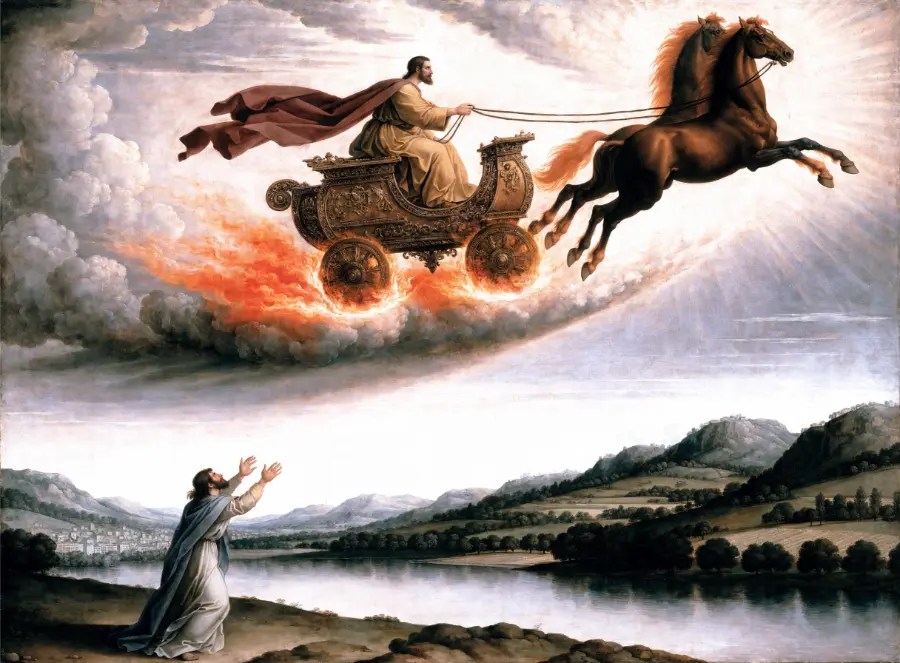
Jeremiah 31:13
“Then shall the young women rejoice in the dance, and the young men and the old shall be merry. I will turn their mourning into joy; I will comfort them, and give them gladness for sorrow.”
Reflection: Later in the same chapter the nations are told to declare, “He who scattered Israel will gather him” (31:10). Young women dance, young men and old are merry, and the Lord says, “I will turn their mourning into joy,” close to the wording of Psalm 30:11. Both this verse and Jeremiah 31:4 use machol.
Dancing beside idolatry, violence and injustice
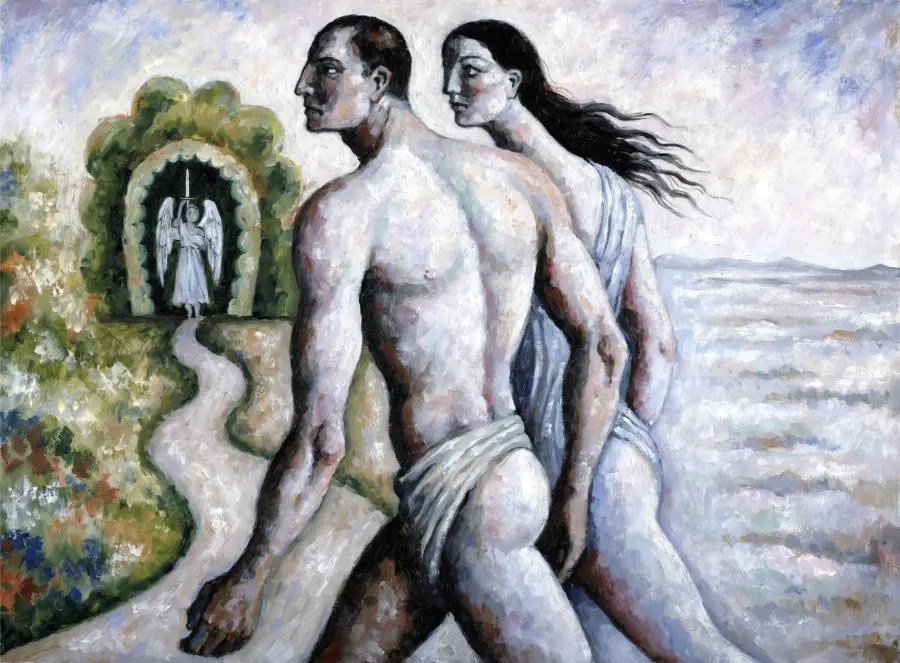
Exodus 32:19
“And as soon as he came near the camp and saw the calf and the dancing, Moses’ anger burned hot, and he threw the tablets out of his hands and broke them at the foot of the mountain.”
Reflection: Aaron had built an altar before the calf and proclaimed “a feast to the Lord,” and the people “sat down to eat and drink and rose up to play” (32:5-6). Joshua hears the noise and takes it for war, and Moses says it is singing (32:17-18). When Moses sees the calf and the dancing he breaks the tablets. The word for the dancing, mecholah, is the one used for Miriam’s women in Exodus 15:20.
1 Samuel 30:16
“And when he had taken him down, behold, they were spread abroad over all the land, eating and drinking and dancing, because of all the great spoil they had taken from the land of the Philistines and from the land of Judah.”
Reflection: The Amalekites had raided Ziklag, burned it and carried off the women and children (30:1-3), among them David’s two wives, Ahinoam and Abigail (30:5). An Egyptian servant left behind by his Amalekite master leads David to their camp, where they are eating, drinking and dancing over the spoil. David strikes them down “from twilight until the evening of the next day” and recovers everything they took (30:17-19).

Job 21:11-12
“They send out their little boys like a flock, and their children dance. They sing to the tambourine and the lyre and rejoice to the sound of the pipe.”
Reflection: Job is asking, “Why do the wicked live, reach old age, and grow mighty in power?” (21:7). Children dancing to tambourine, lyre and pipe are on his list of their comforts, with safe houses and cattle that breed without fail. Job does not fault the dancing; his complaint is that people who say to God, “Depart from us!” (21:14) enjoy it in peace.
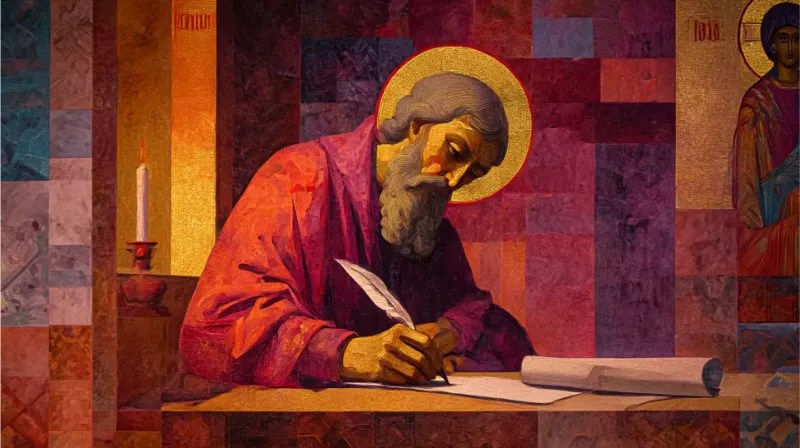
Matthew 14:6-7
“But when Herod’s birthday came, the daughter of Herodias danced before the company and pleased Herod, so that he promised with an oath to give her whatever she might ask.”
Reflection: Herod had imprisoned John the Baptist for telling him that Herodias, his brother Philip’s wife, was not lawful for him (14:3-4). At Herod’s birthday her daughter dances and pleases him, and he swears to give her whatever she asks. Prompted by her mother, she asks for John’s head on a platter, and the king, “sorry” but held by “his oaths and his guests,” has John beheaded (14:8-10).
Dancing and leaping in the Gospels and Acts
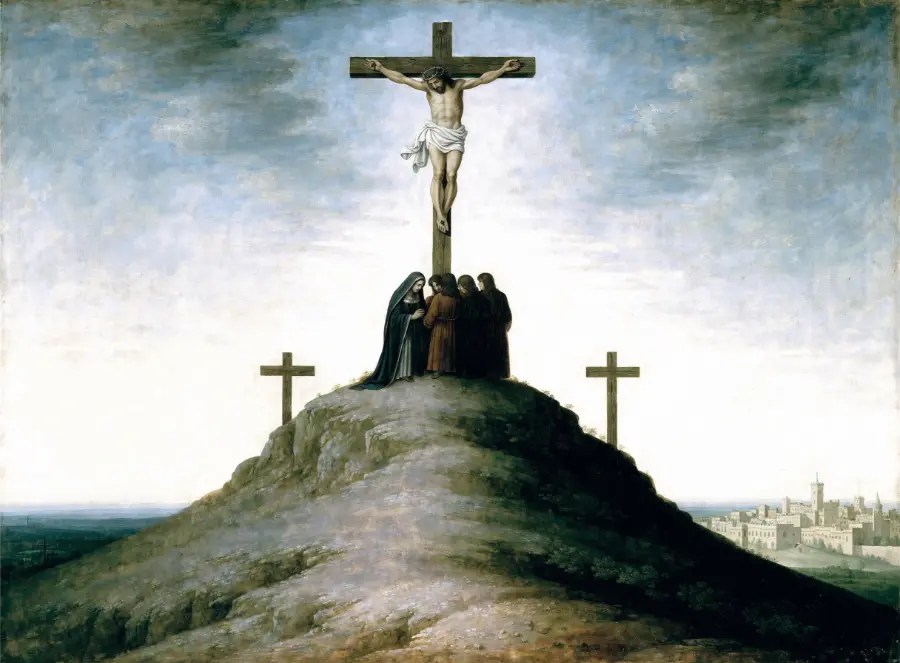
Matthew 11:17
“‘We played the flute for you, and you did not dance; we sang a dirge, and you did not mourn.’”
Reflection: Jesus compares his generation to children in the marketplace who complain that their playmates would neither dance to the flute nor mourn at a dirge. He applies it in the next verses: John came neither eating nor drinking and was said to have a demon, and the Son of Man came eating and drinking and was called “a glutton and a drunkard” (11:18-19). Luke 7:32 records the same saying.
Luke 15:25
“Now his older son was in the field, and as he came and drew near to the house, he heard music and dancing.”
Reflection: In the parable of the lost son, the father orders the fattened calf killed for the younger son’s return: “let us eat and celebrate” (15:23). The older son hears the music and dancing as he comes in from the field, is angry and refuses to go in. Strong’s lists this verse as the one New Testament occurrence of choros, the Greek word for dancing. The father’s answer to the older son explains the celebration: “this your brother was dead, and is alive; he was lost, and is found” (15:32).
Acts 3:8
“And leaping up, he stood and began to walk, and entered the temple with them, walking and leaping and praising God.”
Reflection: A man lame from birth, carried every day to the Beautiful Gate of the temple to beg, is healed when Peter says, “In the name of Jesus Christ of Nazareth, rise up and walk!” (3:6). He goes into the temple with Peter and John “walking and leaping and praising God.” Luke writes leaping, not dancing. The people who see him walking and praising God recognize him as the beggar from the gate (3:9-10).


Leave a Reply