
 English
 Chinese
 Dutch
 Arabic
 Spanish
 Portuguese
 Russian
 French
 Italian
 German
 Japanese
In the Bible, dedication means setting something or someone apart for God. Solomon dedicates the temple in 1 Kings 8, Hannah gives her son to the Lord in 1 Samuel 1, and Romans 12:1 asks believers to offer their own bodies as a living sacrifice.
The Hebrew verb for dedicating the temple is chanak, and its noun chanukkah names the dedication of the altar in Numbers 7:10 and of Jerusalem’s wall in Nehemiah 12:27. Deuteronomy 6:5 asks for love of God with all the heart, soul and strength, and in 2 Timothy 4:7 Paul, near his death, says he has finished the race.
Dedicating a house of worship
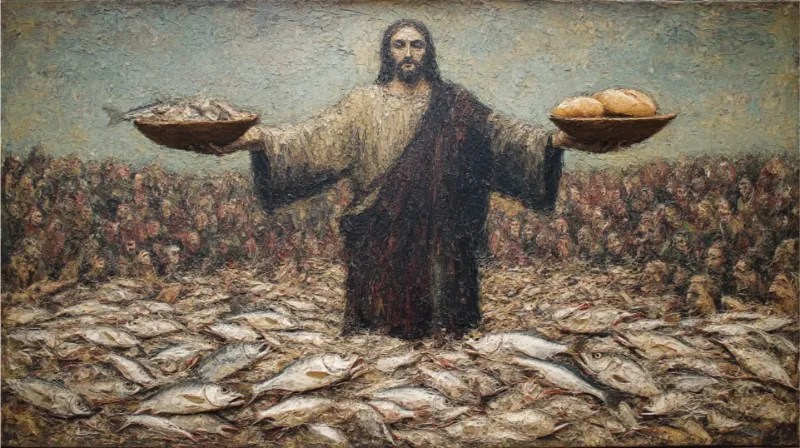
1 Kings 8:63
“Solomon offered a sacrifice of fellowship offerings to the Lord: twenty-two thousand cattle and a hundred and twenty thousand sheep and goats. So the king and all the Israelites dedicated the temple of the Lord.”
Reflection: Solomon has finished praying at the new temple, and the king and the people offer fellowship offerings and dedicate it. The verb is chanak, the same one Deuteronomy 20:5 uses for a man dedicating a new house and Proverbs 22:6 for starting a child off on the right way. The next verse says the bronze altar was too small for the offerings, so Solomon consecrated the middle of the courtyard as well. The festival ran fourteen days, and the people went home “joyful and glad in heart” (1 Kings 8:66).
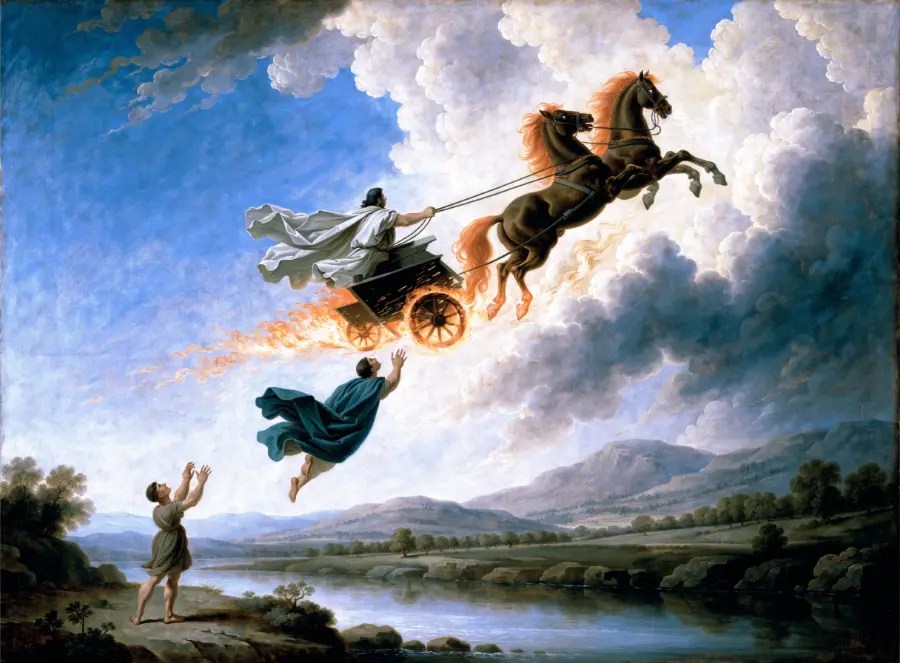
John 10:22-23
“Then came the Festival of Dedication at Jerusalem. It was winter, and Jesus was in the temple courts walking in Solomon’s Colonnade.”
Reflection: John dates this scene by a festival. The Topical Lexicon on Bible Hub ties the Festival of Dedication to the rededication of the temple by Judas Maccabeus, recorded in 1 Maccabees 4:36-59, and gives its later name, Hanukkah. In the temple courts the crowd presses Jesus to say plainly whether he is the Messiah, and in verse 36 he calls himself “the one whom the Father set apart as his very own and sent into the world.”
Dedicating a person to the Lord
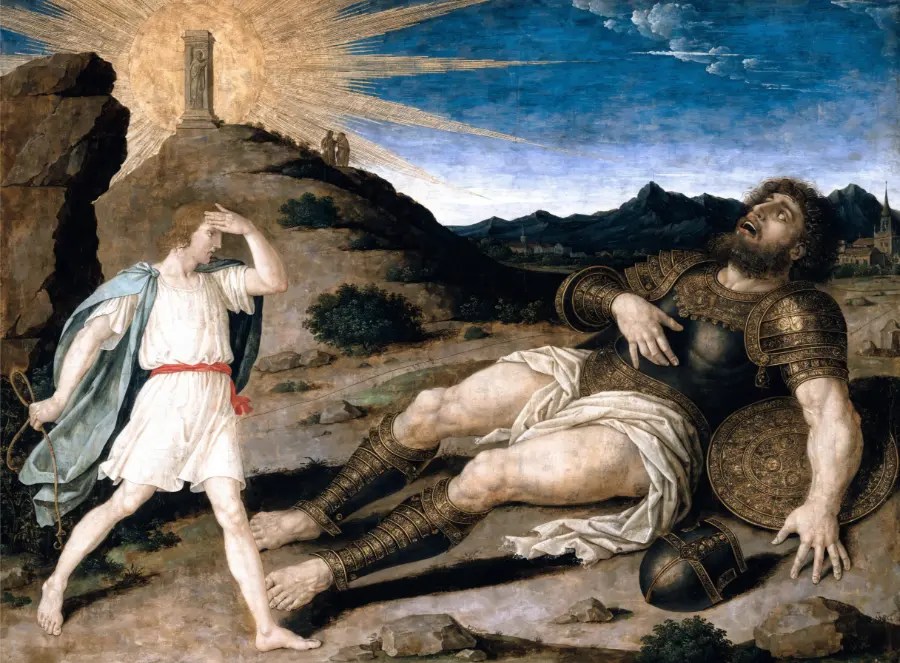
Numbers 6:8
“Throughout the period of their dedication, they are consecrated to the Lord.”
Reflection: The Nazirite vow of dedication was open to “a man or woman” (Numbers 6:2). For the length of the vow they drank no wine and ate nothing from the grapevine, let no razor touch their head, and went near no dead body, even a father’s or mother’s (Numbers 6:3-7). Verse 7 calls the uncut hair “the symbol of their dedication to God,” and verse 5 sets an end to it: “until the period of their dedication to the Lord is over.”
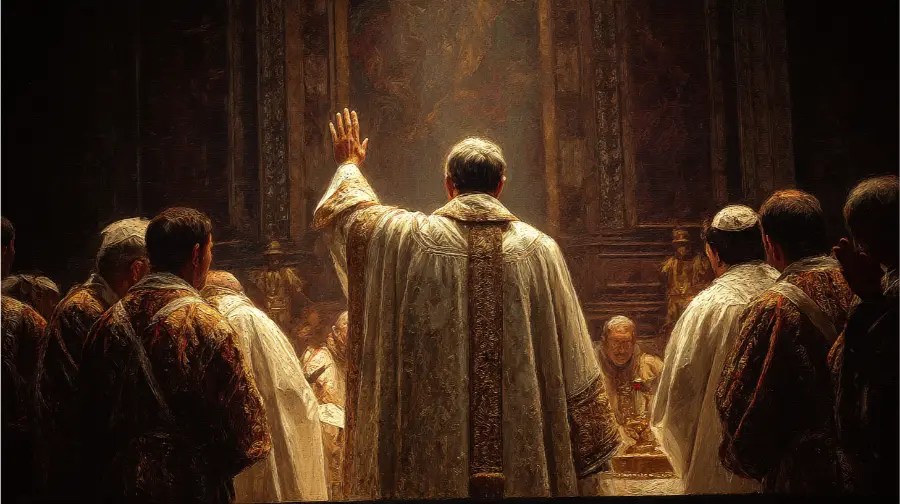
1 Samuel 1:27-28
“I prayed for this child, and the Lord has granted me what I asked of him. So now I give him to the Lord. For his whole life he will be given over to the Lord.”
Reflection: Before Samuel was born, Hannah vowed that if the Lord gave her a son she would give him to the Lord “for all the days of his life, and no razor will ever be used on his head” (1 Samuel 1:11). Once he was weaned she brought him to Eli at the house of the Lord at Shiloh, with a bull, flour and wine. The vow of dedication in Numbers 6 runs for a set period; Hannah gives Samuel for his whole life.
Giving the whole self to God
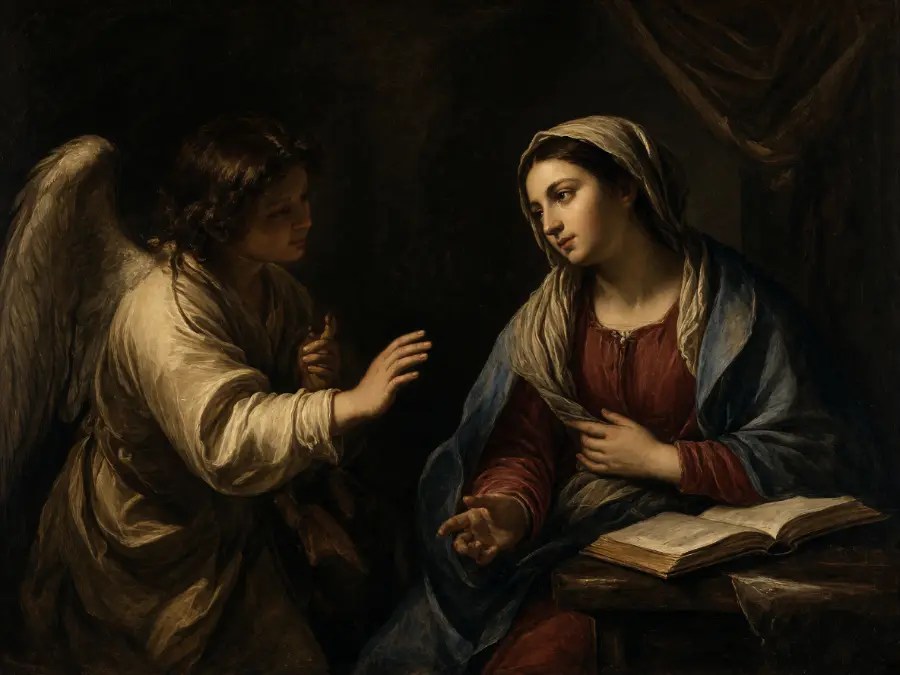
Deuteronomy 6:5
“Love the Lord your God with all your heart and with all your soul and with all your strength.”
Reflection: The command follows “Hear, O Israel: The Lord our God, the Lord is one” (Deuteronomy 6:4). The verses after it keep the words in daily life: on the heart, taught to children, talked about at home and on the road, when lying down and getting up. Asked by an expert in the law which commandment is greatest, Jesus quotes this verse in Matthew 22:37, with “mind” in place of “strength,” and in the next verse calls it “the first and greatest commandment.”
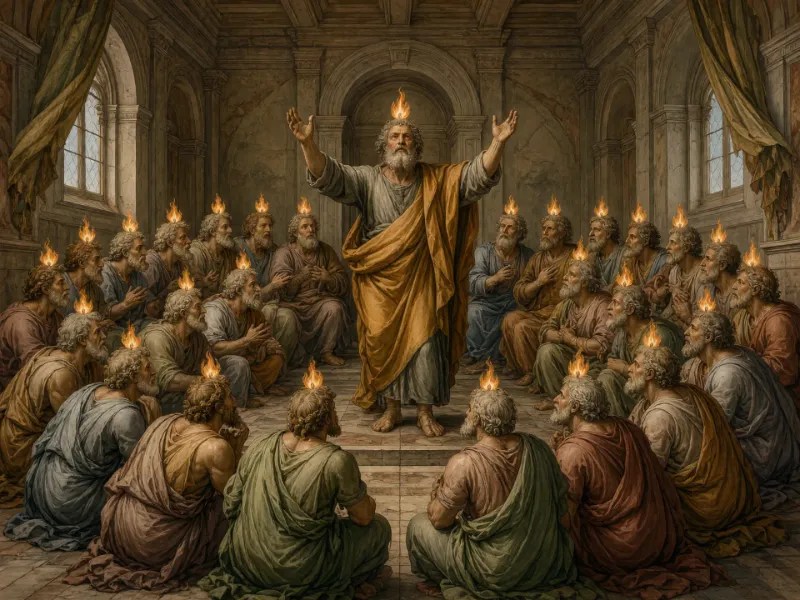
Joshua 24:15
“But if serving the Lord seems undesirable to you, then choose for yourselves this day whom you will serve, whether the gods your ancestors served beyond the Euphrates, or the gods of the Amorites, in whose land you are living. But as for me and my household, we will serve the Lord.”
Reflection: Joshua first tells Israel to “throw away the gods your ancestors worshiped beyond the Euphrates River and in Egypt” (Joshua 24:14), then puts the choice to them and gives his own household’s answer. The people reply, “We too will serve the Lord, because he is our God” (Joshua 24:18), and give their reasons: the Lord brought them out of Egypt, protected them on the journey and drove out the nations before them.
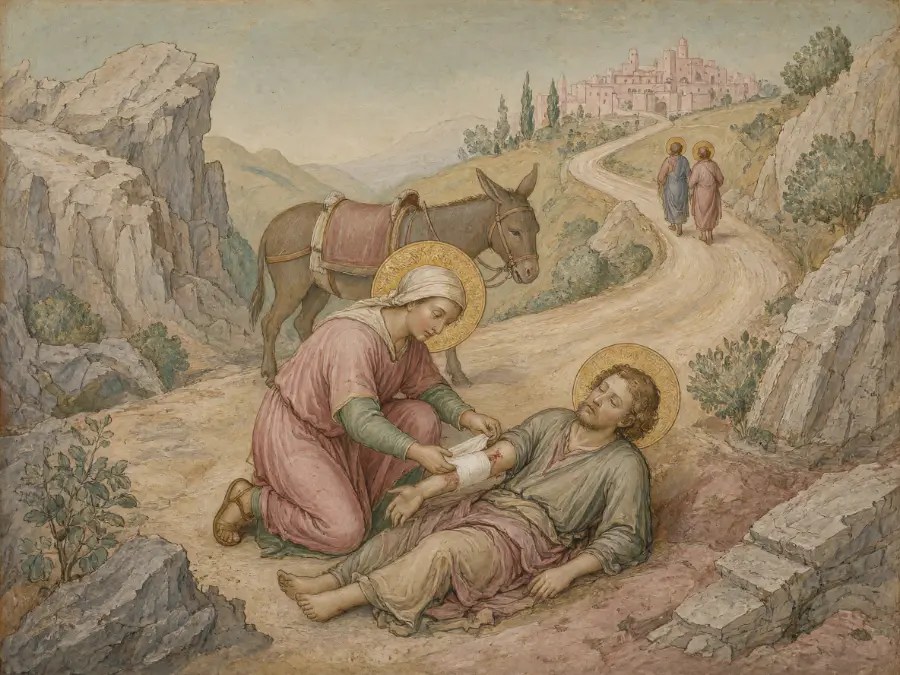
Psalm 37:5
“Commit your way to the Lord; trust in him and he will do this:”
Reflection: The line sits between “Take delight in the Lord” (verse 4) and “Be still before the Lord and wait patiently for him” (verse 7), in a psalm about people who prosper by wicked schemes. The verse ends with a colon because the promise continues: “He will make your righteous reward shine like the dawn, your vindication like the noonday sun” (verse 6).
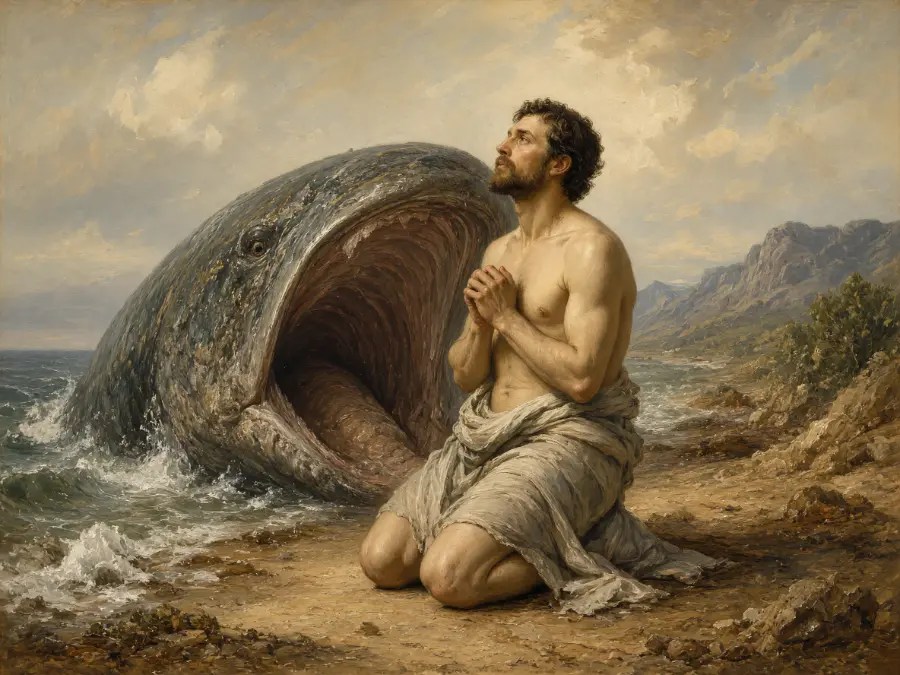
Romans 12:1
“Therefore, I urge you, brothers and sisters, in view of God’s mercy, to offer your bodies as a living sacrifice, holy and pleasing to God—this is your true and proper worship.”
Reflection: Paul grounds the appeal in the mercy Romans 11:30-32 has just described. The offering is the body, and it is alive, but the words around it are taken from the altar: sacrifice, holy, pleasing to God. Verse 2 adds the inward side, being “transformed by the renewing of your mind” rather than conformed to the pattern of this world.
Titus 2:14
“…who gave himself for us to redeem us from all wickedness and to purify for himself a people that are his very own, eager to do what is good.”
Reflection: Here Christ is the one who sets a people apart: he “gave himself for us” to redeem them and purify “a people that are his very own.” The verses before say that the grace of God teaches believers to say “No” to ungodliness and to live self-controlled lives while they wait for his appearing. Being eager to do good comes after the purifying, as its result.
Colossians 3:23
“Whatever you do, work at it with all your heart, as working for the Lord, not for human masters.”
Reflection: Paul first addresses slaves, telling them to work “with sincerity of heart” and not only when their master is watching (Colossians 3:22). “Whatever you do” then widens the command to any work. Verse 24 gives the reason: “It is the Lord Christ you are serving,” and the reward is an inheritance from him.
Staying with it to the end
Luke 9:62
“Jesus replied, ‘No one who puts a hand to the plow and looks back is fit for service in the kingdom of God.’”
Reflection: Three men on the road offer or are called to follow Jesus. The first is told that “the Son of Man has no place to lay his head,” the second that he should “let the dead bury their own dead,” and this answer goes to the third, who wanted first to say goodbye to his family. The saying answers that request with the picture of a man at the plow who looks back.
1 Corinthians 9:24-25
“Do you not know that in a race all the runners run, but only one gets the prize? Run in such a way as to get the prize. Everyone who competes in the games goes into strict training. They do it to get a crown that will not last, but we do it to get a crown that will last forever.”
Reflection: Paul takes his picture from athletes, who go into strict training for a crown that will not last. He applies it to himself in the next two verses: he does not run aimlessly or box at the air, but strikes a blow to his own body “so that after I have preached to others, I myself will not be disqualified for the prize.”
Philippians 3:13-14
“But one thing I do: Forgetting what is behind and straining toward what is ahead, I press on toward the goal to win the prize for which God has called me heavenward in Christ Jesus.”
Reflection: Just before this, Paul writes that he has not “already arrived at my goal” (Philippians 3:12). What he presses on to take hold of is “that for which Christ Jesus took hold of me.” The “one thing” is forgetting what is behind and straining ahead toward the prize of God’s heavenward call.
Hebrews 12:1-2
“Therefore, since we are surrounded by such a great cloud of witnesses, let us throw off everything that hinders and the sin that so easily entangles. And let us run with perseverance the race marked out for us, fixing our eyes on Jesus, the pioneer and perfecter of faith. For the joy set before him he endured the cross, scorning its shame, and sat down at the right hand of the throne of God.”
Reflection: The “cloud of witnesses” are the men and women of faith listed in Hebrews 11. The runner throws off anything that hinders as well as sin, and keeps looking to Jesus, who “endured the cross, scorning its shame” for the joy set before him. Verse 3 says why: “so that you will not grow weary and lose heart.”
2 Timothy 4:7
“I have fought the good fight, I have finished the race, I have kept the faith.”
Reflection: Paul writes near the end of his life: “I am already being poured out like a drink offering, and the time for my departure is near” (2 Timothy 4:6). Fight, race and faith are all spoken of as complete. Verse 8 names the crown of righteousness waiting for him, “and not only to me, but also to all who have longed for his appearing.”
Revelation 2:10
“Do not be afraid of what you are about to suffer. I tell you, the devil will put some of you in prison to test you, and you will suffer persecution for ten days. Be faithful, even to the point of death, and I will give you life as your victor’s crown.”
Reflection: The words are part of the letter to the church in Smyrna, from “him who is the First and the Last, who died and came to life again.” The church is already poor, afflicted and slandered (Revelation 2:9). The promise for faithfulness to death is life, and verse 11 adds that the victorious “will not be hurt at all by the second death.”


Leave a Reply