
 English
 Chinese
 Dutch
 Arabic
 Spanish
 Portuguese
 Russian
 French
 Italian
 German
 Japanese
The Bible treats doubt as something believers have, and it records Jesus sending out people who were still doubting.
When the eleven disciples met the risen Jesus on a mountain in Galilee, Matthew says “they worshiped him; but some doubted” (Matthew 28:17). In the next verses Jesus gives that same group the command to make disciples of all nations. Scripture also warns against doubt, in James and elsewhere, and each warning has a particular context. The verses below are grouped by the people who doubted, the warnings, how doubters are to be treated, and what helps while doubt lasts.
The people who doubted
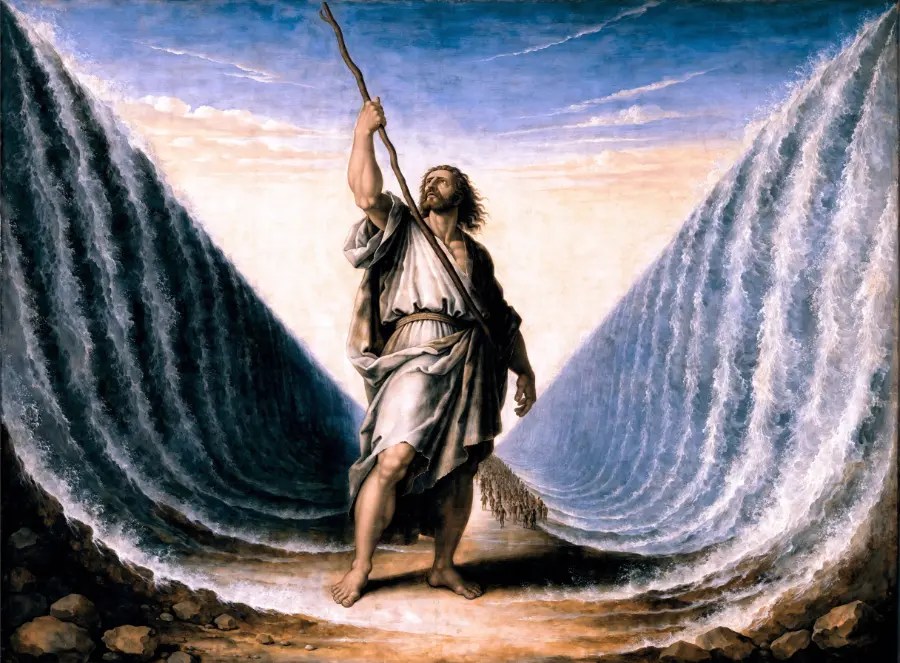
Matthew 28:17
“When they saw him, they worshiped him; but some doubted.”
Reflection: Worship and doubt are reported of the same group in one sentence. Matthew does not say which of them doubted, and in the next verse Jesus comes to them and speaks to all of them.
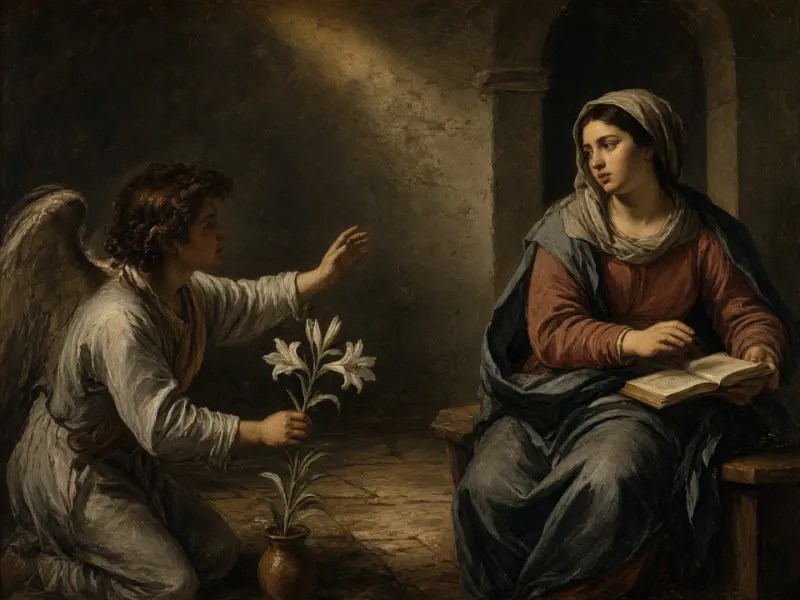
Mark 9:24
“Immediately the boy’s father exclaimed, ‘I do believe; help me overcome my unbelief!’”
Reflection: The father’s request holds belief and unbelief together, and Jesus heals the boy (9:25-27). Matthew tells the same story, and there the disciples’ failure to drive out the spirit leads to the mustard-seed saying later on this page (Matthew 17:20).
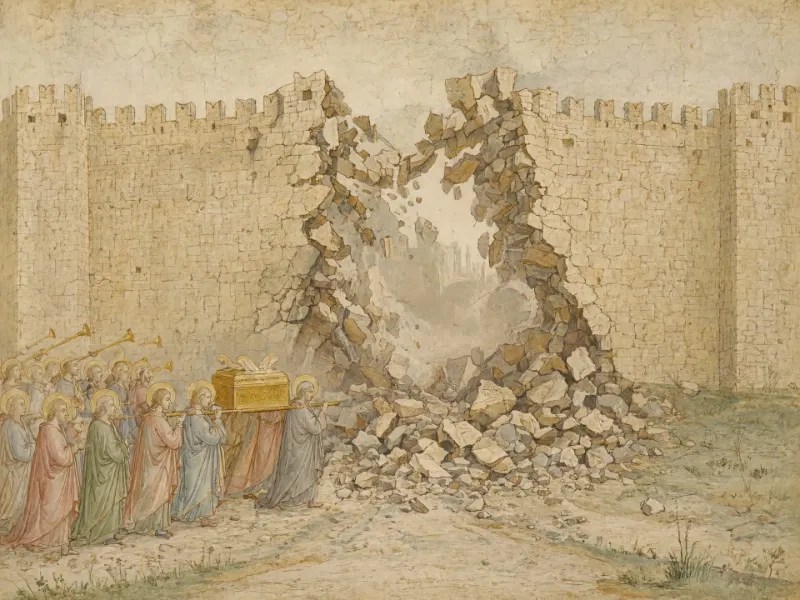
John 20:27
“Then he said to Thomas, ‘Put your finger here; see my hands. Reach out your hand and put it into my side. Stop doubting and believe.’”
Reflection: A week earlier Thomas had set his conditions: he would not believe unless he saw the nail marks and put his hand into Jesus’ side (20:25). Jesus offers exactly that before he says “Stop doubting and believe.” John does not say whether Thomas touched him.
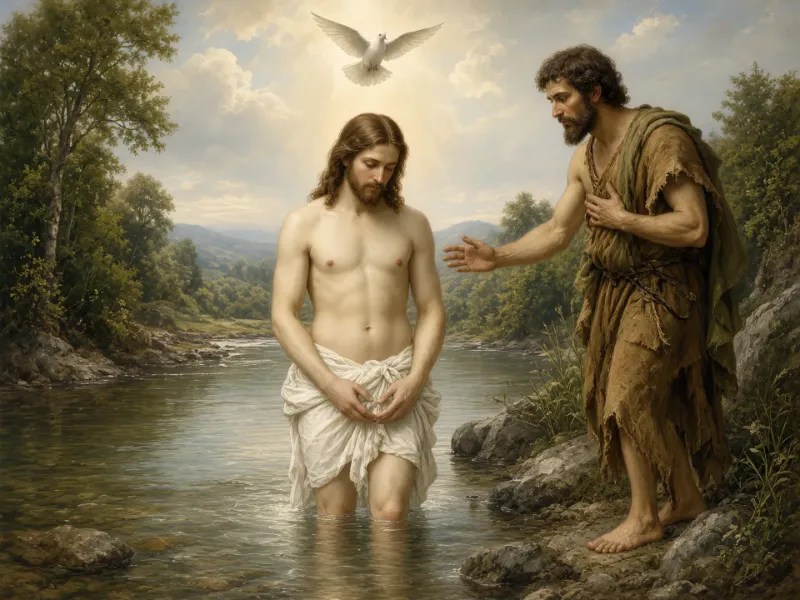
Genesis 18:12
“So Sarah laughed to herself as she thought, ‘After I am worn out and my lord is old, will I now have this pleasure?’”
Reflection: Sarah laughed at the promise of a son in her old age, and denied it when the Lord asked why she had laughed (18:13-15). The promise was kept. The boy was named Isaac, which means “he laughs,” and Sarah said, “God has brought me laughter” (21:6).
Luke 24:38
“He said to them, ‘Why are you troubled, and why do doubts rise in your minds?’”
Reflection: Jesus asks the question and then gives them evidence: he shows his hands and feet and eats a piece of broiled fish in front of them (24:39-43). Luke adds that they still did not believe “because of joy and amazement” (24:41).
The warnings, and what they are actually about
James 1:6
“But when you ask, you must believe and not doubt, because the one who doubts is like a wave of the sea, blown and tossed by the wind.”
Reflection: The picture is of a wave driven by the wind. Two verses later James names the kind of person he means, and it is narrower than anyone who has questions.

James 1:8
“Such a person is double-minded and unstable in all they do.”
Reflection: “Double-minded” translates a Greek word that means, literally, “two-souled”; the New Testament uses it only here and in James 4:8. James is describing divided loyalty, which is different from the uncertainty of someone who believes and is afraid.
Matthew 14:31
“Immediately Jesus reached out his hand and caught him. ‘You of little faith,’ he said, ‘why did you doubt?’”
Reflection: Jesus catches Peter first and asks the question after. The rebuke is real, and it comes to a man who is already being held.
Romans 14:23
“But whoever has doubts is condemned if they eat, because their eating is not from faith; and everything that does not come from faith is sin.”
Reflection: The chapter is about food and holy days in a divided church (14:2-6). Paul’s point is that no one should act against their own conscience while it is unsettled. He is not addressing doubts about whether God exists.
Matthew 21:21
“Jesus replied, ‘Truly I tell you, if you have faith and do not doubt, not only can you do what was done to the fig tree, but also you can say to this mountain, “Go, throw yourself into the sea,” and it will be done.’”
Reflection: Jesus says this to disciples who were amazed that the fig tree had withered so quickly (21:20). It is a promise about what faith can do.
How doubt is to be treated
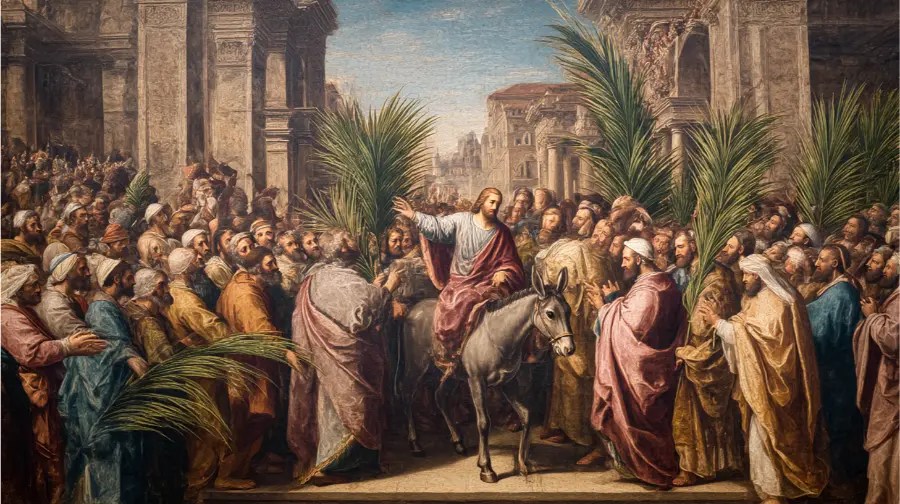
Jude 1:22
“Be merciful to those who doubt.”
Reflection: Most of Jude’s short letter warns against false teachers. This instruction concerns a different group: people who are unsure are to be treated with mercy.
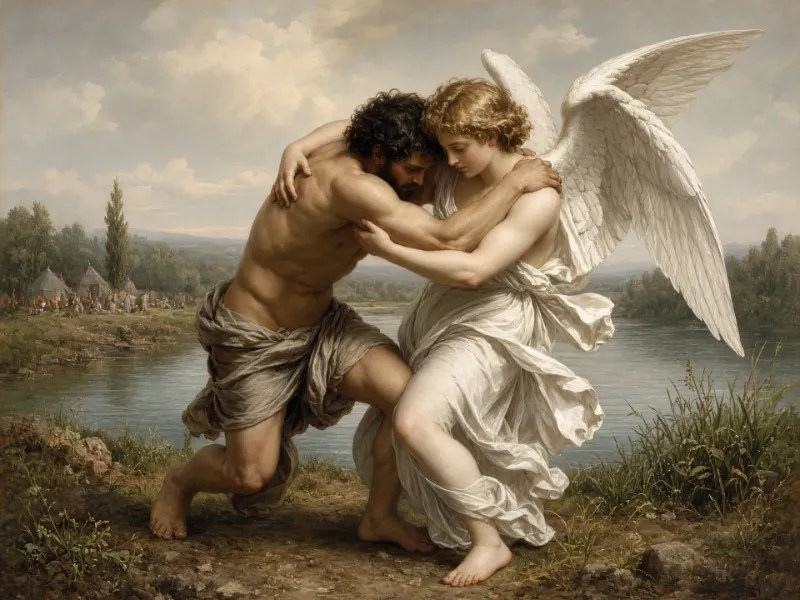
Matthew 17:20
“He replied, ‘Because you have so little faith. Truly I tell you, if you have faith as small as a mustard seed, you can say to this mountain, “Move from here to there,” and it will move.’”
Reflection: This is Matthew’s account of the same healing as Mark 9, after the disciples had failed to drive the spirit out. Jesus elsewhere calls the mustard seed the smallest of seeds (13:32), and he says that even that much faith can do what they could not.
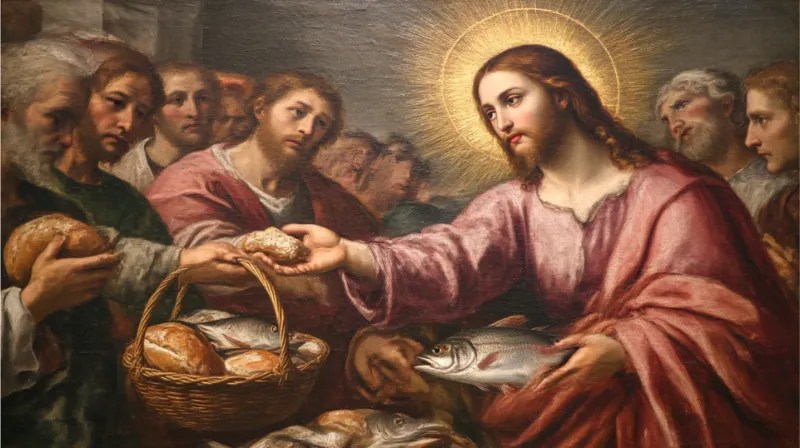
John 20:29
“Then Jesus told him, ‘Because you have seen me, you have believed; blessed are those who have not seen and yet have believed.’”
Reflection: The blessing is for people who believe without seeing what Thomas saw, which includes every believer after the first generation.
What to do while it lasts
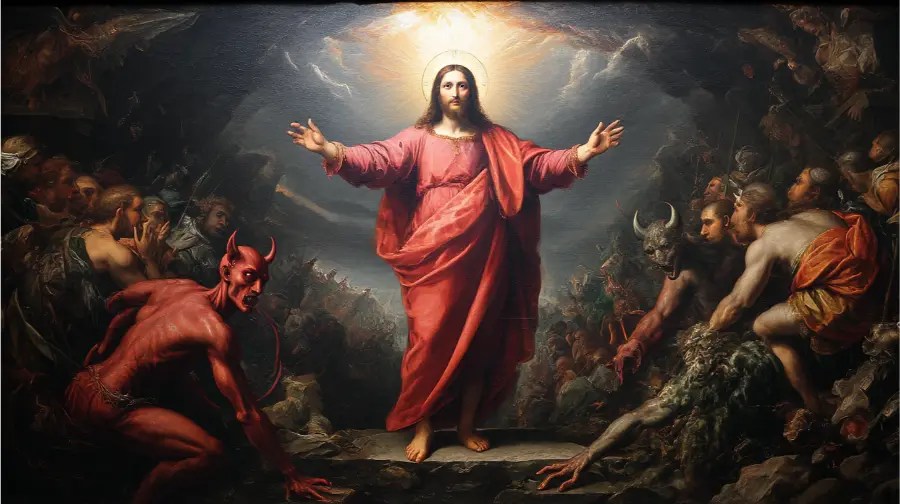
Romans 10:17
“Consequently, faith comes from hearing the message, and the message is heard through the word about Christ.”
Reflection: Paul locates the source of faith outside the person: it comes from hearing the message about Christ. That makes reading and hearing Scripture a practical response to doubt.
James 1:5
“If any of you lacks wisdom, you should ask God, who gives generously to all without finding fault, and it will be given to you.”
Reflection: This is the verse just before the warning about the wave. James invites anyone who lacks wisdom to ask, and he says God gives “without finding fault.”
2 Corinthians 5:7
“For we live by faith, not by sight.”
Reflection: Paul is writing about the life to come, the heavenly dwelling of the verses before (5:1-6). For now believers live without seeing it, and he says so plainly.
Psalm 94:19
“When anxiety was great within me, your consolation brought me joy.”
Reflection: The psalmist admits great anxiety and says God’s consolation met it. For words to use on such a night, there are prayers for hope and faith.
The company you are in
1 Peter 1:6-7
“In all this you greatly rejoice, though now for a little while you may have had to suffer grief in all kinds of trials. These have come so that the proven genuineness of your faith—of greater worth than gold, which perishes even though refined by fire—may result in praise, glory and honor when Jesus Christ is revealed.”
Reflection: Peter is writing about trials of every kind. Gold is tested by fire and still perishes; faith that has been tested results in praise when Christ is revealed.

John 16:33
“I have told you these things, so that in me you may have peace. In this world you will have trouble. But take heart! I have overcome the world.”
Reflection: Jesus promises peace and trouble in the same verse, on the night before his arrest. The peace he offers does not depend on the trouble being absent.
2 Corinthians 12:9-10
“But he said to me, ‘My grace is sufficient for you, for my power is made perfect in weakness.’ Therefore I will boast all the more gladly about my weaknesses.”
Reflection: Paul had asked three times for the thorn to be removed (12:8), and the answer was no. He calls the grace he received sufficient.
If you are the one doubting
Scripture does not put the doubter outside the group. Some of the eleven doubted on the mountain and were commissioned with the rest. Thomas stated his conditions and Jesus met them. The father in Mark said he believed, asked for help with his unbelief, and saw his son healed.
James’s warning is about divided loyalty, and his first instruction is to ask God, who gives without finding fault. Paul says faith comes from hearing, so keep reading and hearing the message about Christ. If someone in your church is doubting, Jude’s instruction is to be merciful to them.


Leave a Reply