
 English
 Chinese
 Dutch
 Arabic
 Spanish
 Portuguese
 Russian
 French
 Italian
 German
 Japanese
In the Bible, Jesus sends his followers out to proclaim the kingdom during his ministry and again, after his resurrection, to make disciples of all nations. Matthew 10:5-7 and 28:19-20 record both. Paul explains why the message has to be spoken (Romans 10:13-14), and Peter asks for answers given “with gentleness and respect” (1 Peter 3:15).
The English word comes from the Greek euangelizo, to announce good news or preach the gospel. The noun euangelistes, evangelist, appears three times in the New Testament: of Philip in Acts 21:8, among the gifts Christ gave the church in Ephesians 4:11, and in Paul’s charge to Timothy in 2 Timothy 4:5.
Jesus sends his followers out

Matthew 28:19-20
“Go therefore and make disciples of all nations, baptizing them in the name of the Father and of the Son and of the Holy Spirit, teaching them to observe all that I have commanded you. And behold, I am with you always, to the end of the age.”
Reflection: The risen Jesus speaks these words to the eleven disciples on a mountain in Galilee, where some worshiped him and some doubted (28:16-17). The command rests on the sentence before it: “All authority in heaven and on earth has been given to me” (28:18). The charge includes baptizing and teaching as well as making disciples, and the teaching covers “all that I have commanded you.” Matthew’s Gospel ends on the promise of his presence “to the end of the age.”
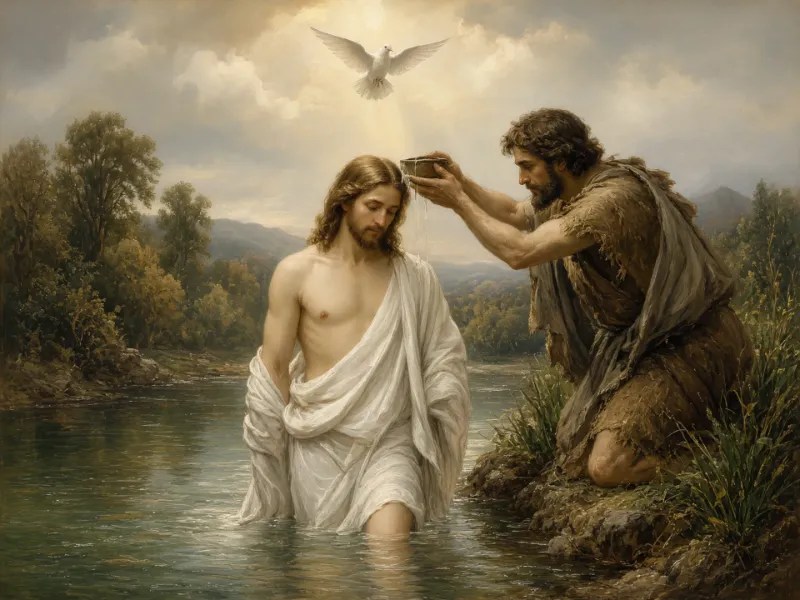
Mark 16:15
“And he said to them, ‘Go into all the world and proclaim the gospel to the whole creation.’”
Reflection: Jesus says this to the eleven after rebuking them for not believing those who had seen him risen (16:14). The next verse joins the preaching to a response: “Whoever believes and is baptized will be saved, but whoever does not believe will be condemned.” The ESV prints Mark 16:9-20 in brackets, with a note that some of the earliest manuscripts do not include it; the same sending appears in Matthew 28 and Acts 1.
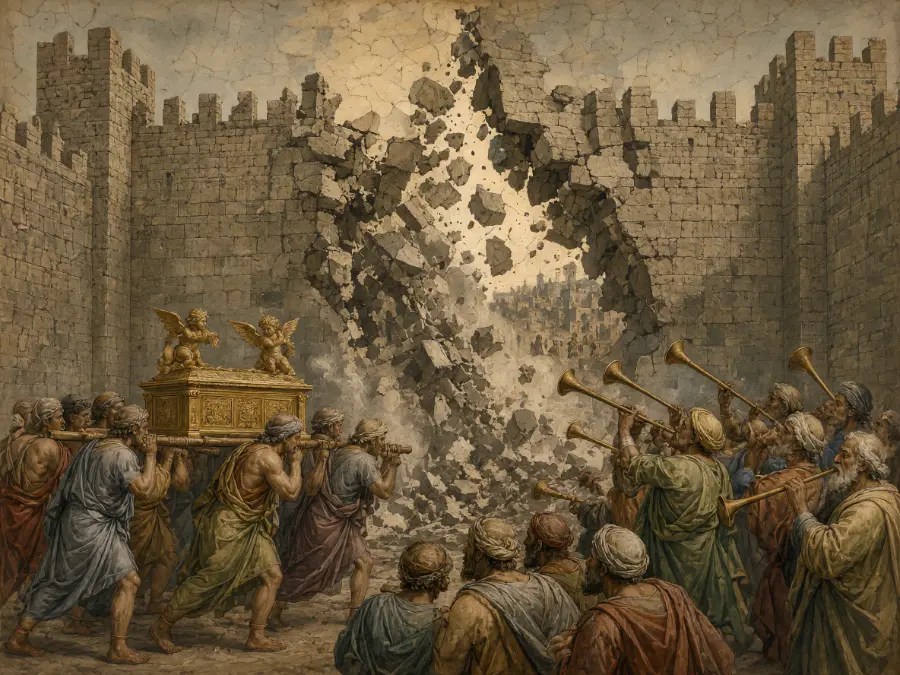
Luke 24:46-47
“Thus it is written, that the Christ should suffer and on the third day rise from the dead, and that repentance for the forgiveness of sins should be proclaimed in his name to all nations, beginning from Jerusalem.”
Reflection: Jesus is in Jerusalem with the eleven and their companions (24:33), explaining that everything written about him in the Law, the Prophets and the Psalms must be fulfilled (24:44). The preaching to all nations comes in his summary of what is written, next to his suffering and his rising on the third day. He then names the disciples as witnesses and tells them to wait in the city for the promise of his Father (24:48-49).

Acts 1:8
“But you will receive power when the Holy Spirit has come upon you, and you will be my witnesses in Jerusalem and in all Judea and Samaria, and to the end of the earth.”
Reflection: The disciples had just asked whether Jesus would now restore the kingdom to Israel (1:6). He tells them the times and seasons are not theirs to know, and gives them a task: to be witnesses, with power from the Holy Spirit, starting in Jerusalem and reaching Judea, Samaria and “the end of the earth.”

2 Timothy 4:5
“But as for you, always be sober-minded, endure suffering, do the work of an evangelist, fulfill your ministry.”
Reflection: Paul charges Timothy “in the presence of God and of Christ Jesus” to “preach the word; be ready in season and out of season” (4:1-2). He warns that people will gather teachers “to suit their own passions” (4:3), and against that he gives Timothy this list, which includes the work of an evangelist. Timothy is told to do that work while also enduring suffering and staying sober-minded.
Why the gospel has to be spoken
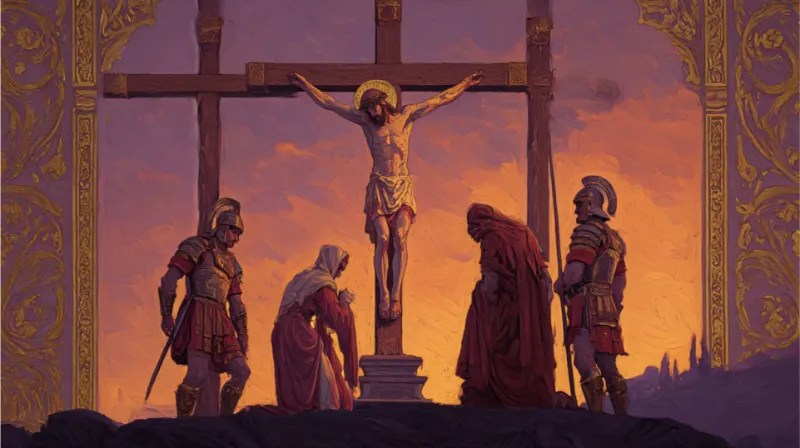
Romans 10:13-14
“For ‘everyone who calls on the name of the Lord will be saved.’ How then will they call on him in whom they have not believed? And how are they to believe in him of whom they have never heard? And how are they to hear without someone preaching?”
Reflection: Paul quotes the promise that “everyone who calls on the name of the Lord will be saved,” then works backward through a chain of questions: calling needs believing, believing needs hearing, hearing needs someone preaching, and preaching needs someone sent (10:14-15). After the last question he adds a line introduced with “As it is written”: “How beautiful are the feet of those who preach the good news!” (10:15). The verse before says “there is no distinction between Jew and Greek” (10:12), and verse 17 sums up the chain: “faith comes from hearing, and hearing through the word of Christ.”
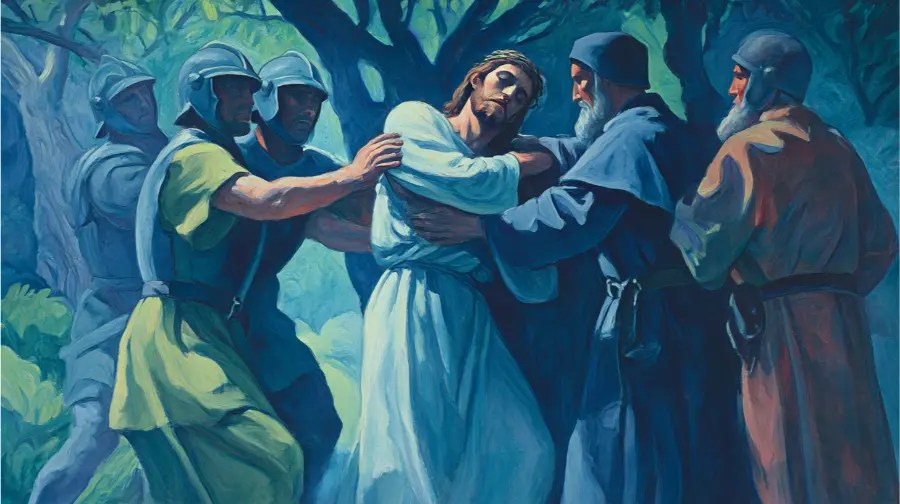
1 Corinthians 9:16
“For if I preach the gospel, that gives me no ground for boasting. For necessity is laid upon me. Woe to me if I do not preach the gospel!”
Reflection: Paul writes that preaching earns him no credit, because “necessity is laid upon me”; he is “entrusted with a stewardship” (9:17). What he counts as his reward is to present the gospel “free of charge” (9:18). The verses that follow describe how he goes about it: “I have become all things to all people, that by all means I might save some” (9:22).

2 Corinthians 5:14-15
“For the love of Christ controls us, because we have concluded this: that one has died for all, therefore all have died; and he died for all, that those who live might no longer live for themselves but for him who for their sake died and was raised.”
Reflection: Paul has been explaining why he and his companions try to persuade people, starting from the fear of the Lord (5:11). Here the motive is the love of Christ, tied to a conclusion about his death for all, and verse 15 states what that death was for. The verses after it draw out the change: “From now on, therefore, we regard no one according to the flesh” (5:16), and “if anyone is in Christ, he is a new creation” (5:17).
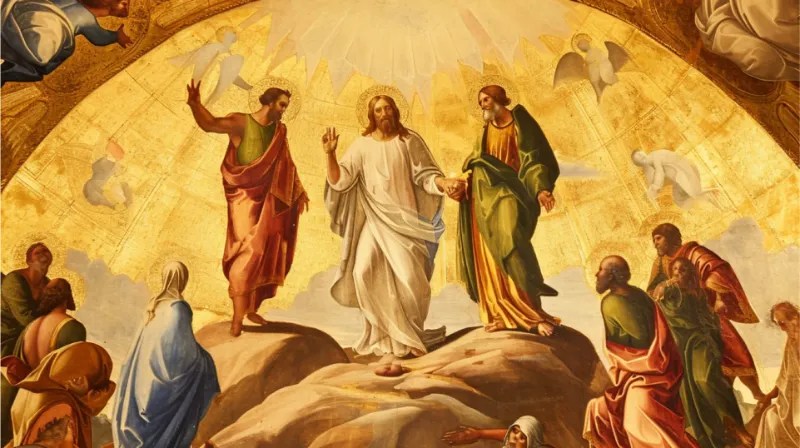
2 Corinthians 5:20
“Therefore, we are ambassadors for Christ, God making his appeal through us. We implore you on behalf of Christ, be reconciled to God.”
Reflection: Paul has just described “the ministry of reconciliation” God gave (5:18) and “the message of reconciliation” entrusted to him and his companions (5:19). As ambassadors they speak on another’s behalf, and Paul says God is “making his appeal through us.” The appeal carries into the next chapter with a line of Scripture and Paul’s comment on it: “Behold, now is the favorable time; behold, now is the day of salvation” (6:2).
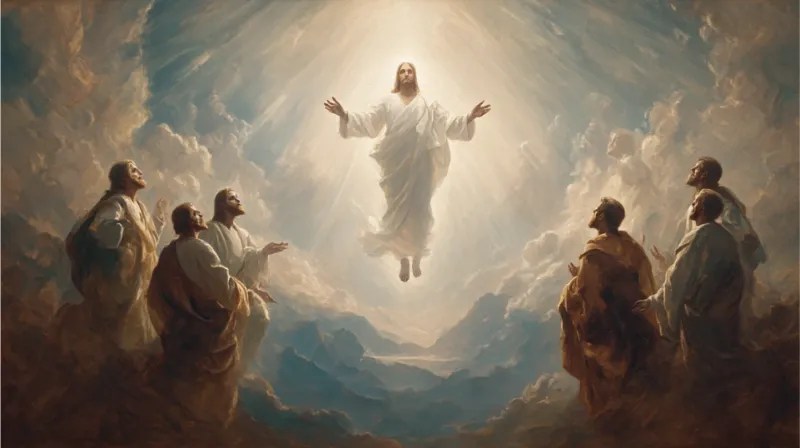
Romans 1:16
“For I am not ashamed of the gospel, for it is the power of God for salvation to everyone who believes, to the Jew first and also to the Greek.”
Reflection: Paul is writing to the church in Rome, which he had often intended to visit but had been prevented (1:13). He calls himself “under obligation both to Greeks and to barbarians, both to the wise and to the foolish” and “eager to preach the gospel to you also who are in Rome” (1:14-15). Verse 16 gives the reason he is not ashamed of that gospel: it is “the power of God for salvation to everyone who believes.”
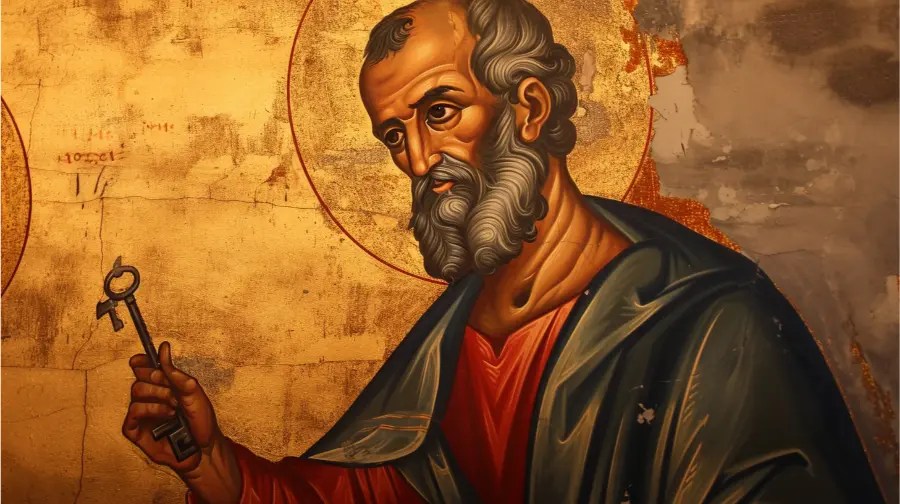
1 Corinthians 1:18
“For the word of the cross is folly to those who are perishing, but to us who are being saved it is the power of God.”
Reflection: The verse before gives Paul’s commission: “Christ did not send me to baptize but to preach the gospel, and not with words of eloquent wisdom, lest the cross of Christ be emptied of its power” (1:17). The same message is heard two ways, as folly by “those who are perishing” and as the power of God by “us who are being saved.” A few verses on, Paul writes, “we preach Christ crucified, a stumbling block to Jews and folly to Gentiles” (1:23).
The Holy Spirit and boldness
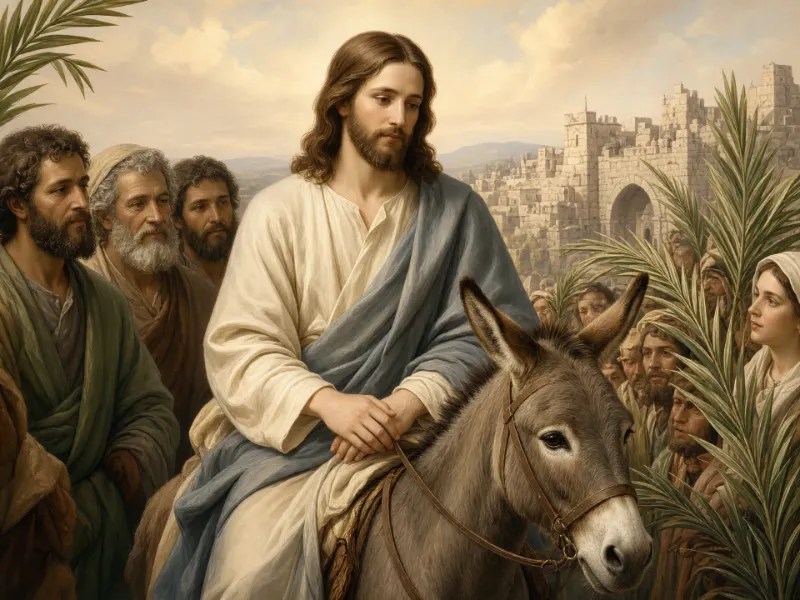
John 16:8
“And when he comes, he will convict the world concerning sin and righteousness and judgment.”
Reflection: Jesus tells the disciples it is to their advantage that he go away, because then he will send the Helper (16:7). The next verses spell out the three charges: sin, “because they do not believe in me”; righteousness, “because I go to the Father”; and judgment, “because the ruler of this world is judged” (16:9-11). In this passage, convicting the world is the Spirit’s work.

1 Thessalonians 1:5
“Because our gospel came to you not only in word, but also in power and in the Holy Spirit and with full conviction.”
Reflection: Paul, Silvanus and Timothy recall how the gospel first reached Thessalonica (1:1). They had come after being “shamefully treated at Philippi” (2:2), and the Thessalonians “received the word in much affliction, with the joy of the Holy Spirit” (1:6). The word then “sounded forth” from them in Macedonia and Achaia, and people elsewhere reported how they had “turned to God from idols” (1:8-9).

1 Thessalonians 2:8
“So, being affectionately desirous of you, we were ready to share with you not only the gospel of God but also our own selves, because you had become very dear to us.”
Reflection: Verse 2 says Paul and his companions had “boldness in our God” to declare the gospel “in the midst of much conflict,” and verses 5-9 describe how they carried themselves while doing so. They used no flattery, had no pretext for greed and sought no glory from people (2:5-6), and they compare their care to a nursing mother’s for her children (2:7). Verse 9 gives one sign of what sharing their own selves meant: they labored night and day so as not to be a burden to anyone while they preached.

Acts 4:31
“And when they had prayed, the place in which they were gathered together was shaken, and they were all filled with the Holy Spirit and continued to speak the word of God with boldness.”
Reflection: Peter and John had been arrested for “proclaiming in Jesus the resurrection from the dead” (4:2) and ordered “not to speak or teach at all in the name of Jesus” (4:18). Back with their friends, the believers prayed that God would “look upon their threats and grant to your servants to continue to speak your word with all boldness” (4:29). Acts 4:31 records the answer: the place shook, they were filled with the Spirit, and they went on speaking.
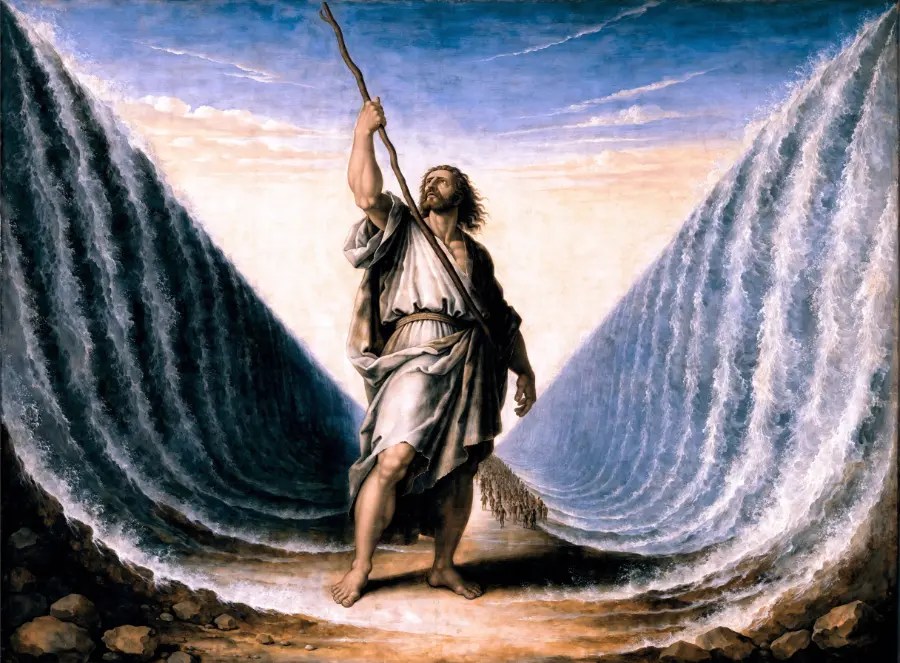
Ephesians 6:19
“And also for me, that words may be given to me in opening my mouth boldly to proclaim the mystery of the gospel.”
Reflection: Near the end of the letter Paul asks the Ephesians to pray “for all the saints” and then for him. He calls himself “an ambassador in chains” (6:20), and his request is for words and for boldness to proclaim the gospel. He makes a similar request in Colossians 4:3, asking for prayer that God would “open to us a door for the word.”
How to answer those outside the faith
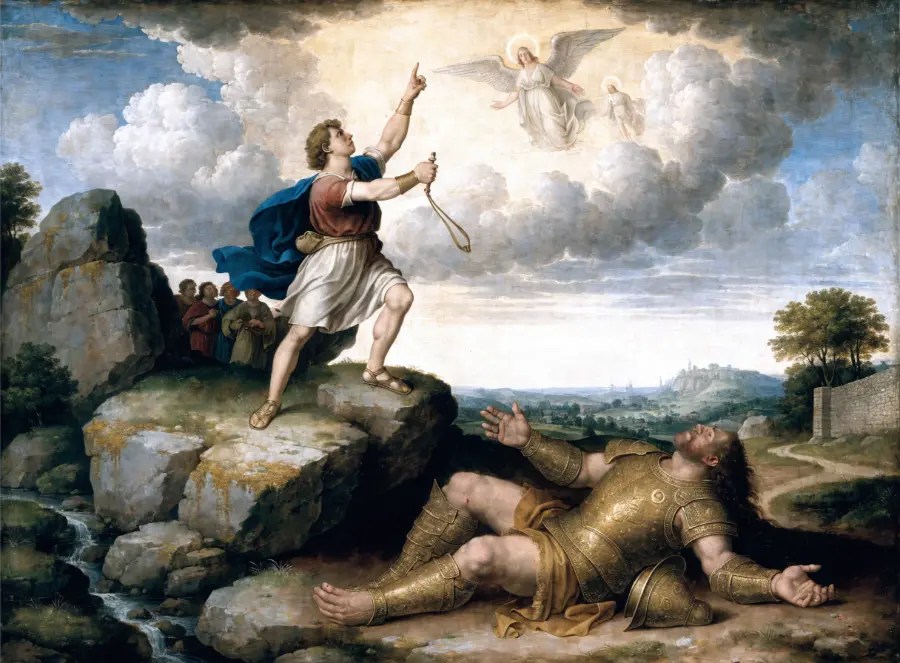
Colossians 4:5-6
“Walk in wisdom toward outsiders, making the best use of the time. Let your speech always be gracious, seasoned with salt, so that you may know how you ought to answer each person.”
Reflection: Paul has just asked the Colossians to pray for “a door for the word” and mentioned that he is in prison (4:3). He then turns to their own conduct toward “outsiders.” Their speech is to be gracious and “seasoned with salt,” and the aim is to know “how you ought to answer each person.”
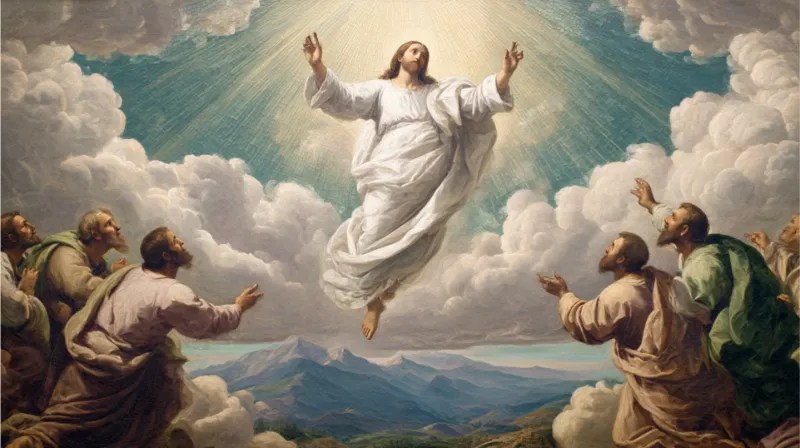
1 Peter 3:15
“But in your hearts honor Christ the Lord as holy, always being prepared to make a defense to anyone who asks you for a reason for the hope that is in you; yet do it with gentleness and respect.”
Reflection: Peter writes to believers who may “suffer for righteousness’ sake” and tells them, “Have no fear of them” (3:14). The verse assumes that someone asks: the defense is given “to anyone who asks you for a reason for the hope that is in you.” The manner is part of the instruction, and verse 16 adds a good conscience, so that those who slander believers “may be put to shame.”

2 Timothy 2:24-25
“And the Lord’s servant must not be quarrelsome but kind to everyone, able to teach, patiently enduring evil, correcting his opponents with gentleness.”
Reflection: Paul tells Timothy to avoid “foolish, ignorant controversies” because “they breed quarrels” (2:23). The Lord’s servant is to be kind, patient and gentle in correcting opponents. The rest of verse 25 gives the hope behind that gentleness: “God may perhaps grant them repentance leading to a knowledge of the truth.”
Sowing, reaping and growth
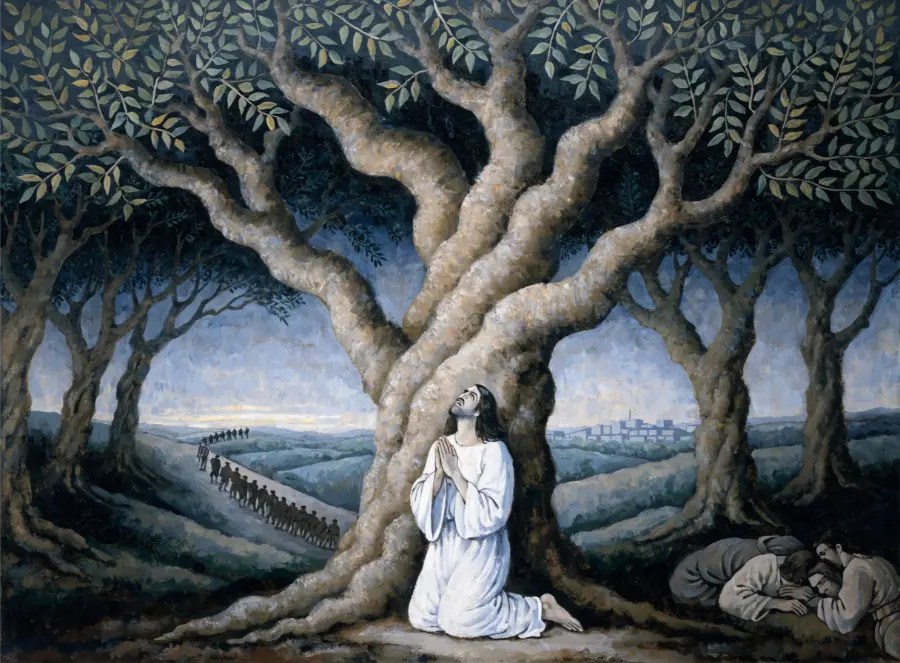
John 4:35
“Do you not say, ‘There are yet four months, then comes the harvest’? Look, I tell you, lift up your eyes, and see that the fields are white for harvest.”
Reflection: Jesus says this in Samaria. The woman he had spoken with had left her water jar and gone into town saying, “Come, see a man who told me all that I ever did” (4:29), and the townspeople were coming out to him (4:30). Afterward “many Samaritans from that town believed in him because of the woman’s testimony” (4:39). Verse 38 adds that the disciples reap where others have labored.

1 Corinthians 3:6-7
“I planted, Apollos watered, but God gave the growth. So neither he who plants nor he who waters is anything, but only God who gives the growth.”
Reflection: Paul calls himself and Apollos “servants through whom you believed, as the Lord assigned to each” (3:5). One planted and the other watered, and the growth came from God. The next verses say that the one who plants and the one who waters “are one,” that each “will receive his wages according to his labor” (3:8), and that both are “God’s fellow workers” (3:9).
The gospel for every nation
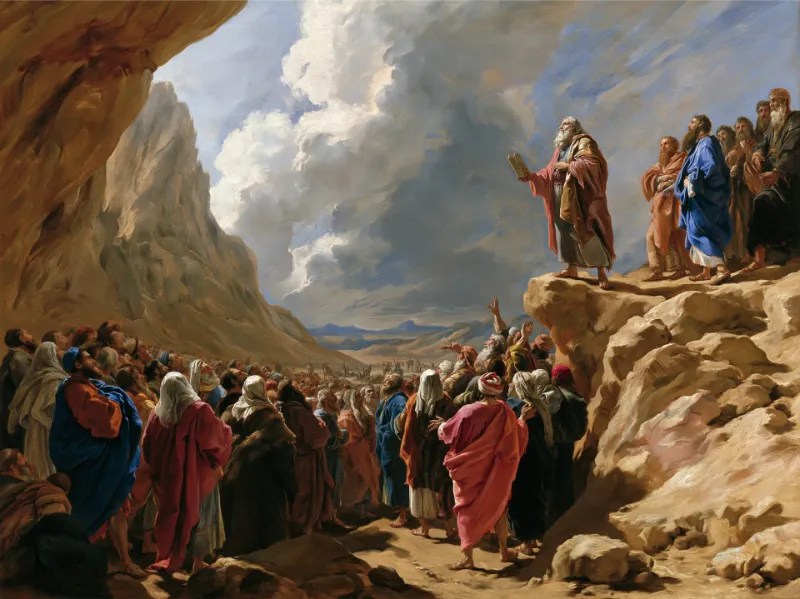
Acts 10:34-35
“So Peter opened his mouth and said: ‘Truly I understand that God shows no partiality, but in every nation anyone who fears him and does what is right is acceptable to him.’”
Reflection: Peter says this to Cornelius, a centurion of the Italian Cohort at Caesarea who “feared God with all his household” (10:1-2). He goes on to preach Jesus’ death and resurrection and ends with forgiveness of sins for “everyone who believes in him” (10:43). While Peter was still speaking, the Holy Spirit fell on those listening, and the believers from among the circumcised were amazed that the gift came “even on the Gentiles” (10:44-45).

Revelation 7:9
“After this I looked, and behold, a great multitude that no one could number, from every nation, from all tribes and peoples and languages, standing before the throne and before the Lamb, clothed in white robes, with palm branches in their hands.”
Reflection: John sees a multitude too large to count, drawn “from every nation, from all tribes and peoples and languages,” standing before the throne. Their cry is “Salvation belongs to our God who sits on the throne, and to the Lamb!” (7:10). Matthew 28:19 sends the disciples to all nations; this vision shows people from every nation before the throne.
Praying for the work
The believers in Jerusalem asked for boldness under threat (Acts 4:29), Paul asked the Ephesians to pray that words would be given to him (Ephesians 6:19), and he asked the Colossians to pray for “a door for the word” (Colossians 4:3). Jesus gave his disciples a related prayer when he saw the crowds: “pray earnestly to the Lord of the harvest to send out laborers into his harvest” (Matthew 9:38).


Leave a Reply