
 English
  Chinese
  Dutch
Dutch  Arabic
  Spanish
  Portuguese
  Russian
  French
  Italian
  German
  Japanese
 In the Bible, faith is trust in God and in what he has said. Hebrews 11:1 calls it “confidence in what we hope for and assurance about what we do not see.”
Genesis 15:6 records Abram believing God’s promise, and Paul and James both quote that verse. Ephesians 2:8-9 says believers are saved “through faith,” James 2:17 says faith without action is dead, and Paul quotes Habakkuk 2:4 in Romans 1:17: “The righteous will live by faith.”
What faith is
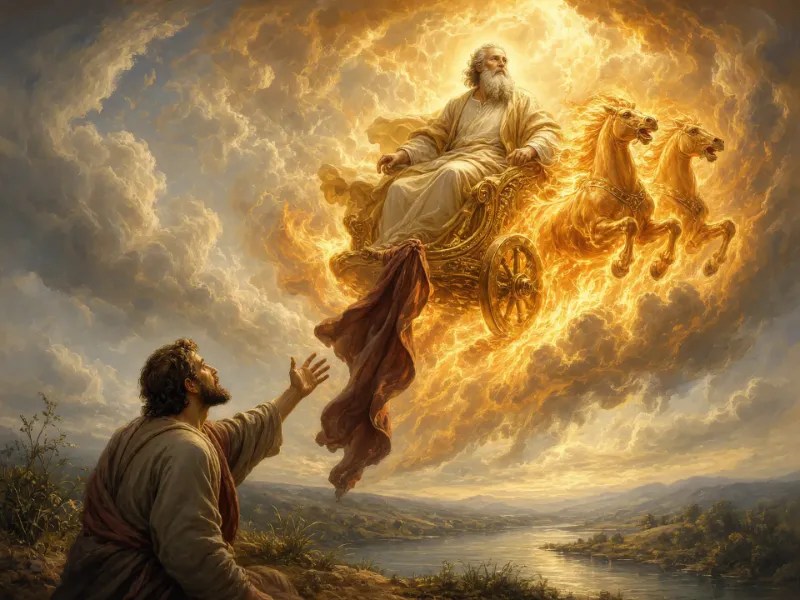
Hebrews 11:1
“Now faith is confidence in what we hope for and assurance about what we do not see.”
Reflection: The verse opens a chapter that lists people who acted on God’s word before they saw it fulfilled, beginning with Abel and Enoch. The next verse says, “This is what the ancients were commended for.” The chapter’s first example is creation itself: “By faith we understand that the universe was formed at God’s command” (verse 3).
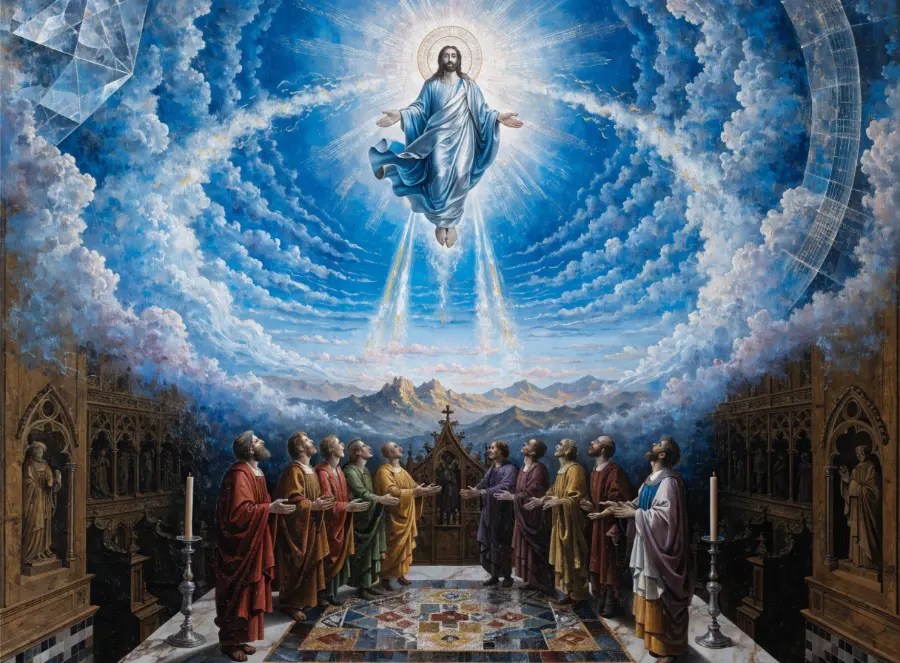
Hebrews 11:6
“And without faith it is impossible to please God, because anyone who comes to him must believe that he exists and that he rewards those who earnestly seek him.”
Reflection: The verse comes in the chapter’s note on Enoch, who “was commended as one who pleased God” (verse 5). It names two things anyone who comes to God must believe: that he exists, and that he rewards those who earnestly seek him.
2 Corinthians 5:7
“For we live by faith, not by sight.”
Reflection: Paul writes this in a passage about the body and death. As long as believers are “at home in the body,” he says in verse 6, they are “away from the Lord,” and faith is how they live in the meantime. In verse 8 he says he would prefer to be “at home with the Lord.”
1 Peter 1:8-9
“Though you have not seen him, you love him; and even though you do not see him now, you believe in him and are filled with an inexpressible and glorious joy, for you are receiving the end result of your faith, the salvation of your souls.”
Reflection: Peter writes to believers who have not seen Jesus. Verse 7 calls their faith “of greater worth than gold” and says their trials prove it genuine. Here faith is belief in someone not seen, joined to love and joy, and its end result is “the salvation of your souls.”
Abraham and the Old Testament
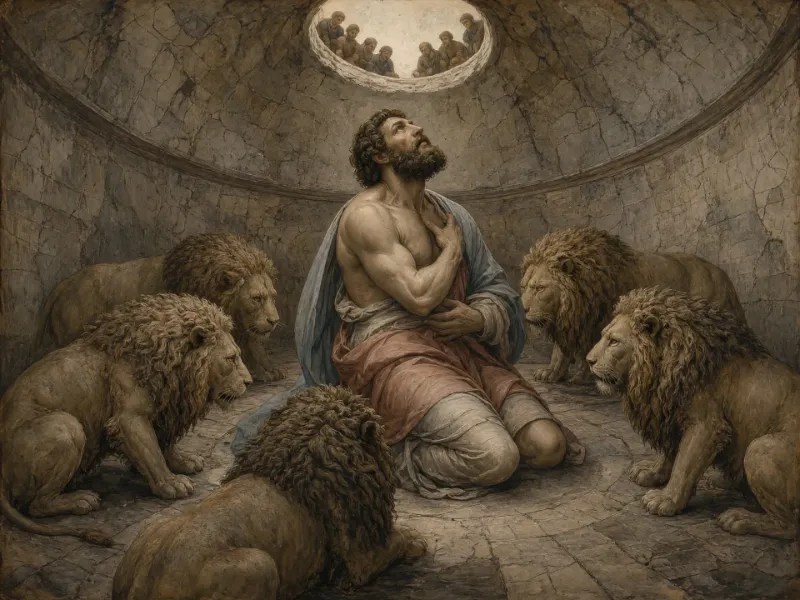
Genesis 15:6
“Abram believed the LORD, and he credited it to him as righteousness.”
Reflection: God has taken the childless Abram outside, told him to count the stars and promised, “So shall your offspring be” (verse 5). Abram believes the promise, and God credits that belief as righteousness. Paul quotes the verse in Romans 4:3, and James quotes it in James 2:23.

Proverbs 3:5-6
“Trust in the LORD with all your heart and lean not on your own understanding; in all your ways submit to him, and he will make your paths straight.”
Reflection: The chapter is a father’s instruction to his son, and it opens “My son, do not forget my teaching.” The proverb sets trusting the LORD with the whole heart against leaning on one’s own understanding, and promises straight paths to the one who submits to him in everything.
Faith, grace and works
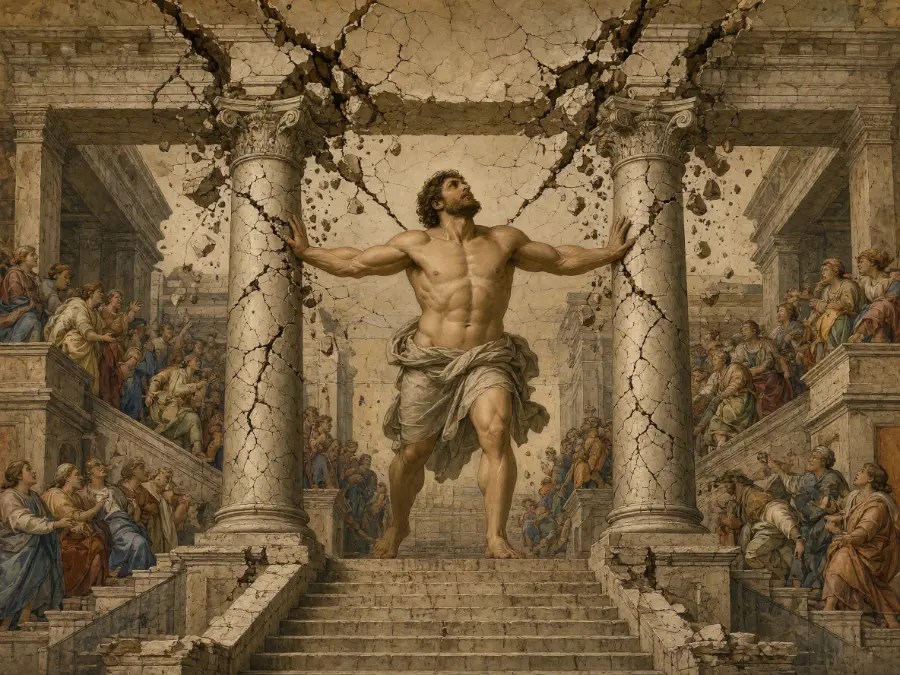
Ephesians 2:8-9
“For it is by grace you have been saved, through faith—and this is not from yourselves, it is the gift of God— not by works, so that no one can boast.”
Reflection: Paul tells the Ephesian believers that they were saved by grace, received through faith, and he rules out works “so that no one can boast.” The next verse gives good works a place: believers are “created in Christ Jesus to do good works, which God prepared in advance for us to do.”
Galatians 2:20
“I have been crucified with Christ and I no longer live, but Christ lives in me. The life I now live in the body, I live by faith in the Son of God, who loved me and gave himself for me.”
Reflection: Paul describes his life as lived “by faith in the Son of God, who loved me and gave himself for me.” The verses around it set that faith against keeping the law, and verse 21 ends, “if righteousness could be gained through the law, Christ died for nothing!”
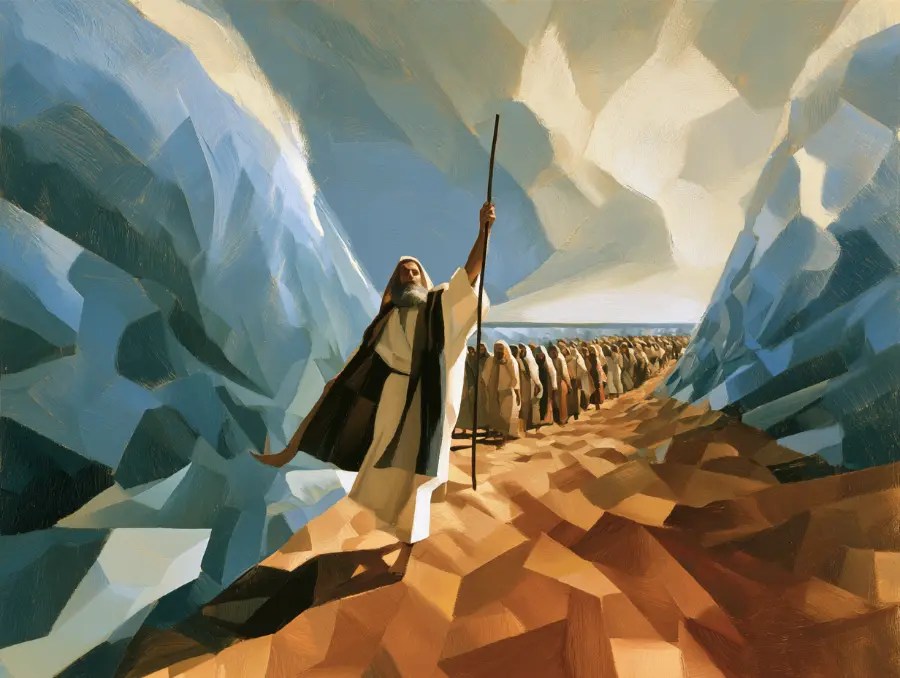
James 2:17
“In the same way, faith by itself, if it is not accompanied by action, is dead.”
Reflection: James compares faith without action to telling a brother or sister without clothes or food “Go in peace; keep warm and well fed” and giving them nothing. He goes on to quote Genesis 15:6 and concludes that “a person is considered righteous by what they do and not by faith alone” (verse 24). The Council of Trent’s decree on justification quotes verse 24 when it teaches that the justified, “faith co-operating with good works, increase in that justice” they have received. The Westminster Confession, a Reformed statement of faith, teaches that faith “is the alone instrument of justification; yet is it not alone in the person justified.”
Where faith comes from and how it is kept
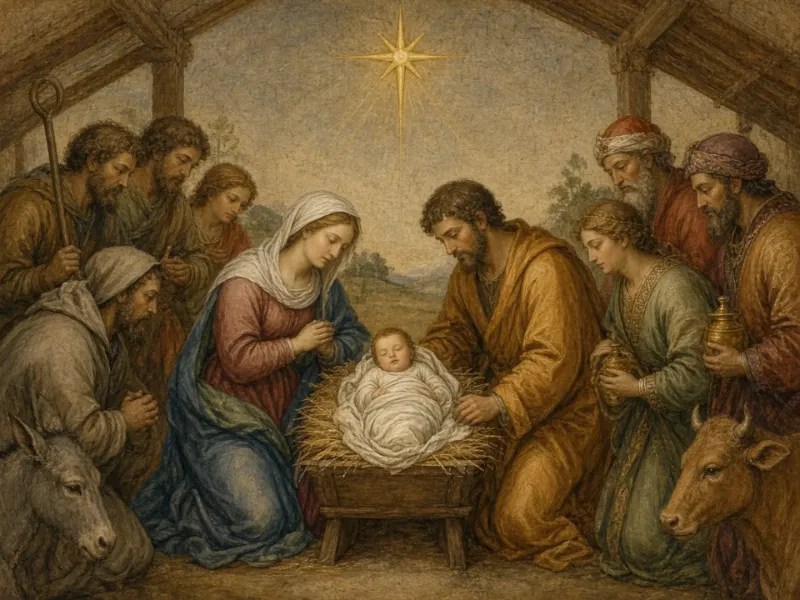
Romans 10:17
“Consequently, faith comes from hearing the message, and the message is heard through the word about Christ.”
Reflection: Paul ends a chain of questions here: people cannot call on someone they have not believed in, cannot believe without hearing, and cannot hear without someone preaching (verses 14-15). In this verse faith begins when the message about Christ is heard.
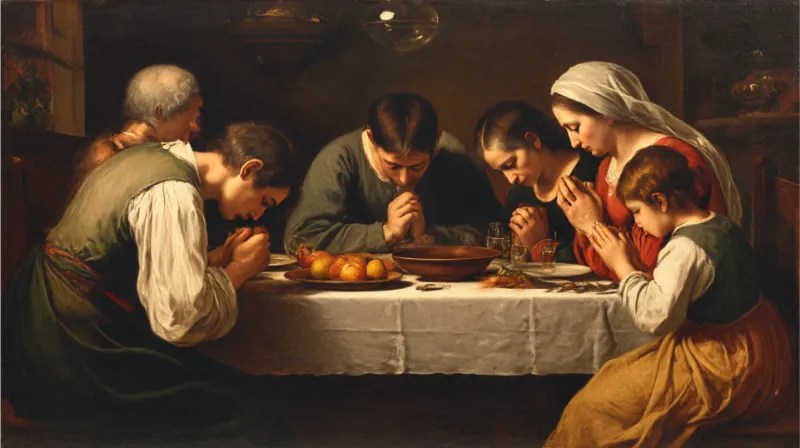
Hebrews 12:2
“Fixing our eyes on Jesus, the pioneer and perfecter of faith. For the joy set before him he endured the cross, scorning its shame, and sat down at the right hand of the throne of God.”
Reflection: The verse follows the list of Hebrews 11, whose people it calls “such a great cloud of witnesses” (verse 1). The writer names Jesus as “the pioneer and perfecter of faith” and points to the cross, which he endured “for the joy set before him.”
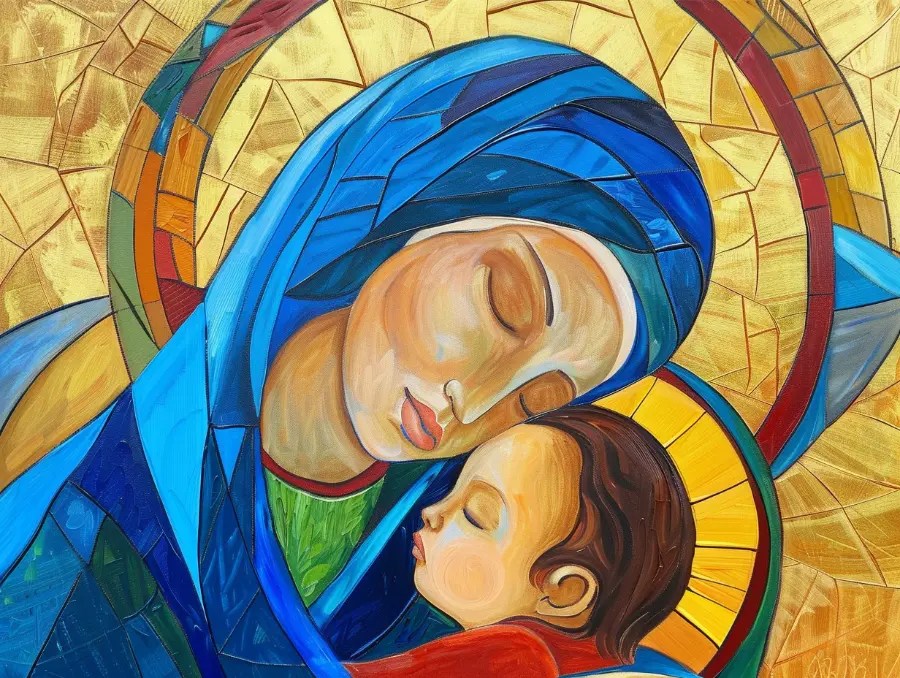
1 Corinthians 16:13
“Be on your guard; stand firm in the faith; be courageous; be strong.”
Reflection: In the last chapter of the letter Paul gives a run of short commands, and standing firm in the faith comes between keeping guard and being courageous. The next verse adds, “Do everything in love.”
Small faith, doubt and prayer
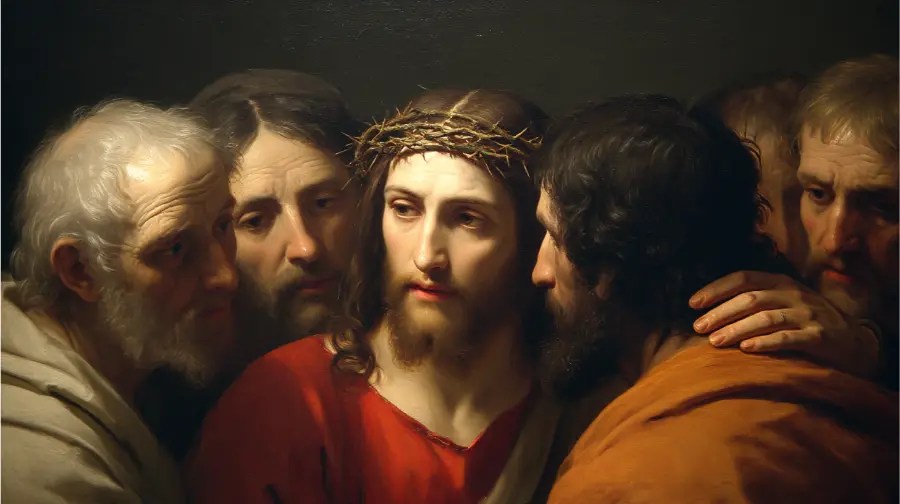
Matthew 17:20
“He replied, ‘Because you have so little faith. Truly I tell you, if you have faith as small as a mustard seed, you can say to this mountain, ‘Move from here to there,’ and it will move. Nothing will be impossible for you.’”
Reflection: The disciples had failed to drive a demon out of a boy and asked Jesus privately why. He answers that their faith was too small, then says that faith the size of a mustard seed could move a mountain. Mark 9:14-29 tells the same event.
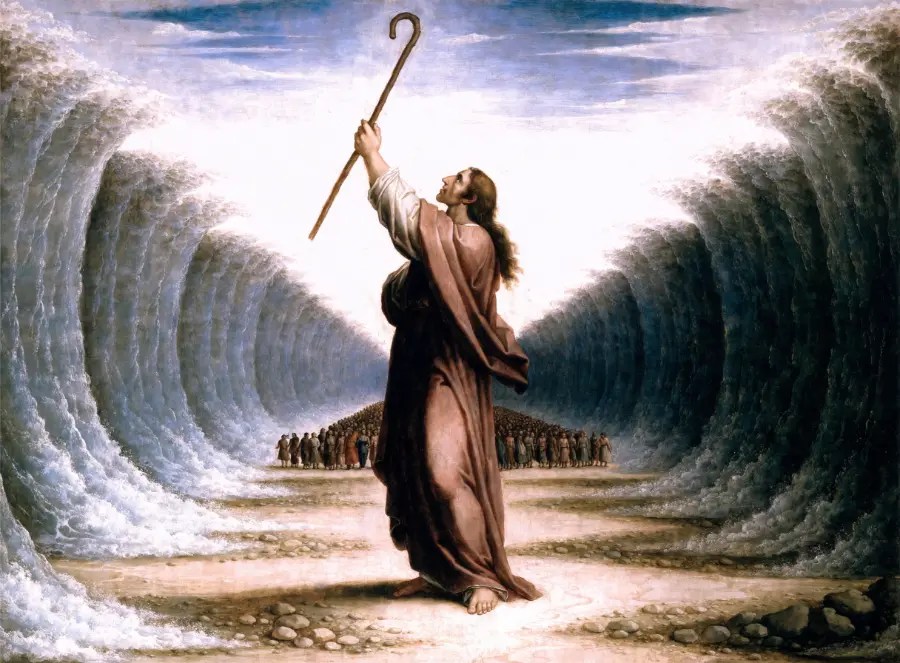
Mark 9:24
“Immediately the boy’s father exclaimed, ‘I do believe; help me overcome my unbelief!’”
Reflection: In Mark’s account of the same healing, the boy’s father asks Jesus to help “if you can.” Jesus answers, “Everything is possible for one who believes,” and the father replies with this sentence, which admits belief and unbelief together. Jesus then drives out the spirit (verse 25).
Mark 11:24
“Therefore I tell you, whatever you ask for in prayer, believe that you have received it, and it will be yours.”
Reflection: Jesus says this in the morning, when Peter points out that the fig tree Jesus cursed has withered. He begins with “Have faith in God” (verse 22), and the next verse joins prayer to forgiveness: “when you stand praying, if you hold anything against anyone, forgive them, so that your Father in heaven may forgive you your sins” (verse 25). Matthew 21:21-22 gives a shorter version.


Leave a Reply