
 English
 Chinese
 Dutch
 Arabic
 Spanish
 Portuguese
 Russian
 French
 Italian
 German
 Japanese
Category 1: Crying Out to God in Your Distress
These verses validate the raw, human experience of being overwhelmed and model the sacred act of bringing that feeling directly and honestly to God.

Psalm 61:2
“From the end of the earth I call to you when my heart is faint. Lead me to the rock that is higher than I.”
Reflection: This verse beautifully captures the integrity of our emotional experience. It acknowledges that our hearts can and do grow faint, a state of deep emotional weariness. The cry is not one of panic, but of purpose: a directional plea to be led to a place of greater stability and perspective—’the rock that is higher than I.’ It’s an act of profound self-awareness and faith, recognizing that when our internal world is low and flooded, we need an external, unshakeable anchor in God to elevate us above the torrent of our circumstances.

Psalm 142:3
“When my spirit faints within me, you know my way!”
Reflection: There is immense comfort in being truly known, especially when we feel lost within ourselves. This verse speaks to the moments when overwhelm turns to disorientation, when our own spirit feels weak and confused. The assurance here is not that the path will be made easy, but that it is already known and held by a loving God. This relieves us of the pressure to have it all figured out, allowing us to trust that our very bewilderment is seen and understood.

Psalm 42:5
“Why are you cast down, O my soul, and why are you in turmoil within me? Hope in God; for I shall again praise him, my salvation and my God.”
Reflection: This is a stunning example of healthy internal dialogue. The psalmist gives voice to his emotional turmoil, giving it dignity by asking it a question. He doesn’t shame his soul for being “cast down” but engages with it. Then, he gently but firmly directs his soul toward its true source of hope. This is a model for us: to compassionately acknowledge our inner chaos while intentionally redirecting our focus toward the unchanging character of God, our ultimate salvation.

Psalm 34:17
“When the righteous cry for help, the LORD hears and delivers them out of all their troubles.”
Reflection: The feeling of being overwhelmed is often accompanied by a sense of isolation, a fear that no one hears or understands. This verse is a direct counter-narrative to that isolating fear. It promises divine attentiveness. The act of “crying for help” is itself an act of faith, and this promise validates that our cries are not lost in the void. They are received, and more than that, they are acted upon by a God who is committed to our deliverance.
Category 2: God’s Promise of His Unfailing Presence
When we feel overwhelmed, the core fear is often one of abandonment or of facing the struggle alone. These verses are a powerful antidote, promising God’s constant, active presence.

Isaiah 41:10
“Fear not, for I am with you; be not dismayed, for I am your God; I will strengthen you, I will help you, I will uphold you with my righteous right hand.”
Reflection: This verse is a cascade of reassurance targeting the heart of anxiety. The command “Fear not” is not a rebuke, but a consequence of the promise that follows: “I am with you.” God’s presence is the reason we don’t have to be dismayed. The promise is threefold and deeply personal: He will infuse us with His strength, provide active help, and offer stabilizing support. This isn’t about our ability to hold on, but about His faithful, righteous grip on us.
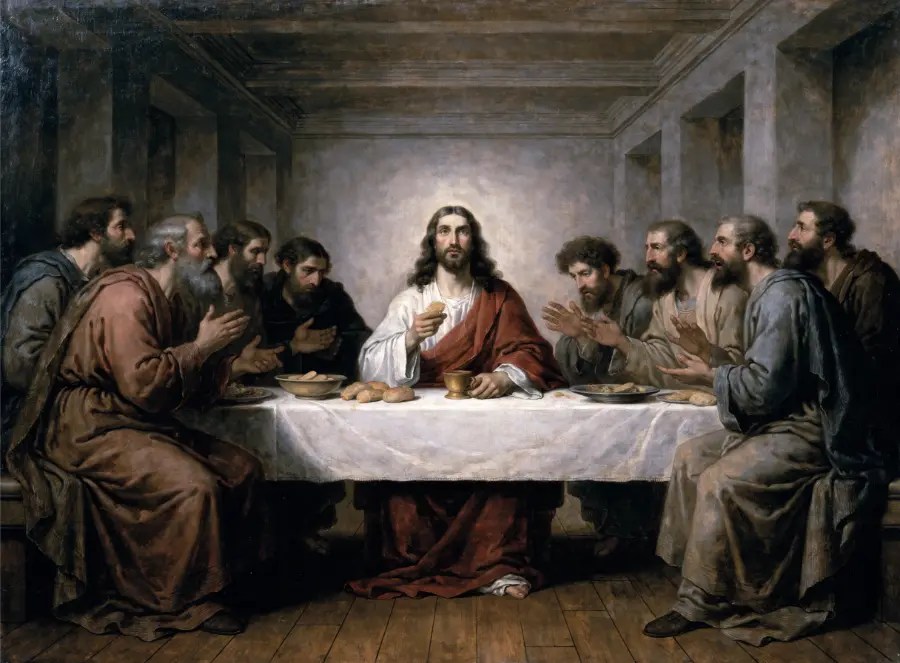
Deuteronomy 31:8
“It is the LORD who goes before you. He will be with you; he will not leave you or forsake you. Do not fear or be dismayed.”
Reflection: Overwhelm often stems from staring at an unknown and intimidating future. This promise reframes that perspective entirely. God isn’t just with us in the present moment; He is already going ahead of us, preparing the way. This truth provides a deep sense of security. We are not walking into an ambush alone. The assurance that He will never leave or forsake us is the ultimate cure for the fear of abandonment that so often paralyzes us.
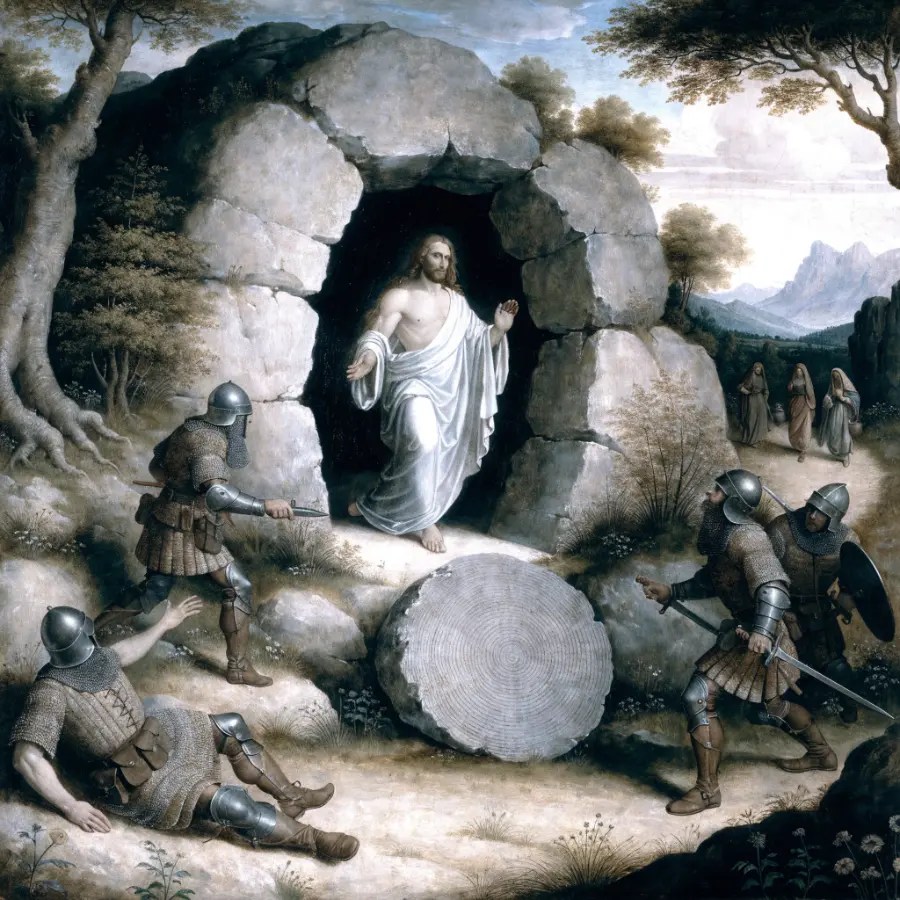
Joshua 1:9
“Have I not commanded you? Be strong and courageous. Do not be frightened, and do not be dismayed, for the LORD your God is with you wherever you go.”
Reflection: This is less of a suggestion and more of a divine commission rooted in a divine reality. Our strength and courage are not sourced in our own grit, but in the unshakable truth of God’s presence. Feeling frightened is a natural human response to overwhelming odds, but this verse invites us to anchor our emotional state in a theological reality that is more powerful than our feelings: God’s constant companionship is our true north, regardless of the terrain we must cross.

Isaiah 43:2
“When you pass through the waters, I will be with you; and through the rivers, they shall not overwhelm you; when you walk through fire you shall not be burned, and the flame shall not consume you.”
Reflection: This verse offers a profound realism. It does not promise a life without “waters,” “rivers,” or “fire.” It promises that these overwhelming elements will not have the final say. The critical factor is God’s presence in the midst of them. The rivers may rise, but they will not “overwhelm you.” This speaks to our resilience, a resilience that is not our own but is gifted to us by the very presence of the God who commands the elements.
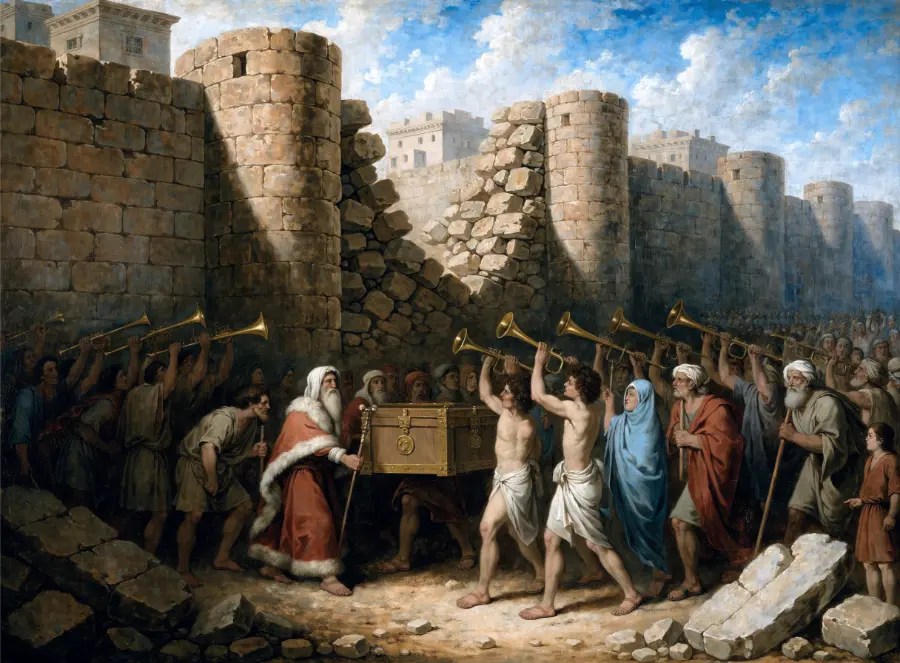
Exodus 33:14
“And he said, ‘My presence will go with you, and I will give you rest.’”
Reflection: Here, presence and rest are inextricably linked. The ultimate antidote to a soul overwhelmed by striving and anxiety is the settling reality of God’s presence. This isn’t a passive presence, but an active one that bestows the gift of rest. It suggests that true soul-rest is not found in the absence of problems, but in the presence of God amidst them. It’s a peace that comes from ceasing our frantic efforts to control and simply abiding with Him.
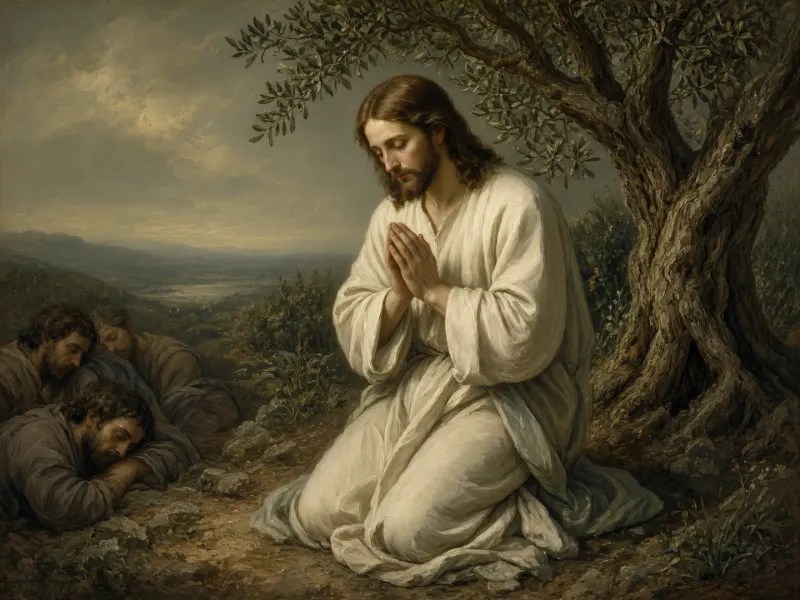
Psalm 23:4
“Even though I walk through the valley of the shadow of death, I will fear no evil, for you are with me; your rod and your staff, they comfort me.”
Reflection: This verse gives us language for our darkest experiences—the “valley of the shadow.” It normalizes that such valleys are part of the human journey. The pivotal turn is from the description of the valley to the declaration of faith: “I will fear no evil.” The reason is simple and profound: “for you are with me.” The rod and staff are instruments of guidance and protection, symbols of a God who is actively engaged in our well-being, providing comfort and direction even when the shadows are deepest.
Category 3: The Invitation to Release Your Burdens
These verses are a call to action—a divine invitation to transfer the weight we are carrying onto the one who is strong enough to bear it.
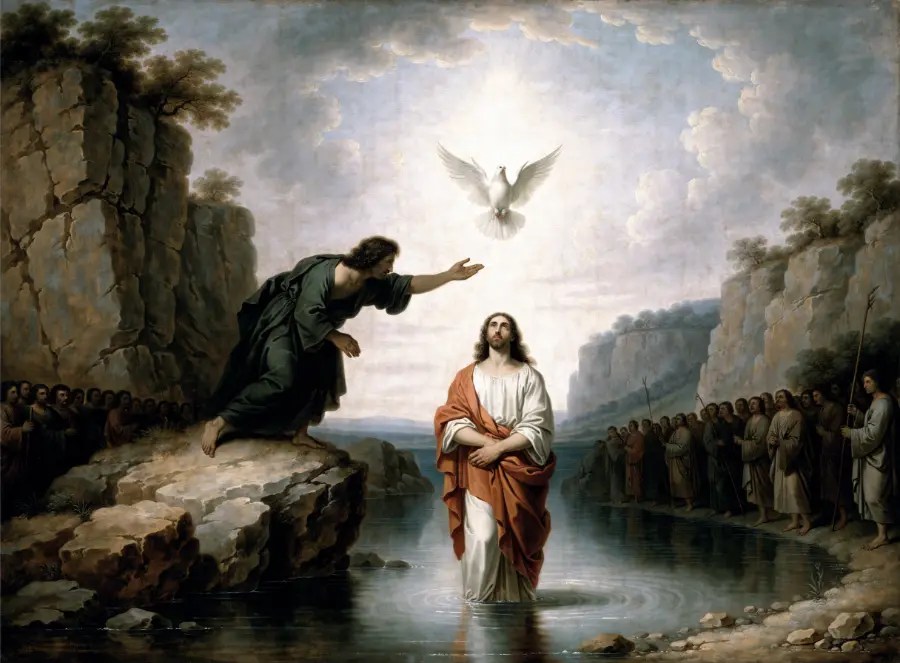
Matthew 11:28-30
“Come to me, all who labor and are heavy laden, and I will give you rest. Take my yoke upon you, and learn from me, for I am gentle and lowly in heart, and you will find rest for your souls. For my yoke is easy, and my burden is light.”
Reflection: This is perhaps the most tender invitation in Scripture for the overwhelmed soul. Jesus acknowledges our state of being—we are “laboring” and “heavy laden.” The solution is not to try harder, but to “come” to Him. The exchange He offers is profound: we give Him our crushing yoke of performance and anxiety, and we receive His yoke of gentle guidance and grace. The promise of “rest for your souls” speaks to a deep, internal peace that is found not in abdication of responsibility, but in partnership with a humble and loving Savior.

1 Peter 5:7
“Casting all your anxieties on him, because he cares for you.”
Reflection: This verse combines a clear command with a beautiful motivation. “Casting” is an active, decisive verb. It implies a conscious transfer of a heavy weight from ourselves to another. It’s an act of will. But we are not casting our cares into an indifferent void. The reason we can do this with confidence is the bedrock truth: “He cares for you.” This is not just a duty, but an act of love, motivated by the relational reality of a God who is personally and tenderly concerned with our well-being.
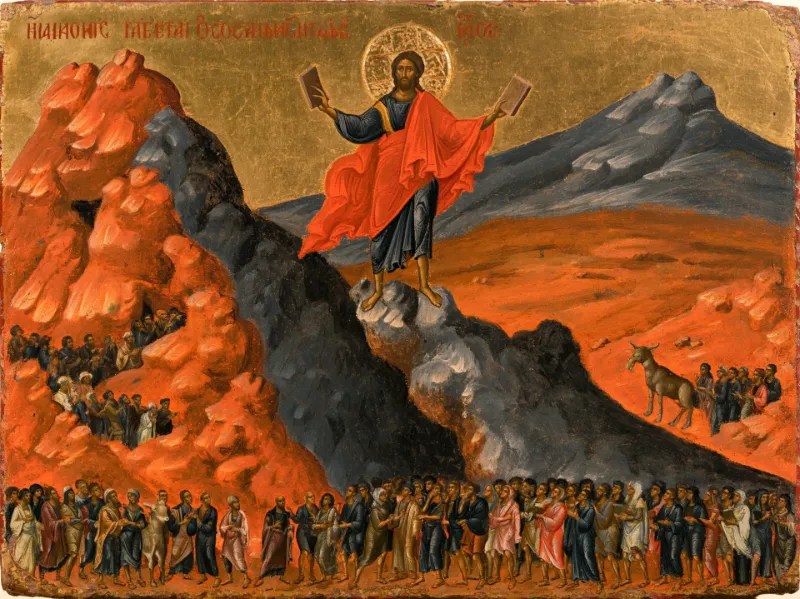
Philippians 4:6-7
“Do not be anxious about anything, but in everything by prayer and supplication with thanksgiving let your requests be made known to God. And the peace of God, which surpasses all understanding, will guard your hearts and your minds in Christ Jesus.”
Reflection: This verse provides a practical, spiritual strategy for managing overwhelm. It replaces the passive state of anxiety with the active process of prayer. The inclusion of “thanksgiving” is crucial; it reframes our minds, shifting our focus from what is lacking or frightening to what is good and true in God. The result is transformative: a “peace that surpasses all understanding.” This isn’t a peace we manufacture, but a divine gift that stands guard over our emotional center (the heart) and our cognitive center (the mind).

Psalm 55:22
“Cast your burden on the LORD, and he will sustain you; he will never permit the righteous to be moved.”
Reflection: Similar to 1 Peter, this is an invitation to offload what we were never meant to carry alone. But it adds a further promise: God will “sustain” you. This is a promise of ongoing support. He doesn’t just take the burden for a moment; He provides the continuous grace and strength needed to keep going. The declaration that the righteous will “never be moved” speaks to our ultimate stability. While our emotions may be shaken, our core foundation in Him is eternally secure.
Category 4: Finding Strength and Grace in Weakness
This set of verses reframes our understanding of weakness, showing that our points of greatest overwhelm can become the very places where God’s strength is most profoundly displayed.

2 Corinthians 12:9-10
“But he said to me, ‘My grace is sufficient for you, for my power is made perfect in weakness.’ Therefore I will boast all the more gladly of my weaknesses, so that the power of Christ may rest upon me.”
Reflection: This is a radically counter-cultural and counter-intuitive truth. Society tells us to hide our weakness; God tells us it is the very arena where His power is perfected. The feeling of being overwhelmed is a deep experience of our own insufficiency. This verse invites us not to despair in that feeling, but to see it as an opportunity for Christ’s power to “rest upon” us. It transforms our weakness from a source of shame into a point of contact with divine grace.
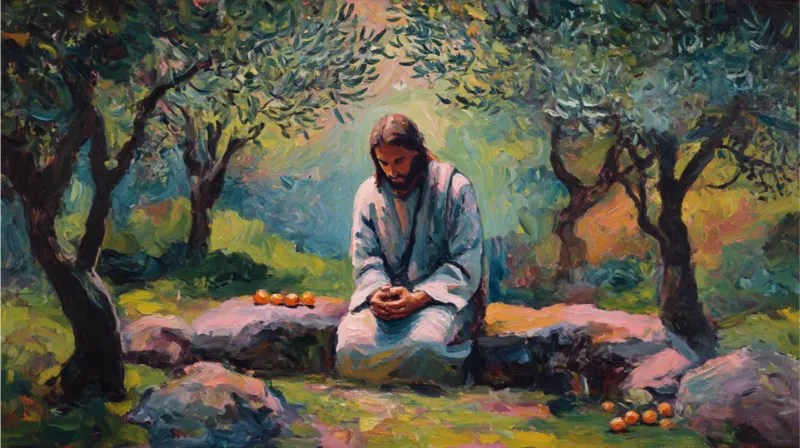
Isaiah 40:29-31
“He gives power to the faint, and to him who has no might he increases strength… but they who wait for the LORD shall renew their strength; they shall mount up with wings like eagles; they shall run and not be weary; they shall walk and not faint.”
Reflection: This passage speaks directly to the experience of burnout and exhaustion. It acknowledges the reality of feeling faint and having “no might.” The remedy is not frantic effort, but active waiting—a posture of expectant trust in the Lord. The result is a supernatural renewal. The imagery progresses from soaring (a seemingly impossible feat), to running, to simply walking without fainting. It’s a beautiful picture of God meeting us where we are and providing the exact measure of strength needed for the journey ahead.

2 Corinthians 4:8-9
“We are afflicted in every way, but not crushed; perplexed, but not driven to despair; persecuted, but not forsaken; struck down, but not destroyed.”
Reflection: This verse offers a powerful testament to spiritual and emotional resilience. It is brutally honest about the reality of suffering—”afflicted in every way.” It validates the feeling of being pressed, confused, and attacked. Yet, in each clause, there is a “but not.” This “but not” is the intervention of divine grace. It doesn’t eliminate the pressure, but it prevents the pressure from crushing us. It is the core of Christian hope: acknowledging the full reality of our hardship while clinging to the greater reality of God’s sustaining power.
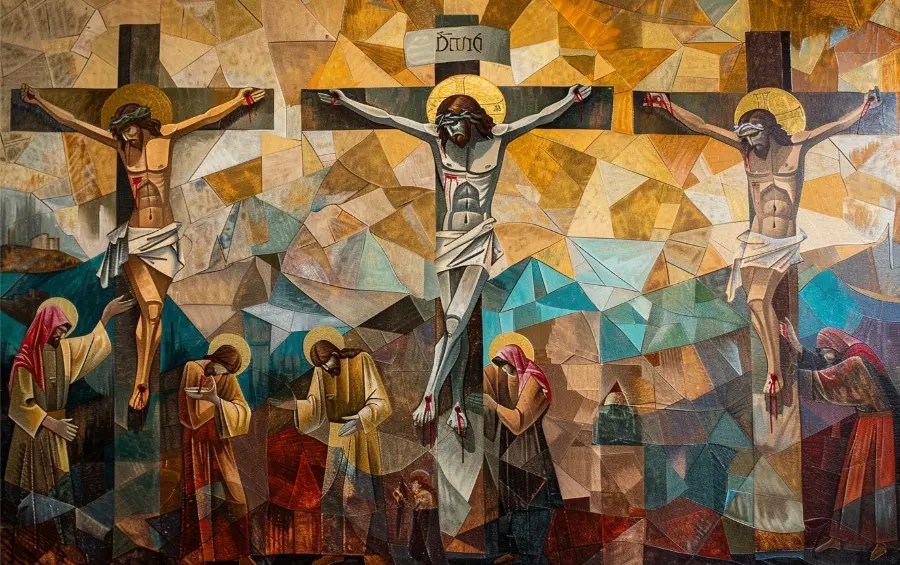
Hebrews 4:15-16
“For we do not have a high priest who is unable to sympathize with our weaknesses, but one who in every respect has been tempted as we are, yet without sin. Let us then with confidence draw near to the throne of grace, that we may receive mercy and find grace to help in time of need.”
Reflection: The feeling of overwhelm can be profoundly isolating, making us feel that no one could possibly understand. This verse shatters that isolation. Christ’s humanity means He has an empathetic understanding of our weaknesses. Because He understands, we are invited to approach God not with fear, but with “confidence.” The “throne of grace” is not a place of judgment for our inadequacy, but the very place we can find mercy for our failings and a timely supply of grace to help us in our exact moment of need.
Category 5: Receiving His Peace and Comfort
These verses focus on the divine gifts of peace and comfort that are available to us when the world and our own minds are in turmoil.

John 16:33
“I have said these things to you, that in me you may have peace. In the world you will have trouble. But take heart; I have overcome the world.”
Reflection: Jesus does not promise a trouble-free life; in fact, He guarantees the opposite. This validation of hardship is itself a comfort, as it reassures us that our struggles are not a sign of God’s absence. The peace He offers is not the peace of sanitized circumstances, but an internal peace found “in me.” It is a peace anchored in the ultimate reality that He has already overcome the very world system that feels so overwhelming. We can “take heart” because the final victory is already won.

Psalm 94:19
“When the cares of my heart are many, your consolations cheer my soul.”
Reflection: This verse exquisitely describes the internal state of anxiety—the “many cares” multiplying within our hearts. It paints a picture of a crowded, restless mind. The solution presented is not a formula, but a relational reality: God’s “consolations.” This is not a generic comfort, but a personalized, divine soothing that has the power to bring genuine “cheer” to the deepest part of our being, our soul. It speaks of a God who draws near to quiet the internal noise with His presence.

Mark 6:31
“And he said to them, ‘Come away by yourselves to a desolate place and rest a while.’ For many were coming and going, and they had no leisure even to eat.”
Reflection: Here we see the compassion of Jesus in a very practical, human way. He recognizes the signs of burnout and overwhelm in his own disciples—they were so busy they couldn’t even meet their basic needs. His solution is a direct invitation to strategic withdrawal and rest. This verse gives divine permission to step away from the relentless demands of life. It sanctifies rest, showing us that it is not laziness, but a vital component of a sustainable life of faith and service.

Psalm 121:1-2
“I lift up my eyes to the hills. From where does my help come? My help comes from the LORD, who made heaven and earth.”
Reflection: This is a verse of intentional perspective-shifting. The overwhelmed person often has their eyes cast downward, focused on the problem right in front of them. The psalmist models a deliberate, upward shift in gaze. He asks the ultimate question when feeling helpless: “From where does my help come?” The answer grounds him immediately. His help comes not from a finite source, but from the infinite Creator of all things. This cognitive and spiritual reorientation is a powerful tool to shrink our problems in light of God’s immensity.
Category 6: Trusting in His Sovereign Love and Faithfulness
Ultimately, overcoming the feeling of being overwhelmed requires a deep-seated trust in the character and absolute sovereignty of God. These verses anchor us in that trust.
Lamentations 3:22-23
“The steadfast love of the LORD never ceases; his mercies never come to an end; they are new every morning; great is your faithfulness.”
Reflection: This verse is a beacon of hope shining in the middle of a book of sorrow. When everything feels like it’s falling apart, these truths provide an unshakeable foundation. God’s love is “steadfast,” His mercies are infinite, and His faithfulness is great. The promise of new mercies “every morning” means that no matter how overwhelming yesterday was, today is a fresh start, a new opportunity to receive His grace. It anchors our emotional stability not in our fluctuating circumstances, but in the constant, renewing character of God.

Romans 8:38-39
“For I am sure that neither death nor life, nor angels nor rulers, nor things present nor things to come, nor powers, nor height nor depth, nor anything else in all creation, will be able to separate us from the love of God in Christ Jesus our Lord.”
Reflection: This is the ultimate conclusion for the overwhelmed Christian heart. It addresses every possible source of anxiety—life, death, the future, spiritual powers, any conceivable circumstance—and declares them all powerless to achieve our greatest fear: separation from God’s love. When we feel overwhelmed, it often feels as if our circumstances have the power to sever our connection to peace and security. This verse roars back with the absolute truth that nothing can separate us from the love of God. This is the final, unbreachable defense for the human soul.


Leave a Reply