
 English
 Chinese
 Dutch
 Arabic
 Spanish
 Portuguese
 Russian
 French
 Italian
 German
 Japanese
The Bible records believers in despair speaking to God and to themselves. A psalmist asks his own soul, “Why are you cast down?” (Psalm 42:11), and Elijah asks to die (1 Kings 19:4).
David asks God “How long?” (Psalm 13:1-2), and Paul writes that “we despaired of life itself” (2 Corinthians 1:8). Beside them stand the promises that the Lord is near to the crushed in spirit (Psalm 34:18), heals the brokenhearted (Psalm 147:3) and renews the strength of those who wait for him (Isaiah 40:31), and Jesus’s invitation to all who are heavy laden (Matthew 11:28-30).
Laments that name despair

Psalm 42:11
“Why are you cast down, O my soul, and why are you in turmoil within me? Hope in God; for I shall again praise him, my salvation and my God.”
Reflection: The heading assigns Psalm 42 to the Sons of Korah. The same question and answer appear at verse 5, again here at its end, and once more in Psalm 43:5. Between the refrains the psalmist says “My tears have been my food day and night” (42:3) and asks God, “Why have you forgotten me?” (42:9). He speaks to his own soul, and the answer he gives it looks ahead: “I shall again praise him.”

Psalm 13:1-2
“How long, O Lord? Will you forget me forever? How long will you hide your face from me? How long must I take counsel in my soul and have sorrow in my heart all the day? How long shall my enemy be exalted over me?”
Reflection: David, named in the heading, repeats “How long” as he tells God about “sorrow in my heart all the day.” In verse 3 he asks, “light up my eyes, lest I sleep the sleep of death.” The last two verses turn to trust without explaining what changed: “But I have trusted in your steadfast love.”
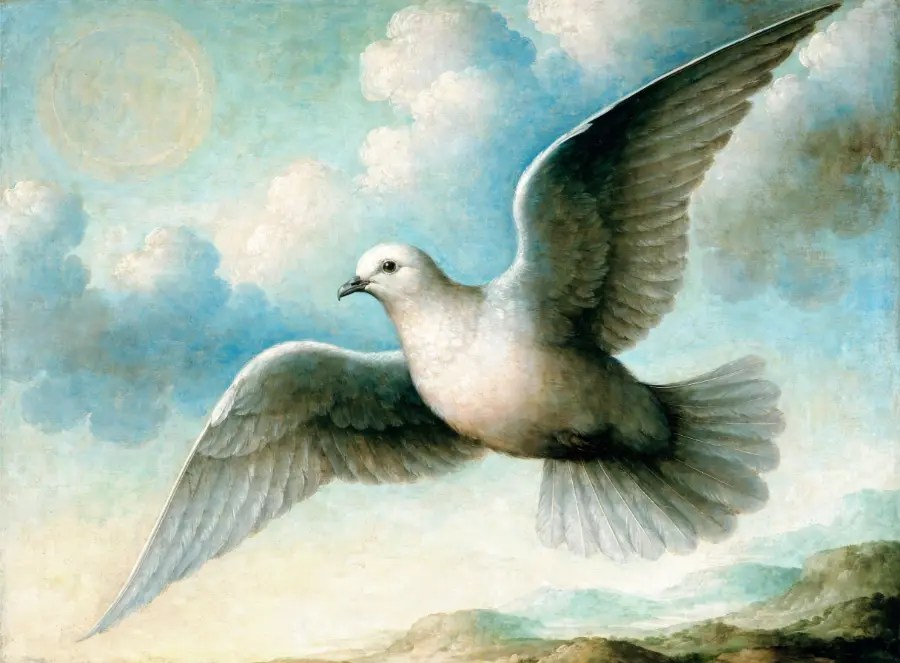
Psalm 88:18
“You have caused my beloved and my friend to shun me; my companions have become darkness.”
Reflection: Psalm 88, headed as a Maskil of Heman the Ezrahite, opens “O Lord, God of my salvation, I cry out day and night before you.” The speaker calls himself “a man who has no strength” (88:4) and asks, “Why do you hide your face from me?” (88:14). He still addresses God as “God of my salvation” in the first line, and the psalm ends here with no answer recorded.
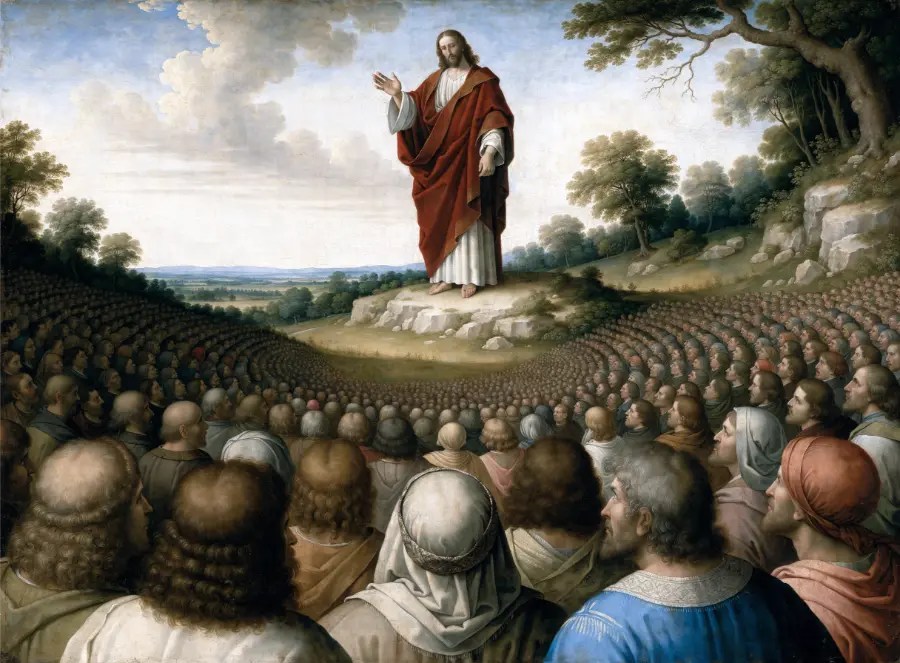
Lamentations 3:21-23
“But this I call to mind, and therefore I have hope: The steadfast love of the Lord never ceases; his mercies never come to an end; they are new every morning; great is your faithfulness.”
Reflection: Just before these lines the writer says, “my soul is bereft of peace; I have forgotten what happiness is” and “My endurance has perished; so has my hope from the Lord” (3:17-18). The turn comes through memory: he calls to mind the Lord’s steadfast love and mercies, and from that he has hope. Verse 24 follows: “‘The Lord is my portion,’ says my soul, ‘therefore I will hope in him.’”
When Elijah and Paul despaired of life
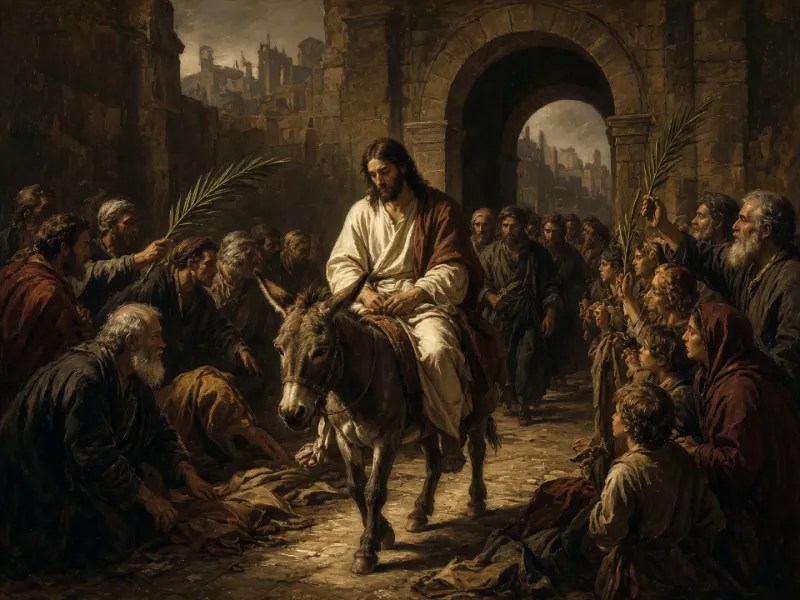
1 Kings 19:4
“But he himself went a day’s journey into the wilderness and came and sat down under a broom tree. And he asked that he might die, saying, ‘It is enough; now, O Lord, take away my life, for I am no better than my fathers.’”
Reflection: Elijah fled when Jezebel swore to kill him after she heard how he had killed the prophets (19:1-3). Under the broom tree he asks to die and then lies down and sleeps. An angel touches him and says, “Arise and eat”, and a cake and a jar of water are at his head. He eats and lies down again, and the angel comes a second time with the same words, adding “the journey is too great for you” (19:7). Elijah then travels forty days and forty nights to Horeb on the strength of that food.
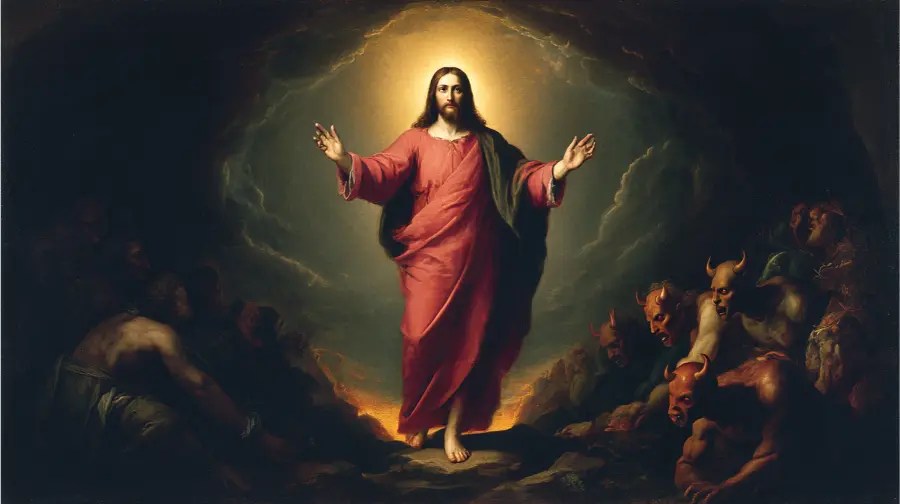
2 Corinthians 1:3-4
“Blessed be the God and Father of our Lord Jesus Christ, the Father of mercies and God of all comfort, who comforts us in all our affliction, so that we may be able to comfort those who are in any affliction, with the comfort with which we ourselves are comforted by God.”
Reflection: Paul opens the letter, after the greeting, by blessing “the God of all comfort,” and a few verses later he describes the affliction he had in Asia: “we were so utterly burdened beyond our strength that we despaired of life itself” (1:8). The comfort he describes is passed on, since God comforts him so that he can comfort others in any affliction. Verse 9 gives the purpose he saw in that trouble: “to make us rely not on ourselves but on God who raises the dead.”
Promises to the crushed, the faint and the heavy laden
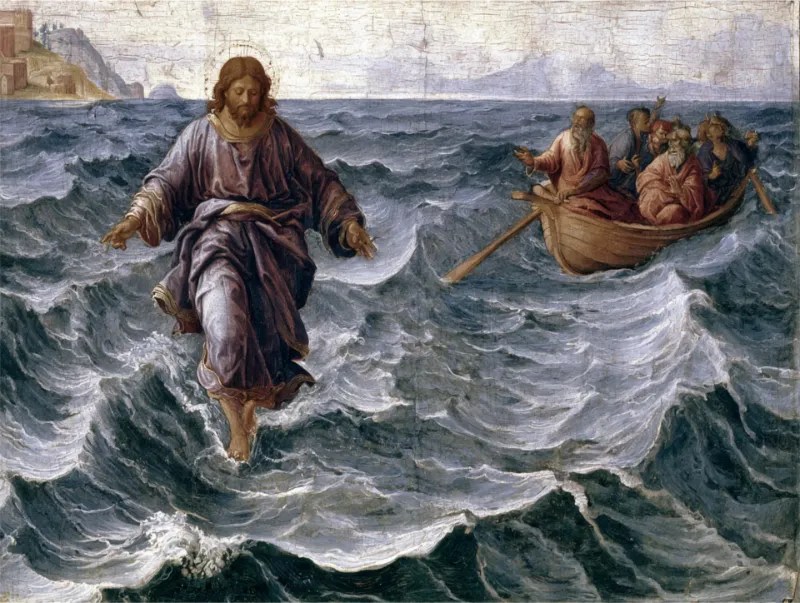
Isaiah 40:31
“But they who wait for the Lord shall renew their strength; they shall mount up with wings like eagles; they shall run and not be weary; they shall walk and not faint.”
Reflection: Isaiah speaks to Israel, who were saying, “My way is hidden from the Lord, and my right is disregarded by my God” (40:27). The answer is that the Lord “does not faint or grow weary” and “gives power to the faint” (40:28-29). Even young men “fall exhausted” (40:30); the renewed strength is promised to those who wait for the Lord.
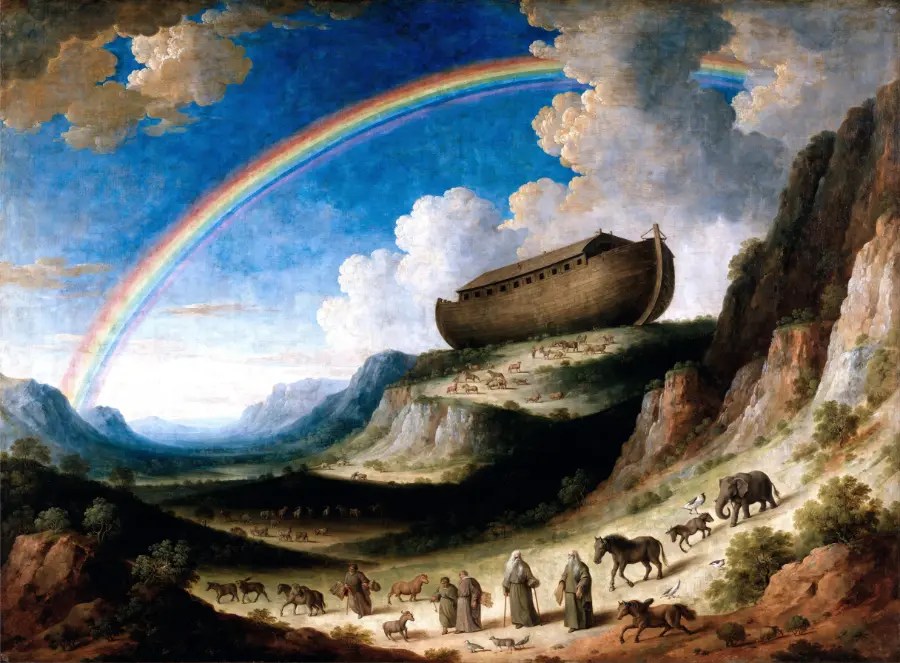
Psalm 34:18
“The Lord is near to the brokenhearted and saves the crushed in spirit.”
Reflection: The verse stands between “When the righteous cry for help, the Lord hears and delivers them out of all their troubles” (34:17) and “Many are the afflictions of the righteous, but the Lord delivers him out of them all” (34:19). The psalm grants that the afflictions are many and places the Lord near to those whose spirit is crushed by them.
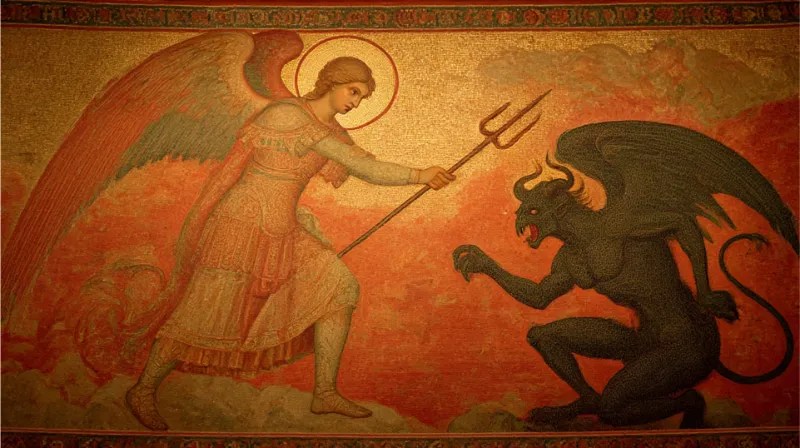
Psalm 147:3
“He heals the brokenhearted and binds up their wounds.”
Reflection: The psalm praises the Lord who “builds up Jerusalem” and “gathers the outcasts of Israel” (147:2). Healing the brokenhearted comes next, and then the stars: he “determines the number of the stars; he gives to all of them their names” (147:4).

Matthew 11:28-30
“Come to me, all who labor and are heavy laden, and I will give you rest. Take my yoke upon you, and learn from me, for I am gentle and lowly in heart, and you will find rest for your souls. For my yoke is easy, and my burden is light.”
Reflection: Jesus gives this invitation right after thanking the Father for revealing “these things” to “little children” and hiding them from “the wise and understanding” (11:25). He calls those who “labor and are heavy laden” and describes himself as “gentle and lowly in heart.” The rest he offers comes with a yoke: those who come take it on and learn from him, and he calls the yoke easy and the burden light.

1 Peter 5:7
“Casting all your anxieties on him, because he cares for you.”
Reflection: The verse finishes a sentence that begins “Humble yourselves, therefore, under the mighty hand of God” (5:6). Peter is writing to Christians under suffering, telling them that “the same kinds of suffering are being experienced by your brotherhood throughout the world” (5:9). He adds that “after you have suffered a little while” God “will himself restore, confirm, strengthen, and establish you” (5:10).
A verse for how you feel
Choose how you feel today and read a verse from Scripture.
Cast all your anxiety on Him, because He cares for you.
Get a verse each week
Thank you. Your first verse is on its way.
If nothing arrives in a few minutes, look in your spam or promotions folder.
Keep this for another day. A verse for how you feel has a page of its own, with our verses for each feeling.
Each verse is quoted from the Berean Standard Bible.



Leave a Reply