
 English
 Chinese
 Dutch
 Arabic
 Spanish
 Portuguese
 Russian
 French
 Italian
 German
 Japanese
In the Bible, a foundation is what a building, the earth or a life rests on. Paul names Jesus Christ as the foundation “already laid” (1 Corinthians 3:11), and Jesus compares a person who does what he says to a house built on rock (Matthew 7:24-25).
Isaiah 28:16 promises a tested stone in Zion, which 1 Peter 2:6 applies to Jesus. Ephesians 2:19-20 builds the church on the apostles and prophets, and in Matthew 16:18 Jesus says he will build his church on “this rock”, which the Catechism of the Catholic Church reads as Peter and Matthew Henry’s commentary reads as Christ. Psalm 89:14 calls righteousness and justice the foundation of God’s throne, 1 Timothy 3:15 calls the church the foundation of the truth, and Revelation 21:14 gives the new Jerusalem twelve foundations. Job 38:4, Psalm 104:5 and Proverbs 3:19 speak of the foundations of the earth that God laid.
Christ as the foundation and cornerstone
1 Corinthians 3:11
“For no one can lay any foundation other than the one already laid, which is Jesus Christ.”
Reflection: Paul calls the Corinthian believers “God’s building” (verse 9) and says that he laid a foundation “as a wise builder, and someone else is building on it” (verse 10). The foundation he laid was Jesus Christ himself, and he says it cannot be replaced. What remains open is how each builder builds on it, which the next two verses take up.
1 Corinthians 3:12-13
“If anyone builds on this foundation using gold, silver, costly stones, wood, hay or straw, their work will be shown for what it is, because the Day will bring it to light. It will be revealed with fire, and the fire will test the quality of each person’s work.”
Reflection: The materials run from gold, silver and costly stones down to wood, hay and straw, and the Day will test them with fire. Verses 14-15 give the outcome: if the work survives, the builder is rewarded; if it burns, the builder “will suffer loss but yet will be saved—even though only as one escaping through the flames.” The fire tests the work built on the foundation, and the foundation itself is not in question.
Isaiah 28:16
“So this is what the Sovereign LORD says: ‘See, I lay a stone in Zion, a tested stone, a precious cornerstone for a sure foundation; the one who relies on it will never be stricken with panic.’”
Reflection: Isaiah speaks to “you scoffers who rule this people in Jerusalem” (verse 14), who boast of a covenant with death and say they have “made a lie our refuge” (verse 15). Against that refuge God lays a tested stone as a sure foundation. Verse 17 names the tools he will build with, justice as the measuring line and righteousness as the plumb line, and says hail will sweep away the lie they hid behind.
1 Peter 2:6
“For in Scripture it says: ‘See, I lay a stone in Zion, a chosen and precious cornerstone, and the one who trusts in him will never be put to shame.’”
Reflection: Peter quotes Isaiah 28:16, in wording that ends “will never be put to shame” where the NIV of Isaiah reads “will never be stricken with panic”, and applies the stone to Jesus, “the living Stone—rejected by humans but chosen by God” (verse 4). His readers are “living stones” built into a spiritual house (verse 5). For those who do not believe, verses 7-8 add that the rejected stone “has become the cornerstone” and is a stone that makes people stumble.
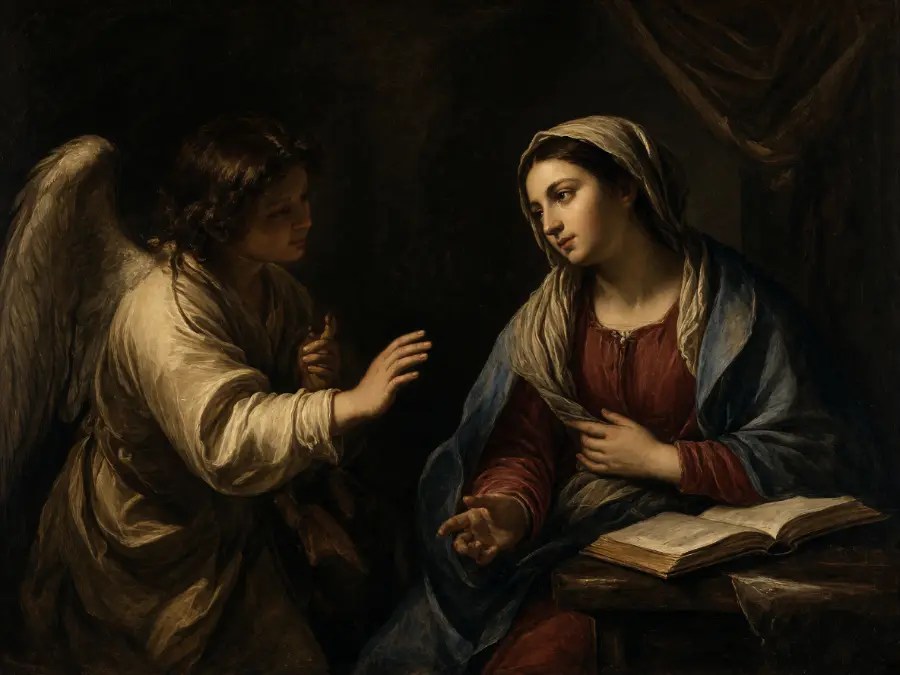
Ephesians 2:19-20
“Consequently, you are no longer foreigners and strangers, but fellow citizens with God’s people and also members of his household, built on the foundation of the apostles and prophets, with Christ Jesus himself as the chief cornerstone.”
Reflection: The readers are “Gentiles by birth” who were once “excluded from citizenship in Israel and foreigners to the covenants of the promise” (verses 11-12). Here they are fellow citizens and members of God’s household. The foundation is the apostles and prophets, with Christ as the chief cornerstone, and verses 21-22 say the whole building rises to become “a holy temple in the Lord” and “a dwelling in which God lives by his Spirit.”
Peter and the rock
Matthew 16:18
“And I tell you that you are Peter, and on this rock I will build my church, and the gates of Hades will not overcome it.”
Reflection: Simon Peter has just answered, “You are the Messiah, the Son of the living God” (verse 16), and in the next verse Jesus gives him the keys of the kingdom of heaven. The Greek name Peter is Petros, a stone, and the word for rock is petra. The Catechism of the Catholic Church (paragraph 881) reads the rock as Peter himself: “The Lord made Simon alone, whom he named Peter, the ‘rock’ of his Church.” The Protestant commentator Matthew Henry reads it as Christ: “Without doubt Christ himself is the Rock, the tried foundation of the church.”
Building a life on rock
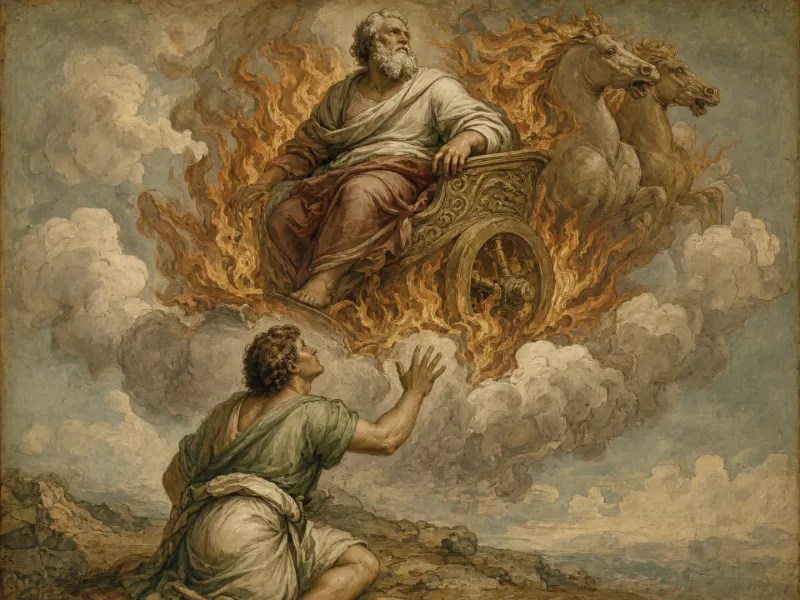
Matthew 7:24-25
“Therefore everyone who hears these words of mine and puts them into practice is like a wise man who built his house on the rock. The rain came down, the streams rose, and the winds blew and beat against that house; yet it did not fall, because it had its foundation on the rock.”
Reflection: Jesus ends the Sermon on the Mount with two builders who hear the same words and face the same rain, rising streams and wind. The difference is that one “puts them into practice” and the other does not, and the second house “fell with a great crash” (verse 27). Matthew adds that the crowds were amazed, because Jesus “taught as one who had authority” (verses 28-29).

Luke 6:48
“They are like a man building a house, who dug down deep and laid the foundation on rock. When a flood came, the torrent struck that house but could not shake it, because it was well built.”
Reflection: Luke’s version opens with a question: “Why do you call me, ‘Lord, Lord,’ and do not do what I say?” (verse 46). Here the wise builder “dug down deep” before laying the foundation, and the other man built “on the ground without a foundation” (verse 49). In Luke a single flood strikes both houses, and the second collapses at once.
Hebrews 6:1
“Therefore let us move beyond the elementary teachings about Christ and be taken forward to maturity, not laying again the foundation of repentance from acts that lead to death, and of faith in God,”
Reflection: The writer lists what the foundation contains: repentance, faith in God, cleansing rites, the laying on of hands, the resurrection of the dead and eternal judgment (verses 1-2). A foundation is laid once, and the call is to build on it and go on to maturity. Verse 3 adds, “And God permitting, we will do so.”
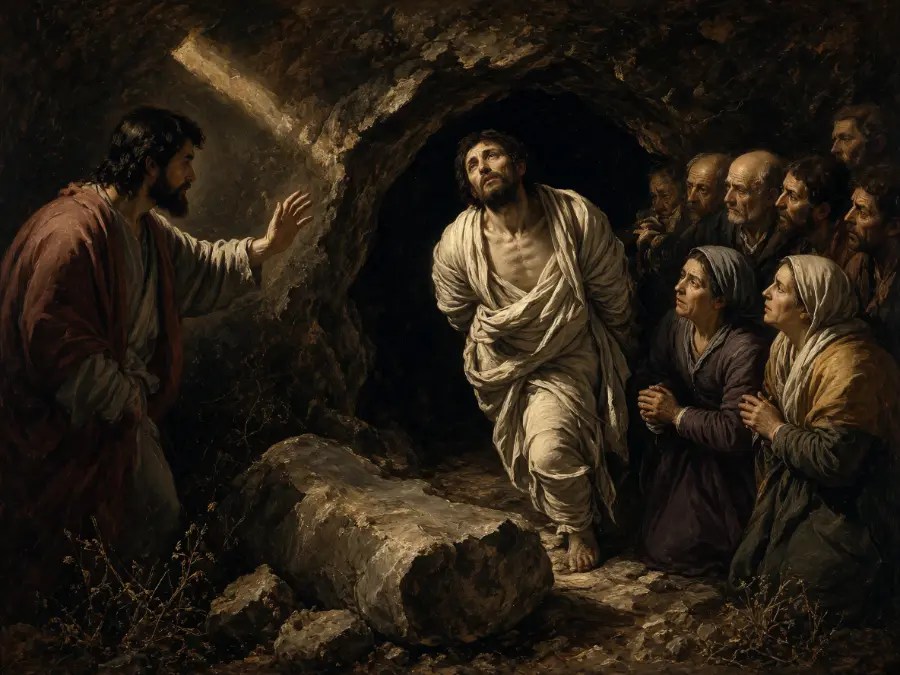
1 Timothy 6:19
“In this way they will lay up treasure for themselves as a firm foundation for the coming age, so that they may take hold of the life that is truly life.”
Reflection: Paul tells Timothy to command the rich not to put their hope in wealth, “which is so uncertain”, but in God (verse 17), and to be rich in good deeds, generous and willing to share (verse 18). In this way, verse 19 says, they lay up treasure as a firm foundation “for the coming age”.
The foundation of God’s house

Ezra 3:11
“With praise and thanksgiving they sang to the LORD: ‘He is good; his love toward Israel endures forever.’ And all the people gave a great shout of praise to the LORD, because the foundation of the house of the LORD was laid.”
Reflection: The builders have laid the foundation of the temple, and the priests with trumpets and the Levites with cymbals praise the Lord “as prescribed by David king of Israel” (verse 10). The next verses record two responses: older priests and family heads who had seen the former temple wept aloud, while many others shouted for joy, and “no one could distinguish the sound of the shouts of joy from the sound of weeping” (verses 12-13).
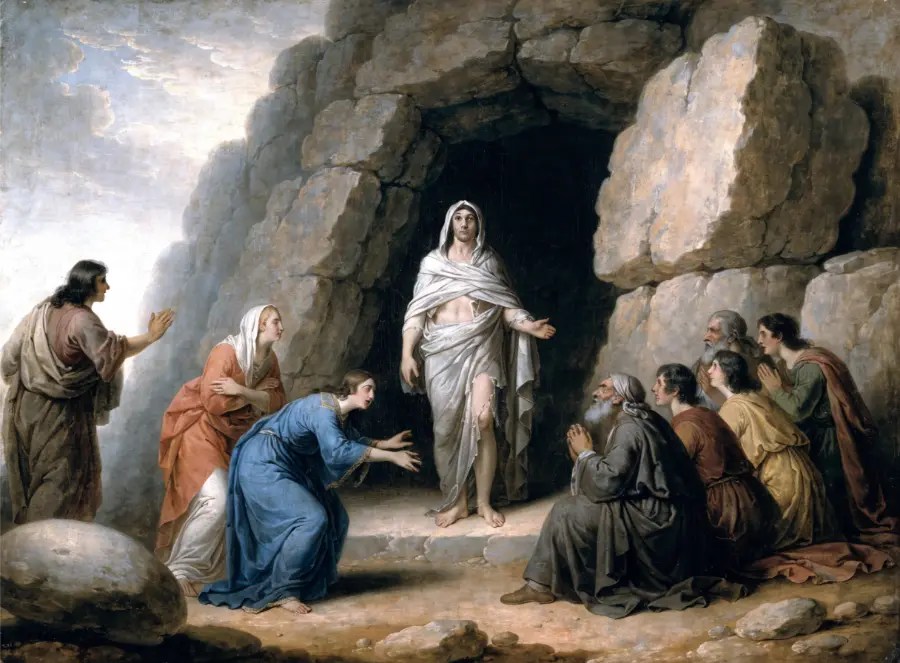
1 Timothy 3:15
“…God’s household, which is the church of the living God, the pillar and foundation of the truth.”
Reflection: Paul writes so that Timothy will know how people ought to conduct themselves in God’s household if Paul is delayed (verse 14). In this verse the church is the pillar and foundation that holds up the truth, and verse 16 states that truth as a series of lines about Christ, beginning “He appeared in the flesh”. In 1 Corinthians 3:11 Christ is the foundation of the church; here the church is a foundation for the truth about him.
2 Timothy 2:19
“Nevertheless, God’s solid foundation stands firm, sealed with this inscription: ‘The Lord knows those who are his,’ and, ‘Everyone who confesses the name of the Lord must turn away from wickedness.’”
Reflection: The verse follows the names of Hymenaeus and Philetus, who “say that the resurrection has already taken place, and they destroy the faith of some” (verses 17-18). Against that loss, God’s foundation stands with a two-part inscription: the Lord knows his own, and those who confess him must turn from wickedness. Verses 20-21 continue with a large house holding articles of gold, silver, wood and clay.
Righteousness and justice under God’s throne
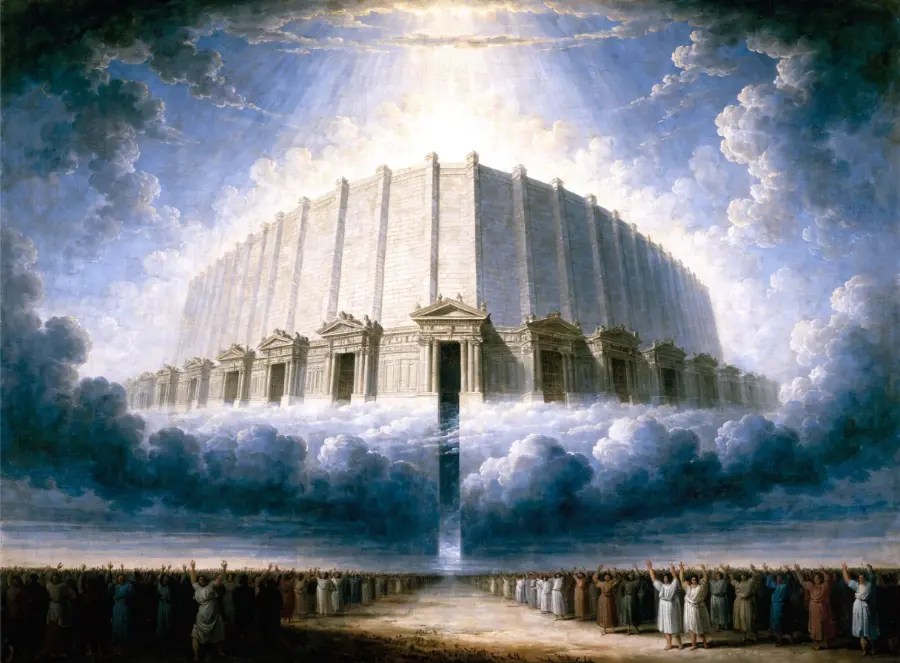
Psalm 89:14
“Righteousness and justice are the foundation of your throne; love and faithfulness go before you.”
Reflection: The verse comes in a hymn to God’s power over the sea and the heavens, a few lines after “you founded the world and all that is in it” (verse 11). Righteousness and justice are what the throne rests on, while love and faithfulness go ahead of it. Psalm 97:2 repeats the first line: “righteousness and justice are the foundation of his throne.”
When the foundations are destroyed
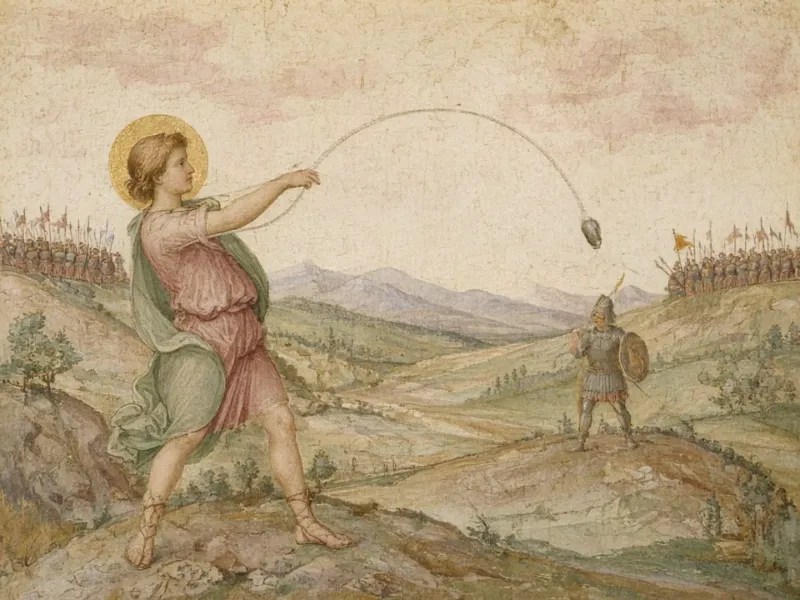
Psalm 11:3
“When the foundations are being destroyed, what can the righteous do?”
Reflection: The question belongs to those who tell the psalmist to “Flee like a bird to your mountain” (verse 1), because the wicked are aiming arrows at the upright (verse 2). The psalmist has already answered them in the opening line, “In the Lord I take refuge”, and goes on: “The Lord is in his holy temple; the Lord is on his heavenly throne” (verse 4).
The foundations of the earth
Job 38:4
“Where were you when I laid the earth’s foundation? Tell me, if you understand.”
Reflection: The Lord speaks to Job “out of the storm” (verse 1) and answers him with questions. The ones that follow this verse are put in a builder’s terms: who marked off the earth’s dimensions, who stretched a measuring line across it, what its footings were set on and who laid its cornerstone (verses 5-6).
Psalm 104:5
“He set the earth on its foundations; it can never be moved.”
Reflection: The psalm opens “Praise the Lord, my soul” and describes God stretching out the heavens “like a tent” and riding on the clouds (verses 2-3). Setting the earth on its foundations is part of that praise, and the psalm says it “can never be moved”.
Proverbs 3:19
“By wisdom the LORD laid the earth’s foundations, by understanding he set the heavens in place.”
Reflection: The verses before praise wisdom as “more precious than rubies” and “a tree of life to those who take hold of her” (verses 15, 18). Then the Lord himself is shown using wisdom, understanding and knowledge to lay the earth’s foundations, set the heavens in place and divide the watery depths (verses 19-20).
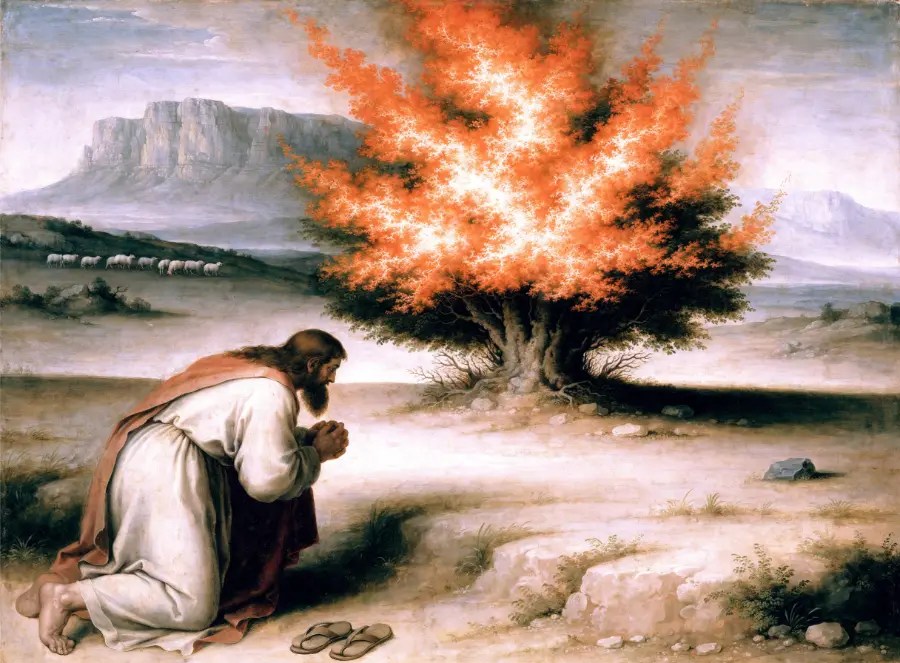
Hebrews 1:10
“He also says, ‘In the beginning, Lord, you laid the foundations of the earth, and the heavens are the work of your hands.’”
Reflection: The writer quotes Psalm 102:25 and applies it to the Son (verse 8 introduces the quotations with “But about the Son he says”). The next verses say the earth and heavens “will perish, but you remain” and will be rolled up “like a robe” (verses 11-12). The foundations of the earth are the work of the Son’s hands, and they are not permanent.
The city with foundations
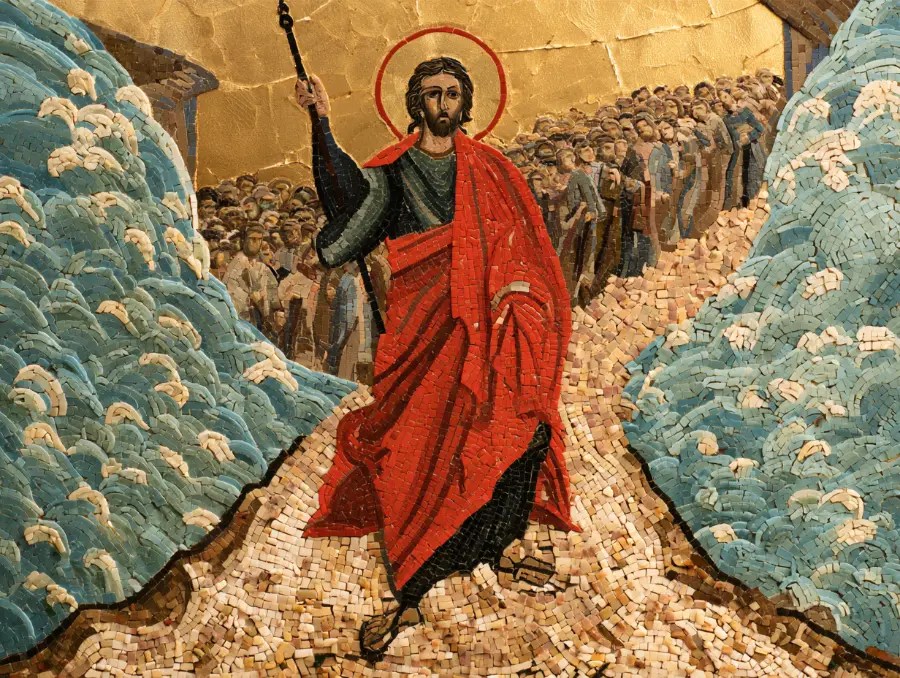
Hebrews 11:10
“For he was looking forward to the city with foundations, whose architect and builder is God.”
Reflection: Abraham lived in tents in the promised land, “as did Isaac and Jacob” (verse 9), and the city with foundations is set against those tents. The verse names God as its architect and builder, and verses 13-16 say that Abraham and the others “did not receive the things promised” but were “longing for a better country—a heavenly one.”
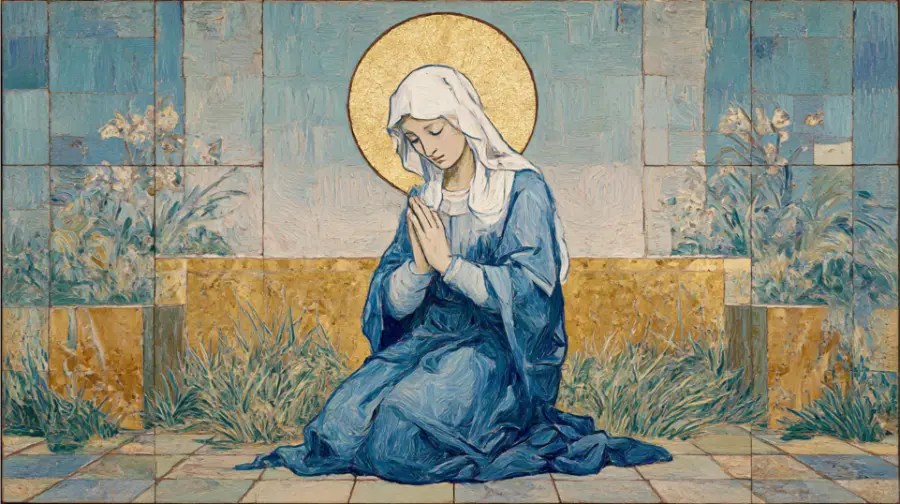
Revelation 21:14
“The wall of the city had twelve foundations, and on them were the names of the twelve apostles of the Lamb.”
Reflection: John sees the Holy City, Jerusalem, coming down out of heaven (verse 10). Its twelve gates carry the names of the twelve tribes of Israel (verse 12), and its twelve foundations carry the names of the twelve apostles. Verses 19-20 describe the foundations decorated with precious stones, from jasper to amethyst. Ephesians 2:20 also places the apostles in the foundation.
Christ, the apostles and the rock
The New Testament uses the foundation image for more than one thing. 1 Corinthians 3:11 names Jesus Christ as the foundation that no one can replace. Ephesians 2:20 builds on the apostles and prophets with Christ as the cornerstone, Revelation 21:14 writes the apostles’ names on the foundations of the new Jerusalem, and in Matthew 16:18 Jesus says he will build his church on “this rock” after telling Simon, “you are Peter”. 1 Timothy 3:15 turns the image around and calls the church the foundation of the truth.
The earth’s foundations are also described two ways. Psalm 104:5 says the earth “can never be moved”, while Hebrews 1:10-12 says the earth and heavens will perish and be changed like a garment, though the one who laid them remains.


Leave a Reply