
 English
 Chinese
 Dutch
 Arabic
 Spanish
 Portuguese
 Russian
 French
 Italian
 German
 Japanese
The Bible treats precious stones as marks of worth and of God’s glory. Twelve stones on the high priest’s breastpiece carry the names of Israel’s tribes (Exodus 28:17-21), the new Jerusalem shines “clear as crystal” (Revelation 21:11), and Job 28:18 sets the price of wisdom above crystal and pearls.
Ordinary stones matter too. Jacob and Samuel each set up a stone, and Joshua set up twelve, where God had spoken or acted (Genesis 28:18; Joshua 4:6-7; 1 Samuel 7:12). Psalm 118:22 speaks of a stone the builders rejected that became the cornerstone, and Isaiah 28:16 of a tested, precious cornerstone laid in Zion; 1 Peter 2:6-7 applies both verses to Christ, and Ephesians 2:20 calls Christ Jesus the cornerstone.
The stones on the high priest’s breastpiece
Exodus 28:17-20
“You shall set in it four rows of stones. A row of sardius, topaz, and carbuncle shall be the first row; and the second row an emerald, a sapphire, and a diamond; and the third row a jacinth, an agate, and an amethyst; and the fourth row: a beryl, an onyx, and a jasper. They shall be set in gold filigree.”
Reflection: God gives Moses these instructions for the “breastpiece of judgment,” one of the holy garments made for Aaron “for glory and for beauty” (Exodus 28:2). The next verse gives the stones their purpose: “There shall be twelve stones with their names according to the names of the sons of Israel. They shall be like signets, each engraved with its name, for the twelve tribes.”

Exodus 28:29
“So Aaron shall bear the names of the sons of Israel in the breastpiece of judgment on his heart when he goes into the Holy Place, to bring them to regular remembrance before the LORD.”
Reflection: Aaron is to wear the tribes’ names over his heart each time he enters the Holy Place, so that they are brought to remembrance before the Lord. Verse 30 places the Urim and the Thummim in the same breastpiece, also on Aaron’s heart, and ends: “Thus Aaron shall bear the judgment of the people of Israel on his heart before the Lord regularly.”
Precious stones in the visions of God and his city
Revelation 4:3
“And he who sat there had the appearance of jasper and carnelian, and around the throne was a rainbow that had the appearance of an emerald.”
Reflection: A door opens in heaven, and John sees a throne with one seated on it (Revelation 4:1-2). He describes the one on the throne by the appearance of jasper and carnelian, with a rainbow like an emerald around the throne. Three verses later he sees before the throne “a sea of glass, like crystal.”
Isaiah 54:11-12
“O afflicted one, storm-tossed and not comforted, behold, I will set your stones in antimony, and lay your foundations with sapphires. I will make your pinnacles of agate, your gates of carbuncles, and all your wall of precious stones.”
Reflection: God speaks to an “afflicted one” who has not been comforted, and the verse before gives the ground of the promise: “my steadfast love shall not depart from you, and my covenant of peace shall not be removed.” The rebuilt walls are set with sapphires, agate and carbuncles, and verse 13 turns from the walls to the people living inside them: “All your children shall be taught by the Lord.”
Revelation 21:11
“having the glory of God, its radiance like a most rare jewel, like a jasper, clear as crystal.”
Reflection: An angel carries John to a high mountain and shows him “the holy city Jerusalem coming down out of heaven from God” (Revelation 21:10). The city’s light comes from the glory of God, and John compares it to jasper “clear as crystal.” Verse 18 says the wall was built of jasper and the city was pure gold, “like clear glass.”
Revelation 21:19
“The foundations of the wall of the city were adorned with every kind of jewel. The first was jasper, the second sapphire, the third agate, the fourth emerald,”
Reflection: The wall has twelve foundations, and verse 14 says they carry “the twelve names of the twelve apostles of the Lamb.” The twelve gates carry the names of the twelve tribes (Revelation 21:12). Exodus 28:21 engraved the tribes’ names on twelve stones for the priest to wear; in this city the tribes are named on the gates and the apostles on the jewelled foundations.
Revelation 21:20
“the fifth onyx, the sixth carnelian, the seventh chrysolite, the eighth beryl, the ninth topaz, the tenth chrysoprase, the eleventh jacinth, the twelfth amethyst.”
Reflection: The list completes the twelve foundations, and verse 21 adds that each of the twelve gates was “made of a single pearl.” Across verses 19 and 20 in the English Standard Version, jasper, sapphire, agate, emerald, onyx, beryl, topaz, jacinth and amethyst are also names of stones on the high priest’s breastpiece in Exodus 28:17-20.
Jewels as a measure of worth and of loss
Job 28:17-18
“Gold and glass cannot equal it, nor can it be exchanged for jewels of fine gold. No mention shall be made of coral or of crystal; the price of wisdom is above pearls.”
Reflection: Job 28 asks, “But where shall wisdom be found?” (verse 12). Man “does not know its worth,” and the deep and the sea both say it is not with them (verses 13-14). Verses 15-19 then list what cannot buy it: gold of Ophir, onyx, sapphire, glass, coral, crystal, pearls and the topaz of Ethiopia.
Zechariah 9:16
“On that day the LORD their God will save them, as the flock of his people; for like the jewels of a crown they shall shine on his land.”
Reflection: Earlier in the chapter, Zechariah announces a king coming to Jerusalem, “humble and mounted on a donkey” (Zechariah 9:9). On the day the Lord saves his people, he compares them to the jewels of a crown shining on his land. Verse 17 turns the praise back to God: “For how great is his goodness, and how great his beauty!”
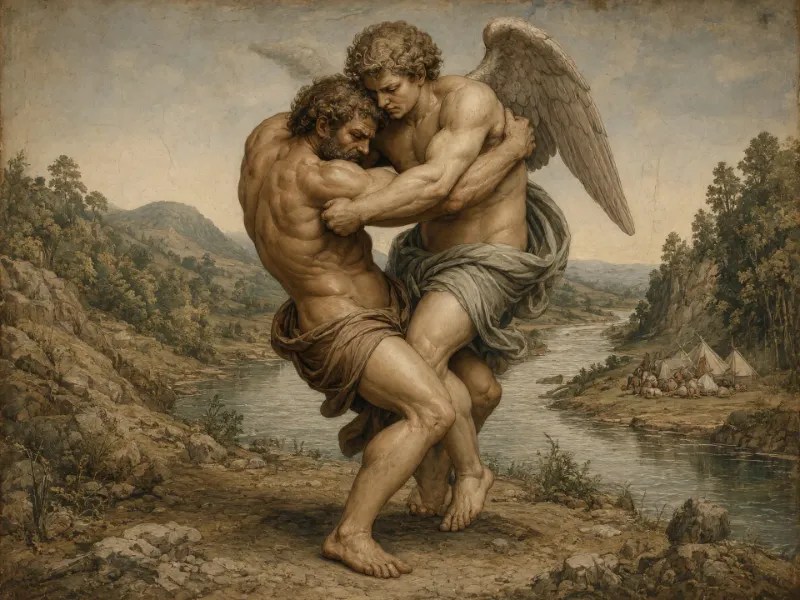
Ezekiel 28:13
“You were in Eden, the garden of God; every precious stone was your covering, sardius, topaz, and diamond, beryl, onyx, and jasper, sapphire, emerald, and carbuncle; and crafted in gold were your settings and your engravings. On the day that you were created they were prepared.”
Reflection: Ezekiel is told to “raise a lamentation over the king of Tyre” (Ezekiel 28:12), who is pictured in Eden with every precious stone as his covering. In the English Standard Version, every stone in this list is also one of the breastpiece stones of Exodus 28:17-20. Verse 17 names what went wrong: “Your heart was proud because of your beauty; you corrupted your wisdom for the sake of your splendor.”

Lamentations 4:1
“How the gold has grown dim, how the pure gold is changed! The holy stones lie scattered at the head of every street.”
Reflection: The chapter mourns Zion, and it opens with gold gone dim and holy stones lying in the streets. Verse 2 moves from the stones to people: “The precious sons of Zion, worth their weight in fine gold, how they are regarded as earthen pots, the work of a potter’s hands!”
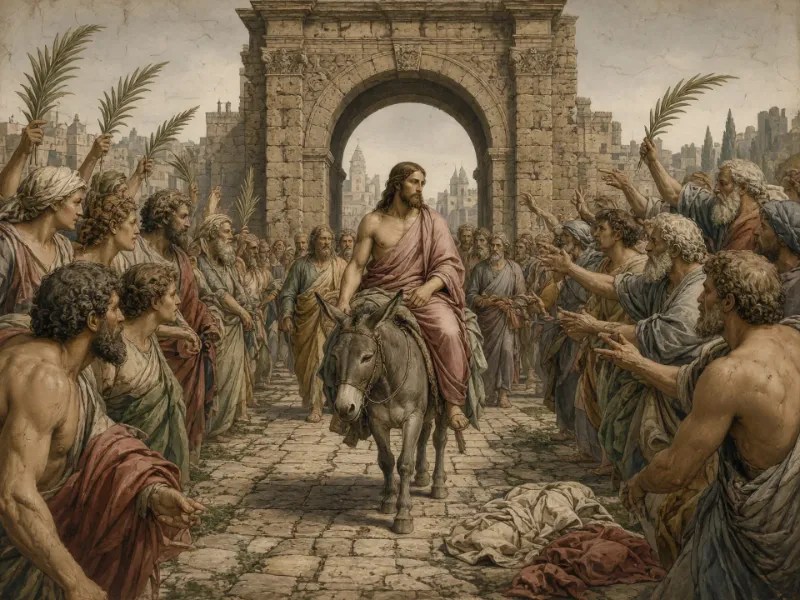
1 Corinthians 3:12
“Now if anyone builds on the foundation with gold, silver, precious stones, wood, hay, straw—”
Reflection: Paul describes himself as a master builder who laid a foundation, and adds that “no one can lay a foundation other than that which is laid, which is Jesus Christ” (1 Corinthians 3:11). Gold, silver and precious stones stand beside wood, hay and straw as materials a builder might use, and verse 13 says fire on “the Day” will test each one’s work. A builder whose work burns up “will be saved, but only as through fire” (verse 15).
The stone the builders rejected
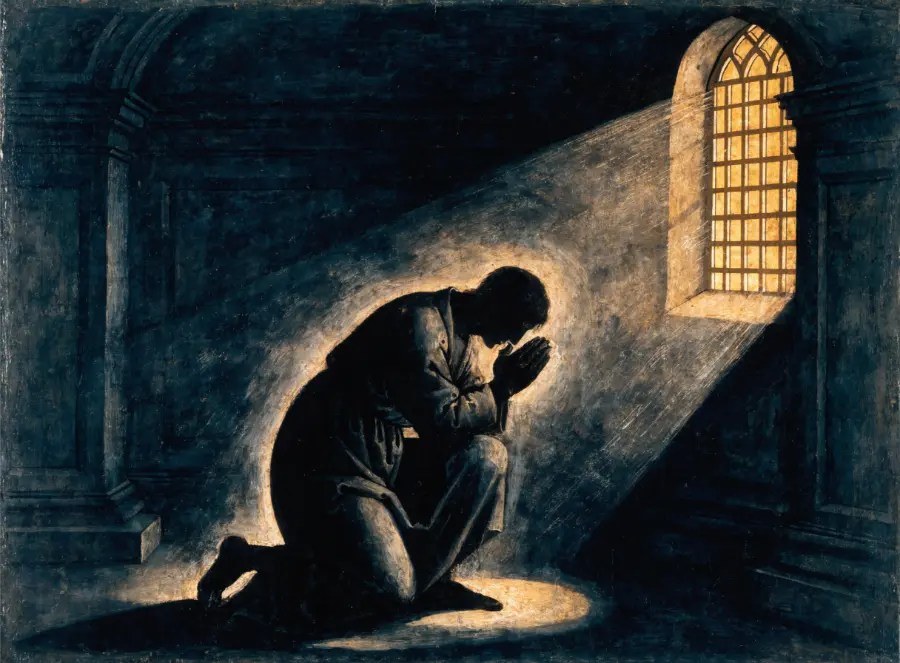
Psalm 118:22
“The stone that the builders rejected has become the cornerstone.”
Reflection: The psalm is spoken by someone entering “the gates of righteousness” to thank God for answering him (Psalm 118:19-21). The rejected stone becoming the cornerstone is followed at once by “This is the Lord’s doing; it is marvelous in our eyes.” In 1 Peter 2:7 the verse is quoted about those who do not believe.
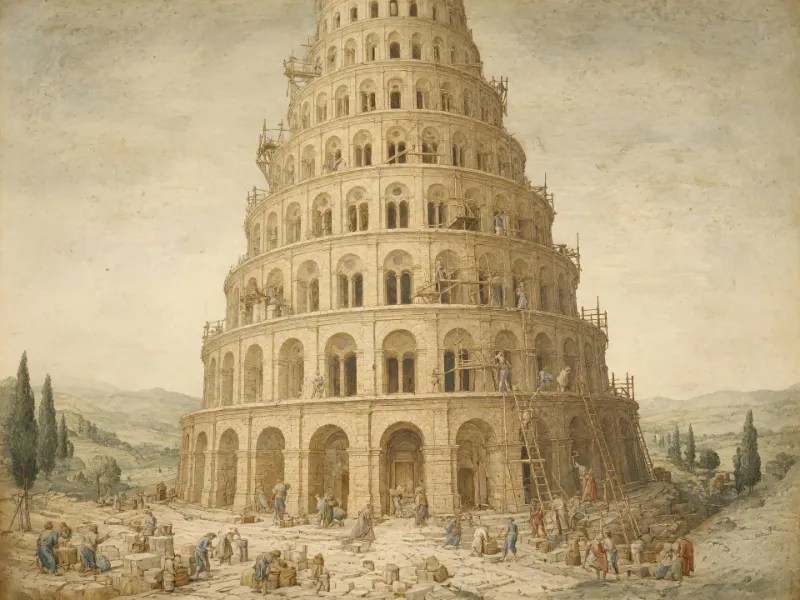
Isaiah 28:16
“Therefore thus says the Lord GOD, ‘Behold, I am the one who has laid as a foundation in Zion, a stone, a tested stone, a precious cornerstone, of a sure foundation: ‘Whoever believes will not be in haste.’”
Reflection: Isaiah addresses the rulers in Jerusalem who had said, “we have made lies our refuge” (Isaiah 28:15). Against that refuge God lays a tested, precious cornerstone, and verse 17 says hail “will sweep away the refuge of lies.” 1 Peter 2:6 quotes this verse as “whoever believes in him will not be put to shame.”
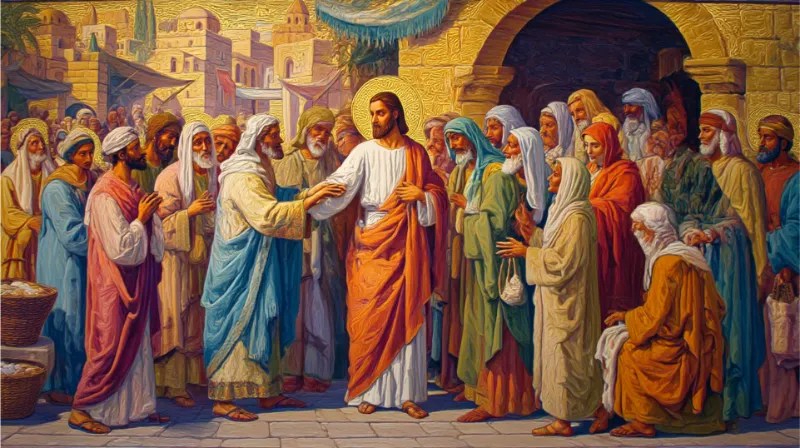
Ephesians 2:20-21
“built on the foundation of the apostles and prophets, Christ Jesus himself being the cornerstone, in whom the whole structure, being joined together, grows into a holy temple in the Lord.”
Reflection: Paul writes to people who are “no longer strangers and aliens” but “members of the household of God” (Ephesians 2:19). The building rests on the apostles and prophets with Christ Jesus as its cornerstone, and verse 22 says the readers themselves are “being built together into a dwelling place for God by the Spirit.”
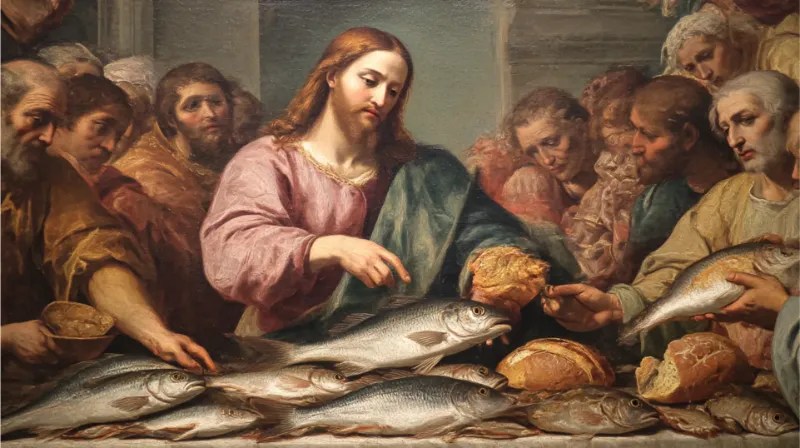
1 Peter 2:4-5
“As you come to him, a living stone rejected by men but in the sight of God chosen and precious, you yourselves like living stones are being built up as a spiritual house, to be a holy priesthood, to offer spiritual sacrifices acceptable to God through Jesus Christ.”
Reflection: Peter calls Christ “a living stone rejected by men” and then gives believers the same name: living stones built up as a spiritual house. The same sentence makes them the priesthood that offers spiritual sacrifices in that house. Verses 6-7 quote Isaiah 28:16 and Psalm 118:22 about the same stone.
Stones that mark what God has done or promised
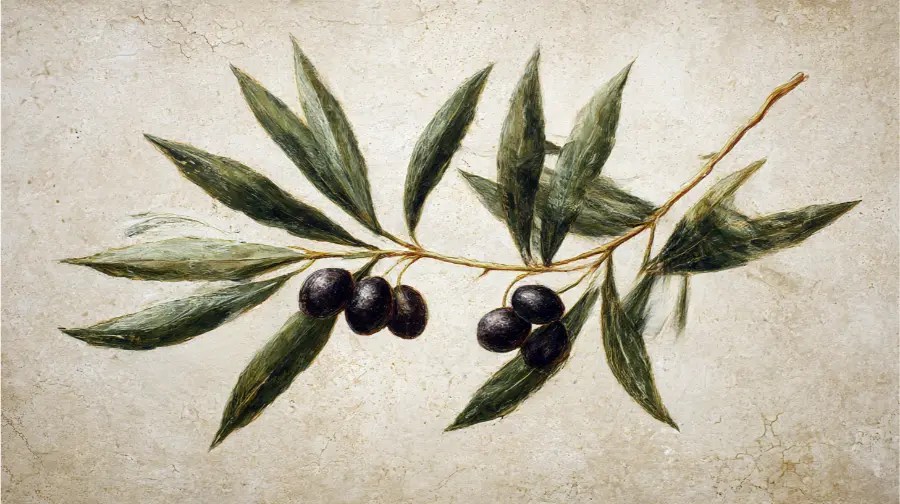
Genesis 28:18
“So early in the morning Jacob took the stone that he had put under his head and set it up for a pillar and poured oil on the top of it.”
Reflection: On the road from Beersheba to Haran, Jacob slept with a stone under his head and dreamed of a ladder reaching to heaven, with the Lord standing above it and promising, “I am with you and will keep you wherever you go” (Genesis 28:10-15). In the morning he set that stone up as a pillar, poured oil on it and named the place Bethel. His vow in verse 22 says what the stone will be: “this stone, which I have set up for a pillar, shall be God’s house.”
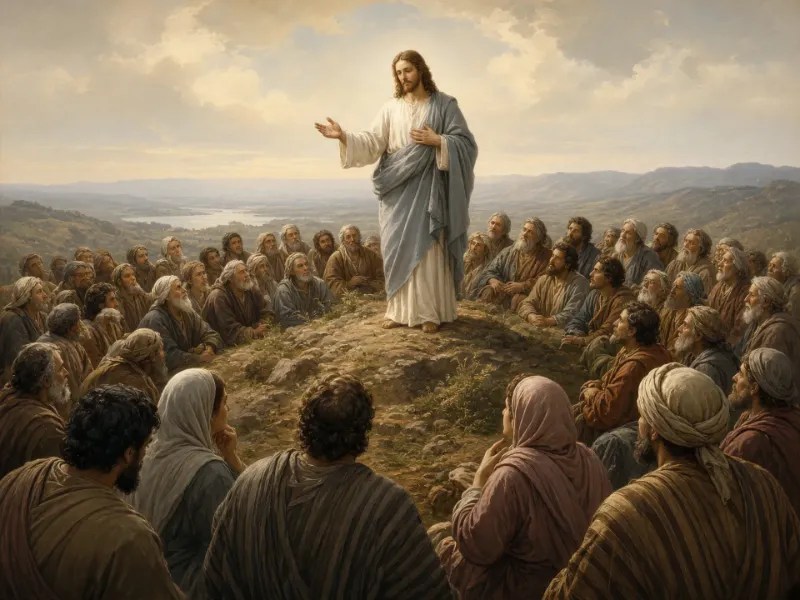
Joshua 4:6-7
“that this may be a sign among you. When your children ask in time to come, ‘What do those stones mean to you?’ then you shall tell them that the waters of the Jordan were cut off before the ark of the covenant of the LORD. When it passed over the Jordan, the waters of the Jordan were cut off. So these stones shall be to the people of Israel a memorial forever.”
Reflection: The twelve stones were taken from the riverbed where the priests carrying the ark stood while Israel crossed the Jordan on dry ground (Joshua 3:17; 4:3), one for each tribe. They are meant to prompt a question: when children ask what the stones mean, the answer is that the waters of the Jordan were cut off before the ark. Verse 9 records a second set of twelve stones set up in the middle of the river.
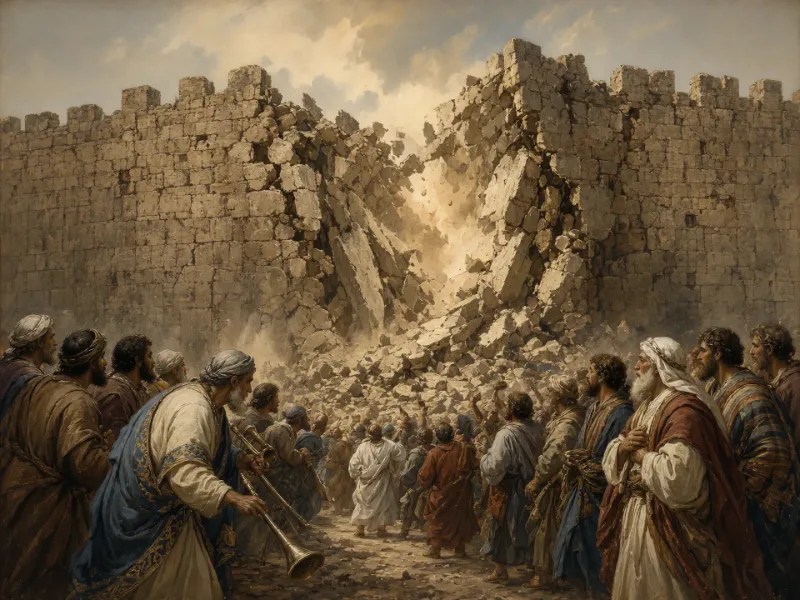
1 Samuel 7:12
“Then Samuel took a stone and set it up between Mizpah and Shen and called its name Ebenezer; for he said, ‘Till now the LORD has helped us.’”
Reflection: Samuel was offering a burnt offering when the Philistines drew near to attack, and “the Lord thundered with a mighty sound” and threw them into confusion (1 Samuel 7:10). After Israel pursued them, Samuel set up this stone, named it Ebenezer, and gave the reason for the name in the same breath: “Till now the Lord has helped us.”
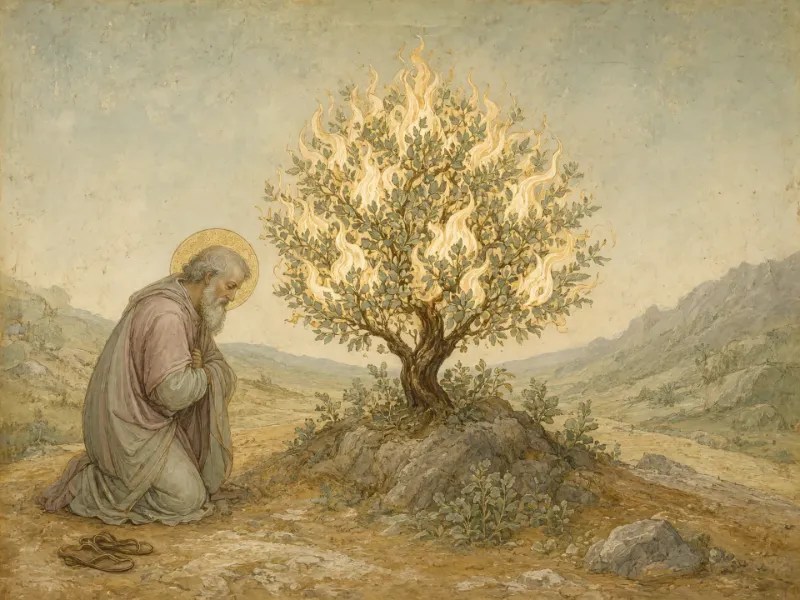
Revelation 2:17
“He who has an ear, let him hear what the Spirit says to the churches. To the one who conquers I will give some of the hidden manna, and I will give him a white stone, with a new name written on the stone that no one knows except the one who receives it.”
Reflection: The promise closes the message to the church in Pergamum, which is told to repent of the teaching of Balaam and of the Nicolaitans (Revelation 2:14-16). The one who conquers receives hidden manna and a white stone with a new name on it, known only to the one who receives it. The passage does not explain the stone further.
What the stones are for
Joshua 4:6-7 says the twelve Jordan stones are there so that children will ask what they mean and hear how the river was cut off before the ark. Exodus 28:29 says the breastpiece stones bring the tribes’ names to remembrance before the Lord, and in 1 Samuel 7:12 Samuel names the stone at Ebenezer with a sentence of thanks. Genesis 28:22 and Revelation 2:17 tie a stone to a promise: Jacob’s pillar is to be God’s house, and the white stone carries a new name.
Crystal is a comparison in Revelation 21:11, where the new Jerusalem is “clear as crystal,” and in Revelation 4:6, where the sea before the throne is “like crystal.” In Job 28:18 crystal is one of the things that cannot equal the price of wisdom.


Leave a Reply