
 English
 Chinese
 Dutch
 Arabic
 Spanish
 Portuguese
 Russian
 French
 Italian
 German
 Japanese
The Bible does not name gambling or betting. It speaks instead to related subjects: the casting of lots, quick or dishonest gain, the love of money, and providing for a household.
Proverbs 16:33 and Acts 1:26 show lots used to reach a decision, and in Matthew 27:35 soldiers cast lots for the clothes of Jesus. On money, Proverbs 13:11 sets dishonest money against money gathered “little by little,” Proverbs 28:22 warns that those eager to get rich do not see poverty coming, 1 Timothy 6:10 calls the love of money “a root of all kinds of evil,” and Hebrews 13:5 and Philippians 4:11-12 answer it with contentment. First Timothy 5:8 and Luke 16:10-11 speak of providing for one’s family and being trusted with money.
Casting lots in the Bible
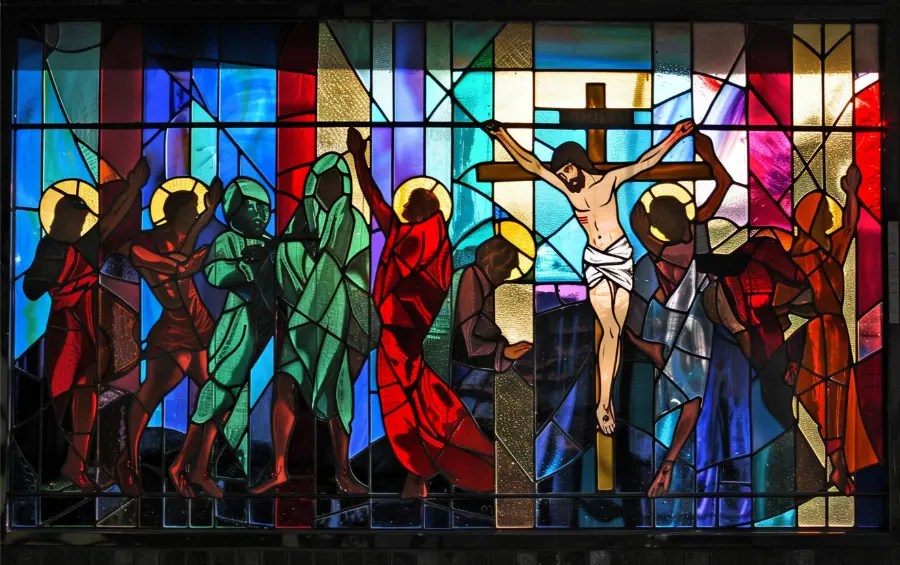
Proverbs 16:33
“The lot is cast into the lap, but its every decision is from the LORD.”
Reflection: Lots were a way of reaching a decision, and two chapters later Proverbs says what they were used for: “Casting the lot settles disputes and keeps strong opponents apart” (Proverbs 18:18). This proverb says that the outcome of the throw, which looks like chance, is decided by the Lord.

Acts 1:26
“Then they cast lots, and the lot fell to Matthias; so he was added to the eleven apostles.”
Reflection: After Judas’s death Peter told the believers, about a hundred and twenty of them, that another man must become “a witness with us of his resurrection” (Acts 1:15, 22). They nominated Joseph called Barsabbas and Matthias, prayed “Lord, you know everyone’s heart. Show us which of these two you have chosen,” and then cast lots. The lot here follows a prayer asking God to show a choice he had already made.

Matthew 27:35
“When they had crucified him, they divided up his clothes by casting lots.”
Reflection: The soldiers at the crucifixion used lots to share out the clothes of the man they had just crucified. John 19:23-24 gives more detail: they divided the clothes into four shares and, rather than tear the seamless undergarment, cast lots for it. John links the scene to Psalm 22:18, “They divide my clothes among them and cast lots for my garment.”
Wanting to get rich quickly

Proverbs 13:11
“Dishonest money dwindles away, but whoever gathers money little by little makes it grow.”
Reflection: The Hebrew behind “dishonest money” is wealth mehebel, “from vanity”: hebel means breath or vapour, and it is the word Ecclesiastes 5:10 uses for “meaningless.” The proverb sets that money against money gathered “little by little,” which grows.

Proverbs 28:22
“The stingy are eager to get rich and are unaware that poverty awaits them.”
Reflection: Two verses earlier the chapter says that “one eager to get rich will not go unpunished” and sets that person beside “a faithful person” who “will be richly blessed” (Proverbs 28:20). Verse 22 adds that the stingy, also eager to get rich, are unaware of the poverty waiting for them.

Proverbs 23:4-5
“Do not wear yourself out to get rich; do not trust your own cleverness. Cast but a glance at riches, and they are gone, for they will surely sprout wings and fly off to the sky like an eagle.”
Reflection: Proverbs 22:20 introduces “thirty sayings” of counsel, and the NIV numbers this one as the eighth. It gives two commands, not to wear oneself out to get rich and not to trust one’s own cleverness, and one reason: riches can leave as fast as an eagle takes to the sky.
The love of money and contentment

1 Timothy 6:10
“For the love of money is a root of all kinds of evil. Some people, eager for money, have wandered from the faith and pierced themselves with many griefs.”
Reflection: The verse before names the danger: “Those who want to get rich fall into temptation and a trap and into many foolish and harmful desires that plunge people into ruin and destruction.” The common saying “money is the root of all evil” drops two phrases: Paul calls the love of money a root of all kinds of evil. Against it he sets “godliness with contentment” (verse 6) and being content with food and clothing (verse 8).

Ecclesiastes 5:10
“Whoever loves money never has enough; whoever loves wealth is never satisfied with their income. This too is meaningless.”
Reflection: The Teacher’s word for “meaningless” is hebel, vapour, the same word that stands behind “dishonest money” in Proverbs 13:11. The verses that follow list what comes with wealth: more people to consume the goods (verse 11), sleepless nights for the rich (verse 12), and wealth “lost through some misfortune” so that nothing is left for the children (verse 14).

Luke 12:15
“Then he said to them, ‘Watch out! Be on your guard against all kinds of greed; life does not consist in an abundance of possessions.’”
Reflection: A man in the crowd had asked Jesus to make his brother divide the inheritance with him. Jesus refused to act as judge, gave this warning, and told the parable of the rich man who planned bigger barns and died that night. The parable ends: “This is how it will be with whoever stores up things for themselves but is not rich toward God” (Luke 12:21).

Matthew 6:24
“No one can serve two masters. Either you will hate the one and love the other, or you will be devoted to the one and despise the other. You cannot serve both God and money.”
Reflection: In the Sermon on the Mount, Jesus speaks of money as a master, one a person can be devoted to, and says no one serves both it and God. The next verse begins “Therefore” and turns to worry about food and clothing, pointing to the birds that “do not sow or reap or store away in barns, and yet your heavenly Father feeds them” (Matthew 6:26).
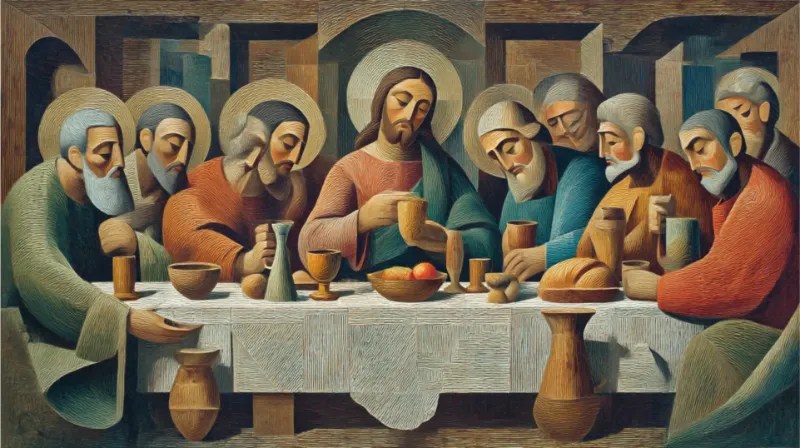
Hebrews 13:5
“Keep your lives free from the love of money and be content with what you have, because God has said, ‘Never will I leave you; never will I forsake you.’”
Reflection: The reason given for being content is a promise from God: “Never will I leave you; never will I forsake you.” The following verse gives the reply the readers are to make: “The Lord is my helper; I will not be afraid. What can mere mortals do to me?” (Hebrews 13:6).
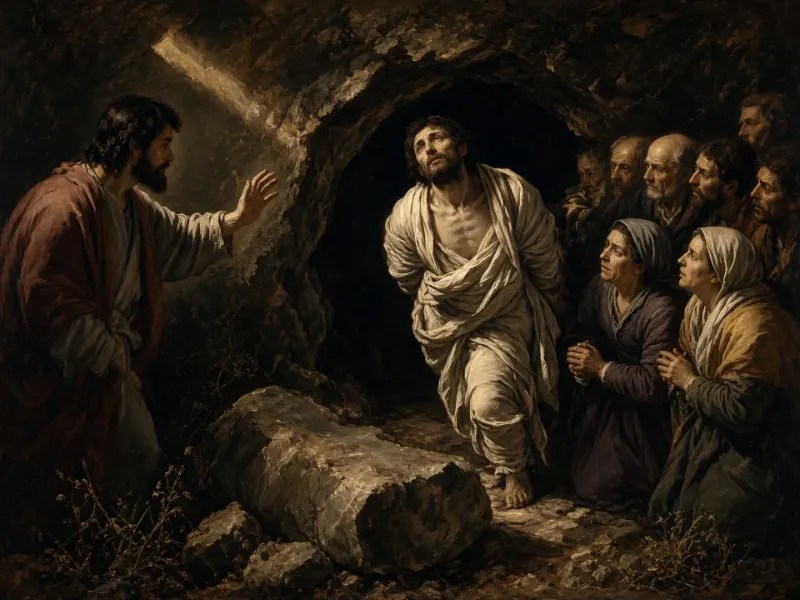
Philippians 4:11-12
“I am not saying this because I am in need, for I have learned to be content whatever the circumstances. I know what it is to be in need, and I know what it is to have plenty. I have learned the secret of being content in any and every situation, whether well fed or hungry, whether living in plenty or in want.”
Reflection: Paul writes this while thanking the Philippians for a gift, and he reminds them they had sent him aid “more than once” (Philippians 4:16). He calls contentment something he learned, in plenty as well as in want. Verse 13 names where it comes from: “I can do all this through him who gives me strength.”
Work, family and trust with money

Proverbs 10:4
“Lazy hands make for poverty, but diligent hands bring wealth.”
Reflection: The proverb ties wealth to the work of diligent hands and poverty to lazy ones. Proverbs 13:11 draws a related contrast, between dishonest money that dwindles and money gathered “little by little” that grows.
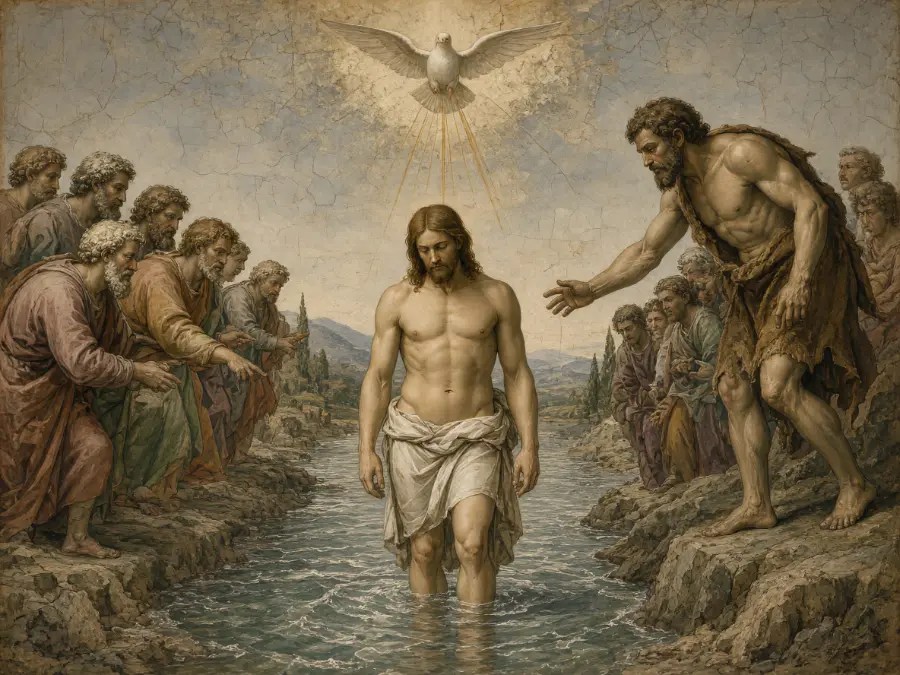
1 Timothy 5:8
“Anyone who does not provide for their relatives, and especially for their own household, has denied the faith and is worse than an unbeliever.”
Reflection: The chapter is about caring for widows. Paul says a widow’s children or grandchildren “should learn first of all to put their religion into practice by caring for their own family” (1 Timothy 5:4), and that a believer with widows in her care should help them, so that the church can help “those widows who are really in need” (5:16). Failing to provide for one’s own household he treats as a denial of the faith.

Luke 16:10-11
“Whoever can be trusted with very little can also be trusted with much, and whoever is dishonest with very little will also be dishonest with much. So if you have not been trustworthy in handling worldly wealth, who will trust you with true riches?”
Reflection: These lines follow the parable of the dishonest manager, who cut the bills of his master’s debtors to win friends before he lost his job (Luke 16:1-8). Jesus applies it to money: faithfulness with “worldly wealth” is the test for being trusted with “true riches,” and faithfulness with “someone else’s property” for being given property of one’s own (16:12).
When a desire takes control

1 Corinthians 6:12
“‘I have the right to do anything,’ you say—but not everything is beneficial. ‘I have the right to do anything’—but I will not be mastered by anything.”
Reflection: Paul quotes a slogan used in Corinth, “I have the right to do anything,” and answers it twice: not everything is beneficial, and he will not be mastered by anything. The slogan returns in 1 Corinthians 10:23-24, where his answer is that “not everything is constructive” and “No one should seek their own good, but the good of others.”

James 1:14-15
“…but each person is tempted when they are dragged away by their own evil desire and enticed. Then, after desire has conceived, it gives birth to sin; and sin, when it is full-grown, gives birth to death.”
Reflection: James begins with “When tempted, no one should say, ‘God is tempting me’” (James 1:13), and places the source of temptation in a person’s own desire. He then describes it as a birth in stages: desire conceives and gives birth to sin, and sin, once full-grown, gives birth to death.


Leave a Reply